
Grandma’s pantry held secrets that many of us have never tasted. Old-fashioned baking ingredients once gave cakes, breads, and pies their special flavor and texture, but many slowly vanished from store shelves and recipe cards.
Bringing them back can make your baking taste richer, more interesting, and full of history. Get ready to meet some pantry heroes that deserve a second chance.
1. Lard, the Flaky Crust Secret
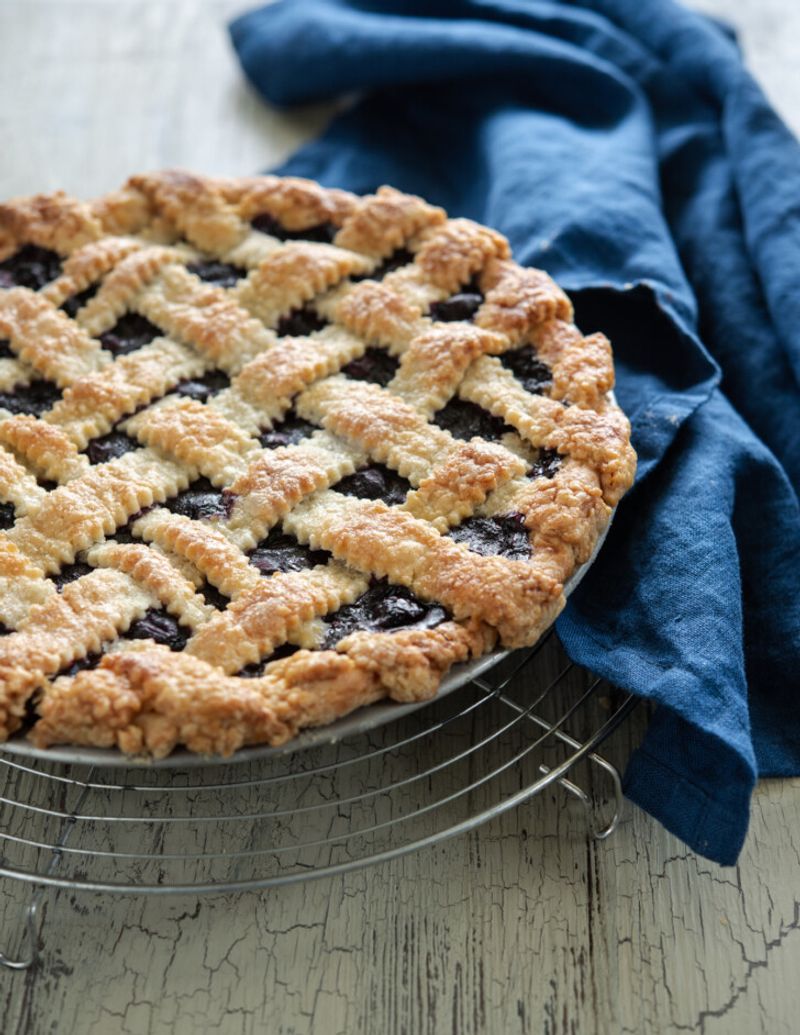
Ask any old-time pie champion about their secret, and many will whisper one word: lard. Before vegetable shortening took over, lard was the go-to fat for tender, flaky crusts.
Its large fat crystals create thin layers that puff and shatter when baked. Look for leaf lard, which has a clean, mild taste.
Try mixing half lard and half butter in your next pie. You get flaky layers plus buttery flavor.
2. Baker’s Ammonia
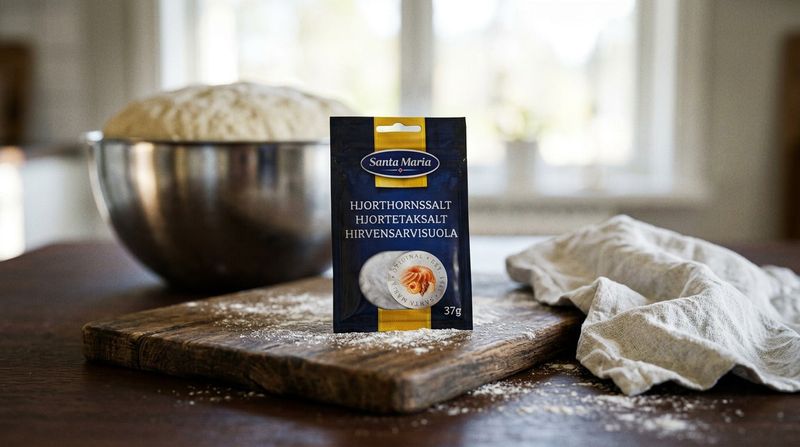
Here’s a quirky one. Baker’s ammonia, also called hartshorn, was once made from deer antlers.
Yes, really!
Today it comes as white crystals, and it makes cookies incredibly light and crunchy. Bakers in Scandinavia and Germany still use it for holiday treats.
Don’t panic when you smell it in the oven. The sharp odor bakes away completely, leaving behind crackers and cookies with a snap you can’t get from baking powder.
3. Sorghum Syrup
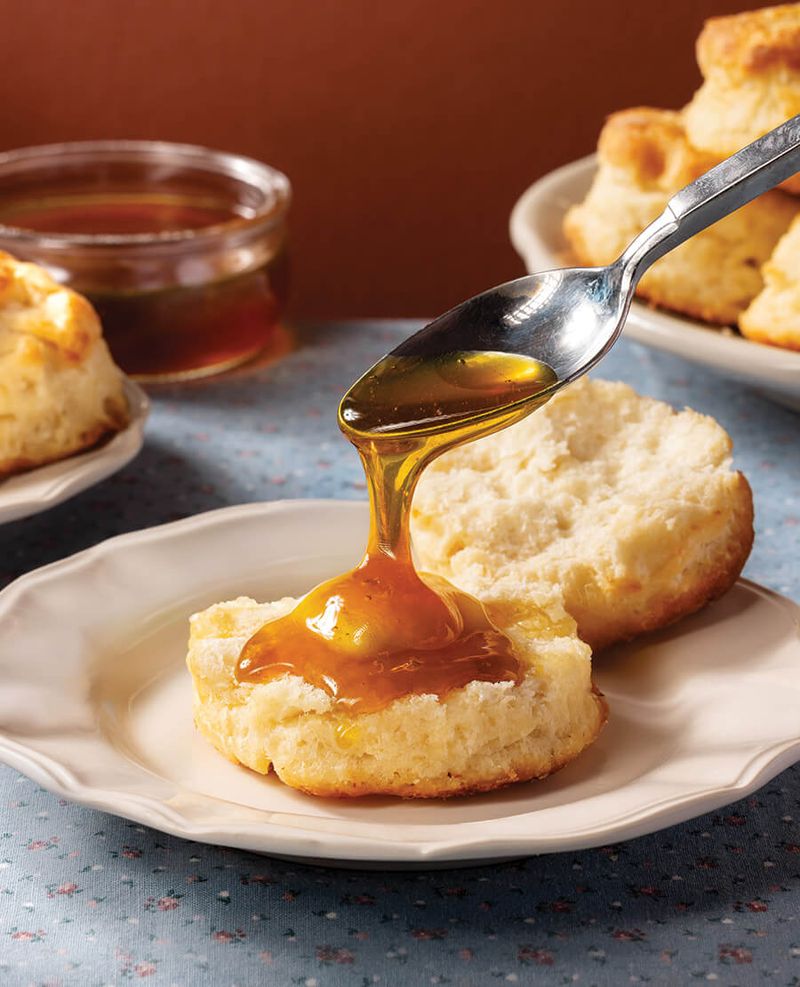
Down in the American South, families once boiled sorghum cane in big outdoor kettles every fall. The result was a thick, amber syrup with a gentle earthy tang.
Sorghum tastes a bit like molasses but softer and fruitier. It shines in gingerbread, spice cakes, and baked beans.
Swap it one-for-one with molasses or honey in most recipes. Drizzle some over hot biscuits, and you’ll understand why farm kids loved it.
4. Cream of Tartar
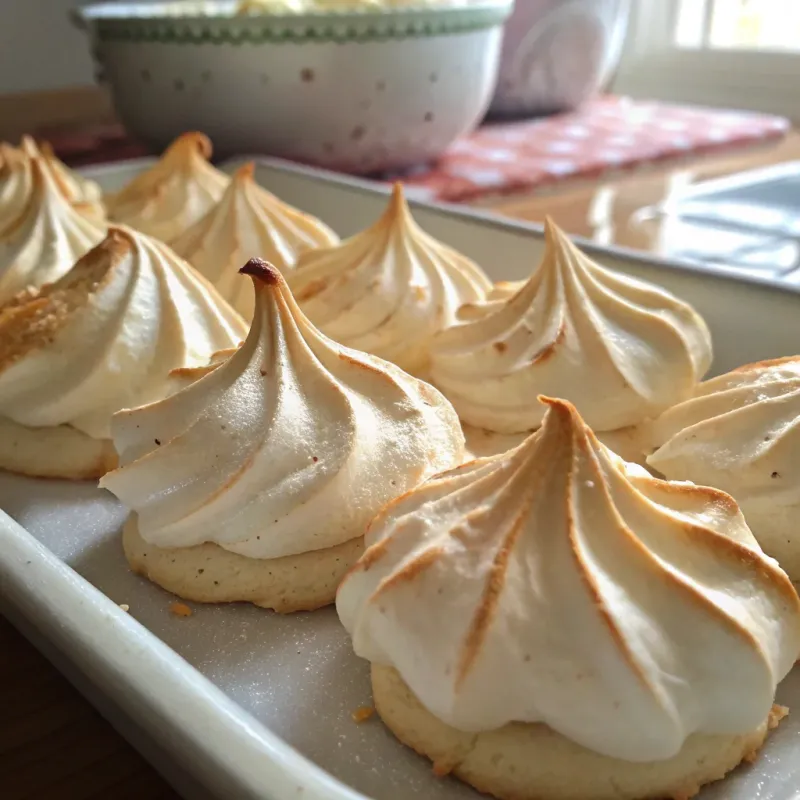
That little jar hiding in the back of your spice rack? It’s a quiet superstar.
Cream of tartar comes from the leftovers of winemaking.
A pinch helps egg whites whip into tall, steady peaks for meringues and angel food cake. It also keeps sugar syrups from turning grainy.
Snickerdoodles get their famous tang from it too. Without cream of tartar, they’re really just cinnamon sugar cookies.
Keep a jar handy.
5. Buttermilk, the Real Kind
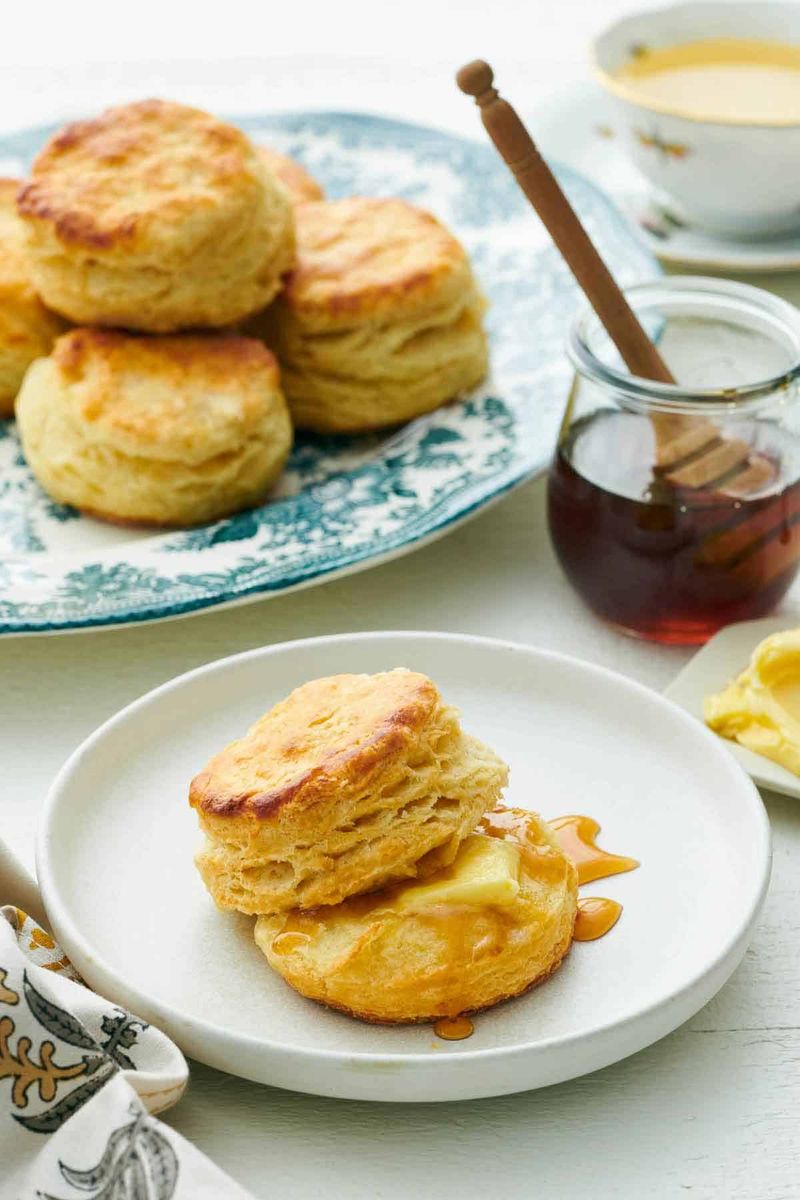
Picture a farm kitchen a hundred years ago. After churning butter, the leftover tangy liquid was buttermilk, and nobody wasted a drop.
Its acid reacts with baking soda to make pancakes, biscuits, and cakes rise high and stay soft. It also adds a pleasant tang.
Many people buy it once and let it spoil. Instead, freeze leftovers in ice cube trays.
Then you’ll always have some ready for weekend pancakes.
6. Rose Water
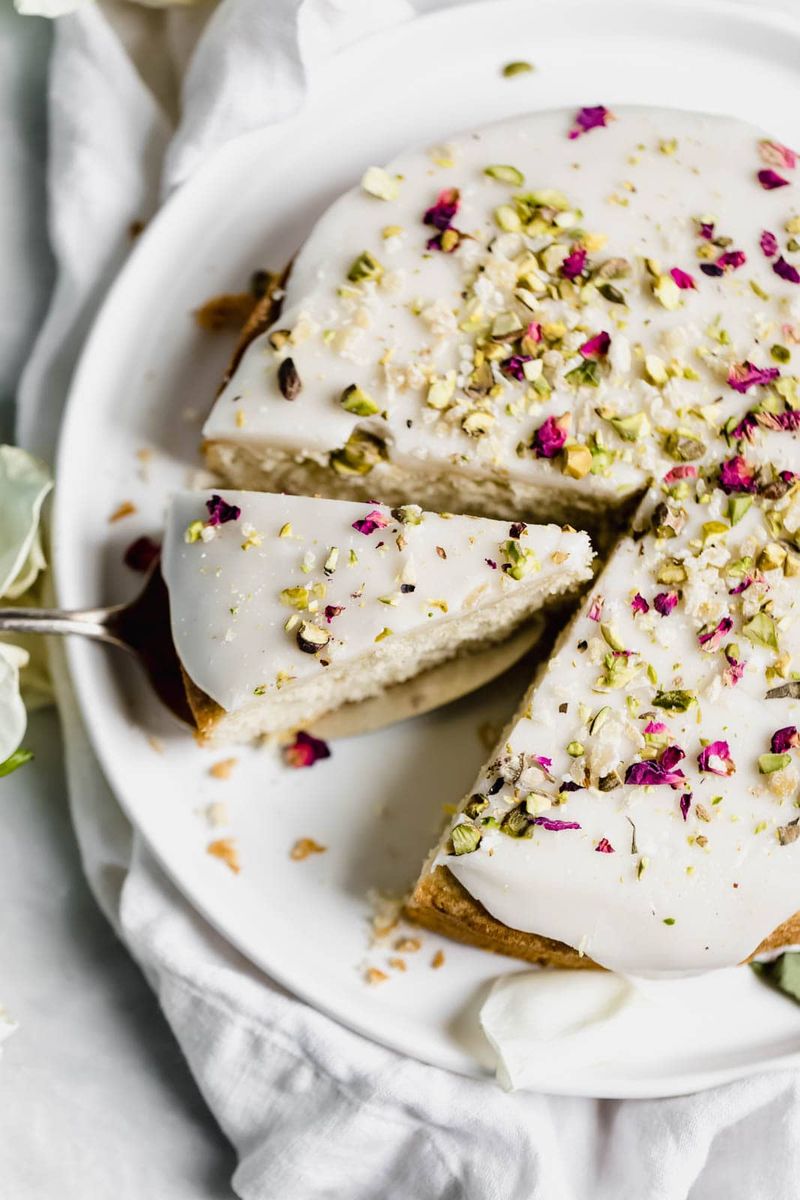
Long before vanilla became popular, rose water was the favorite flavoring in American and European kitchens. Even early colonial cookbooks call for it.
A few drops give cakes, cookies, and puddings a soft floral perfume. It pairs beautifully with pistachios, cardamom, and strawberries.
Go easy, though. Too much can taste like soap.
Start with a quarter teaspoon in frosting or shortbread, then taste and adjust until it feels just right.
7. Suet
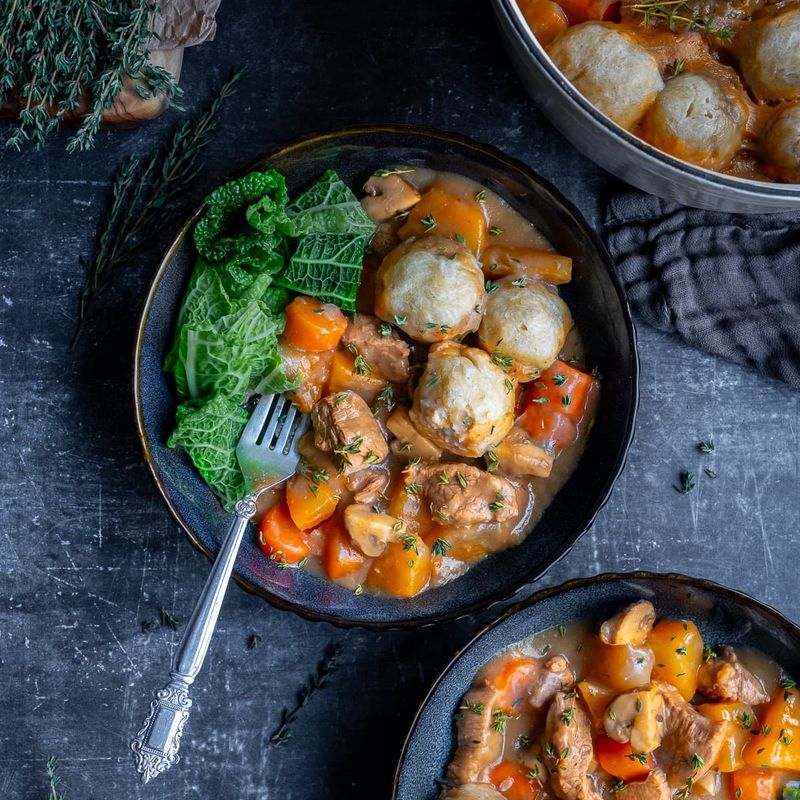
British grandmothers swear by suet for one simple reason: nothing else makes puddings quite so light. Suet is the firm fat found around beef kidneys.
It melts slowly while cooking, leaving tiny air pockets in steamed puddings, dumplings, and mincemeat pies. The texture turns fluffy instead of greasy.
Want to experiment? Try a classic spotted dick or fluffy suet dumplings in stew.
Vegetarian suet works well too.
8. Potash and Pearlash
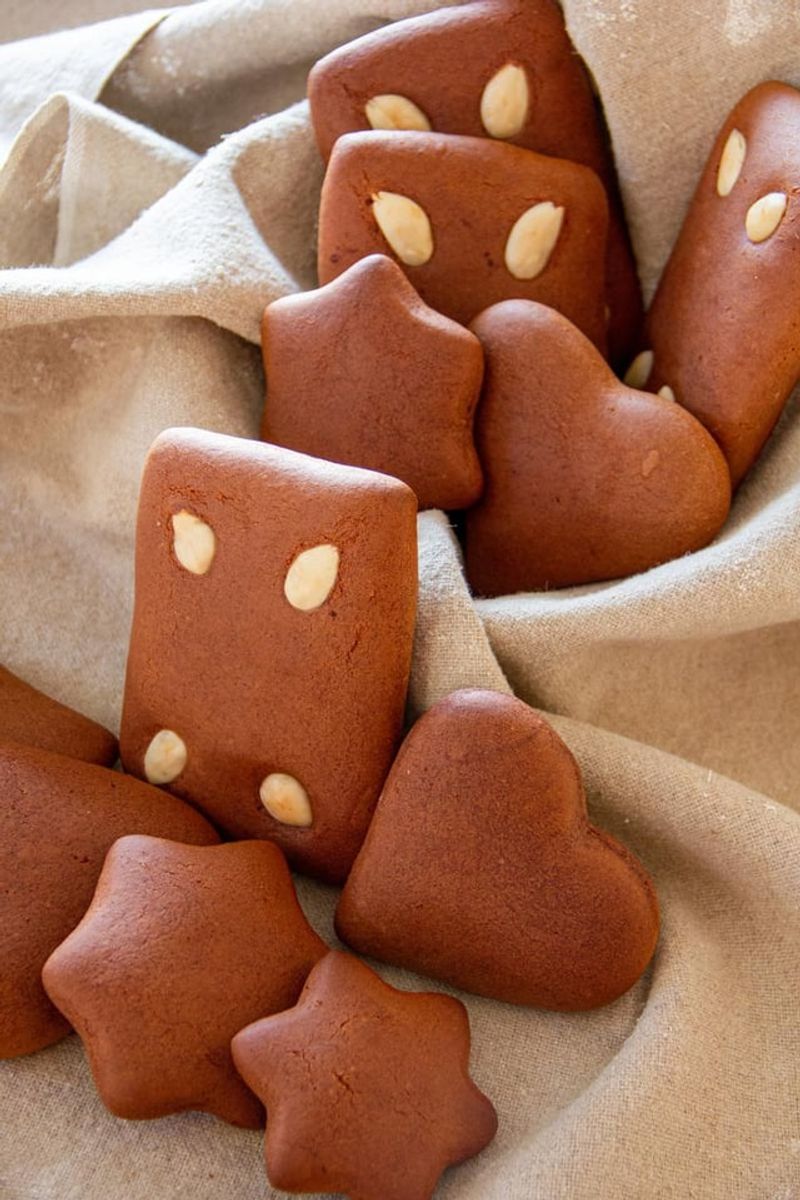
Fun fact: pearlash was America’s first chemical leavener, used back in the 1790s. Bakers made it from wood ashes, and it helped cookies puff without yeast.
Baking soda replaced it, but a cousin called potash is still used in German lebkuchen and Asian noodles. It creates a chewy, dense bite.
Find food-grade potassium carbonate online if you’re curious. It’s a tasty way to bake a slice of real history.
9. Carob Powder
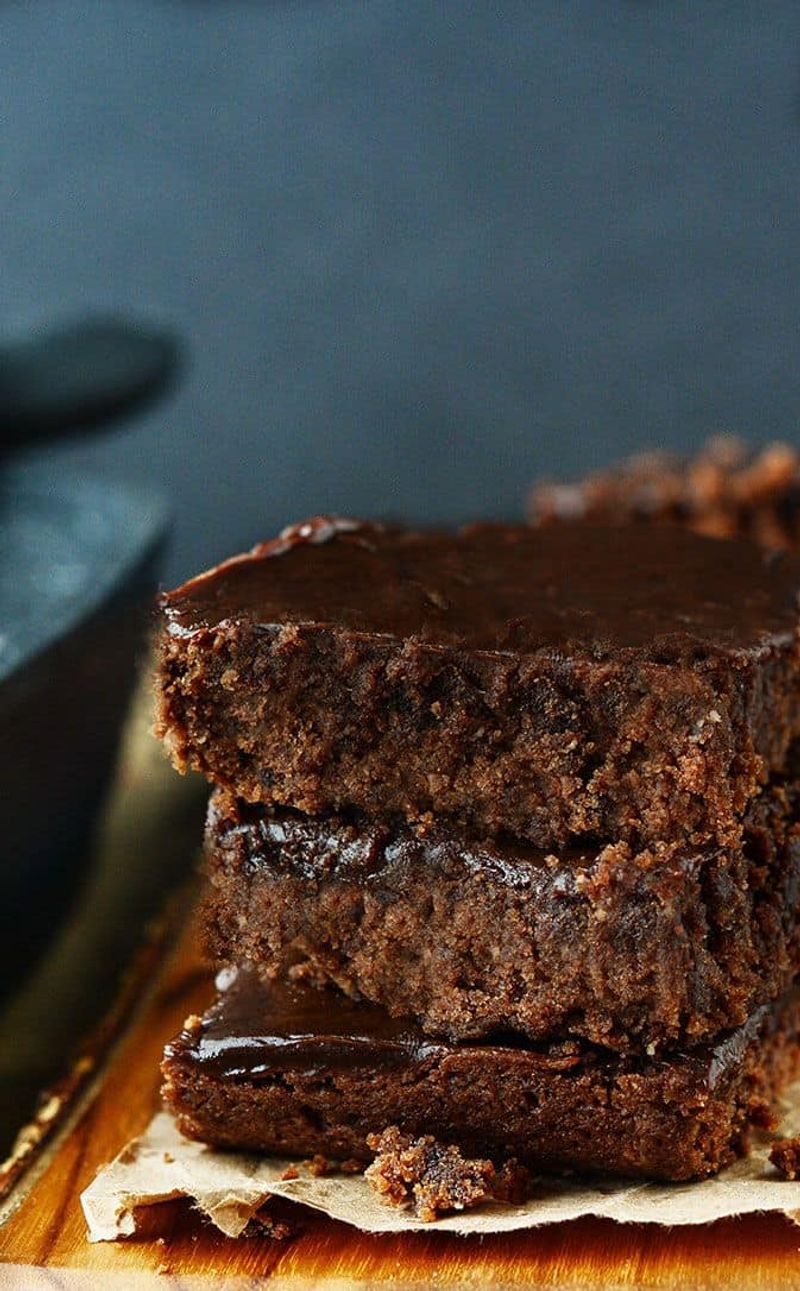
Carob got a bad reputation in the 1970s as a boring chocolate substitute. Honestly, that wasn’t fair.
Made from roasted pods of the carob tree, the powder is naturally sweet, caffeine-free, and has a toasty, caramel-like flavor. It’s safe for dogs too, so it’s great in homemade pet treats.
Stop expecting it to taste like chocolate. Enjoy it for what it is, especially in banana bread and oatmeal cookies.
10. Candied Angelica
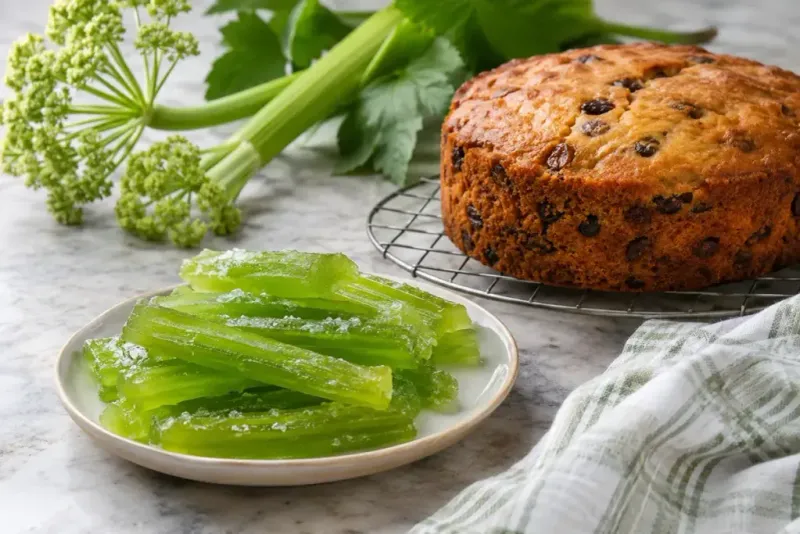
Those bright green bits in old-fashioned fruitcakes? Often they weren’t dyed cherries but candied angelica stems.
This tall herb tastes sweet, a little like celery and juniper. Victorian bakers used it to decorate trifles, cakes, and buns with pretty green strips.
You can candy your own by simmering young stems in sugar syrup. Chop them into scones or holiday breads for a flavor your guests won’t recognize but will definitely love.
11. Graham Flour
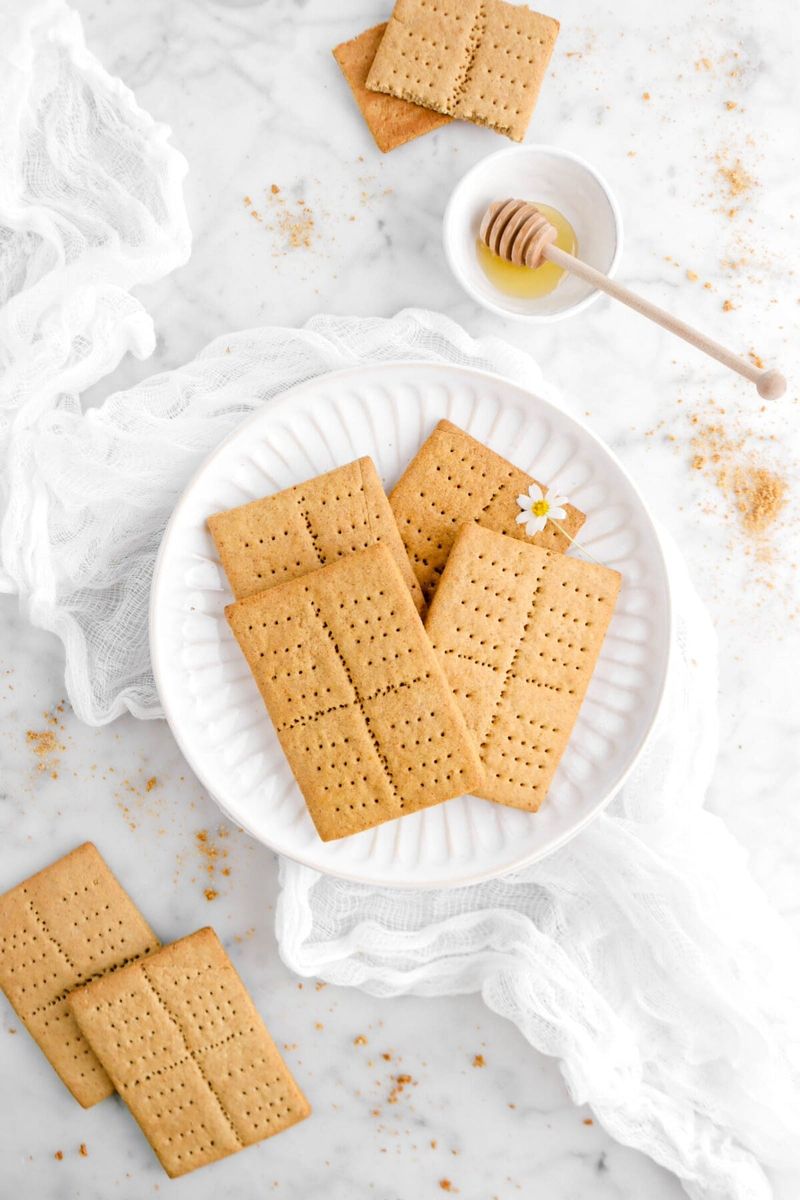
Sylvester Graham, a preacher from the 1800s, believed coarse whole wheat flour made people healthier. His name stuck to the flour and, later, the famous cracker.
Graham flour is ground so the bran and germ stay rough. That gives breads and crackers a nutty taste and hearty crunch.
Bake homemade graham crackers once, and store-bought boxes will feel bland. They make an amazing base for s’mores too.
12. Mace
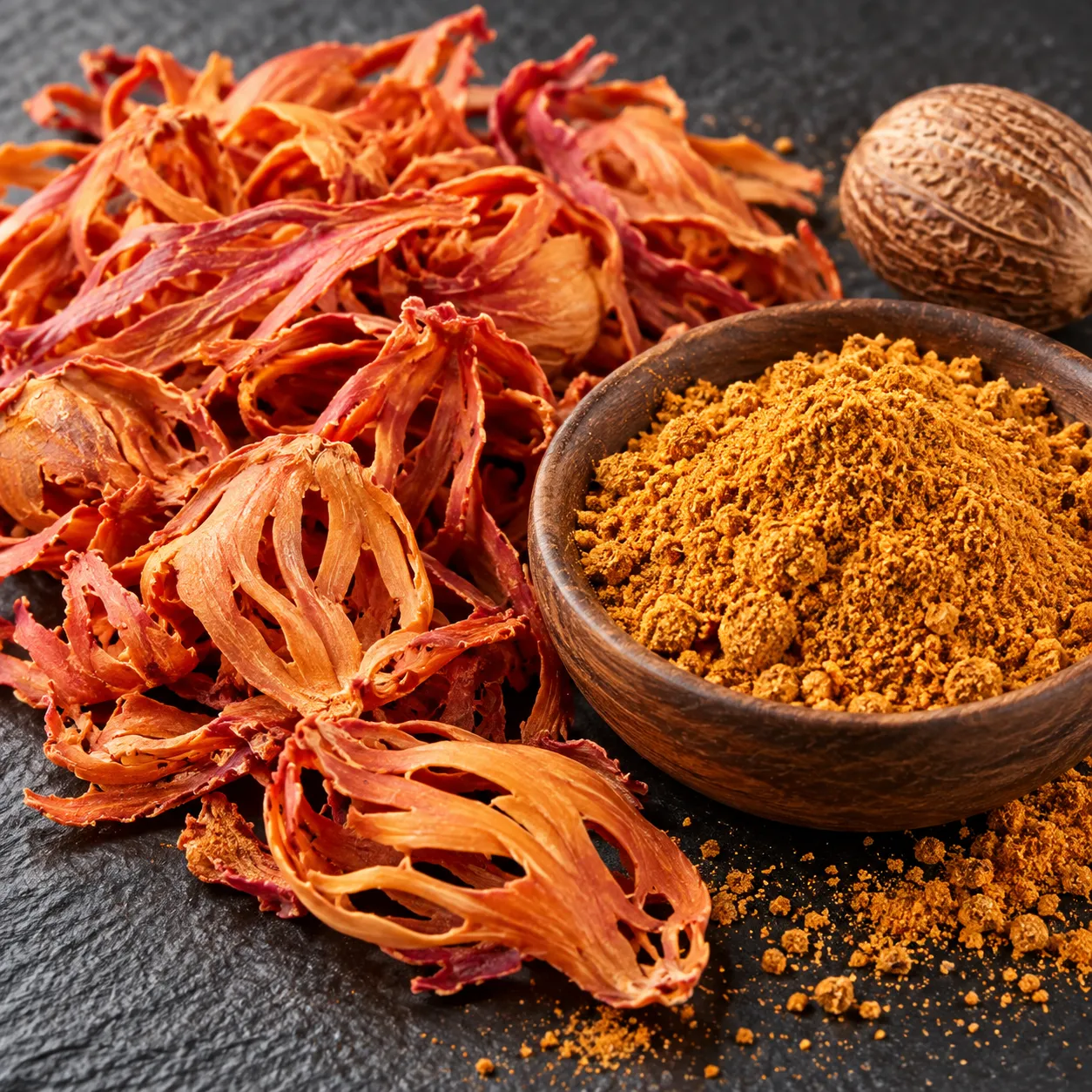
Crack open a nutmeg fruit and you’ll find a lacy red web wrapped around the seed. That web is mace.
It tastes like nutmeg’s gentler, more flowery sibling. Old pound cake and doughnut recipes almost always called for it, giving them a warm aroma.
Ground mace is easy to find in spice aisles. Add half a teaspoon to pound cake, custard, or pumpkin pie and notice the cozy difference.
13. Golden Syrup
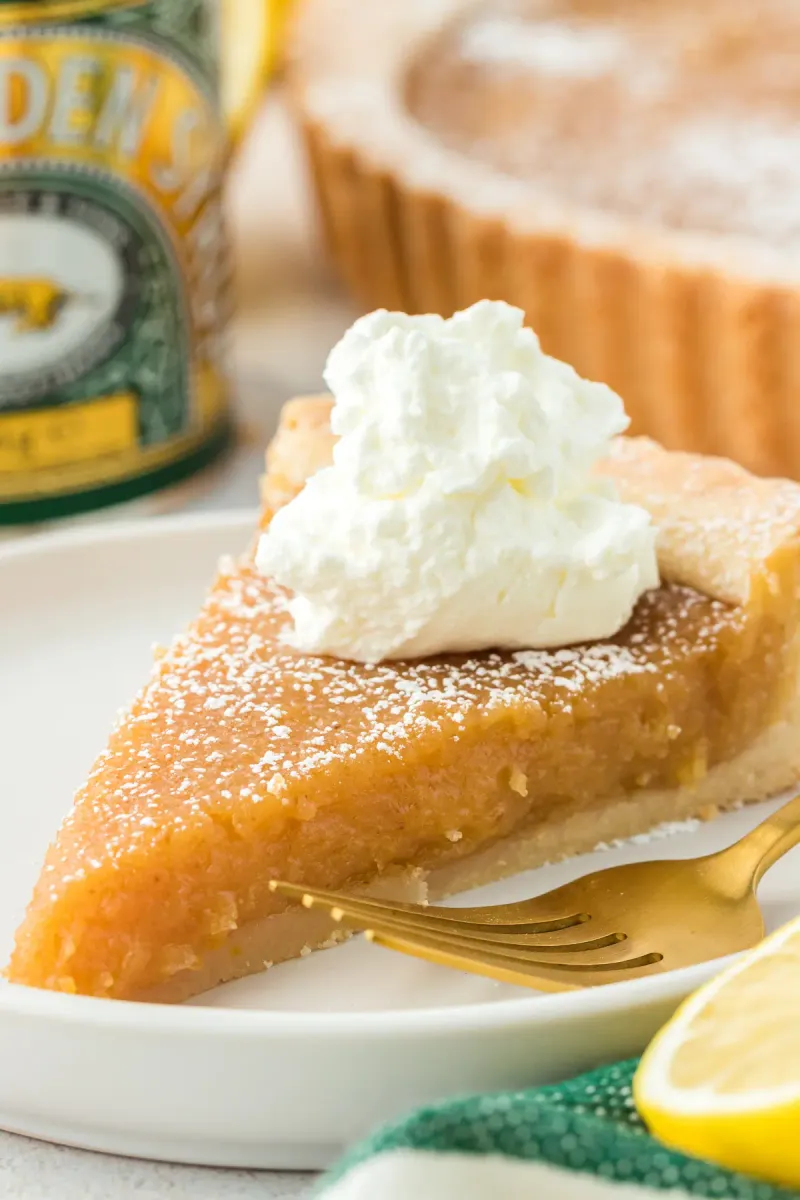
British kids grow up with a green-and-gold tin in the cupboard. Inside is golden syrup, a buttery, light caramel sweetener first sold in 1883.
It keeps cookies chewy and gives flapjacks and treacle tart their sticky charm. The flavor is richer than corn syrup but milder than molasses.
Bonus trivia: the tin still shows a lion and bees, one of the oldest brand designs in the world.
14. Fresh Cake Yeast
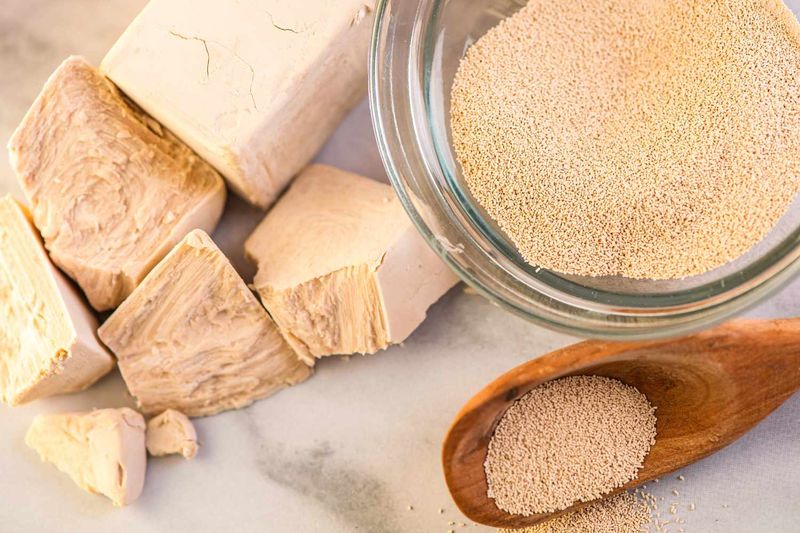
Professional bakers still keep fresh cake yeast in their fridges, and there’s a good reason. It gives bread a richer, sweeter flavor than dry packets.
The soft, crumbly blocks wake up fast and work beautifully in brioche, cinnamon rolls, and holiday loaves.
It only lasts about two weeks, so ask a local bakery or check the dairy case. Crumble it straight into warm milk and watch the magic.
15. Rye Flour
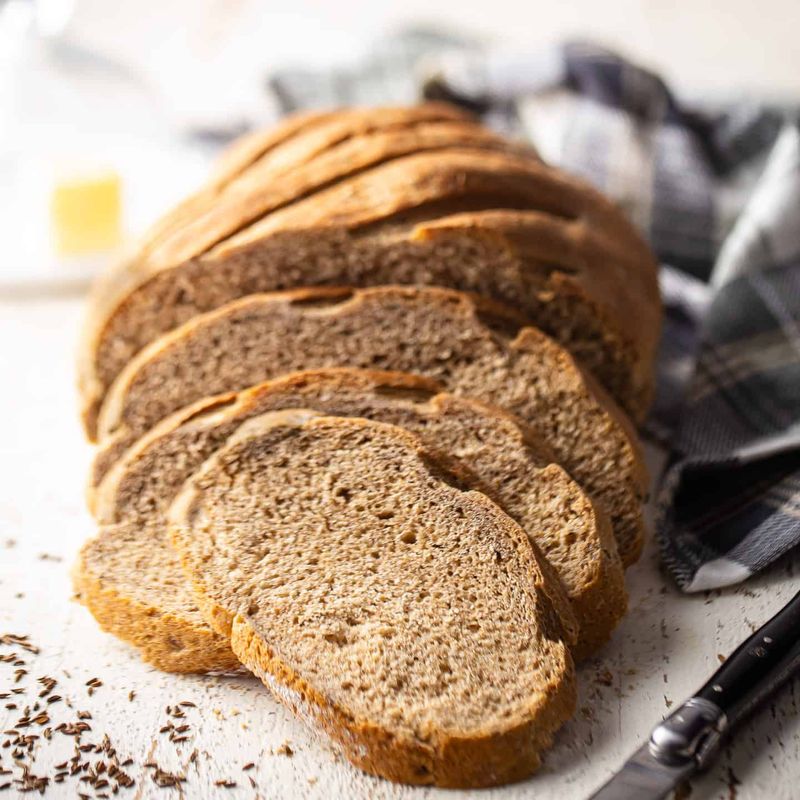
In colonial New England, wheat was hard to grow, so families mixed rye flour with cornmeal to make “rye ‘n’ injun” bread.
Rye adds a deep, slightly sour flavor and keeps baked goods moist for days. It’s amazing in brownies, chocolate chip cookies, and pancakes, not only sandwich bread.
Start by swapping a quarter of your regular flour for rye. You’ll get extra flavor without changing the texture much.
16. Barley Malt Syrup
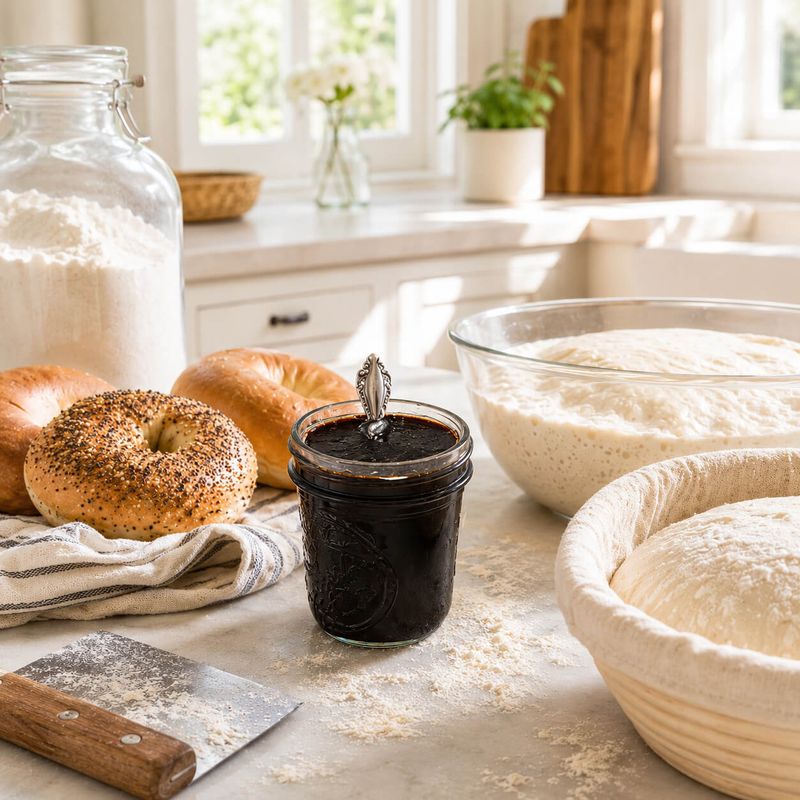
Ever wonder why New York bagels taste so special? Barley malt syrup plays a big part.
Made from sprouted barley, this sticky brown syrup has a toasty, almost cereal-like sweetness. Bakers add it to bagel dough and boiling water for that shiny crust.
It also feeds yeast, helping bread rise and brown nicely. Stir a spoonful into pretzels, pizza dough, or whole wheat loaves for an easy upgrade.
17. Sour Cherries
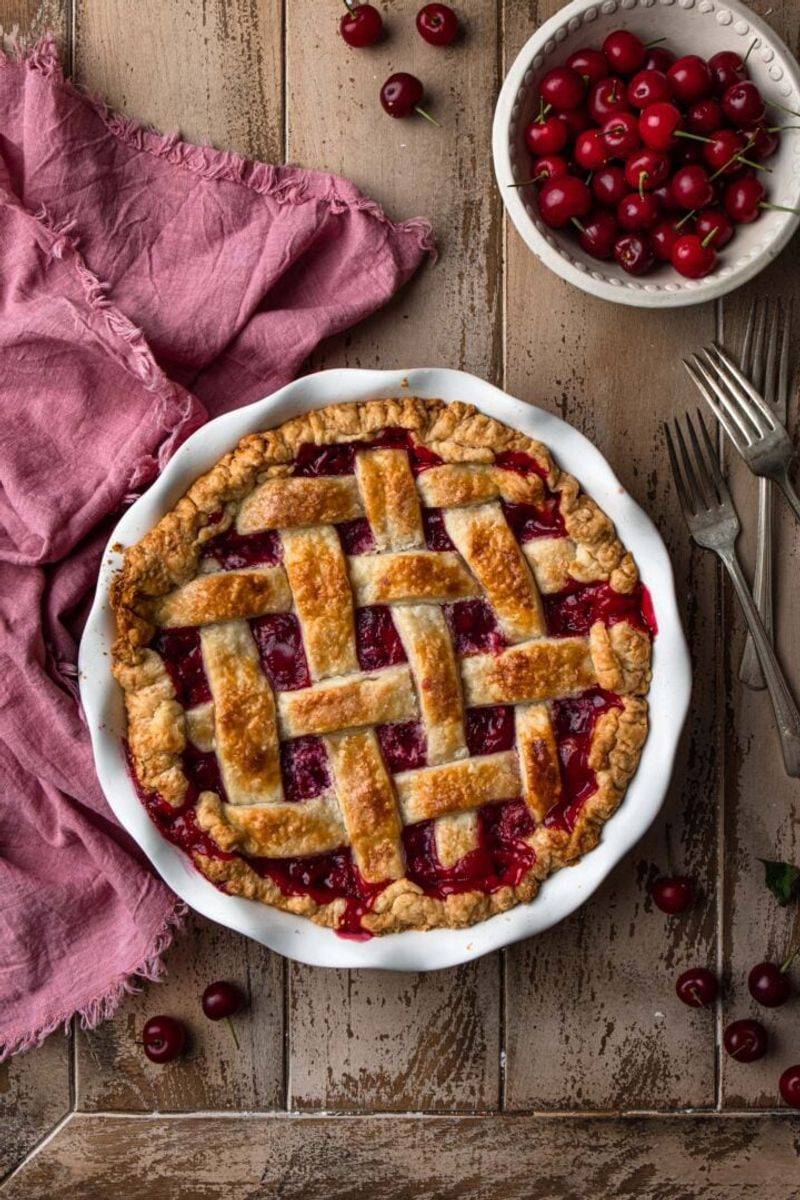
Sweet cherries are great for snacking, but old-school bakers knew the real pie stars were sour cherries.
Bright red and tart, they hold their shape and flavor when baked. Sweet cherries can turn mushy and flat-tasting in pies.
Fresh ones only show up for a few weeks each summer, so grab them at farmers markets. Frozen or jarred Montmorency cherries work wonderfully the rest of the year.