
One night on stage can follow an artist for years. A failed performance, a shocking comment, or a public protest can change how fans and the music business respond.
Sometimes the damage is clear, while other stories are more complicated than the headlines suggest. Behind these famous moments are lessons about trust, fairness, and the cost of being in the spotlight.
1. Milli Vanilli: The Track That Would Not Move On
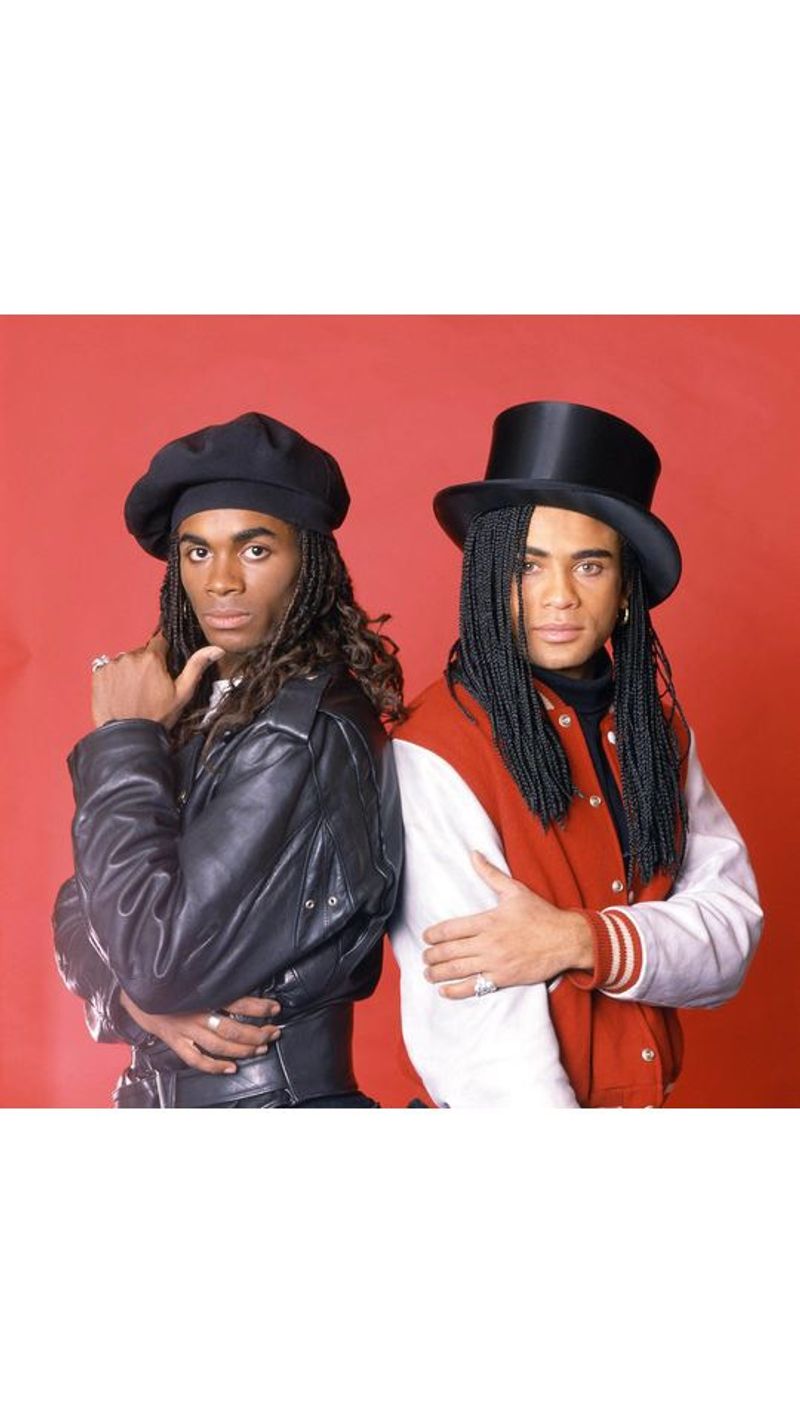
A skipping recording cracked the polished image of pop’s newest stars. At Connecticut’s Lake Compounce in 1989, Milli Vanilli’s backing track repeated during Girl You Know It’s True, raising questions about their live singing.
The bigger collapse came in 1990, when their producer confirmed they had not sung on the records. Their Grammy was revoked, and lawsuits followed.
The concert became a lasting symbol of broken trust, though it did not expose everything that night.
2. Janet Jackson: A Halftime Show With Unequal Consequences
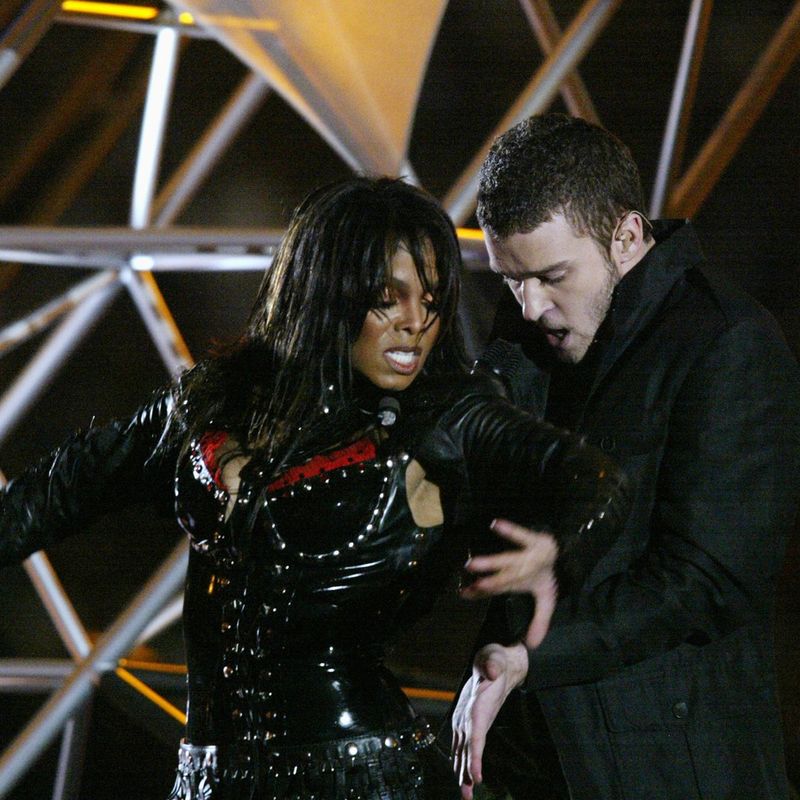
Seconds on television overshadowed decades of work. During the 2004 Super Bowl halftime show, Justin Timberlake pulled part of Janet Jackson’s costume, briefly exposing her breast to a huge audience.
Jackson faced lost opportunities, reduced support from major broadcasters, and intense public blame. Timberlake initially escaped comparable consequences.
Her career continued, but the incident became a painful example of unequal treatment. Later reassessments questioned why she carried so much of the punishment for so long.
3. Ashlee Simpson: An Awkward Exit on Live Television
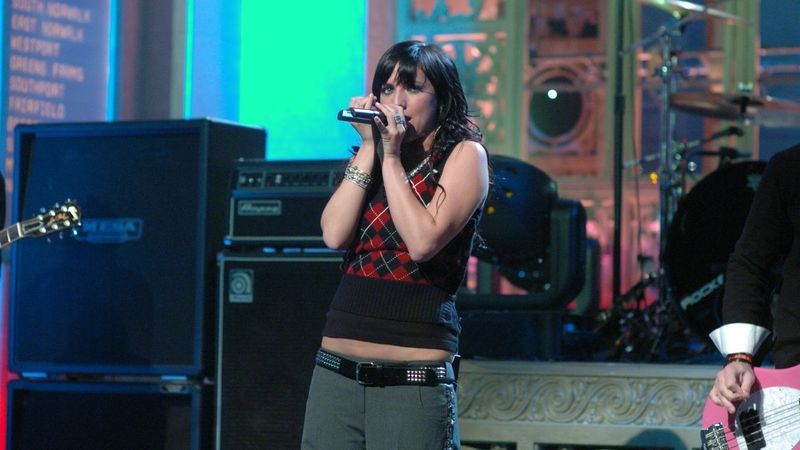
Instead of her next song, viewers heard a voice she was not singing. On Saturday Night Live in 2004, the wrong vocal track played as Ashlee Simpson stood with her microphone lowered.
She danced awkwardly and left the stage, creating an endlessly replayed television moment. Simpson later cited severe acid reflux as the reason for using recorded support.
Her next album still debuted at number one, but doubts about her singing followed her for years.
4. The Chicks: A London Remark That Shook Country Radio
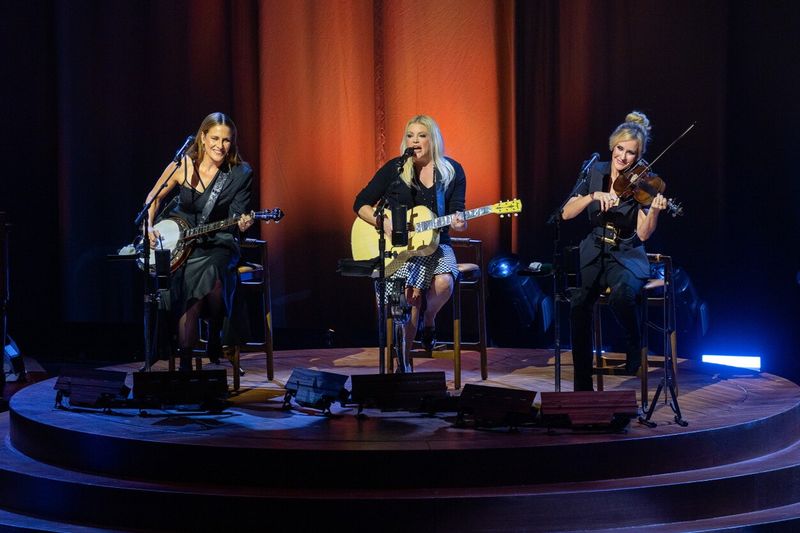
One sentence changed the relationship between a country trio and its audience. At a London concert in 2003, Natalie Maines criticized President George W.
Bush as war with Iraq approached.
Country stations dropped the Dixie Chicks, now called the Chicks, while boycotts and threats followed. Their later Grammy success showed they had not disappeared.
Still, their place within mainstream country music changed deeply, revealing how political speech can carry lasting costs in a divided market.
5. Robin Thicke: When Private Heartbreak Became the Show
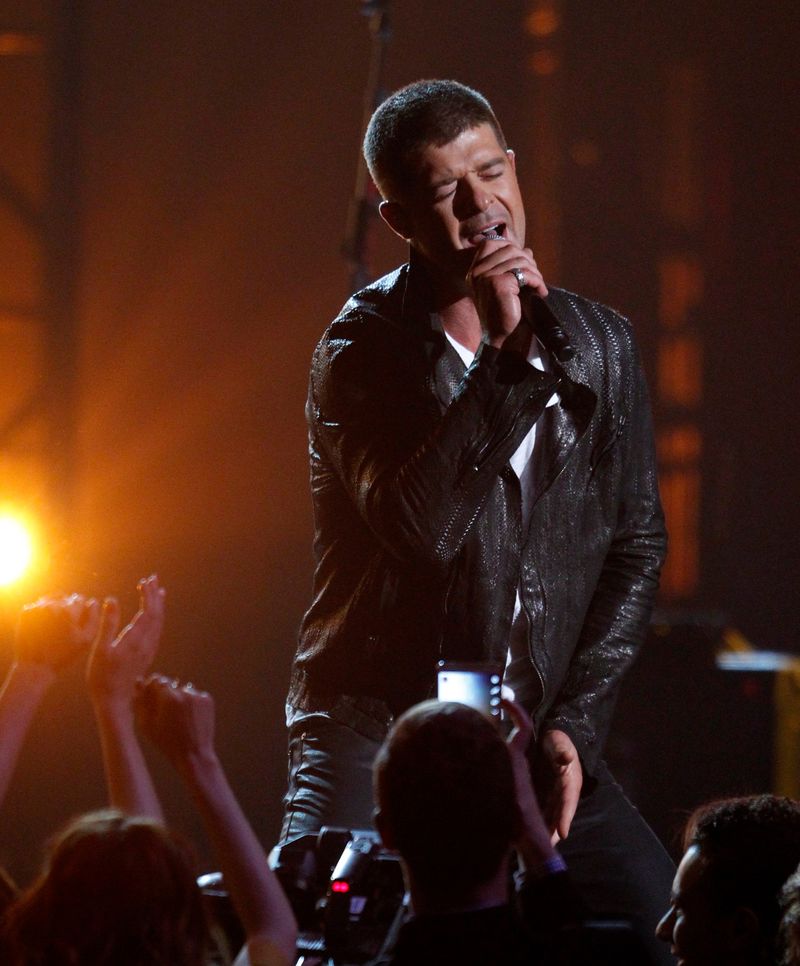
A public apology does not always feel romantic to the people watching. In 2014, Robin Thicke used awards show performances to promote songs about his separation from Paula Patton.
The campaign drew criticism for turning private heartbreak into a public effort to win her back. His album Paula sold poorly, deepening the sense of a career slide.
Those appearances were not the only cause, but they became closely tied to his difficult period after Blurred Lines.
6. Michelle Shocked: A Club Concert That Broke Fans’ Trust
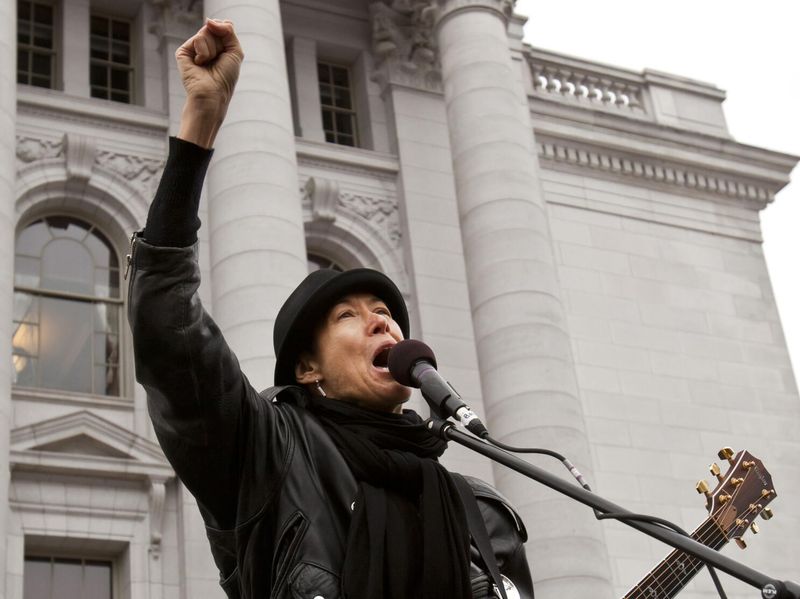
Loyal listeners expected songs, not remarks that left many feeling attacked. During a 2013 show at Yoshi’s in San Francisco, Michelle Shocked made comments about homosexuality that audience members understood as hateful.
People walked out, the venue stopped the performance, and other bookings were canceled. Shocked later disputed how her remarks were interpreted.
That did little to repair the immediate damage. For an artist with a devoted following, losing trust inside that community proved especially costly.
7. Sex Pistols: The Final Question at Winterland
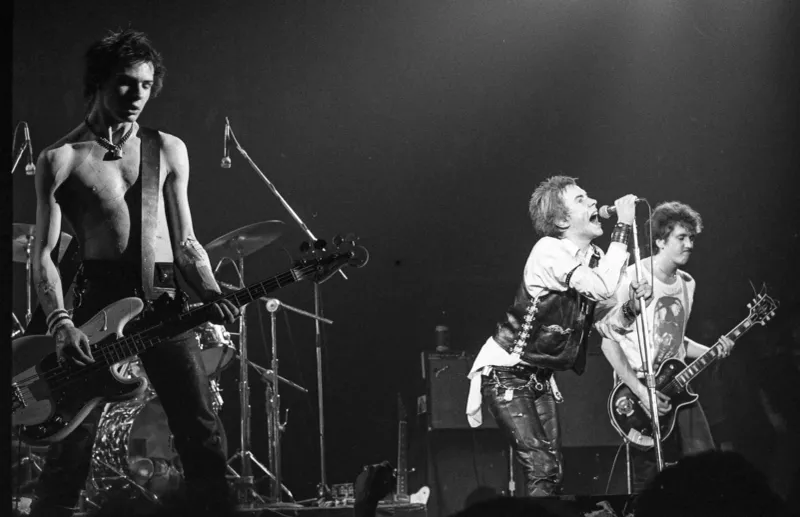
By the end, even the singer sounded cheated. The Sex Pistols’ January 1978 performance at San Francisco’s Winterland Ballroom closed an American tour filled with conflict, exhaustion, and problems linked to Sid Vicious’s drug use.
Johnny Rotten ended with his famous question about feeling cheated, then left the group shortly afterward. The show captured a band coming apart rather than causing every fracture.
Its lasting impact was to mark the collapse of their original run together.
8. Eric Clapton: Words That Helped Spark a Movement
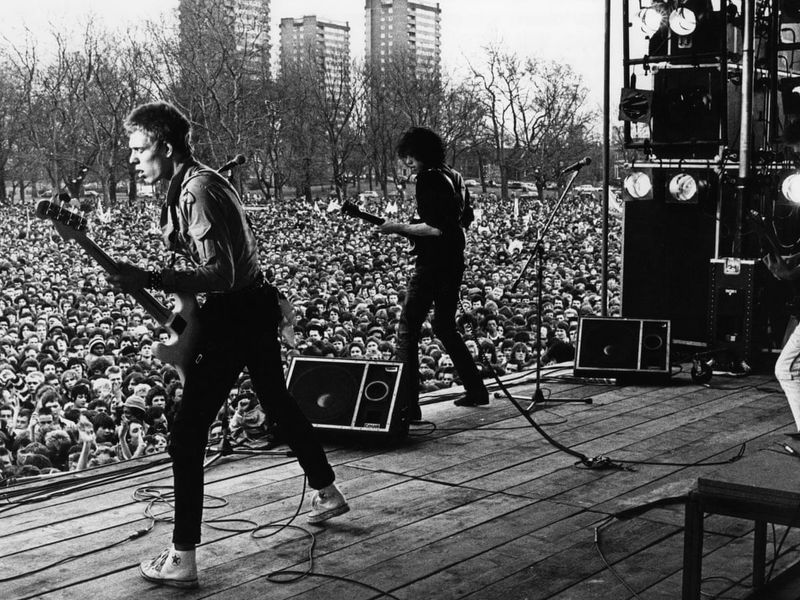
Great guitar playing could not excuse what came from the microphone. At Birmingham Odeon in 1976, Eric Clapton delivered a racist rant and voiced support for politician Enoch Powell.
The outburst helped inspire Rock Against Racism, which brought musicians and audiences together against prejudice. Clapton later apologized, and his commercial career remained successful.
The lasting damage was chiefly to his reputation: the incident still shapes discussions of his legacy and his debt to Black American music.
9. Amy Winehouse: A Belgrade Show That Raised Alarms
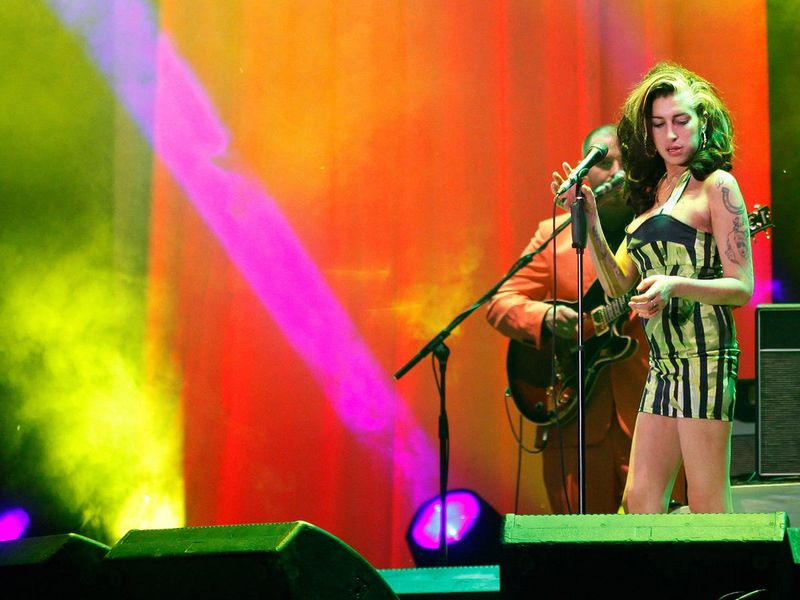
What should have been a return to touring became a distressing warning. In Belgrade in June 2011, Amy Winehouse struggled to sing and appeared unable to complete the performance, drawing boos from parts of the crowd.
The remaining tour dates were canceled. She died the following month from alcohol poisoning.
Rather than treating the footage as entertainment, the lasting lesson is compassion: visible distress deserves care, and a struggling artist’s health matters more than any show.
10. Fergie: An Anthem Experiment That Missed the Mark
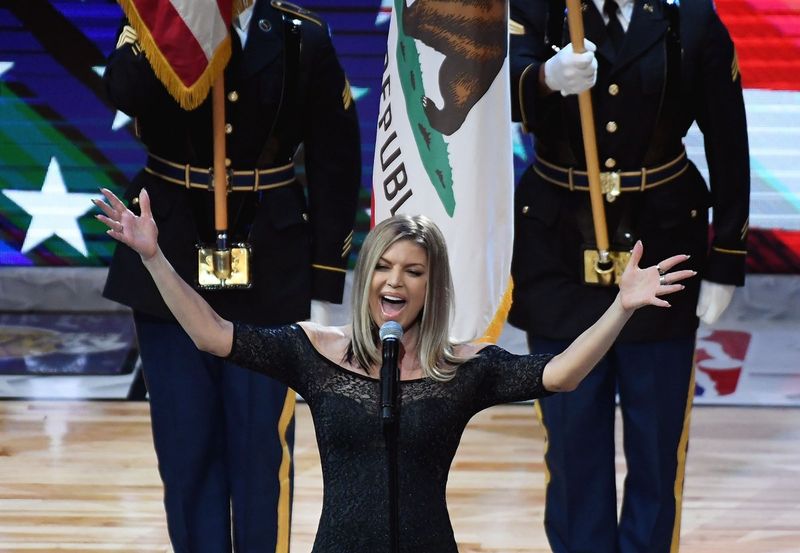
Reworking a familiar anthem is a gamble with millions listening. At the 2018 NBA All-Star Game, Fergie gave The Star-Spangled Banner a slow, jazzy treatment that quickly drew ridicule online.
Broadcast shots of players reacting helped the clip spread. She apologized, saying the approach had not worked as intended.
There is little basis for blaming her entire career path on one appearance, but the performance became a stubborn part of her public image for years afterward.
11. Billy Squier: A Video That Clashed With His Image
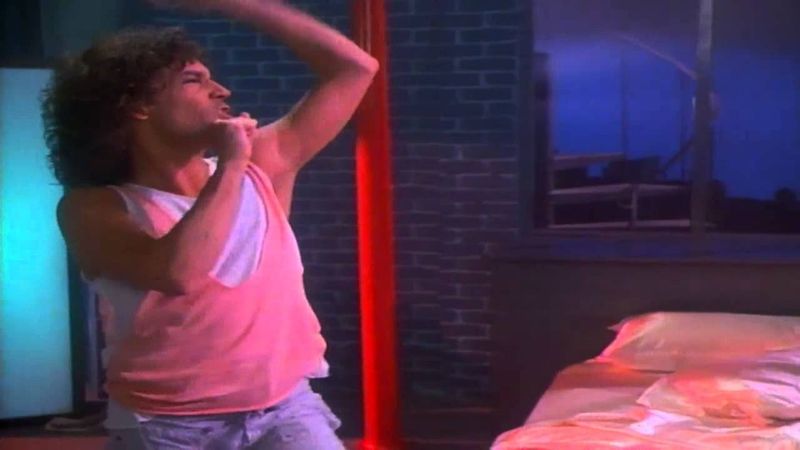
For a rocker known for powerful riffs, a playful dance video proved surprisingly costly. Billy Squier’s 1984 Rock Me Tonite clip placed him in a soft bedroom setting that clashed with his established image.
The song itself was a hit, but the video drew mockery and became linked to his decline. Calling it the sole cause oversimplifies a changing music business.
Still, his experience shows how strongly visual presentation can influence an audience’s expectations of performers.
12. Jerry Lee Lewis: A British Tour Cut Short
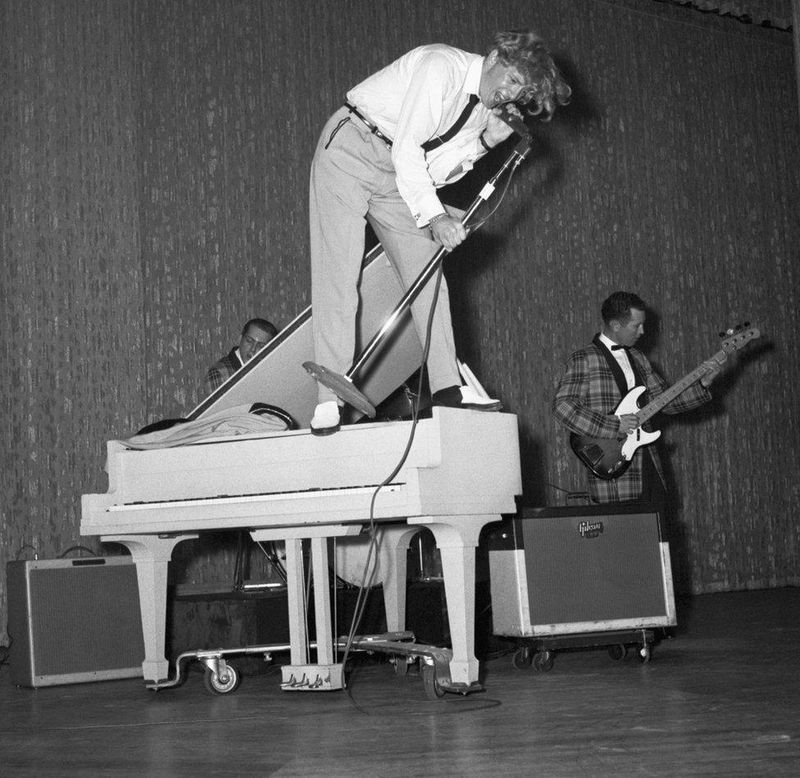
The scandal surrounding the tour overwhelmed anything played onstage. When Jerry Lee Lewis arrived in Britain in 1958, reporters learned that his wife, Myra, was his thirteen-year-old cousin.
Hostile coverage and audience reactions followed, and the tour ended early. His fees and opportunities fell sharply afterward, including in America.
This was not simply a bad performance: it was public reaction to his conduct. He later rebuilt success in country music, but the damage lasted for years.
13. Sinéad O’Connor: A Protest Reconsidered Years Later
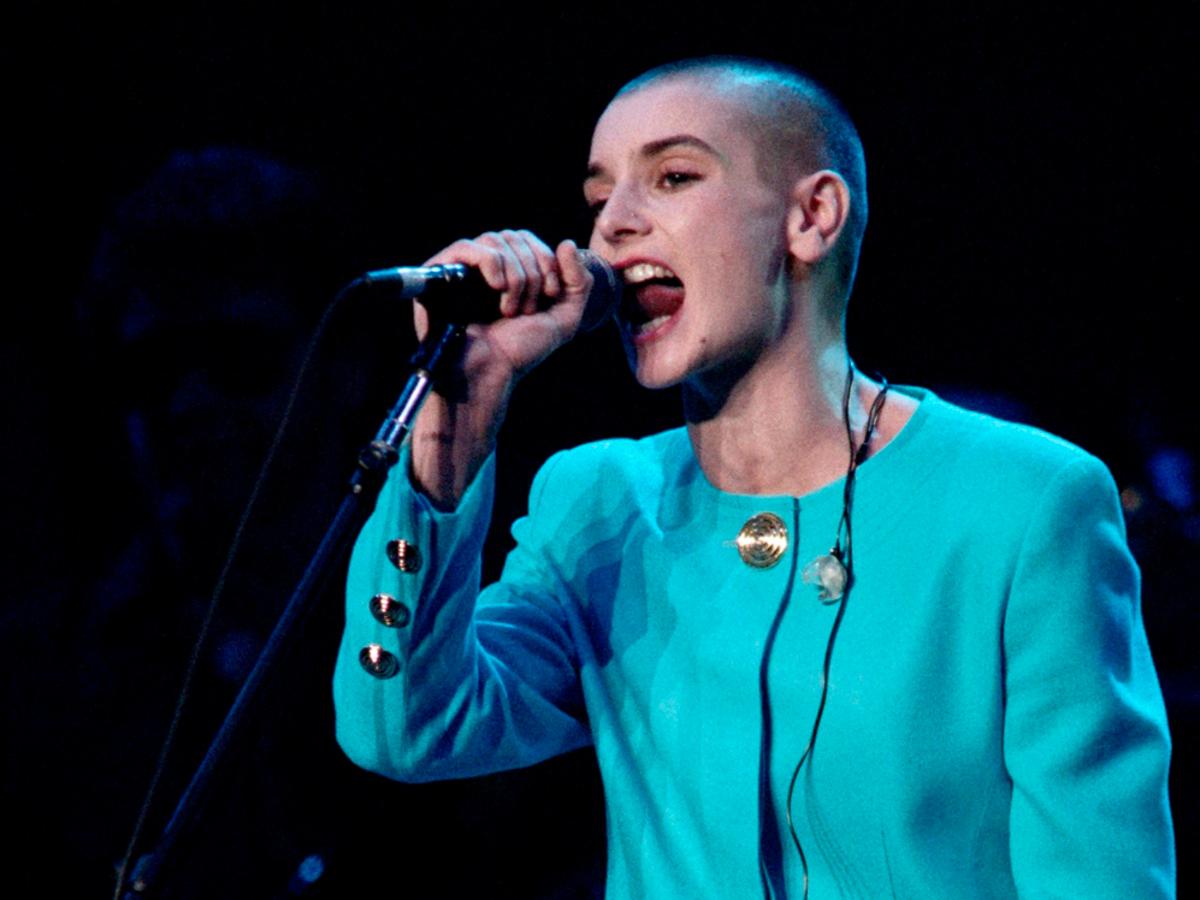
A torn photograph became louder than the song before it. On Saturday Night Live in 1992, Sinéad O’Connor ripped up a picture of Pope John Paul II while protesting abuse in the Catholic Church.
Furious reactions followed, including boos at a later tribute concert. Her American mainstream career suffered, although she continued making acclaimed music.
Later revelations about church abuse led many people to reconsider her protest. Backlash, her story reminds us, does not establish someone was wrong.
14. Wes Scantlin: A Doncaster Gig Falls Apart
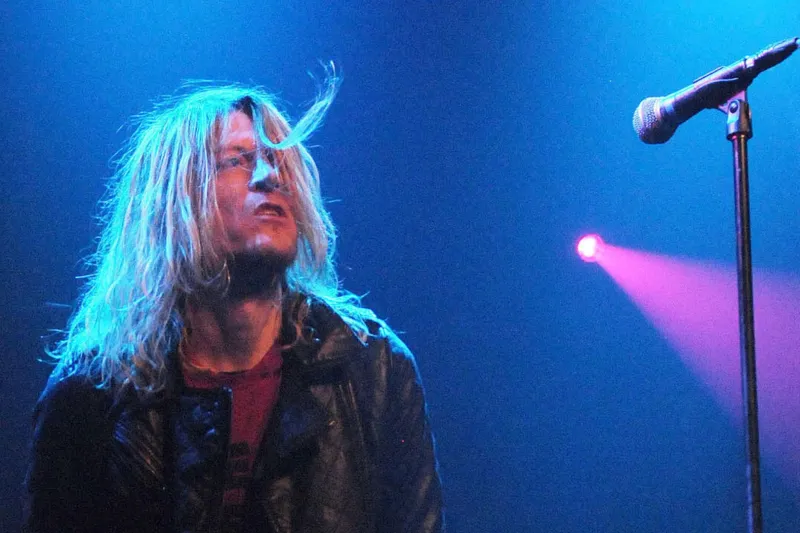
Fans came for a rock concert and watched the band unravel instead. At a 2016 Puddle of Mudd show in Doncaster, singer Wes Scantlin struggled through the set and argued with the crowd.
His bandmates left the stage, and footage spread online. The episode added to a series of troubled appearances that damaged confidence in the band’s concerts.
It is better understood as part of that wider pattern than as the single night that ended his career.
15. Metallica: The Boos Behind the Napster Battle
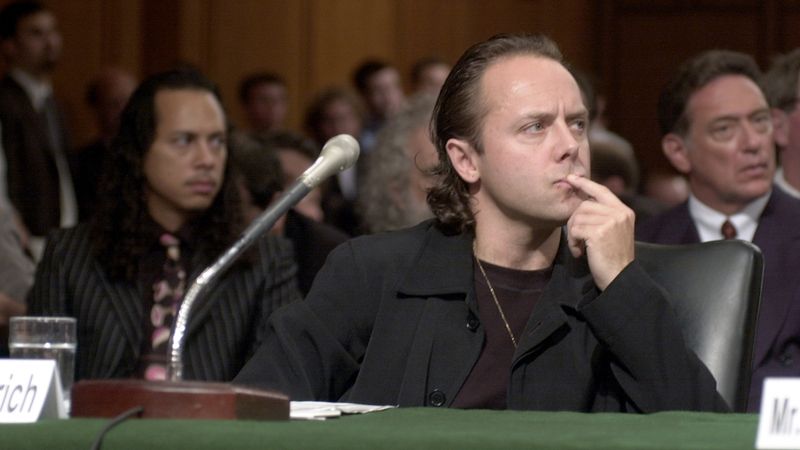
Sometimes the damaging appearance is not a musical performance at all. When Lars Ulrich appeared at the 2000 MTV Video Music Awards, boos reflected anger over Metallica’s lawsuit against Napster.
The dispute made the band seem hostile to fans who shared music online. That reputation lingered, even as Metallica remained hugely successful.
Their later album St. Anger faced separate criticism, not a proven consequence of this appearance. The moment exposed a widening gap between artists and listeners.