
Most of us have stood at the fridge, sniffing a carton and wondering if it is still okay to eat. Some foods are pretty forgiving, but others can make you seriously sick once they pass their use by date.
Knowing which ones to watch can protect your family from nasty stomach bugs and food poisoning. Here are the foods that deserve a little extra caution before you take a bite.
1. Raw Chicken
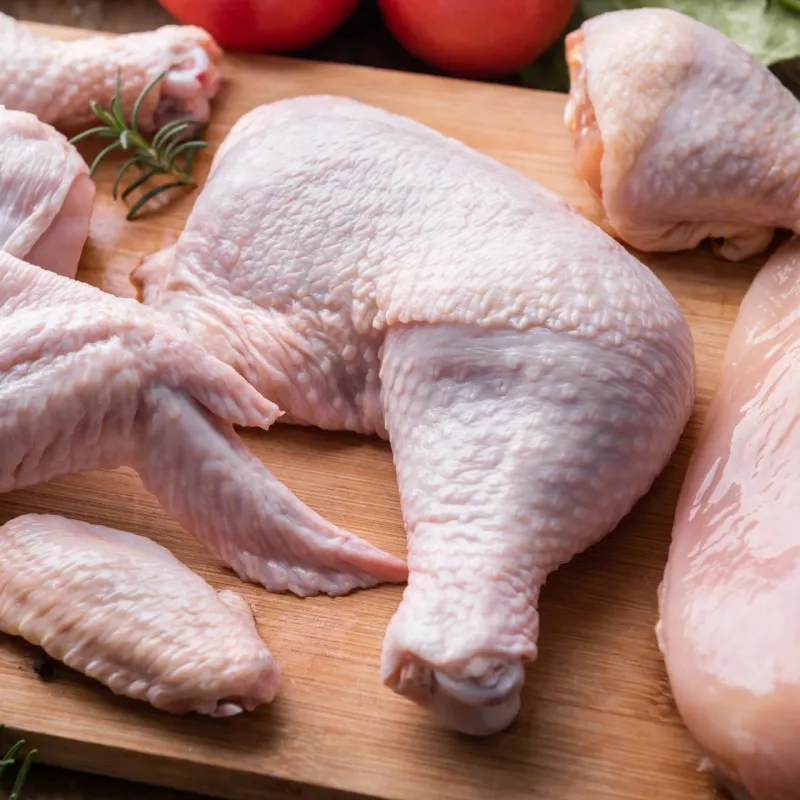
Picture a picnic ruined by one bad chicken sandwich. Raw poultry often carries salmonella and campylobacter, two germs that grow quickly once the clock runs out.
Spoiled chicken may smell sour or feel slimy, but sometimes it seems totally fine. That is what makes it tricky.
Stick to the date, keep it on the lowest fridge shelf, and freeze it early if your dinner plans change. Cook it until the inside reaches 165 degrees Fahrenheit.
2. Ground Beef
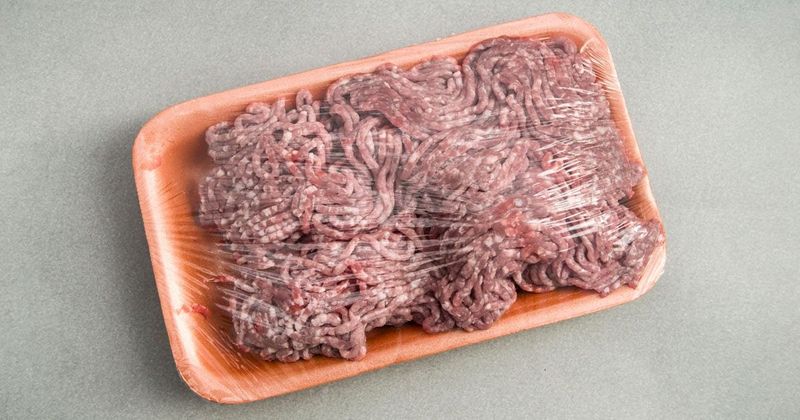
Grinding meat mixes surface bacteria all through the inside. So while a steak can handle a little extra time, ground beef cannot.
Brown or gray patches are not always a warning sign, since air exposure changes the color. A sticky texture or sour odor, though, means toss it right away.
Use it within a day or two of buying, or freeze it in flat bags. Flat packs thaw faster too, which is a handy bonus.
3. Deli Meats
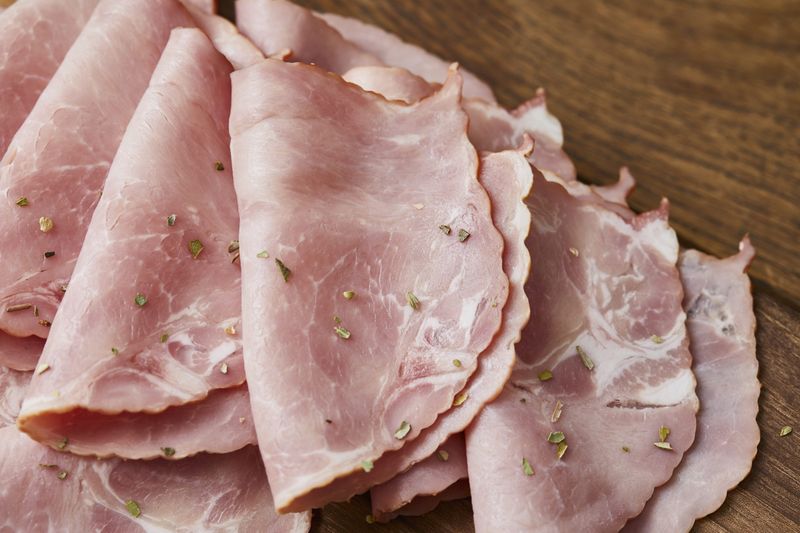
Here is a sneaky one. Sliced turkey, ham, and bologna can host listeria, a germ that actually keeps growing in cold fridge temperatures.
Listeria is especially risky for pregnant women, older adults, and young kids. Once a package is opened, aim to finish it within three to five days, no matter what the label says.
Want a safer lunch habit? Buy smaller amounts more often instead of one giant pack.
4. Fresh Fish
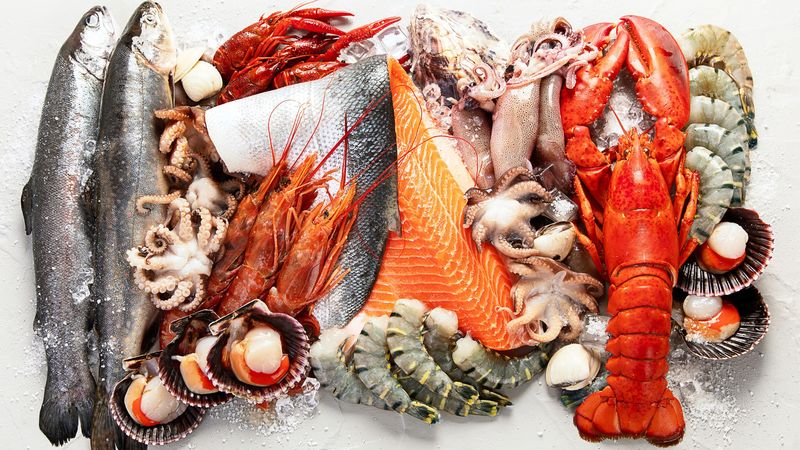
Ever caught a whiff of fish that made you step back? Trust your nose on that one.
Seafood spoils faster than almost any other protein. Some fish, like tuna and mackerel, can even build up histamine as they age, causing scombroid poisoning with flushing, headaches, and rashes.
Cooking does not destroy that toxin.
Buy fish the day you plan to cook it, and keep it packed on ice until then.
5. Shellfish
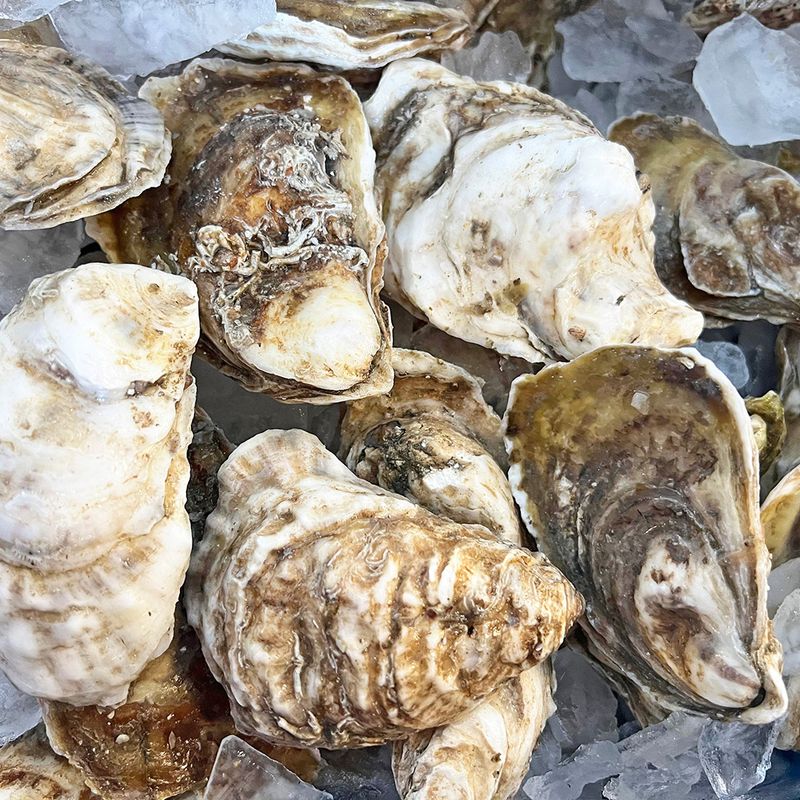
Oysters, clams, and mussels are often sold alive, and that matters a lot. Once they die and sit around, bacteria and toxins pile up fast.
A quick tip: tap any open shell before cooking. If it does not close, throw it out.
After cooking, discard any that stay shut.
Shrimp should smell like the ocean, not ammonia. Fun fact: a bad oyster has ended more than a few fancy dinner dates early.
6. Soft Cheeses
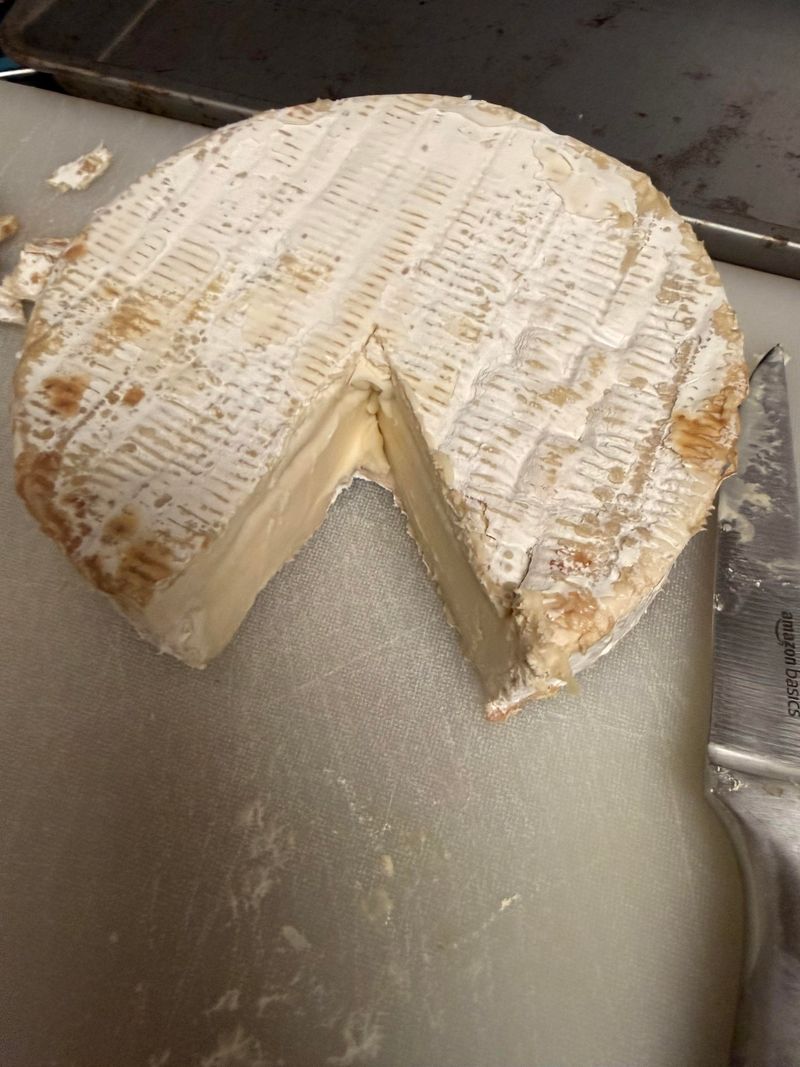
Hard cheddar can survive a little mold trimming. Soft cheeses play by totally different rules.
Brie, ricotta, cottage cheese, and feta have lots of moisture, which lets mold and bacteria spread deep inside where you cannot see them. Cutting off a fuzzy spot will not save them.
Check the date, store them tightly wrapped, and toss anything with odd colors or a sharp, ammonia-like smell. Your crackers deserve better company.
7. Milk
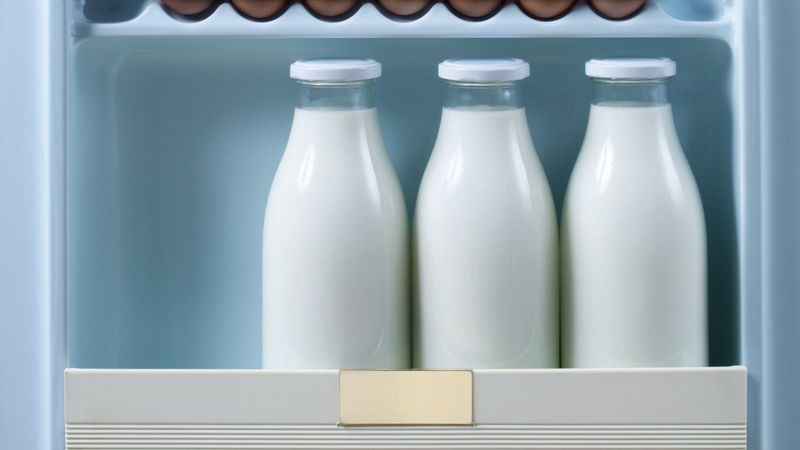
Almost everyone has poured spoiled milk into cereal at least once. That chunky, sour surprise is hard to forget.
Pasteurized milk often lasts a few days past its printed date if kept cold, but it needs careful checking. Raw milk is a different story and should never be pushed past its date.
Keep milk in the back of the fridge, not the door, where temperatures swing every time someone grabs a snack.
8. Eggs
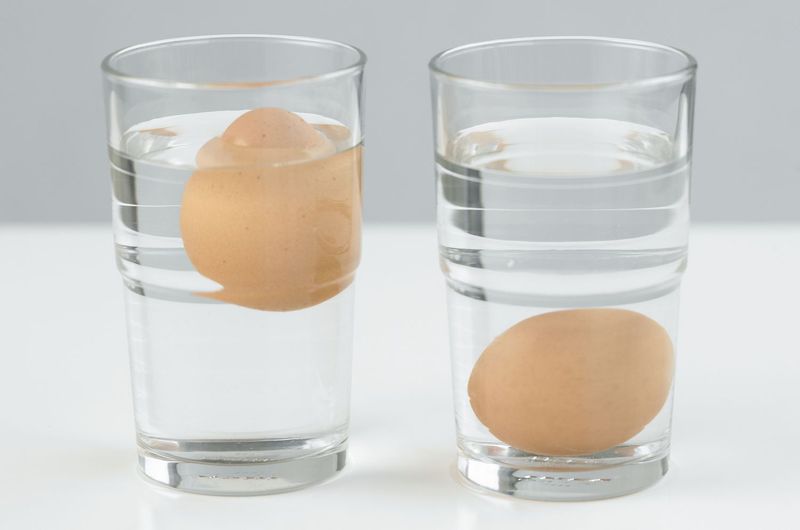
Grandma’s float test still works. Drop an egg into water: if it sinks and lies flat, it is fresh, and if it floats, toss it.
Eggs can carry salmonella, and older eggs give germs more time to grow. Cracked shells make things even riskier.
Store eggs in their original carton on a middle shelf. Also, skip runny yolks for anyone with a weak immune system, especially with older eggs.
9. Bagged Salad Greens
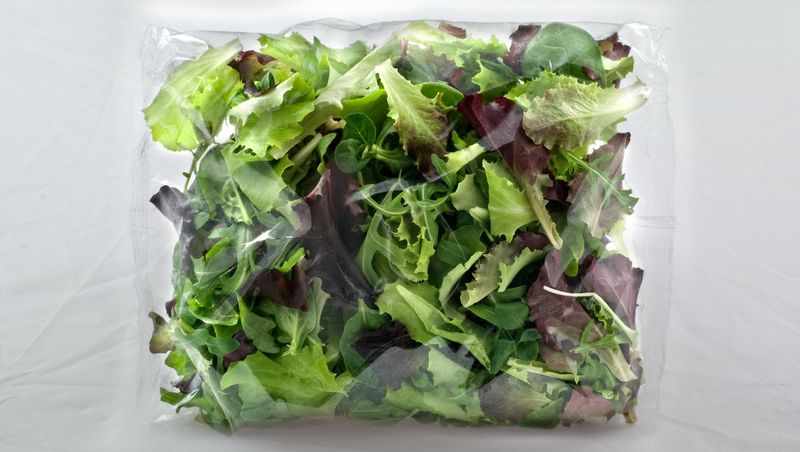
Salad sounds like the safest food around, right? Not quite.
Pre-washed greens have been linked to several big E. coli and listeria outbreaks. Once leaves turn slimy or the bag puffs up, bacteria are having a party in there.
Eat bagged greens by the date, pick out soggy pieces early, and tuck a paper towel inside to soak up extra moisture. Crisp leaves last longer and taste way better.
10. Sprouts
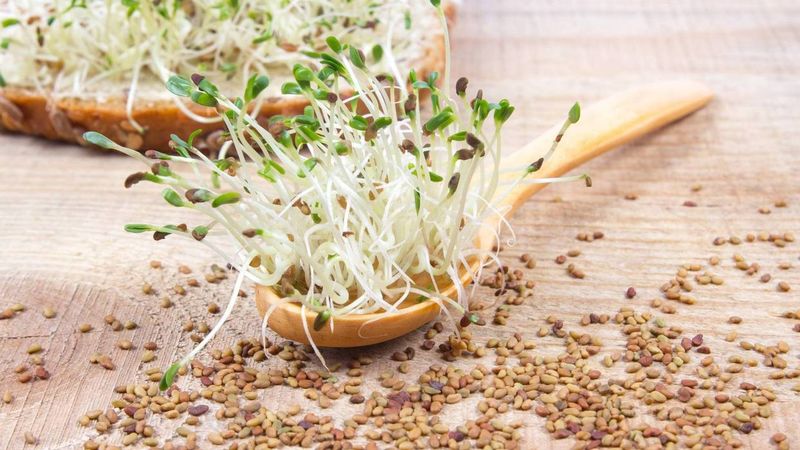
Crunchy, healthy, and surprisingly risky. Sprouts grow in warm, damp conditions, which happen to be perfect for bacteria too.
Alfalfa, mung bean, and clover sprouts have caused many food poisoning outbreaks over the years. Even fresh ones carry some risk, so old ones are a big gamble.
Eat them well before the date, keep them cold, and consider cooking them lightly. A quick stir-fry adds flavor and knocks out many germs.
11. Cooked Rice
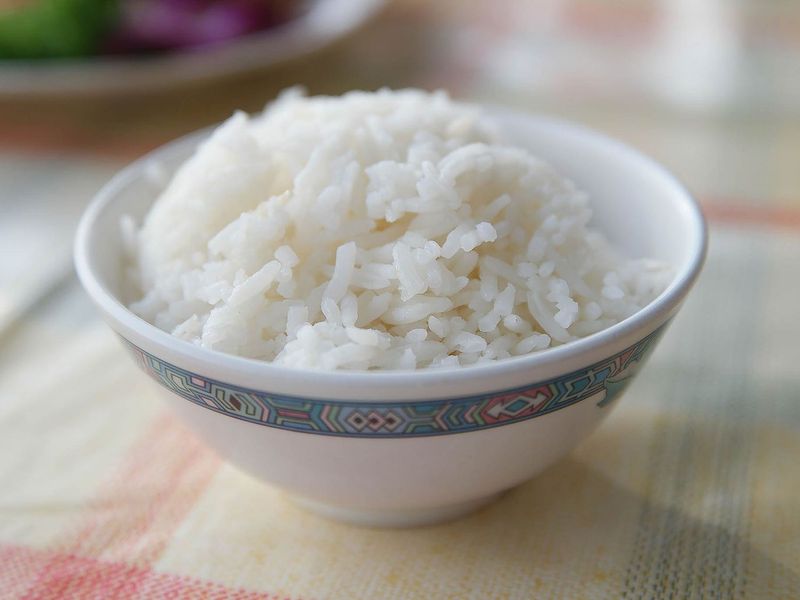
Did you know there is a condition nicknamed fried rice syndrome? It comes from Bacillus cereus, a germ whose spores survive cooking.
When rice sits at room temperature, those spores wake up and make toxins that reheating cannot destroy. Vomiting can start within hours.
Cool leftover rice quickly, refrigerate it within an hour, and eat it within one day. Reheat only once, and make sure it is steaming hot.
12. Fresh Juices
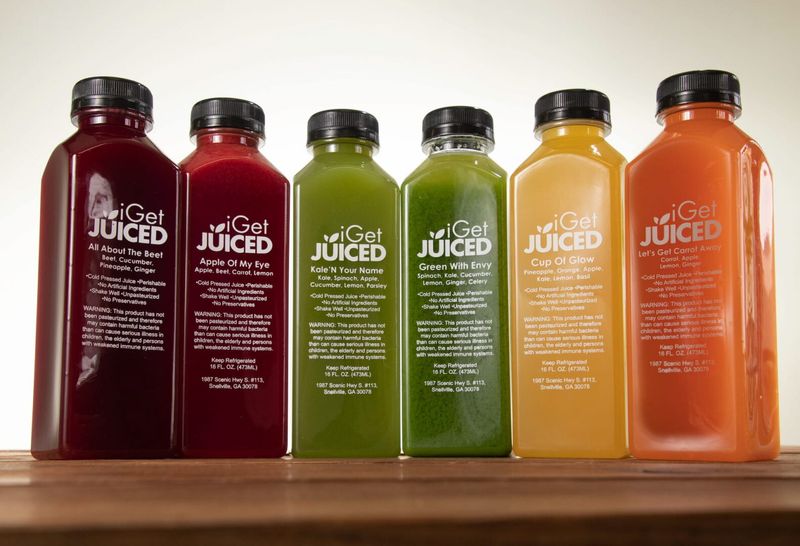
That trendy cold-pressed juice might cost a lot, but it does not last long. Many fresh juices skip pasteurization, the heating step that kills germs.
Without it, bacteria like E. coli can grow fast, especially after the date passes. A fizzy taste or swollen bottle is a clear red flag.
Read the label for the word unpasteurized, drink it quickly, and keep it cold the whole time.
13. Smoked Salmon
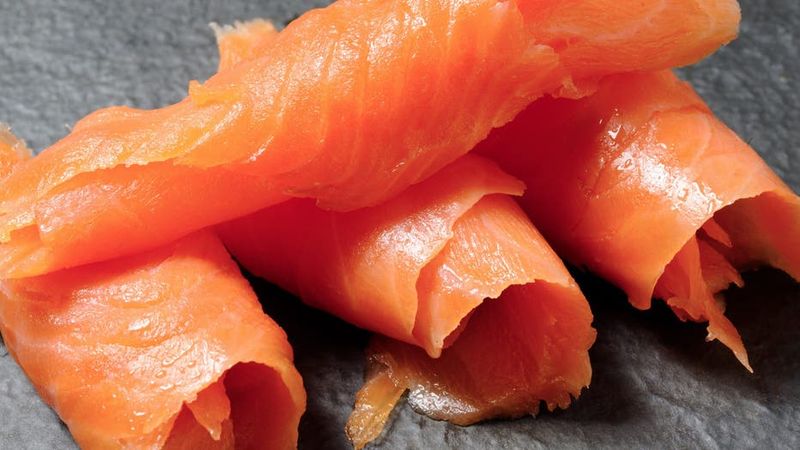
Bagels and lox make a fancy brunch. Still, cold-smoked salmon is never cooked, so any listeria hiding inside stays alive and keeps multiplying in the fridge.
Once opened, finish it within a few days. Unopened packs should never be used past their date.
Pregnant women are often told to skip it entirely unless it is heated in a dish. A warm salmon pasta can be just as delicious.
14. Hummus and Dips
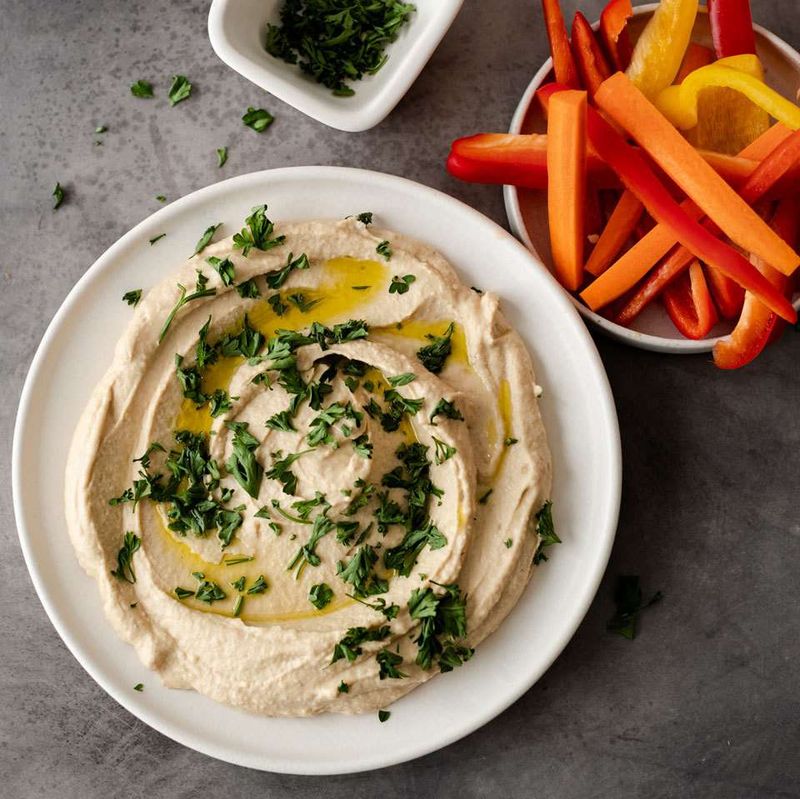
Movie night snacks can turn sour fast. Hummus, tzatziki, and creamy dips are packed with moisture and protein, which bacteria love.
After opening, most dips stay good for about a week. Sour smells, bubbles, or a strange tangy taste mean the tub belongs in the trash.
One simple trick helps a lot: scoop some into a separate bowl instead of double-dipping chips straight into the container.
15. Fresh Pasta
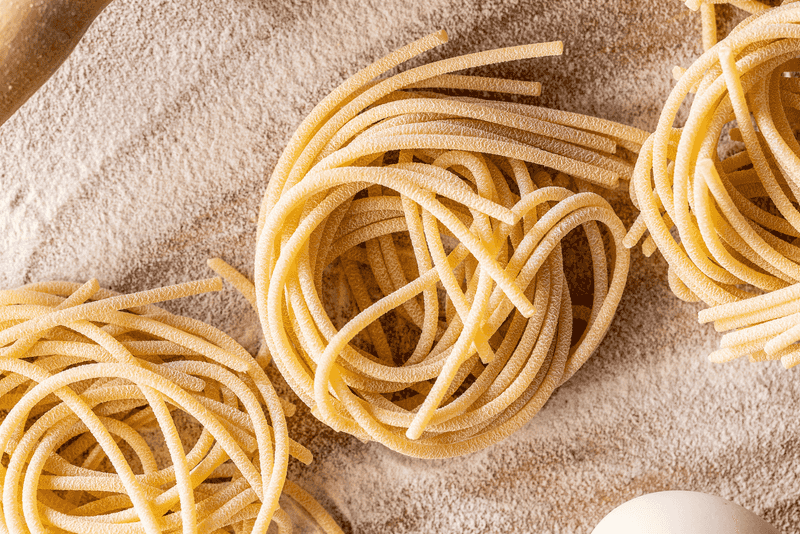
Dry spaghetti can sit in a pantry for years. Fresh pasta from the fridge aisle is another creature altogether.
Made with eggs and plenty of moisture, it can grow mold and bacteria within days. Stuffed versions like ravioli add cheese or meat, which raises the risk even more.
Watch for dark spots, a sour smell, or a slimy feel. Freezing extra portions keeps them tasty for weeks.
16. Baby Formula
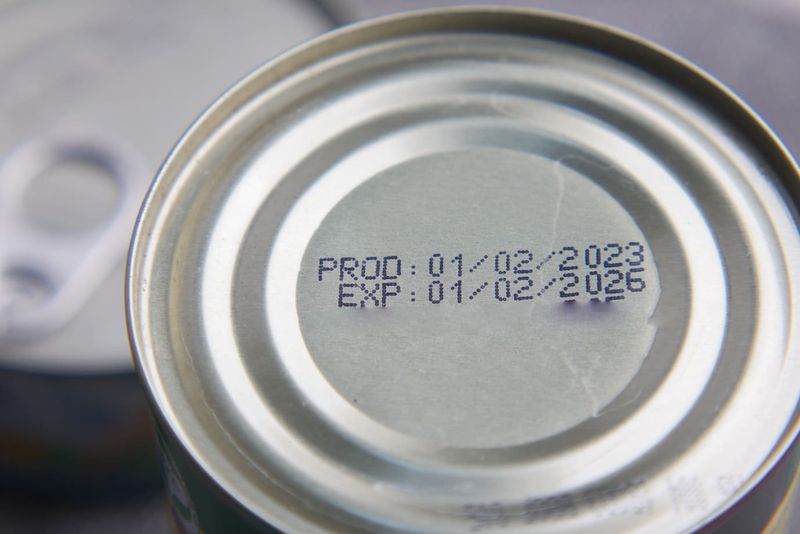
For little ones, there is no room for guessing. Babies have tiny, still-developing immune systems that cannot fight germs well.
Expired formula may also lose important nutrients, so a baby might not get what they need to grow. Prepared bottles should be used within an hour of feeding or tossed.
Always check dates at the store and at home. When in doubt, a fresh can is worth every penny.
17. Cut Melons
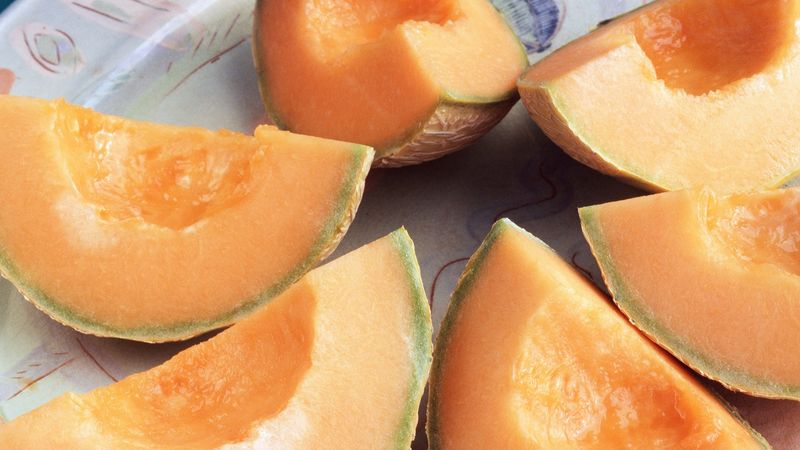
Summer fruit cups look so refreshing. However, cantaloupe has a rough rind that traps dirt, and cutting it can drag germs into the juicy fruit.
Once sliced, melon becomes a perfect home for salmonella and listeria. Pre-cut containers should be eaten by their date, no exceptions.
Cutting your own? Scrub the rind first with a brush, refrigerate pieces right away, and enjoy them within three to four days.