
Some foods that are totally normal today used to make people at the dinner table squirm, whisper, or flat-out refuse to eat. Whether it was the smell, the texture, or just the idea of it, certain dishes had a rough start at family gatherings.
Over time, tastes changed, cultures blended, and yesterday’s weird food became today’s favorite. Here is a look at 17 foods that once got the side-eye treatment but have since won people over.
1. Sushi
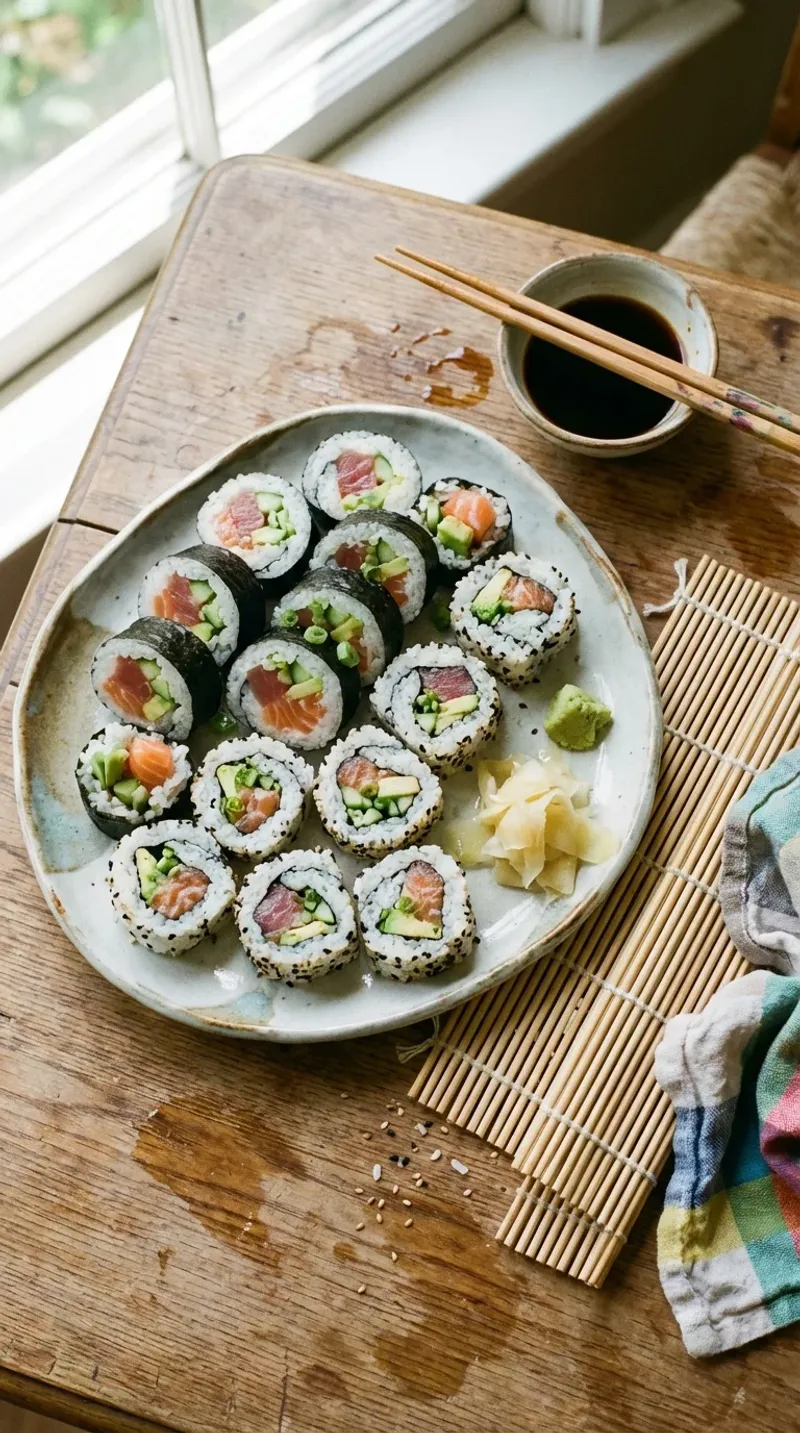
Raw fish wrapped in seaweed? Back in the day, that idea alone was enough to clear a room.
Many Americans in the 1970s and 1980s had never heard of sushi, and the thought of eating uncooked fish felt strange and risky.
Today, sushi restaurants are everywhere, and kids order spicy tuna rolls like it is no big deal. It took some brave eaters to get the ball rolling, and now it is one of the most popular foods around.
2. Avocado
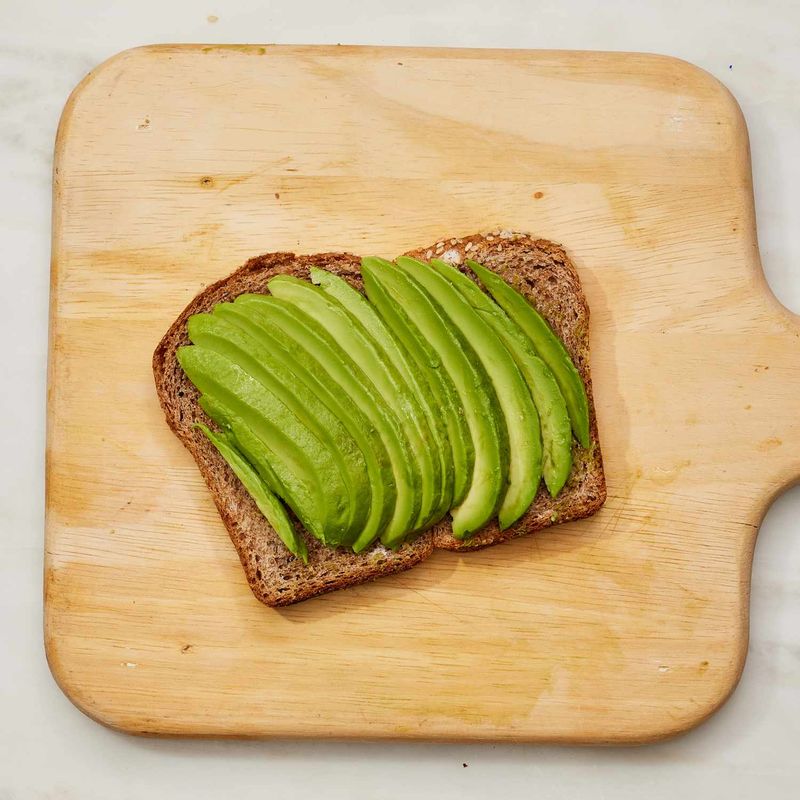
Avocados were once considered a strange, mushy fruit that nobody really knew what to do with. In the mid-20th century, many families had never seen one, and those who did were not exactly rushing to try it.
Fast forward to today, and avocado toast is practically a cultural icon. The buttery texture and mild flavor eventually won over skeptics, and now it shows up in everything from salads to smoothies to baby food.
3. Kimchi
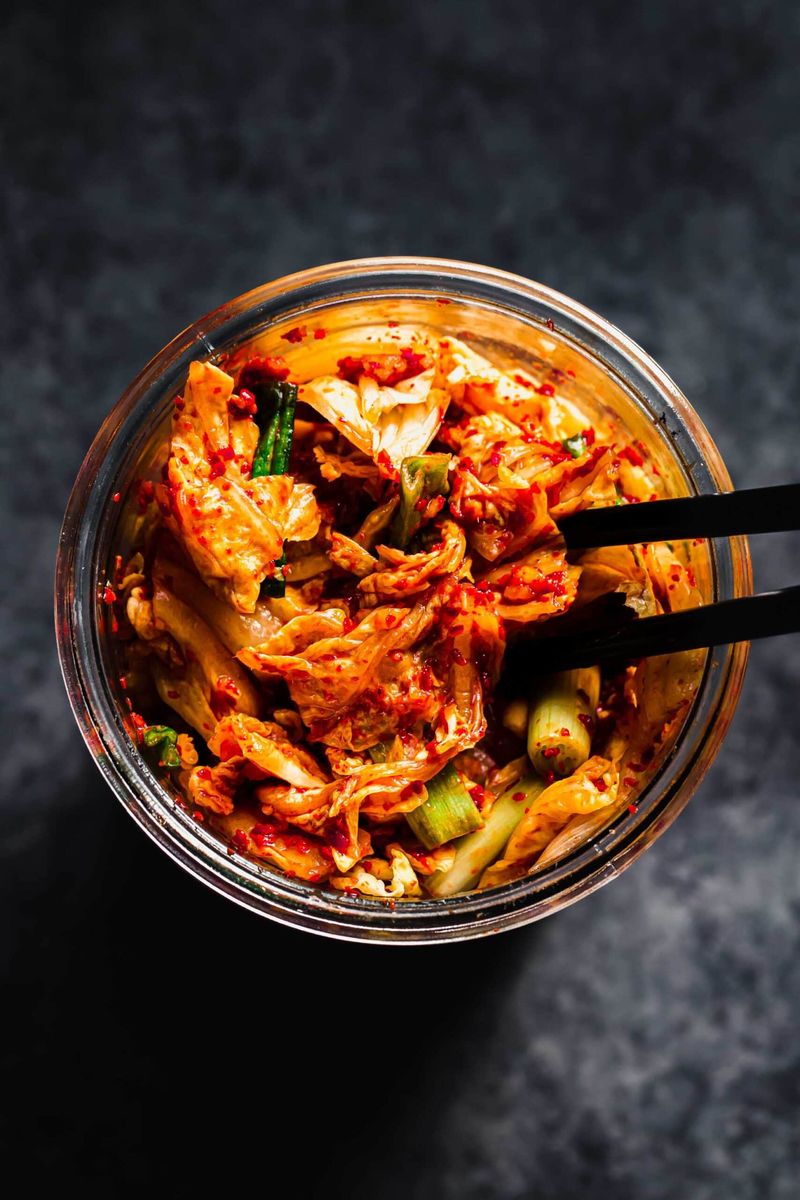
The strong, fermented smell of kimchi was enough to make some dinner guests quietly excuse themselves from the table. This traditional Korean dish made from fermented vegetables, usually cabbage, carries a bold, tangy punch that not everyone was ready for.
As Korean culture and cuisine spread globally, kimchi found its way into tacos, burgers, and grain bowls. What once seemed too funky is now praised for its gut-healthy probiotics and complex flavor.
4. Brussels Sprouts
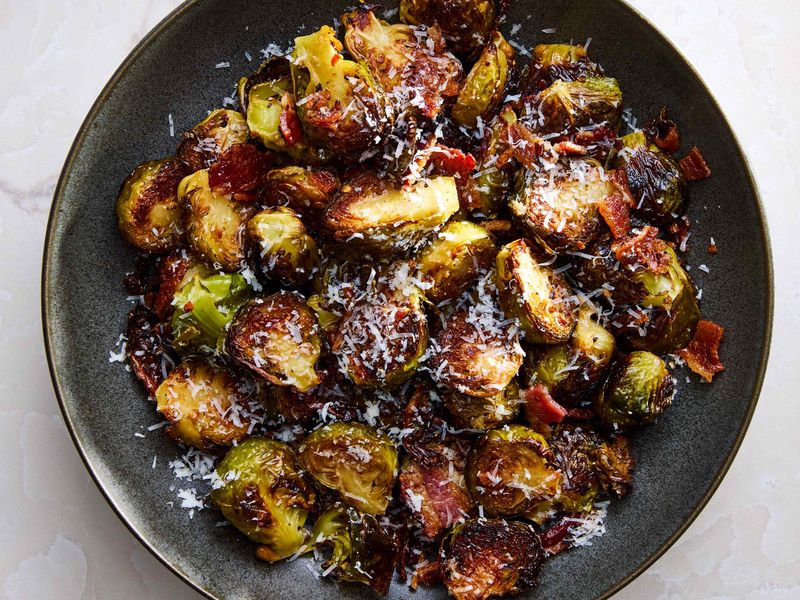
Few vegetables have had a worse reputation at the dinner table than Brussels sprouts. For decades, kids and adults alike pushed them to the edge of their plates, blaming the bitter, sulfur-like smell that came from overcooking them.
Then someone figured out that roasting them in olive oil with a little garlic transforms them completely. Crispy, nutty, and slightly sweet, roasted Brussels sprouts became a food that people actually fight over at holiday dinners.
5. Tofu
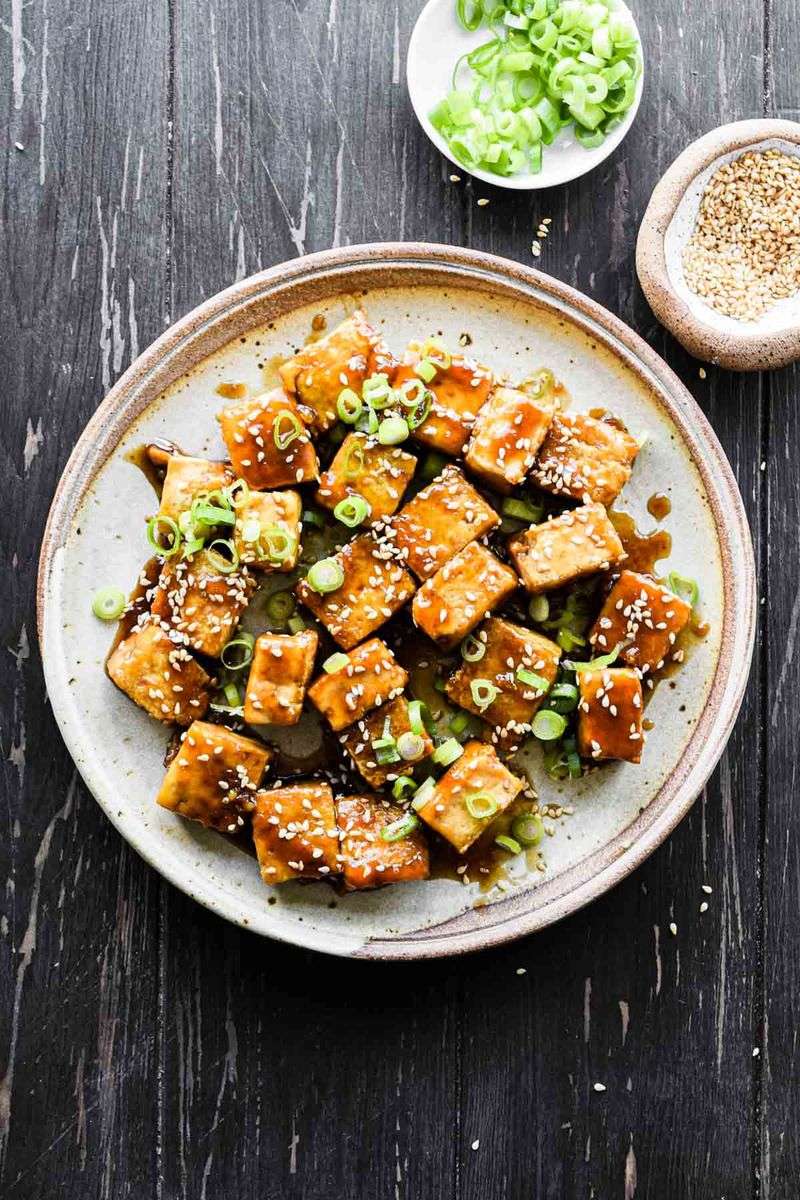
Tofu has been eaten in Asia for over 2,000 years, but when it showed up on Western dinner tables in the 1970s, it was mostly met with confusion and mild disgust. People called it bland, rubbery, and just plain weird.
The secret nobody told those early critics is that tofu takes on whatever flavor you cook it with. Marinated, grilled, or crisped in a hot pan, it turns into something genuinely satisfying and filling.
6. Quinoa
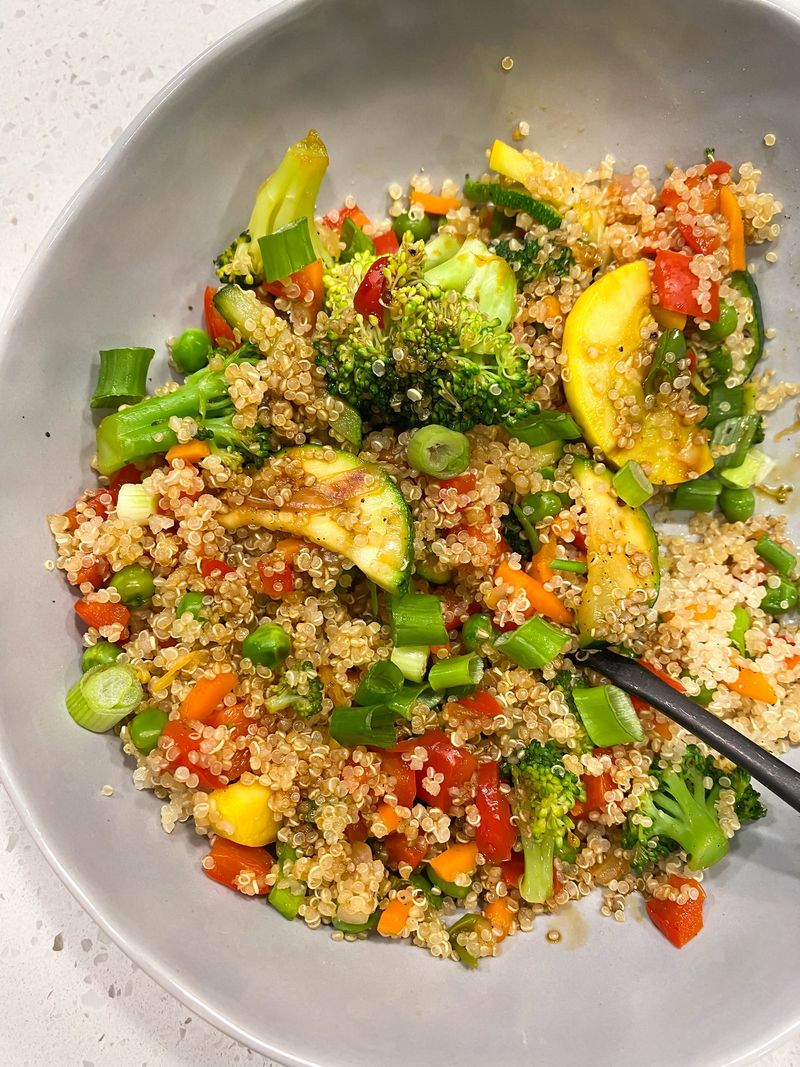
Quinoa was once called a hippie food, a health-nut obsession that mainstream families wanted nothing to do with. Its odd pronunciation, either KEEN-wah or kwi-NO-ah depending on who you asked, did not help its case at the dinner table.
Once people realized it cooks like rice, packs more protein than most grains, and actually tastes good when seasoned well, it became a staple. Now it shows up in school lunches, meal preps, and restaurant menus without anyone batting an eye.
7. Hummus
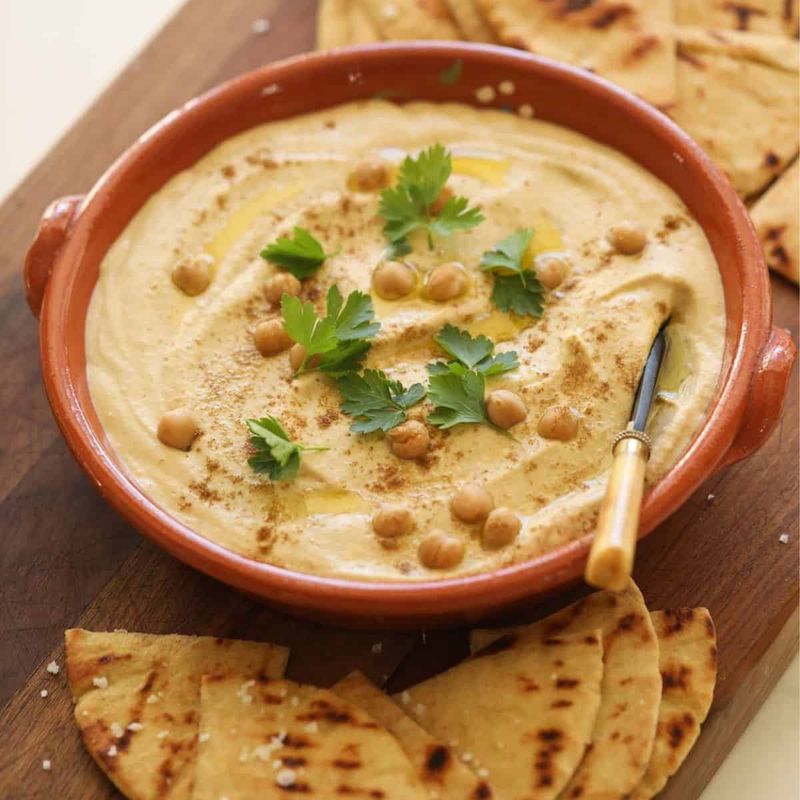
Ground-up chickpeas mixed with tahini, garlic, and lemon juice did not exactly sound like party food to most American families a few decades ago. Hummus was largely unknown outside of Middle Eastern households until the late 1990s and early 2000s.
Grocery stores began stocking it, and suddenly it was everywhere. Now it is one of the most popular dips in the country, and kids dip their carrots in it without giving it a second thought.
8. Kale
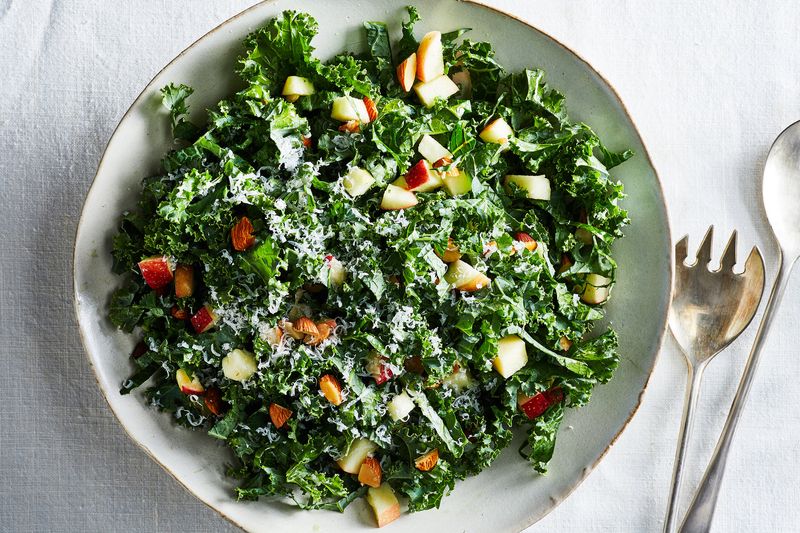
Kale used to be the stuff of salad bar garnishes, the dark leafy green that sat on the edge of a buffet table looking decorative and mostly untouched. Nobody was putting it in their lunch or ordering it on purpose.
Then food bloggers and nutritionists started calling it a superfood, and the kale craze took off. Kale chips, kale smoothies, and kale Caesar salads became trendy fast.
It went from forgotten garnish to the most talked-about green in the produce aisle.
9. Tempeh
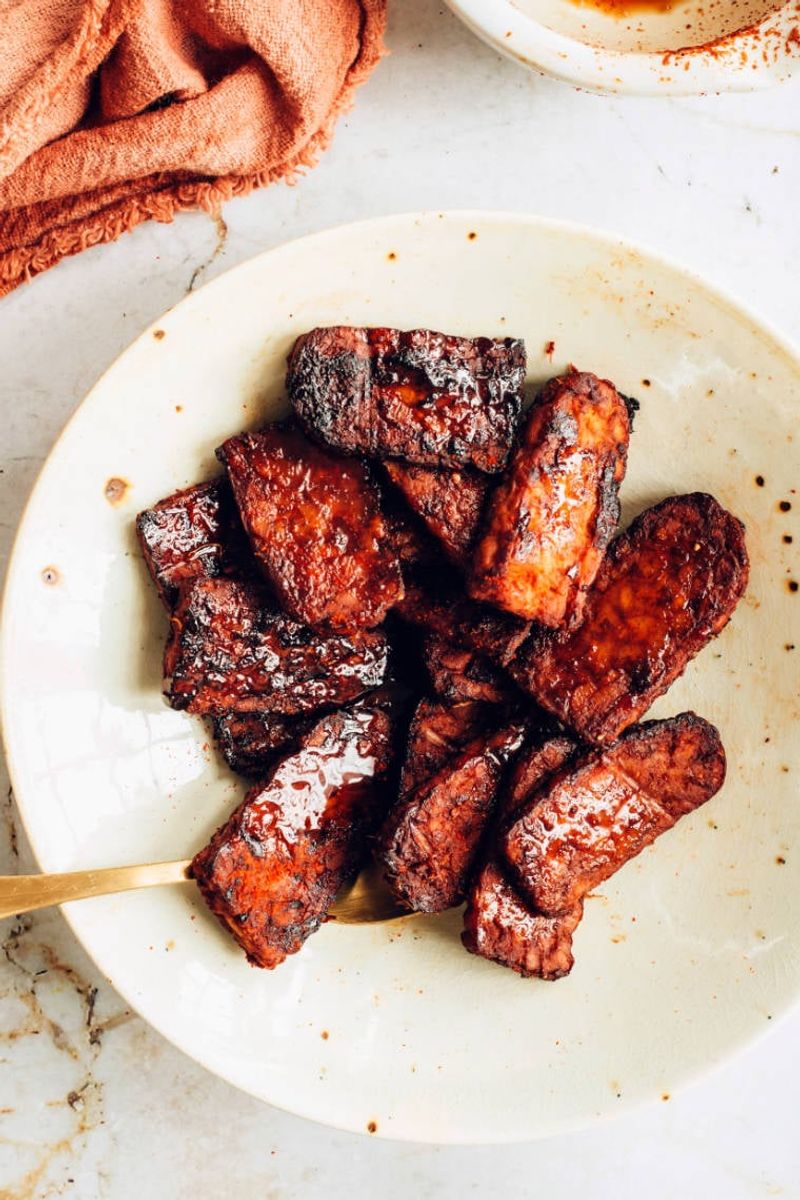
Tempeh looks a little like a compressed cake of beans, and honestly, that description does not make it sound very appetizing. It is a fermented soybean product from Indonesia, and for a long time, it was only known in vegetarian and vegan cooking circles.
Its earthy, nutty flavor and firm texture make it ideal for grilling, frying, or crumbling into dishes. As plant-based eating grew in popularity, tempeh slowly moved from niche health food stores to regular grocery shelves.
10. Oysters
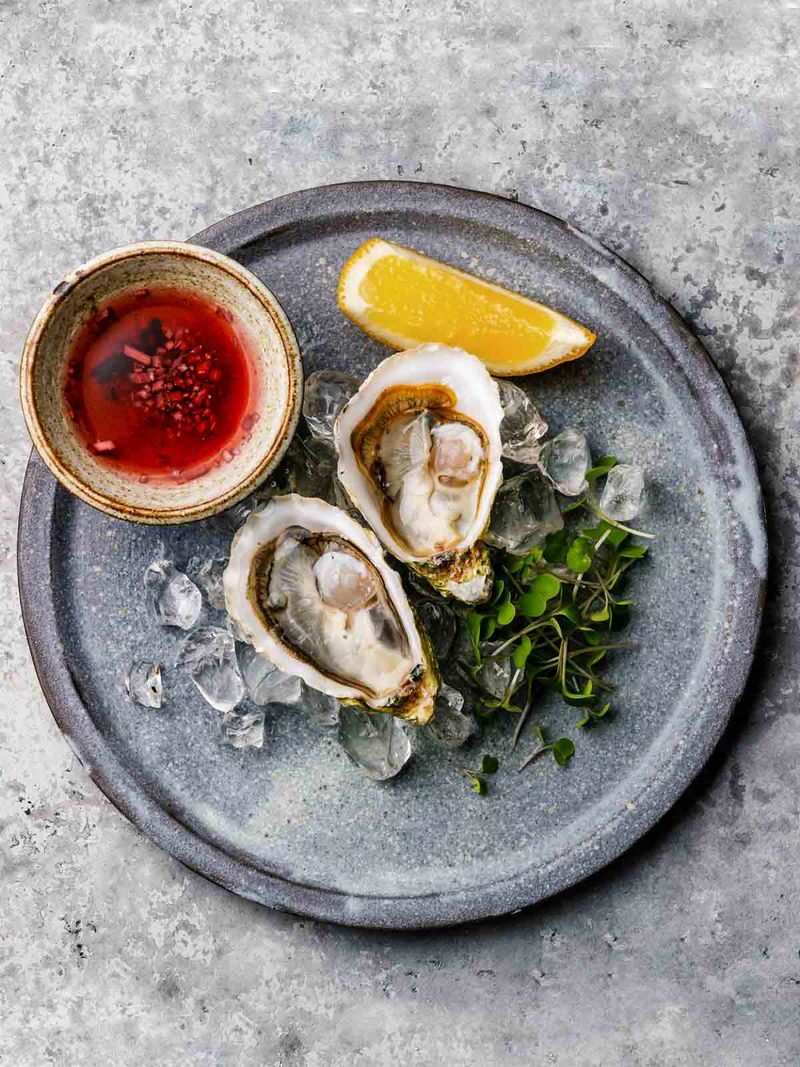
Slurping a raw oyster straight from the shell is not exactly a crowd-pleasing image for everyone. For many people, the slimy texture and briny taste of raw oysters was a hard no at the dinner table, and the smell did not win any fans either.
Oysters have a long history as a luxury food, dating back to ancient Rome. Today, oyster bars are trendy social spots, and the ritual of shucking and tasting different varieties has become a foodie experience people pay good money for.
11. Beets
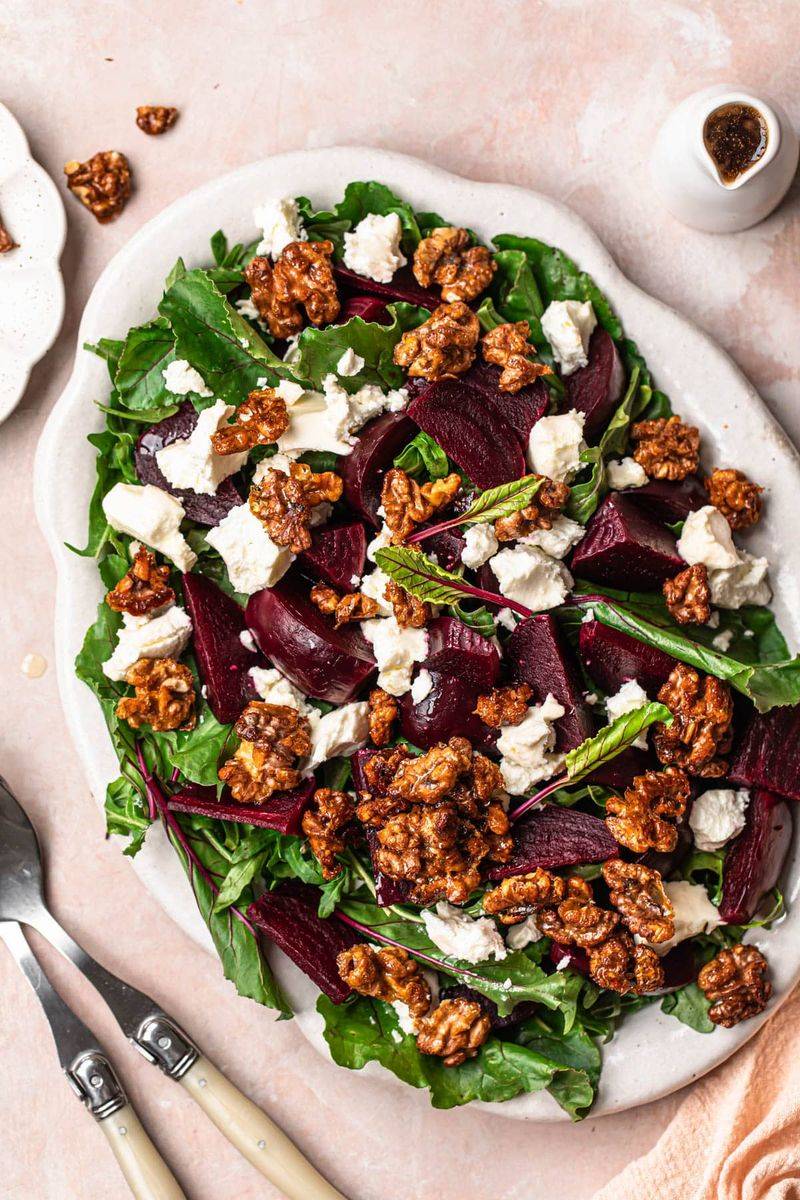
Beets have a deeply earthy flavor that some people describe as tasting like dirt, and that comparison was not doing them any favors at the family table. Canned beets, which were the most common version for years, had a mushy texture that made things worse.
Roasting fresh beets completely changes the experience. The natural sugars caramelize, and the flavor becomes sweet and rich.
Paired with goat cheese and a tangy dressing, beets became a restaurant staple that surprised even the biggest skeptics.
12. Cauliflower
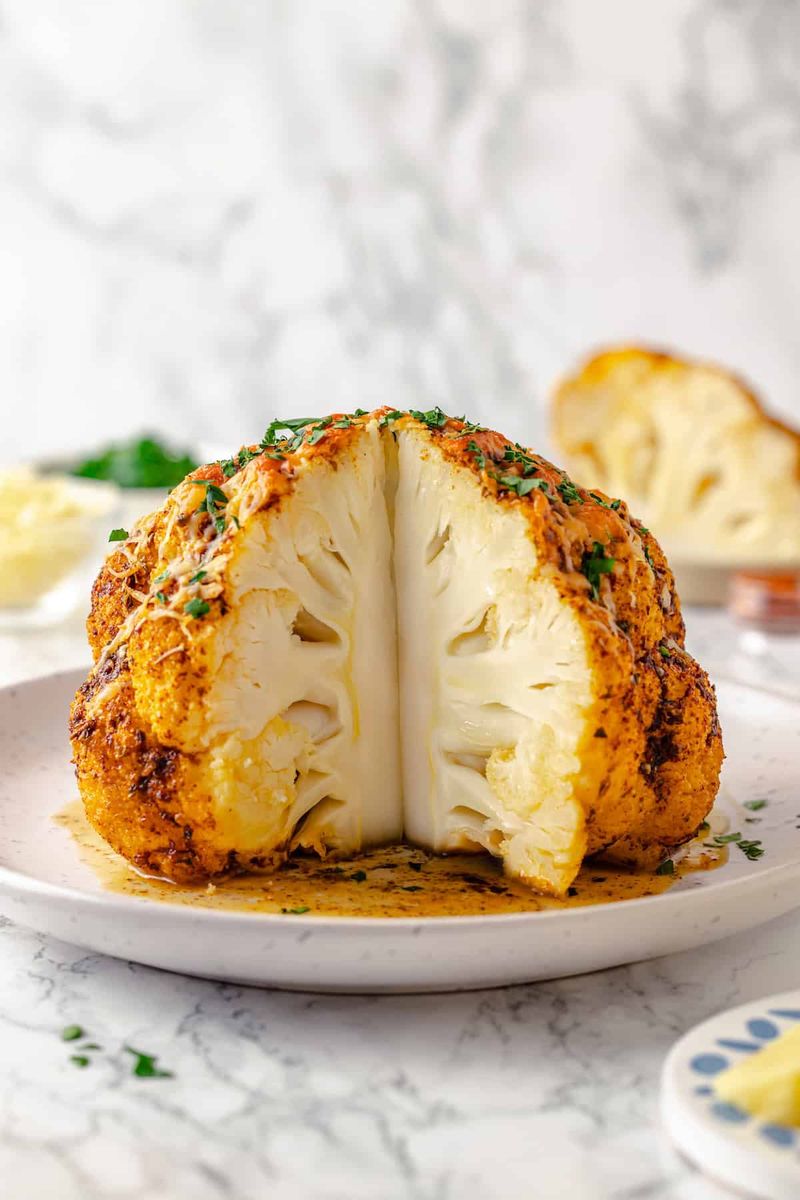
Cauliflower spent years as the boring cousin of broccoli, the vegetable that showed up on veggie trays and got ignored. It was pale, kind of bland, and did not have much going for it flavor-wise when steamed or boiled plain.
Everything changed when people started roasting it, mashing it, and using it as a low-carb substitute for rice and pizza crust. Whole roasted cauliflower became a showstopper dinner centerpiece.
Few vegetables have had such a dramatic glow-up in such a short amount of time.
13. Lamb
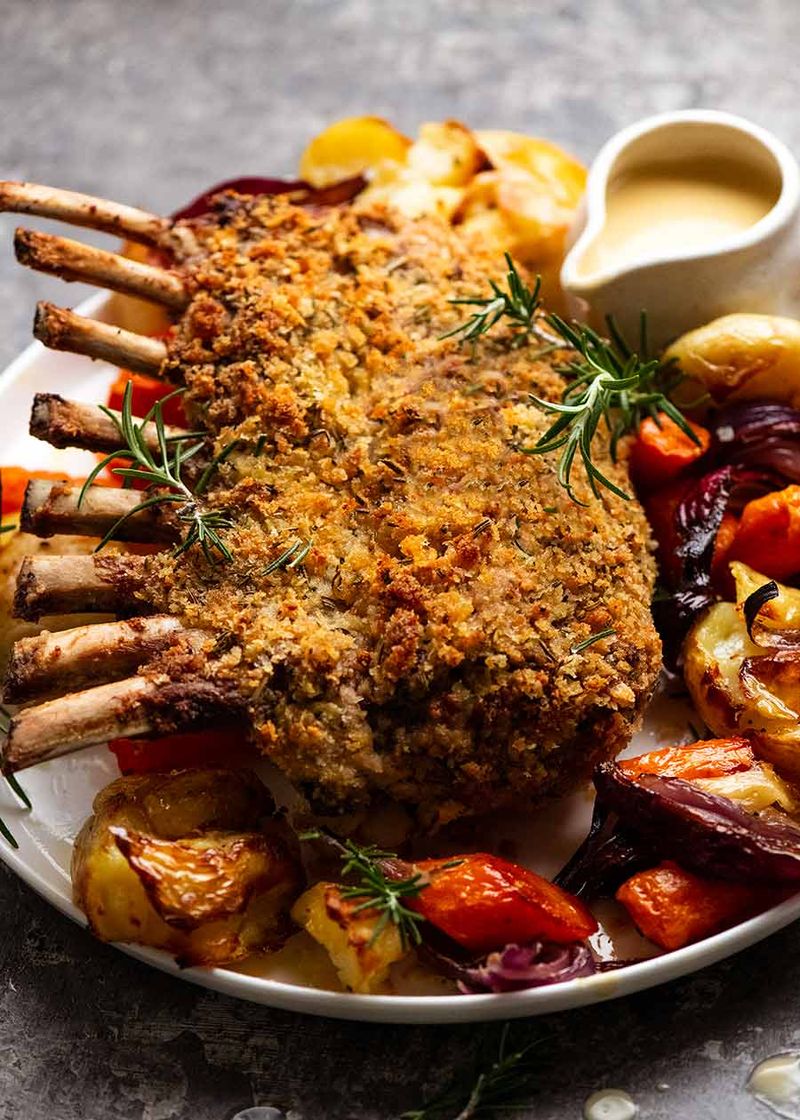
Lamb was considered gamey and too strong-smelling for many families who grew up eating mostly chicken, beef, and pork. Its distinct flavor made it a tough sell at Sunday dinners, and plenty of people wrote it off after one bad experience with overcooked chops.
When prepared properly, lamb is incredibly tender and rich. Greek, Moroccan, and Middle Eastern cooking traditions helped introduce lamb dishes to wider audiences, and slow-roasted or braised lamb became a dish that home cooks actually looked forward to making.
14. Sardines
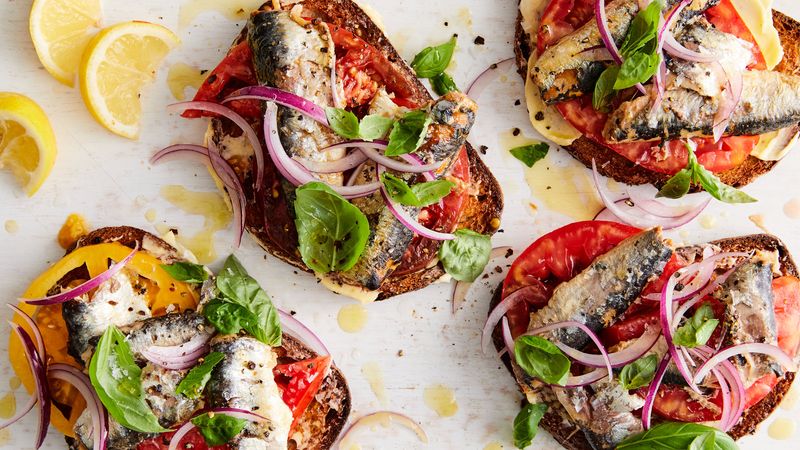
A tin of sardines on the dinner table used to send kids running to the other room. The strong fishy smell, tiny visible bones, and oily appearance made sardines one of the most avoided foods in the American pantry for a long time.
Nutritionists eventually made a compelling case for sardines, pointing out they are packed with omega-3 fatty acids, calcium, and protein. Food lovers in Europe never stopped eating them, and now sardines on toast is considered a refined, trendy snack.
15. Miso Soup
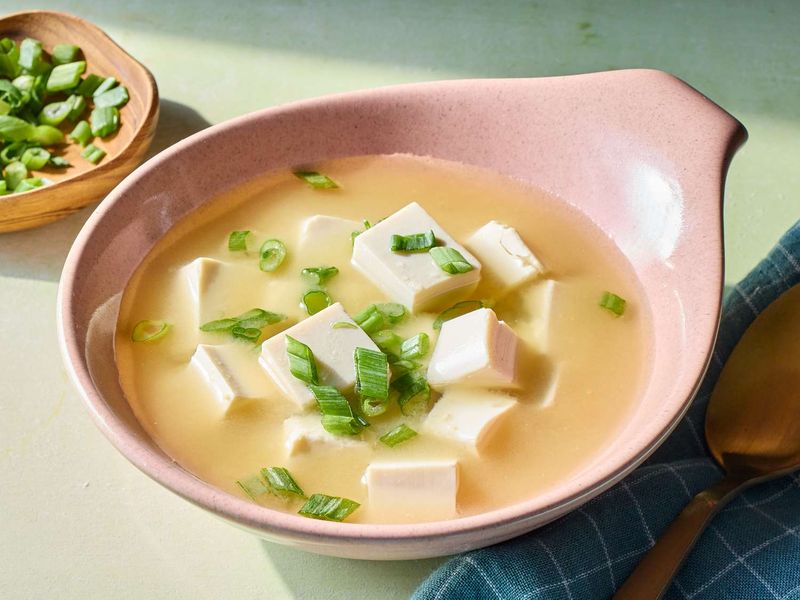
Warm broth with floating cubes of tofu and clumps of seaweed was not exactly the soup most American families were used to seeing. Miso soup felt foreign and strange to people who grew up with chicken noodle or tomato as their go-to comfort bowls.
As Japanese restaurants became more common across the country, miso soup became the comforting starter that people actually looked forward to. The umami-rich, salty broth turned out to be exactly the kind of warm, satisfying sip that cold days call for.
16. Tahini
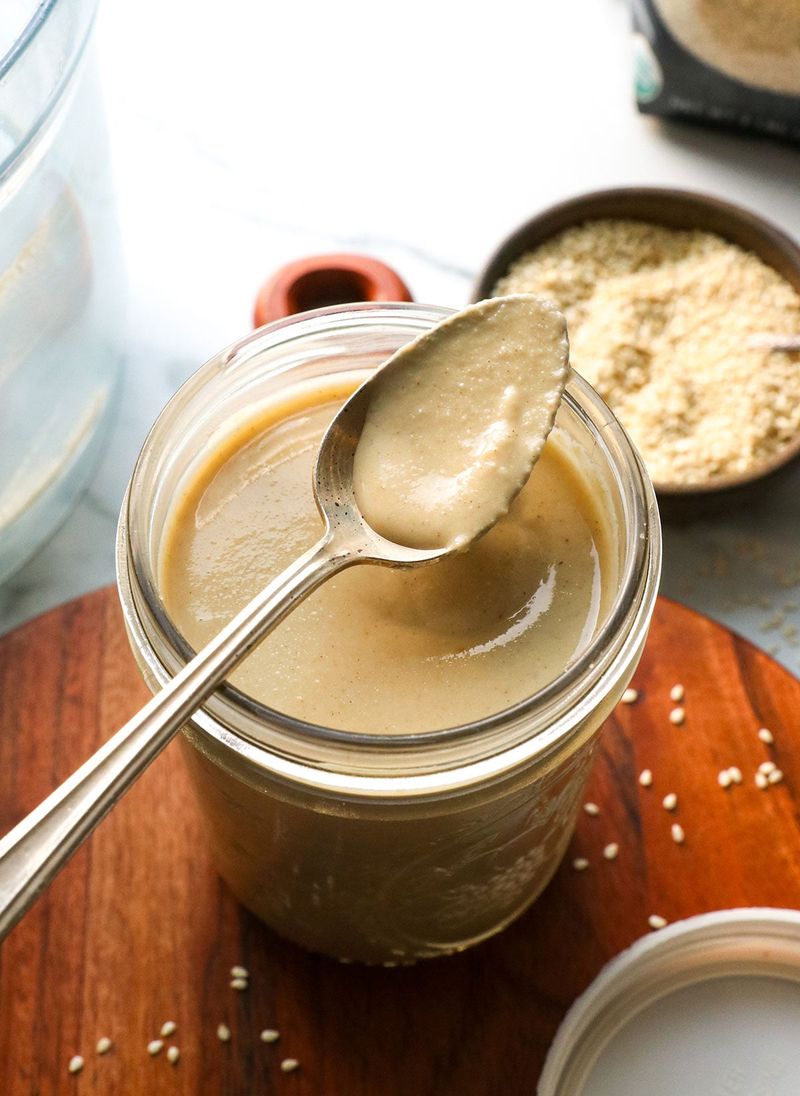
Tahini, which is just ground sesame seeds, sounds simple enough. But for families unfamiliar with Middle Eastern cooking, a jar of thick, slightly bitter paste was not something that made it into the grocery cart without some serious convincing.
Once hummus went mainstream, tahini followed close behind. People discovered it in salad dressings, drizzled over roasted vegetables, and swirled into desserts.
Its rich, nutty depth adds something special to both savory and sweet dishes that is hard to replicate with anything else.
17. Jackfruit
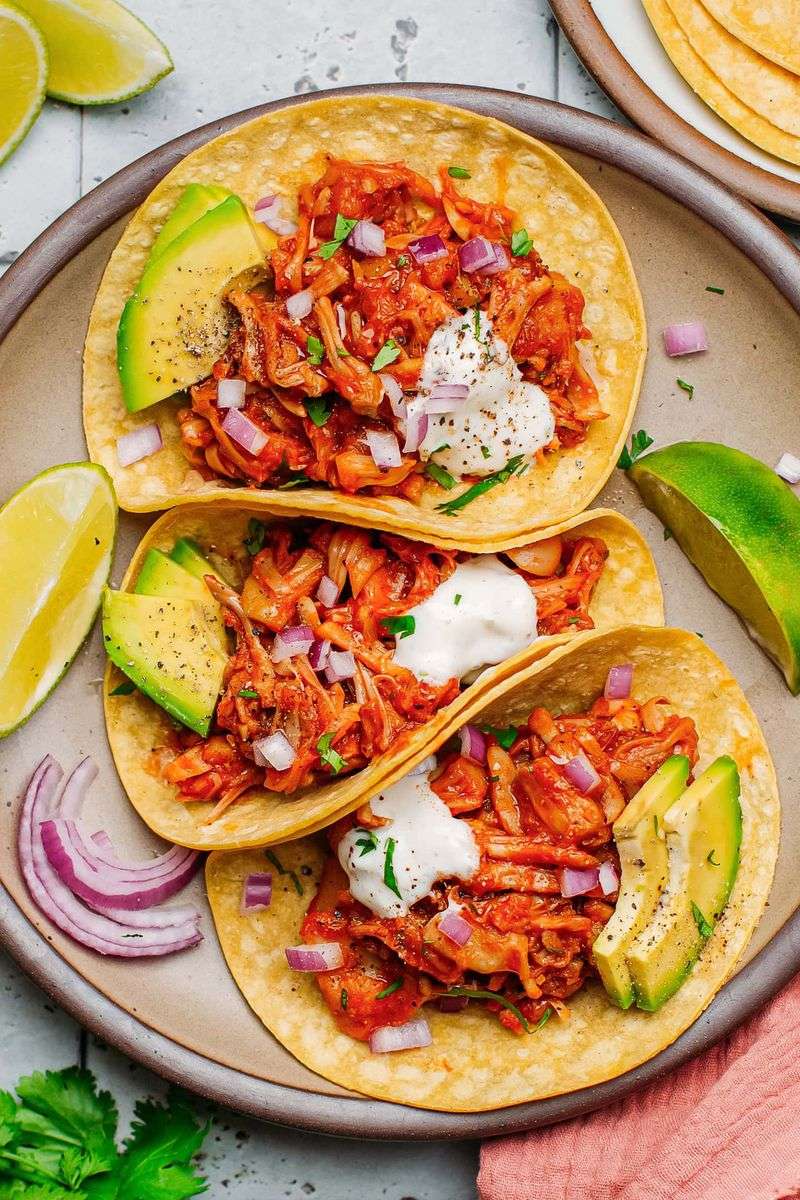
Jackfruit is a massive tropical fruit that can weigh up to 80 pounds, and its stringy, meat-like texture when cooked unripe made it one of the stranger things to land on a dinner plate. Most people had never heard of it outside of tropical regions.
When plant-based eating started booming, jackfruit became a revelation. Seasoned and cooked right, it mimics pulled pork so closely that it fooled plenty of meat-eaters at cookouts.
Jackfruit tacos and sandwiches are now a go-to option at vegetarian restaurants everywhere.