
Most of us have been there: you pull something out of the oven or off the stove, and it just tastes flat, dry, or bland. The surprising truth is that overcooking is one of the most common ways home cooks accidentally ruin perfectly good food.
Heat does amazing things to ingredients, but too much of it destroys the very flavours and textures that make food delicious. Knowing when to stop cooking can completely change your meals for the better.
1. Eggs
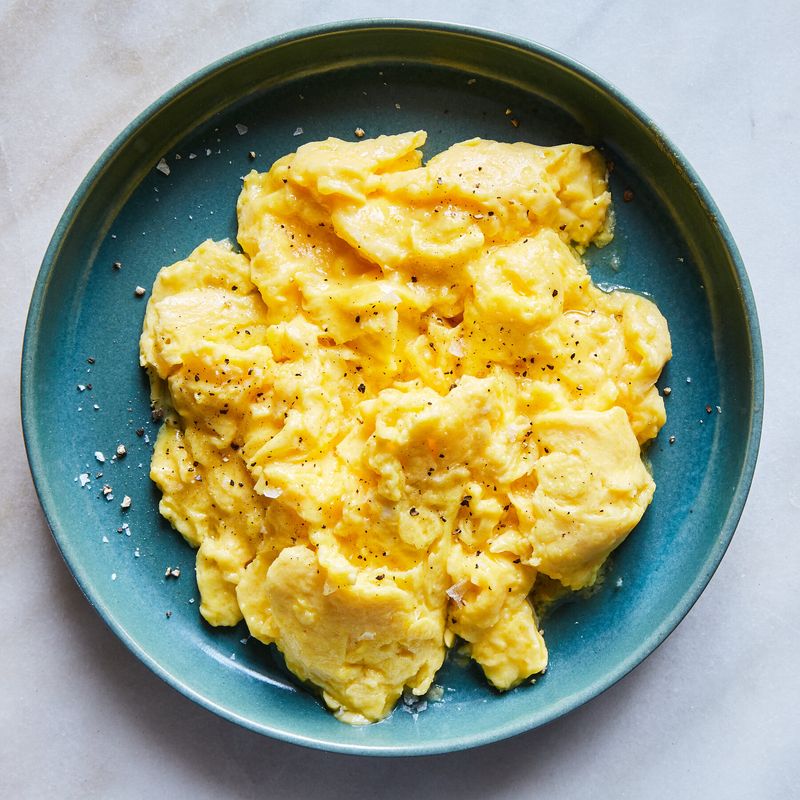
Scrambled eggs have a short window between silky perfection and rubbery disappointment. Most people leave them on the heat too long, squeezing out all the moisture and tenderness.
Pull them off the stove while they still look slightly underdone – carry-over heat finishes the job.
Overcooked eggs turn grey, release water, and lose their mild, buttery flavour entirely. A lower heat and a patient hand make all the difference.
2. Pasta
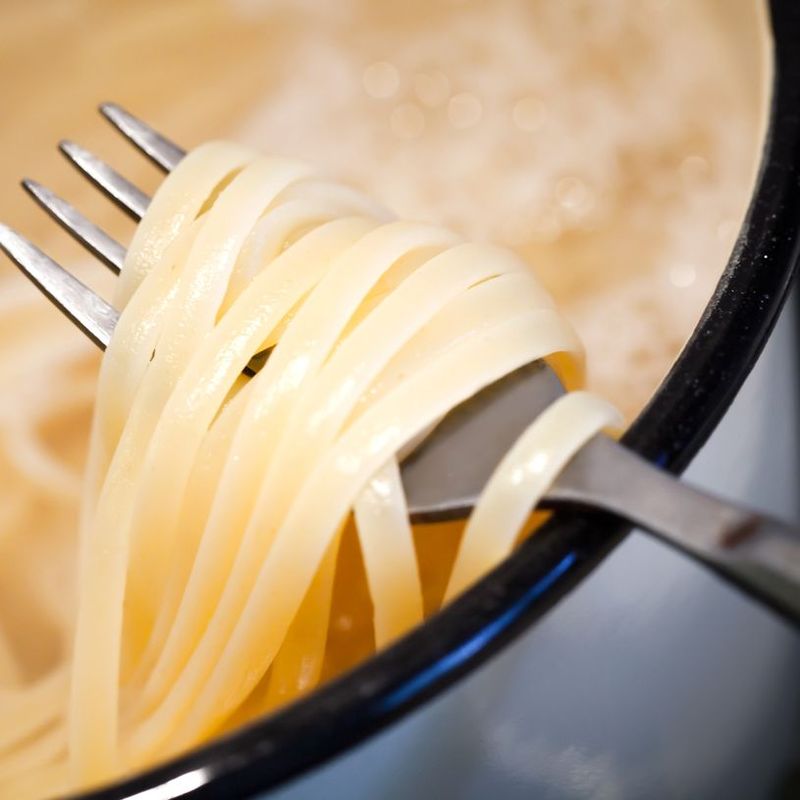
Al dente pasta has a slight bite that holds sauce beautifully and delivers a satisfying chew. Cook it even two minutes too long and it turns mushy, slippery, and almost tasteless.
The starch breaks down and the pasta absorbs too much water, killing its texture.
Always taste a minute before the package says it is done. That small habit alone will upgrade every pasta dish you make.
3. Broccoli
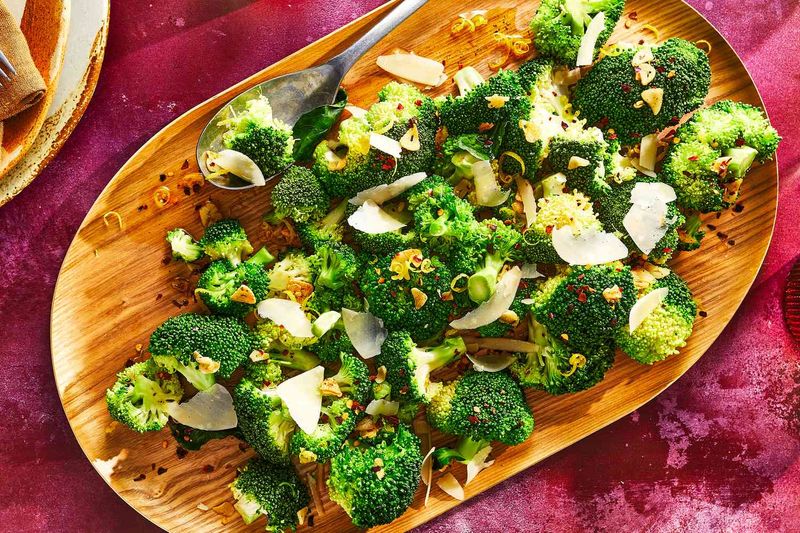
Broccoli is one of those vegetables that transforms dramatically with just a few extra minutes of heat. Fresh, vibrant green florets turn a dull, swampy olive colour and develop a sulphurous smell when overcooked.
That sharp, unpleasant odour comes from compounds released as the cell walls break down.
Steam or roast broccoli until just tender and still bright green. You will notice a sweeter, fresher flavour that overcooked versions completely lack.
4. Chicken Breast
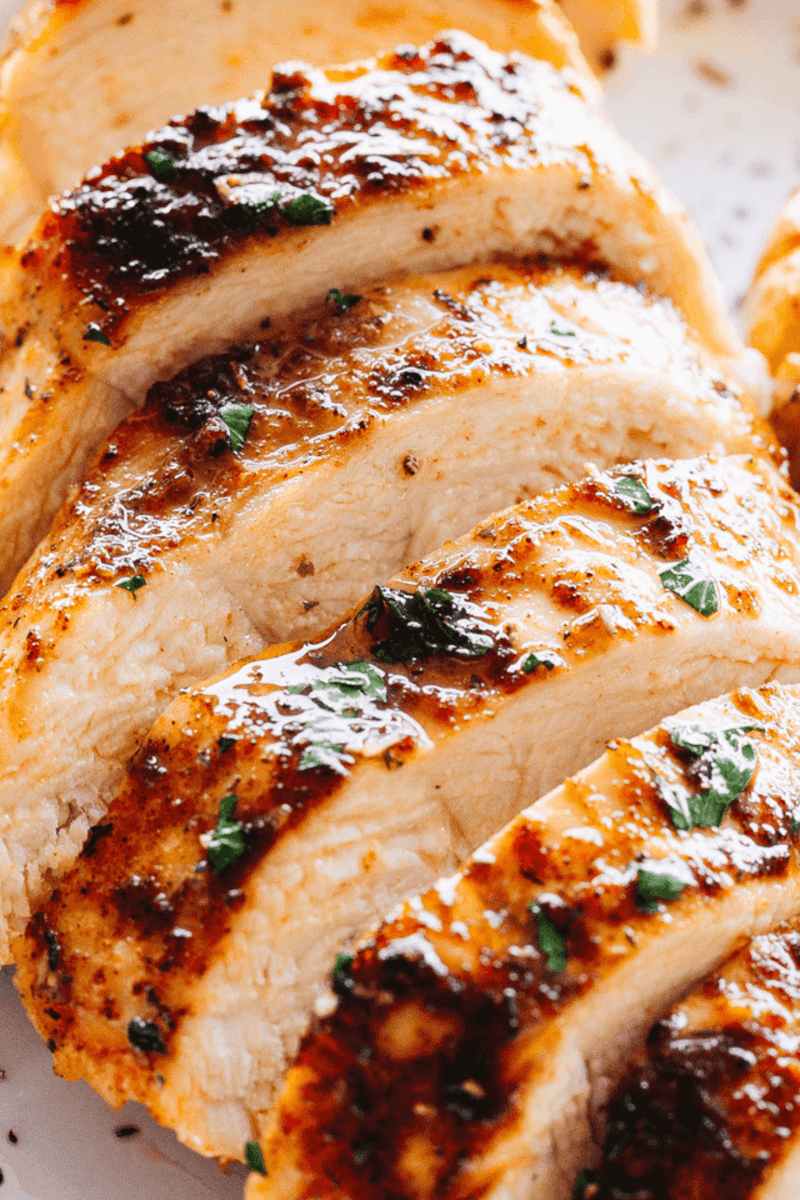
Chicken breast is notoriously unforgiving. A few degrees past the safe internal temperature of 165 degrees Fahrenheit and the meat becomes dry, stringy, and almost chalky.
The proteins tighten and squeeze out all the natural juices that give chicken its mild, savoury flavour.
Using a meat thermometer removes all the guesswork. Pull the breast off heat at exactly the right moment and let it rest before cutting – the result is genuinely juicy chicken.
5. Shrimp
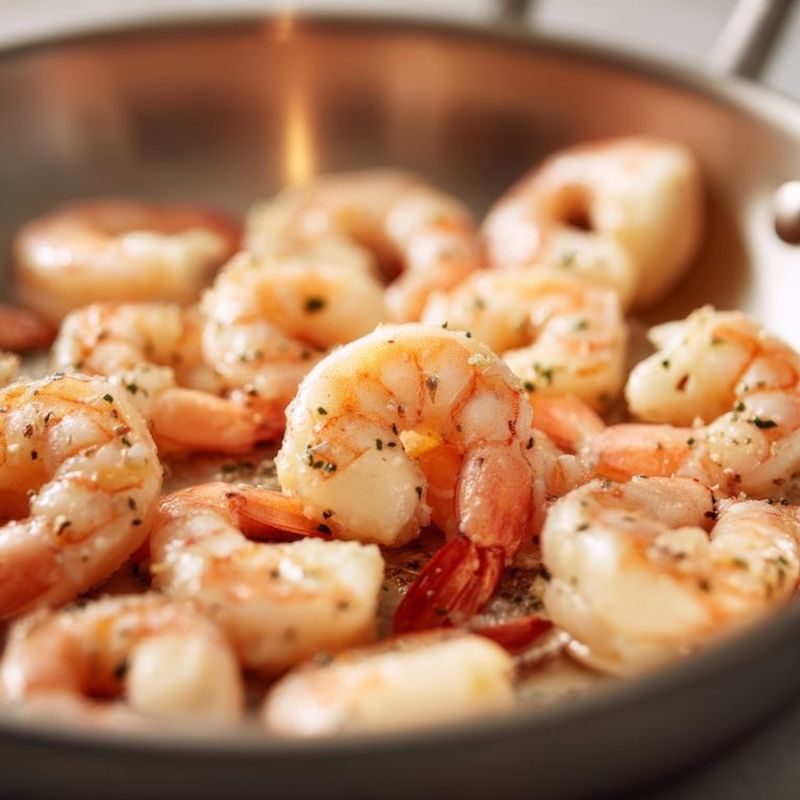
Shrimp cook so fast that most people have already overcooked them before they realise it. The moment shrimp curl into a tight C-shape and turn opaque, they are done.
Keep going and they curl into an O, becoming tough and rubbery with a flat, bland taste.
Two to three minutes in a hot pan is usually all shrimp need. Watch them like a hawk and pull them off the heat the second they change colour.
6. Steak
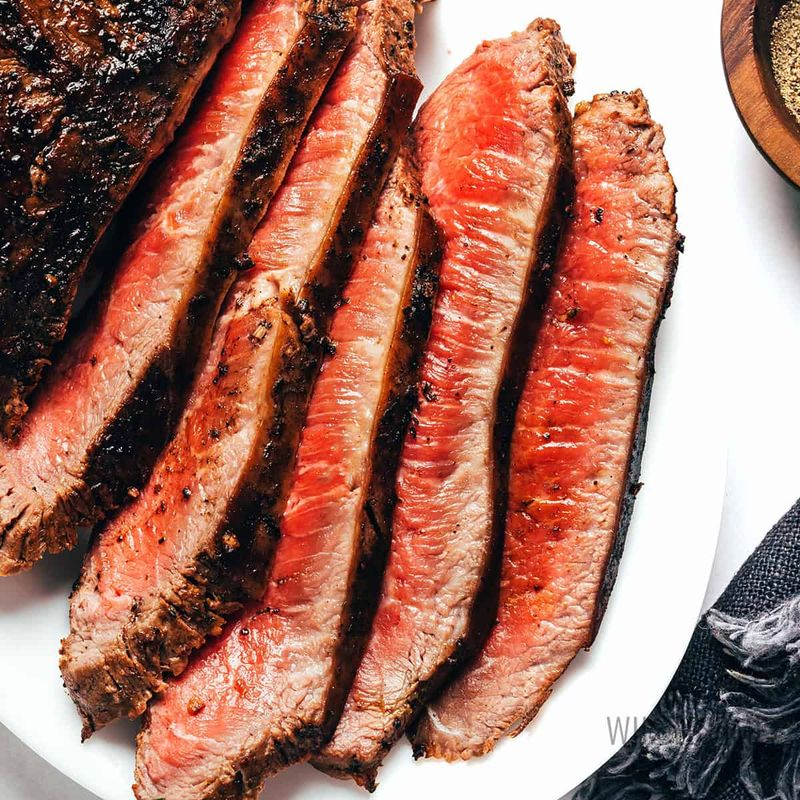
A well-cooked steak is one of life’s great pleasures, but a well-done steak can be a genuine letdown. Cooking beef past medium causes the fat to render out completely, leaving the meat dry and tough.
The complex, beefy flavour that makes steak special comes from those natural juices staying inside.
Medium-rare to medium is widely considered the sweet spot. Resting the steak for five minutes after cooking lets the juices redistribute evenly throughout the meat.
7. Green Beans
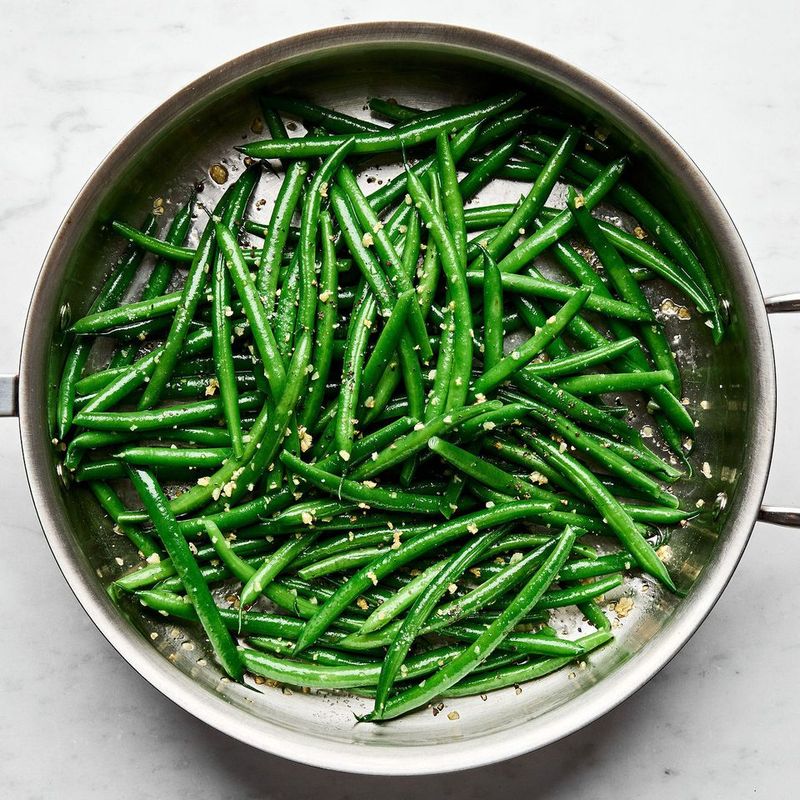
Green beans are meant to snap. That satisfying crunch is a sign of healthy cell structure and fresh flavour.
Boil them too long and they collapse into a soft, stringy mush that tastes faintly of nothing. The bright, grassy sweetness disappears along with their colour.
Blanching green beans for three to four minutes in salted boiling water, then cooling them in ice water, locks in both the colour and the flavour. Simple, fast, and worth every second.
8. Garlic
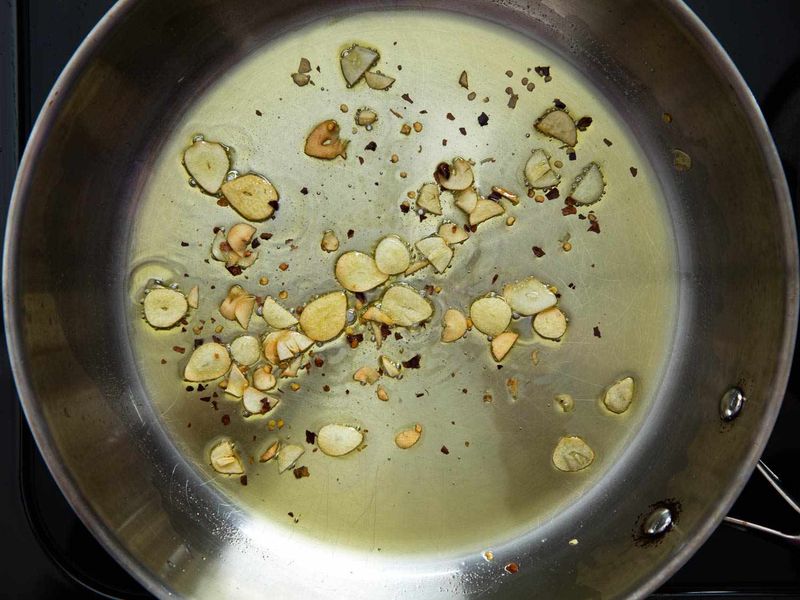
Garlic goes from golden and fragrant to bitter and burnt faster than almost any other ingredient. That harsh, acrid flavour of overcooked garlic can ruin an entire dish, not just the garlic itself.
The natural sugars caramelise quickly and then scorch if the heat stays too high.
Keep the heat at medium and stir constantly. Thirty seconds to one minute is typically all garlic needs to release its warm, nutty aroma without crossing into bitterness.
9. Salmon
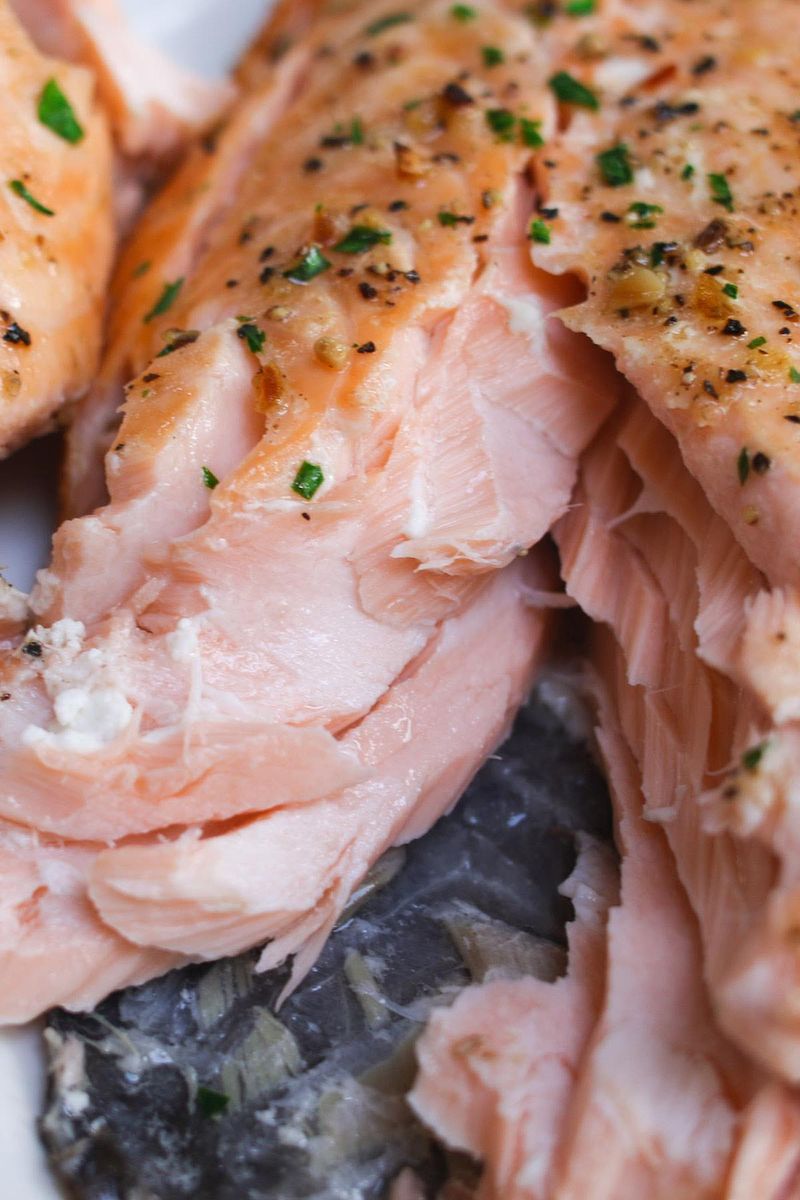
Salmon is one of the most overcooked fish in home kitchens. People worry about undercooking it, so they leave it on the heat far too long.
The result is a dry, flaky fillet that falls apart and tastes more like cardboard than the rich, buttery fish it should be.
Salmon is best when the centre is still slightly translucent and just barely cooked through. That soft, silky texture is where all the flavour lives.
10. Asparagus
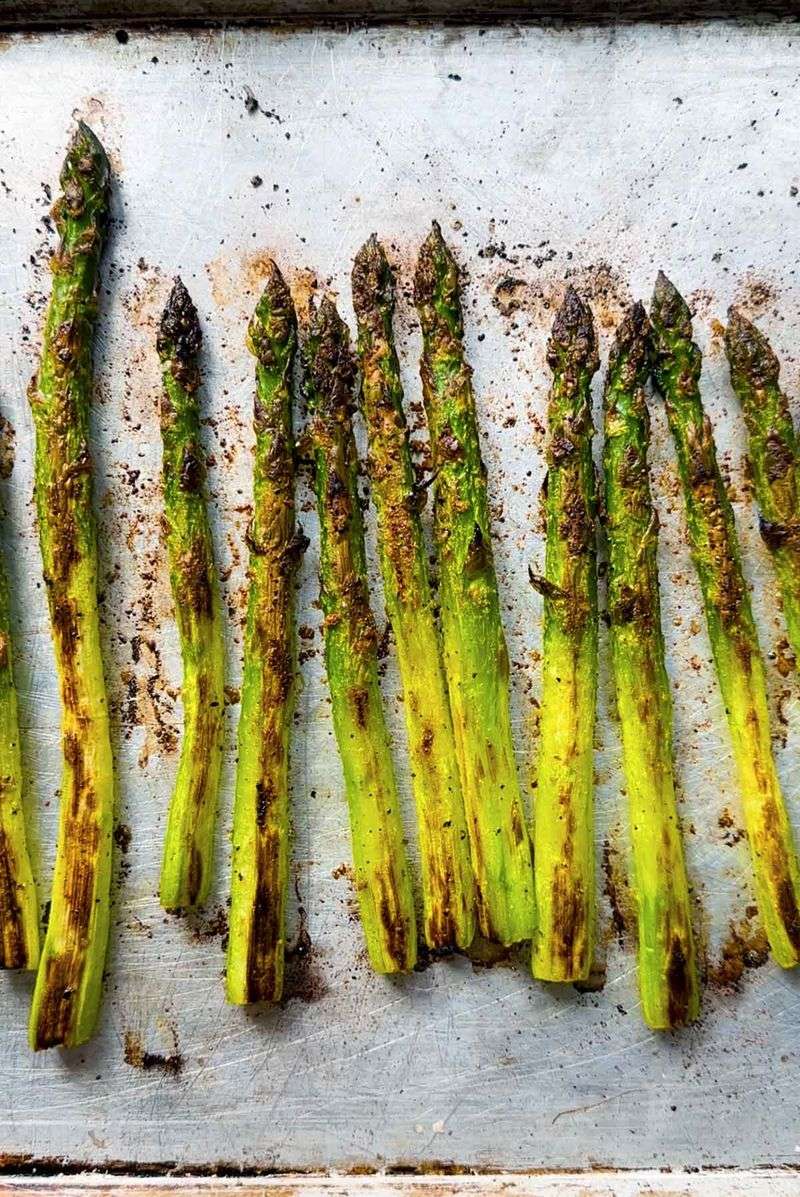
Asparagus has a delicate, slightly sweet, earthy flavour that vanishes quickly under too much heat. Overcooked spears turn limp, slimy, and develop a strong, unpleasant bitterness.
The beautiful bright green colour fades to a dull, unappetising grey-green that signals the damage is done.
Roast asparagus at high heat for eight to ten minutes, or blanch it briefly. A little char on the tips adds a pleasant smokiness that complements its natural sweetness perfectly.
11. Mushrooms
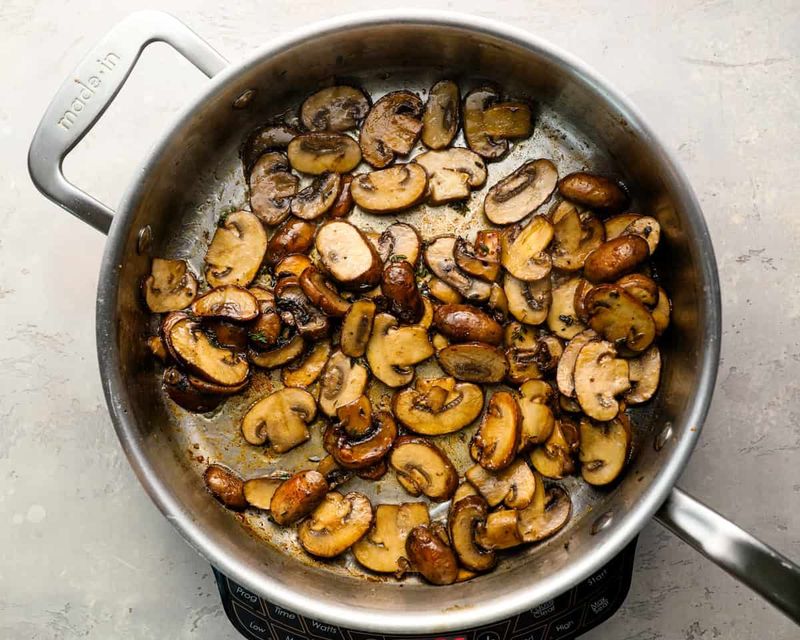
Here is something most people get wrong: crowding mushrooms in the pan causes them to steam instead of sear. Steamed mushrooms release all their water and turn grey, soft, and flavourless.
The magic of a mushroom is in that deep, golden-brown crust that develops when they hit a hot, uncrowded pan.
Cook them in batches if needed, and resist stirring too often. Patience rewards you with rich, meaty mushrooms that taste almost savoury enough to stand in for meat.
12. Pork Chops
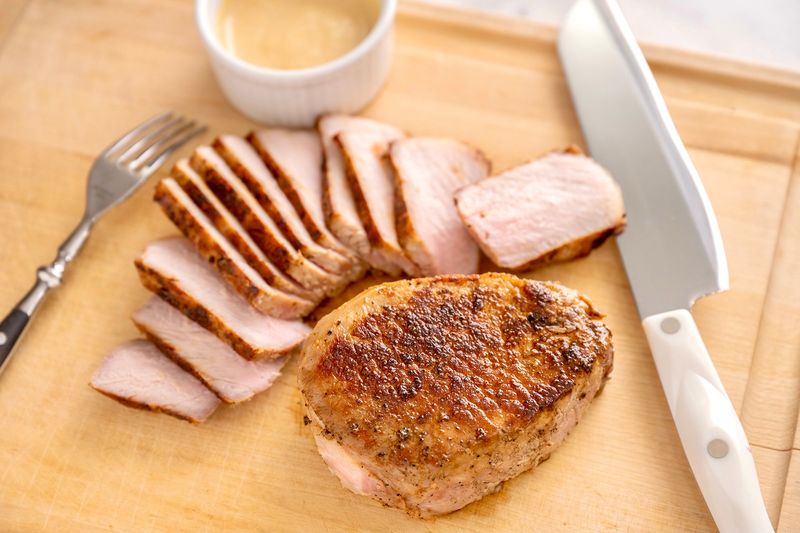
Pork chops have a reputation for being tough and dry, but that reputation is mostly earned through overcooking. For years, food safety guidelines recommended cooking pork to 160 degrees Fahrenheit, which left chops chalky and chewy.
The USDA updated that recommendation to 145 degrees, allowing for a slightly rosy centre.
That small change makes a world of difference. A properly cooked pork chop is tender, juicy, and full of mild, sweet flavour that most people have never actually tasted.
13. Cauliflower
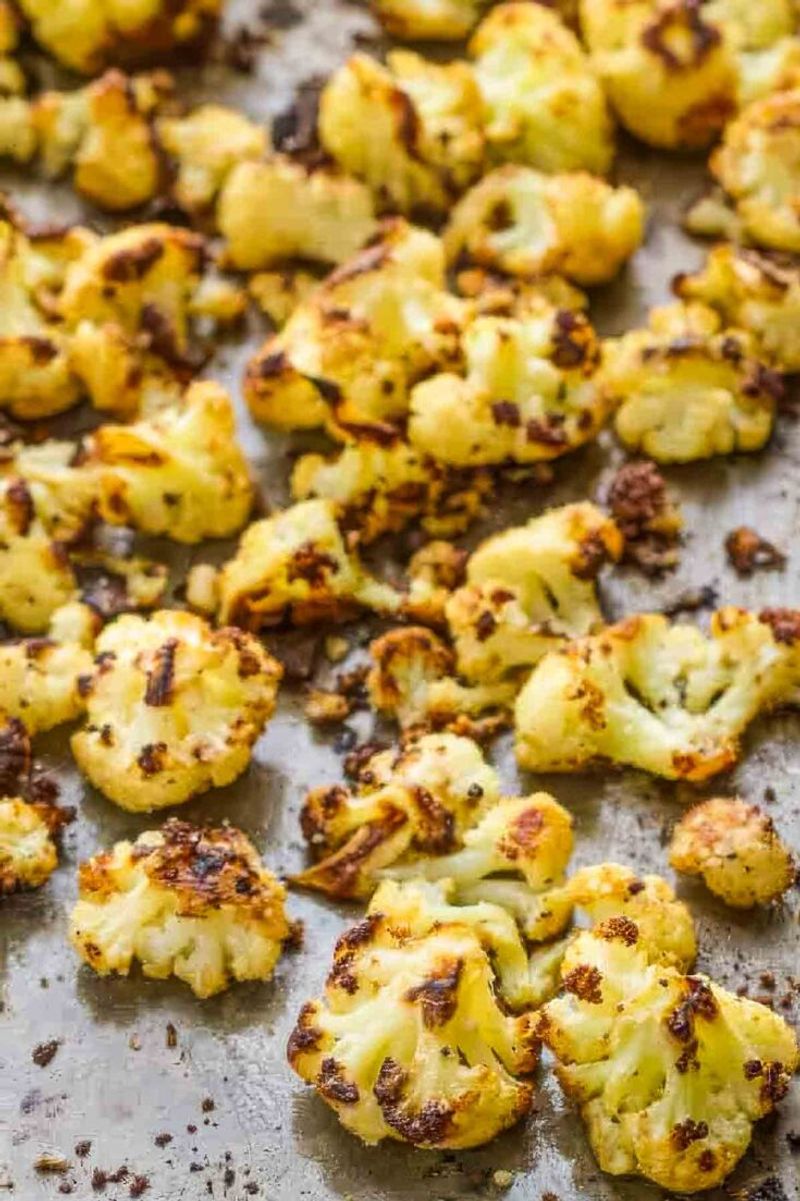
Roasted cauliflower is a completely different experience from its boiled, overcooked counterpart. High heat caramelises the natural sugars in cauliflower and creates a nutty, slightly sweet flavour that is genuinely addictive.
Boil it too long and it turns watery, grey, and emits that sulphur smell that puts so many people off.
Cut florets into even pieces, toss with oil and salt, and roast at 425 degrees until the edges are deeply golden. Simple and transformative.
14. Spinach
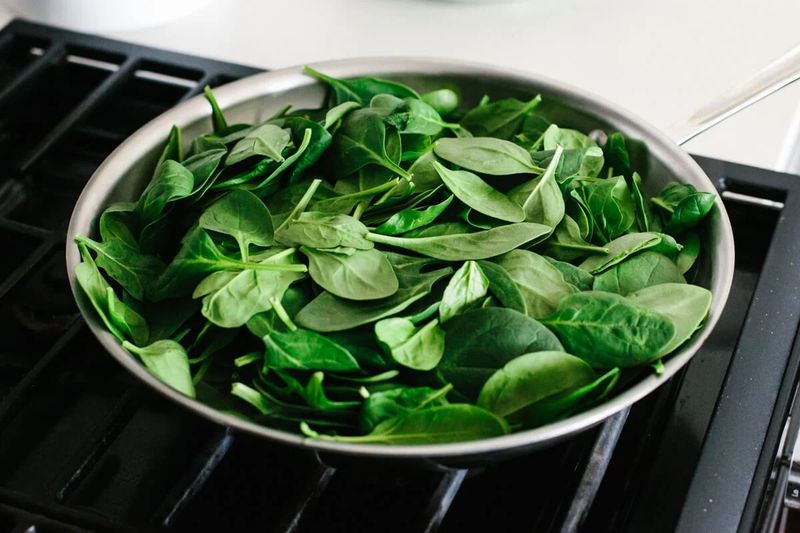
Spinach wilts in under a minute when it hits a hot pan, and that is genuinely all the cooking it needs. Many home cooks keep stirring and cooking until the leaves shrink dramatically and release a pool of dark, bitter liquid.
At that point, most of the iron-rich goodness and fresh flavour is gone.
Add spinach last, toss it briefly, and remove it from heat almost immediately. The result is bright, tender leaves with a mild, pleasant taste.
15. Carrots
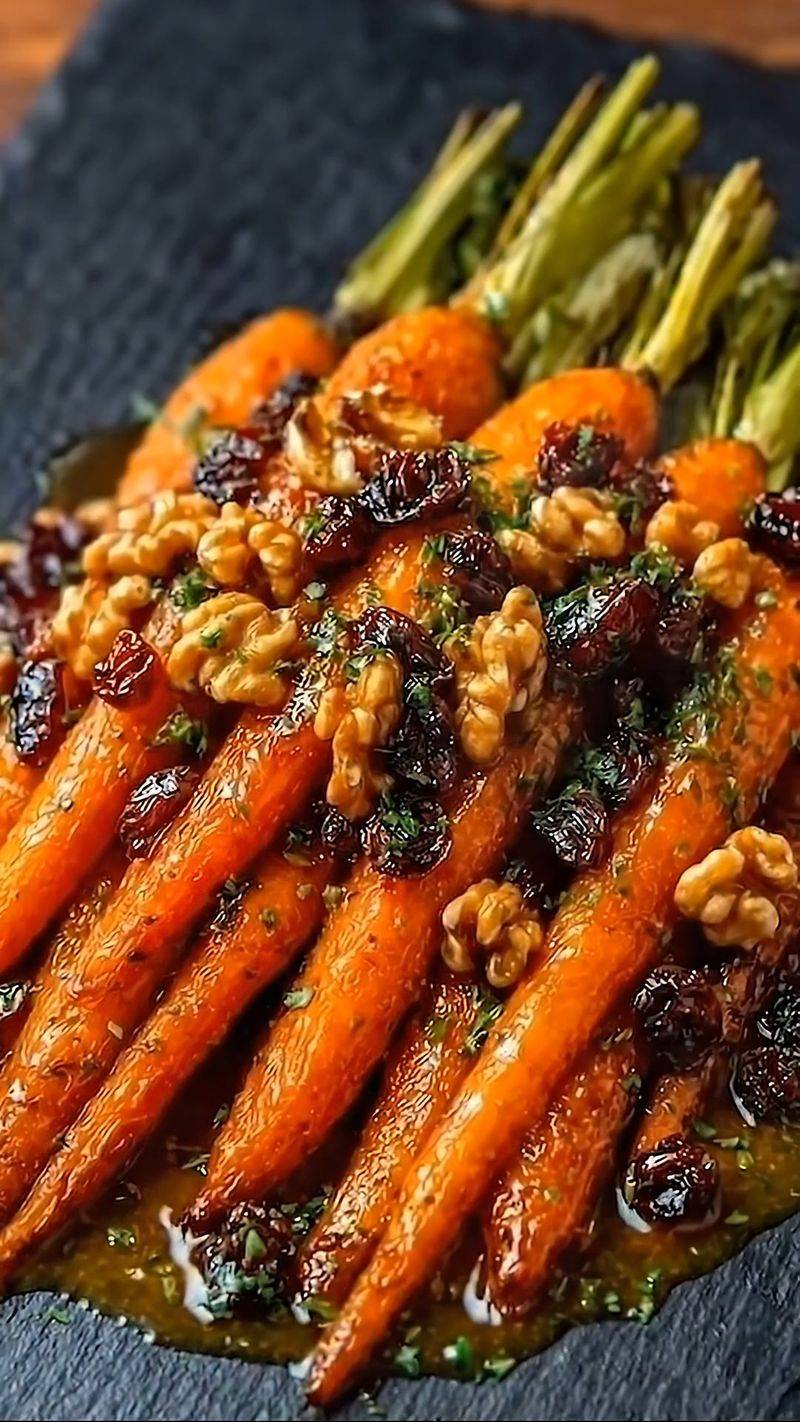
Raw carrots are sweet and crunchy, and barely cooked carrots are even sweeter, as heat begins to break down their starches into sugars. Cook them past that sweet spot and they turn mushy, watery, and lose the natural sweetness that makes them enjoyable.
Overcooked carrots have a flat, starchy taste that is hard to fix.
Roasting or quickly glazing carrots in butter preserves their flavour far better than long boiling. Aim for tender-crisp, not soft.
16. Brussels Sprouts
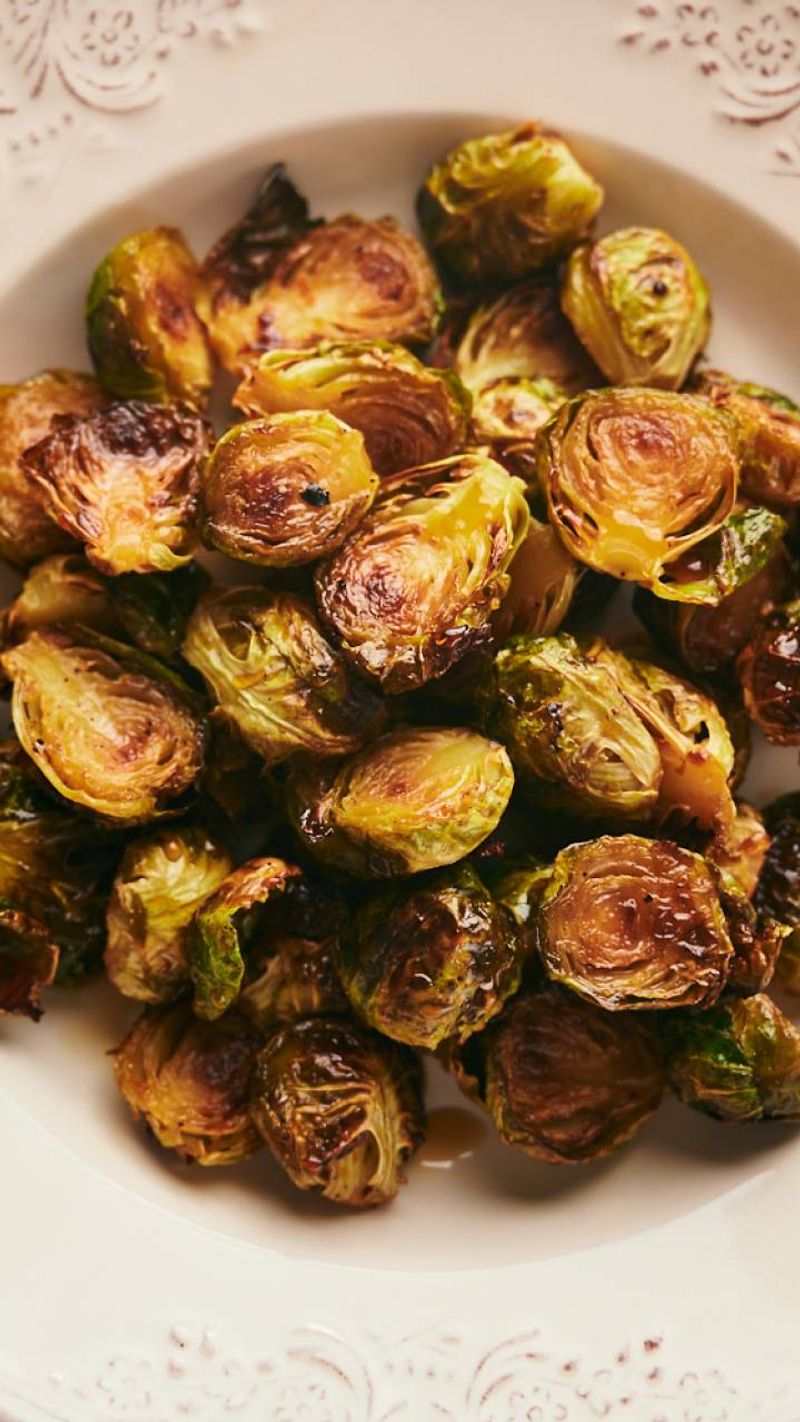
Brussels sprouts have won over millions of skeptics once people discovered what happens when you roast them properly. The outer leaves get crispy and caramelised, and the inside turns tender and nutty.
Boil or steam them too long, though, and the same sulphur compounds that plagued overcooked broccoli take over.
Halve them, toss with oil, and roast at high heat until the cut sides are deeply browned. That caramelisation is everything.
17. Rice
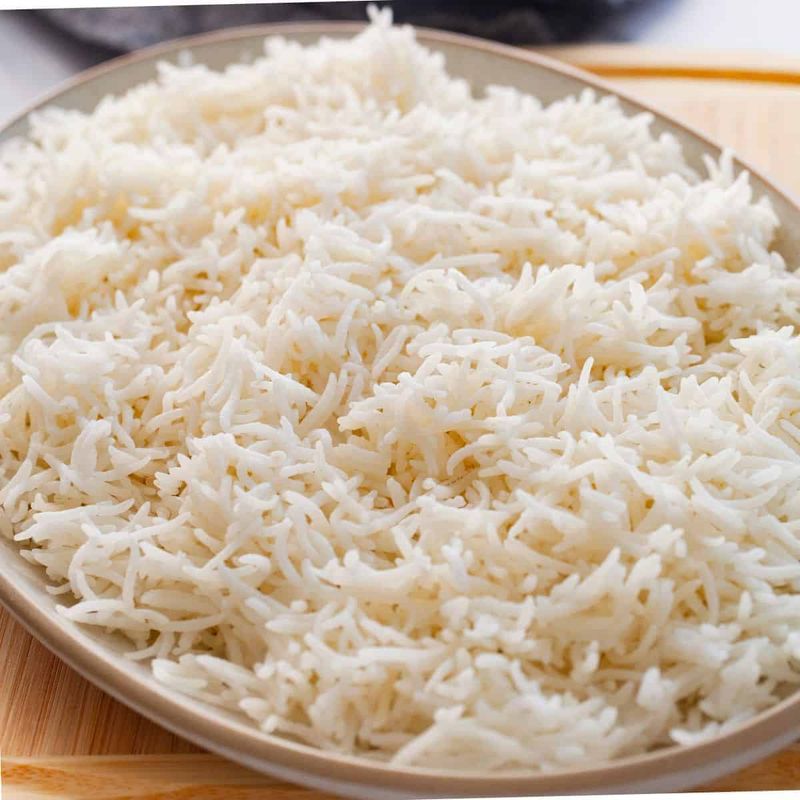
Perfectly cooked rice is fluffy, with each grain separate and tender. Overcooked rice turns gluey, clumped, and mushy, losing the light, clean flavour that makes it such a versatile base for so many dishes.
The excess moisture breaks down the outer starch layer and turns each grain into a sticky paste.
The key is using the right water ratio and resisting the urge to lift the lid while it cooks. Steam does the work, and patience keeps the grains perfect.