
Some of the world’s most beloved foods were not born in fancy restaurants or royal kitchens. They were invented out of necessity, creativity, and the challenge of feeding hundreds or even thousands of hungry people at once.
From street festivals to wartime rationing, these dishes tell fascinating stories about history, culture, and human ingenuity. Get ready to explore the surprising origins behind some of the most iconic foods ever made.
1. Paella
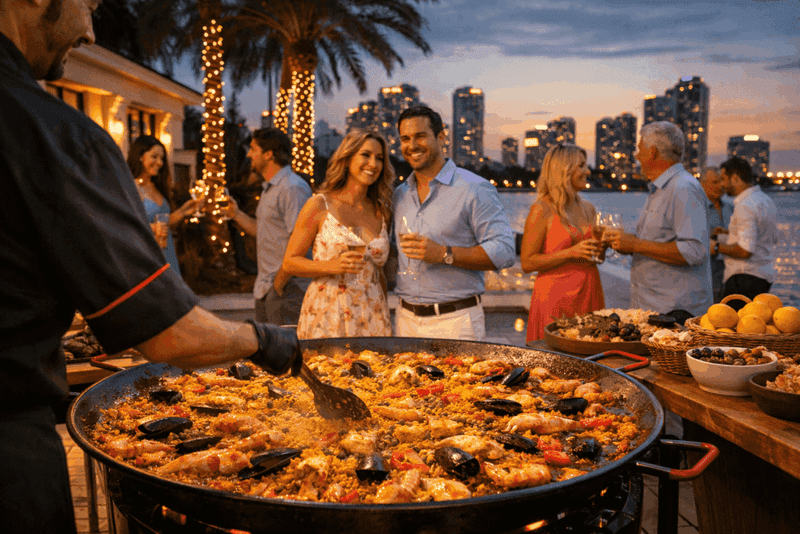
Walk through any Spanish village festival and you will likely spot a pan the size of a small swimming pool bubbling away over an open fire. Paella was born in the Valencia region of Spain, where farm workers needed a filling, easy-to-scale meal for large outdoor gatherings.
Rice, vegetables, and whatever proteins were available went into one giant pan. Today it remains a go-to dish for feeding crowds at celebrations worldwide.
2. Chili Con Carne
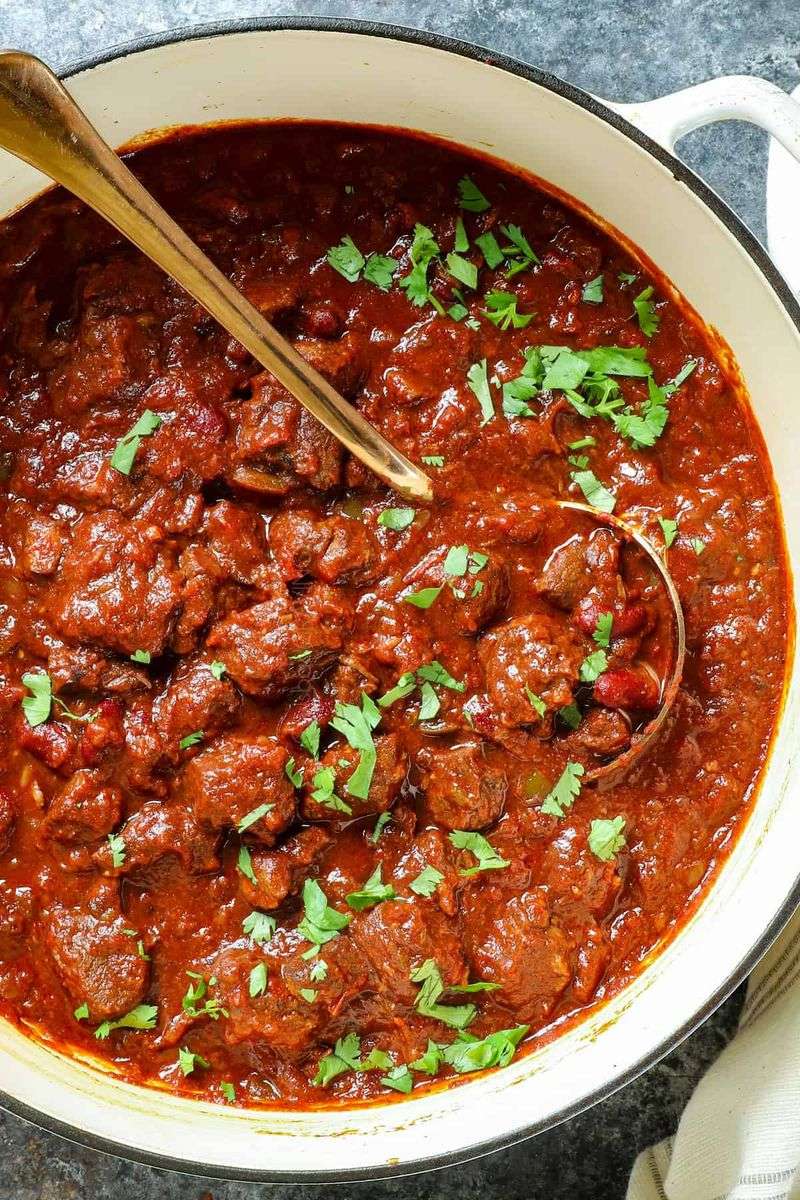
Back in the 1800s, Texas cattle drivers needed something hearty, cheap, and easy to cook for dozens of hungry cowboys on long trail rides. Chili con carne was the perfect answer, made with dried beef, chili peppers, and spices that could survive the journey without spoiling.
It became wildly popular at San Antonio chili stands, where vendors called “Chili Queens” fed massive crowds nightly. That spicy legacy lives on at chili cookoffs across America today.
3. Biryani
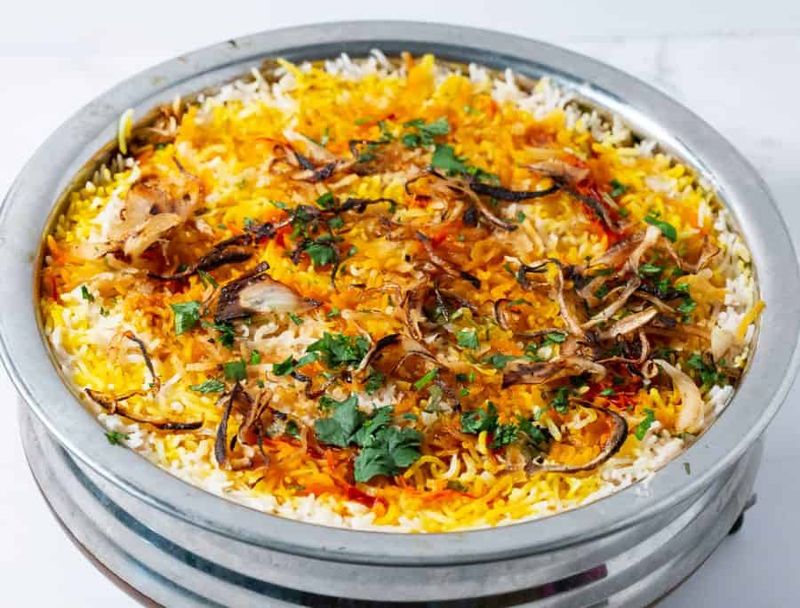
Few dishes carry the weight of history quite like biryani. Believed to have been developed in royal Mughal kitchens, this fragrant rice dish was designed to feed armies and royal courts across the Indian subcontinent.
Slow-cooked in enormous sealed pots called “deg,” biryani allowed cooks to prepare meals for thousands at a time. Today, no South Asian wedding or religious gathering feels complete without a generous pot of this richly spiced, crowd-pleasing classic.
4. Jambalaya
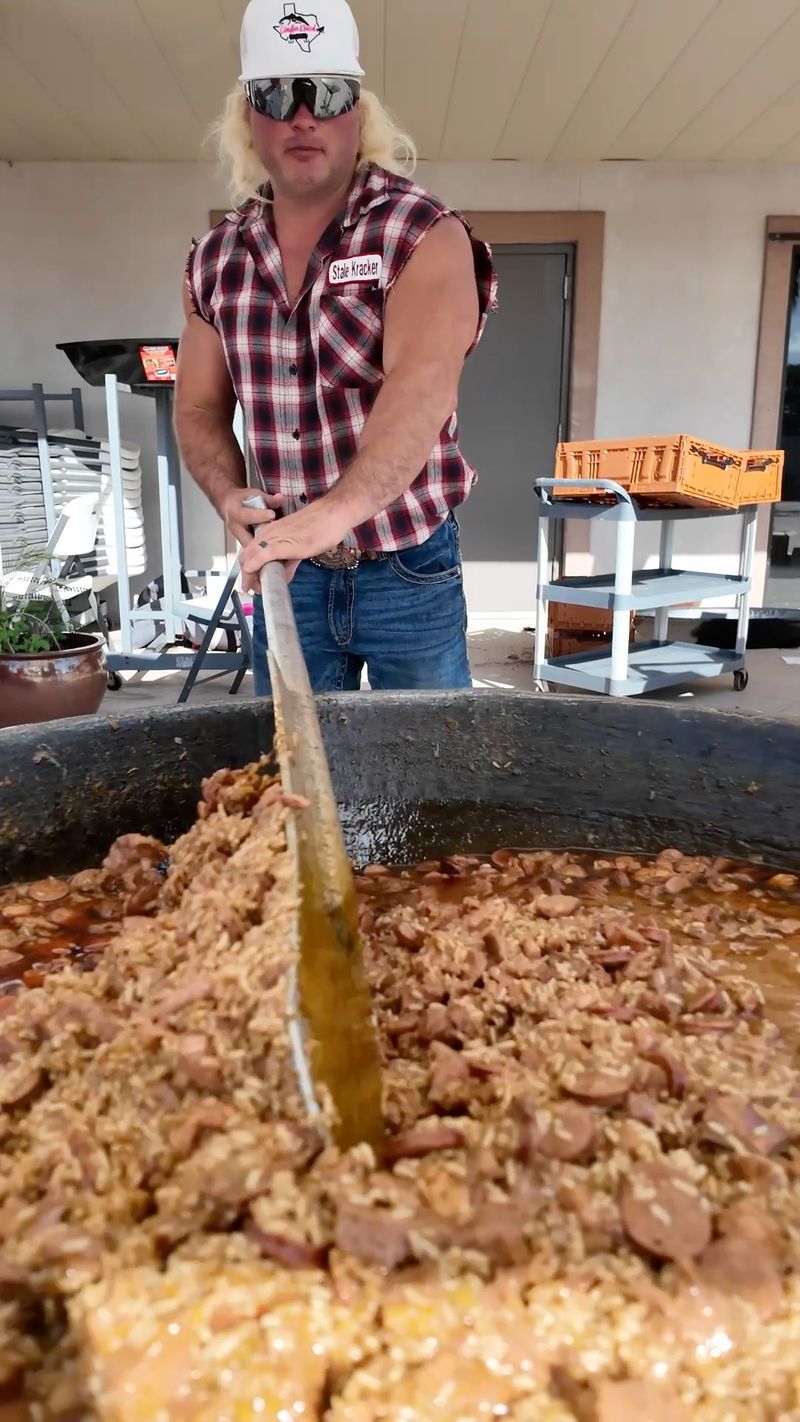
Jambalaya has always been the life of the party in Louisiana. Born from the blending of Spanish, French, and West African cooking traditions in New Orleans, it was designed to stretch available ingredients as far as possible for large community gatherings.
Rice, sausage, seafood, and spices all go into one pot, making it incredibly practical for feeding big groups. Louisiana festivals still serve it by the hundreds of gallons, keeping the tradition very much alive.
5. Haggis
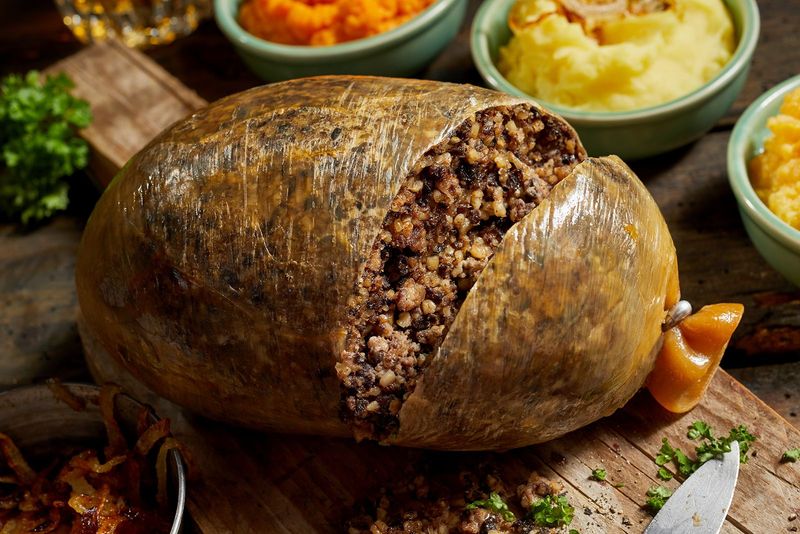
Haggis might not win any beauty contests, but it has fed Scottish communities for centuries. Made from sheep offal mixed with oatmeal, onions, and spices and cooked inside a sheep’s stomach, it was originally a clever way to use every part of the animal and feed large groups affordably.
Every January 25th, thousands of Scots gather for Burns Night suppers celebrating poet Robert Burns, where haggis is the undisputed centerpiece dish served to enormous crowds.
6. Goulash

Hungarian cowboys called “gulyas” invented this hearty stew centuries ago on the open plains. They needed a one-pot meal that could feed large groups of cattle herders during long drives across the Hungarian countryside, using minimal equipment and basic ingredients.
Beef, onions, and paprika were slow-cooked in a kettle over an open fire. Goulash eventually became Hungary’s national dish and spread across Europe, earning a permanent spot at community festivals and large family gatherings everywhere.
7. Clam Chowder
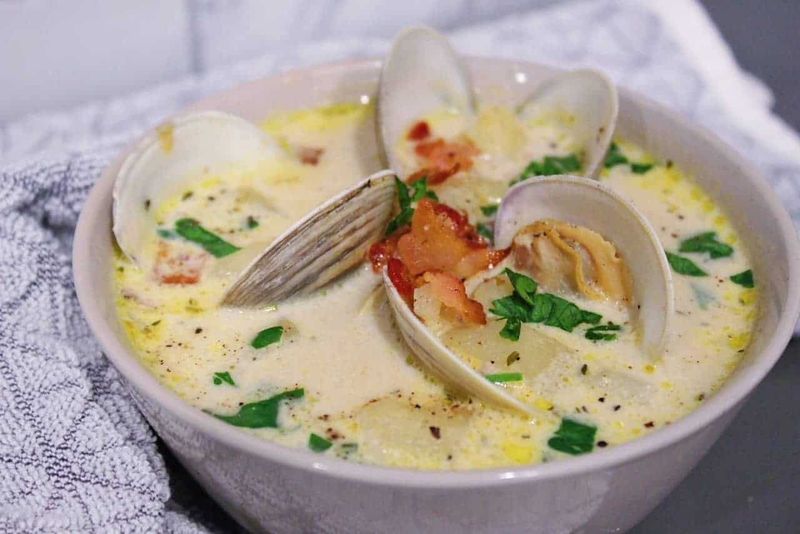
New England clam chowder started as a practical solution for hungry fishing communities along the northeastern American coast. Fishermen would pool their catches, toss clams into a big pot with potatoes, onions, and cream, and feed entire harbor towns in one go.
Community “chowder parties” were common social events in the 1700s and 1800s, bringing whole villages together. Today, Boston’s famous chowder festivals still attract enormous crowds eager for a warm, creamy bowl.
8. Mole
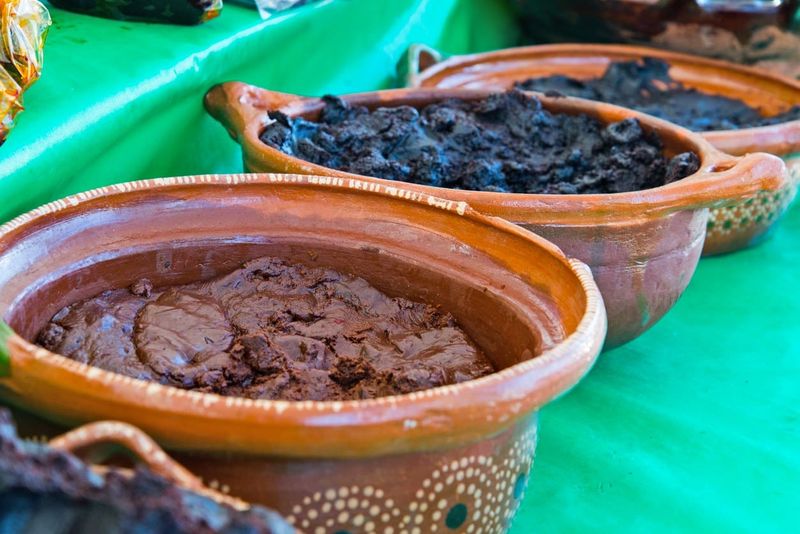
Making mole is not a solo activity. This complex Mexican sauce, made from dozens of ingredients including dried chilies, chocolate, and spices, takes so long to prepare that it has always been a communal effort, with entire neighborhoods pitching in for weddings and festivals.
Legend says mole was first created by nuns in Puebla, Mexico, who needed to impress a visiting archbishop with a dish worthy of a crowd. The tradition of making it together has never faded.
9. Potluck Casserole
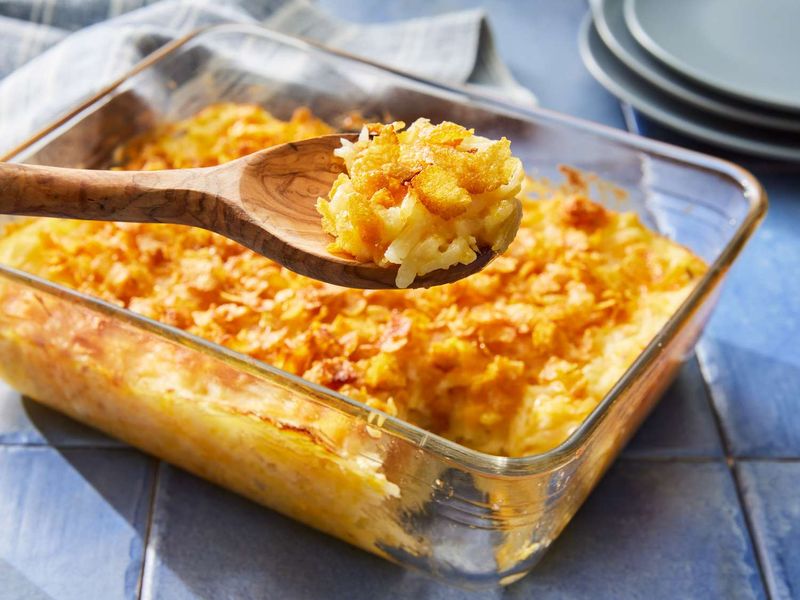
The potluck casserole is less a single dish and more a brilliant American institution. During the Great Depression and wartime rationing, communities across the United States developed the tradition of each family bringing one large dish to share, pooling resources to feed everyone.
Church halls, school gymnasiums, and community centers became gathering spots for these meals. Casseroles became the star because they were easy to make in bulk, transport safely, and serve to dozens without any fuss.
10. Pho
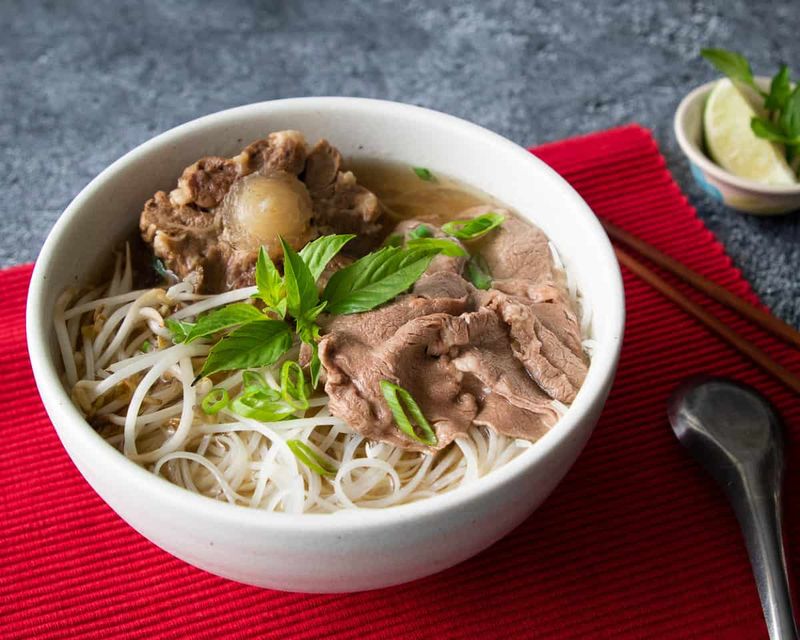
Pho is Vietnam’s soul in a bowl, and its origins are rooted in feeding working-class crowds. In the early 1900s, street vendors in northern Vietnam began simmering large pots of beef bone broth overnight, ready to serve laborers and market workers at dawn.
The broth’s depth comes from hours of slow cooking, which made large-batch preparation both practical and necessary. From busy Hanoi streets to Vietnamese communities worldwide, pho continues to nourish crowds morning after morning.
11. Barbecue Brisket
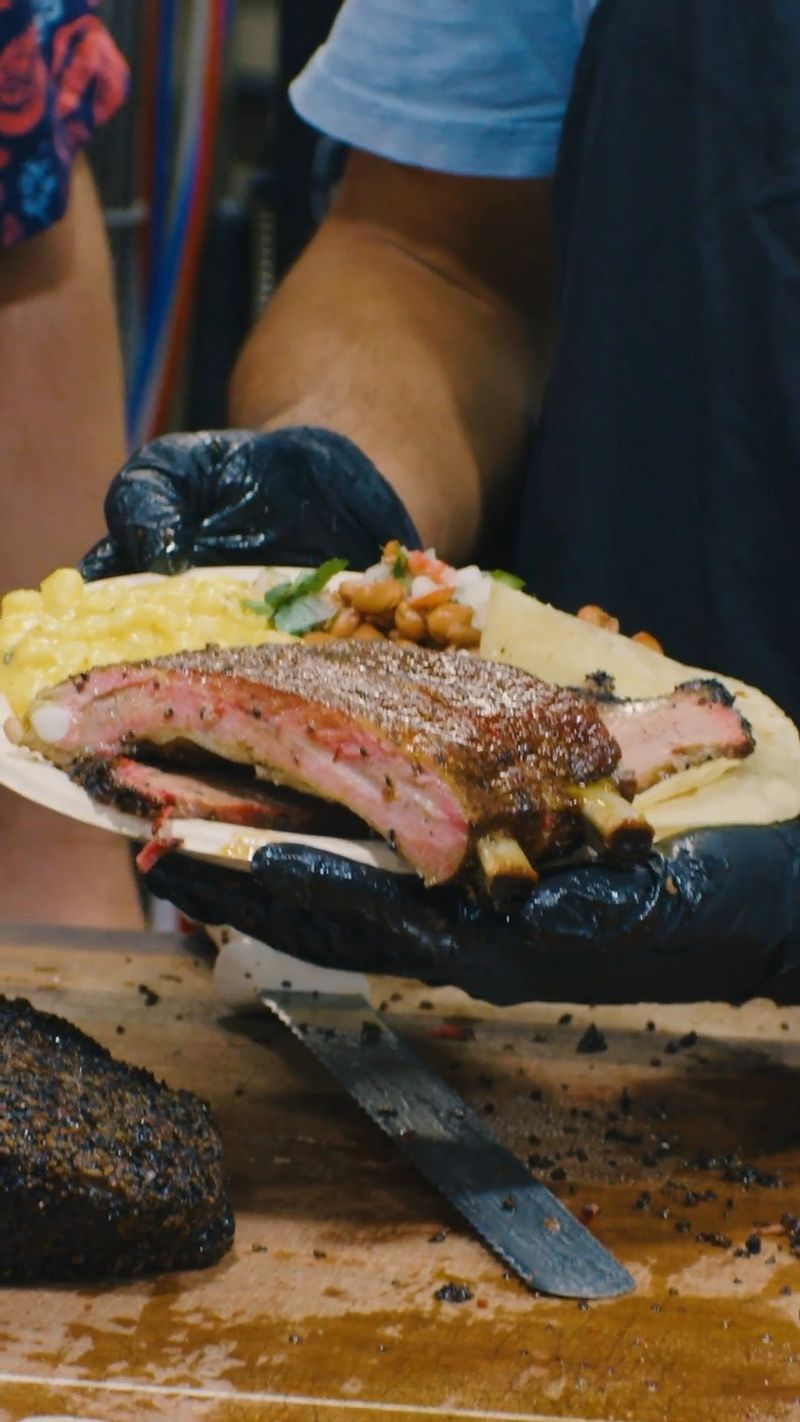
Texas barbecue brisket was never meant for a quiet dinner for two. Pitmasters in the Lone Star State developed the art of slow-smoking whole briskets for community gatherings, church picnics, and political rallies where feeding a hundred people was just a normal Tuesday.
Smoking a brisket takes up to 18 hours, which meant cooking in large batches was the only practical approach. Today, legendary Texas BBQ joints serve thousands of pounds of brisket every single weekend.
12. Injera with Stews
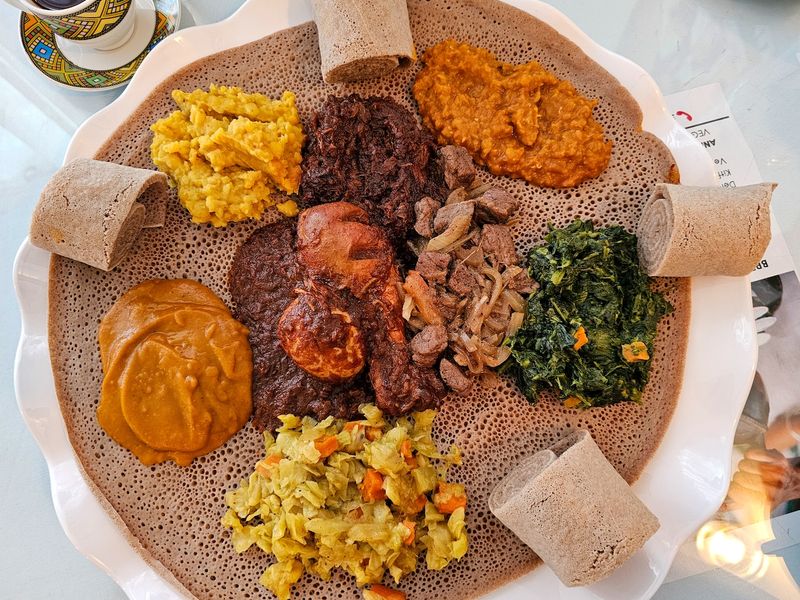
Eating injera is a group experience by design. This spongy Ethiopian flatbread acts as both plate and utensil, with multiple stews spread across one giant round for everyone at the table to share together.
Traditionally prepared for religious holidays and large family gatherings in Ethiopia and Eritrea, injera feasts can easily feed twenty or more people from a single spread. The communal nature of the meal is intentional, reinforcing bonds of family, friendship, and hospitality with every shared bite.
13. Lechon
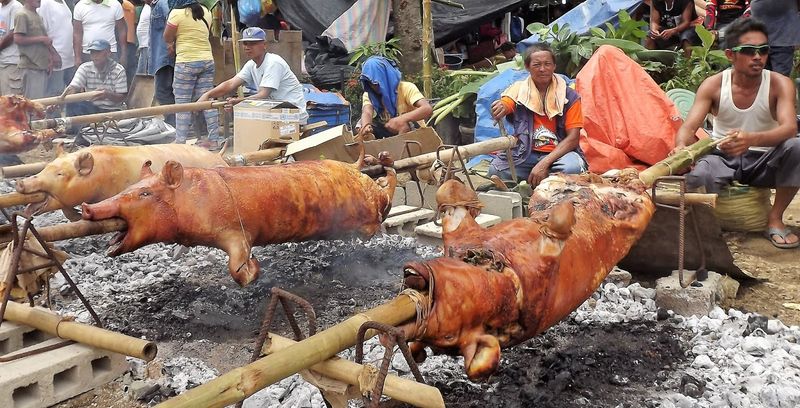
In the Philippines, no fiesta is complete without a whole roasted pig gleaming in the center of the celebration. Lechon has been the star of Filipino community feasts for centuries, traditionally prepared for town fiestas, weddings, and religious celebrations that bring entire barangays together.
Roasting a whole pig takes an entire day and a team of dedicated cooks. The effort is always worth it, producing crispy skin and tender meat that feeds hundreds of happy guests in one glorious spread.
14. Mansaf
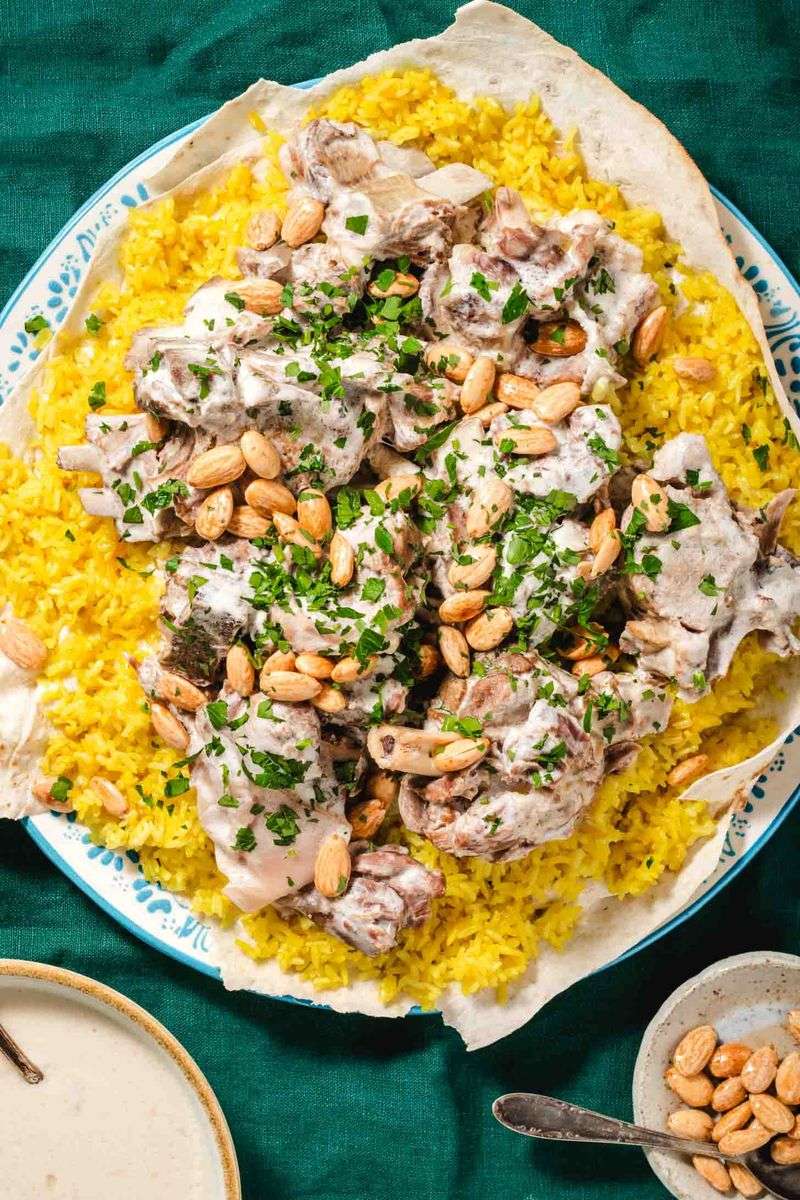
Mansaf is not just Jordan’s national dish. It is a symbol of generosity and hospitality, traditionally prepared to honor guests and feed entire tribes at once.
Bedouin communities across the Arabian Peninsula relied on this lamb and fermented yogurt sauce dish for major celebrations and peace negotiations.
A single mansaf platter can feed a dozen people, and at large gatherings, dozens of platters appear at once. Sharing mansaf is considered one of the highest forms of respect in Jordanian culture.
15. Minestrone
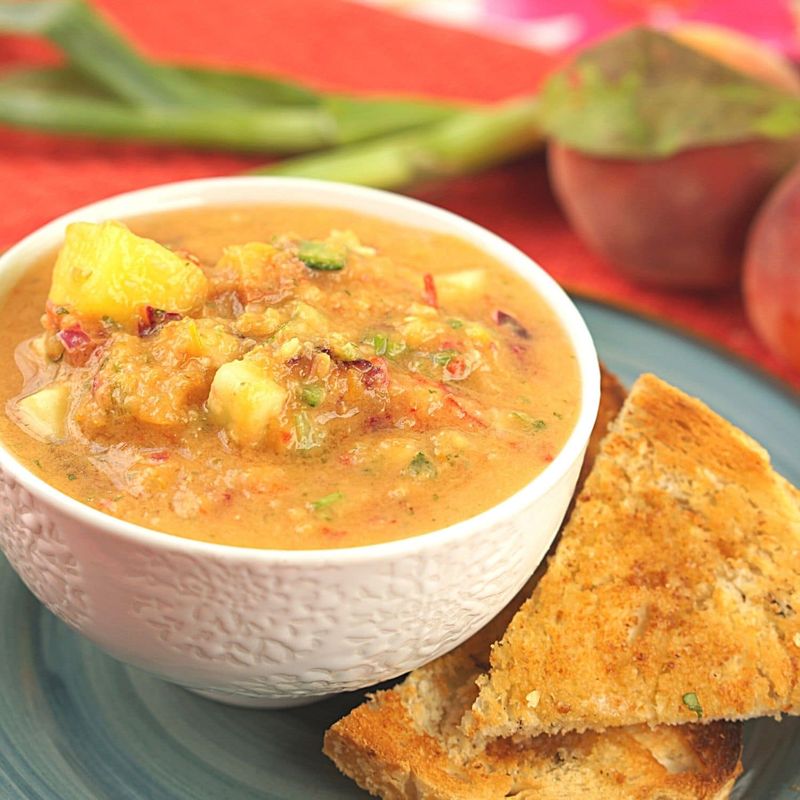
Minestrone has been filling Italian bellies since ancient Roman times, and its whole purpose was feeding groups of people cheaply and efficiently. The name literally means “big soup,” and for good reason.
It was designed to use whatever seasonal vegetables were available, stretched with beans and pasta to go as far as possible.
Italian monasteries, orphanages, and village harvest festivals relied on minestrone to nourish large numbers of people. Its flexibility made it the ultimate crowd-feeding dish across every Italian region.
16. Peking Duck
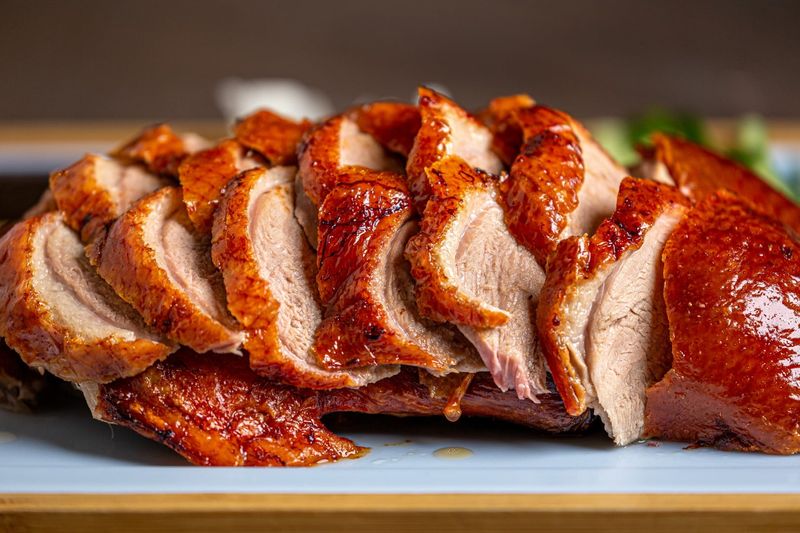
Peking duck has fed imperial courts and massive banquets in China for over 600 years. Originally created for the emperors of the Ming Dynasty, the dish was prepared in enormous quantities by palace kitchens that needed to satisfy hundreds of courtiers and guests at royal feasts.
The elaborate preparation, including air-drying and roasting the duck to achieve its famous crispy skin, required skilled teams of cooks working together. Today, Beijing’s most famous restaurants roast thousands of ducks each week for eager crowds.
17. Brunswick Stew
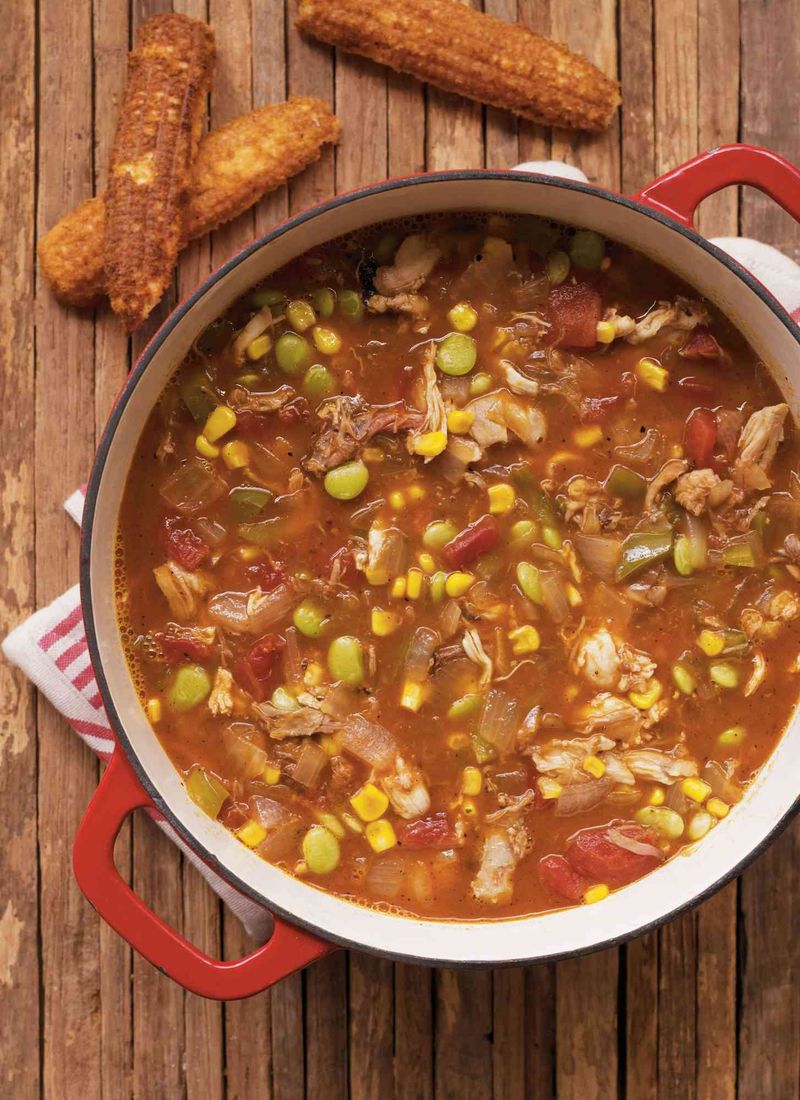
There is a friendly argument between Virginia and Georgia about who invented Brunswick stew first, but both sides agree on one thing: it was made to feed a crowd. Originally cooked in huge iron kettles at political rallies and community barbecues across the American South, it used whatever game or pork was available.
Corn, lima beans, and tomatoes bulked it up to serve dozens affordably. Southern communities still cook it in massive batches for fundraisers and festivals today.