
Some foods make people cheer, while others make them run for the door. Around the world, families have passed down special dishes for hundreds of years, and many of them have very strong flavors or smells.
Trying these foods is a fun way to learn about different cultures and their history. Get ready to meet the dishes that start the biggest arguments at dinner tables everywhere.
1. Marmite
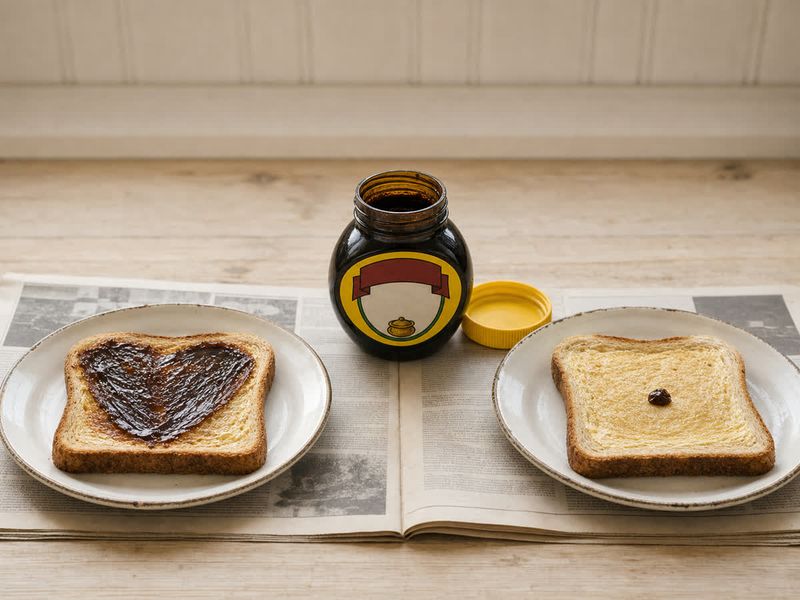
The company that makes it actually built ads around the slogan Love it or hate it. Marmite is a sticky, dark paste made from leftover yeast from brewing beer.
Its taste is super salty and strong, a bit like soy sauce in spread form. Fans in Britain grew up on it.
New to it? Spread a very thin layer on hot buttered toast.
Using too much is the classic beginner mistake.
2. Natto
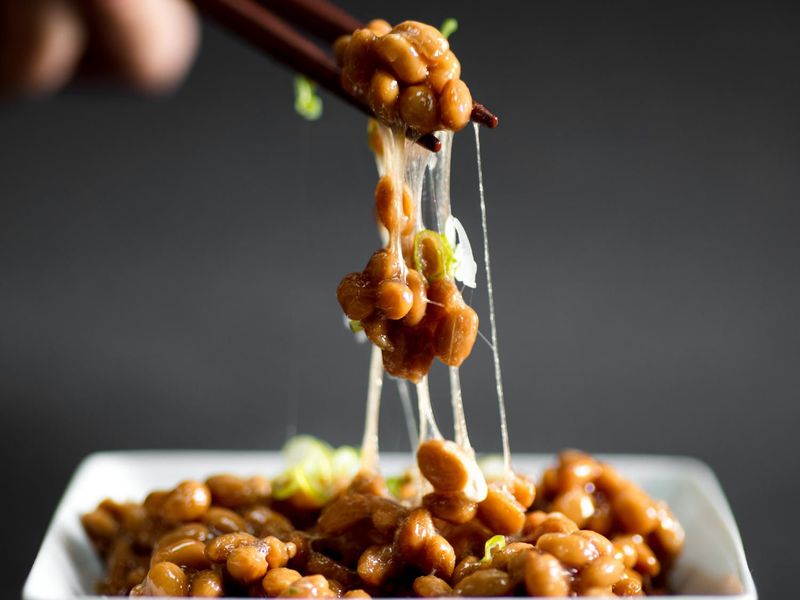
Imagine lifting your chopsticks and pulling up long, gooey strings like melted cheese. That is natto, fermented soybeans eaten for breakfast in Japan.
The smell reminds some people of old socks. Others adore its nutty, earthy flavor and know it is packed with protein and vitamin K2, which helps keep bones strong.
Try stirring it with mustard and soy sauce, then piling it over warm rice. The toppings soften the funk.
3. Haggis
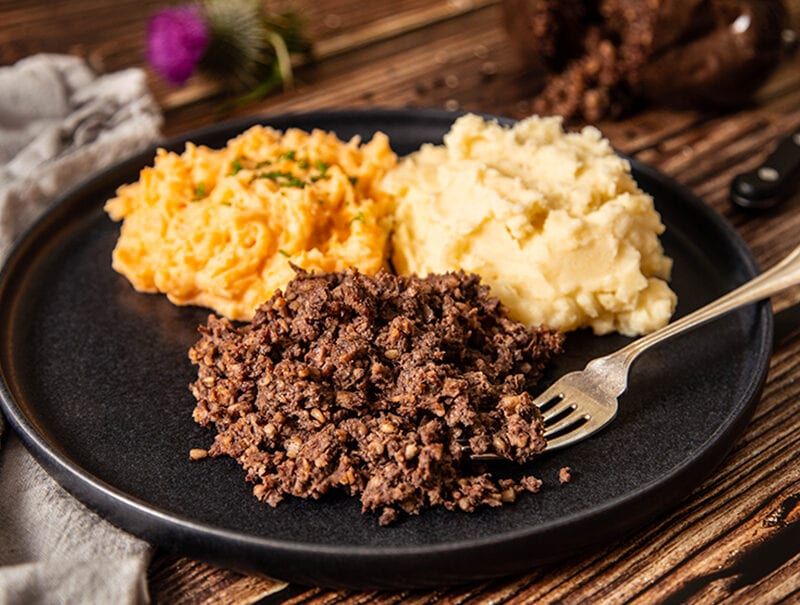
Every January, Scots raise a toast and read a poem out loud to a pudding. That pudding is haggis, honored on Burns Night.
Inside you will find sheep heart, liver, and lungs mixed with oats, onions, and pepper. The list scares people more than the flavor does.
Many first-timers say it tastes like spicy, crumbly sausage. Served with mashed turnips and potatoes, it is cozy comfort food.
4. Durian
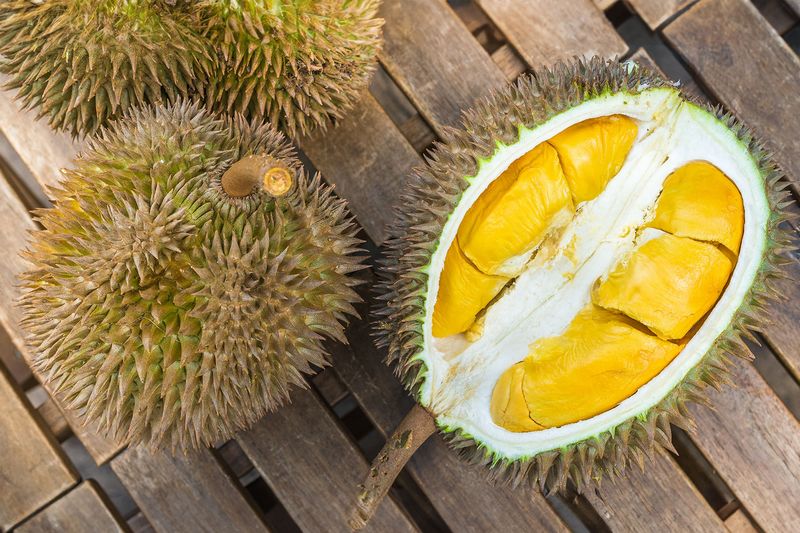
Some hotels in Singapore post signs banning one fruit from the building. Durian smells so powerful that it can fill a whole room.
People describe the odor as onions, gym socks, or even sewage. Yet fans call it the King of Fruits because the inside is creamy, sweet, and custard-like.
Curious? Try durian candy or ice cream first.
It gives you the flavor without the full stinky blast.
5. Lutefisk
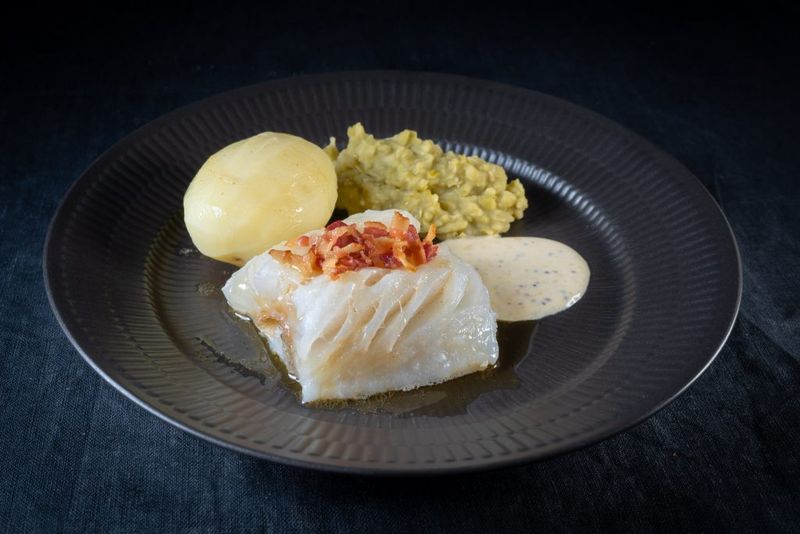
Here is a wild fact: lutefisk is dried cod soaked in lye, the same chemical used in some soaps. After several rinses, the fish turns soft and jelly-like.
Norwegian and Swedish families, plus many in Minnesota, serve it at Christmas. Church basement lutefisk dinners are a big tradition.
The wobbly texture bothers lots of eaters. Plenty of butter or white sauce makes it much easier to enjoy.
6. Black Licorice

Grab a bag of mixed jelly beans and watch which ones get left behind. The black ones usually survive till the end.
The flavor comes from licorice root and anise, giving a sharp, almost medicine-like taste. In the Netherlands, people love salty licorice so much they eat tons of it each year.
A friendly warning: eating huge amounts can raise blood pressure, so enjoy it in small handfuls.
7. Gefilte Fish
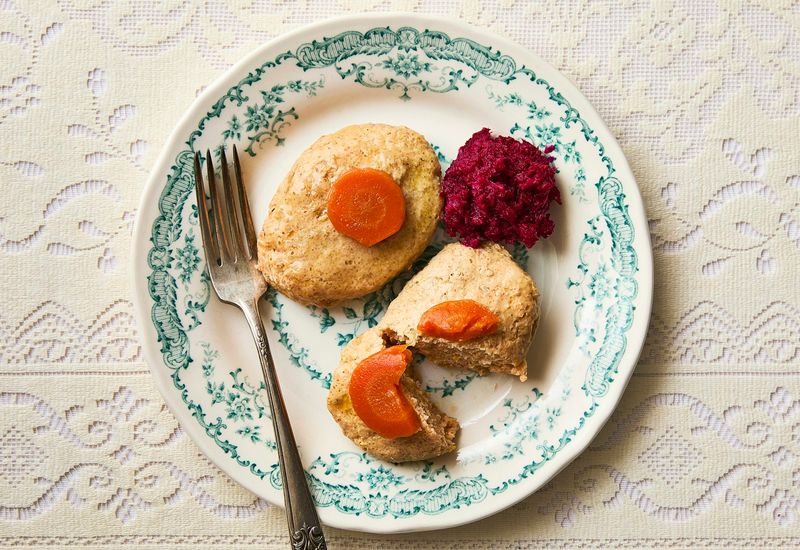
Grandma’s Passover table probably had a jar of pale fish patties floating in jelly. Gefilte fish is ground whitefish, carp, or pike mixed with eggs and matzo meal.
Jewish families from Eastern Europe made it to stretch fish for big holiday meals. Homemade versions taste fresher and fluffier than store jars.
The secret weapon is spicy red horseradish on top. It adds a zing that wakes up the mild flavor.
8. Fruitcake
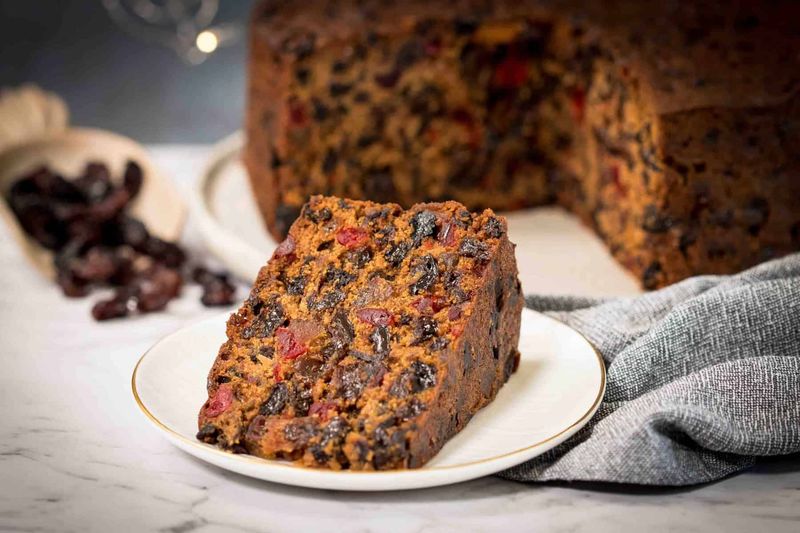
Jokes say only one fruitcake exists, and it just keeps getting re-gifted. Poor fruitcake gets teased every December.
Packed with candied fruit, nuts, and spices, it is heavy and super sweet. Some bakers soak it in juice or brandy for weeks, so it lasts a really long time.
Tip for doubters: skip the neon cherries. Homemade cakes with dried apricots and figs taste far better.
9. Blue Cheese
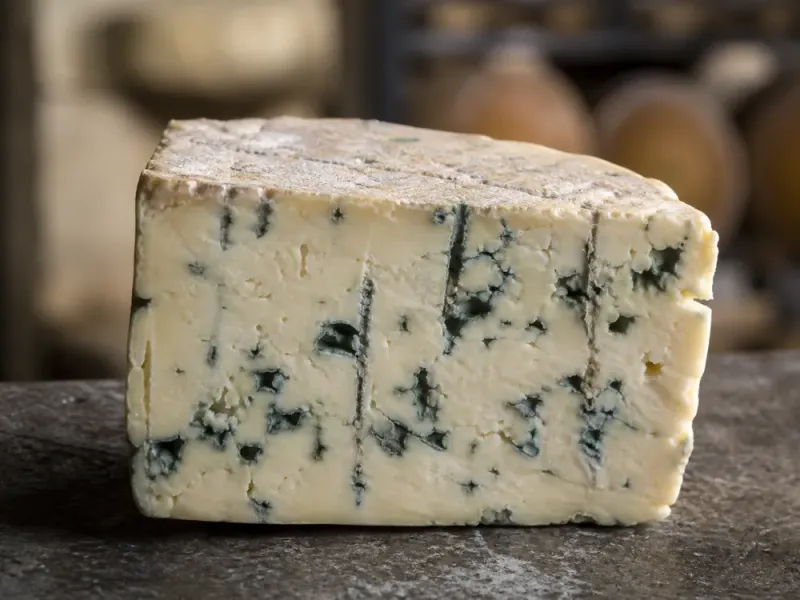
Those blue lines running through the cheese? Yep, they are mold, and they are totally safe to eat.
Roquefort from France has been made in caves for centuries. The flavor is sharp, salty, and tangy, which thrills some taste buds and shocks others.
Start by crumbling a little on a salad or dipping wings in blue cheese dressing. Pairing it with sweet pears or honey calms the bite.
10. Surströmming
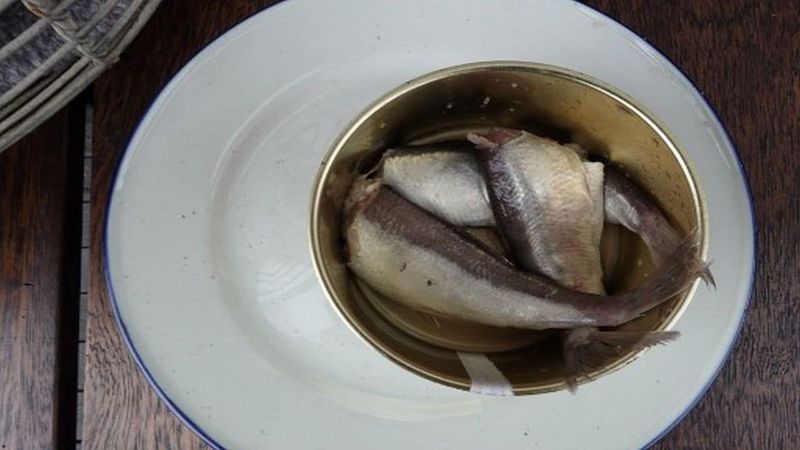
Swedes have a smart rule for this fish: open the can outside. Surströmming is fermented Baltic herring, and its smell is legendary.
Tests have ranked it among the stinkiest foods on Earth. The cans even bulge from gases building inside!
Locals wrap small bites in thin flatbread with potatoes, onions, and sour cream. Eaten that way, many visitors are surprised by how mild and salty it really tastes.
11. Vegemite
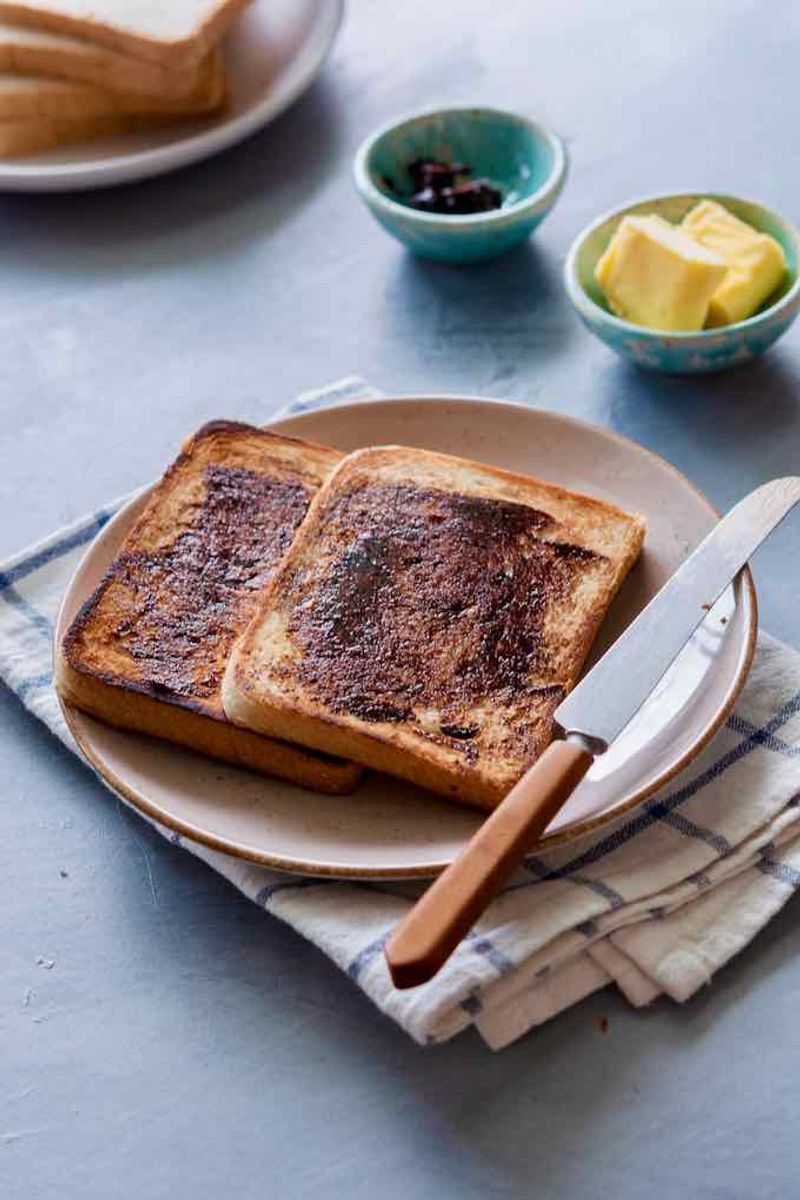
Ask any Aussie kid about their lunchbox and Vegemite might pop up. Created in 1922, it became a national favorite in Australia.
Like its British cousin, it is a salty yeast spread full of B vitamins. Tourists who scoop it like peanut butter often make faces on camera.
Locals know the trick. Butter the toast first, then scrape on a whisper-thin layer.
Add cheese for a delicious combo.
12. Stinky Tofu
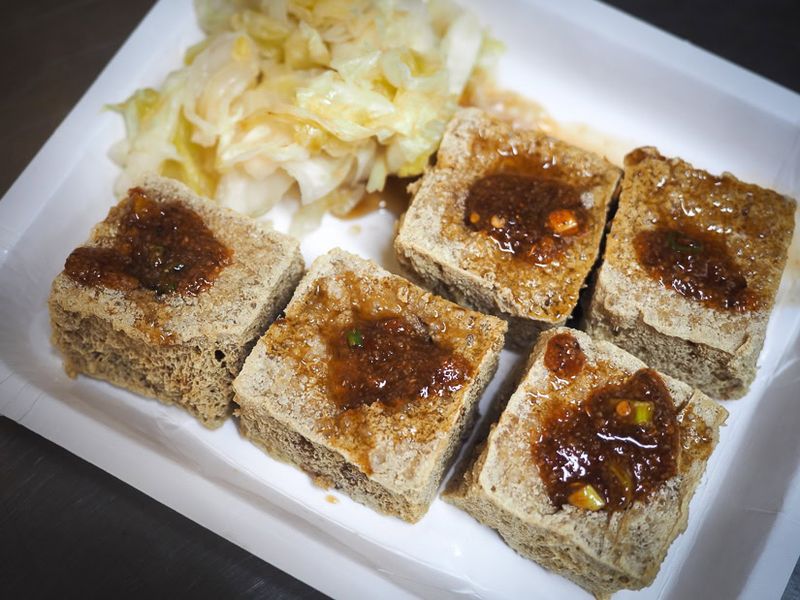
Walk through a night market in Taiwan, and your nose will find this snack before your eyes do. Stinky tofu is soaked in a fermented brine for days.
The scent is strong and sour. Still, the fried version is crispy outside and soft inside, a bit like a warm cheese puff.
Vendors top it with pickled cabbage and chili sauce. Hold your breath for the first bite if you must.
13. Liver and Onions
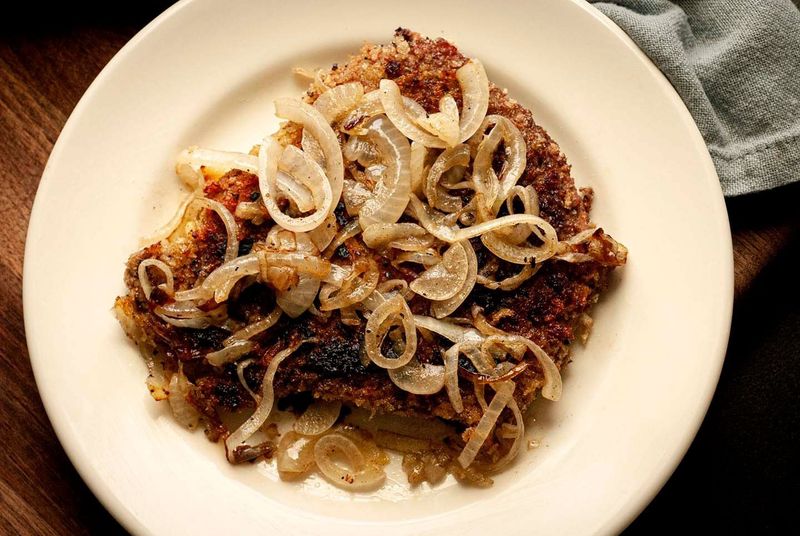
Old-school diners still list it, and grandparents still order it. Liver and onions was once a weekly dinner in many homes.
Liver has a rich, iron-heavy taste and a soft, sometimes grainy texture. It is loaded with iron and vitamin A, so it is very nutritious.
Cooking tip: soak the liver in milk for an hour first. It mellows the flavor, and sweet caramelized onions do the rest.
14. Balut
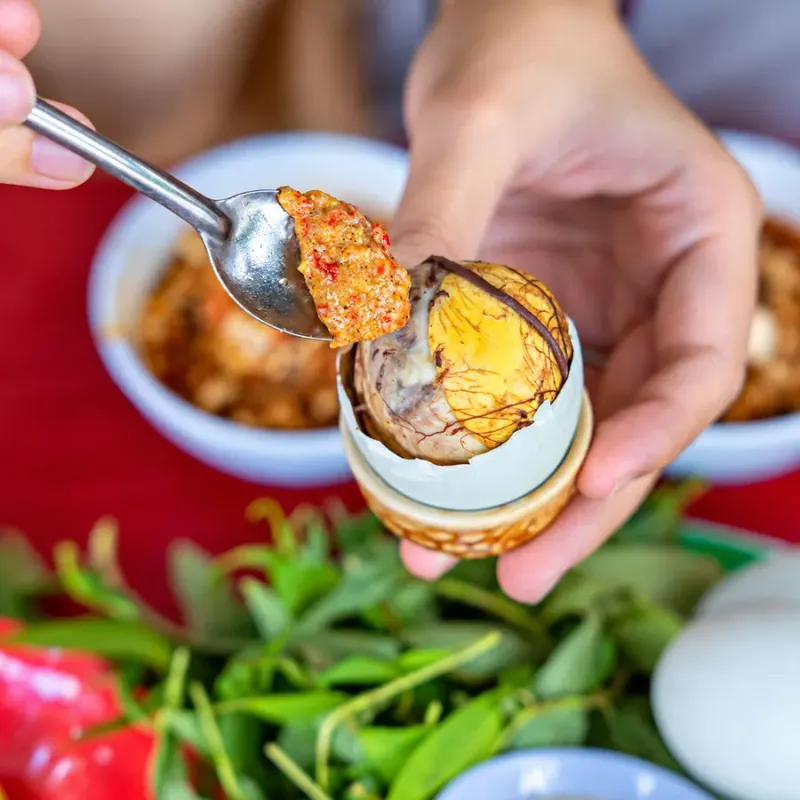
Not every boiled egg is plain inside. Balut is a fertilized duck egg with a partly grown duckling, popular street food in the Philippines.
Vendors sell them warm at night, calling out as they walk. Eaters sip the broth first, then add salt or spiced vinegar.
For many travelers, trying balut is a brave challenge. For locals, it is a tasty, protein-rich snack full of happy memories.
15. Pickled Herring
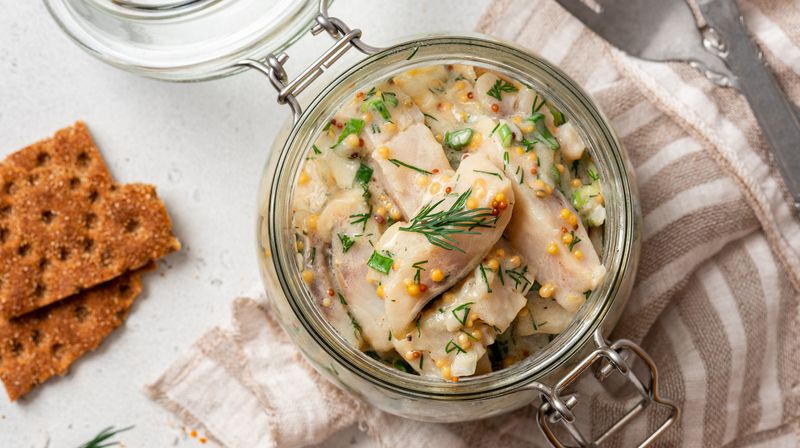
At a Swedish midsummer party, the buffet nearly always starts with jars of herring. Families serve it in mustard, dill, or onion sauces.
The fish is tangy, salty, and a little chewy. In Germany and Poland, people even eat it on New Year’s Eve for good luck.
Not sure? Try it on dark rye bread with sour cream.
The creamy topping balances the sharp vinegar nicely.
16. Brussels Sprouts
Cartoons made them the villain of the dinner plate for years. Boiled until mushy, Brussels sprouts did smell like sulfur.
Good news: farmers in the 1990s bred newer types that taste less bitter. Scientists also found some people have genes that make bitter flavors seem much stronger.
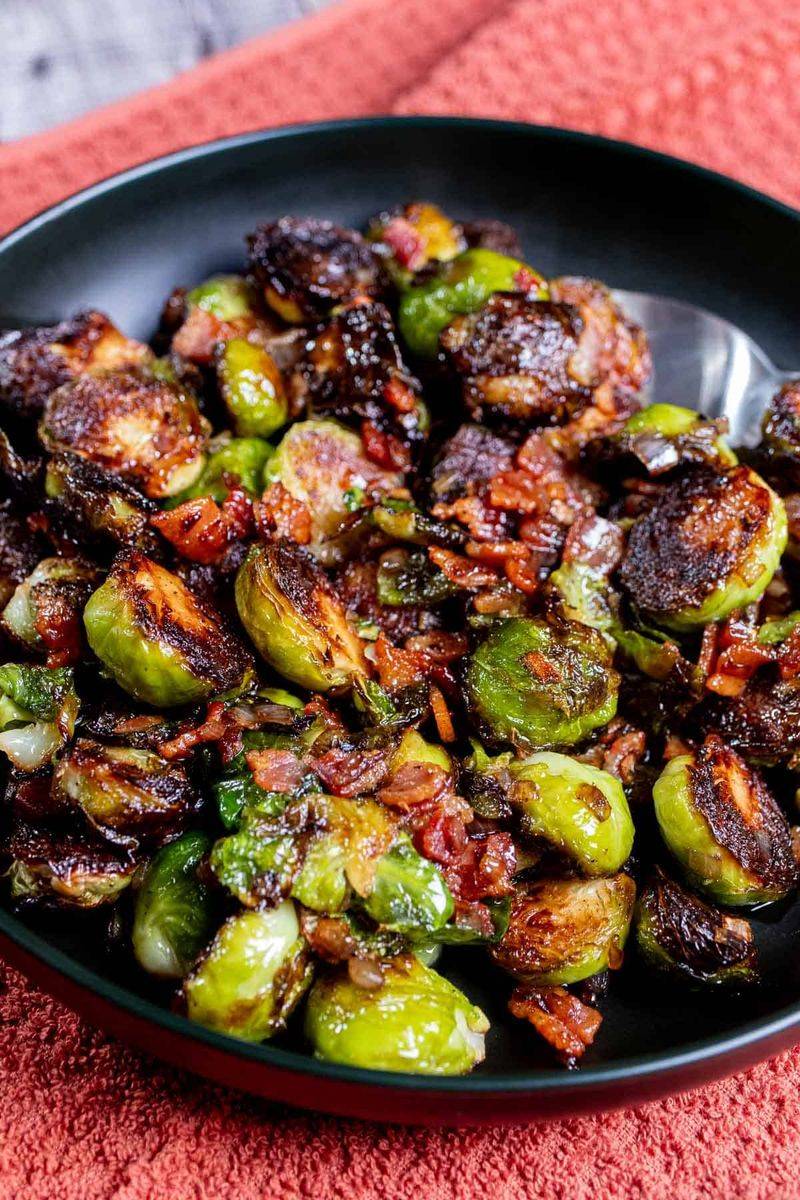
Want to win over a hater? Roast them hot until the edges get crispy.
Toss with bacon or honey.
17. Kimchi
Korean families once buried clay pots of it underground for winter. Today, many homes own a special kimchi refrigerator.
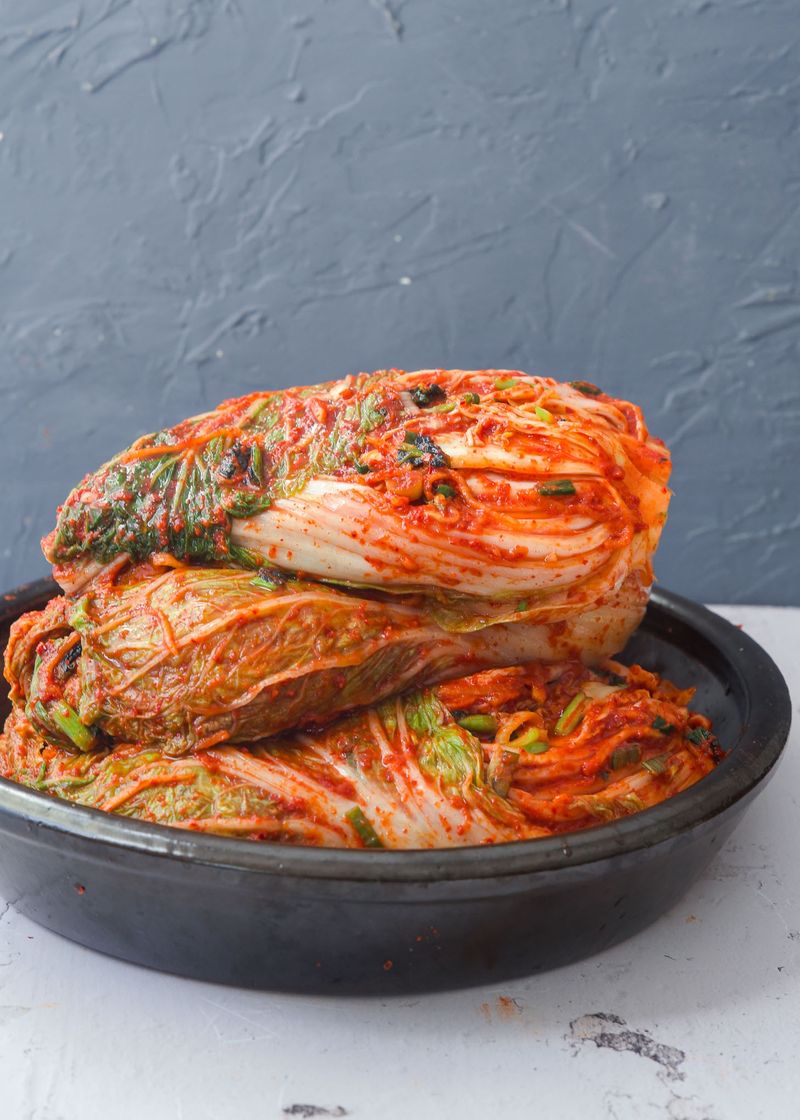
Kimchi is fermented cabbage with chili, garlic, and ginger. It is spicy, sour, and crunchy, and full of good bacteria for your gut.
Some people find the smell too strong. Try it cooked in fried rice or pancakes, where the flavor gets milder and slightly sweet.
18. Scrapple

Pennsylvania Dutch farmers hated wasting anything. So they mixed pork scraps with cornmeal and spices, then shaped it into a loaf.
Sliced and fried, scrapple turns crispy outside and soft in the middle. Breakfast diners in Philadelphia and Delaware serve it next to eggs.
People who learn what is inside sometimes push it away. Others swear it beats bacon, especially with ketchup, apple butter, or maple syrup.
19. Century Egg
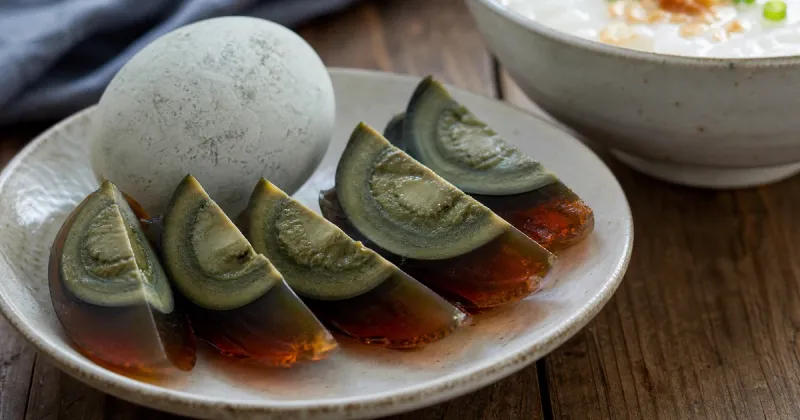
Despite the spooky name, these eggs are not really a hundred years old. Century eggs are preserved for a few weeks in clay, ash, and salt.
The white turns into a dark amber jelly, and the yolk becomes creamy and greenish-black. The look alone scares many diners.
In China, they are served with silky tofu or in rice porridge. The flavor is rich, savory, and a little like strong cheese.
20. Sauerkraut

Sailors long ago packed barrels of sauerkraut on ships. It helped prevent scurvy thanks to its vitamin C.
Made by fermenting shredded cabbage with salt, it tastes sour and tangy. Germans pile it next to sausages, and Americans top hot dogs and Reuben sandwiches with it.
Find canned kraut too sharp? Look for fresh, refrigerated kinds.
They are crunchier, brighter, and loaded with healthy probiotics.
21. Chitterlings
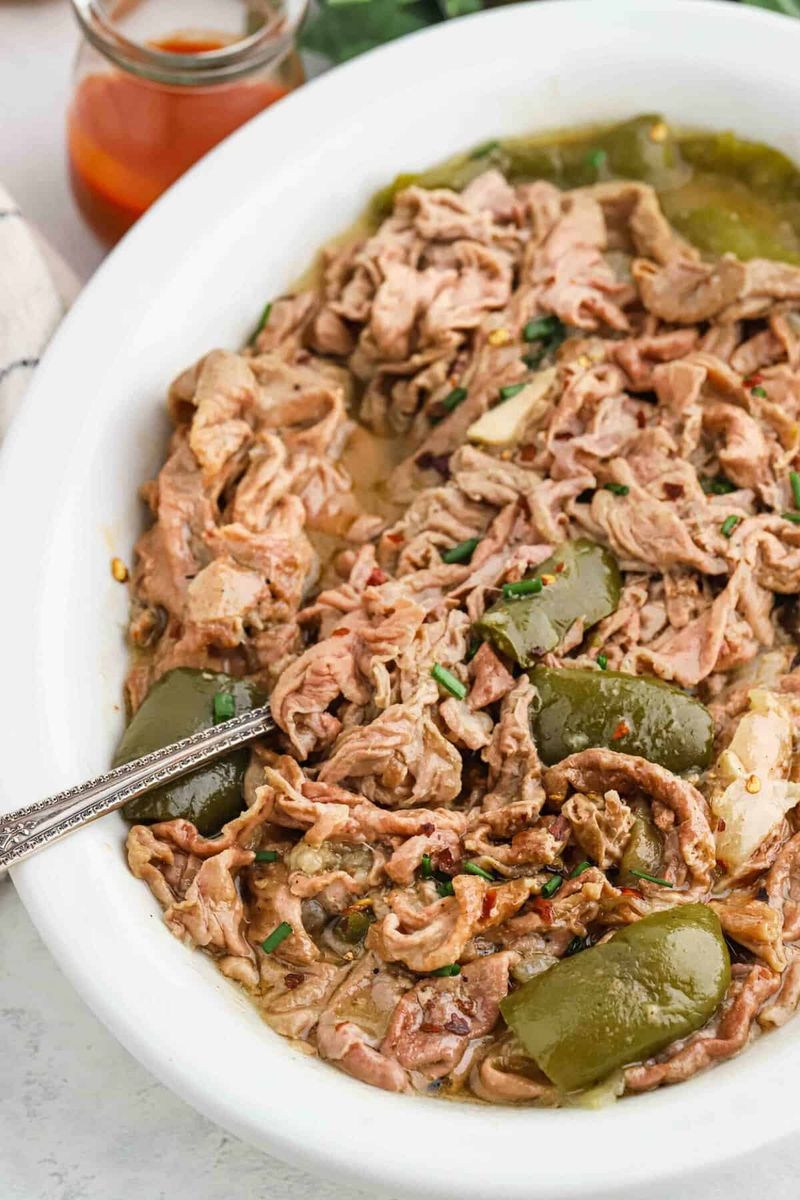
In many Southern Black families, chitlins mean the holidays have arrived. These are cleaned pig intestines, slowly simmered until tender.
The dish comes from enslaved cooks who turned leftover parts into something meaningful. That history makes it very special to many people.
Cleaning them takes hours, and the cooking smell is famous. Fans pour on hot sauce and vinegar, then enjoy a bite full of tradition.
22. Mämmi
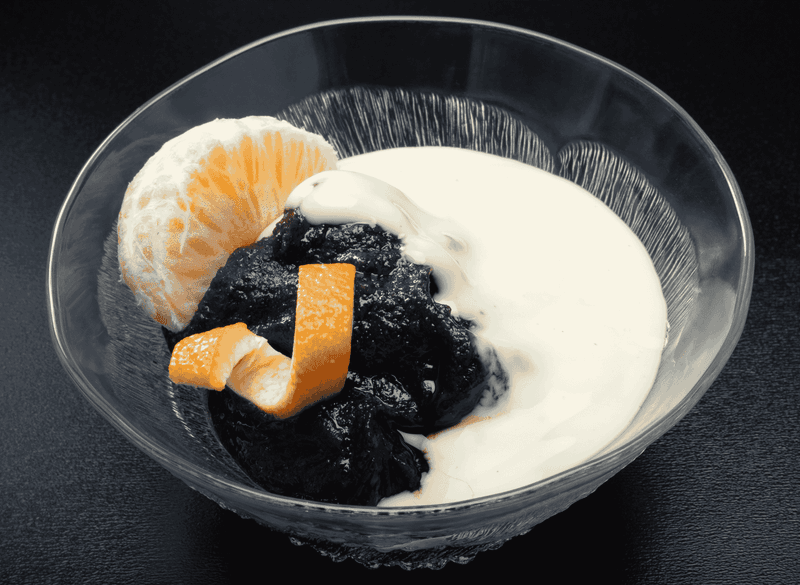
One look at this Finnish Easter dessert and visitors often ask what happened. Mämmi is a dark brown pudding that honestly looks like mud.
It is made from rye flour, malt, and molasses, then baked slowly. The flavor is earthy, slightly bitter, and gently sweet.
Finns eat it cold with cream and sugar. Many say it grows on you after a few spoonfuls.
23. Cilantro Salsa
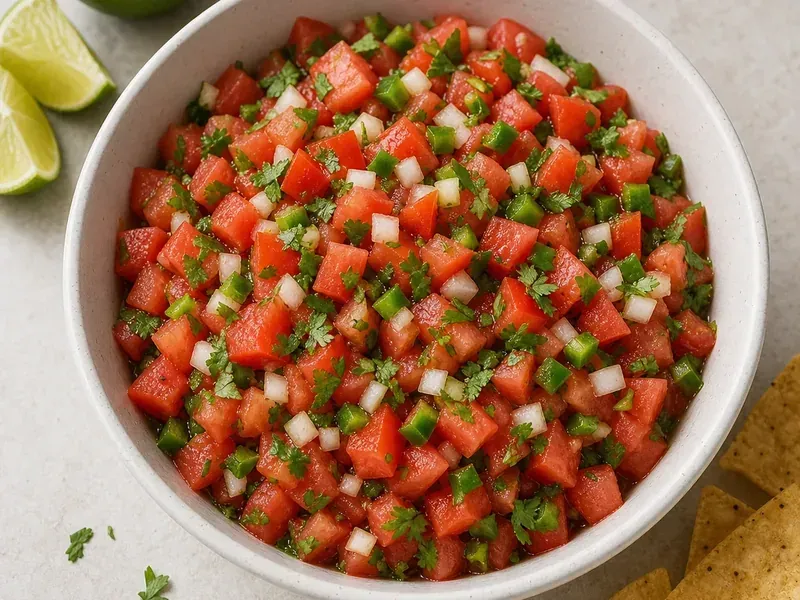
Some people taste fresh herbs, and others swear they taste soap. Cilantro is the star of traditional Mexican salsa fresca, and it divides crowds.
Scientists discovered a gene that makes certain people extra sensitive to its soapy flavor. So the haters are not just being picky!
If you are on team soap, try swapping in parsley or green onions. Your salsa will still taste bright and fresh.