
Some of the most beloved dishes in the world were not created by fancy chefs in high-end kitchens. They were born out of necessity, when home cooks looked at yesterday’s scraps and thought, “I can work with this.” From bubble and squeak to fried rice, these meals turned leftovers into legends.
Get ready to see your favorite comfort foods in a whole new light.
1. Bubble and Squeak
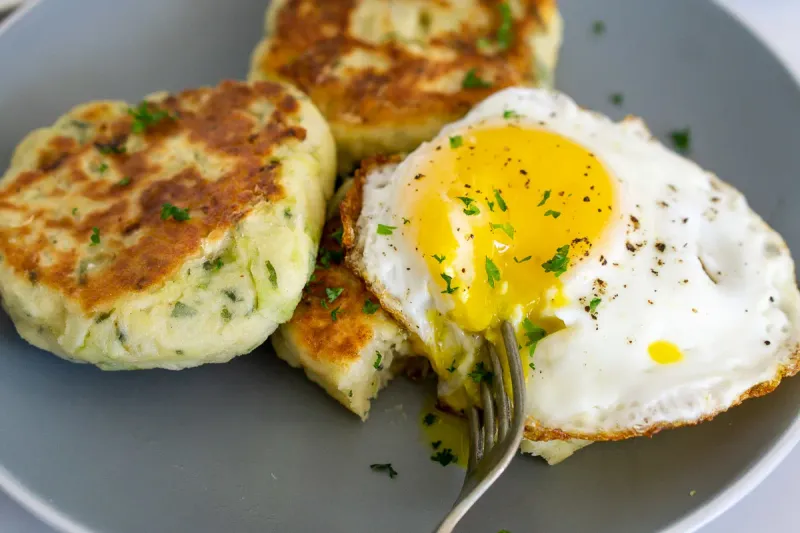
Long before brunch was trendy, British families were pressing last night’s mashed potatoes and cabbage into a pan every Monday morning. The name comes from the sounds the vegetables make while frying.
Bubble and squeak is the ultimate no-waste breakfast, turning Sunday roast leftovers into something crispy, golden, and genuinely satisfying.
It is simple, honest food that proves you do not need new ingredients to make something delicious.
2. Fried Rice
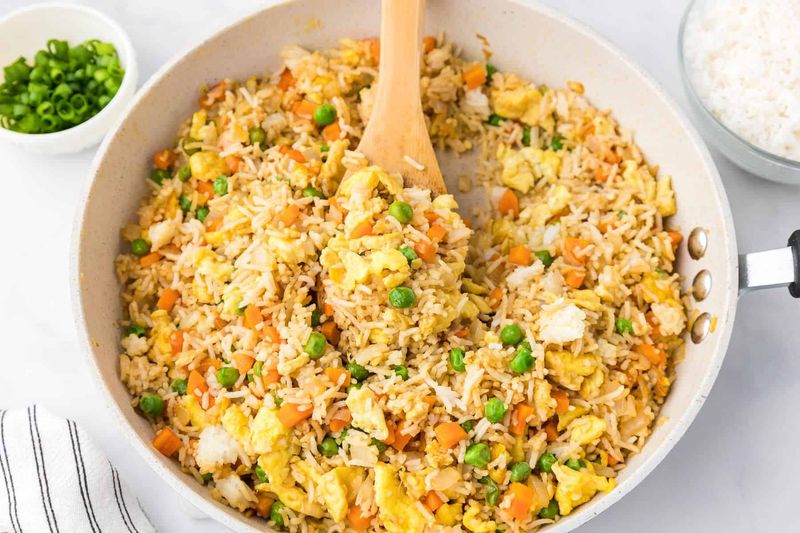
Fresh rice is actually the wrong choice for this dish. Fried rice was designed specifically for day-old rice that has dried out in the fridge, because that texture soaks up flavor without turning mushy.
Across Asia, home cooks have been tossing leftover rice with eggs, vegetables, and soy sauce for centuries.
What started as a practical solution became one of the most popular dishes on the planet, ordered millions of times every single day.
3. French Onion Soup
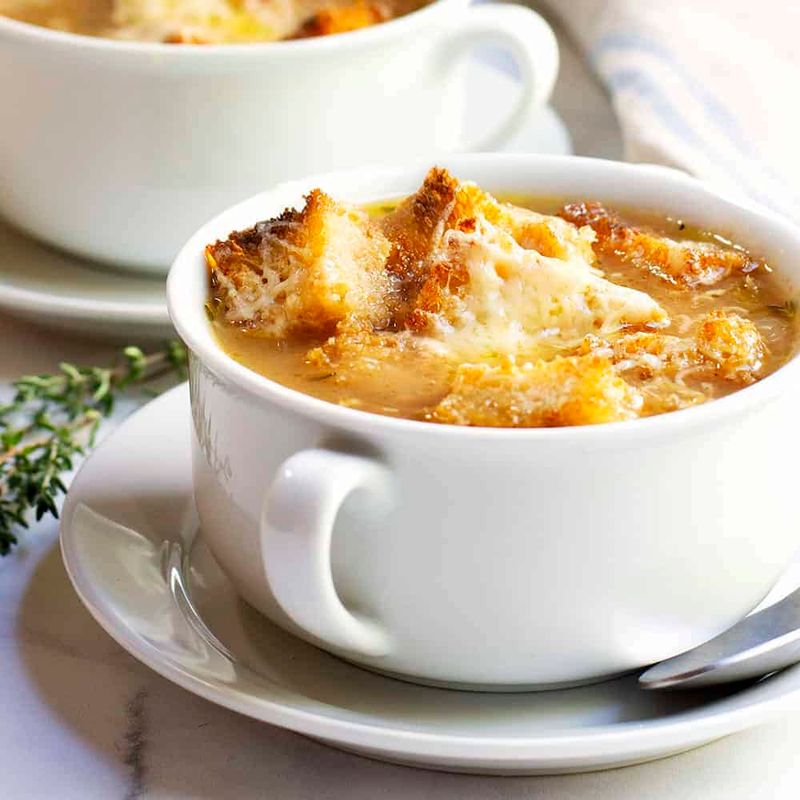
Peasant food does not get more elegant than this. French onion soup originated as a way to use up stale bread and onions, two ingredients that were always cheap and plentiful.
The bread was dropped into broth to soften it, and melted cheese was layered on top to make it feel indulgent.
Over time, this humble leftover trick became a staple of French cuisine, appearing on menus in restaurants around the world.
4. Shepherd’s Pie
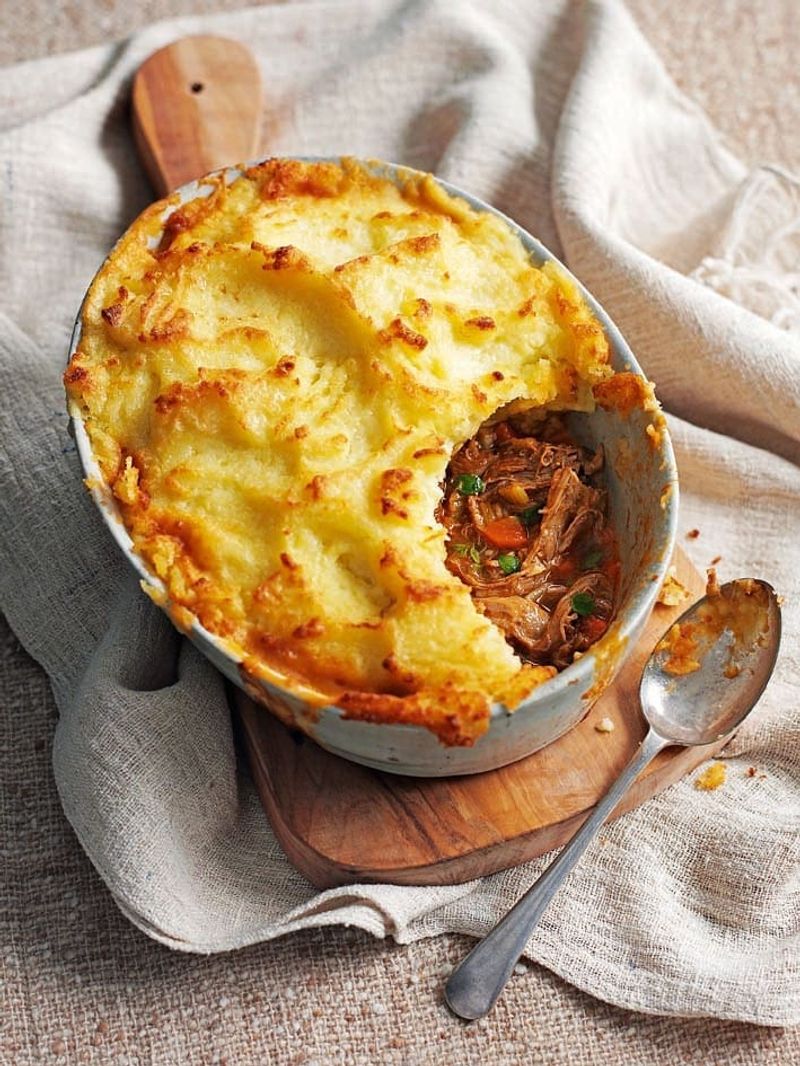
Back in 18th-century Britain, throwing away meat was simply not an option. Shepherd’s pie was created to stretch leftover roasted lamb or mutton by mixing it with vegetables and topping the whole thing with a layer of mashed potatoes.
The potato crust sealed in the moisture and stretched the meal further.
Today it is a cozy classic, but its roots are firmly planted in clever, resourceful cooking that wasted absolutely nothing.
5. Panzanella
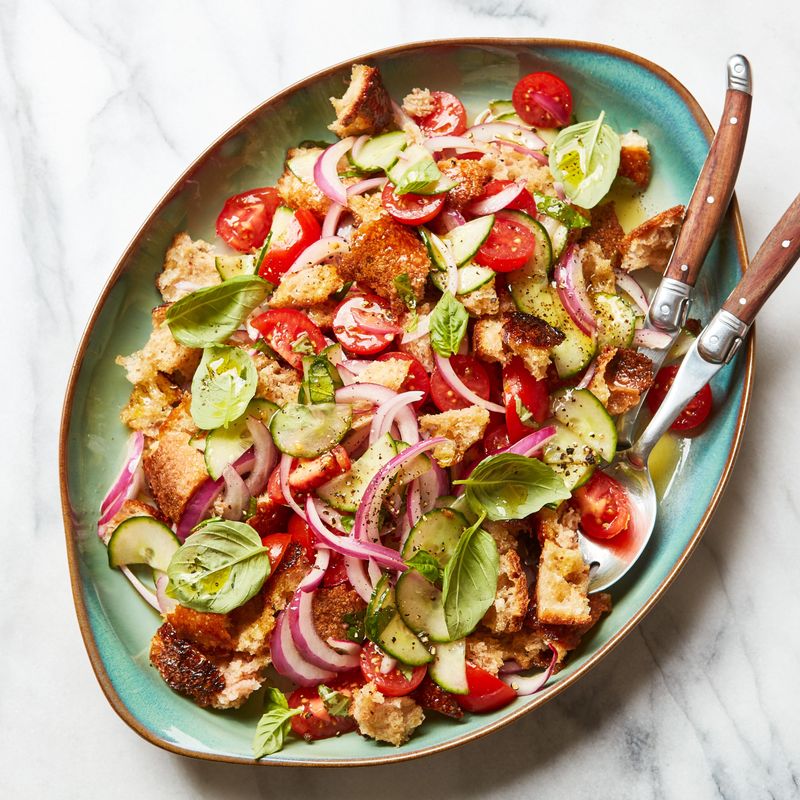
Italians have a deep respect for bread, and throwing it away has always felt like a small crime. Panzanella was born in Tuscany as a way to revive stale bread by soaking it in tomato juices, olive oil, and vinegar.
The bread absorbs all those flavors and becomes something almost magical.
It is a dish that actually gets better the longer it sits, making it a rare case where patience and thriftiness produce perfection.
6. Ribollita
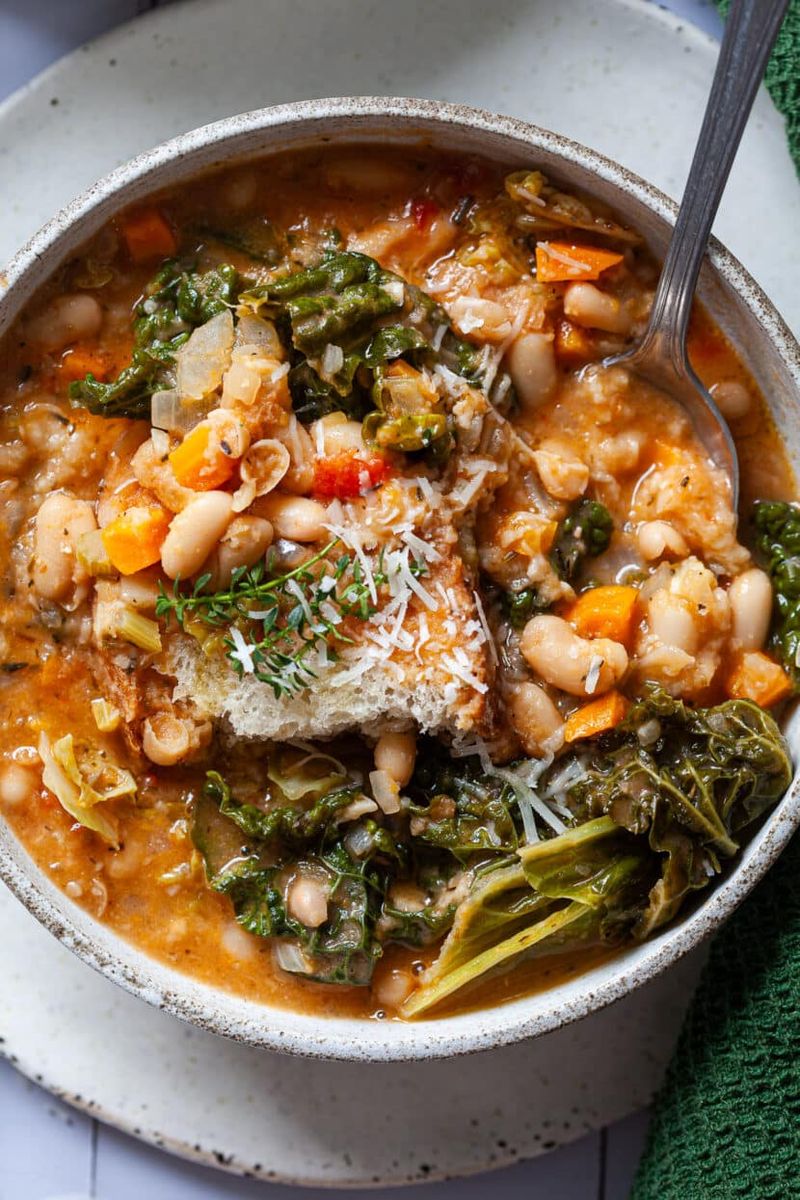
The name literally means “reboiled,” which tells you everything about where this dish came from. Ribollita is a thick Tuscan soup that was originally made by servants who collected leftover minestrone from wealthy households and reboiled it with stale bread the next day.
The bread thickened the soup and made it filling enough to be a full meal.
Now it is celebrated as a cornerstone of Italian cucina povera, the beautiful tradition of cooking with humble, leftover ingredients.
7. Hash Browns
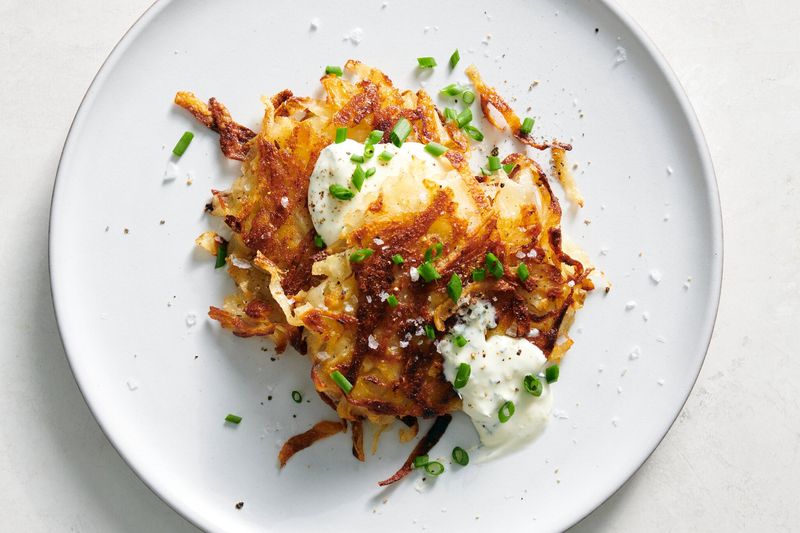
Nobody planned for hash browns to become a breakfast icon. They started as a way to use up boiled or baked potatoes from the night before, shredded and fried in a pan until crispy.
Early American diners popularized them in the late 1800s, and they never looked back.
The trick is using cold, cooked potatoes, which hold their shape much better than raw ones. Leftovers, it turns out, fry up beautifully.
8. Croquettes

Croquettes are proof that coating something in breadcrumbs and frying it makes almost anything taste better. Originally popular in France and Spain, they were invented as a way to repurpose leftover mashed potatoes, meat, or fish.
The mixture was rolled into small cylinders, breaded, and fried until crispy on the outside and creamy inside.
Spanish croquetas in particular became a beloved tapas bar staple, turning ham scraps and bechamel into something genuinely irresistible.
9. Congee
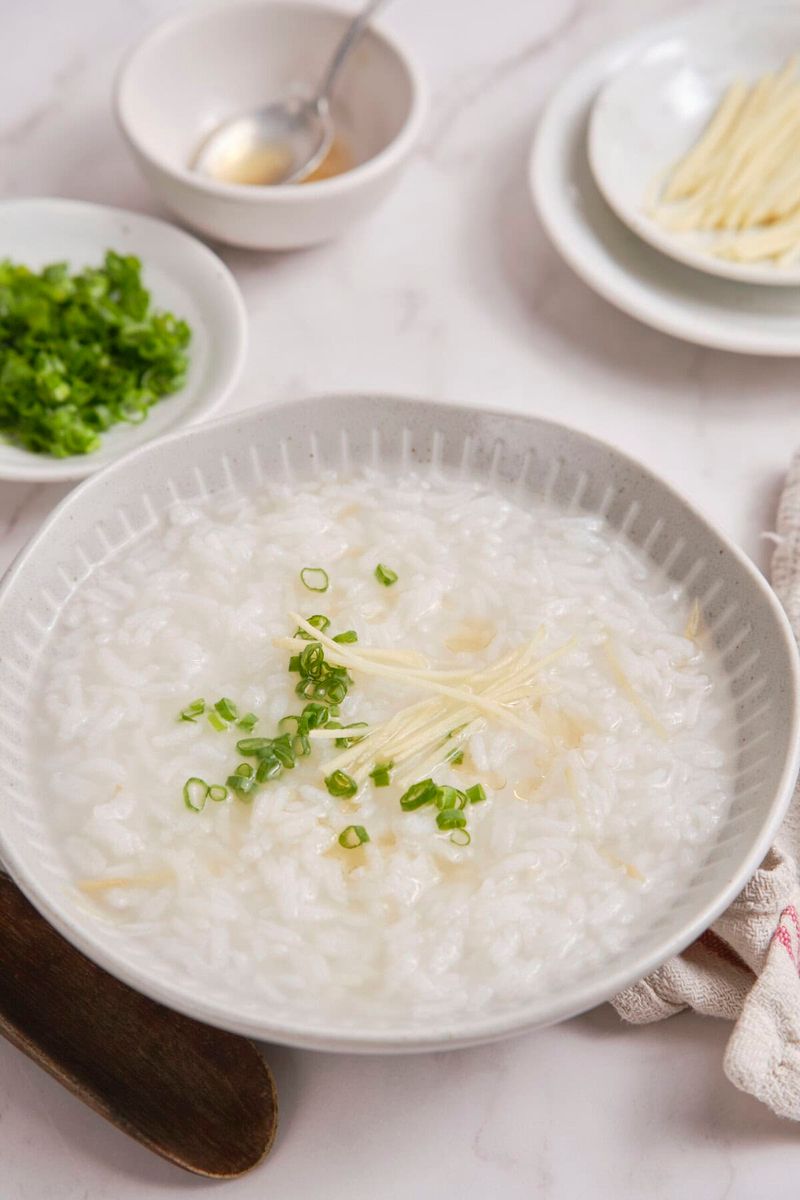
When rice goes a little past its prime, congee gives it a second life. This rice porridge has been eaten across Asia for thousands of years, originally as a way to stretch a small amount of leftover rice by cooking it slowly in a large volume of water or broth.
The result is a silky, comforting bowl that is easy on the stomach and deeply warming.
Toppings vary by region, but the philosophy stays the same: waste nothing, nourish everyone.
10. Tortilla Espanola
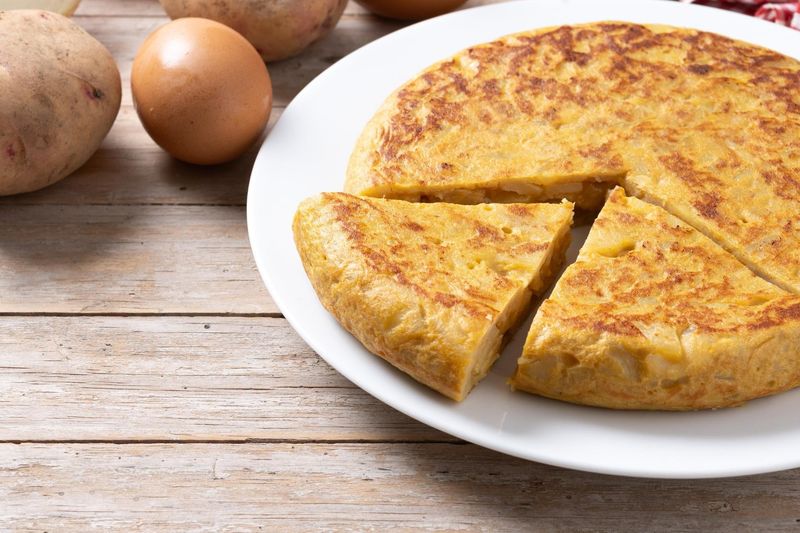
Spain’s beloved potato omelet has a surprisingly practical origin. The tortilla espanola is believed to have emerged in the 19th century as a cheap, filling way to use up leftover cooked potatoes.
Eggs were added to bind everything together and create a dish that could feed a family for almost nothing.
Served warm or at room temperature, it is equally at home as a tapas snack or a full meal, which is part of what makes it so enduring.
11. Colcannon
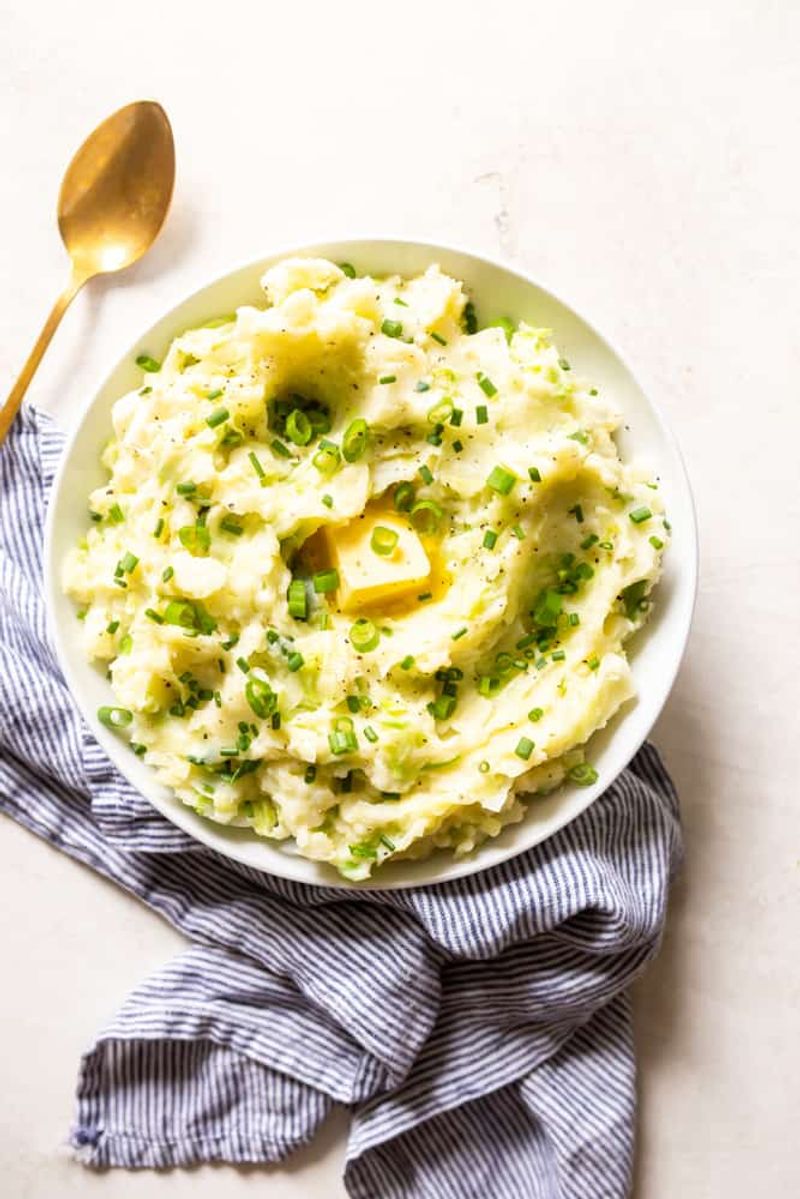
Ireland has always known how to make potatoes shine. Colcannon is a traditional Irish dish that mixes mashed potatoes with cooked cabbage or kale, often using up whatever greens were left over from a previous meal.
A generous amount of butter and cream brings it all together into something rich and deeply comforting.
It has been a staple on Irish tables for centuries, especially around Halloween, and it carries a warmth that feels almost nostalgic even on a first bite.
12. Stuffed Peppers
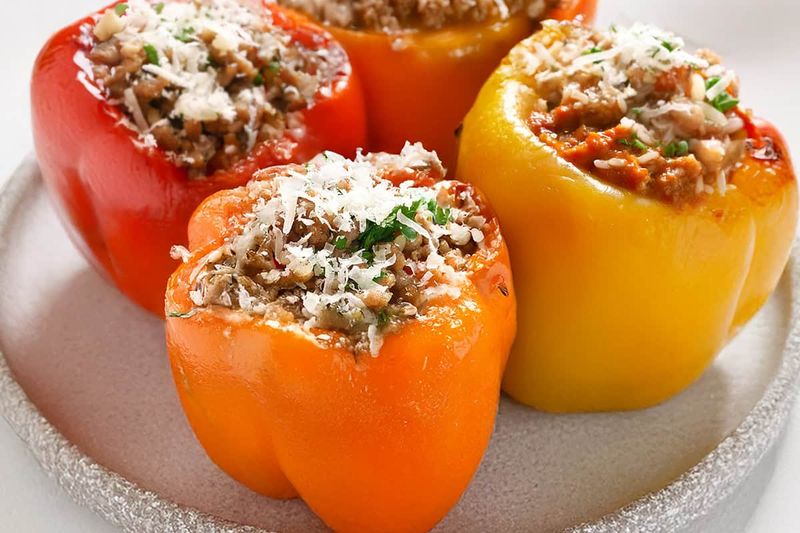
Stuffed peppers have a reputation for being a planned dinner, but they were originally a brilliant vehicle for hiding odds and ends from the fridge. Leftover rice, bits of meat, stray vegetables, and a handful of cheese all got mixed together and packed into a pepper that would roast in the oven.
The pepper itself became the edible container.
It is a clever trick that looks far more intentional than it really is, which is exactly the point.
13. Bread Pudding
Stale bread was too precious to throw away, especially in medieval Europe where food was scarce. Bread pudding solved the problem by soaking old bread in a mixture of eggs, milk, and sugar, then baking it until it puffed up into a custardy, golden dessert.
The result was something that felt indulgent even when it was born from necessity.
Today bread pudding appears in bakeries and fine restaurants, far removed from its humble, waste-not origins.
14. Minestrone
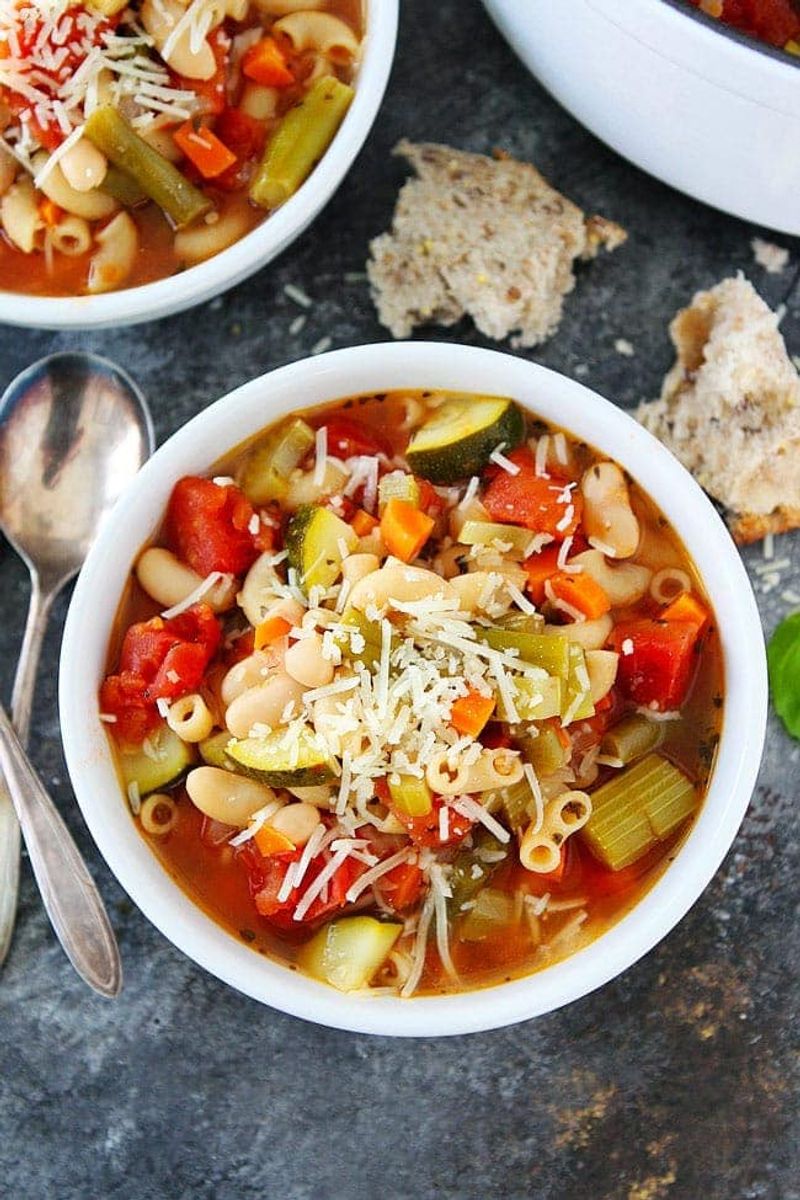
Minestrone does not follow a strict recipe, and that is entirely the point. This Italian vegetable soup was designed to use up whatever vegetables, beans, and pasta scraps were left in the kitchen.
Every family made it differently because every family had different leftovers. The variety was never a flaw; it was the feature.
Slow simmering brought all those random ingredients into harmony, creating a soup that somehow tastes like it was planned from the start.
15. Tamales
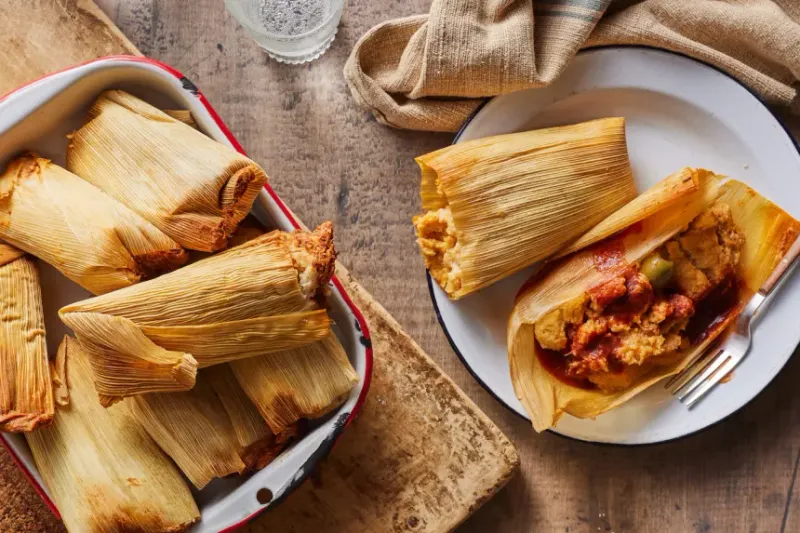
Making tamales is a communal, time-consuming process, which is why every scrap of filling gets used. Historically, leftover meats, sauces, and beans from previous meals were folded into masa dough and wrapped in corn husks to be steamed.
The corn husk packaging kept the filling moist and made them easy to transport.
Tamales have been made this way in Mesoamerica for over 5,000 years, making them one of the oldest leftover-rescue foods in human history.
16. Pasties
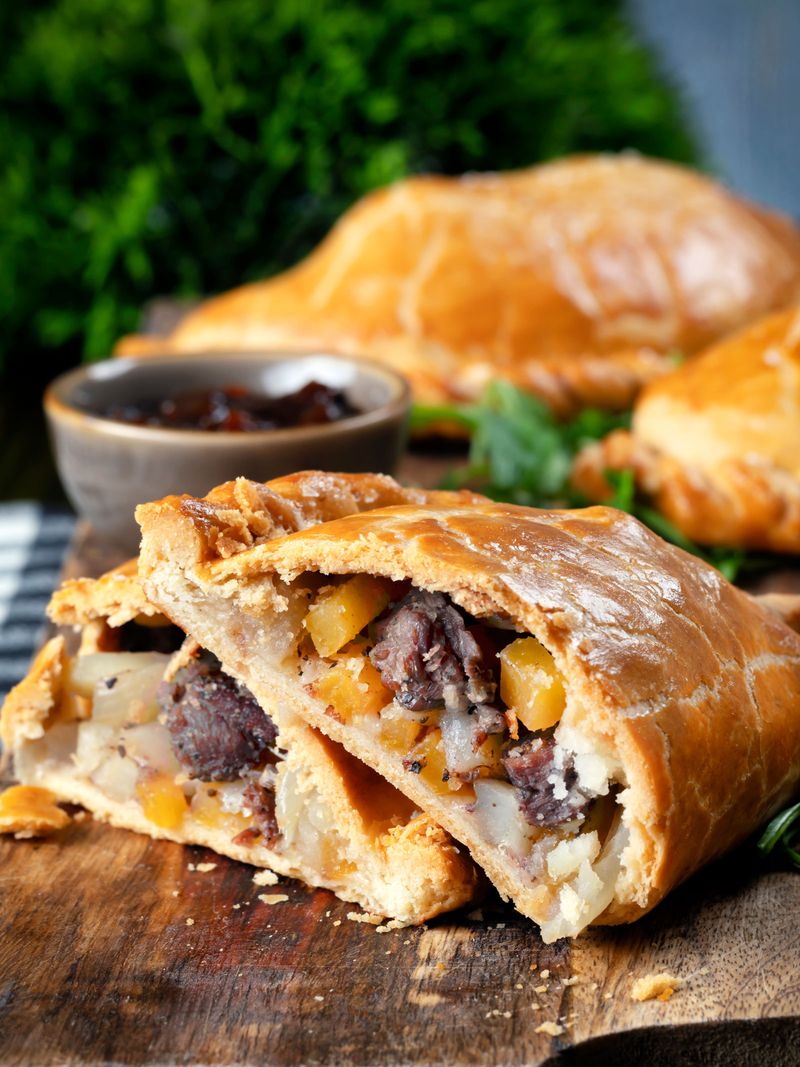
Cornish pasties have a shape that was never just about looks. Miners in Cornwall, England, used to carry these hand-held pies down into the tin mines for lunch, and the thick crimped edge served as a handle that could be thrown away after handling with dirty hands.
The filling was typically leftover meat and root vegetables.
Each pasty was sometimes even labeled with initials so miners could tell them apart, making them the original personalized meal prep.
17. Borscht
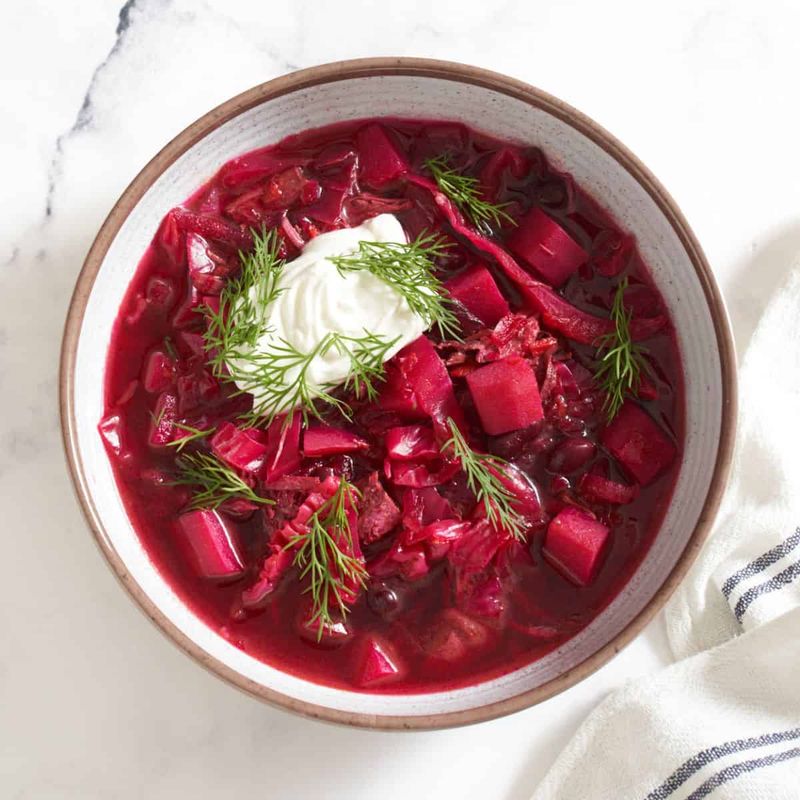
Borscht looks dramatic, but its roots are refreshingly practical. This Eastern European beet soup was originally a way to use up wilting vegetables, old bread, and whatever meat scraps were available.
Beets gave it that striking red color and a natural sweetness that balanced the sourness from fermentation or vinegar.
Over generations, borscht evolved from a peasant staple into a cultural treasure, with each country in the region claiming its own beloved version as the definitive one.