
Leaving someone you love can be hard, especially when good memories make you question what is happening now. But love should not cost you your safety, freedom, or sense of worth.
These warning signs can help you spot harmful patterns and think about your next steps. One rough patch does not always mean a relationship must end, but abuse and lasting harm deserve serious attention.
1. Abuse Makes Safety a Daily Worry

Home should not be a place where you fear getting hurt. Hitting, forced sexual contact, threats, and cruel insults are abuse, even when your partner later apologizes or acts loving.
You do not have to wait for things to get worse. If leaving could put you in danger, contact a domestic violence service from a safe device and make a safety plan.
Seek emergency help if danger is immediate. Your safety matters more than their promises.
2. Broken Trust Becomes the Normal Pattern

Another lie can make even a simple conversation feel like detective work. Repeated cheating, hidden spending, or changing stories can leave you unsure what to believe.
Trust can sometimes be rebuilt, but that takes honesty and steady action from both people. You should not need to search phones or track movements to feel secure.
If betrayal continues and your partner refuses responsibility, consider whether staying means accepting a pattern that keeps hurting you again and again.
3. Conversations Always Hit a Wall
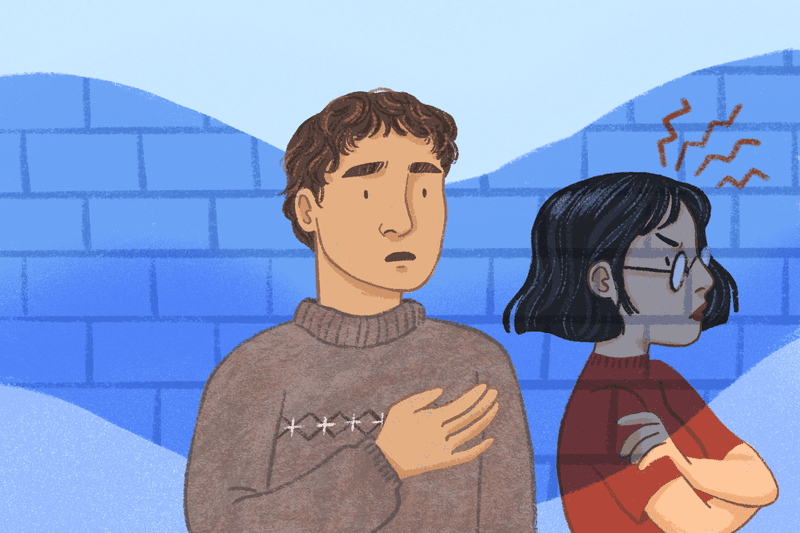
You bring up a concern, and somehow nothing gets heard. Every discussion turns into shouting, silence, or another fight about who started it.
A healthy conversation does not require perfect words, but it does require respect and a willingness to listen. Try naming one clear need if doing so feels safe.
When your partner repeatedly shuts you out and refuses change, the problem is bigger than communication skills. You cannot repair the relationship alone through effort.
4. Put-Downs Replace Basic Respect
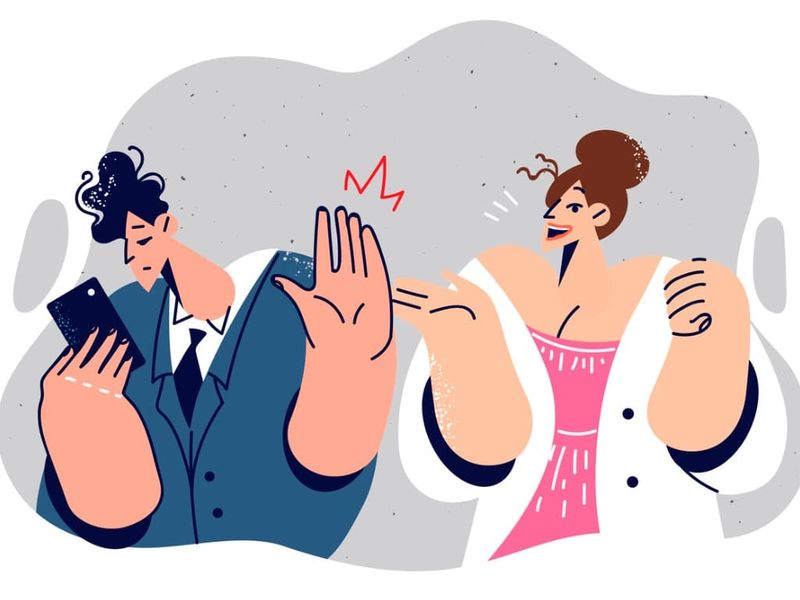
A joke stops being funny when you are always the target. Mocking your looks, calling you stupid, or embarrassing you around friends can slowly wear down your confidence.
Disagreeing is normal; treating someone as less worthy is not. Explain what behavior you will not accept if it is safe to do so.
Watch what happens next. A partner who dismisses your hurt or keeps insulting you is showing that your dignity does not matter to them.
5. Control Cuts You Off From Others

Seeing friends should not require permission. A partner who controls your clothes, checks your location, or punishes you for visiting family is limiting your freedom, not protecting you.
Isolation can make leaving harder because your support circle grows smaller. Reconnect with someone you trust when it is safe, and explain what has been happening.
If your phone or accounts may be monitored, use a safer device to seek support. Love leaves room for other meaningful connections.
6. Being Together Leaves You Drained

Notice how you feel after spending time together. Are you mostly calm and supported, or tense, sad, and completely worn out?
Every couple faces stressful seasons, so look for a lasting pattern rather than one difficult week. Keep brief notes about your mood, sleep, and energy.
A counselor can help you understand what is happening. If the relationship keeps harming your health and nothing changes, leaving may be a step toward feeling like yourself again over time.
7. Your Futures Point in Different Directions

Two good people can want lives that do not fit together. One may want children while the other does not, or their beliefs about money and commitment may clash.
Talk plainly about what each of you needs from the future. Avoid hoping that love will somehow erase a major difference.
Compromise should not mean giving up something central to your life. When neither person can accept the other’s path, ending things can be an honest choice.
8. Effort Comes From Only One Side

Planning every date, starting every conversation, and fixing every fight gets tiring. When your partner stops showing interest, you may feel more like a manager than a loved companion.
Temporary stress or illness can affect someone’s energy, so ask what is going on. Then look for a real willingness to share the work.
If clear requests lead nowhere and you remain the only person trying, consider whether this partnership still offers the care you both deserve.
9. Apologies Never Turn Into Change
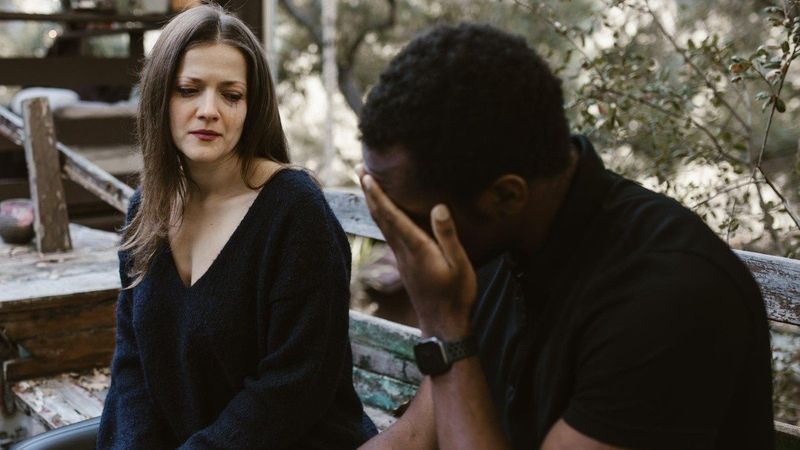
The apology sounds heartfelt, but next month you face the same hurt again. A repeating cycle can keep you hopeful while nothing actually improves.
Judge progress by behavior, not dramatic promises or expensive gifts. Clear change might include respecting boundaries, keeping agreements, and taking responsibility without excuses.
You can decide what you need and how long you are willing to wait. Repeated harm does not become acceptable simply because someone knows how to say they are sorry.
10. Closeness Has Faded Into Loneliness

Sitting beside someone can feel surprisingly lonely when warmth has disappeared. You may stop sharing small stories, enjoying time together, or reaching for each other’s hand.
Changes in affection can come from stress, health issues, or different needs, and nobody owes physical contact. Talk about the distance without pressure or blame.
If neither closeness nor interest returns despite honest efforts, ask whether staying serves either of you. Companionship should offer more than simply occupying the same room.
11. Keeping the Peace Costs Your Identity

Maybe you stopped painting, changed your opinions, or gave up friends to avoid another argument. Little by little, your own life started shrinking.
Healthy compromise leaves space for both people to have interests, beliefs, and goals. Write down what you miss about yourself, then consider one safe way to reconnect with it.
Notice whether your partner supports that step or fights it. A relationship that requires you to disappear is asking for far too much from you.
12. Mind Games Make You Doubt Reality
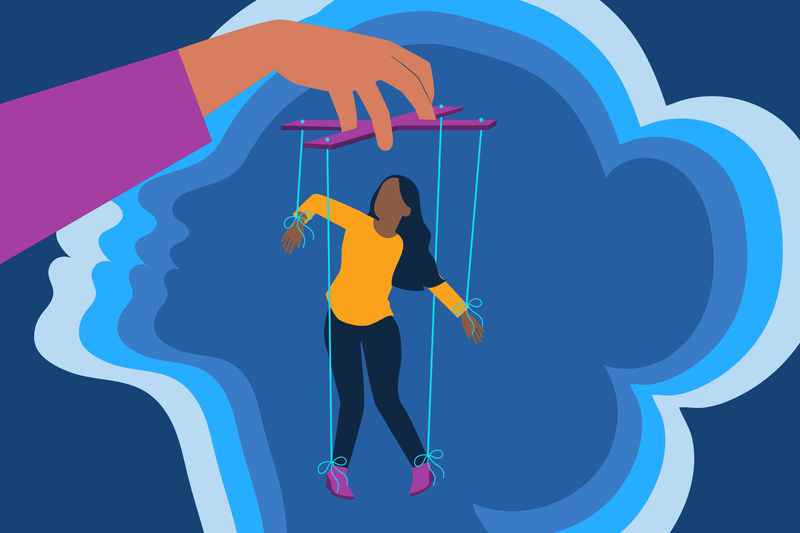
Being told that something never happened can leave you questioning your memory. Gaslighting is a repeated pattern of making someone doubt their own experience, not simply remembering an argument differently.
A partner may deny clear events, twist your words, or call you unreasonable whenever you raise concerns. Talk with a trusted person to gain perspective.
Keep private notes only if safe. You do not need your partner’s agreement to take your feelings and experiences seriously or seek support.
13. Unpredictable Reactions Keep You on Edge

You listen for footsteps and wonder which mood will walk through the door. Constantly guessing how to avoid an angry reaction can leave your body tense all day.
A difficult mood alone does not make someone abusive. The concern is a pattern of threats, intimidation, or outbursts that makes you feel unsafe.
You are not responsible for managing another adult’s behavior. Seek private support and plan carefully if you fear their reaction to your leaving the relationship.
14. Guilt Becomes Your Main Reason to Stay

Years together can feel like a debt you must keep paying. Shared bills, family expectations, and fear of being alone may make leaving seem impossible.
Past effort does not require you to accept future misery. Ask whether you would choose this relationship today, knowing what you know now.
Practical barriers deserve a practical plan, including housing, money, and trusted support. You can appreciate good memories without letting them decide the rest of your life for you indefinitely.
15. Imagining Life Apart Brings Steady Relief
A quiet apartment, a free weekend, a life without arguments: the thought keeps bringing relief. Occasional daydreams are common, but repeated escape fantasies may reveal needs you have ignored.
Look closely at what feels better in that imagined future. Is it safety, peace, freedom, or simply having your own space?
Discuss those needs if it is safe. If you no longer want to rebuild the relationship, be honest with yourself rather than waiting for a perfect reason.
16. Your Progress Gets Deliberately Undermined

Good news should not become a reason for punishment. A partner who ruins study time, mocks your goals, or blocks work opportunities may be working against your growth.
Support does not mean agreeing with every choice, but it does mean respecting your right to build a life. Notice whether setbacks happen by accident or through repeated, deliberate actions.
Protect important documents and seek advice if money or employment is being controlled. Your success should not threaten your relationship.
17. An Inner Warning Will Not Go Away

Sometimes your unease arrives before you can explain it. That feeling deserves attention, though it is not proof that your partner has done something wrong.
Slow down and connect the feeling to specific events, unmet needs, or fears. A trusted friend or counselor can help you sort through them without choosing for you.
You do not need a dramatic crisis to end a relationship you no longer want. Take your concerns seriously and choose your next step carefully.