
Old recipe boxes hold more than dinner ideas. They tell stories of church suppers, tight budgets, and families bringing food traditions to the Midwest.
Many of these dishes still have loyal fans, but they are less familiar in some kitchens today. From fluffy rice salads to meat served on wooden sticks, these meals offer a tasty link to the past.
1. Glorified Rice
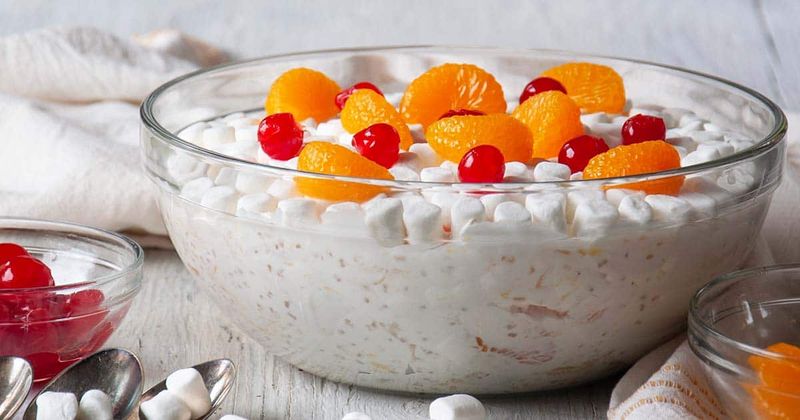
Dessert wearing a salad’s name once fit right into a church supper. Across the Upper Midwest, families mixed cold cooked rice with whipped cream, pineapple, and sometimes marshmallows or cherries.
Its soft texture and sweet flavor can surprise anyone expecting a grain salad. To try it at home, cool the rice completely and drain the pineapple well before folding everything together.
Serve small portions chilled, and ask relatives whether their family version included extra fruit, too.
2. Olive Loaf
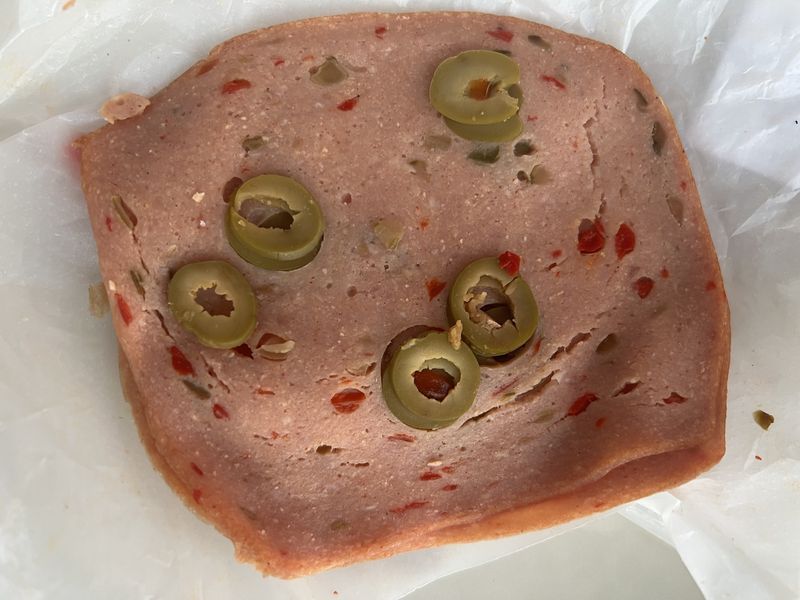
A sandwich slice dotted with green olives is hard to mistake for anything else. Olive loaf pairs mild processed meat with salty olives, often stuffed with red pimentos, creating a colorful lunchbox filling.
Although some deli counters still carry it, changing tastes have made it less familiar to younger shoppers. Start with a few thin slices on rye or white bread.
Mustard and crisp lettuce balance the richness without hiding the flavor that longtime fans remember.
3. Gelatin Molds and Fruit Salads

Nothing announced a special gathering quite like a bright, wobbling ring on a platter. Midwestern cooks filled gelatin molds with fruit, vegetables, or creamy mixtures, turning pantry ingredients into edible centerpieces.
Lime gelatin salads and fluffy fruit salads often shared the same table, though ambrosia does not require gelatin. For a friendly introduction, choose fruit instead of savory additions.
Follow package directions carefully, since fresh pineapple can prevent ordinary gelatin from setting into firm slices properly.
4. Frosted Sandwich Loaf
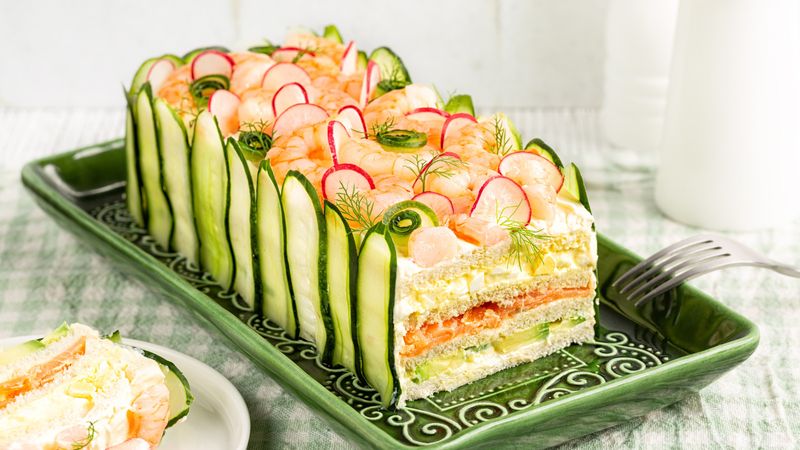
At first glance, the centerpiece looks like a cake, but the first slice tells another story. Layers of bread hide fillings such as egg salad, ham salad, or chicken salad beneath a cream cheese coating.
Popular at some midcentury luncheons, the frosted sandwich loaf rewarded careful assembly more than quick cooking. Make a small version with firm bread and thick fillings.
Keep it refrigerated, then cut neat slices shortly before serving to preserve its tidy layers.
5. Creamed Chipped Beef on Toast
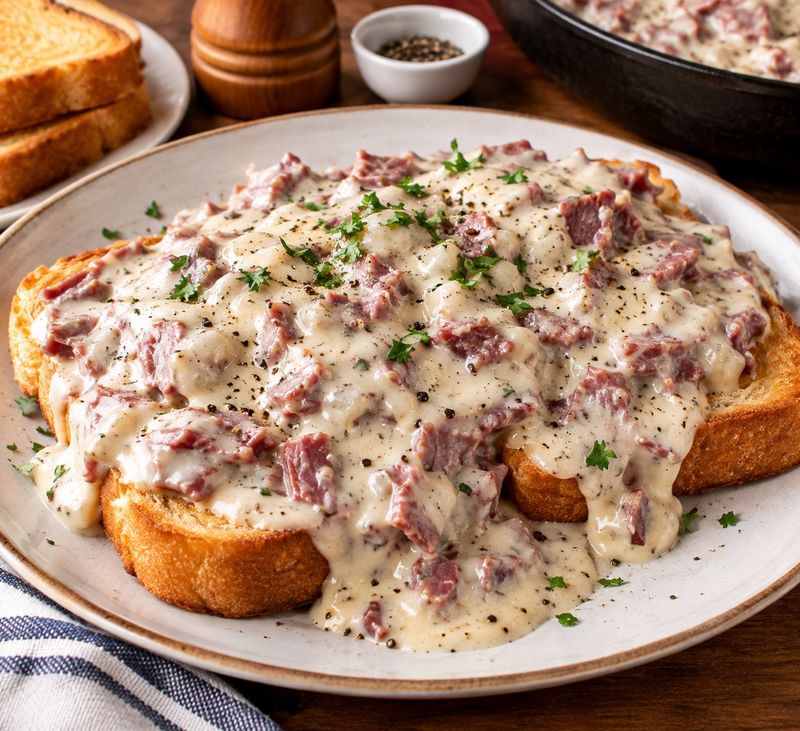
Toast becomes a full meal when a ladle of creamy beef sauce lands on top. Known in military kitchens by the nickname SOS, this budget dish also found a place on family breakfast and supper tables.
Dried beef brings plenty of salt, so taste the sauce before adding more seasoning. A quick rinse can soften its saltiness.
Serve immediately over sturdy toast, with peas or fruit alongside for contrast and a little color on the plate.
6. Lefse
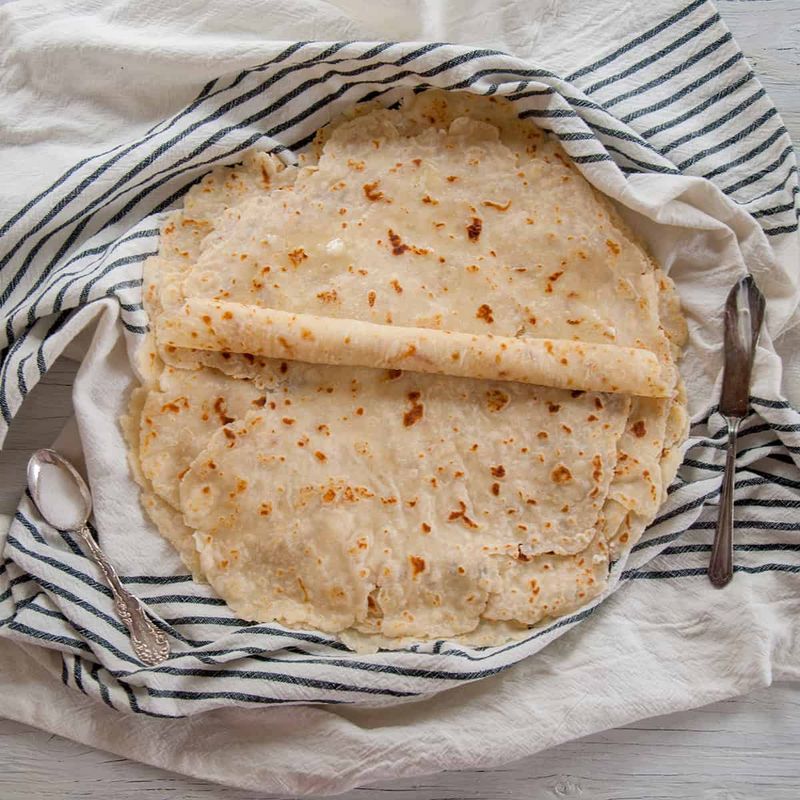
Rolling dough paper thin takes patience, which helps explain why lefse often waits for holidays. Norwegian American families across the Upper Midwest treasure this soft flatbread, commonly made with potatoes, flour, butter, and cream.
Some spread it with butter and sugar; others wrap it around savory fillings. If making it feels daunting, begin with a family cooking day rather than working alone.
Cool, dry potatoes and a lightly floured surface help keep the delicate dough manageable.
7. Liver and Onions
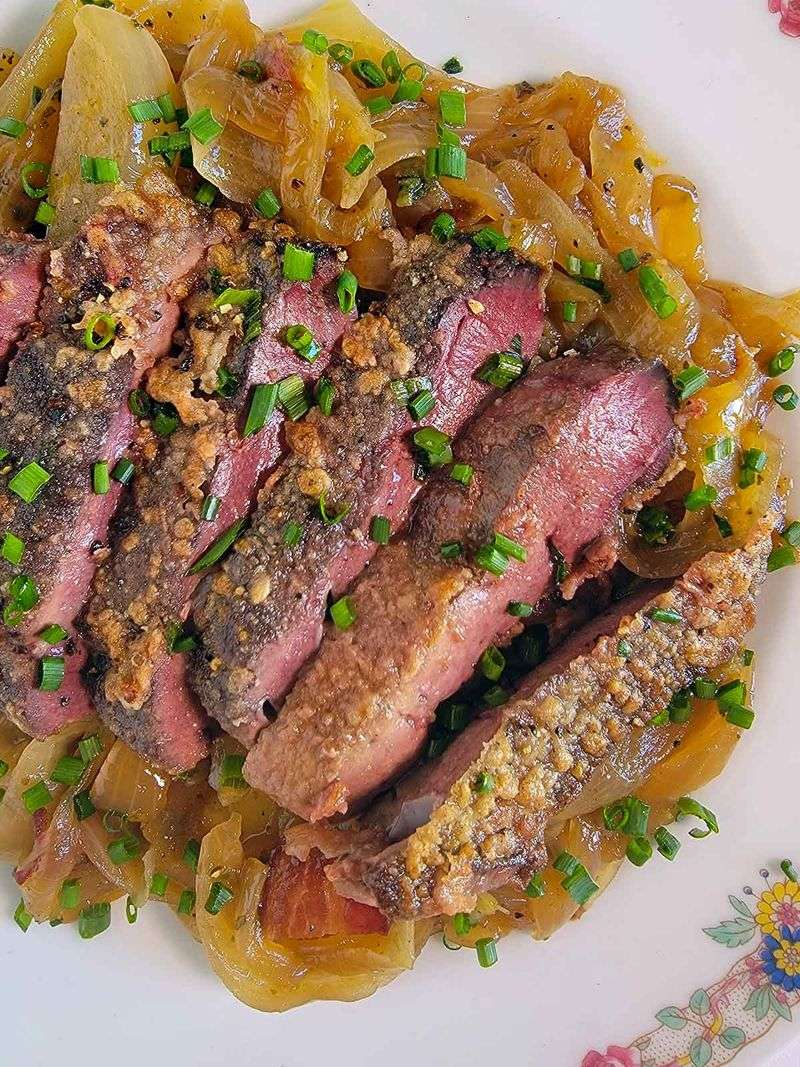
Few old suppers divide a table as quickly as liver covered in browned onions. Once valued as an affordable source of iron, it has a strong flavor that many younger eaters never learned to enjoy.
The biggest cooking mistake is leaving it in the pan too long, which makes it tough. Slice evenly, follow safe cooking guidance, and cook the onions separately until sweet.
A small serving with mashed potatoes offers an approachable taste of tradition.
8. Chicken à la King
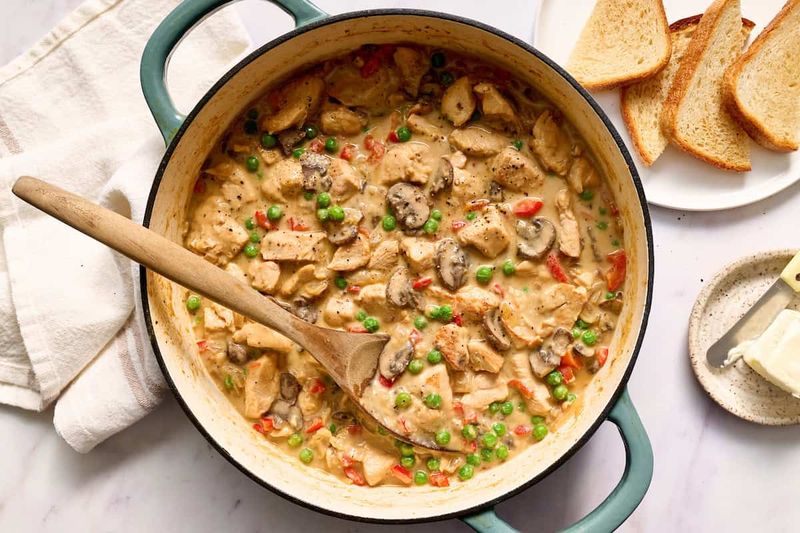
Leftover chicken once got dressed for company in a rich sauce dotted with mushrooms and peppers. Chicken à la king could appear over toast, rice, biscuits, or pastry shells, making a modest amount of meat stretch further.
Its fancy name hides a fairly simple supper. Use cooked chicken and gently heat it in the sauce so it stays tender.
Frozen peas add color, while a splash of broth can loosen a sauce that becomes too thick.
9. Minnesota’s Italian Sausage Sandwich
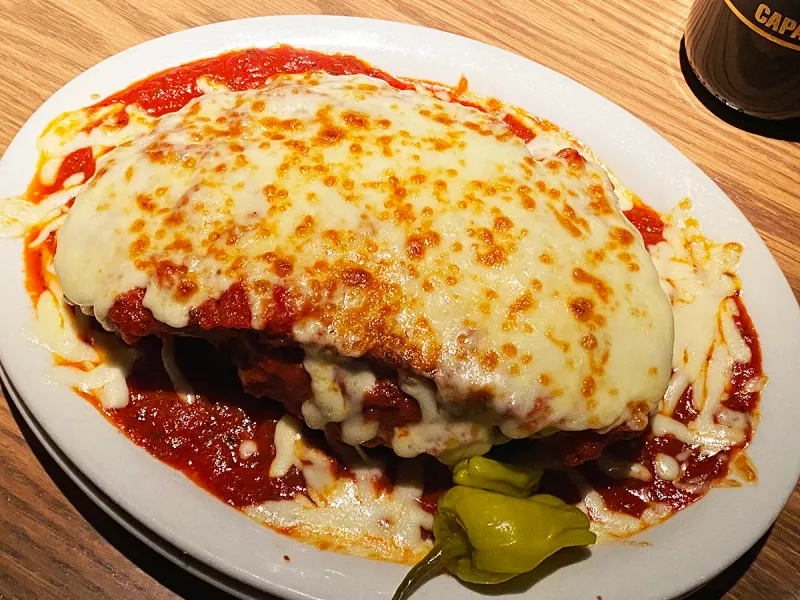
A thick sausage patty, tomato sauce, and melted cheese make this Minnesota sandwich wonderfully messy. Often served open faced on Italian bread, it remains associated with neighborhood restaurants around the Twin Cities.
Its older menu name, Hot Dago, includes an ethnic slur, so Italian sausage sandwich is a respectful alternative. At home, toast the bread before adding sauce to prevent sogginess.
Cook the sausage thoroughly, then melt the cheese just before bringing plates to the table warm.
10. Creamed Onions
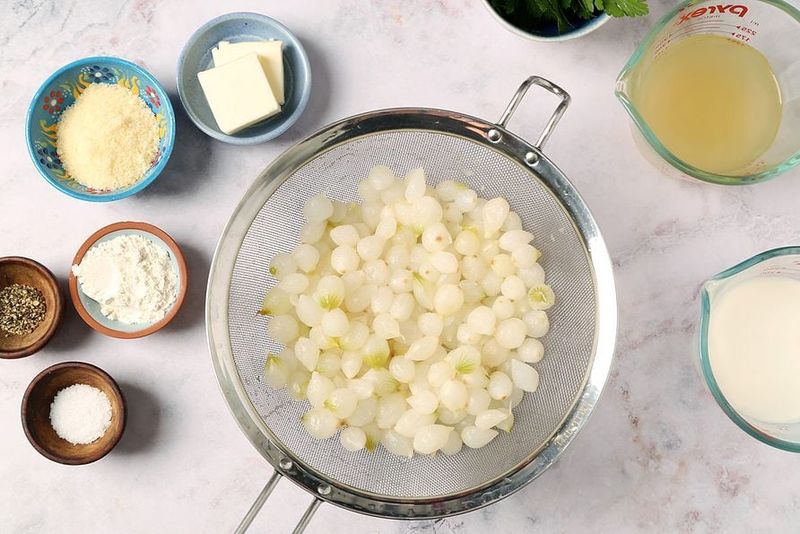
Small onions once claimed their own serving bowl at many holiday dinners. Simmered until tender and coated in cream sauce, pearl onions offered a mild, sweet contrast to roast meat and richer sides.
Peeling them can test anyone’s patience, which may help explain their retreat from busy kitchens. Frozen peeled pearl onions make the dish much easier.
Cook them until tender, drain thoroughly, and add them to a simple white sauce with pepper and nutmeg to taste.
11. Fried Brain Sandwich

Adventurous eating was once everyday thrift in some river towns. Around parts of Indiana and Missouri, cooks breaded and fried animal brains, then tucked them into buns with onions, pickles, or mustard.
Changing tastes and concerns about sourcing have made the sandwich uncommon, though some local traditions survive. Modern versions may use pork rather than beef.
Anyone curious should seek an established restaurant with approved suppliers instead of experimenting with unfamiliar organ meats bought without clear origins.
12. Tomato Custard Pie

Ripe tomatoes did not always end up in salads or jars. Some older family recipes baked them with bread, onions, butter, and a little sugar, creating a soft dish sometimes called tomato custard pie.
The name can be misleading because recipes vary, and not every version contains eggs or a pastry crust. Think of it as a way to use garden tomatoes and leftover bread.
Drain very juicy tomatoes first, and follow a trusted family recipe closely.
13. Broccoli Rice Casserole

Green vegetables became easier to sell when cheese and buttery crumbs joined the baking dish. Broccoli rice casserole combined convenient ingredients such as frozen broccoli, cooked rice, condensed soup, and processed cheese spread.
Families made countless versions, so there is no single required recipe. For better texture, drain the broccoli and avoid overcooking the rice before baking.
Add cracker crumbs near the end if they brown quickly. A small batch works nicely beside roast chicken or beans.
14. Johnny Marzetti Casserole
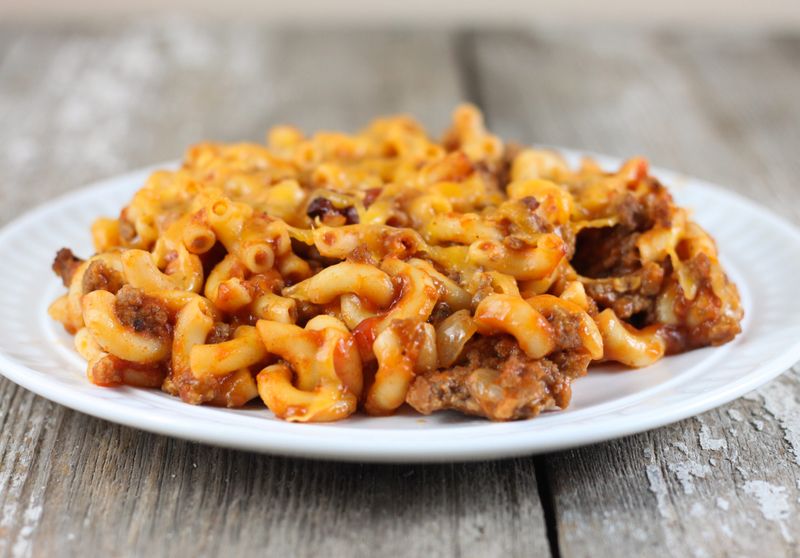
Columbus, Ohio, has a comfort food name that sounds like someone you might know. Johnny Marzetti is a baked mixture of pasta, ground meat, tomato sauce, and cheese, commonly linked to the city’s Marzetti restaurant.
Its exact early history attracts differing accounts, but its appeal is easy to understand. One pan feeds several people without costly ingredients.
Cook the noodles just short of tender before baking, and save a portion for tomorrow’s lunch or freeze individual servings.
15. Tuna Noodle Casserole

A can of tuna and a bag of noodles once answered the nightly dinner question. With condensed mushroom soup, peas, and a crunchy topping, this casserole helped busy households turn inexpensive staples into something warm.
Not everyone misses its soft texture, but a few adjustments can help. Leave the noodles slightly firm, drain the tuna well, and add crushed potato chips just before baking.
Check your pantry first, since the soup and topping already contribute plenty of salt.
16. Pickled Herring
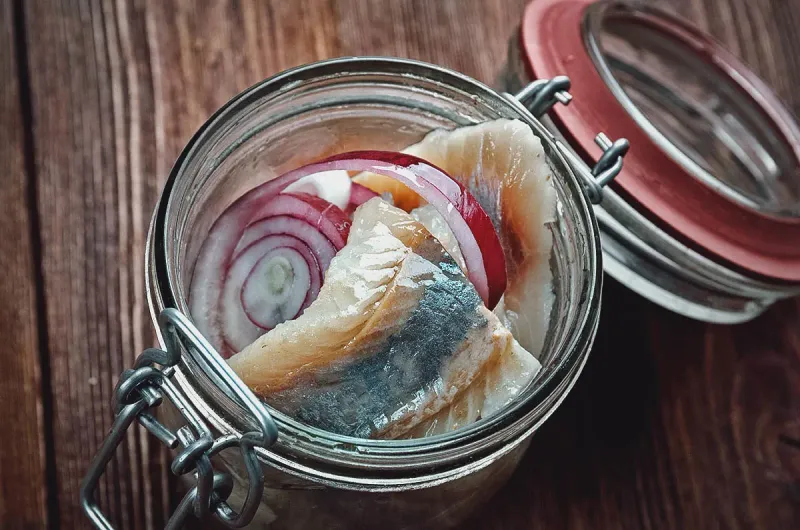
Sharp vinegar, sweet onion, and rich fish create a flavor that refuses to fade quietly. Northern European immigrants brought pickled herring traditions to the Midwest, where the fish still appears at some holiday gatherings.
It may feel unfamiliar outside those families, but trying it requires no elaborate cooking. Buy a refrigerated commercial jar and follow its storage directions.
Offer small pieces with rye bread or boiled potatoes, letting the mild sides soften the tang for first tastes.
17. City Chicken

Despite its name, the skewer usually holds pork, not poultry. City chicken became a practical stand in when chicken cost more than other meats, especially in industrial communities including those in Michigan and neighboring states.
Polish American families helped keep the tradition alive with breaded meat cubes shaped like little drumsticks. Brown the skewers, then finish cooking them through using a reliable recipe.
A meat thermometer helps prevent guesswork, while gravy and potatoes complete the familiar supper.