
Marriage rates among Black women have been falling for decades, and the reasons go far deeper than personal choice. By 2022, nearly half of all Black women had never been married, a dramatic shift from just a generation ago.
Many are rethinking what relationships should look like, what they truly need from a partner, and whether marriage even fits into their vision of a fulfilling life. These changes reflect strength, self-awareness, and a powerful redefinition of love on their own terms.
1. Prioritizing Personal Growth and Mental Well-being
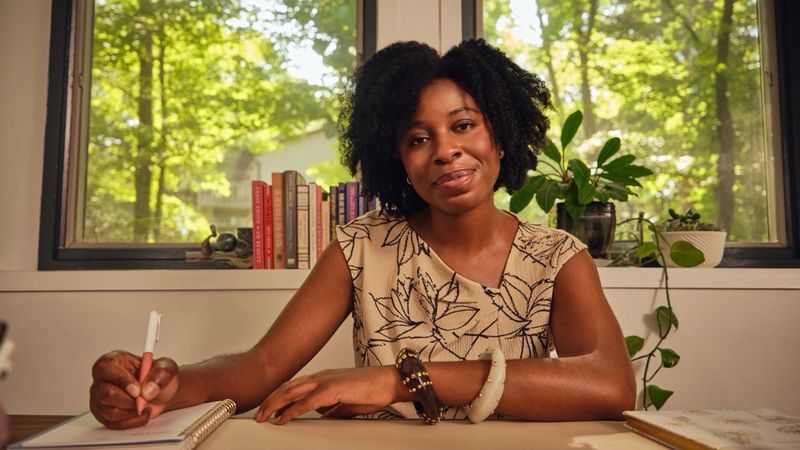
Therapy used to carry a stigma in many Black communities, but that wall is coming down fast. More Black women are investing in counseling, solo travel, and building businesses, all before thinking about a partner.
When you know yourself deeply, your standards for a relationship rise naturally. Self-awareness becomes the foundation.
Many women say that working on their own mental health first has completely changed what they look for in love.
2. Seeking Relationships That Add Real Value
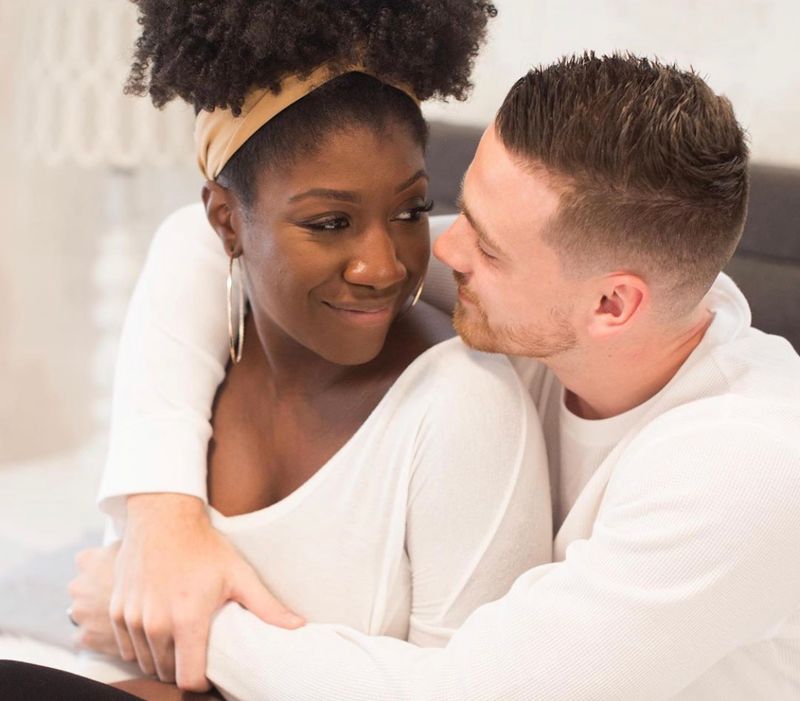
Gone are the days of staying in a relationship just to say you have one. A growing number of Black women are asking a simple but powerful question: does this relationship actually make my life better?
If the answer is no, many are choosing to walk away without guilt. The shift moves away from “making it work” toward “does this genuinely add joy, stability, and growth to my everyday life?” That is a meaningful change.
3. Rejecting Struggle Love in Favor of Peace

The “soft life” movement has resonated deeply with many Black women who grew up watching their mothers and grandmothers sacrifice endlessly for relationships that drained them. Struggle love, the idea that love must be hard to be real, is being firmly rejected.
Peace has become the new luxury. Emotional security, calm households, and partners who show up consistently are now the goal.
Love should feel like a safe place, not a battlefield you keep returning to.
4. Setting Unapologetic Standards for Partners

Standards are not the enemy of love. Many Black women are learning that clearly knowing what you need in a partner is one of the most loving things you can do for yourself.
Non-negotiables like emotional availability, financial responsibility, and mutual respect are no longer things to apologize for. Women who once bent over backward to be “low maintenance” are now saying their needs are worth voicing.
Unapologetic standards are becoming a badge of self-respect.
5. Demanding Emotional Maturity and Reciprocal Effort
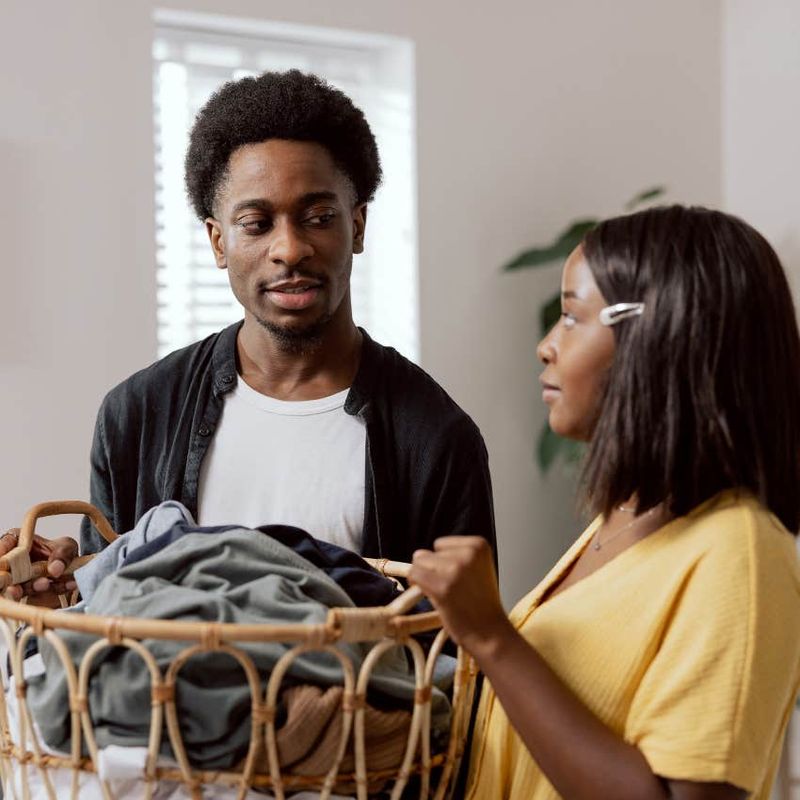
Actions matching words is no longer just a hope. It has become a baseline requirement for many Black women entering relationships.
Consistency, clear communication, and balanced effort from both sides are now expected, not wished for.
Emotional maturity means a partner can handle hard conversations without shutting down or exploding. Many women have shared that watching partners fail this test repeatedly pushed them toward choosing peace over partnership.
The bar has been raised, and rightfully so.
6. Redefining Romance Beyond Traditional Gestures
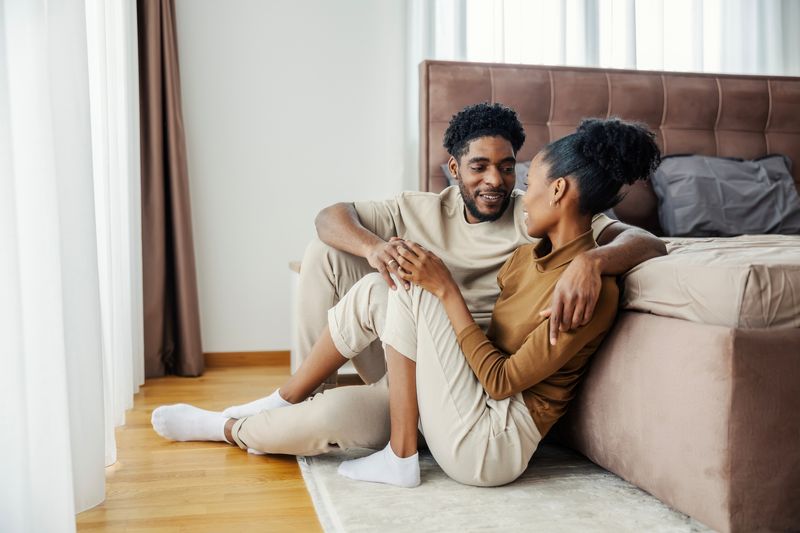
Flowers and candlelit dinners are nice, but they no longer define romance for many Black women. Real romance now looks like a partner who follows through on promises, creates emotional safety, and shows up on ordinary days, not just special ones.
Open dialogue and reliability have replaced grand gestures as the truest signs of affection. When someone consistently makes you feel heard and secure, that is the kind of romance worth building a life around.
Stability is the new spark.
7. Choosing Long-Term Partnership Without Legal Marriage

Marriage is a legal contract, and not everyone feels they need one to have a deeply committed relationship. A rising number of Black women are choosing life partners without rushing to the courthouse or planning a wedding.
For those not focused on having children, the legal benefits of marriage can feel less urgent. Long-term partnership built on trust, shared goals, and genuine love can be just as meaningful.
Many women say this choice gives them freedom without sacrificing real connection.
8. Emphasizing Independent Financial Stability First
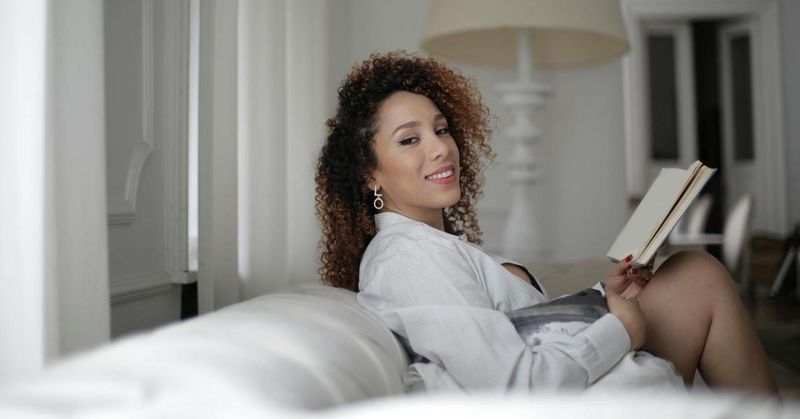
Financial independence is not just a goal. For many Black women, it is a non-negotiable starting point before any serious relationship begins.
Building savings, paying down debt, and owning assets are priorities that come before merging finances with anyone.
The belief is straightforward: two financially stable people make a stronger team than one person carrying the other. Women who have worked hard to build their own foundation are understandably cautious about sharing it with someone who has not done the same.
9. Valuing Community and Friendship Networks
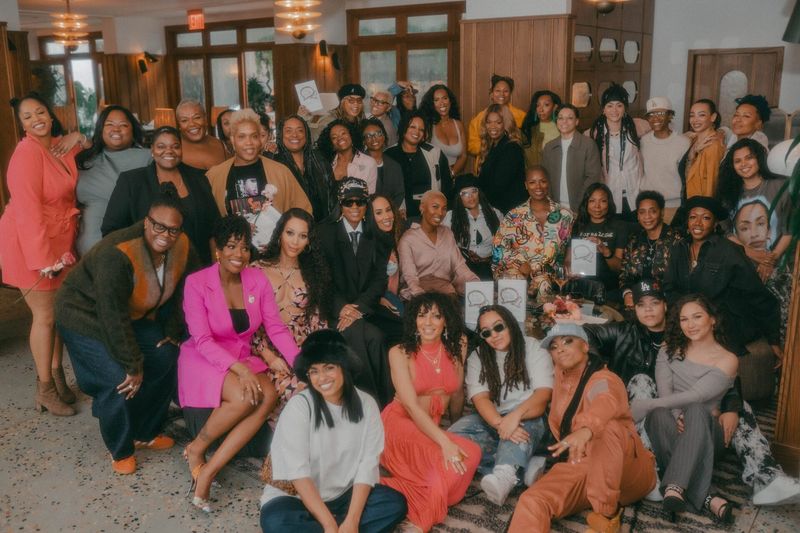
Who says a romantic partner has to be your everything? More Black women are turning to rich networks of friends, chosen family, and community groups to meet their emotional and social needs.
Brunch squads, accountability partners, and sisterhood circles provide the kind of consistent support that many once expected only from a spouse. When your community already fills your life with love and belonging, the urgency to marry just to feel less alone fades away.
That is a healthy shift.
10. Delaying Marriage to Advance Education and Career
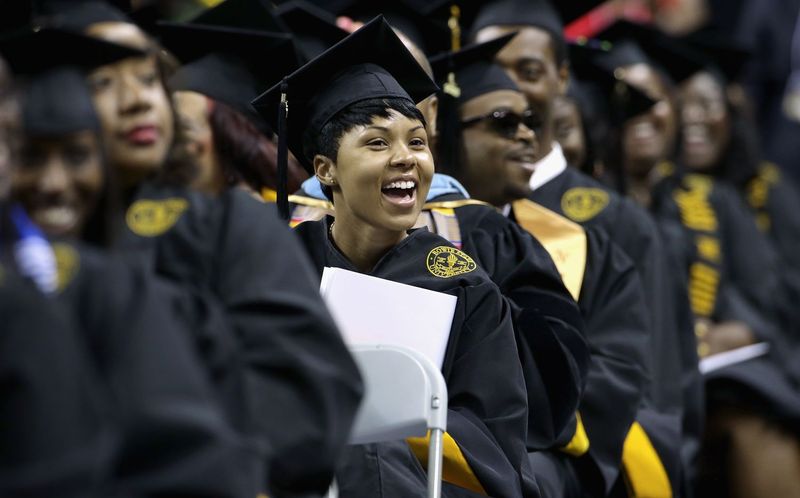
Black women are now the most educated group in America by some measures, and many have chosen degrees and careers over early marriage. That trade-off is not a loss.
It is a strategy.
Waiting until after graduate school or landing a dream job to think about marriage makes practical sense. Some women find that by the time they reach their goals, their priorities have shifted entirely.
Education opened doors that changed what they believed they needed from a life partner.
11. Increased Caution Due to Divorce Risks
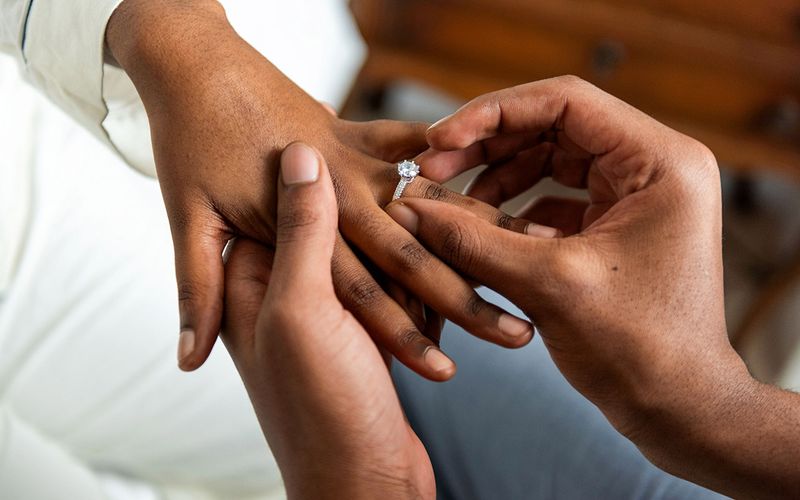
Black women experience higher divorce rates and are less likely to remarry than white women, according to research. Knowing those statistics makes many women pause before saying yes to a proposal.
Divorce is not just emotionally painful. It can be financially devastating, especially for women who stepped back from careers to support a household.
Many Black women are choosing to be very sure before committing legally, because they have seen or lived through how costly a failed marriage can truly be.
12. Prioritizing Individual Freedom and Self-Development

Singleness used to be treated like a waiting room, a phase to survive until the right person arrived. That mindset is changing.
Many Black women now see being single as an active, intentional season of growth rather than something to escape.
Solo travel, starting businesses, pursuing passions, and simply enjoying personal freedom are all part of this shift. When your single life is genuinely fulfilling, you stop settling just to avoid being alone.
Autonomy has become something worth protecting and celebrating.
13. Exploring Alternative Union Structures

Not every union is built on romantic love, and some Black women are openly exploring that reality. Lavender marriages and similar arrangements offer companionship, financial stability, or social benefits without the traditional romantic framework.
These arrangements are especially relevant in LGBTQ+ communities, where practical partnerships can serve important personal and social purposes. Choosing a non-traditional structure does not mean giving up on connection.
For some, it means designing a life that fits their actual needs rather than following a script written for someone else.
14. Challenging Traditional Gender Roles in Marriage
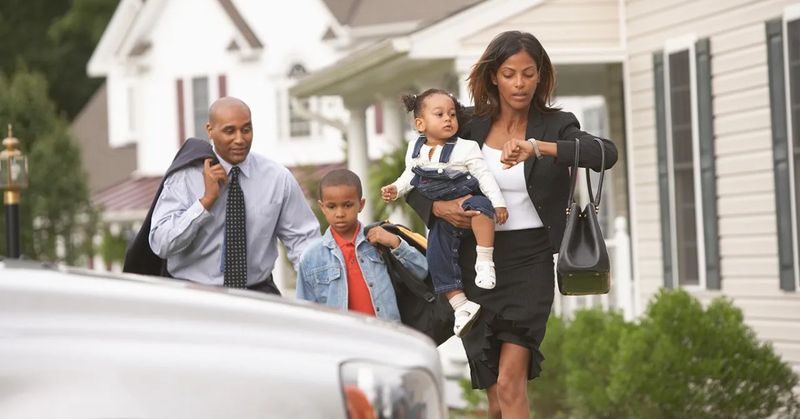
The idea that a wife cooks, cleans, and submits while a husband earns and leads is being challenged at its roots. Black women who out-earn their partners or hold advanced degrees are not interested in playing a role that does not reflect their reality.
Egalitarian partnerships, where both people contribute financially and share household responsibilities, are becoming the preferred model. Many women say they want a teammate, not a hierarchy.
Marriage built on balance tends to be stronger than one built on outdated expectations.
15. Finding Fulfillment and Purpose in Singleness

Imagine building a life so full and joyful that you stop waiting for someone else to complete it. That is exactly what many Black women are doing.
Singlehood is being reclaimed as a valid, vibrant, and purposeful way to live.
Societal pressure once made unmarried women feel like they were falling behind. Now, more women are pushing back against that narrative with evidence: thriving careers, strong friendships, and genuine happiness.
Being single is not a problem to solve. For many, it is simply the life they have chosen.
16. Becoming Highly Selective in Partner Choice
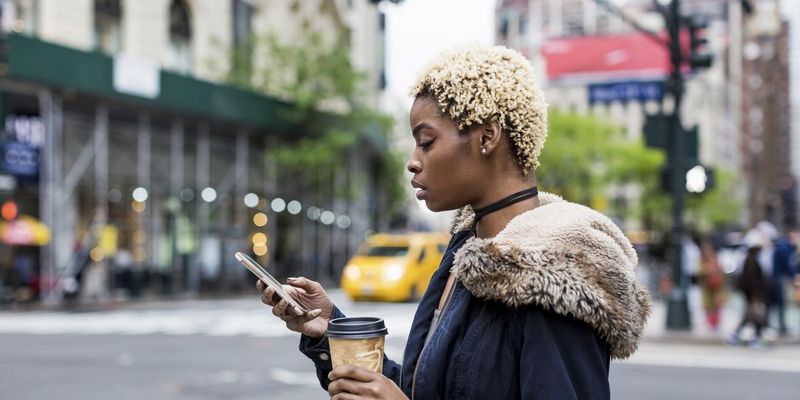
When nearly half of Black women have never married, and many have watched relationships fall apart around them, being picky starts to make a lot of sense. Selectivity is not fear of commitment.
It is wisdom earned through experience and observation.
Educational and economic gaps in the dating pool make finding a compatible partner genuinely harder. Rather than lowering expectations to fill a gap, many Black women are holding firm.
They would rather wait for someone who truly fits than settle for someone who simply showed up.