
Most of us stick to the same foods week after week, never thinking twice about what else might be hiding in plain sight on our plates or in our gardens. Some of the most surprising, nutritious, and delicious foods are ones we have been throwing away or ignoring for years.
From watermelon rinds to banana peels, the food world is full of edible surprises that could change the way you cook and eat. Get ready to look at your grocery haul in a whole new way.
1. Watermelon Rind
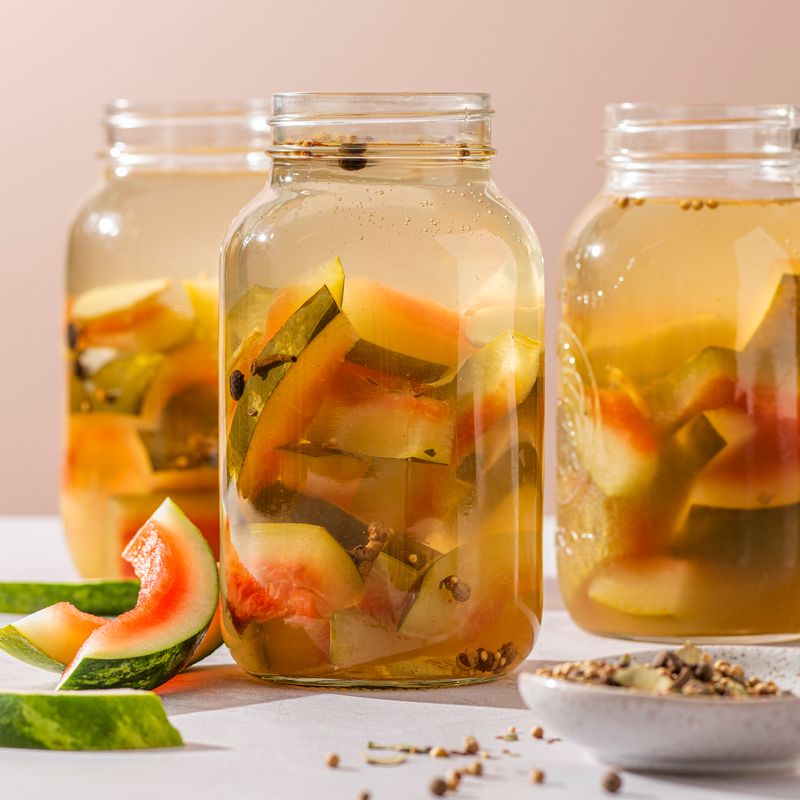
Most people scoop out the red flesh and toss the rind straight into the bin, but that crunchy white part is completely edible. It is packed with citrulline, an amino acid that supports blood flow and muscle recovery.
You can pickle it, stir-fry it, or even blend it into a smoothie.
It has a mild flavor that soaks up spices and seasonings beautifully, making it a surprisingly versatile kitchen ingredient.
2. Banana Peel
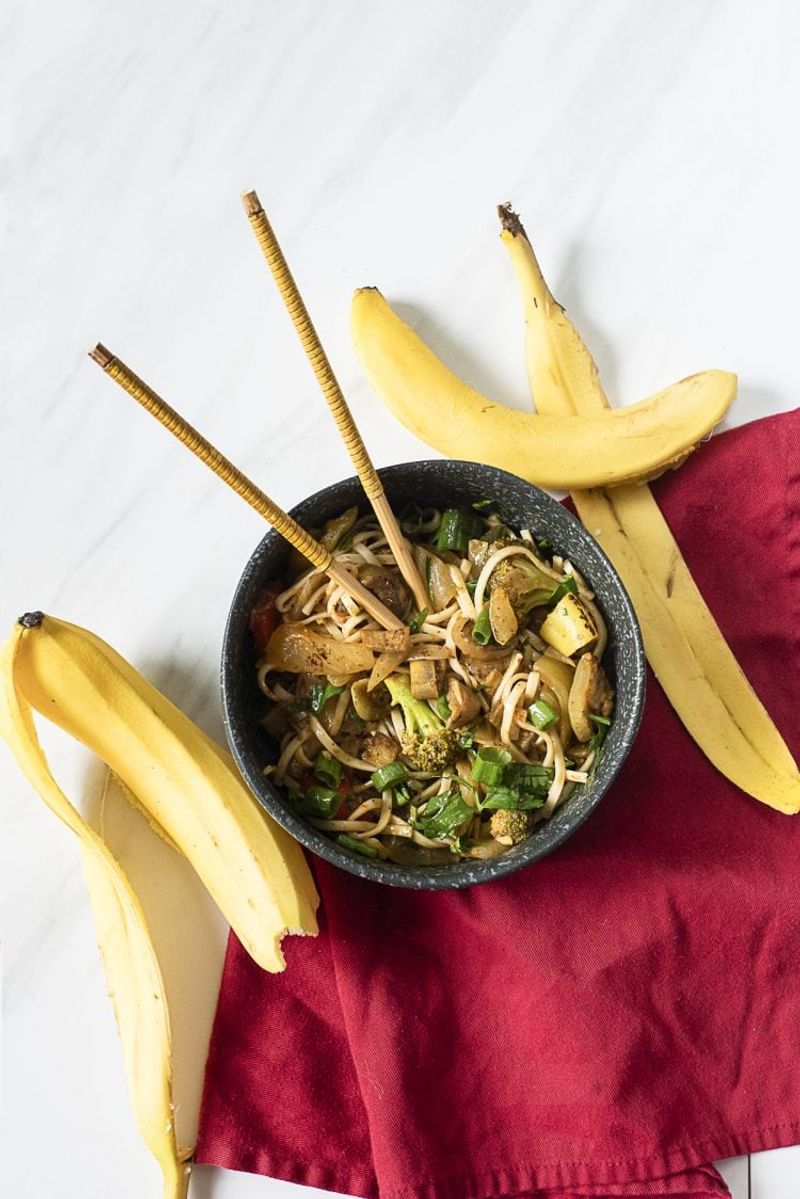
Banana peels have been eaten across South and Southeast Asia for centuries, and yet most Western kitchens treat them as pure waste. The peel is rich in fiber, potassium, and antioxidants that most people are unknowingly throwing away every morning.
When cooked, the texture becomes soft and slightly chewy, similar to pulled pork, making it a popular meat substitute. Try frying it with soy sauce, garlic, and smoked paprika for a savory treat.
3. Corn Silk
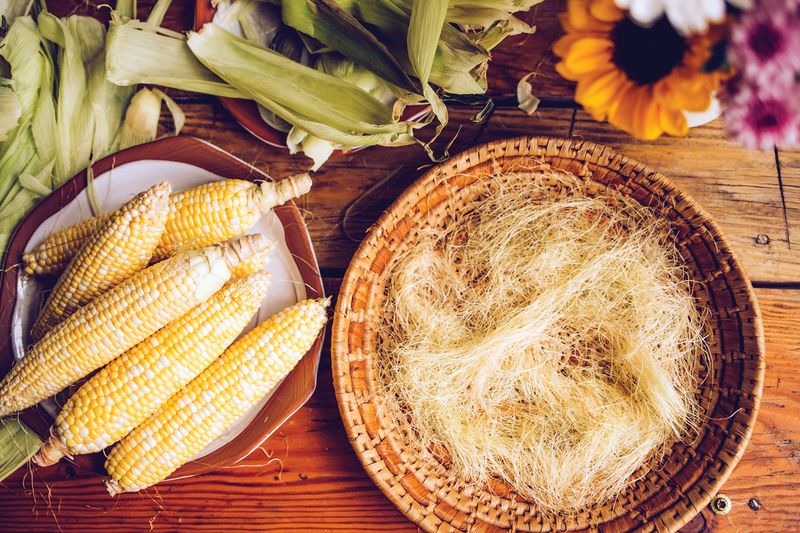
That stringy, thread-like stuff you rip off your corn before cooking? It actually has a long history in herbal medicine and cooking.
Corn silk contains vitamins C and K, along with antioxidants that may support kidney health and reduce inflammation.
You can brew it into a light, slightly sweet tea that has been used in traditional Chinese and Native American medicine for generations. It is one of those ingredients hiding in plain sight every summer.
4. Pineapple Core
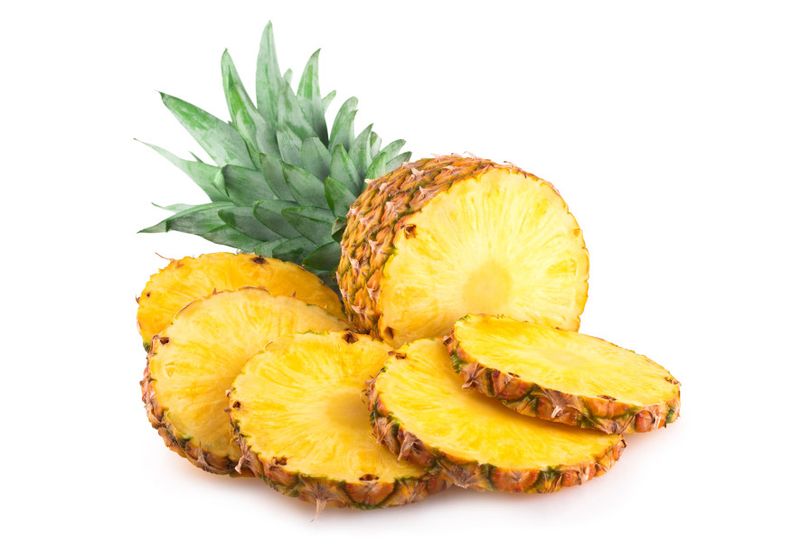
Almost everyone cuts around the tough, fibrous center of a pineapple and leaves it behind. However, the core is completely edible and actually contains higher concentrations of bromelain, a powerful enzyme known to aid digestion and reduce swelling.
It is harder than the flesh, sure, but blending it into smoothies or juicing it solves that problem instantly. Next time you prep a pineapple, try tossing the core into a tropical smoothie instead of the trash.
5. Broccoli Leaves
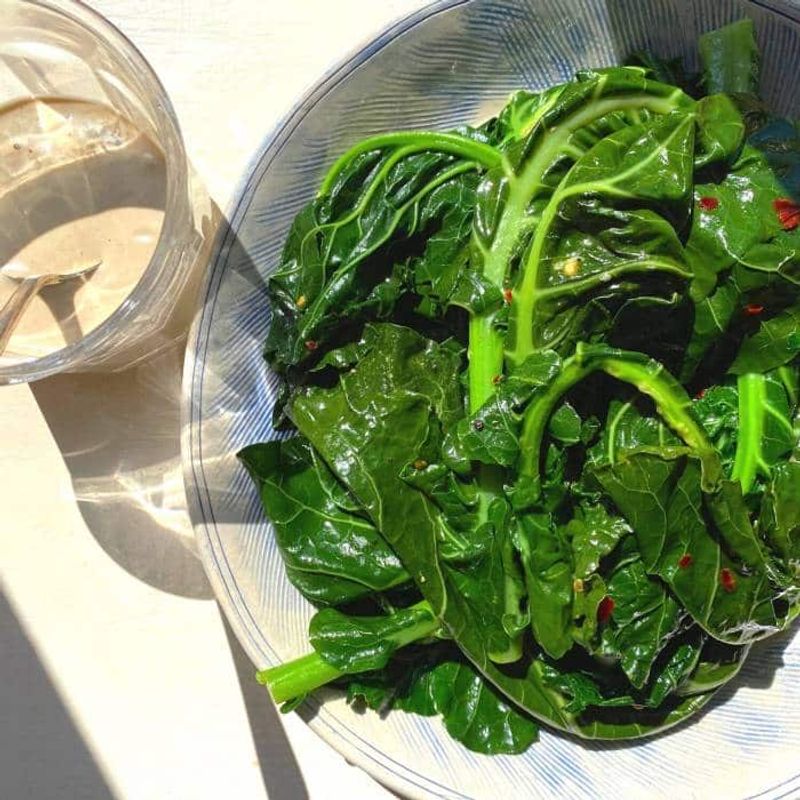
Broccoli leaves are the unsung heroes of the vegetable world. While everyone fights over the florets, the broad, dark green leaves get tossed aside, even though they are loaded with calcium, iron, and vitamins A and C.
They taste similar to kale or collard greens and can be sauteed, roasted, or added to soups without any fuss. Farmers have known about their value for years.
Home cooks are only just catching on to what they have been missing.
6. Avocado Pit
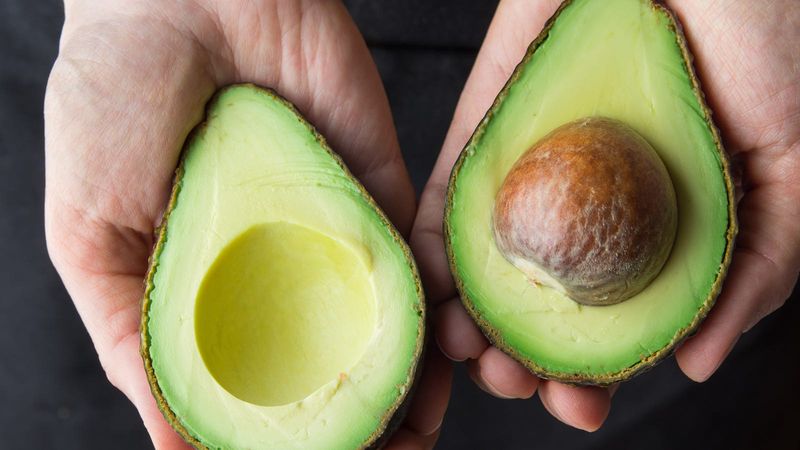
Before you throw that big brown avocado pit away, consider this: it contains more antioxidants than the green flesh itself. Some studies suggest the pit may have anti-inflammatory and antimicrobial properties that researchers are still working to fully understand.
You can dry it, grate it, and add small amounts to smoothies for a slightly bitter, earthy boost. It is also used in some natural food colorings and teas.
Think of it as the avocado’s secret weapon.
7. Citrus Peel
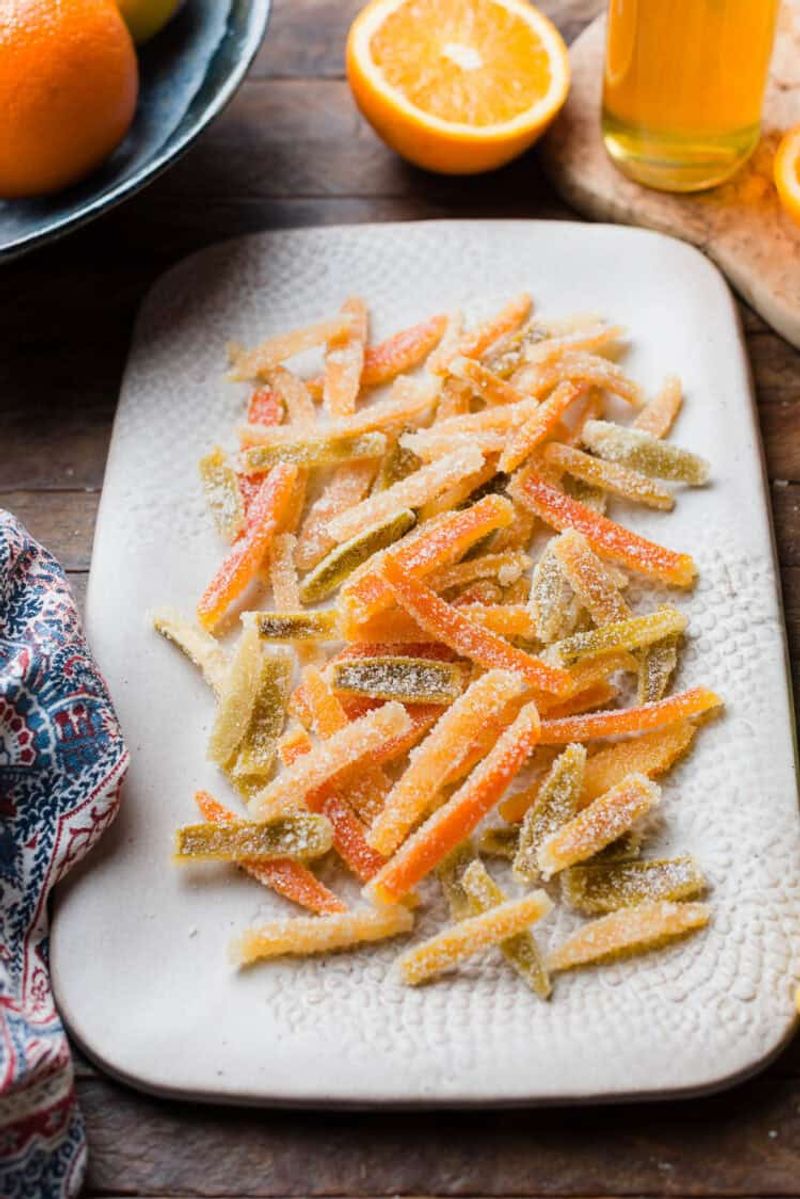
Orange, lemon, and lime peels are so much more than just fragrant garbage. The outer zest layer is bursting with essential oils, flavonoids, and vitamin C, and chefs around the world have used it to elevate both sweet and savory dishes for centuries.
Candied citrus peel is a classic treat. Zest stirred into pasta, salad dressings, or baked goods adds a bright pop of flavor.
Just make sure you wash the fruit thoroughly before using the skin.
8. Dandelion Greens
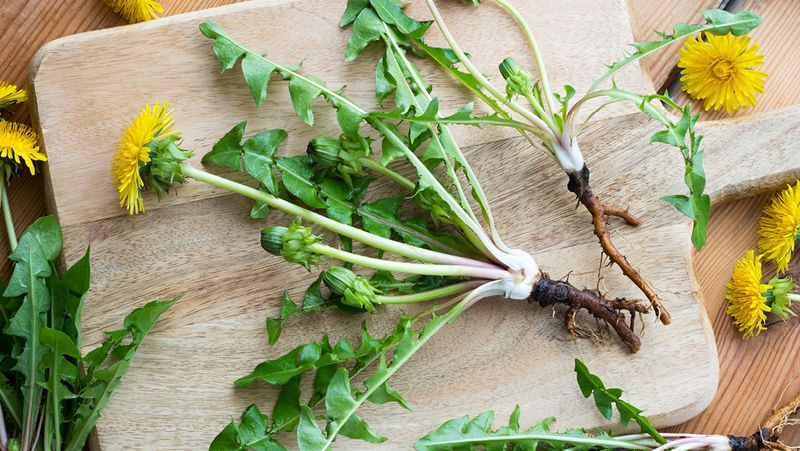
Most gardeners spend their weekends trying to get rid of dandelions, not realizing they are pulling up one of the most nutritious leafy greens around. Every part of the dandelion plant is edible, from the roots to the bright yellow flowers.
The leaves are slightly bitter, similar to arugula, and work wonderfully in salads, stir-fries, or blended into pesto. They are rich in vitamins A, C, and K, plus calcium and iron.
Your lawn might be a free salad bar.
9. Carrot Tops
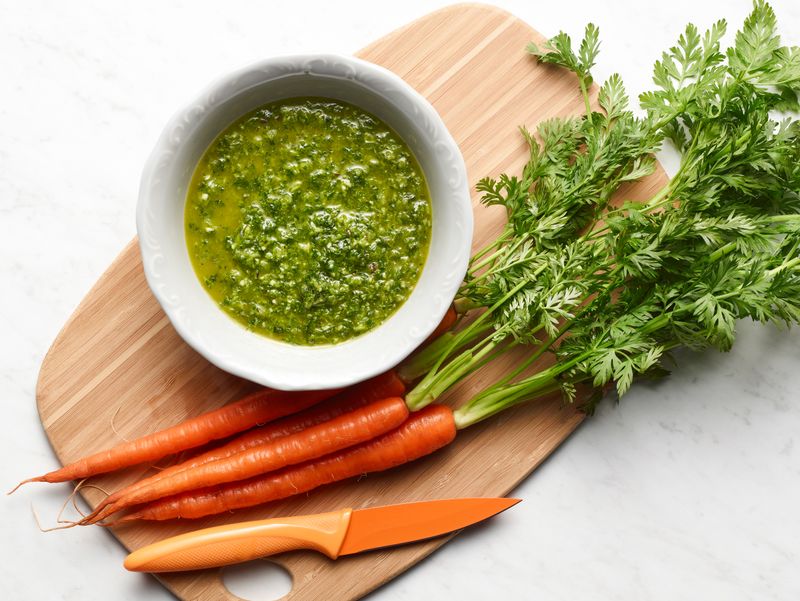
Carrot tops have a bit of a bad reputation, with some people mistakenly believing they are toxic. They are not.
The leafy green fronds are perfectly safe to eat and taste similar to flat-leaf parsley with a slightly earthy, herby edge.
You can blend them into chimichurri, toss them into soups, or use them as a garnish. They are rich in vitamin C and potassium, making them a genuinely useful addition to the kitchen rather than a composting afterthought.
10. Kiwi Skin
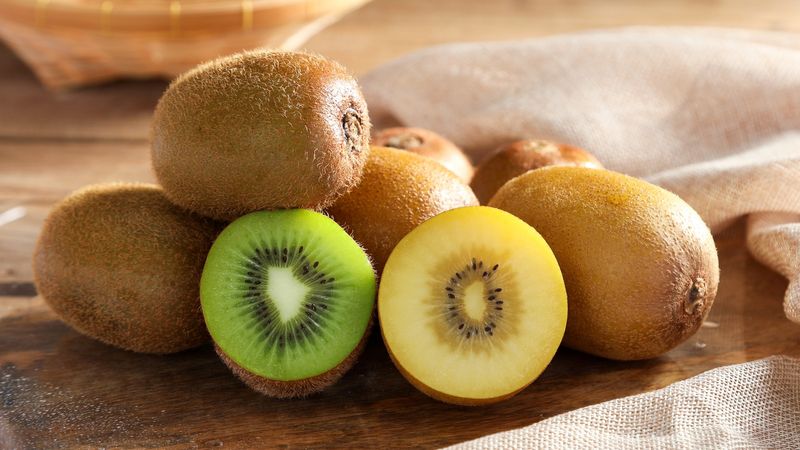
Fuzzy, slightly rough, and usually peeled without a second thought, kiwi skin is actually one of the most fiber-rich parts of the fruit. Research has shown that eating the skin increases the fiber content of a kiwi by around 50 percent compared to eating just the flesh.
The skin also contains high levels of folate and vitamin E. The fuzz softens when you rub the fruit gently, making it much easier to eat whole.
Give it a try before you peel it away.
11. Watermelon Seeds
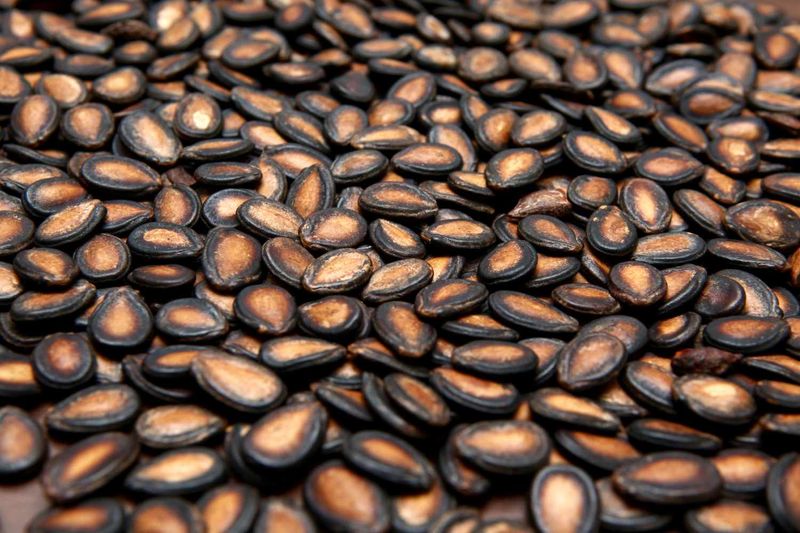
Spitting out watermelon seeds is basically a summer sport for most people. However, those little seeds are a nutritional goldmine that most of us casually discard at every backyard barbecue.
They are loaded with protein, magnesium, and healthy fats.
Roasting them with a little olive oil and sea salt turns them into a crunchy, satisfying snack that rivals any store-bought seed mix. In parts of West Africa and Asia, watermelon seeds have been eaten as a staple food for generations.
12. Squash Blossoms

Squash blossoms are one of those ingredients that feel like a fancy restaurant secret, but they grow right alongside the zucchini and butternut squash in your backyard or at your local farmers market. Both the male and female flowers are completely edible.
Stuffed with ricotta and herbs, then lightly fried in batter, they become an extraordinary appetizer. They can also be torn into salads or folded into omelets.
Their delicate, slightly sweet flavor disappears quickly after picking, so fresh is always best.
13. Grape Leaves

Grape leaves have been central to Mediterranean cooking for thousands of years, yet most people in other parts of the world walk past grapevines without ever thinking of the leaves as food. They have a mild, tangy flavor and a firm texture that holds up beautifully to cooking.
Stuffed with rice, herbs, and lemon juice, they become dolmades, a beloved Greek and Middle Eastern dish. Fresh leaves can also be blanched and used as edible wrappers for all kinds of savory fillings.
14. Papaya Seeds
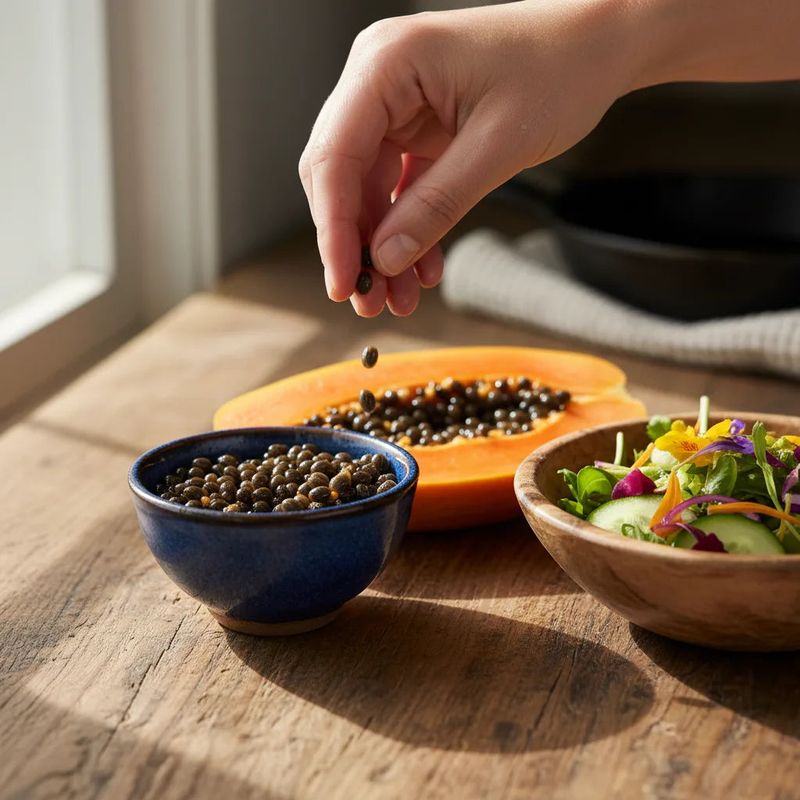
When you scoop out a papaya, those slippery black seeds usually go straight into the bin. However, they are completely edible and have a sharp, peppery flavor that is surprisingly bold and complex.
Some people describe the taste as a cross between black pepper and mustard.
You can dry them and grind them as a spice substitute for black pepper, or blend a few into salad dressings for a punchy kick. They also contain enzymes that may support digestive health.
15. Beet Greens
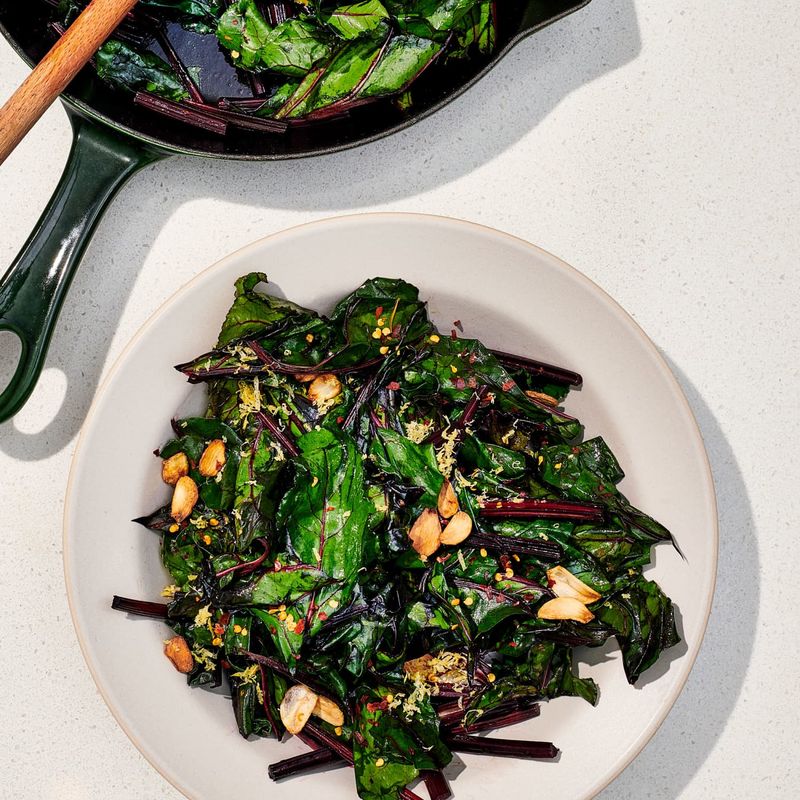
Beets get all the glory while their leafy tops get quietly tossed into the compost. Beet greens are actually one of the most nutrient-dense vegetables you can eat, containing impressive amounts of vitamin K, iron, calcium, and magnesium.
They taste similar to Swiss chard, which makes sense since the two plants are closely related. Saute them quickly with garlic and olive oil for a side dish that takes less than five minutes to prepare.
Stop throwing them away.
16. Eggshells
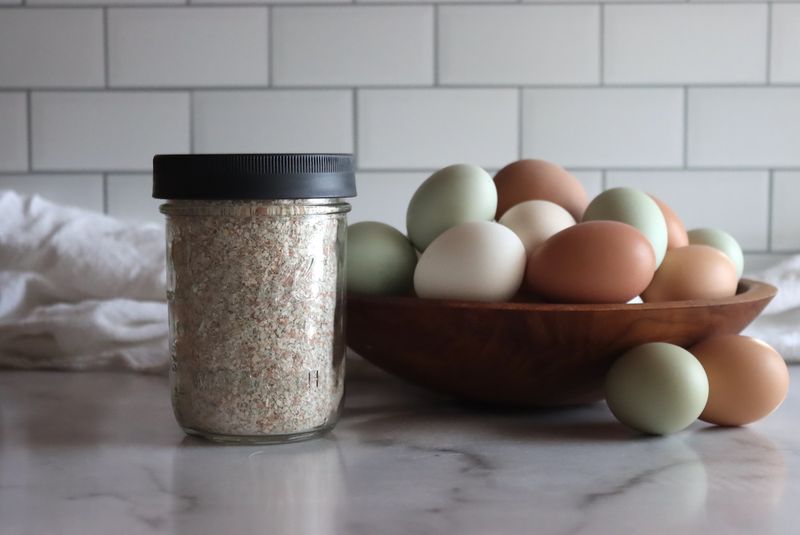
Eggshells might be the last thing anyone thinks of putting in their mouth, but they are almost entirely made of calcium carbonate, the same compound found in many calcium supplements sold at pharmacies. One eggshell contains roughly 800 milligrams of calcium.
You can grind clean, dried eggshells into a fine powder and stir it into smoothies or soups without any noticeable taste. It is one of the most affordable and overlooked ways to boost your daily calcium intake naturally.