
Young Frankenstein is one of the funniest movies ever made, and it has a fascinating story behind it. Released in 1974, this Mel Brooks classic has made audiences laugh for decades with its brilliant parody of old horror films.
But even die-hard fans might be surprised by some of the secrets, happy accidents, and behind-the-scenes moments that made this movie so special. Get ready to see this comedy legend in a whole new light.
1. Gene Wilder Came Up With the Whole Idea
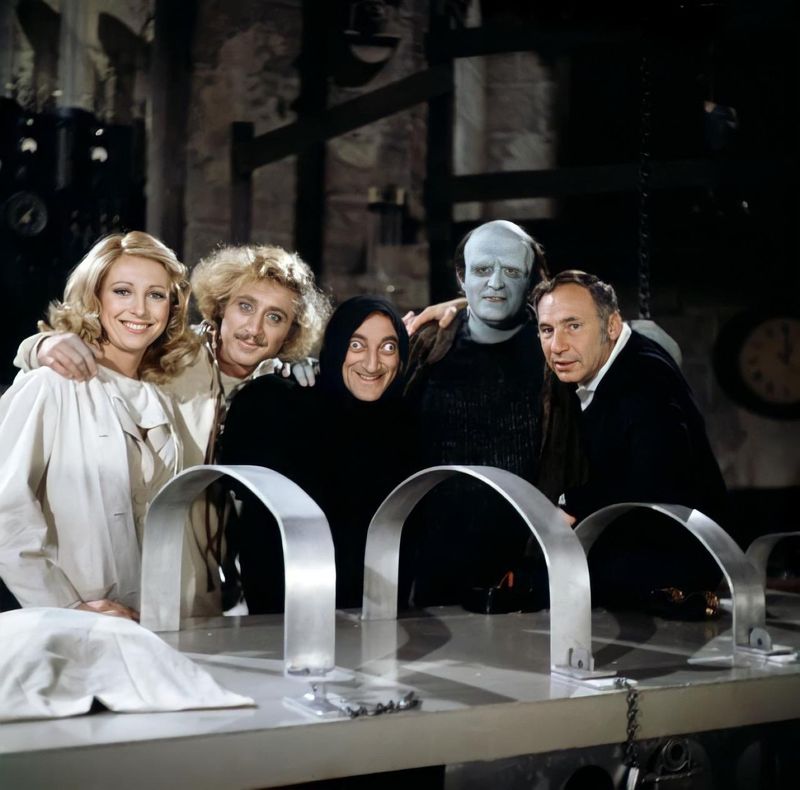
Before a single camera rolled, it was Gene Wilder who sparked the whole thing. While working on Blazing Saddles with Mel Brooks, Wilder pitched the idea for a Frankenstein parody.
Brooks loved it immediately, and the two agreed to co-write the script together. That creative partnership turned out to be comedy gold.
Without Wilder’s initial spark of inspiration, one of the most beloved comedy films in Hollywood history might never have existed at all.
2. Wilder and Brooks Wrote It Together
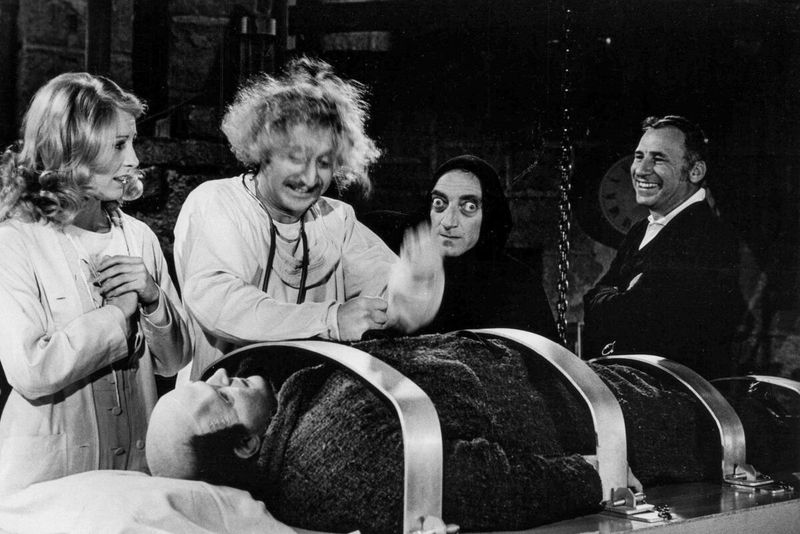
Co-writing a movie with your director is not that common, but Gene Wilder and Mel Brooks made it work beautifully. Wilder had strong opinions about the story and characters, and Brooks brought his signature wild energy to the table.
Together, they crafted a script that was sharp, silly, and surprisingly heartfelt.
The collaboration earned them an Academy Award nomination for Best Adapted Screenplay, which is a remarkable achievement for a comedy film.
3. Shot Entirely in Black and White on Purpose
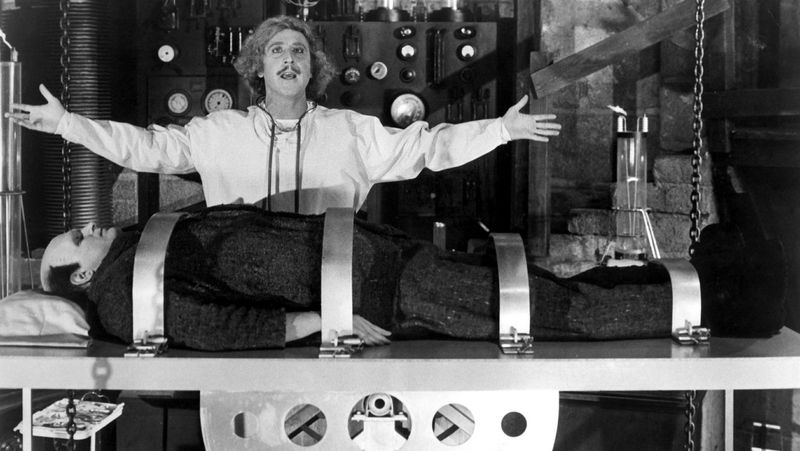
Choosing to film in black and white in 1974 was a bold creative decision. Most Hollywood movies had been made in color for years by then.
But Mel Brooks and Gene Wilder wanted Young Frankenstein to feel like an authentic old Universal horror film, so they committed fully to the classic look. The choice paid off brilliantly.
The black-and-white photography gives the movie an eerie atmosphere that makes the comedy land even harder by contrast.
4. The Lab Equipment Was the Real Deal
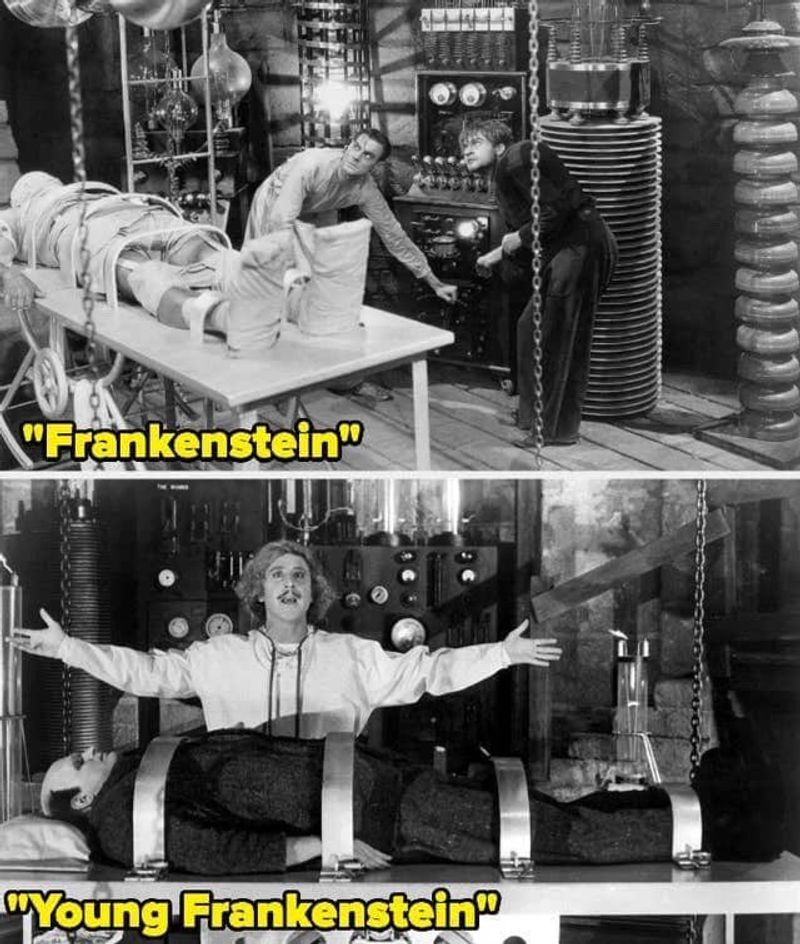
Here is a genuinely jaw-dropping fact: the wild, sparking lab equipment you see in the movie is the same gear used in the original 1931 Frankenstein film. It was created by inventor Kenneth Strickfaden and had been sitting in storage for decades.
Mel Brooks tracked it down and got permission to use it. Seeing that original equipment on screen gives Young Frankenstein an authentic connection to classic Hollywood horror that no modern prop could ever replicate.
5. Mel Brooks Almost Cut “Puttin’ on the Ritz”
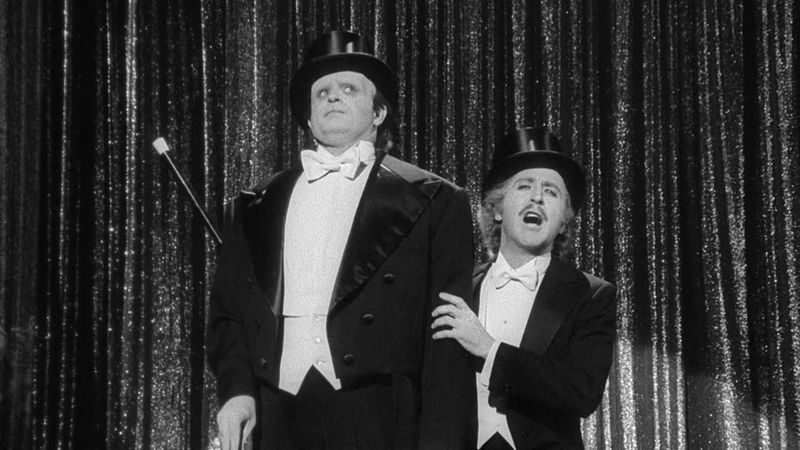
Can you imagine Young Frankenstein without that unforgettable tap-dancing scene? Mel Brooks wanted to cut it entirely, thinking it was too silly and out of place.
Gene Wilder fought hard to keep it in, insisting it was one of the funniest moments in the whole film. Brooks eventually gave in, and history proved Wilder right.
“Puttin’ on the Ritz” became one of the most quoted and celebrated scenes in comedy movie history.
6. Wilder Asked Brooks to Stay Off Camera
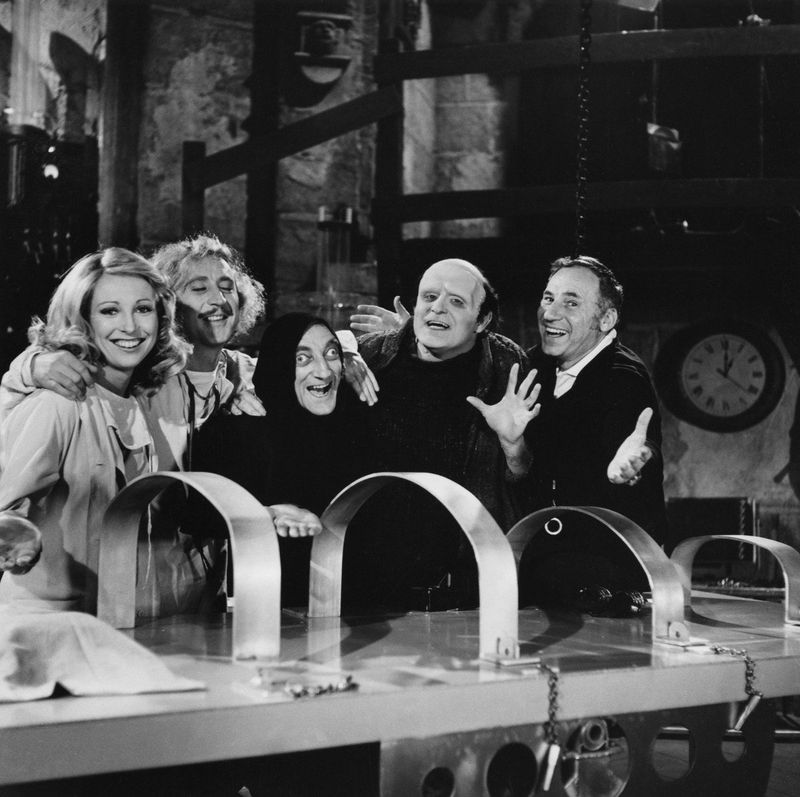
Mel Brooks loves putting himself in his own movies, but Young Frankenstein was different. Gene Wilder specifically asked Brooks not to appear in a major on-screen role, worried it would remind audiences they were watching a comedy and break the spell of the story.
Brooks respected the request. He did sneak in some voice work and a brief appearance as a Transylvanian villager, but he mostly stayed behind the camera for this one.
7. Marty Feldman’s Traveling Hump Was Improvised
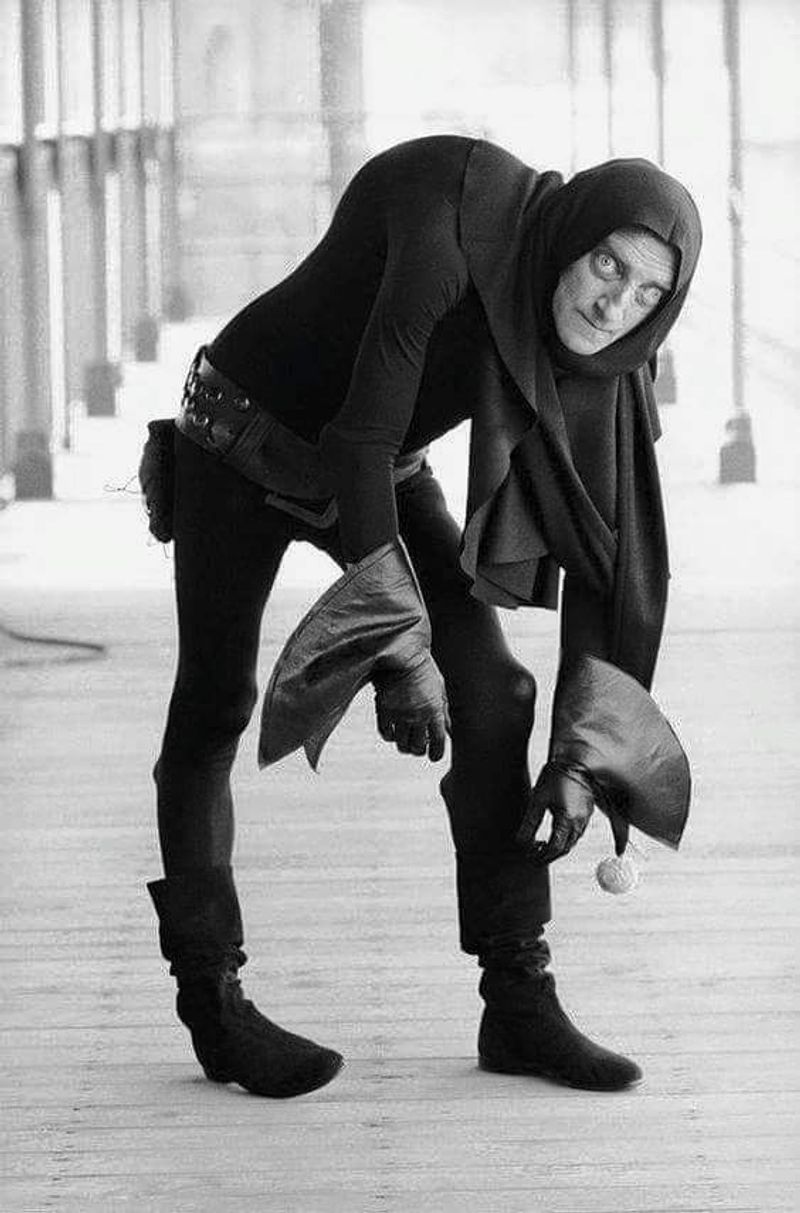
Marty Feldman was a comedy genius, and his performance as Igor proves it. The running gag where Igor’s hump keeps mysteriously switching sides throughout the film was never in the script.
Feldman came up with it entirely on his own and just started doing it. Nobody told him to stop, and the joke made it into the final cut.
That kind of spontaneous comedic instinct is exactly what makes a great character actor unforgettable.
8. “Walk This Way” Inspired an Aerosmith Hit
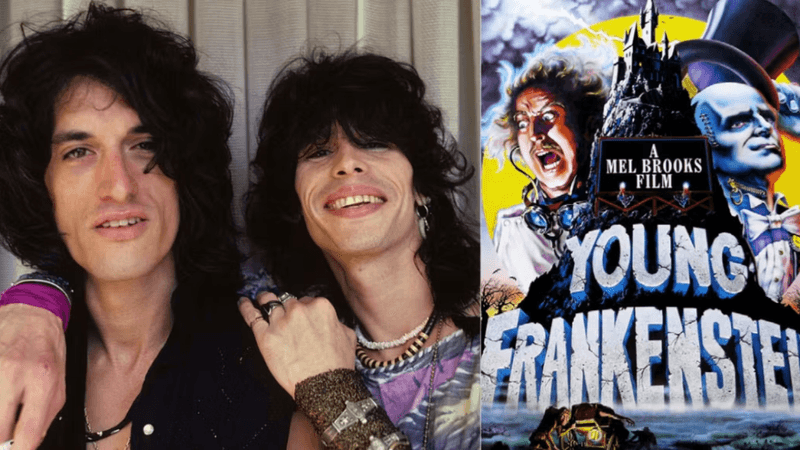
Igor’s iconic line “Walk this way” did more than get a laugh in the movie. It directly inspired Aerosmith’s smash hit song of the same name.
Steven Tyler and Joe Perry were such fans of the joke that they named their track after it. The 1975 song became one of Aerosmith’s most famous recordings and was later remade with Run-D.M.C. in 1986, becoming a landmark moment in music history.
Not bad for a single movie gag.
9. Gene Hackman Begged for His Cameo Role
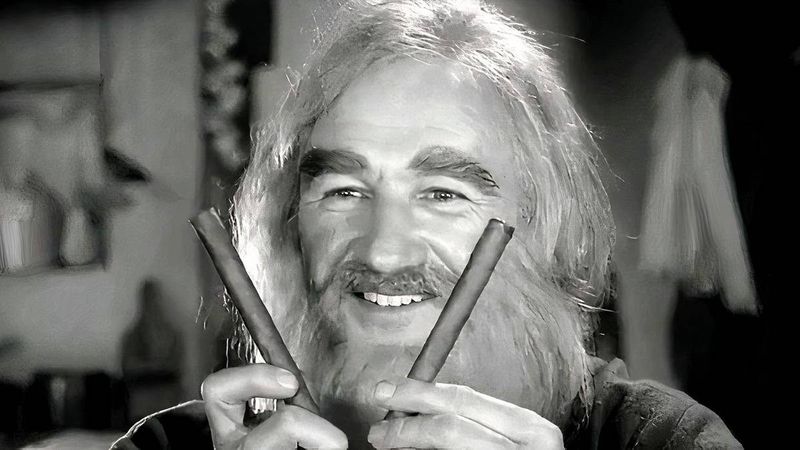
Most actors need to be convinced to take on small, uncredited parts. Gene Hackman was the opposite.
He personally reached out to Gene Wilder and asked to play the blind hermit. At the time, Hackman was already an Oscar-winning star, which made his enthusiasm for a tiny comedy cameo all the more charming.
His scene with the Monster is hilarious and completely unpredictable, and knowing he chased down the role himself makes it even more delightful.
10. Hackman Ad-Libbed the Espresso Line
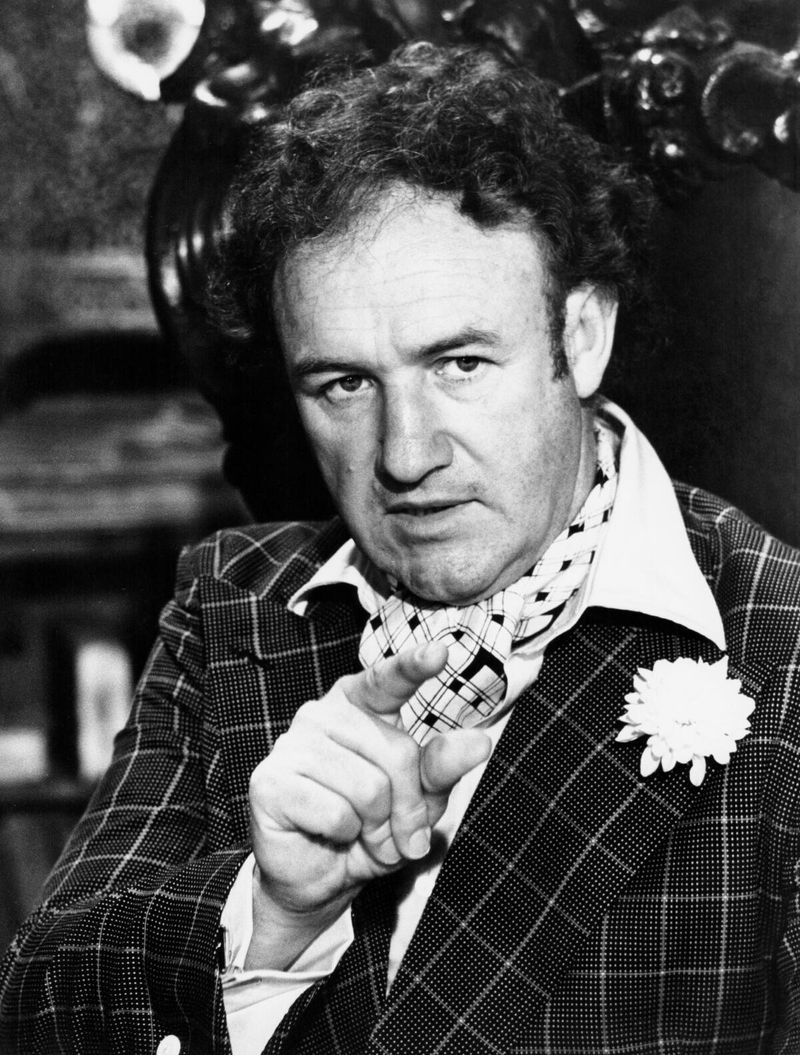
“I was gonna make espresso!” was not written in the script. Gene Hackman improvised that line during filming, and it landed so perfectly that it stayed in the final cut.
The joke catches you completely off guard, which is exactly what makes it so funny.
Great comedy often lives in those unscripted moments when a talented actor trusts their instincts. Hackman’s natural timing turned a small scene into one of the film’s most quoted moments.
11. The Crew Laughed So Hard Filming Had to Stop
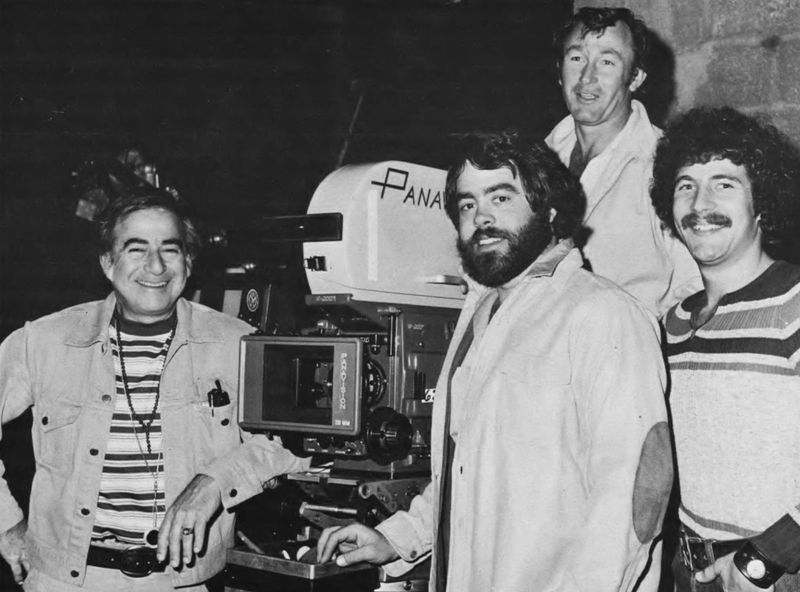
Right after Hackman delivered his improvised espresso line, the entire film crew lost it. The laughter was so loud and uncontrollable that continuing the scene was impossible, so the film simply faded to black.
Rather than a polished ending, the scene wraps up because nobody could keep a straight face. That spontaneous moment of pure joy became a permanent part of the movie, reminding us that sometimes the funniest things happen completely by accident on set.
12. Peter Boyle Met His Future Wife on Set
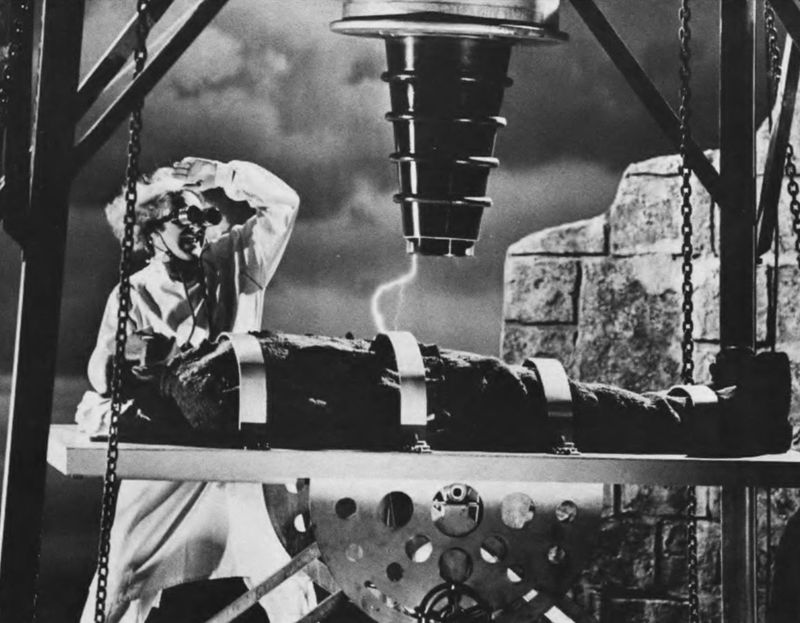
Peter Boyle played the Monster with surprising heart and humor, but the most romantic thing to happen during filming had nothing to do with the script. Boyle met Loraine Alterman, a reporter from Rolling Stone magazine who was covering the production, while on set.
The two fell in love and eventually got married. It is a genuinely sweet story that proves sometimes the best thing a movie set can produce is not a great scene but a great relationship.
13. Elizabeth and Inga Were Almost Swapped
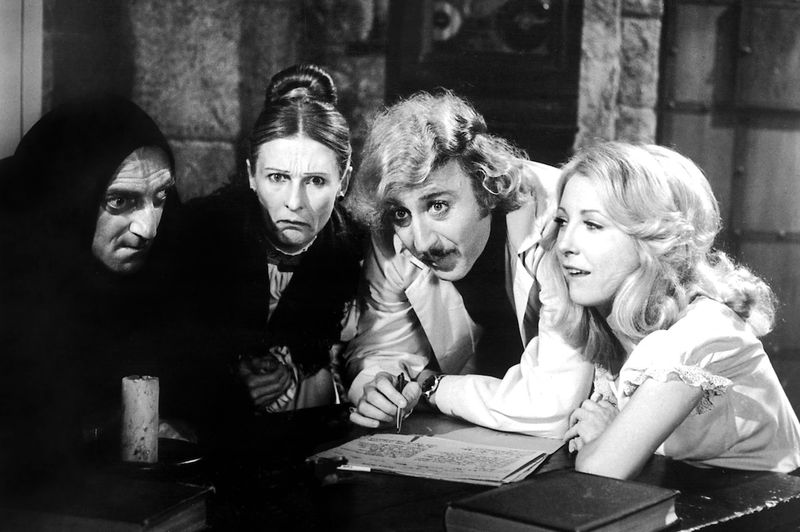
Casting choices can completely change a movie’s personality. Originally, Teri Garr auditioned for the role of Elizabeth, while Madeline Kahn was considered for the bubbly Inga.
The roles ended up being swapped, and the results were perfect. Kahn’s hilariously dramatic Elizabeth and Garr’s warm, flirtatious Inga became iconic characters exactly as cast.
It is fascinating to wonder how different the film would have felt if those two talented actresses had played each other’s parts instead.
14. Cloris Leachman Designed Frau Blucher Herself
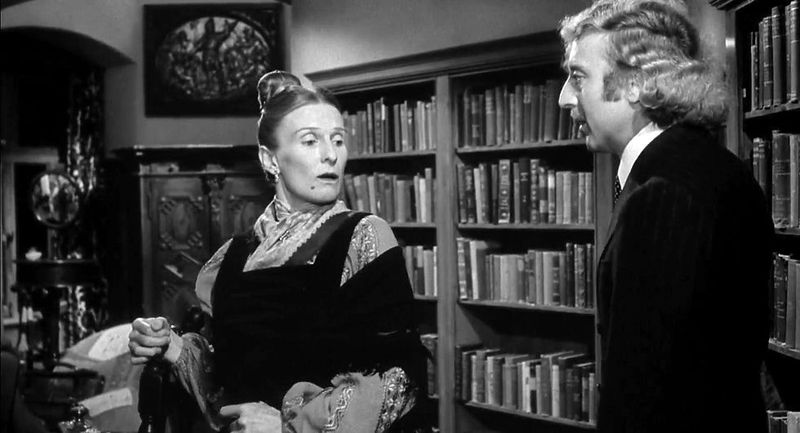
Frau Blucher is one of the most memorable characters in the film, and a lot of that is thanks to Cloris Leachman’s personal creative touch. She did her own makeup for the role and came up with the wart on the character’s nose entirely on her own.
That small detail added so much to the character’s creepy, commanding presence.
Leachman won an Oscar earlier in her career, and her commitment to Frau Blucher shows that same dedication to craft.
15. The Film Made an Enormous Profit
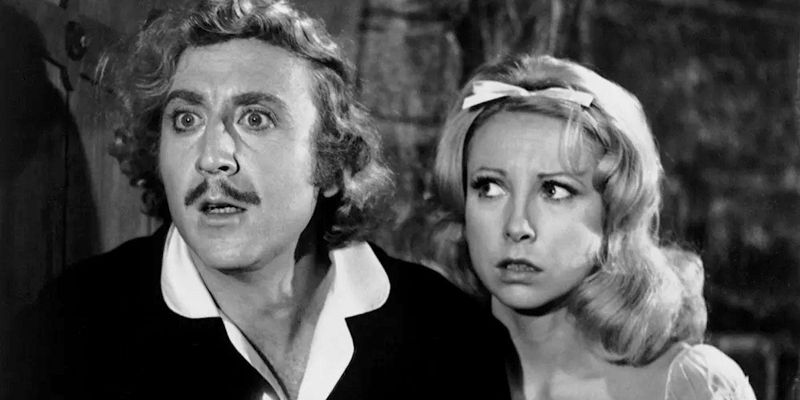
Young Frankenstein was not just a critical darling. It was a massive financial hit.
Made on a budget of just $2.78 million, the film went on to gross $86.2 million at the box office. That is an extraordinary return on investment by any standard.
The numbers tell a clear story: audiences absolutely adored this movie. Even without big special effects or a massive Hollywood budget, sharp writing and brilliant performances can fill theaters around the world.
16. It Earned Two Academy Award Nominations
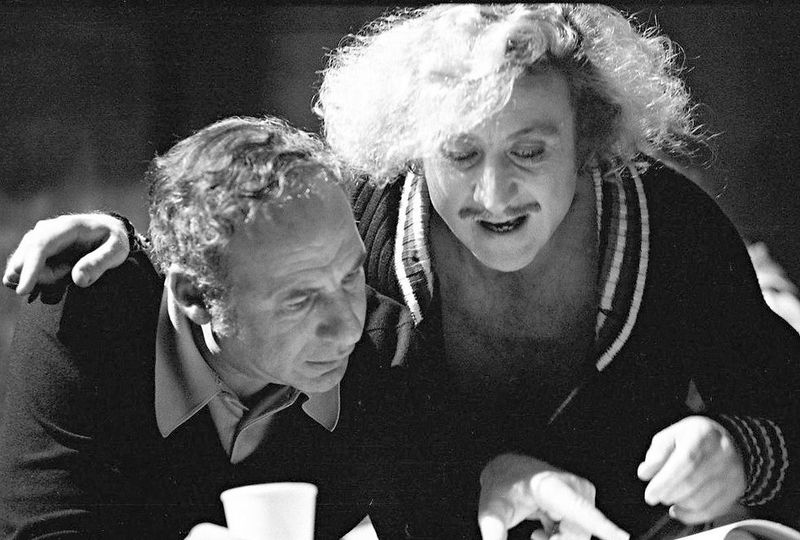
Comedies rarely get serious awards attention, but Young Frankenstein broke that pattern. The film received two Academy Award nominations: one for Best Adapted Screenplay, shared by Mel Brooks and Gene Wilder, and one for Best Sound.
Getting recognized by the Academy for a comedy parody was a remarkable achievement and showed just how much craft went into making the film.
It remains one of the most celebrated comedy films in Oscar nomination history, even decades later.