
Most people only see the polished dining room, the carefully plated dishes, and the smiling servers. But behind those swinging kitchen doors, a whole different world is happening at full speed.
Restaurant kitchens are loud, hot, and surprisingly organized in ways most diners never imagine. Pull back the curtain and get ready to see what really goes on when the orders start rolling in.
1. The Controlled Chaos That Actually Works
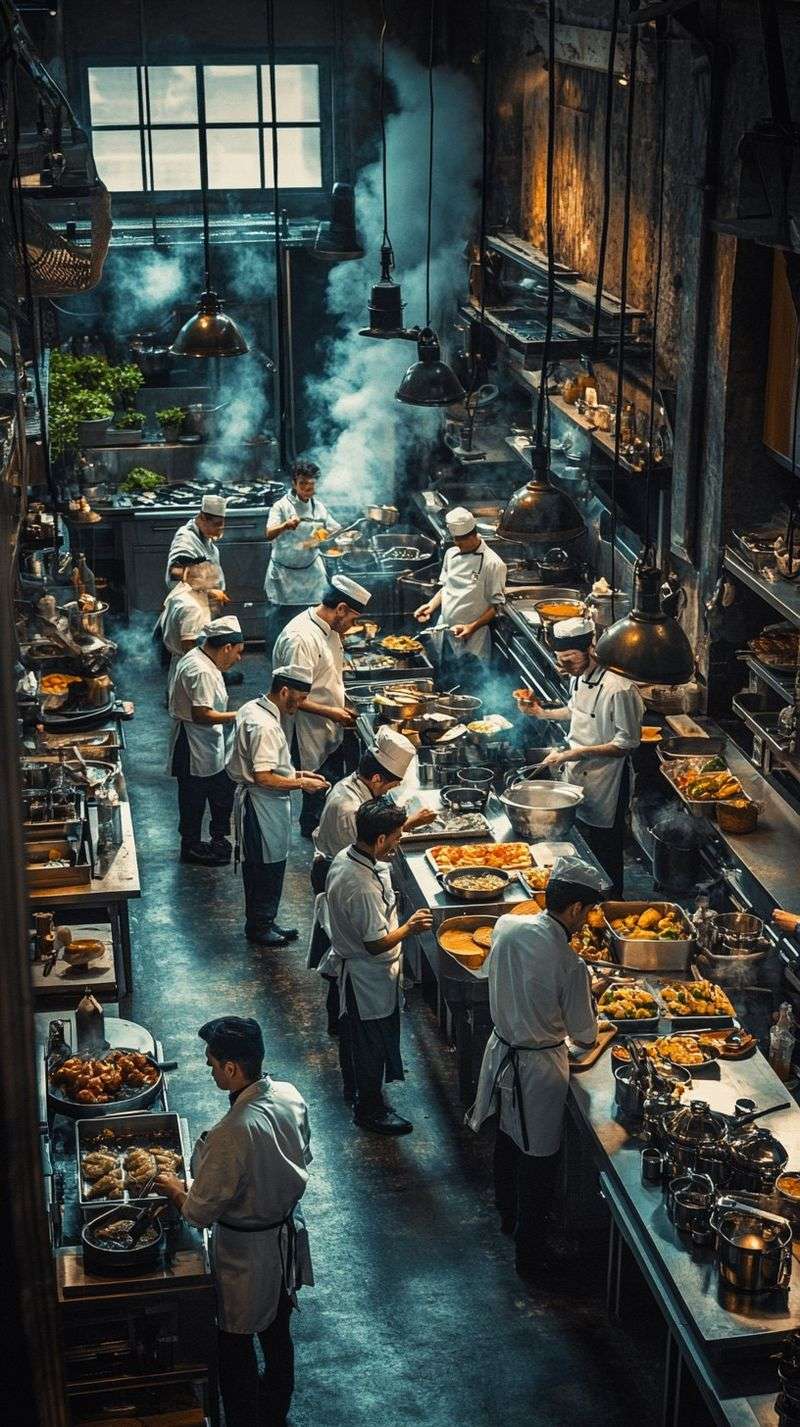
Walk into any busy kitchen mid-service and your first thought might be panic. People are shouting, pans are clanging, and everyone seems to be moving at once.
But look closer and you will see something remarkable: it is organized chaos with a clear system behind it.
Every cook knows their station, their timing, and their role. The chaos is actually a finely tuned rhythm that keeps hundreds of meals moving without missing a beat.
2. Chefs Communicate in Their Own Language
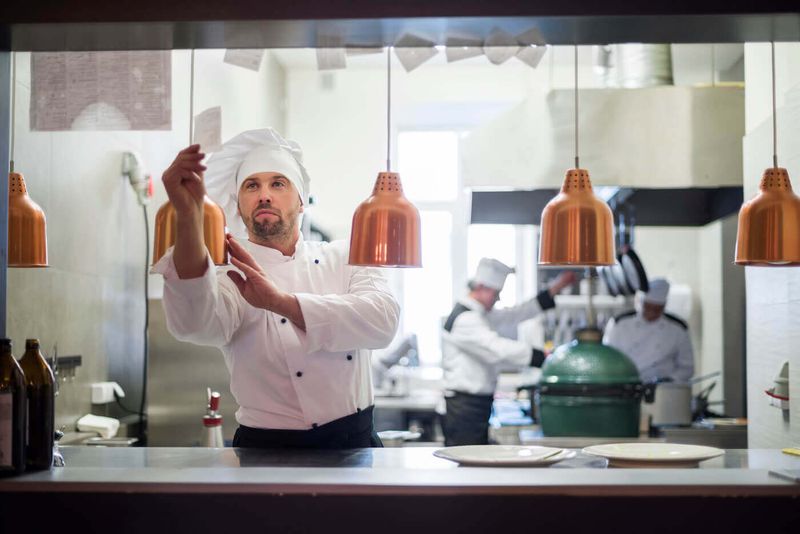
“Heard!” “Behind!” “Corner!” If you stood in a working kitchen, you would hear these words dozens of times per hour. Kitchen staff use a shorthand language to stay safe and keep things moving without long conversations slowing anyone down.
“Behind” means someone is passing closely, so you do not swing around with a hot pan. “All day” means the total count of a dish needed right now. Learning this language is one of the first things new cooks master.
3. The Expeditor Is the Real Traffic Controller
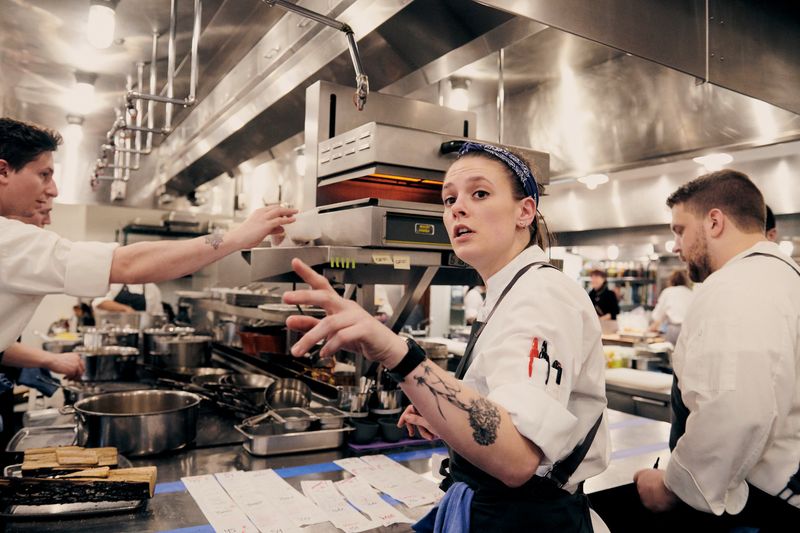
Somewhere between the kitchen and the dining room stands one of the most important people in the building. The expeditor, often called “the expo,” controls the flow of every single plate that leaves the kitchen.
They read the tickets, call out orders to each station, and make sure every dish on a table goes out at the same time. Without a sharp expo, tables get incomplete orders and kitchens fall behind fast.
It is a high-pressure, detail-obsessed job.
4. Prep Work Takes Up Most of the Day
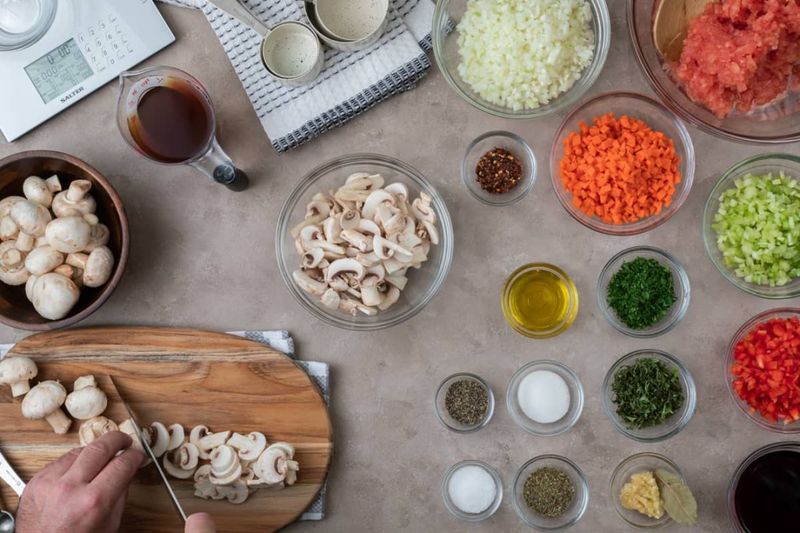
Long before the first guest sits down, cooks have already been working for hours. Prep work, which includes chopping, measuring, marinating, and portioning, is the backbone of every smooth dinner service.
Restaurants live by the French phrase “mise en place,” meaning everything in its place. When service starts, there is no time to dice an onion from scratch.
Every ingredient must be prepped, labeled, and ready to go. Good prep work is what separates a smooth service from a disaster.
5. Tickets Never Stop Piling Up on Busy Nights
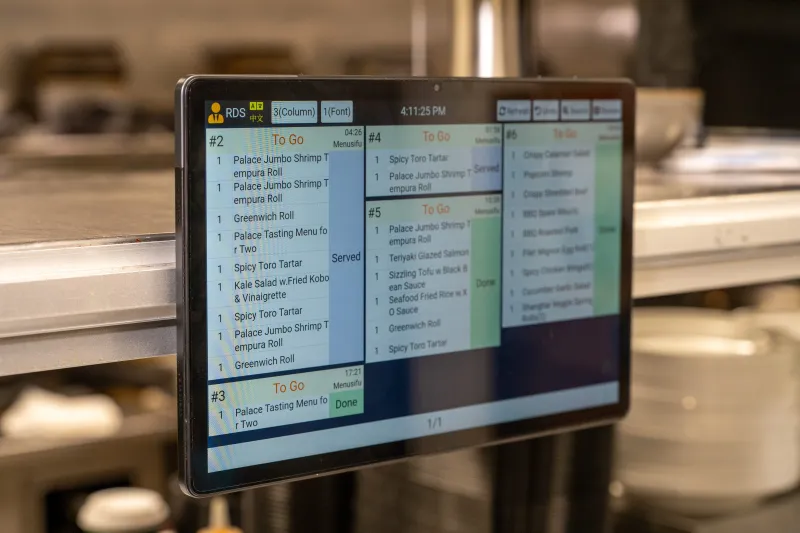
On a packed Friday night, order tickets come in so fast they practically blur together. Each ticket represents a table, a set of dishes, and a specific timing challenge.
Cooks have to read them quickly, prioritize correctly, and never lose track of where each table is in the process.
Falling behind on tickets creates a ripple effect that can throw off the whole kitchen. Experienced cooks learn to work the rail without panic, staying focused even when it looks impossible.
6. Burning Yourself Is Almost a Badge of Honor
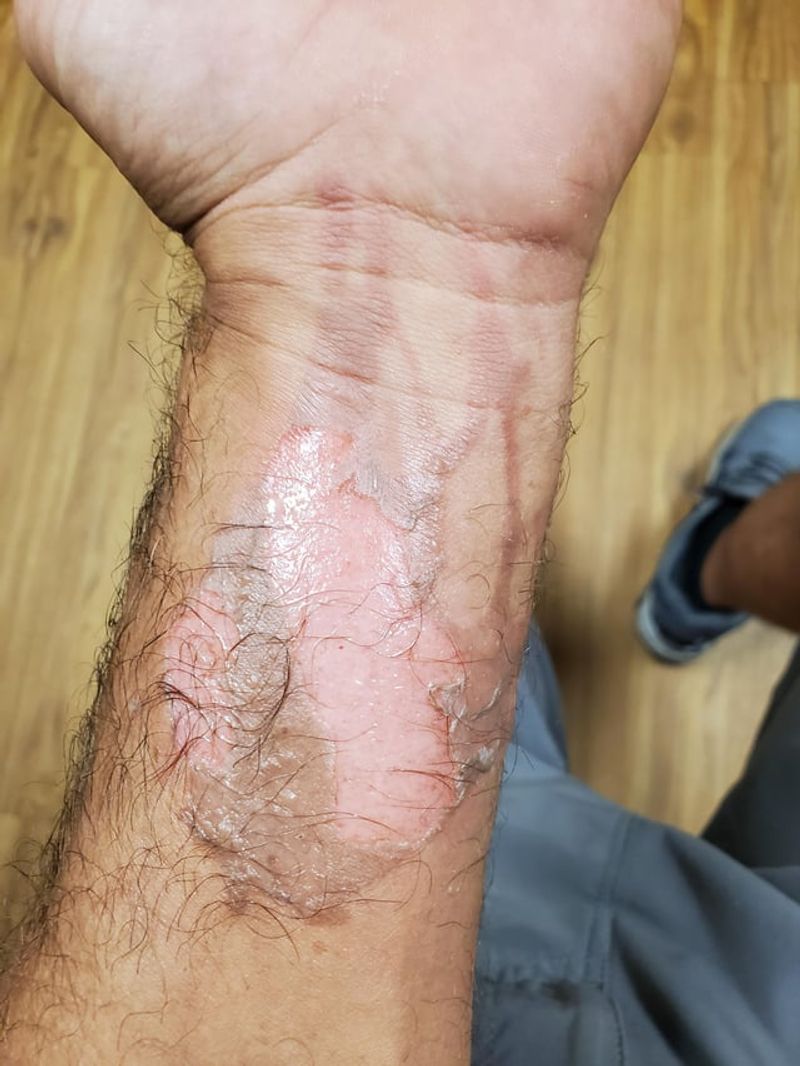
Ask any line cook to show you their arms and you will likely see a map of small burns and scars. Hot pans, splattering oil, and oven racks are constant hazards in a professional kitchen.
Burns happen, and experienced cooks barely flinch anymore.
It sounds rough, but kitchen veterans often wear these marks as proof of time spent on the line. New cooks learn quickly to respect the heat, use proper towels, and move carefully even when everything around them is moving fast.
7. Food Waste Is a Constant Battle
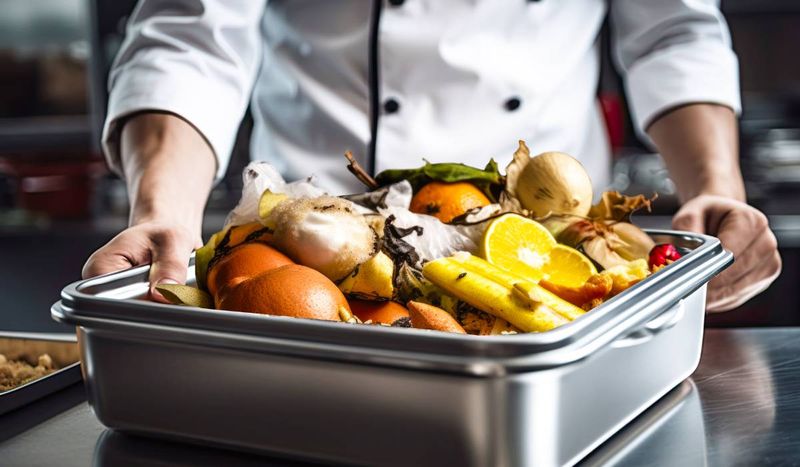
Waste costs restaurants serious money, so kitchens work hard to use every usable scrap. Vegetable trimmings become stock.
Day-old bread turns into croutons or breadcrumbs. Fish bones and shrimp shells get simmered into rich sauces.
Smart chefs plan their menus around reducing waste creatively rather than throwing things away. Some kitchens track waste daily to find patterns and cut losses.
It is not just about saving money – it is a point of professional pride for cooks who respect their ingredients.
8. The Walk-In Refrigerator Has Its Own Social Life
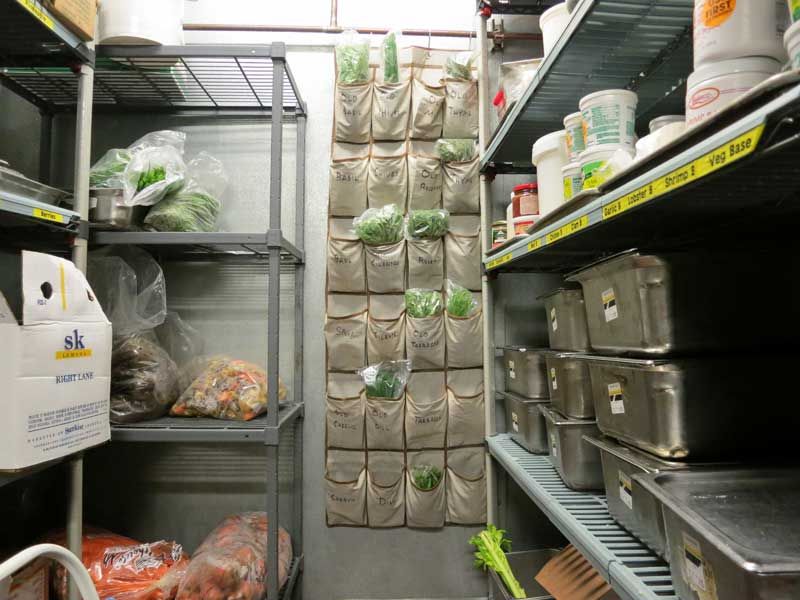
The walk-in refrigerator is cold, cramped, and surprisingly social. Staff duck in there to grab ingredients, but it also doubles as a quick escape from the heat and noise of the kitchen floor.
You will often find two cooks having a 30-second conversation in the walk-in that would be impossible to hold over the roar of the stoves. It is where gossip gets shared, frustrations get vented quietly, and occasionally, someone just stands there for a moment of chilly peace before heading back out.
9. Speed and Accuracy Have to Coexist
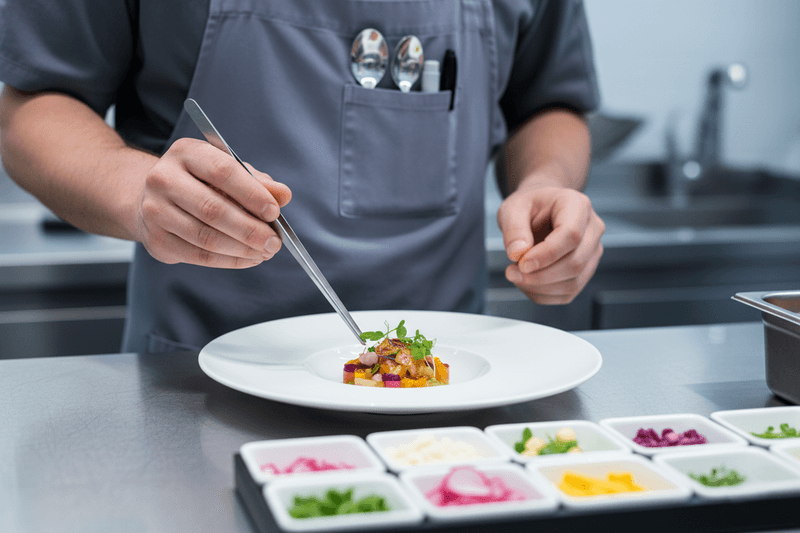
Going fast is not enough in a professional kitchen. You also have to be right every single time.
A steak cooked to the wrong temperature or a dish missing an ingredient can send everything back, wasting time and frustrating the whole team.
Cooks train themselves to work quickly without cutting corners on quality. It takes months of repetition to build that muscle memory.
The best line cooks make it look effortless, but behind that calm is intense focus running at full speed.
10. Every Kitchen Has a Pecking Order
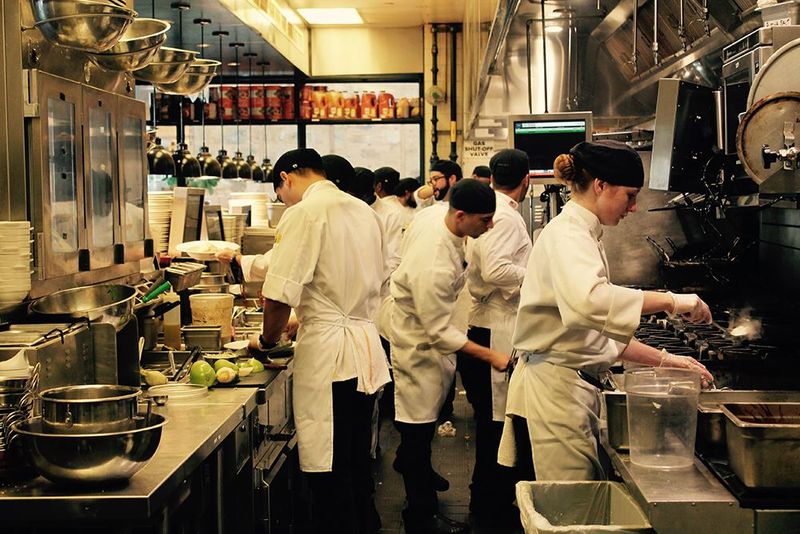
Restaurant kitchens run on a clear hierarchy called the brigade system, originally developed by French chef Auguste Escoffier in the late 1800s. At the top sits the executive or head chef.
Below them are sous chefs, line cooks, prep cooks, and dishwashers.
Everyone knows their rank, and crossing that line without earning it creates tension fast. New cooks start at the bottom and work their way up through skill and reliability.
Respect in a kitchen is earned through hard work, not given freely.
11. Dishwashers Keep the Whole Operation Alive
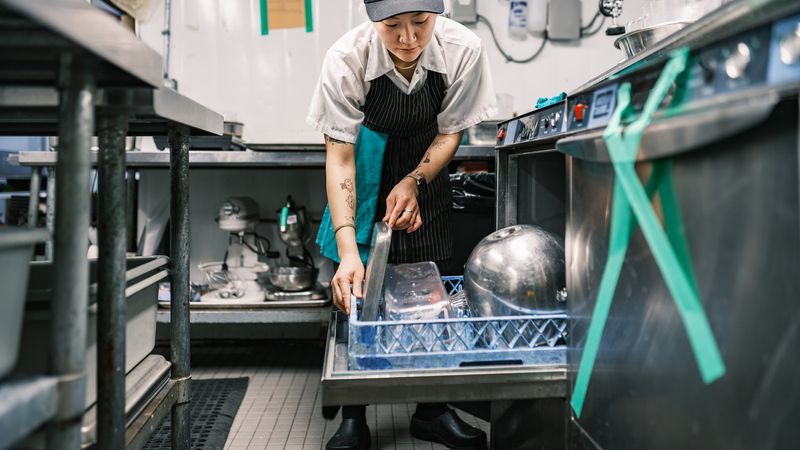
Cooks get the glory, but dishwashers hold the kitchen together in ways most people overlook. Without clean plates, pans, and utensils cycling back constantly, service grinds to a halt within minutes.
Many famous chefs, including Gordon Ramsay and Anthony Bourdain, have talked about starting their careers washing dishes. It is one of the hardest physical jobs in the building, and a great dishwasher is worth their weight in gold.
Smart kitchens treat their dish staff with genuine respect.
12. Family Meal Brings the Whole Team Together

Before service starts, many restaurants feed their entire staff a meal called “family meal.” It is usually made from leftover ingredients or simple, filling dishes put together quickly by a rotating cook.
Family meal is more than just food – it is a bonding ritual. It gives the team a moment to breathe, connect, and mentally shift into service mode together.
Some chefs use it as a creative exercise, challenging themselves to make something delicious out of whatever needs to be used up that day.
13. Health Inspections Keep Everyone on Their Toes
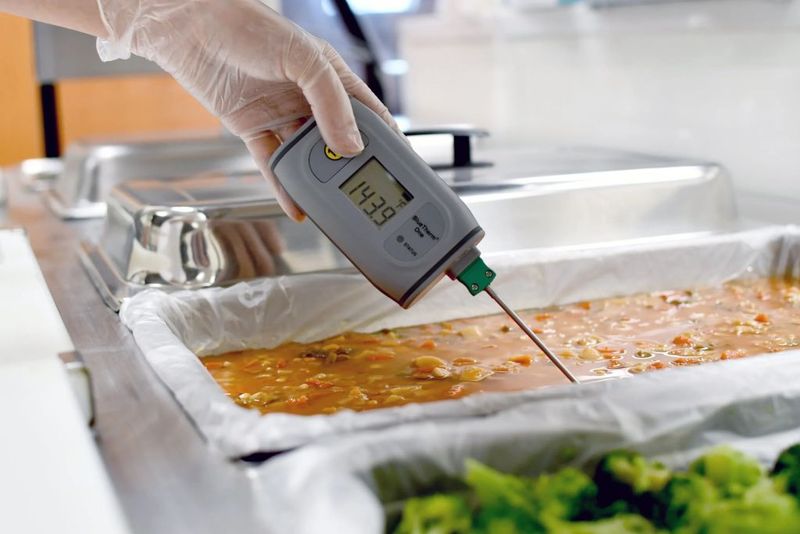
Health inspectors can walk through the door unannounced, and every kitchen worth its reputation treats every day like an inspection day. Proper food temperatures, clean surfaces, correct labeling, and organized storage are not optional – they are survival basics.
Failing an inspection can mean fines, forced closures, and serious damage to a restaurant’s reputation. Smart kitchen managers run internal checks regularly so that nothing is ever a surprise.
Cleanliness in a professional kitchen is not just about appearances – it genuinely protects every person who eats there.
14. Plating a Dish Is Treated Like Fine Art
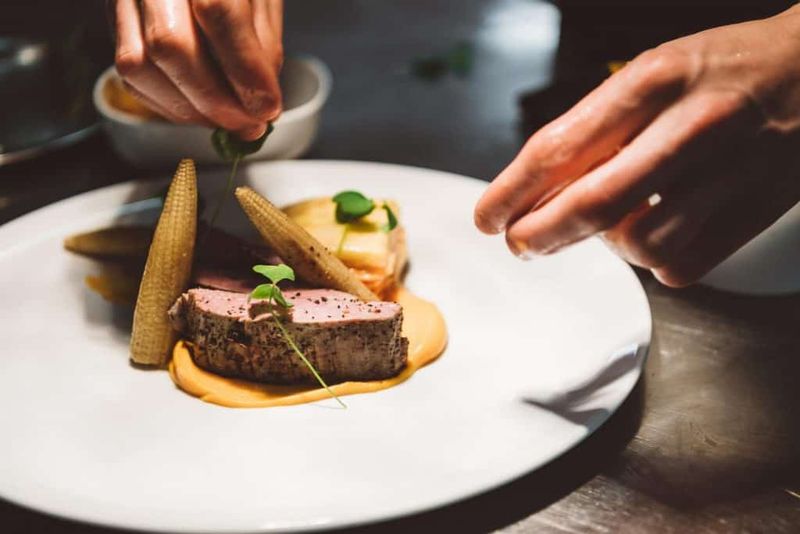
Flavor gets you halfway there, but presentation seals the deal. In serious kitchens, plating a dish is approached with the same care a painter gives a canvas.
Every swipe of sauce, every garnish, and every portion placement is intentional.
Some chefs use tweezers to place tiny herbs with pinpoint accuracy. Plates are wiped clean of any smudges before leaving the pass.
Guests eat with their eyes first, so a dish that looks stunning before the first bite already has a head start on a great experience.
15. Tempers Can Flare Under the Pressure
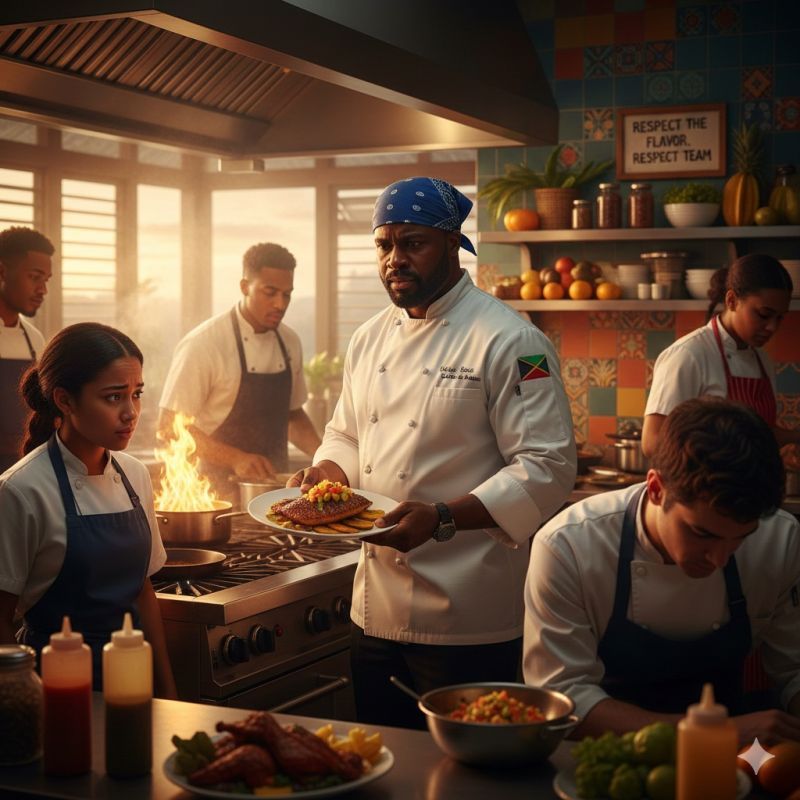
Heat, exhaustion, hunger, and non-stop pressure are a recipe for short tempers. Kitchen conflicts happen, and anyone who claims otherwise has never worked a packed Saturday night service.
Words get sharp, voices rise, and frustration boils over fast.
The best kitchens recover quickly because the team respects each other even when tensions spike. Good chefs know how to redirect energy without letting conflict derail the service.
After the shift, many of those same people are laughing together over a cold drink.
16. The End of Service Brings a Quiet Kind of Triumph
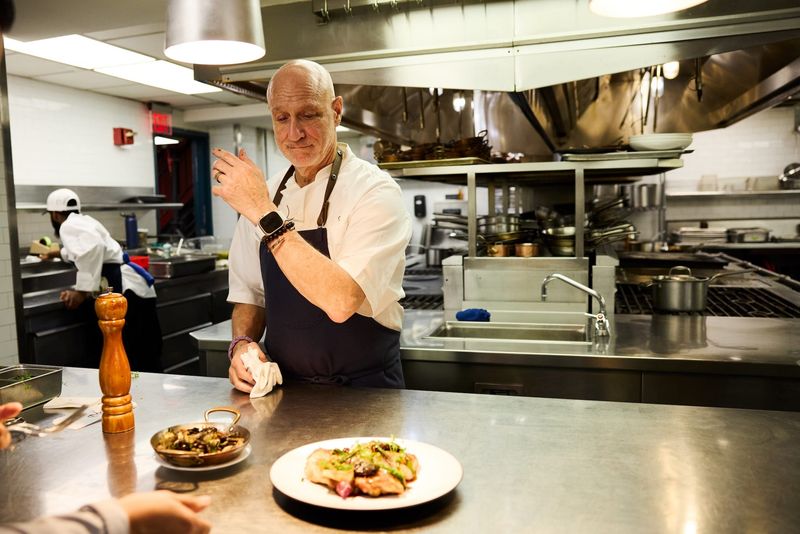
When the last ticket gets called and the stoves finally cool down, something shifts in the kitchen. The noise fades, the pace slows, and a quiet satisfaction settles over the team.
Everyone knows they made it through another service together.
Cooks scrub down their stations, wrap up leftover prep, and swap stories from the night. It is a small but powerful ritual that bonds kitchen teams in ways hard to explain from the outside.
That shared exhaustion after a hard service feels a lot like winning.