
Some foods actually get better the longer you wait to eat them. From caves in France to cellars in Italy, certain cheeses, meats, and other ingredients are carefully aged for months before they ever reach your plate.
The ageing process changes their flavor, texture, and aroma in ways that fresh versions simply cannot match. Get ready to discover 16 remarkable foods that require serious patience before they are considered ready to enjoy.
1. Parmigiano-Reggiano Cheese
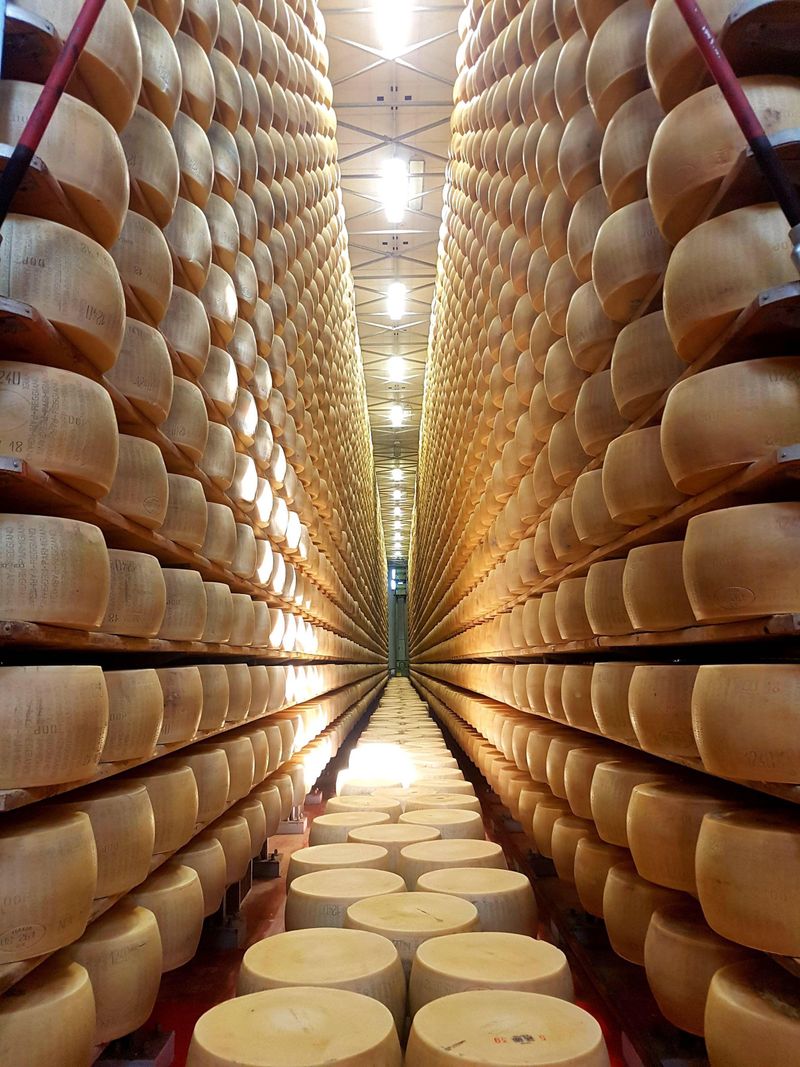
Picture a warehouse stacked floor to ceiling with golden wheels of cheese, each one quietly ageing for at least 12 months, and often much longer. Parmigiano-Reggiano from Italy must age a minimum of one year, but premium versions rest for 24 to 36 months.
The longer it ages, the crumblier and nuttier it becomes.
Tiny white crystals you see inside are actually a sign of quality, not spoilage. Certified inspectors tap each wheel with a small hammer to check for hidden air pockets.
2. Prosciutto di Parma
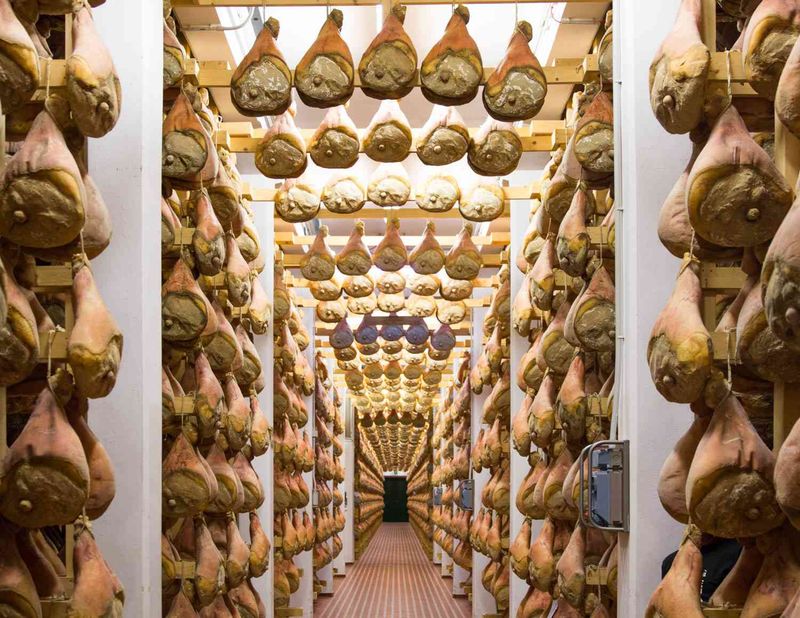
Few things in the food world require more patience than a proper leg of Prosciutto di Parma. These Italian dry-cured hams are salted by hand and then left to age for a minimum of 12 months, with many premium legs curing for up to 36 months.
During that time, mountain air does most of the work.
The result is paper-thin slices with a sweet, silky flavor that no shortcut can replicate. Only hams produced in a specific region of Italy earn the right to carry that famous crown stamp.
3. Aged Balsamic Vinegar of Modena
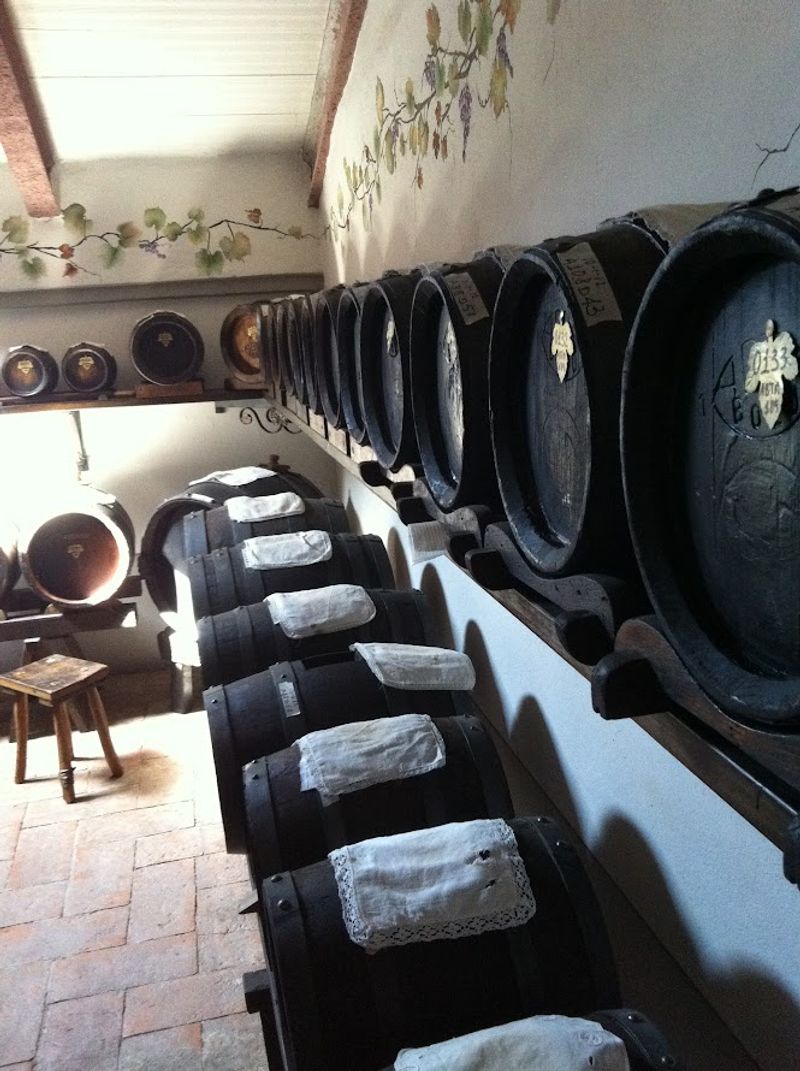
Real traditional balsamic vinegar from Modena, Italy, is nothing like the cheap bottles at most grocery stores. The authentic version is made from cooked grape juice that slowly concentrates inside a series of progressively smaller wooden barrels over a minimum of 12 years.
Some batches age for 25 years or more.
The liquid becomes thick, syrupy, and intensely sweet with a gentle tang. Just a few drops over fresh strawberries or aged cheese is considered a luxury experience worth every year of waiting.
4. Aged Gouda Cheese
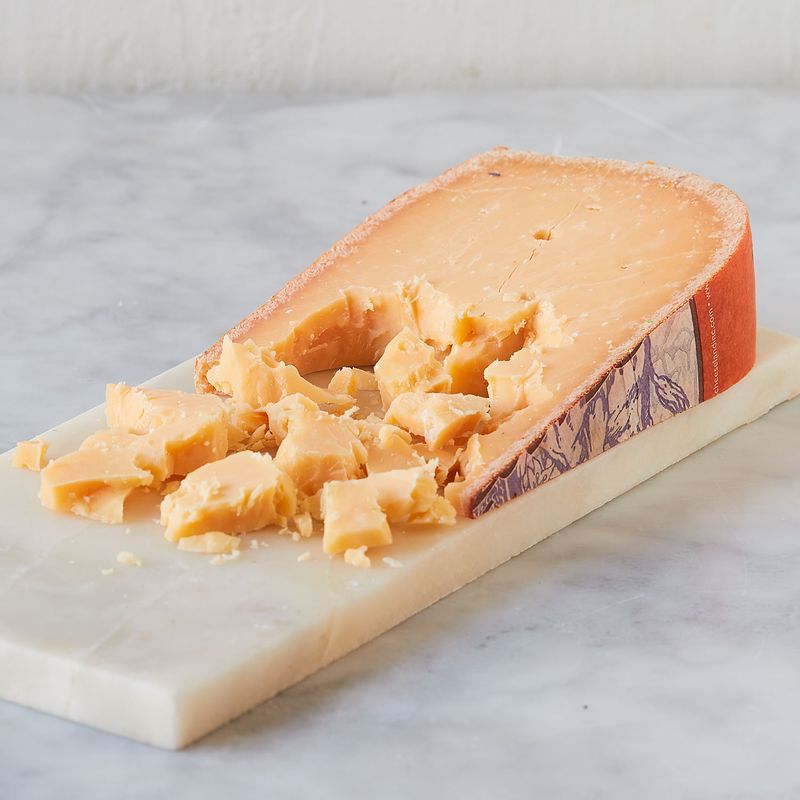
Young Gouda is mild and creamy, but aged Gouda is an entirely different experience. Wheels aged for 18 months or longer develop a firm, almost crunchy texture filled with sweet, butterscotch-like flavor.
Those satisfying little crunchy bits inside are tyrosine crystals that form naturally as the cheese matures.
Dutch cheesemakers coat each wheel in wax to protect it during the long ageing process. A properly aged Gouda pairs beautifully with dark beer or a handful of roasted nuts.
5. Iberico Ham (Jamon Iberico)
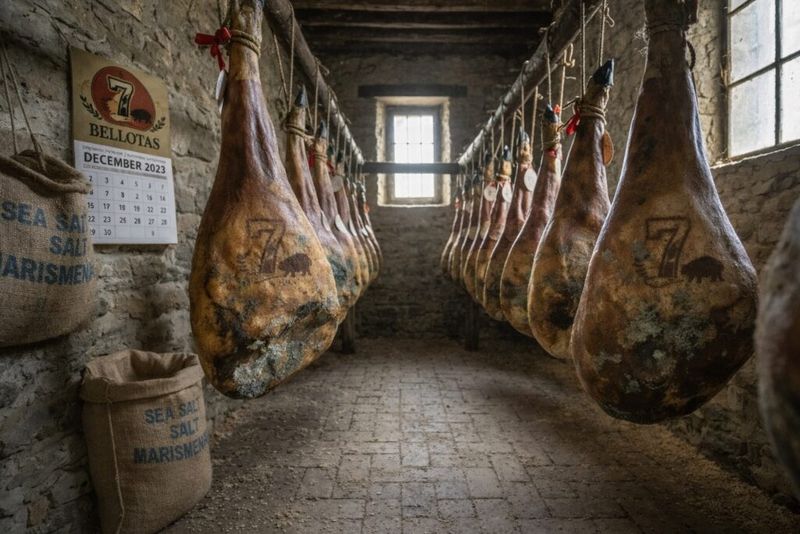
Spain’s most prized cured meat comes from black Iberian pigs that roam freely and feed on acorns before slaughter. After salting, the legs are hung in carefully ventilated curing rooms for anywhere from 24 to 48 months.
The acorn diet gives the fat a distinctly nutty, rich flavor that melts on your tongue.
The best grade, called Bellota 100% Iberico, can cost hundreds of dollars for a single leg. Cutting it properly is considered a skilled craft in Spain, and master carvers train for years.
6. Comte Cheese
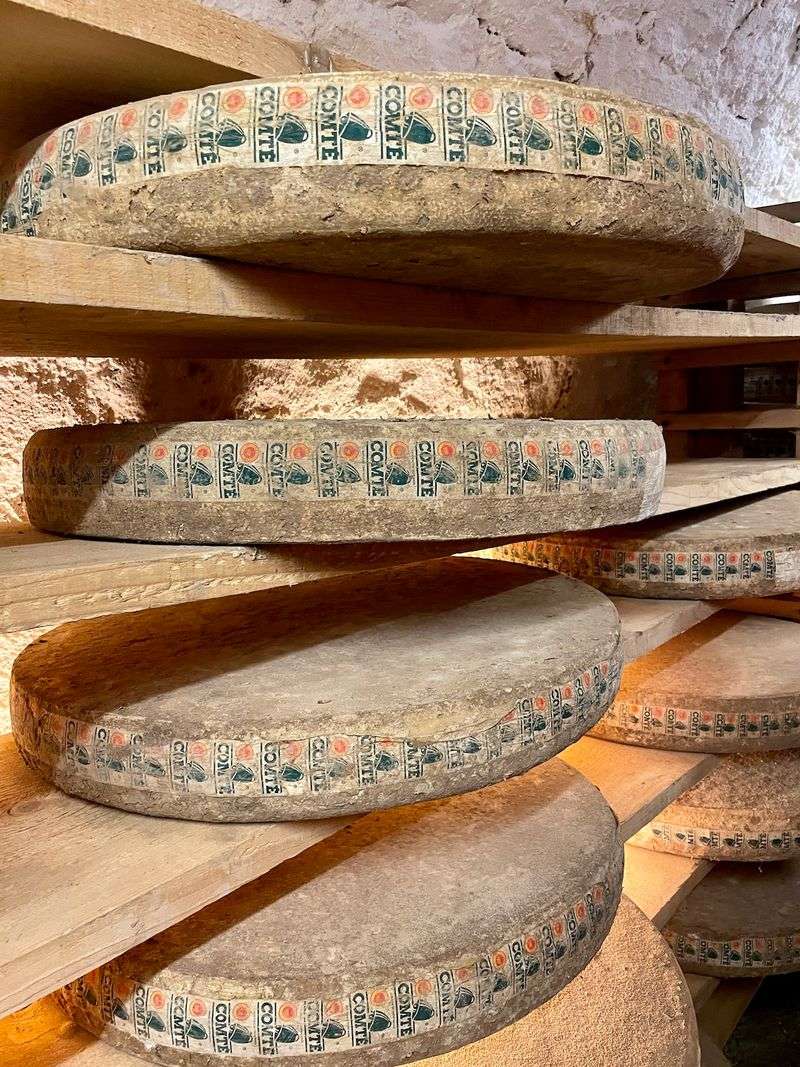
Produced in the Jura mountains of eastern France, Comte is one of the most consumed cheeses in the country, and it earns that love through serious dedication to time. Wheels can weigh up to 77 pounds each and are aged on spruce wood planks in cool stone cellars for a minimum of four months, though many age for 18 to 24 months.
Longer ageing brings out complex flavors ranging from fruity and floral to toasty and savory. Each wheel is graded and scored before it can be sold under the Comte name.
7. Miso Paste
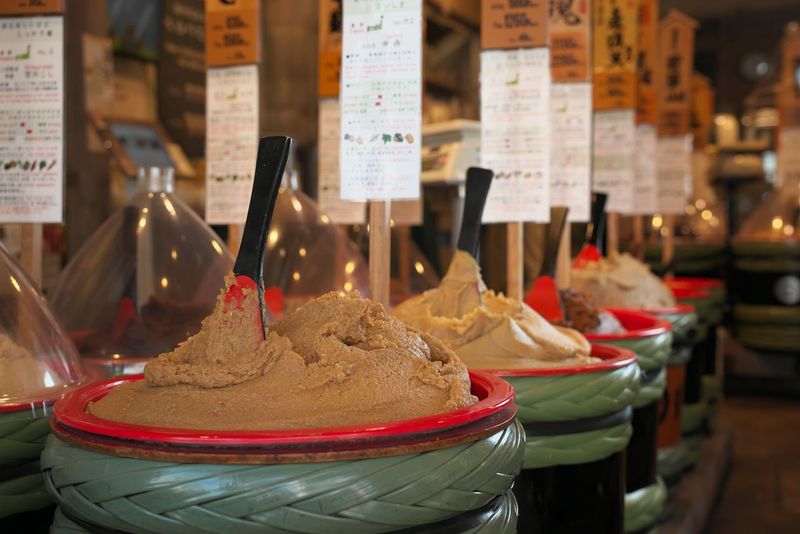
Miso is a fermented paste made from soybeans, salt, and a mold culture called koji, and the best versions take months or even years to fully develop. White miso ages for just a few weeks, but red and barley miso varieties can ferment for one to three years before they are considered ready.
The longer it ferments, the deeper and more complex the flavor becomes.
Traditional Japanese producers still use cedar barrels and stone weights during the process. A single spoonful stirred into warm broth delivers layers of umami that instant versions simply cannot offer.
8. Aged Cheddar Cheese
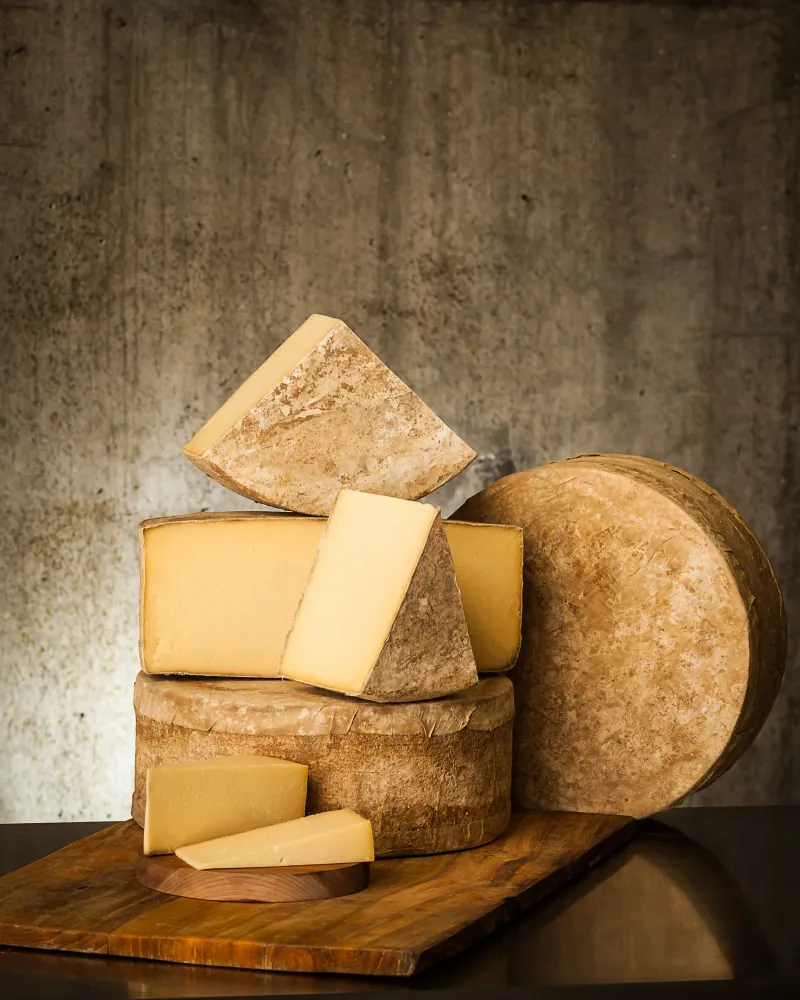
Cheddar starts out mild and rubbery, but give it time and it transforms into something sharp, tangy, and deeply satisfying. Cheddars labeled “extra sharp” or “aged” have typically been maturing for one to two years, while some artisan varieties age for five years or longer.
British clothbound cheddars are wrapped in muslin and coated in lard to breathe naturally during the process.
As it ages, cheddar loses moisture and develops those beloved crunchy calcium crystals. A five-year aged cheddar paired with a crisp apple slice is a snack worth planning your afternoon around.
9. Dry-Aged Beef
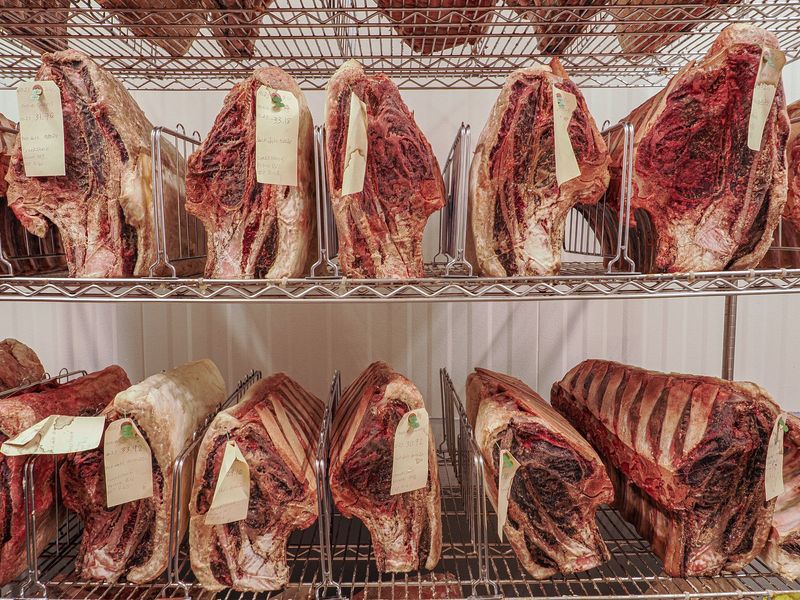
Dry-aged beef is what happens when a steakhouse takes patience seriously. Large cuts of beef are hung or placed on racks inside carefully controlled rooms where temperature, humidity, and airflow are monitored closely for anywhere from 30 to 120 days.
During that time, moisture evaporates and natural enzymes break down muscle fibers, creating a richer, more concentrated beefy flavor.
The dark outer crust that forms is trimmed away before cooking, revealing intensely marbled meat underneath. A properly dry-aged steak needs very little seasoning because the flavor speaks for itself.
10. Roquefort Cheese
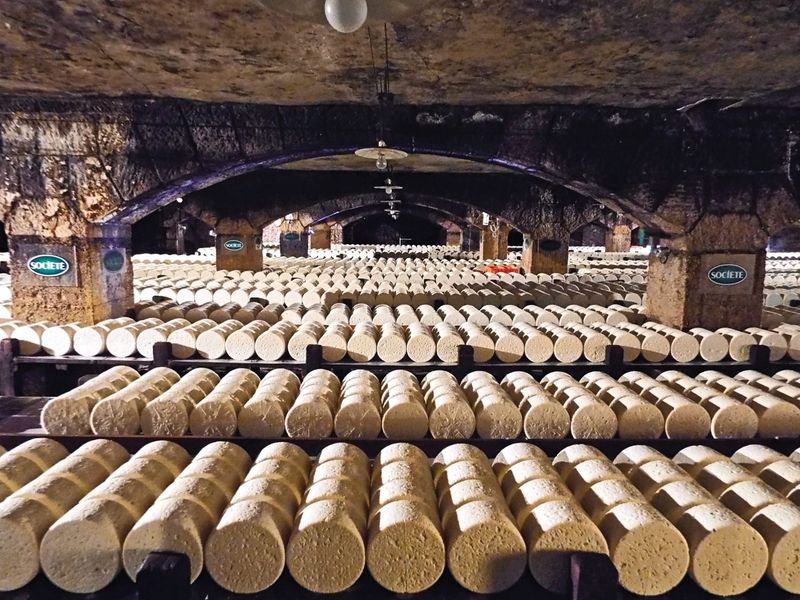
By French law, Roquefort can only be made from the milk of Lacaune sheep and must be aged inside the natural Combalou caves in southern France for a minimum of three months. These caves have a unique microclimate that allows the blue-green mold called Penicillium roqueforti to grow through the cheese, creating its famous tangy, creamy bite.
Cheesemakers pierce each wheel with long needles to let air circulate and encourage mold growth. The result is one of the world’s oldest and most celebrated blue cheeses, with records dating back to the 11th century.
11. Worcestershire Sauce
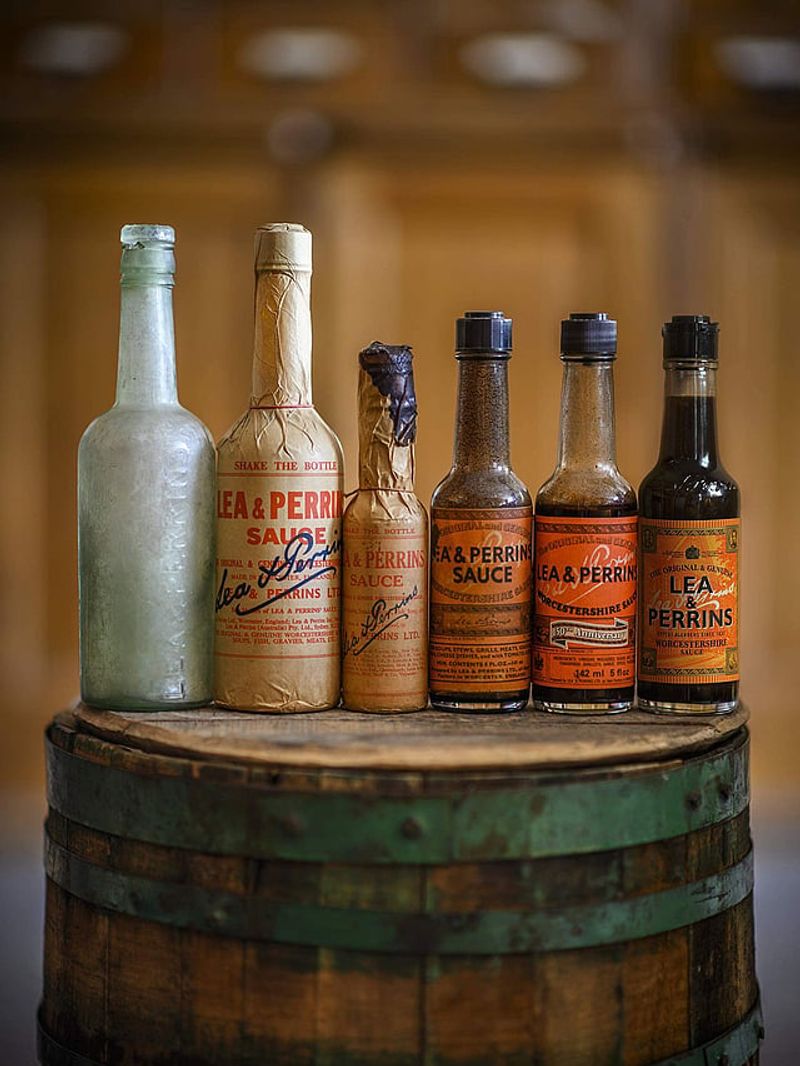
Most people have a bottle of Worcestershire sauce sitting in their pantry without knowing it requires a lengthy fermentation period before it is ready to sell. The original Lea and Perrins recipe, developed in England in the 1830s, involves fermenting anchovies, tamarind, molasses, vinegar, and spices in barrels for a minimum of 18 months.
The mixture is stirred and checked regularly throughout.
Without that long fermentation, the sauce would taste harsh and unbalanced. That patient process is exactly why just a small splash adds such a deep, complex kick to soups, marinades, and cocktails.
12. Aged Soy Sauce

Not all soy sauce is created equal. Mass-produced versions are chemically processed in just a few days, but traditionally brewed soy sauce takes six months to three years to fully ferment and develop its rich, layered flavor.
The process starts with a mixture of soybeans, wheat, salt, and koji mold that slowly breaks down inside large clay pots or wooden barrels.
Sunlight and seasonal temperature changes actually help the fermentation along, which is why traditional breweries leave their pots outdoors. Premium aged soy sauce has a smooth, almost wine-like depth that cheap versions cannot come close to matching.
13. Cave-Aged Gruyere
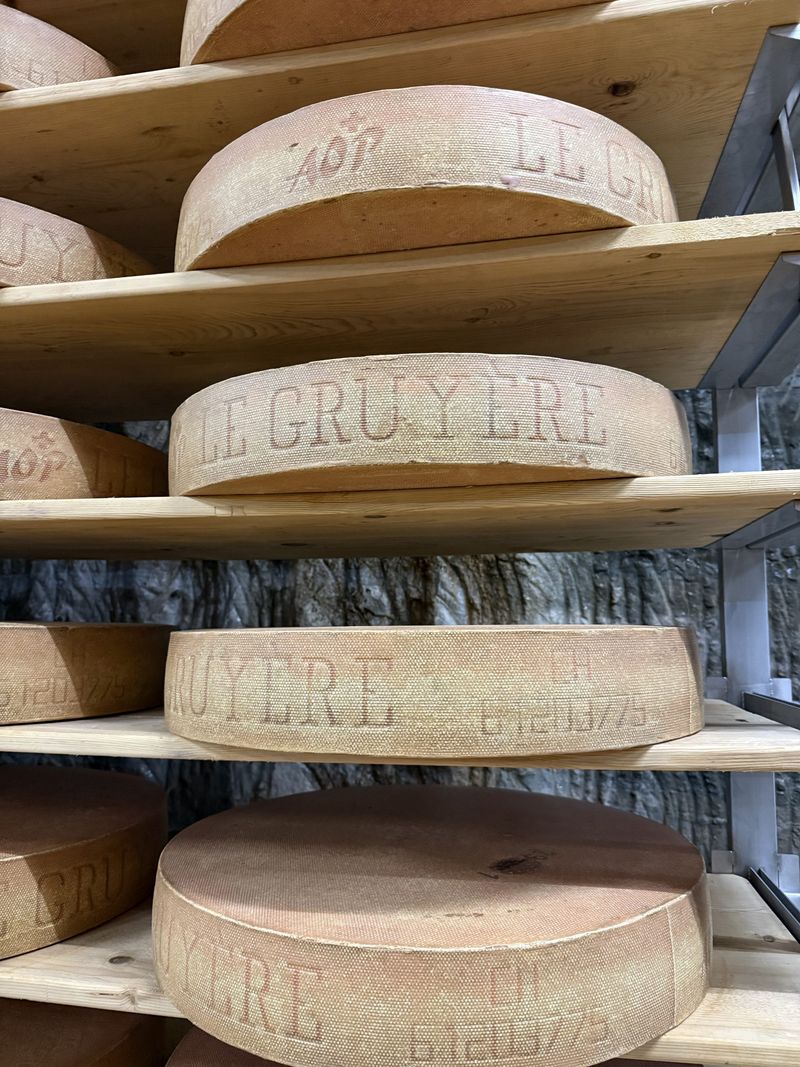
Switzerland’s most famous cheese has been made in the alpine foothills for over 900 years, and the process has not changed much. Gruyere wheels are aged in cool, damp caves for a minimum of five months, though the most prized versions called “Reserve” age for 10 months or longer.
Cave workers brush each wheel with brine regularly to encourage rind development and prevent unwanted mold.
As it matures, Gruyere develops a slightly grainy texture with a warm, nutty, earthy flavor. It melts beautifully, making it the classic choice for fondue and French onion soup.
14. Aged Country Ham
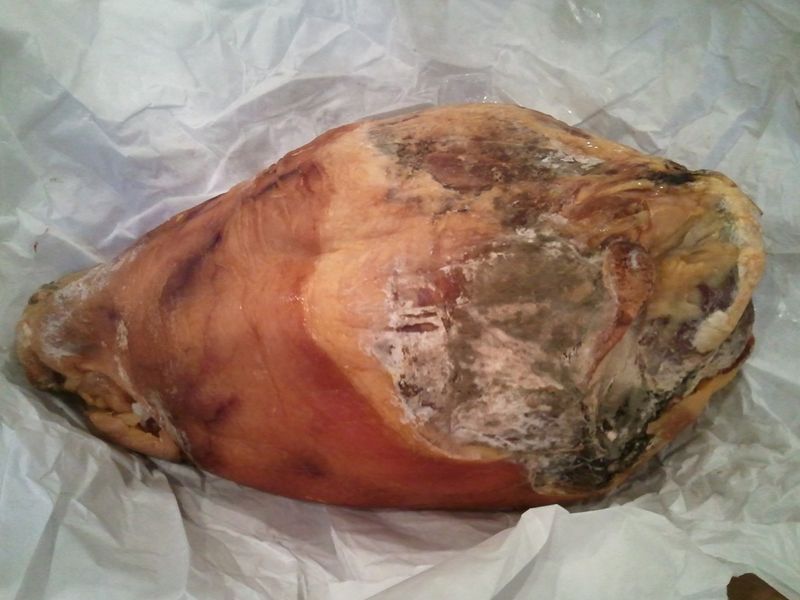
Southern country ham is a proud American tradition that takes real commitment. After being packed in salt and sometimes smoked, these hams are hung in curing houses for a minimum of six months, with some producers ageing them for a full year or longer.
The slow, dry cure pulls moisture out of the meat while concentrating its salty, savory flavor.
Virginia and Kentucky are especially well known for their aged country hams, which have a firm, almost jerky-like texture compared to wet-cured varieties. Thin slices on a warm biscuit is considered a Southern comfort food classic.
15. Epoisses Cheese
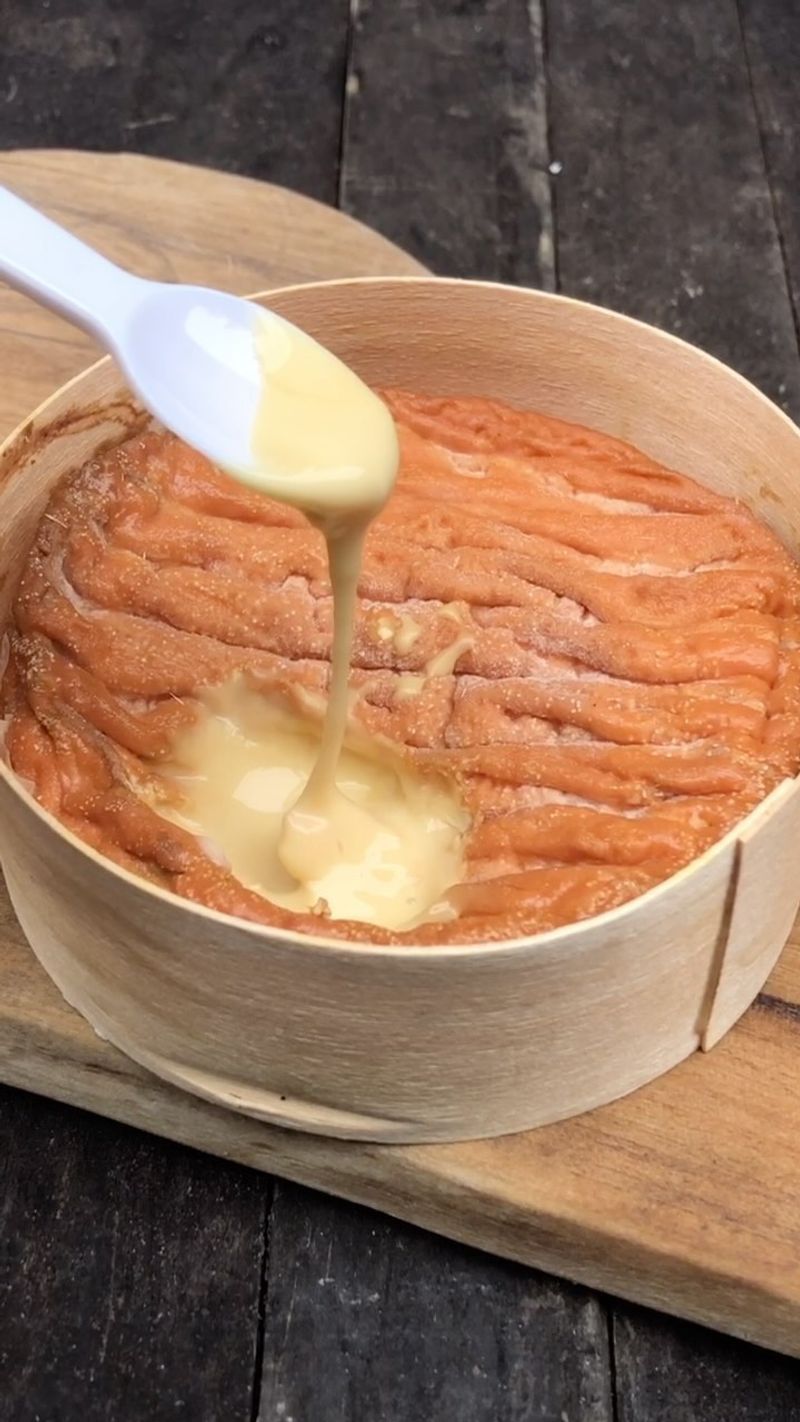
Legend says Napoleon Bonaparte was a devoted fan of Epoisses, and once you taste it, that devotion makes complete sense. This small French cheese from Burgundy is washed repeatedly with Marc de Bourgogne, a local grape brandy, throughout its ageing period of at least six weeks.
The washing gives it an unmistakably pungent aroma and a sticky, orange-colored rind.
Inside, the paste becomes almost spoonable when fully ripe, with a creamy, rich flavor that is far milder than its powerful smell suggests. It is traditionally served with a small spoon right in its wooden box.
16. Aged Manchego Cheese
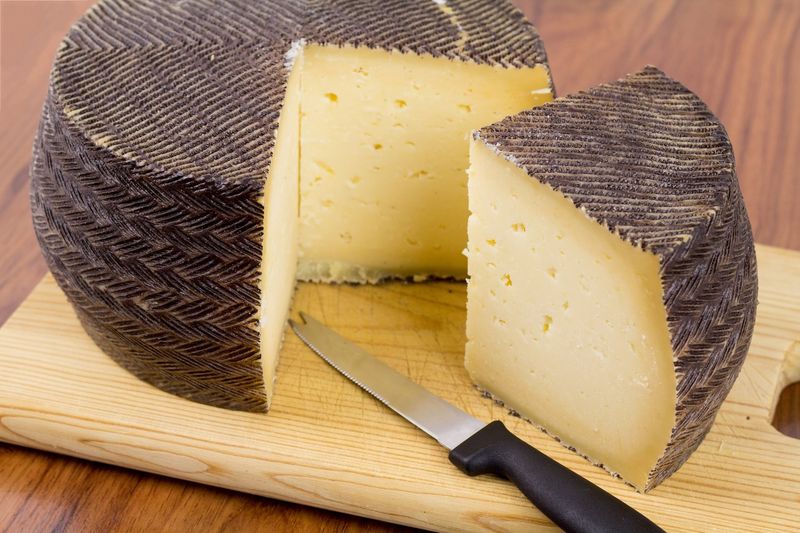
Made from the milk of Manchega sheep on the plains of La Mancha in Spain, Manchego is one of the most recognizable cheeses in the world, partly due to its distinctive zigzag rind pattern pressed in during production. Curado versions age for three to six months, while Viejo, the oldest category, rests for at least one year.
As it ages, the flavor shifts from buttery and mild to sharp and slightly tangy.
Pairing aged Manchego with quince paste is a traditional Spanish combination that balances the saltiness of the cheese with a gentle sweetness. It is a snack that has been enjoyed for centuries across Spain.