
The psychedelic rock era of the 1960s and 1970s gave the world some truly mind-bending music, but not every great band got the fame they deserved. While names like The Beatles and The Doors dominate the history books, dozens of equally creative groups quietly made incredible music in the shadows.
These 16 bands pushed boundaries, experimented with sound, and left behind recordings that still sound fresh today. If you think you know psychedelic rock, these overlooked acts might just change your mind.
1. Clear Light
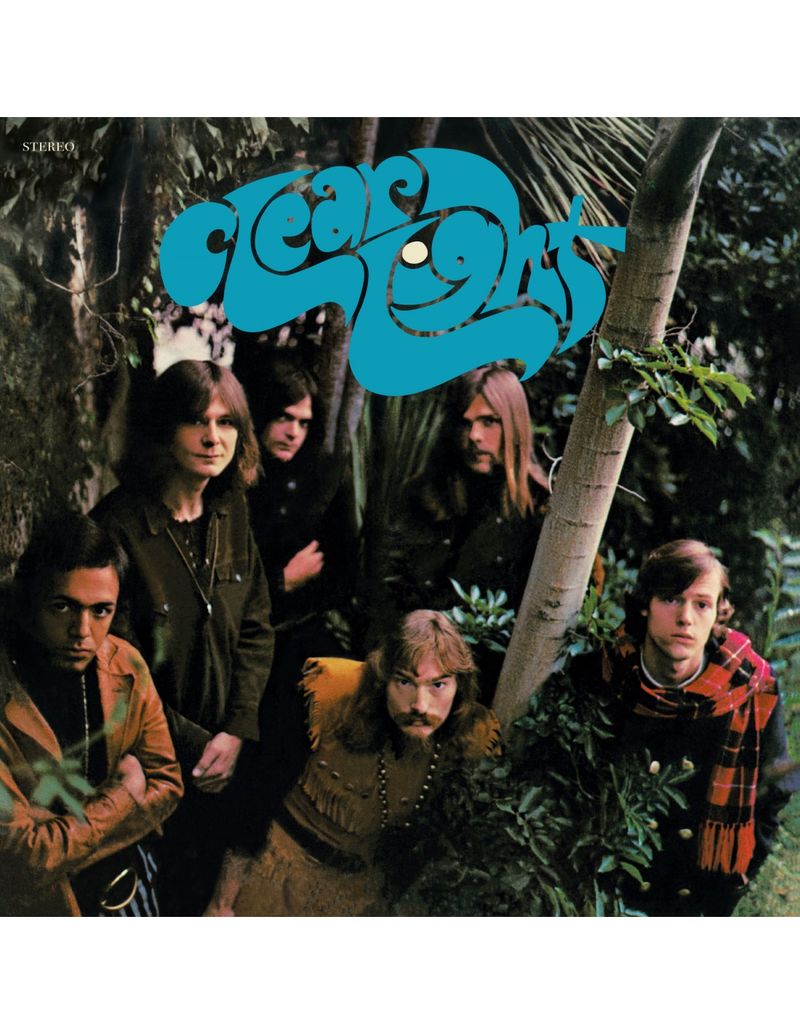
Clear Light burned bright and fast. This Los Angeles group released just one self-titled album in 1967, but it packed an impressive punch of psychedelic rock layered with jazz-influenced arrangements that set them apart from their California peers.
Their sound had a cinematic quality, almost like a movie soundtrack for a late-night drive through neon-lit streets. Tragically, the band broke up before they could fully explore their potential, leaving behind one gem that collectors still hunt for today.
2. The Music Machine
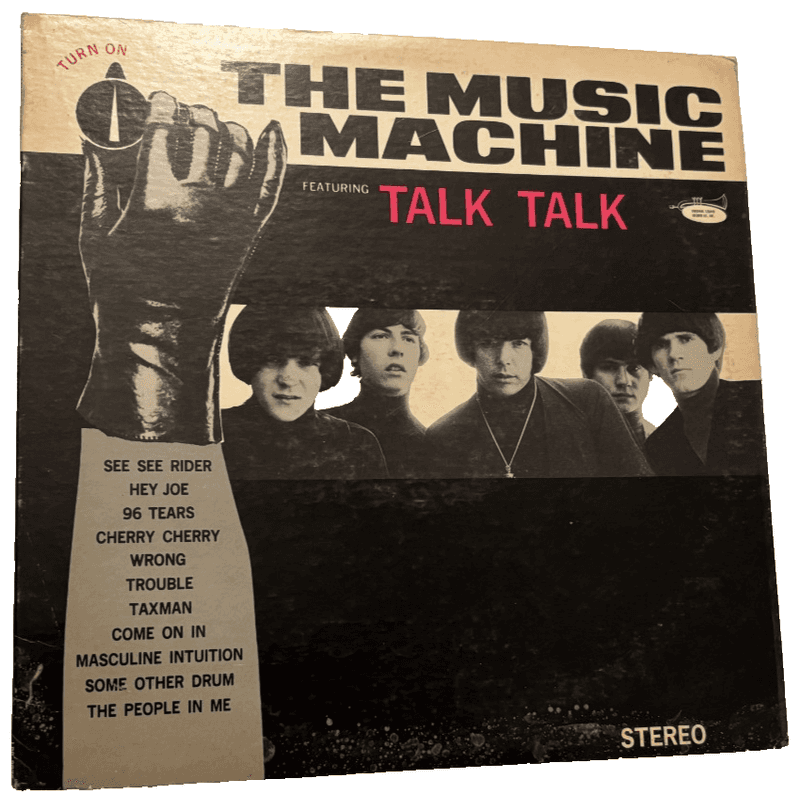
One black glove, all-black outfits, and a raw, snarling sound — The Music Machine had attitude to spare. Active from 1966 to 1968, they blended garage rock grit with swirling psychedelic textures in a way that felt genuinely dangerous.
Their track “Talk Talk” crackled with energy that still sounds urgent decades later. Also known as The Bonniwell Music Machine, this group was ahead of their time and criminally ignored by mainstream radio despite their undeniable talent.
3. Valhalla
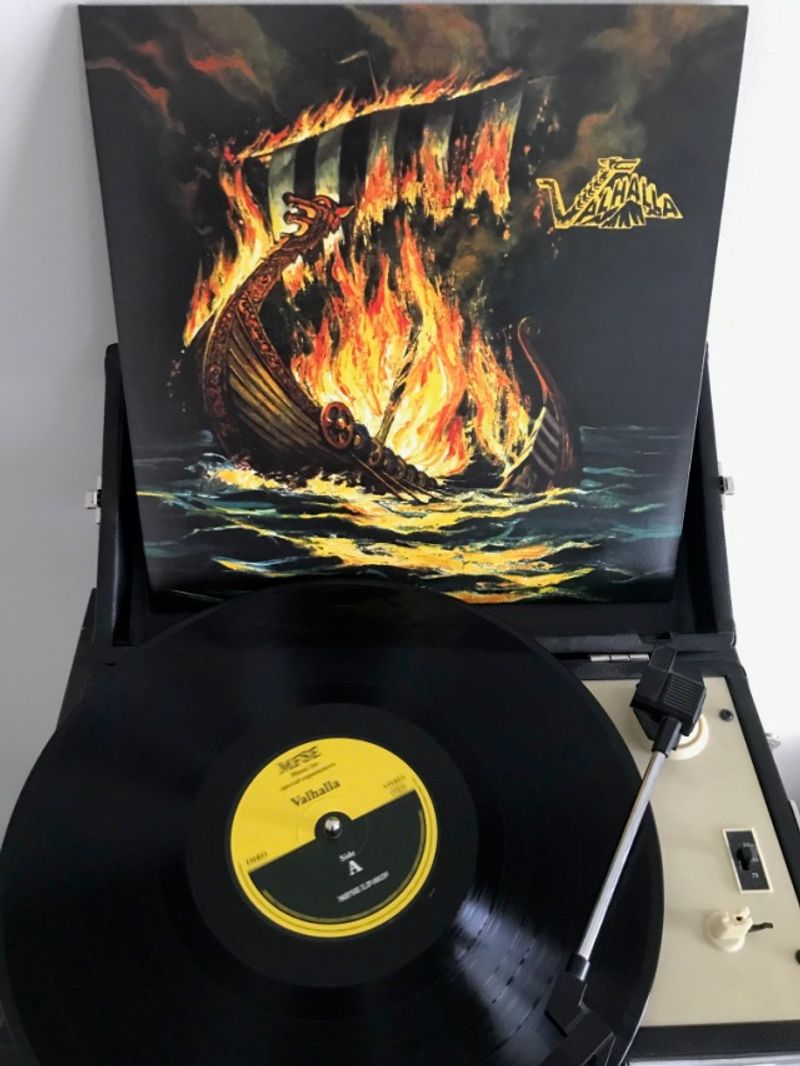
Valhalla arrived quietly in 1969 with a single album and then disappeared just as quickly, leaving behind a record that sounds like it was beamed in from another dimension. Their self-titled release mixed heavy rock with trippy, dreamlike passages that hinted at what progressive rock would become.
Not many people know this band even existed, which makes finding their album feel like uncovering buried treasure. For fans of deep psychedelic exploration, Valhalla rewards every listen.
4. The Litter
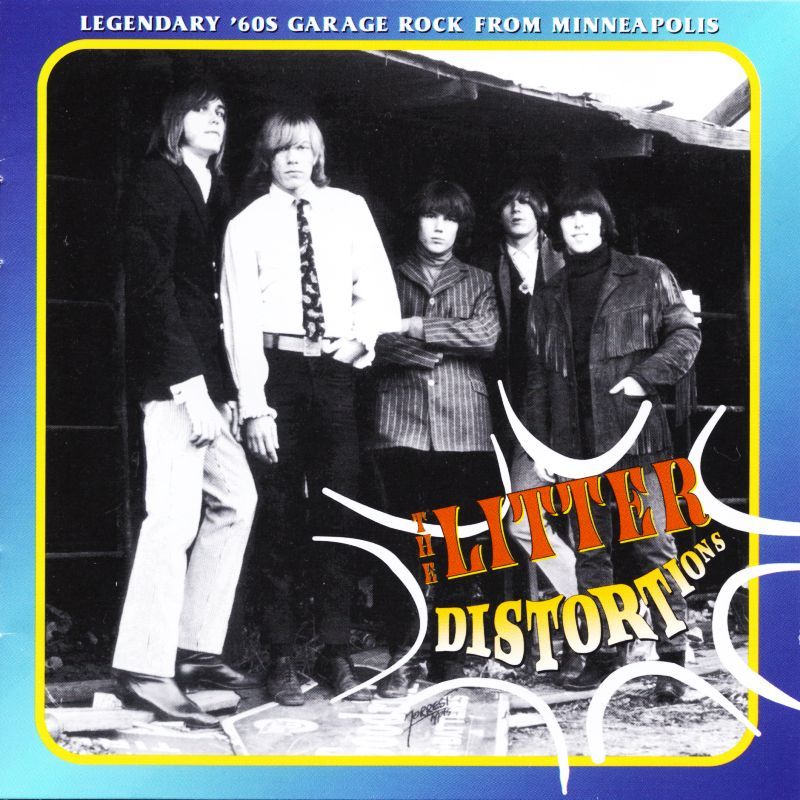
Coming out of Minnesota, The Litter were one of the heaviest and rawest psychedelic acts of their era. Between 1967 and 1969, they released three albums that mixed garage rock aggression with thick, distorted psychedelic textures.
Their sound was almost proto-metal before anyone had coined that term. While coastal bands got the press coverage, The Litter were quietly cranking out some of the most intense music of the decade from the American Midwest, largely unnoticed by the wider world.
5. Andromeda
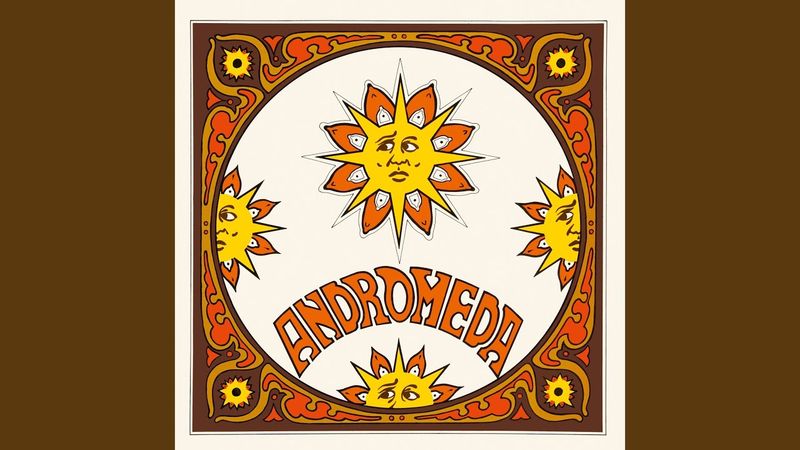
British band Andromeda released just one album in 1969, and it remains one of the more underrated psychedelic records of the entire era. Their music leaned toward the heavier and more progressive side, foreshadowing the hard rock explosion that would follow in the early 1970s.
Think swirling guitar work, dramatic shifts in tempo, and a sense of epic scale crammed into short songs. Andromeda never got their due, but their lone album speaks volumes about how much talent went unrecognized during this period.
6. The Misunderstood
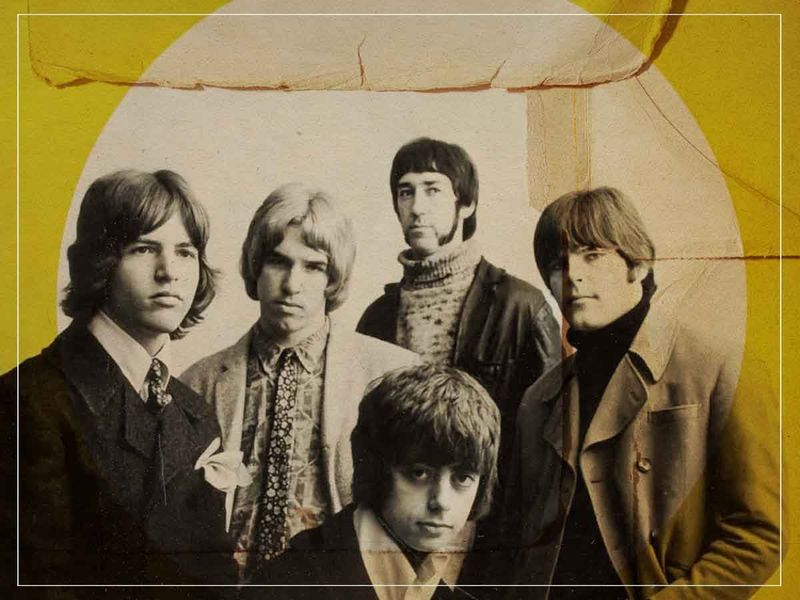
Few band names have ever been more accurate. The Misunderstood started as a blues group in California before relocating to London, where their sound transformed into something genuinely wild and experimental.
Their guitar work was ferocious and innovative, using a steel guitar in ways nobody had thought to try before.
They recorded very little before falling apart, which makes their surviving tracks feel even more precious. This was a band that could have changed rock history if the timing had worked in their favor.
7. Spirit
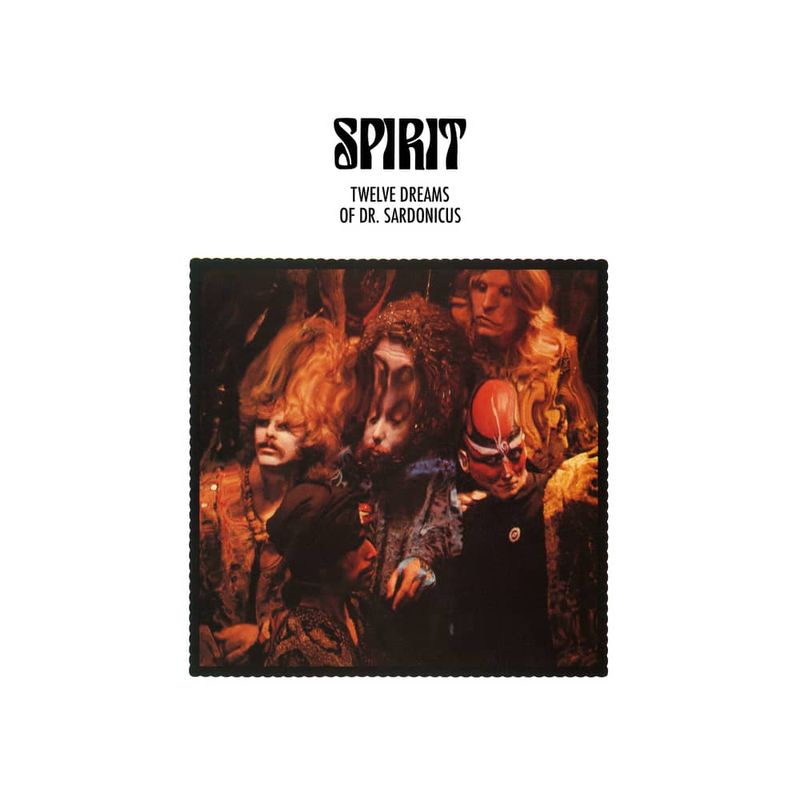
Spirit were one of those rare bands that could do almost anything — jazz, pop, hard rock, folk — and make it all sound effortless. Their 1970 masterpiece Twelve Dreams of Dr. Sardonicus is considered essential listening by those lucky enough to have found it.
With a drummer who had previously played with jazz legend Thelonious Monk, Spirit brought serious musical chops to psychedelic rock. They deserved far more mainstream recognition than they ever received, yet their catalog remains a goldmine for curious listeners.
8. H.P. Lovecraft
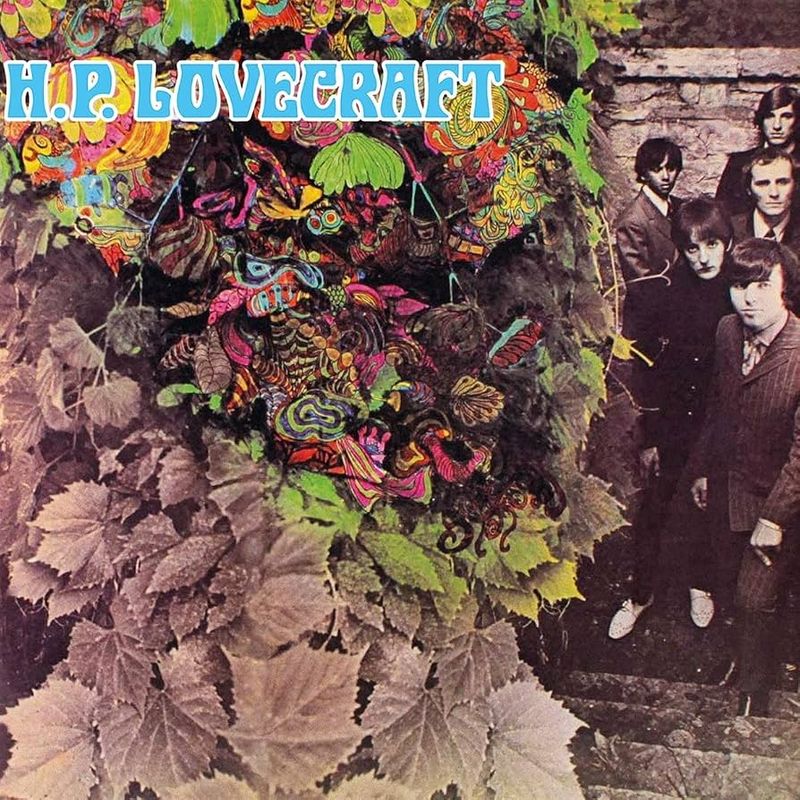
Named after the legendary horror fiction writer, H.P. Lovecraft the band had a sound that was equally eerie and beautiful.
Founded by former folksinger George Edwards, this Chicago group wove together folk, orchestral arrangements, and garage-style energy into something genuinely unique.
Their music could shift from laidback and dreamy to anxious and intense within a single song. They never became household names outside of dedicated collector circles, but their two studio albums remain fascinating documents of late-1960s psychedelic experimentation at its most imaginative.
9. The West Coast Pop Art Experimental Band
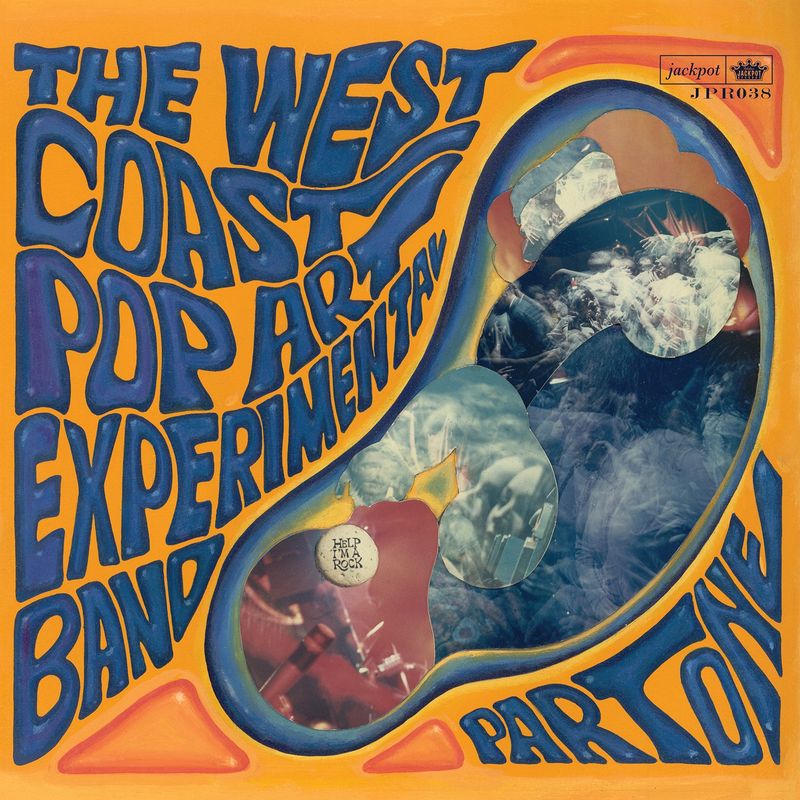
Formed in Los Angeles in 1965, this band had one of the greatest names in rock history — and the music lived up to it. They released five albums and were considered a West Coast answer to The Velvet Underground, combining avant-garde ideas with raw psychedelic energy.
Their willingness to experiment with structure, noise, and unconventional song formats made them genuinely groundbreaking. Sadly, they remained mostly underground during their time, appreciated mainly by fellow musicians and a small but deeply devoted fanbase.
10. July
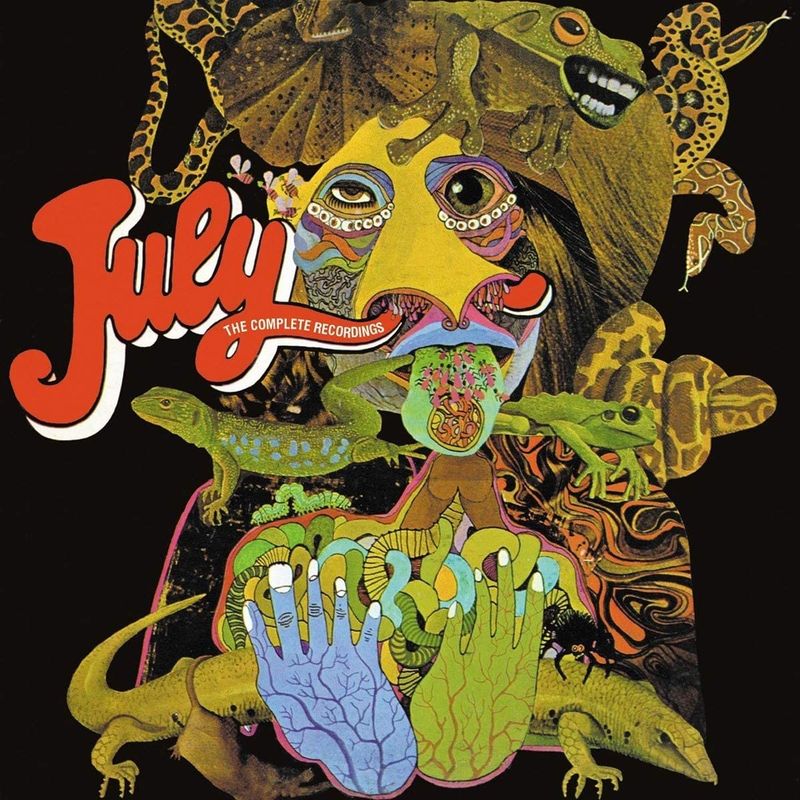
July had a sound that felt like California sunshine filtered through a distinctly British lens. Their 1968 self-titled debut blended the breezy melodies of West Coast pop with the quirky charm of English psychedelia, creating something that felt both familiar and refreshingly original.
The album developed a devoted cult following over the decades, earning praise from music historians who recognized just how ahead of its time it was. July only released that one record, making it a true hidden gem of the psychedelic era.
11. Q65
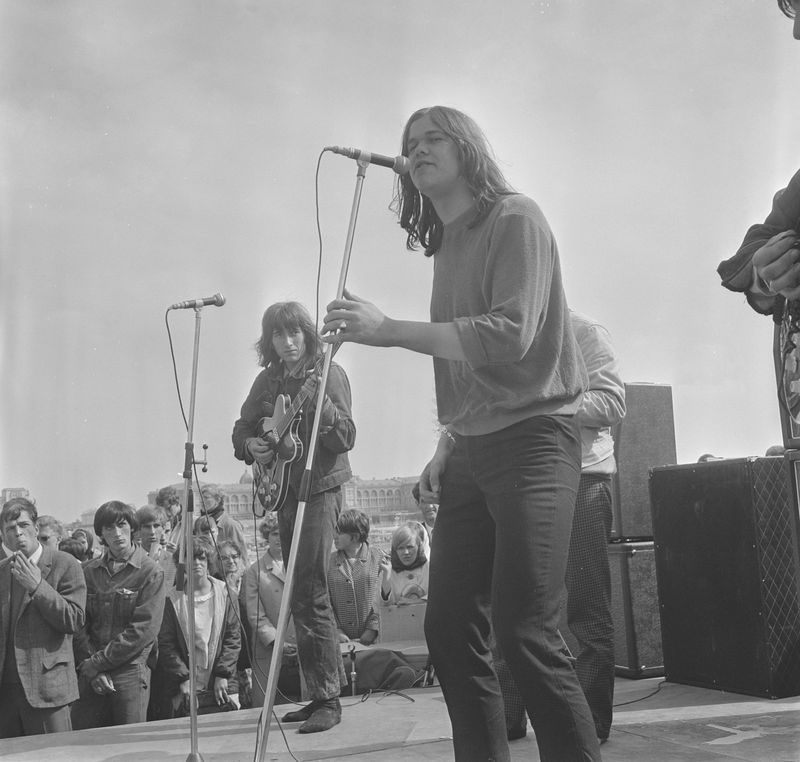
Q65 were the Netherlands’ answer to the raw, bluesy garage rock sound coming out of Britain and America in the mid-1960s. Rooted in the Nederbeat scene, they drew inspiration from early Kinks recordings and Chicago blues, eventually steering their sound into full psychedelic territory.
Albums like Afghanistan from 1970 showed a band willing to push past their early influences into stranger, more adventurous places. They scored hits in the Dutch Top 40 but remained almost completely unknown outside of their home country.
12. The Masters Apprentices
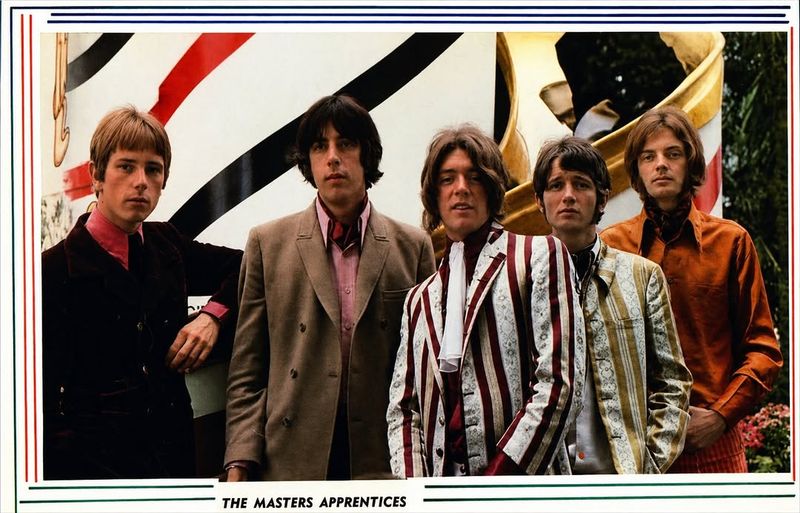
Australia had its own thriving psychedelic scene, and The Masters Apprentices were right at the center of it. This Adelaide-born group combined hard-edged garage rock with psychedelic flourishes, earning a reputation as one of the country’s most exciting live acts throughout the late 1960s and into the 1970s.
While they were celebrated at home, international audiences barely knew they existed. Their recordings hold up remarkably well and offer a fascinating window into how the psychedelic sound developed in the Southern Hemisphere far from the British and American mainstream.
13. Fifty Foot Hose
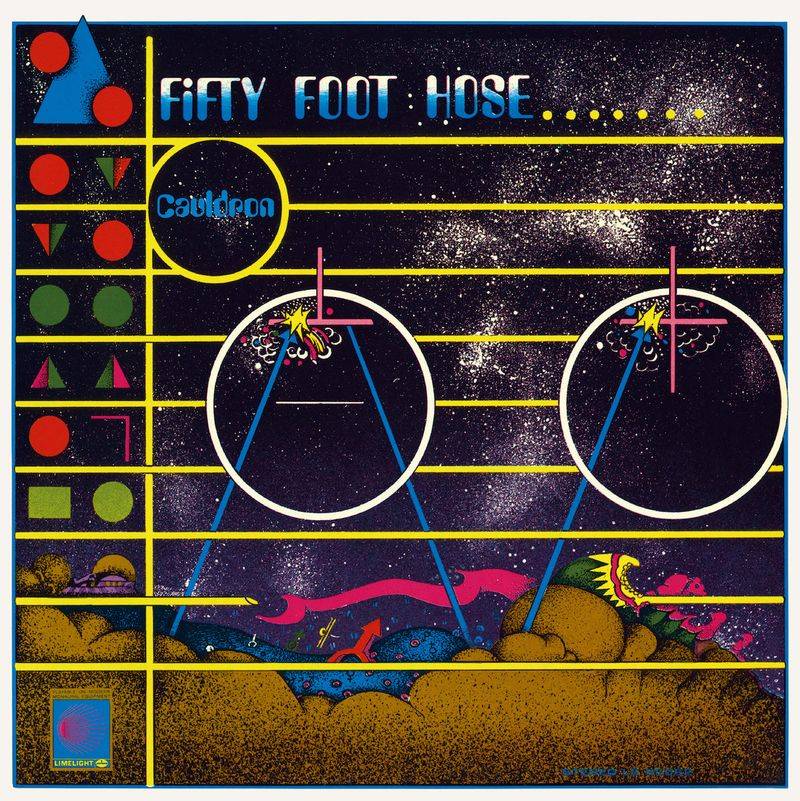
Fifty Foot Hose were doing things with electronic sound in 1967 that most musicians would not attempt for another decade. Their album Cauldron is considered a landmark in early electronic experimentation, mixing unconventional homemade instruments with psychedelic rock in ways that were truly revolutionary.
Fronted by the charismatic Carol Havens, the band created an atmosphere that felt alien and captivating at the same time. They were too weird for mainstream success, but their influence quietly spread through the experimental music world for years afterward.
14. The United States Of America
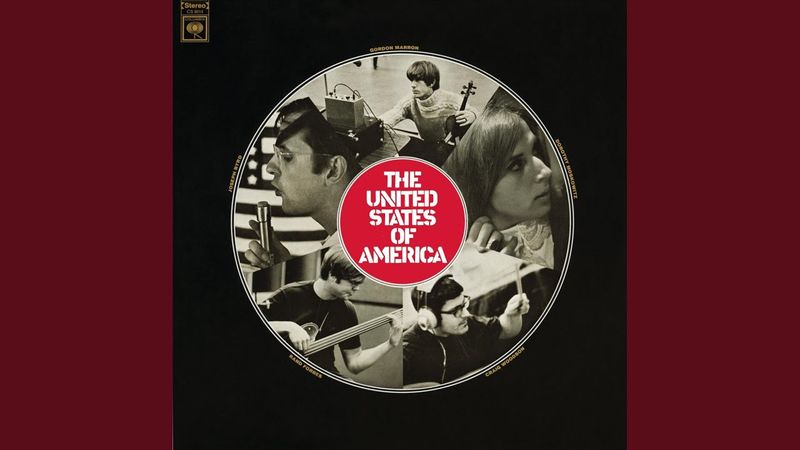
The United States Of America had a name that sounded like a political statement and a sound that backed it up. This experimental group from the late 1960s used early synthesizers, tape manipulation, and electronic effects alongside traditional rock instrumentation to create music that felt genuinely futuristic.
Their lone self-titled album remains a fascinating artifact of psychedelic ambition taken to its outer limits. They were too avant-garde for pop radio but too rock-oriented for the academic music world, leaving them stranded in between with little commercial reward.
15. Ultimate Spinach
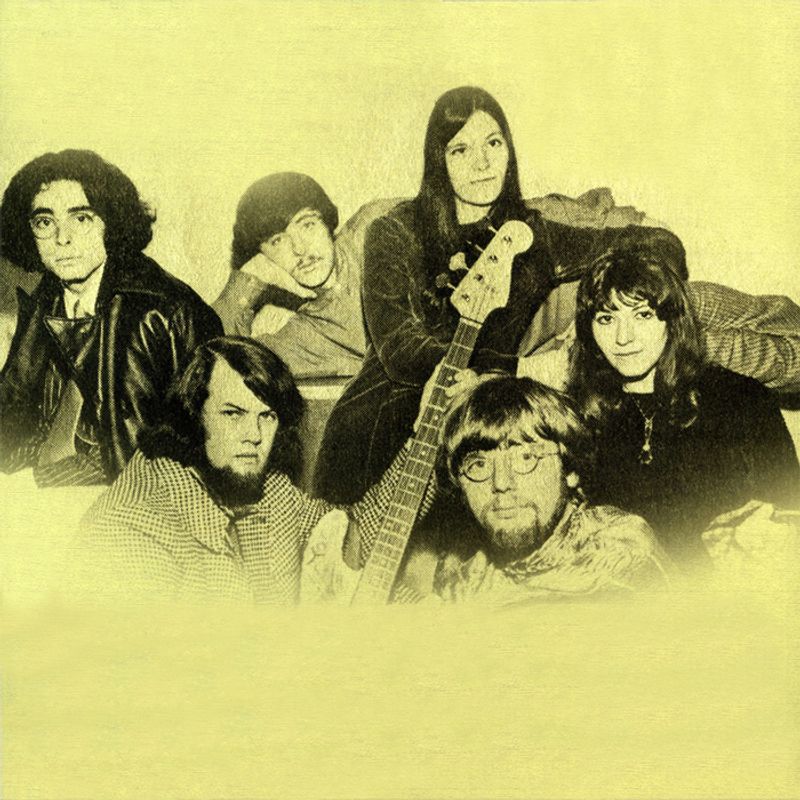
Part of the so-called “Boston Sound” movement of the late 1960s, Ultimate Spinach were bold, ambitious, and utterly unconcerned with making things easy for the listener. Their albums blended heavy psychedelic rock with philosophical lyrics and extended instrumental passages that rewarded patient ears.
Record label MGM heavily promoted the Boston Sound as the next big thing, but the hype faded quickly and bands like Ultimate Spinach were left without an audience. Their recordings deserve a serious second look from anyone who appreciates late-1960s psychedelic ambition.
16. Os Mutantes
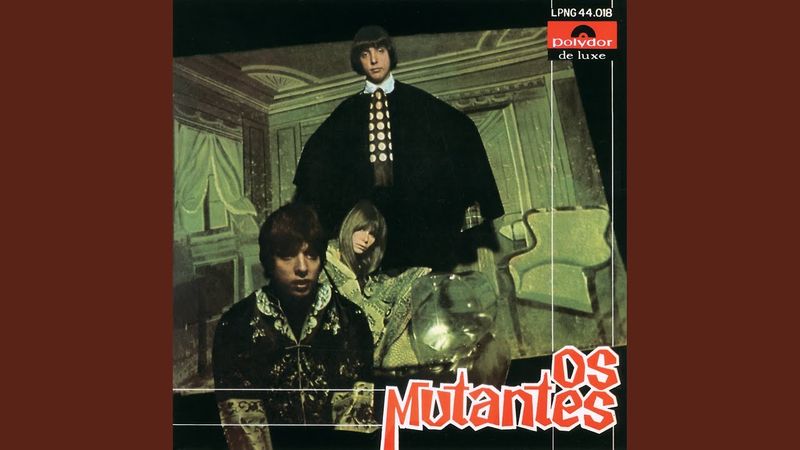
Os Mutantes brought the psychedelic revolution to Brazil with a creativity and humor that was entirely their own. Born out of the Tropicalia movement in the late 1960s, this Sao Paulo group mixed Beatles-influenced pop with Brazilian rhythms, distorted guitars, and studio trickery that felt genuinely mind-expanding.
Singing mostly in Portuguese kept them off the English-language radar for years, but musicians like Kurt Cobain and Beck eventually championed their work. Today they are recognized as one of the most inventive psychedelic acts of any era, from any country.