
Some TV shows get even better when you already know what happens. A quiet look, a strange prop, or a throwaway joke can mean something completely different the second time around.
Watching again lets you catch those details without racing to learn the ending. From twisty mysteries to comedies packed with hidden jokes, these shows give you plenty of reasons to press play again.
1. The Sopranos: Familiar Faces, Uncomfortable Truths
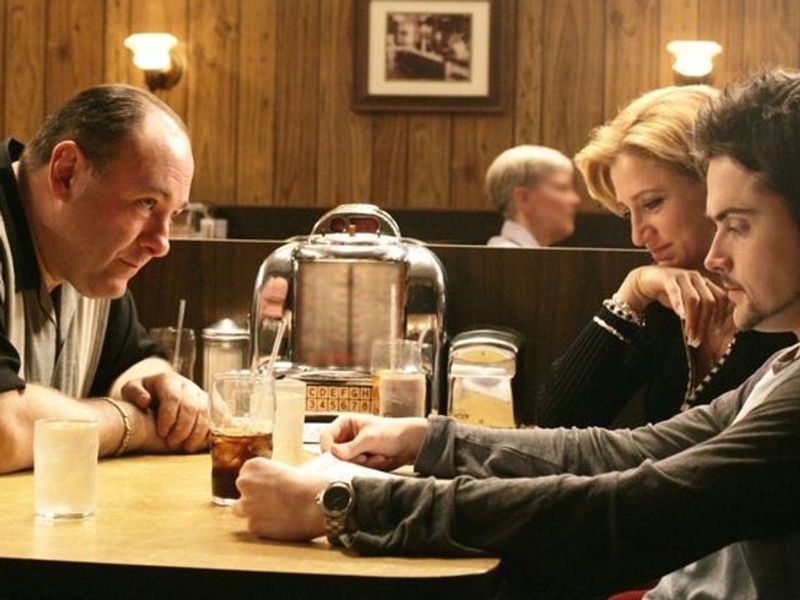
A family dinner can feel more threatening than a crime scene here. Tony Soprano’s everyday conversations reveal habits, fears, and excuses that are easy to miss when the main story grabs your attention.
On another watch, follow how he behaves differently around his therapist, children, and crew. Notice the dreams and animal imagery, too.
Knowing what comes next makes his small choices more revealing, while the dark humor becomes sharper and often much sadder, too.
2. The Wire: A City Built From Connected Stories

Baltimore is more than a backdrop; its schools, streets, police offices, and newsrooms all shape the story. At first, keeping track of the large cast can take most of your attention.
Return with those faces already familiar, and the bigger picture grows clearer. Follow one institution at a time to see how pressure travels through the city.
Background conversations and repeated problems reveal why changing a few people rarely fixes a deeply broken system alone.
3. Breaking Bad: Small Choices With Huge Consequences
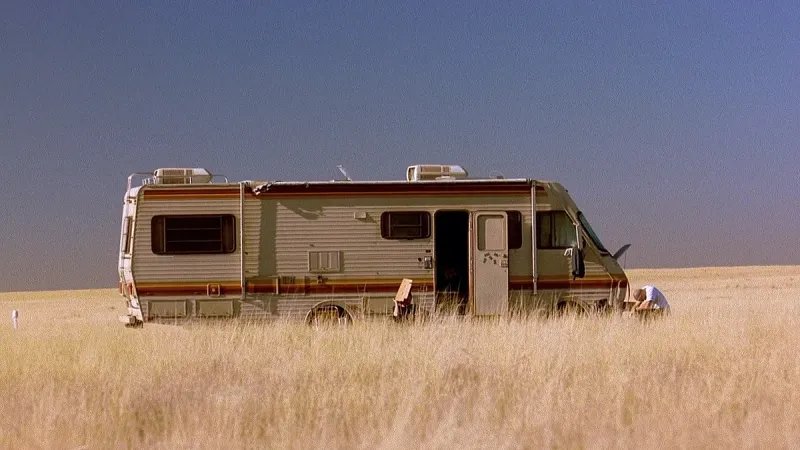
Once you know Walter White’s destination, his early excuses sound very different. The tension shifts from wondering what happens next to spotting when pride starts winning over everything else.
Pay attention to clothing colors, carefully placed objects, and the opening scenes that seem disconnected at first. Many gain meaning later.
Watching Jesse’s reactions also changes the experience, revealing emotional costs that Walter keeps trying to explain away as necessary steps toward protecting his own family.
4. Arrested Development: Jokes Hiding Behind Other Jokes

Blink during a Bluth family argument, and you might miss three jokes. Visual clues, misleading phrases, and background signs often work together while the characters stumble through a completely different problem.
The original three seasons are especially dense with setups that pay off much later. Try watching the edges of the frame instead of whoever is speaking.
Familiar lines become funnier once you recognize the family habits and future disasters hiding inside seemingly harmless remarks.
5. The Good Place: Heaven Is in the Details

Everything looks cheerful, which is exactly why a second visit is so rewarding. Once you understand the neighborhood’s secrets, friendly smiles and odd design choices take on fresh meaning.
Read the shop signs, inspect the decorations, and listen closely to Michael’s explanations. Beneath the colorful jokes, the series keeps testing what makes someone good.
Rewatching also reveals how carefully the friendships grow, turning big questions about right and wrong into something surprisingly warm and personal.
6. Lost: The Island Looks Different the Second Time
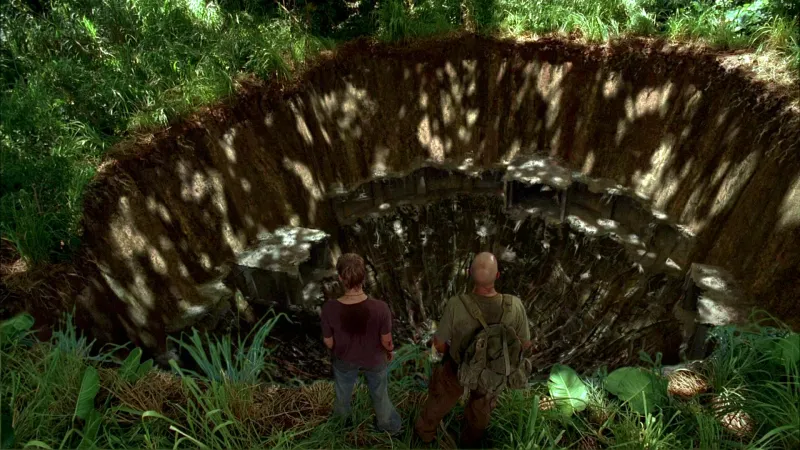
A face in a flashback might matter far more than you first realize. Beyond the island’s biggest mysteries, the pleasure comes from seeing how the survivors’ lives cross before they meet.
Keep track of recurring names, numbers, and symbols, but leave room for the human stories. Knowing later choices can make early arguments feel heartbreaking.
A simple character chart helps connect the timelines without letting the puzzle swallow the friendships, losses, and searches for belonging.
7. Mad Men: Read Between the Polished Lines

Someone can win a meeting here while quietly losing control of their life. Beneath the sharp suits and polished sales pitches, characters reveal themselves through pauses, glances, and things left unsaid.
On a return visit, compare the ads with the personal problems surrounding them. Costumes, office layouts, and changing social rules add another layer.
Peggy’s and Joan’s scenes especially reward attention, showing how hard they work to claim space that others receive without even asking.
8. The Office (US): Watch Everyone Who Is Not Talking

The funniest person in a scene is not always holding the microphone. While Michael makes another awkward speech, someone behind him may be delivering a perfect silent reaction.
Shift your attention toward the desks, meeting room corners, and quick looks at the camera. You’ll catch small office habits and relationships developing outside the main plot.
Familiar episodes also make it easier to appreciate how the documentary style turns ordinary pauses into jokes without needing another punchline.
9. Parks and Recreation: Pawnee Keeps Its Own History
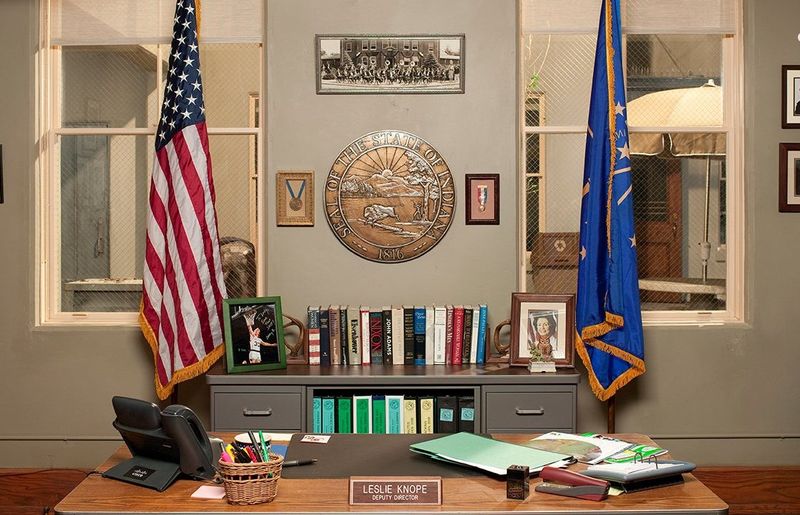
Pawnee remembers its own nonsense, even when its citizens probably should forget. Strange businesses, town scandals, and minor residents keep returning, making the setting feel like a place with a wonderfully messy memory.
Look at the murals and listen for names mentioned during public meetings. Following the supporting cast reveals jokes that stretch across seasons.
Meanwhile, Leslie’s friendships gain extra warmth when you know how much these very different people will eventually mean to each other.
10. Game of Thrones: Every Alliance Has a Price
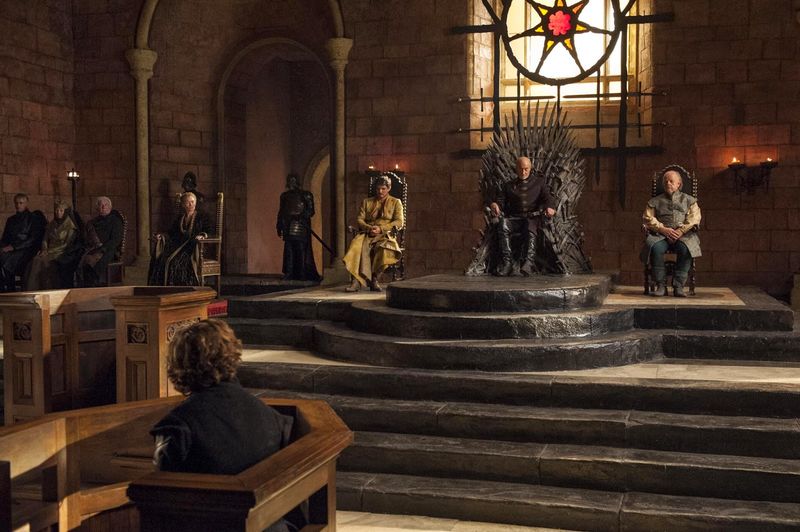
A polite conversation can be a battle with better clothing. With so many houses and competing goals, the first viewing often becomes a race to remember names and survive the latest shock.
Rewatch with a map nearby, and focus on who benefits from each promise. Early warnings, shifting loyalties, and family grudges become easier to follow.
Even if later choices divide viewers, the political maneuvering offers plenty to study when you already know the major outcomes.
11. Severance: Nothing at Work Feels Accidental

Those empty hallways start to feel suspicious before anyone explains why. The office design, stiff greetings, and strange rewards create a workplace where even a harmless object seems worth investigating.
During another viewing, study signs, room layouts, and the exact words people use. Compare each worker’s behavior inside and outside Lumon whenever the story allows.
Rather than assuming every detail solves a mystery, notice how the setting also shows control, loneliness, and the need for connection.
12. Twin Peaks: Follow the Feeling as Well as the Clues

Coffee and cherry pie have rarely shared space with such deep unease. Small town routines sit beside strange visions, making ordinary moments feel as mysterious as the obvious clues.
Listen for repeated sounds and phrases, and watch how familiar rooms change in dreams. Returning after the central revelations gives many conversations a darker weight.
Don’t expect every image to behave like a puzzle piece; mood, grief, and uncertainty are part of what makes the experience linger.
13. Dark: A Family Tree Worth Keeping Nearby

Recognizing a surname can change an entire scene. Across its tangled timelines, the people of Winden carry secrets that connect families in ways a first viewing can barely hold together.
Keep a spoiler safe family chart for the episodes you’ve already finished, then revisit how different actors portray the same person. Small gestures and repeated lines help bridge the years.
Once the timeline feels clearer, the sadness behind each attempt to change events becomes much stronger.
14. Sherlock: Look Past the Fast Talking
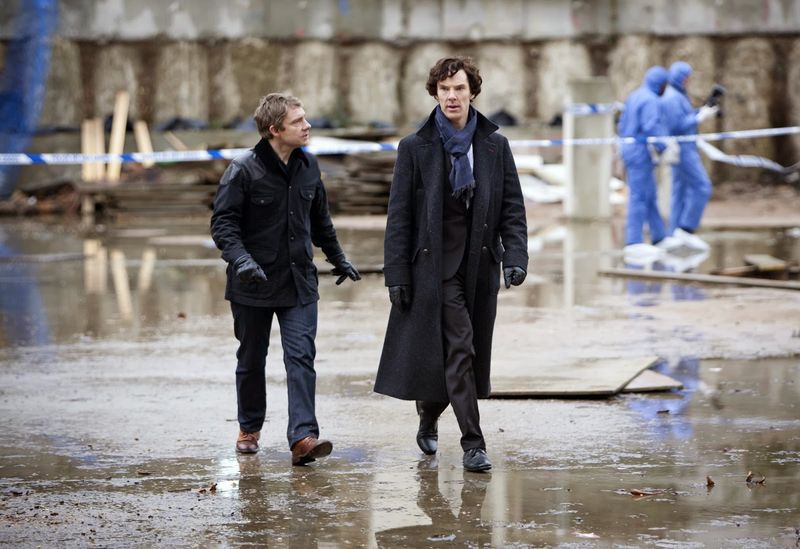
By the time Sherlock explains his thinking, you’ve probably stopped scanning the room. The quick pace makes it easy to follow his confidence rather than notice what the camera actually shows.
Replay a case and separate visible evidence from assumptions made by the characters. Props, editing, and written clues become easier to inspect when the ending is familiar.
The quieter exchanges with John also deserve attention, since their friendship often explains behavior that the deductions cannot.
15. Futurama: Silly Space Adventures With Long Memories

A ridiculous robot joke can sit right beside a carefully planted story clue. Under the space deliveries and alien mishaps, the series keeps surprising viewers with lasting friendships and unexpected emotional weight.
Study background signs, strange languages, and appearances by characters who matter later. Some early scenes gain new meaning after future episodes revisit them.
The science jokes offer another reason to return, but the real reward is seeing how neatly silliness and genuine feeling coexist.
16. How I Met Your Mother: The Story Keeps Looping Back
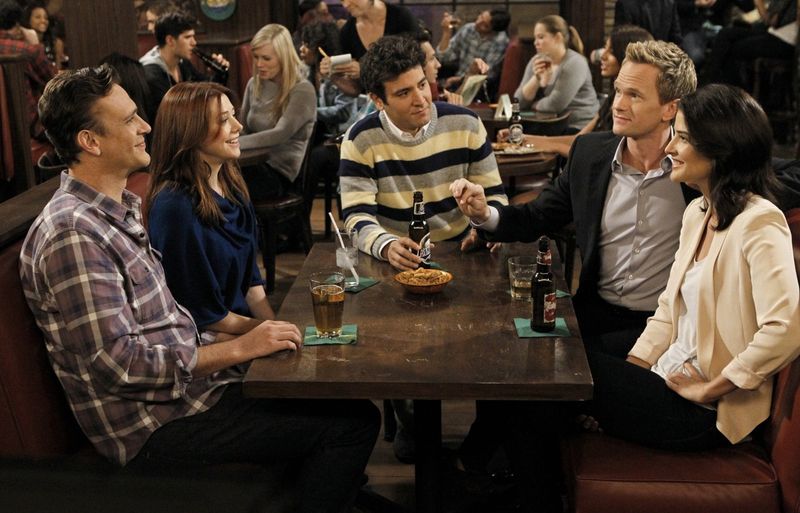
Ted rarely tells a story in a straight line, and that is part of the fun. Flashbacks, delayed explanations, and running jokes turn a familiar hangout comedy into a memory game.
Track repeated objects, background events, and stories retold from another person’s view. Knowing future relationships gives casual remarks a different edge, whether sweet or painful.
Even if the ending isn’t your favorite, the show rewards noticing how earlier moments return with a changed emotional meaning.