
A great burger starts long before it reaches the grill. Fresh beef, thoughtful sourcing, and good toppings can make a big difference in every bite.
Across the country, burger spots stand out for different reasons, from organic beef to buns baked nearby. Here are places worth knowing, plus tips for choosing a meal that fits what matters to you.
1. Burgerville: A Taste of the Pacific Northwest
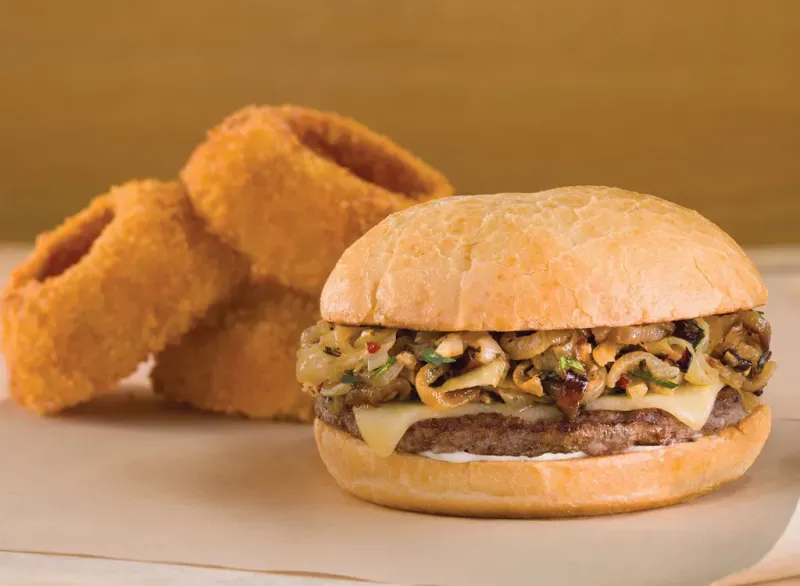
The Pacific Northwest shows up in more than the scenery here. Burgerville highlights regional sourcing, including beef from Country Natural Beef, local dairy products, and seasonal produce that gives its menu a strong sense of place.
Watch for specials featuring Walla Walla onions or Northwest berries. Those rotating choices can be a fun reason to visit.
If grass finishing or a particular farm matters to you, check current sourcing details before ordering your next burger.
2. In-N-Out Burger: Freshness Without the Fuss
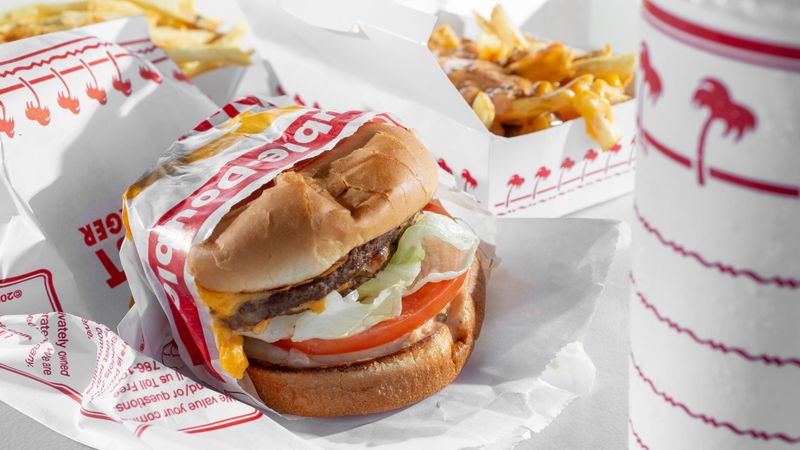
A short menu leaves little room to hide. At In-N-Out, fresh beef chuck is ground through the company’s own production system, and burger patties reach restaurants without being frozen.
Lettuce, tomato, and onions keep the familiar build straightforward.
Start with a regular hamburger or cheeseburger if you want to judge the basics. Grilled onions add sweetness without piling on extra toppings.
Freshness is the main draw, rather than an organic or grass-fed sourcing promise here.
3. 7th Street Burger: A Small Menu With Big Flavor
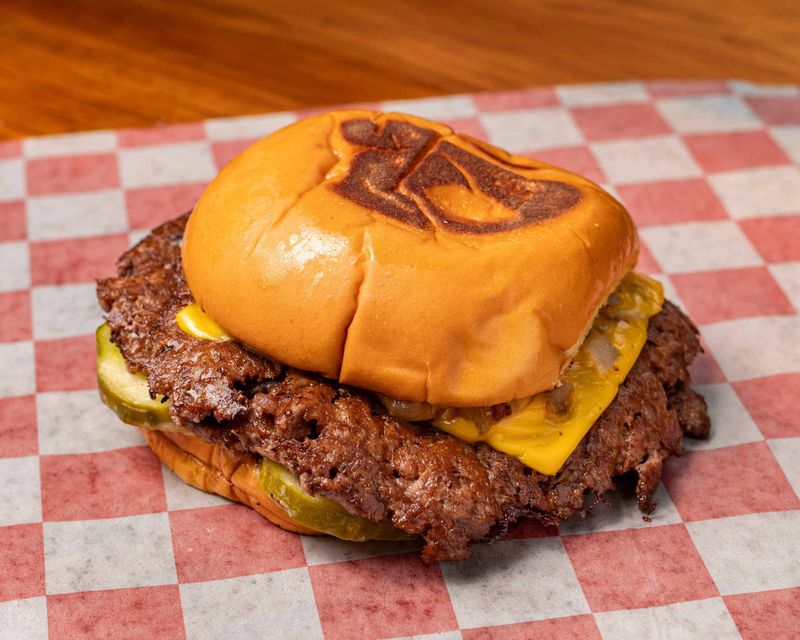
Grilled onions and a soft potato bun do plenty of work at this growing burger chain. Its burgers pair a Schweid & Sons beef blend with Martin’s potato rolls, keeping the focus on a few recognizable building blocks.
The result is a rich, compact burger rather than a towering stack. Order a simple cheeseburger first, and eat it while the edges are still crisp.
Supplier names offer useful detail, but they do not establish organic farming standards.
4. Shake Shack: A Butcher-Inspired Beef Blend
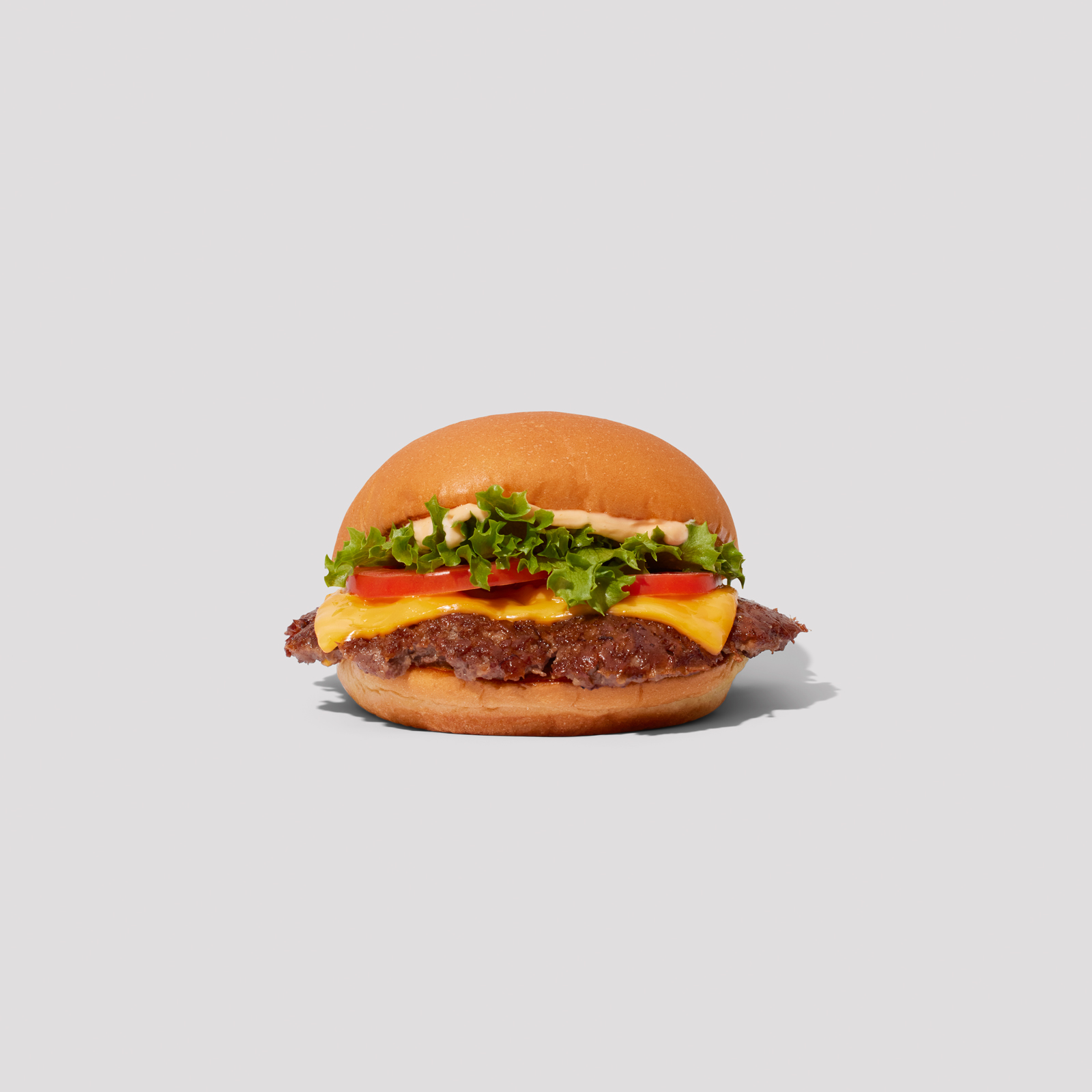
Behind that familiar ShackBurger is a beef blend developed with butcher Pat LaFrieda. Shake Shack describes its burgers as made with fresh Angus beef from cattle raised without added hormones or antibiotics, giving diners more sourcing information than many counters provide.
A basic ShackBurger lets the meat, cheese, and soft bun share the spotlight. Check the current ingredient guide for allergies or dietary needs.
Premium sourcing can matter without turning a burger into a light meal.
5. Seven Brothers Burgers: Island Roots and Fresh Flavor

Island roots give this family business a personality all its own. Seven Brothers began in Hawaii and emphasizes fresh preparation, including meat it says is never frozen.
Its menu often leans into bold combinations rather than a plain roadside burger.
Look for toppings that bring sweetness, crunch, or a little heat. Ask which ingredients come from local suppliers at your location, since sourcing can vary.
Splitting a loaded burger makes room to sample the sides, too.
6. Park Burger: Denver’s Neighborhood Upgrade
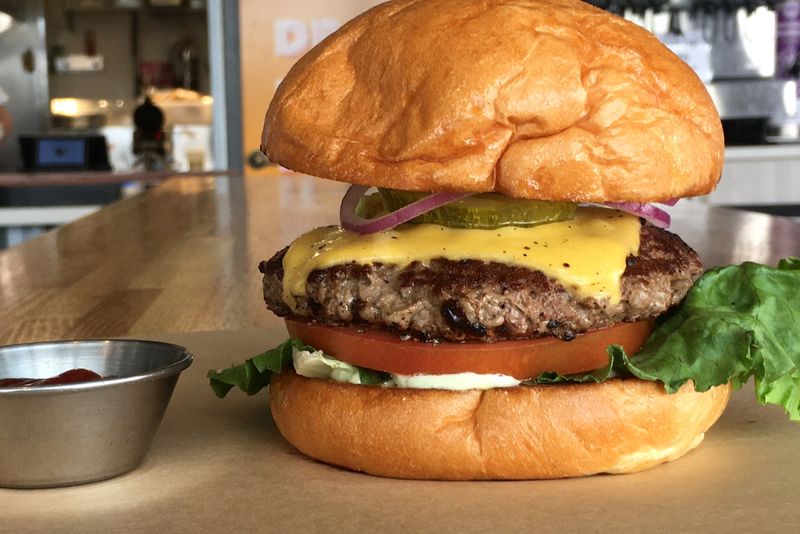
A chef’s background can change the way a neighborhood burger tastes. Founded by a chef with fine dining experience, Denver’s Park Burger puts care into its beef blend, toppings, and the balance of each sandwich.
Choose a simpler build before exploring the busier combinations. That makes it easier to notice the patty’s flavor and how well the bun holds together.
For specific ranch names or animal raising standards, ask staff rather than assuming chef-driven means certified.
7. Gordon Ramsay Burger: A Las Vegas Splurge
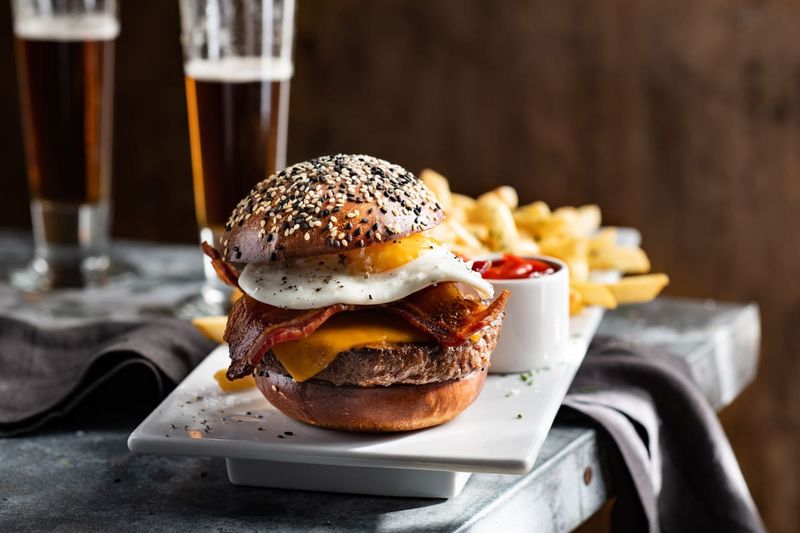
Las Vegas knows how to make dinner feel like an event. Gordon Ramsay Burger takes that approach with rich beef blends, carefully built toppings, and buns sturdy enough for a substantial patty.
Expect restaurant pricing rather than drive-through deals.
Pick toppings that support the beef instead of covering every flavor. Sharing fries can help keep both the bill and portion manageable.
Menus change, so confirm the current blend rather than relying on older descriptions of cuts.
8. Dog Haus: Serious Beef on Sweet Rolls
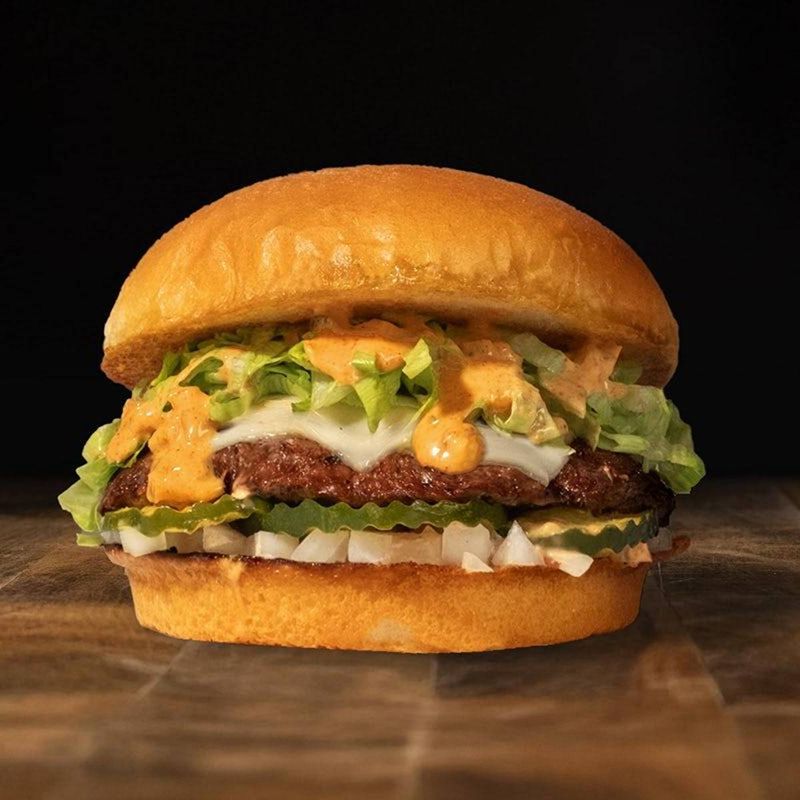
Sweet rolls make the first impression, but the beef deserves attention too. Dog Haus highlights Black Angus beef and has identified Creekstone Farms among its suppliers.
That combination gives its burgers a different feel from the usual sesame bun classic.
Try a straightforward cheeseburger to see whether you enjoy the sweet and savory contrast. If animal welfare certification or antibiotic policies guide your choice, request current supplier details.
Standards should be checked for the specific product.
9. Culver’s: Fresh Beef Meets a Buttered Bun
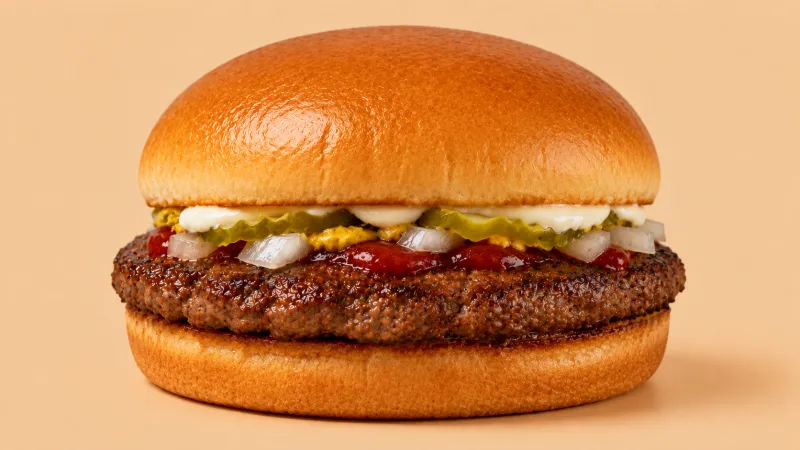
That ButterBurger name points to the bun, not butter mixed into the beef. Culver’s uses fresh, never frozen beef and cooks burgers to order, with a lightly buttered bun adding its familiar finishing touch.
The chain describes a blend of sirloin, chuck, and plate, cuts chosen for flavor and texture. A single burger is a sensible starting point if you also want custard.
Order toppings simply when you want the browned beef to stand out most.
10. Five Guys: Hand-Formed and Made Your Way
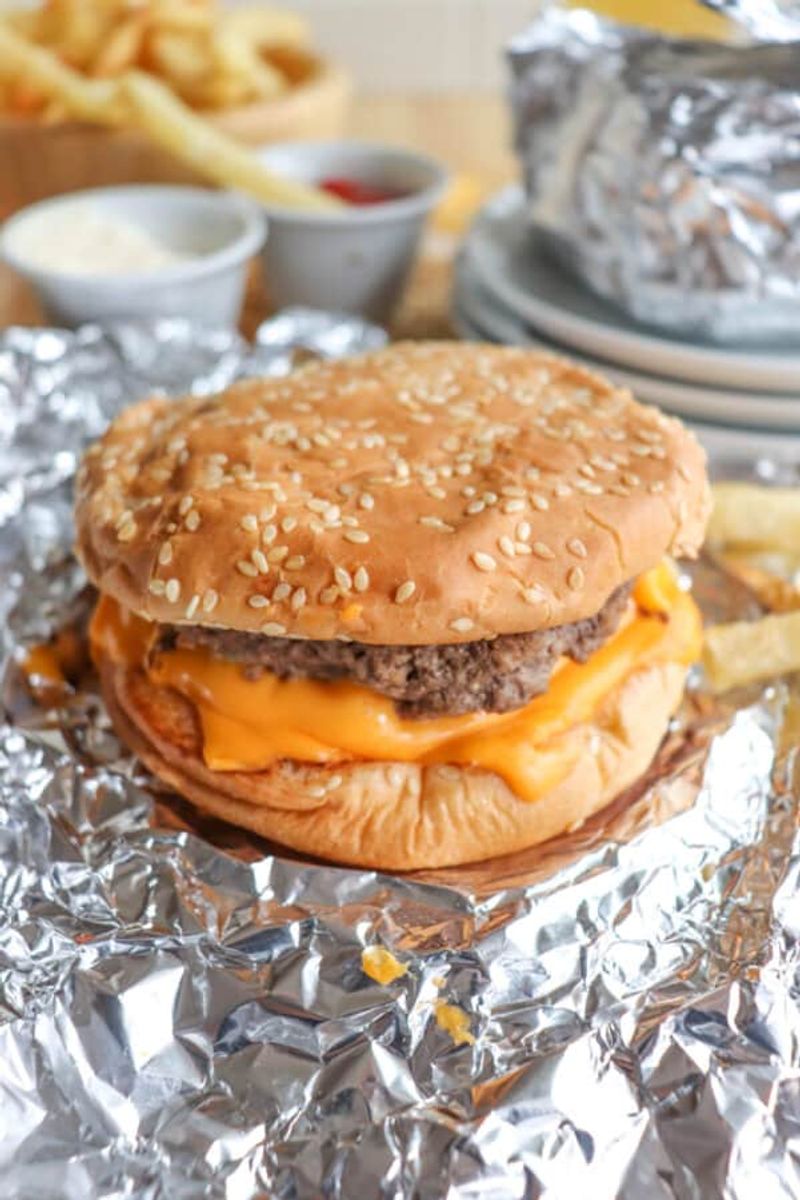
Foil wrappers and generous topping choices keep the mood casual here. Five Guys builds its reputation around fresh, hand-formed beef patties that are never frozen, with no fillers added to the meat.
Burgers are prepared after you order.
Remember that a regular hamburger usually includes two patties, while a Little Hamburger has one. Pick a few favorite vegetables instead of adding everything.
Anyone with a peanut allergy should review the restaurant’s peanut use before planning a visit.
11. Elevation Burger: Organic Beef Takes Center Stage
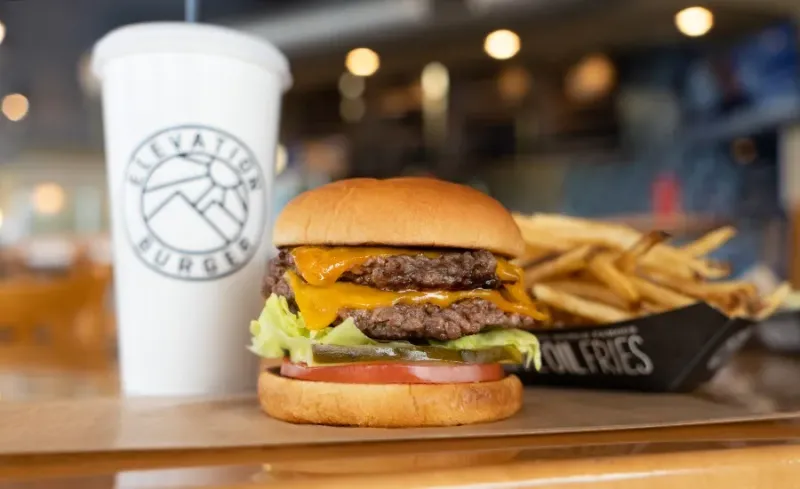
Organic beef is the headline, not a small menu footnote. Elevation Burger built its identity around organic, grass-fed beef, offering a clearer starting point for diners who care about how cattle are raised and fed.
Those terms describe different things: organic covers production rules, while grass-fed concerns diet. Check the current location menu and sourcing information before traveling, since availability can change.
A basic burger offers the easiest way to explore the beef’s flavor for yourself.
12. Freddy’s: Thin Patties With Crispy Edges
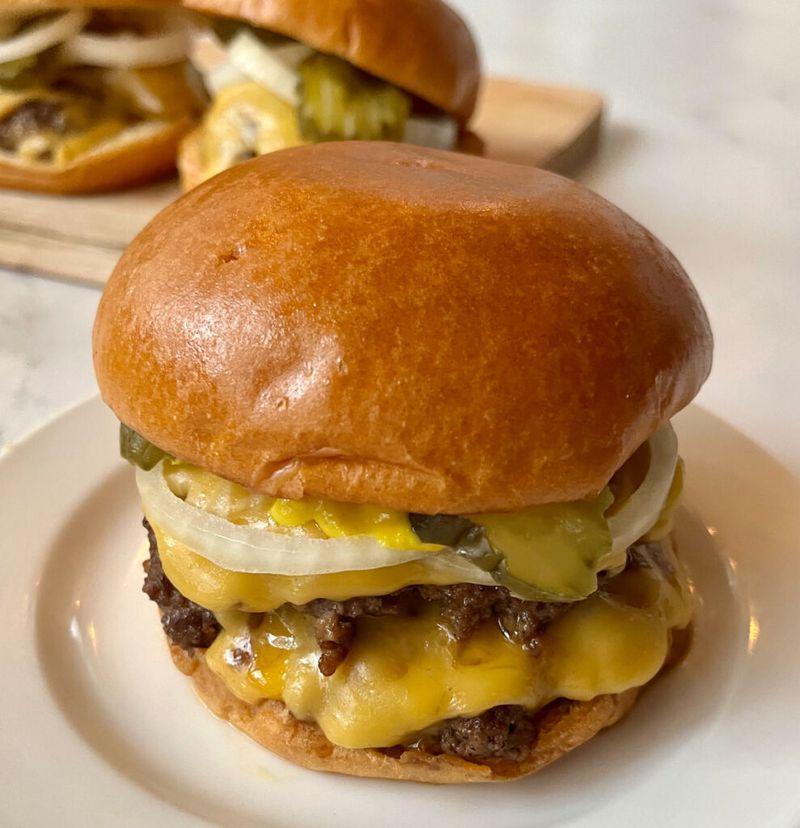
Crispy edges are the prize at this retro-style stop. Freddy’s presses its beef patties thin on the grill, creating browned surfaces that deliver much of the burger’s appeal.
Its signature seasoning adds another layer of savory flavor.
The steakburger name does not mean you are ordering a whole steak. Think thin, cooked patties rather than a thick pub burger.
Ask about seasoning and sodium if those matter to your diet, and enjoy your order while hot.
13. BurgerFi: A Focus on Beef Standards
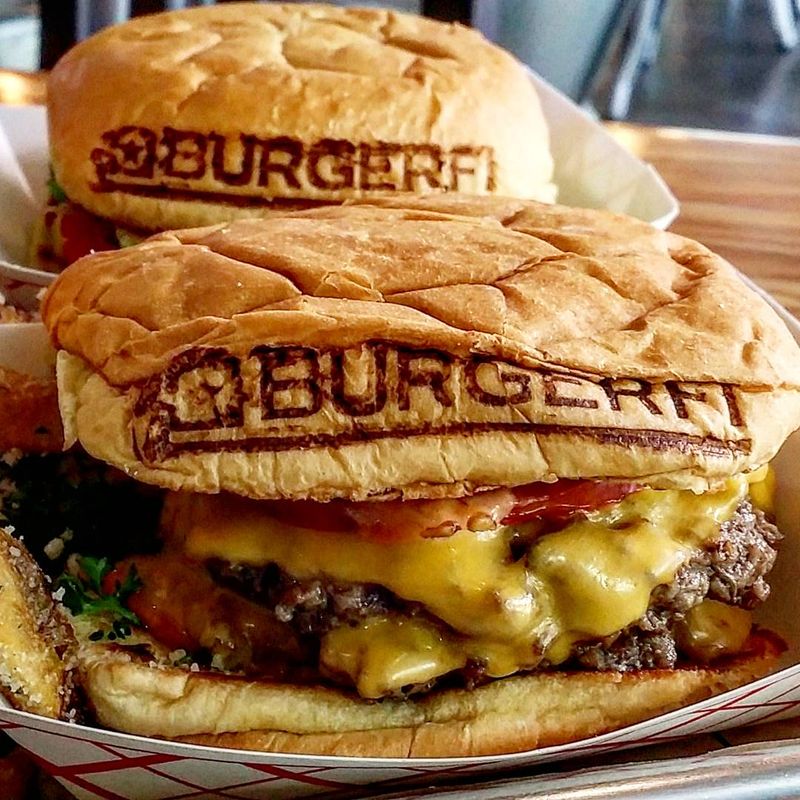
A branded bun makes the burger easy to recognize, but sourcing is the stronger reason to look closer. BurgerFi promotes Angus beef raised without antibiotics, added hormones, or steroids, placing animal raising practices near the center of its pitch.
Read the current menu for the exact burger you choose, especially when specialty blends are offered. Plain toppings make comparing beef easier.
Fresh ingredients and sourcing rules are useful signals, though neither guarantees a lower calorie meal.
14. Burger Village: More Choices for Careful Eaters
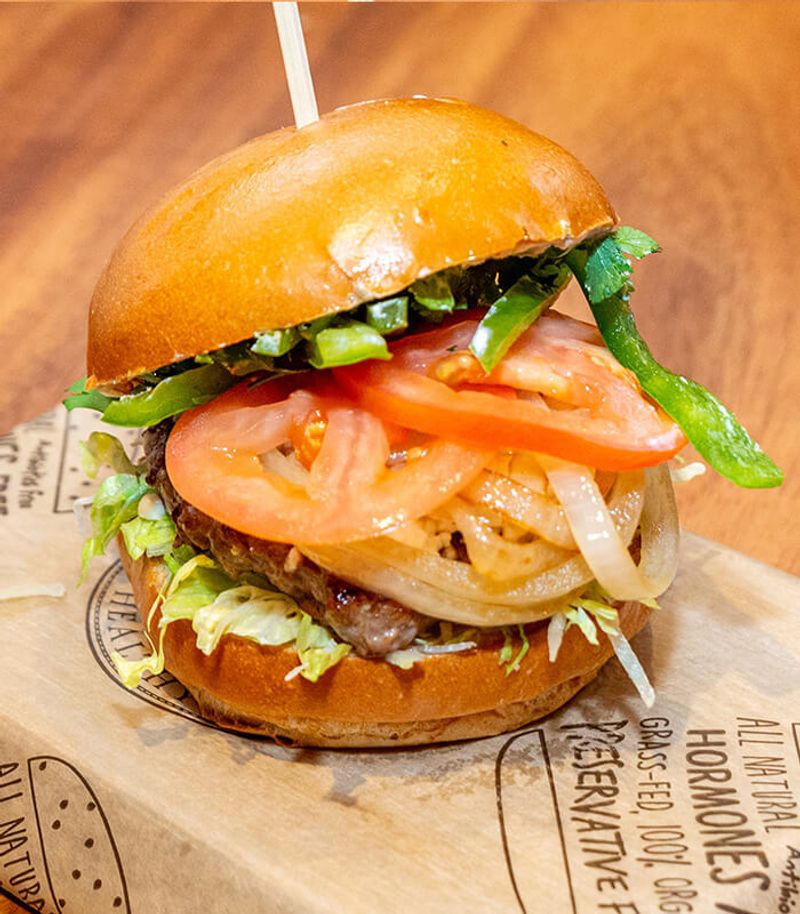
Reading the menu can feel like part of the adventure at Burger Village. The brand emphasizes organic and grass-fed burger options, alongside choices for diners with different preferences.
Its Raleigh location gives North Carolina burger fans another place to investigate sourcing.
Compare the listed proteins before assuming every patty follows identical standards. Salads and vegetable toppings can round out the meal.
For peanut allergies or other medical concerns, confirm ingredients and kitchen handling directly with staff.
15. Homemade Burgers Wixom: Check the Local Details
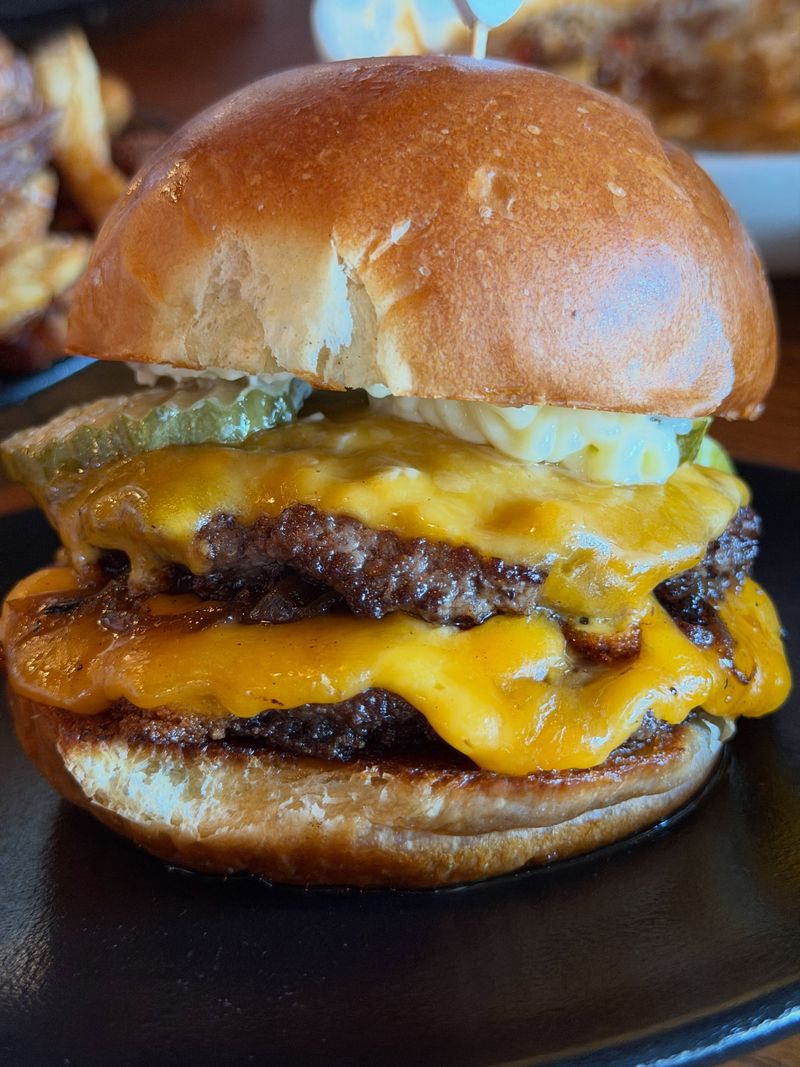
Local burger recommendations sometimes need a little detective work. Homemade Burgers Wixom appears in the supplied research with claims about grass-fed beef, nearby farms, and patties prepared in house.
Those specific claims deserve confirmation before you build a trip around them.
Check the exact business name, address, and current menu first. Then ask where the beef comes from and whether it arrives fresh.
Clear answers matter more than a long list of impressive sounding ingredient promises.
16. Au Cheval: Let the Beef Do the Talking
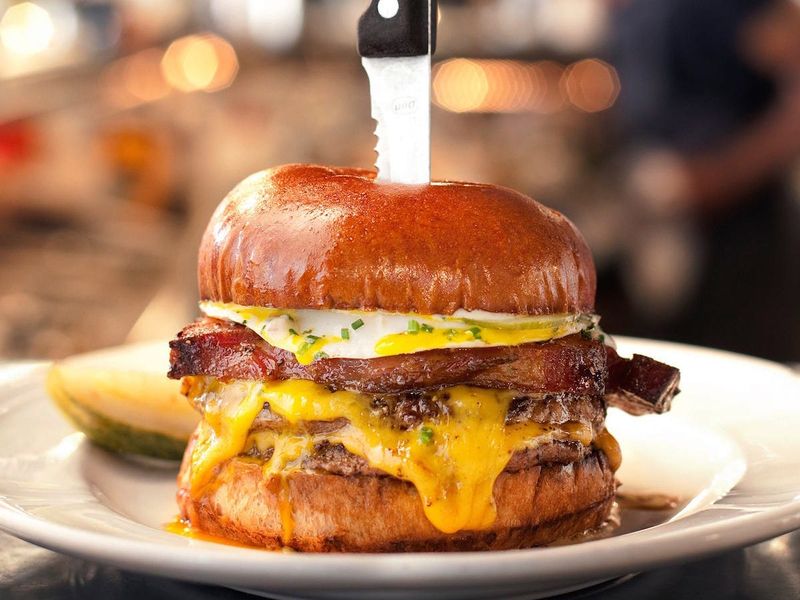
Rich beef, melted cheese, and sharp pickles make a convincing case for restraint. Au Cheval, known in Chicago and New York, earns attention for how its burger components work together rather than for a long list of farming certifications.
Start with the classic build before adding rich extras such as bacon or egg. Check how the menu counts patties, since names can surprise newcomers.
Do not assume the beef is dry-aged unless the current restaurant confirms it.
17. The Habit Burger Grill: Fire Adds the Finish
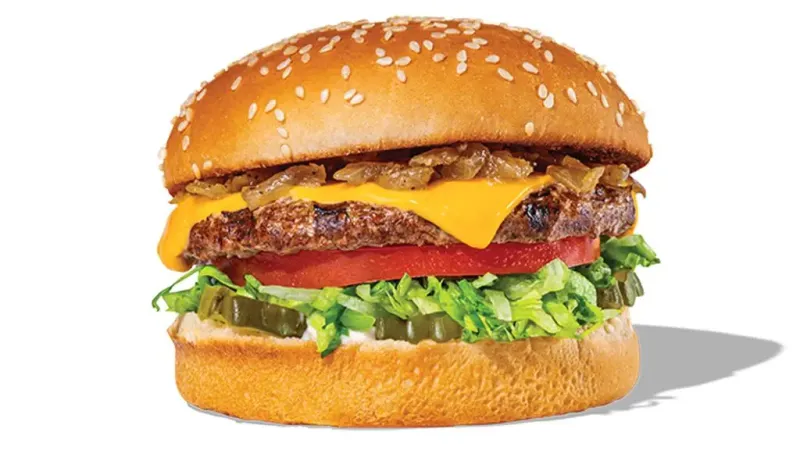
Smoke from the chargrill gives this California-born chain its calling card. The Habit builds its Charburger around fresh ground beef cooked over an open flame, adding a grilled flavor that differs from burgers seared on a flat metal surface.
Caramelized onions, lettuce, tomato, and pickles bring sweetness and crunch to the standard order. Try that version before adding extras.
Fresh beef describes handling, not farming methods, so ask separately about sourcing if those details shape your decision.