
A captain’s chair is more than a seat on a starship. In Star Trek, the person sitting there can change lives, stop wars, and help strangers become friends.
Some captains lead with bold action, while others rely on patience, kindness, or hard lessons. Their different choices helped turn a space adventure into a lasting story about who we could become.
1. James T. Kirk: Bold Choices and Lasting Loyalty
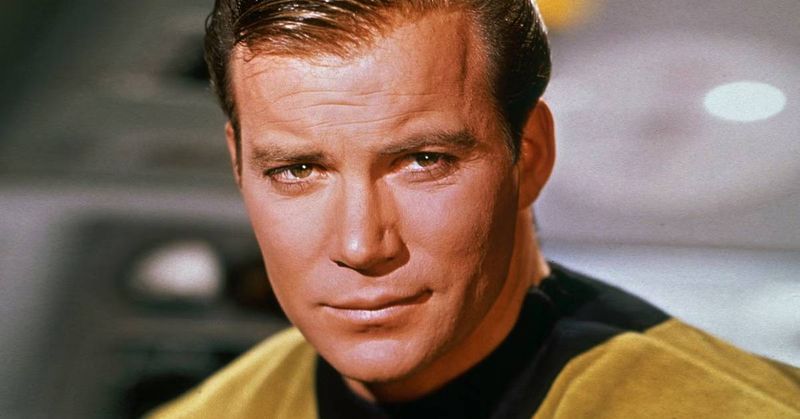
A dangerous mission rarely kept him in his chair for long. As captain of the original Enterprise, Kirk mixed quick thinking with fierce loyalty to his crew.
His friendships with Spock and McCoy gave the series its beating heart.
Although remembered for taking risks, he also defended peace and challenged unfair rules. Watch his toughest decisions closely: his real strength often comes from trusting others, not simply charging ahead with a plan of his own.
2. Jean-Luc Picard: The Power of a Calm Voice
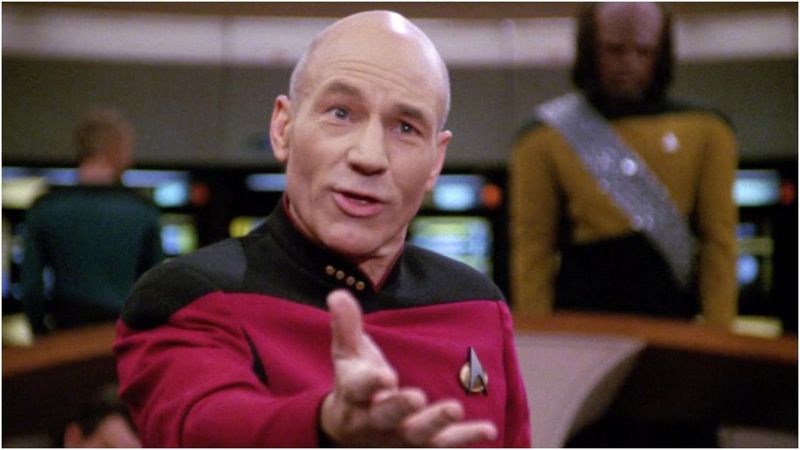
Sometimes the strongest weapon on the bridge was a carefully chosen sentence. Leading the Enterprise in The Next Generation, Picard made patience, learning, and moral courage feel exciting.
He preferred understanding an enemy before opening fire.
His speeches worked because his actions usually supported them. Stories such as The Measure of a Man show why his leadership matters: protecting someone’s rights can require just as much bravery as facing a hostile fleet in deep space.
3. Benjamin Sisko: Warmth Under Wartime Pressure
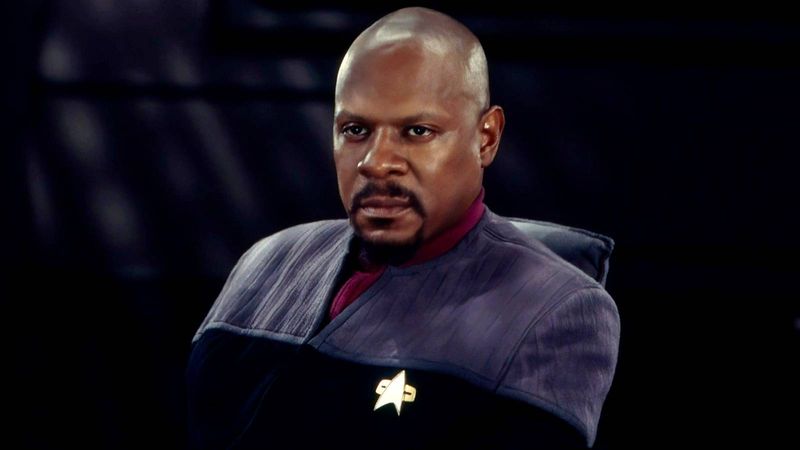
Baseball, family dinners, and impossible wartime choices all belonged in his world. On Deep Space Nine, Sisko balanced being a father with protecting a station near a vital wormhole.
His bond with Bajor added spiritual weight to his responsibilities.
The Dominion War pushed him into decisions that still spark debate. Rather than offering an easy hero, the series showed a caring leader under strain.
His story asks what defending peace might cost the people responsible.
4. Kathryn Janeway: Keeping Hope Alive Far From Home
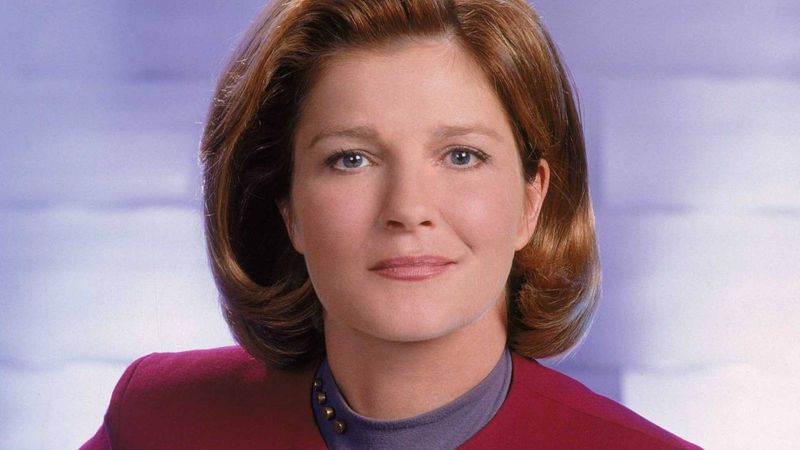
Getting home was never as simple as choosing the shortest route. Stranded in the Delta Quadrant, Voyager’s captain had to guide a divided crew without nearby Starfleet help.
Janeway combined scientific curiosity with a stubborn refusal to abandon hope.
Her decisions could be controversial, especially when safety clashed with her values. That tension gave Voyager its central question: how do you stay true to yourself when nobody can rescue you or judge your next move?
5. Jonathan Archer: Learning Before the Rulebook
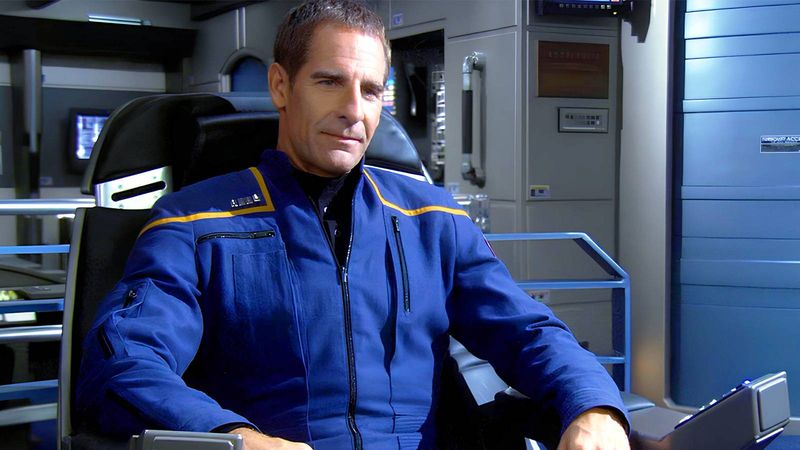
Space exploration was messier before Starfleet had generations of experience. Commanding Enterprise NX-01, Archer met unfamiliar cultures while humanity was still earning its place among the stars.
He often had to learn through mistakes rather than established rules.
His adventures helped prepare the way for the United Federation of Planets. Enterprise makes his growth worth following: suspicion slowly gives way to cooperation, showing that lasting alliances begin when people listen beyond their own familiar world.
6. Christopher Pike: Compassion With a Heavy Burden
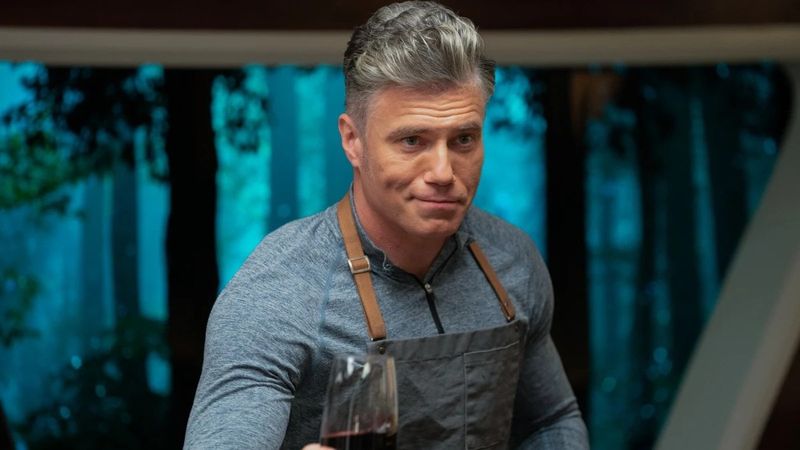
A shared meal can reveal as much about leadership as a battle. In Strange New Worlds, Pike creates room for conversation, disagreement, and trust aboard the Enterprise.
His approachable manner makes the crew feel like people, not replaceable workers.
Knowing about his devastating future adds a painful layer to that warmth. Yet he keeps serving others.
First introduced in Star Trek’s original pilot, he became a powerful example of courage without cruelty or constant boasting.
7. Michael Burnham: Turning Pain Into Connection
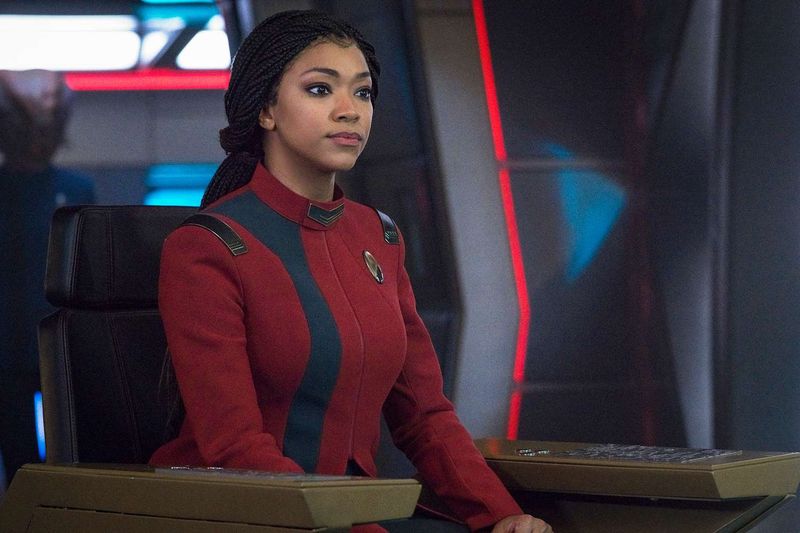
Few journeys to the captain’s chair include so many personal setbacks. Raised on Vulcan, Burnham struggles with the pull between logic and emotion throughout Discovery.
Her mistakes matter, but so does her willingness to change.
After arriving in the distant future, she helps reconnect a fractured Federation and eventually commands Discovery. Her approach places relationships near the center of every mission.
Watch how listening and trust become tools for rebuilding something larger than one ship.
8. Hikaru Sulu: A Familiar Face Takes Command
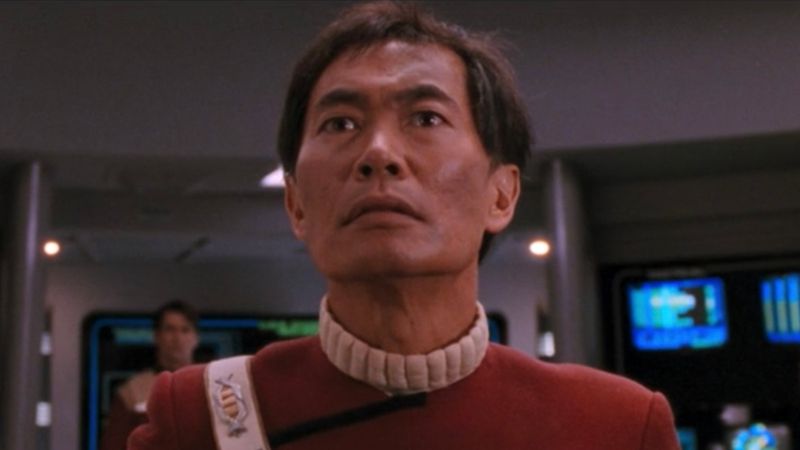
The former helmsman finally had a bridge of his own. As captain of the Excelsior, Sulu showed how a trusted supporting character could grow into a confident commander.
His calm delivery made even brief scenes feel full of authority.
In The Undiscovered Country, he helps Kirk during the crisis surrounding peace with the Klingons. That return rewarded longtime viewers while expanding Star Trek’s world.
Career growth, his story suggests, can happen beyond the main spotlight.
9. Robert April: The Enterprise Legacy Begins
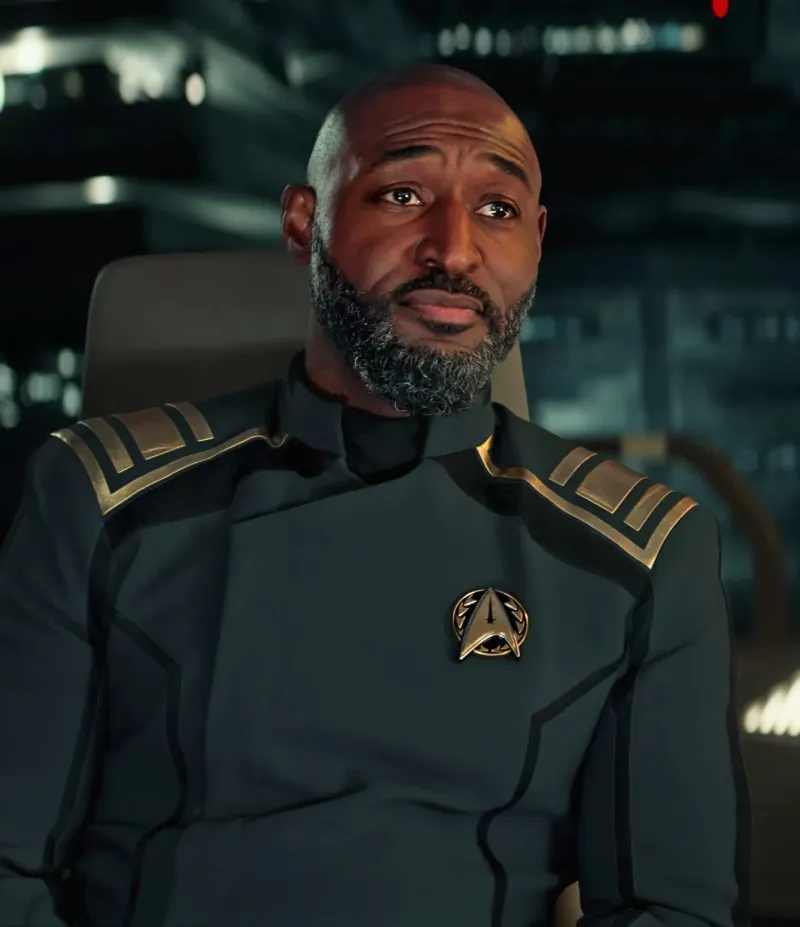
Before Pike and Kirk, another officer helped establish the Enterprise’s story. Robert April was its first commanding officer, making him an important part of the ship’s history even with limited screen time.
He first appeared in The Animated Series.
Strange New Worlds later brought him into live action as an admiral. His presence reminds viewers that famous crews inherit work done by earlier explorers.
A legendary ship needs a beginning, not just its celebrated later adventures.
10. William T. Riker: Ready When the Chair Calls
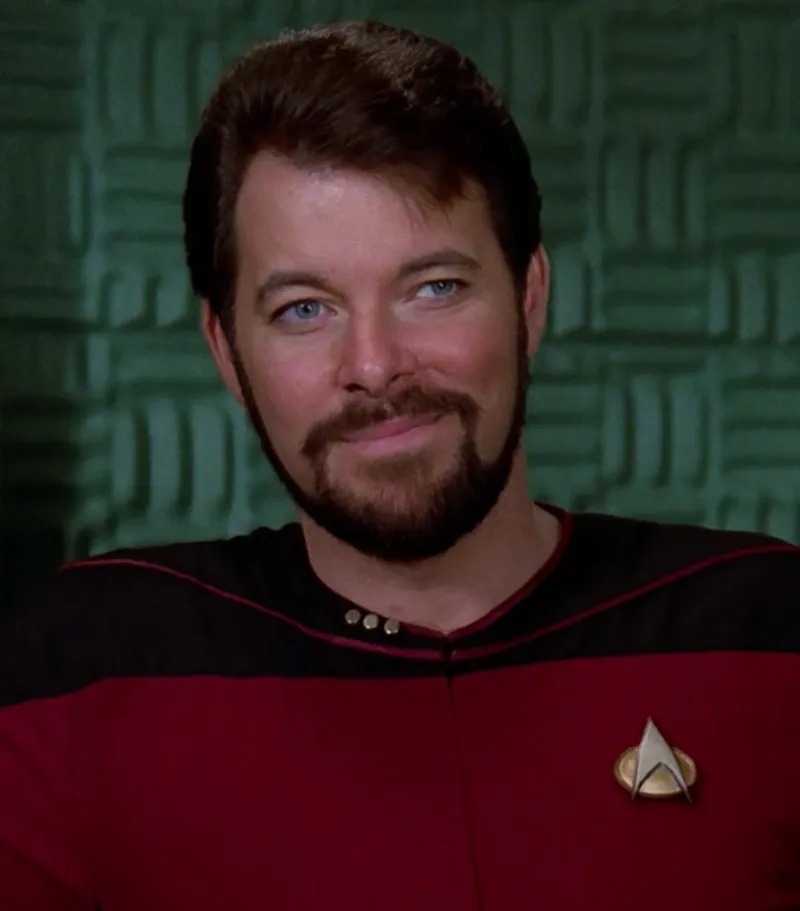
Being second in command never meant standing quietly in the background. Riker brought confidence, humor, and strong instincts to Picard’s crew.
When the Borg captured Picard, he took command during one of Starfleet’s most frightening emergencies.
He later became captain of the Titan, turning years of experience into an independent command. His path offers a useful lesson about ambition: learning beside someone you respect can prepare you to lead without simply copying their every decision.
11. Carol Freeman: Making Everyday Missions Matter
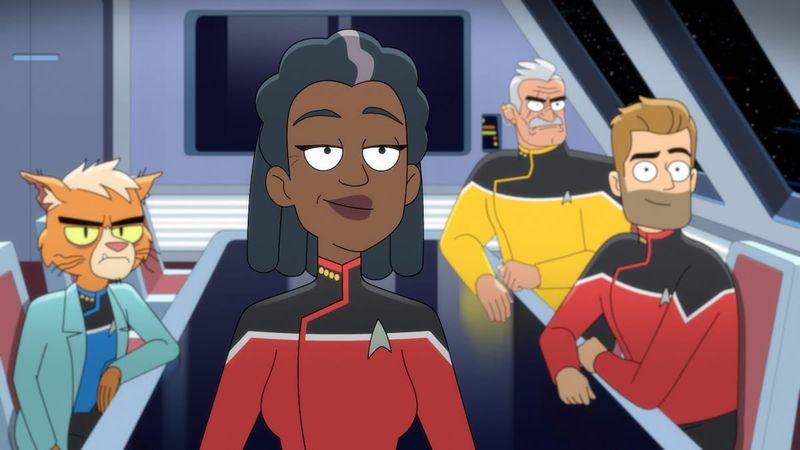
Not every assignment involves saving the galaxy before lunch. Aboard the Cerritos, Freeman handles the followup work that keeps Federation relationships running.
Lower Decks turns those overlooked duties into lively stories about pride, teamwork, and workplace chaos.
Her complicated relationship with her daughter, Beckett Mariner, adds a personal challenge to command. Beneath the comedy, Freeman makes a serious point: maintaining trust after first contact matters.
Somebody must handle the details once the famous explorers fly away.
12. Philippa Georgiou: A Mentor Whose Influence Endures
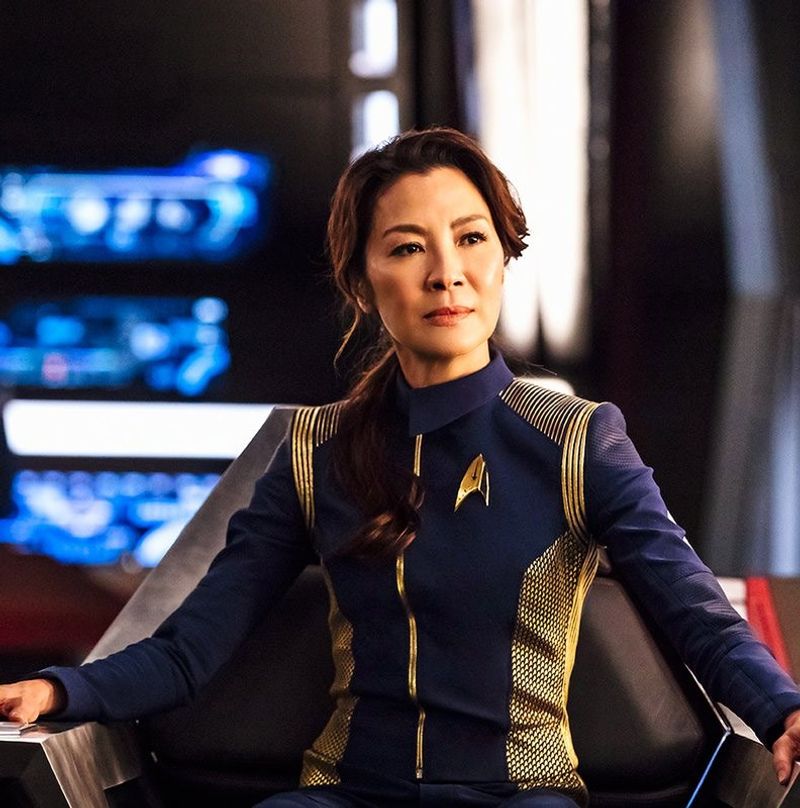
A short appearance can leave a long shadow. The prime universe Georgiou commanded the Shenzhou with confidence and care, mentoring Michael Burnham before Discovery’s central journey began.
Her loss gave the opening story much of its emotional force.
Keep her separate from the harsher Mirror Universe version played by the same actor. The original captain represents the guidance Burnham loses and continues to remember.
Her influence shows how a mentor’s example can outlast their command.
13. Gabriel Lorca: The Danger Behind Easy Answers
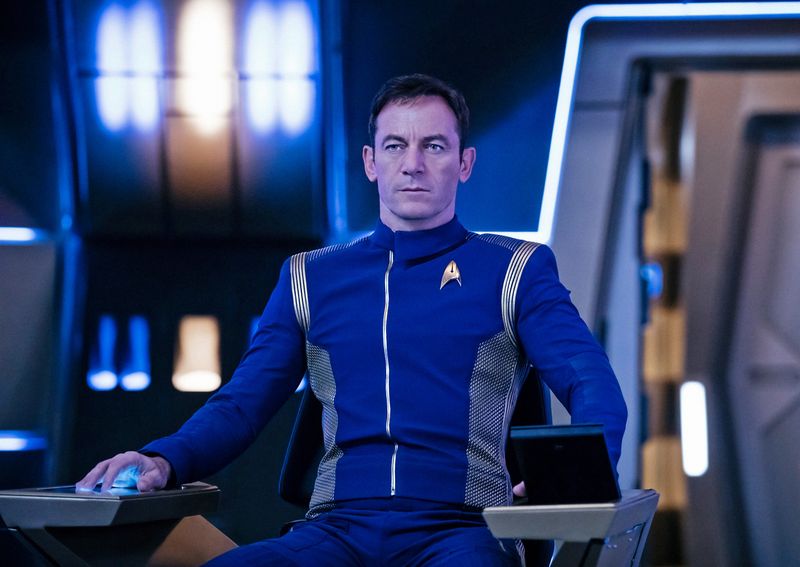
Something felt wrong behind his sharp orders and battlefield confidence. During Discovery’s first season, Lorca pushed his crew toward victory while hiding motives they could not understand.
His command made viewers question whether results alone could justify a leader’s methods.
The reveal that he came from the Mirror Universe changed the meaning of earlier scenes. He shaped the franchise as a warning, not a role model: skill and charm cannot replace honesty, responsibility, or respect.
14. Saru: Growing Beyond Fear
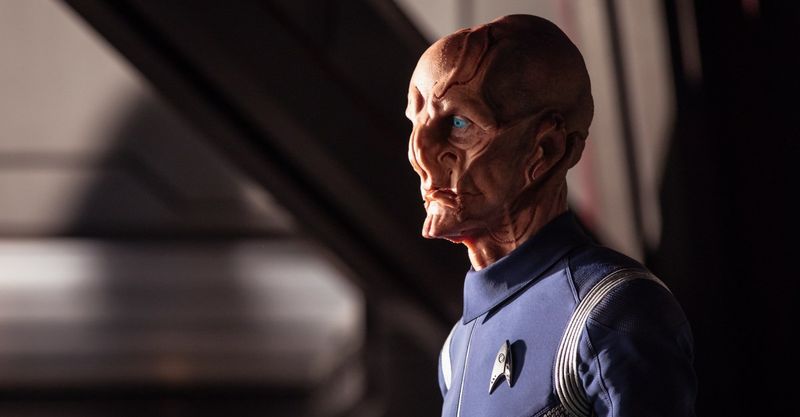
Fear once shaped nearly every part of his life. As a Kelpien, Saru grew up believing danger was something his people could never truly escape.
Discovery follows his remarkable growth as he challenges those beliefs and gains confidence.
Becoming Starfleet’s first Kelpien captain made that change especially meaningful. His thoughtful manner and careful attention to others offered a different kind of strength.
Saru’s story encourages viewers to question limits they have been taught to accept.
15. Edward Jellico: A Tough Command Test
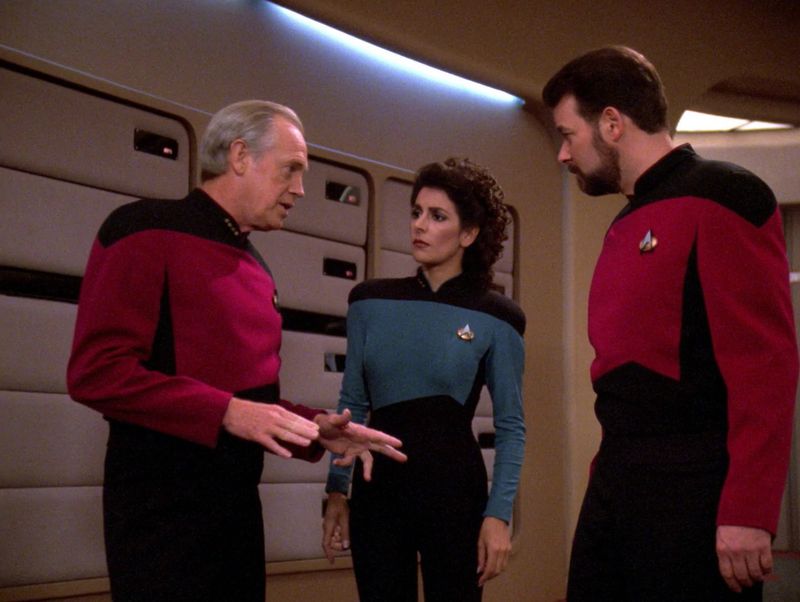
A new boss can unsettle even an experienced team. Taking temporary command of the Enterprise during Chain of Command, Jellico changed routines and demanded quick adjustments.
His approach clashed with officers accustomed to Picard’s style, especially Riker.
Still, his handling of the Cardassian crisis showed real skill. The story leaves room to debate his people skills without dismissing his results.
Leadership is not always comfortable, but effective leaders also need to consider how change affects others.
16. Seven of Nine: A Future Beyond the Borg
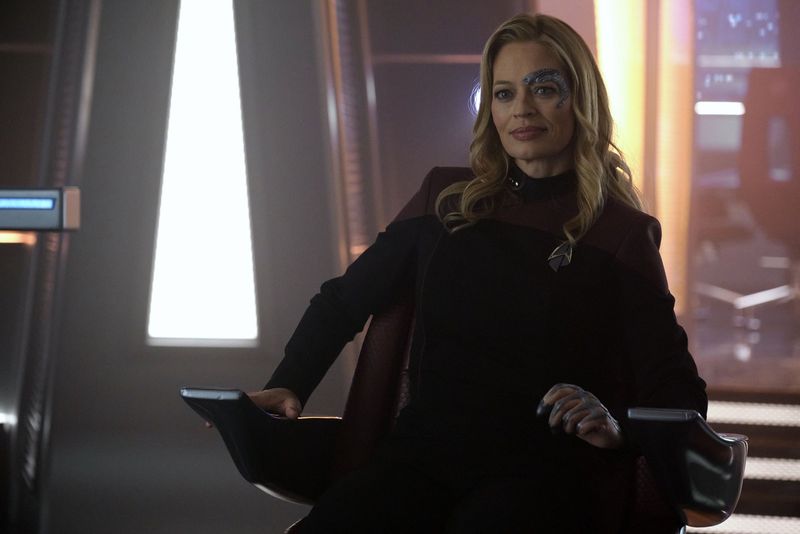
Her future once seemed locked inside the Borg Collective. Freed aboard Voyager, Seven gradually rebuilt her identity while learning how to connect with others.
Her blunt honesty and technical skill made that journey both difficult and memorable.
By the end of Picard’s third season, she commands the Enterprise-G. That promotion brings years of growth into focus.
Star Trek’s promise becomes personal through her: a painful past need not decide where someone belongs or what comes next.