
Ending a marriage is one of the hardest decisions a person can make, and for many women, it does not happen overnight. Over time, small frustrations and deep hurts can build up until staying no longer feels possible.
Understanding the reasons behind this choice can help us all build healthier, more respectful relationships. Here are 16 honest reasons women finally decide to walk away.
1. Infidelity and Betrayal

Finding out your partner has been unfaithful cuts deeper than almost anything else in a marriage. Whether it is a physical affair, an emotional connection with someone else, or hidden financial secrets, betrayal destroys the trust that holds a relationship together.
Once that trust is broken, many women find it nearly impossible to feel safe again. For countless women, infidelity is the moment that turns doubt into a firm, final decision to leave.
2. Abuse in the Relationship

No one enters a marriage expecting to be hurt, yet abuse – whether physical, emotional, or psychological – affects far too many women. Surveys show that over half of women who divorce cite emotional or psychological abuse as their main reason for leaving.
Being belittled, bullied, intimidated, or controlled chips away at a person’s sense of worth. Leaving an abusive situation is an act of courage, and for many women, it is the most important decision they will ever make.
3. Feeling Unheard and Lack of Communication

Picture trying to talk about something that really matters to you, only to be dismissed, ignored, or talked over every single time. Poor communication is one of the most common reasons marriages fall apart, and the loneliness it creates can be overwhelming.
When a woman feels her thoughts and feelings are constantly invalidated, emotional needs go unmet. Over time, silence and frustration replace the open conversations that once made the relationship feel like a true partnership.
4. A Partner’s Addiction

Living with someone battling addiction – whether to alcohol, drugs, gambling, or even technology – can feel like living with a stranger. The unpredictability, broken promises, and emotional chaos that come with addiction slowly erode the goodwill and trust a marriage needs to survive.
Many women spend years hoping their partner will change, seeking help, and carrying the emotional weight alone. Eventually, the toll becomes too heavy, and leaving feels like the only path toward stability and peace.
5. Emotional Disconnection and Lack of Intimacy

Closeness in a marriage is about much more than physical affection – it is about feeling truly seen and cherished by your partner. When emotional connection fades and tenderness disappears, many women describe feeling deeply lonely even while sharing a home with someone.
A lasting sexual mismatch or an absence of warmth can quietly hollow out a relationship. For women who have tried to bridge that gap without success, the growing distance eventually becomes a reason they can no longer ignore.
6. Unequal Division of Household Labor
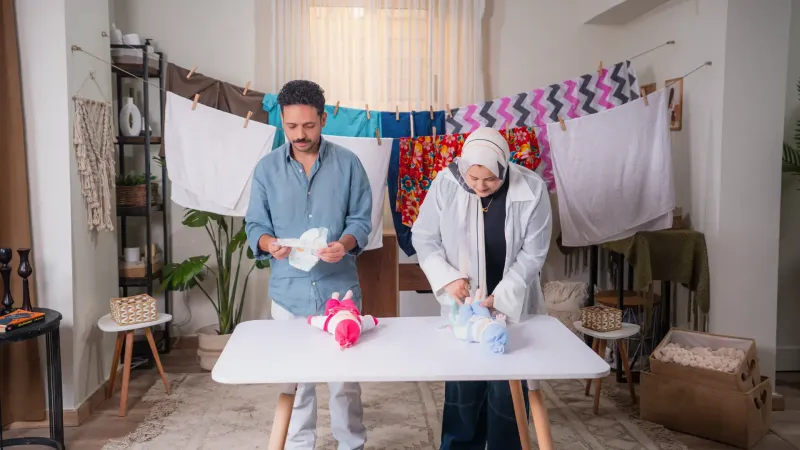
Carrying the bulk of housework, childcare, and the invisible mental load of running a family is exhausting – and deeply unfair. Research consistently shows that women shoulder a disproportionate share of domestic responsibilities, even when both partners work full time.
Resentment builds quietly at first, then louder. When a woman repeatedly raises the issue and nothing changes, burnout sets in.
Many women eventually reach a point where they realize the imbalance is not going to fix itself, and they choose to stop waiting.
7. Serious Financial Problems and Conflicts

Money arguments are among the most common and damaging conflicts in any marriage. Reckless spending, hidden debts, lying about finances, or simply never agreeing on financial goals can create a constant undercurrent of tension and distrust that is hard to recover from.
Financial instability affects every corner of family life, from daily stress to long-term security. When a partner refuses to be honest or responsible with money, many women feel they have no choice but to protect themselves and their children by leaving.
8. Growing Apart Over Time

People change – that is simply a fact of life. But when two people grow in completely different directions, the shared sense of purpose and connection that once defined their relationship can quietly disappear over the years.
Incompatible interests, different values, and a loss of common ground can make even a once-loving marriage feel hollow. Many women describe a gradual realization that the person they married and the life they are living no longer match who they have become, and that awareness becomes impossible to ignore.
9. Lack of Commitment from a Partner

A marriage takes two fully committed people to work. When one partner stops investing in the relationship – emotionally, practically, or in terms of effort – the other is left holding everything together alone, and that is not sustainable.
Lack of dedication shows up in many ways: broken promises, emotional absence, or simply never prioritizing the relationship. Studies identify low commitment as one of the leading contributors to divorce.
Women who feel they are the only one fighting for the marriage often reach a breaking point.
10. Constant Conflict and a Toxic Home Environment

Every couple disagrees sometimes – that is normal. But when fighting becomes the daily rhythm of a household, and arguments never get resolved but just keep cycling back, the home stops feeling like a safe place for anyone inside it.
Persistent tension and toxic conflict drain energy, damage mental health, and create a damaging environment for children. Many women eventually recognize that no amount of effort is going to break the cycle, and walking away becomes an act of protecting themselves and their family.
11. Untreated Mental Health Issues in a Partner
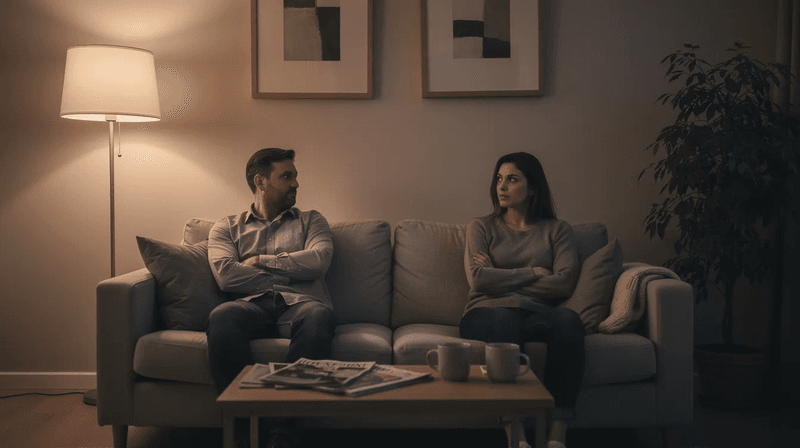
Loving someone who is struggling with untreated depression, severe anxiety, narcissism, or other mental health challenges can be heartbreaking. Many women spend years supporting a partner, encouraging them to seek help, and absorbing the emotional fallout of a condition that goes unaddressed.
When a partner refuses to acknowledge the problem or seek treatment, the relationship can become unpredictable and emotionally unsafe. At some point, a woman must weigh her own well-being and decide she cannot keep sacrificing her health for a situation that shows no signs of changing.
12. Feeling Trapped by Rigid Gender Roles
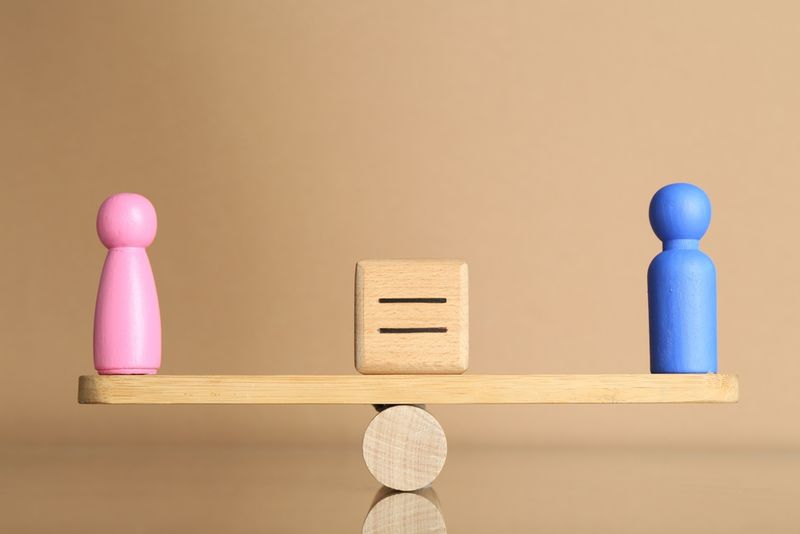
Some marriages operate on an outdated rulebook where the woman is expected to be silent, submissive, and endlessly accommodating while her partner holds all the power. That kind of dynamic does not just feel unfair – it actively chips away at a woman’s dignity and sense of self.
When a partner dismisses her opinions, controls her choices, or treats equality as a threat, resentment grows fast. Many women eventually refuse to keep shrinking themselves to fit a role they never agreed to play in the first place.
13. Neglect and Violation of Marital Duties

Marriage comes with real responsibilities – to show up, to care, to be present. When a partner repeatedly fails to fulfill their duties toward their spouse or children, the relationship starts to feel less like a partnership and more like a one-person operation.
Emotional abandonment, physical absence, and a consistent failure to be accountable erode trust in a way that is very hard to rebuild. For many women, neglect is a slow-moving wound that finally forces the question: why stay in a marriage where you already feel completely alone?
14. Loss of Identity and Desire for Personal Growth

Somewhere between the wedding day and years later, some women realize they have lost track of who they are outside of being a wife and mother. Dreams put on hold, hobbies abandoned, and ambitions left unexplored can leave a person feeling like a faded version of themselves.
When a partner actively discourages growth or simply does not support it, the gap between who a woman is and who she wants to be keeps widening. Choosing to leave can be an act of reclaiming a life that still has so much left to offer.
15. Feeling Unappreciated and Taken for Granted

Everyone needs to feel like their efforts matter. Cooking, cleaning, working, parenting, managing the household, offering emotional support – when all of that goes unnoticed day after day, it starts to feel pointless and deeply demoralizing.
A persistent sense of being invisible or taken for granted quietly poisons even a stable marriage. Many women try to communicate how they feel, only to be brushed off.
After enough years of pouring themselves into a relationship without a single thank you, leaving starts to feel less like giving up and more like self-respect.
16. Negative Health Effects of the Marriage

A bad marriage does not just hurt emotionally – it can do real damage to a person’s body. Chronic stress from an unhappy relationship has been linked to high blood pressure, weakened immunity, depression, anxiety, and a host of other serious health concerns.
When a woman notices that her health is declining alongside her happiness, that is a powerful signal that something needs to change. For many, the moment they connect their physical symptoms to the state of their marriage is the moment they finally start making plans to leave.