
Some foods manage to start an argument before anyone even takes a full bite. Just the look, the feel, or the squish of certain dishes is enough to make one person excited and another person walk away.
Texture plays a huge role in how we experience food, sometimes even more than flavor. Get ready to explore 16 foods that people either love or completely avoid based on texture alone.
1. Okra
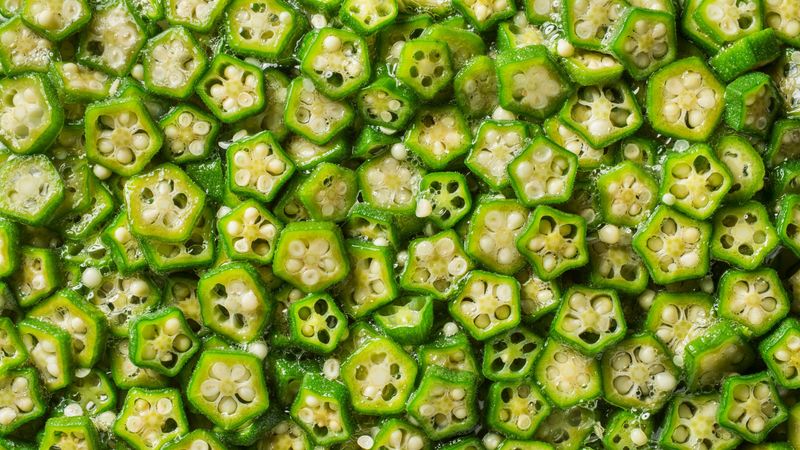
Few vegetables spark a debate quite like okra. Cut it open or cook it wrong, and you get a stringy, slippery sliminess that makes many people push their plate away immediately.
That slime comes from a natural compound called mucilage, which actually acts as a thickener in dishes like gumbo. Roasting or frying okra can reduce the slipperiness significantly.
Once people discover the right cooking method, some become true fans of this polarizing green pod.
2. Tapioca Pudding
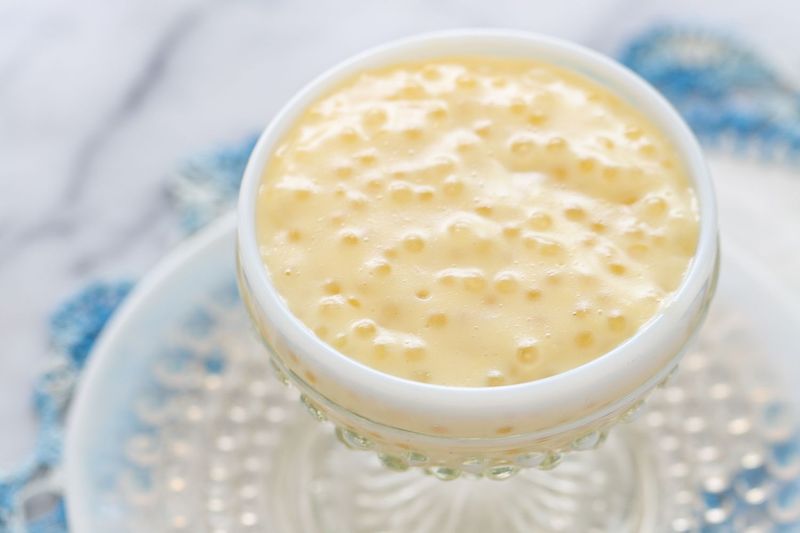
Tapioca pudding has a devoted fan base and an equally passionate group of opponents. The tiny, chewy pearls floating in creamy custard feel strange to people who are not used to chewing their pudding.
Those little balls are made from cassava starch, giving them a bouncy, almost rubbery quality. Some people find that contrast between smooth and chewy completely satisfying.
Others say it feels like eating eyeballs, which pretty much ends the conversation right there.
3. Oysters
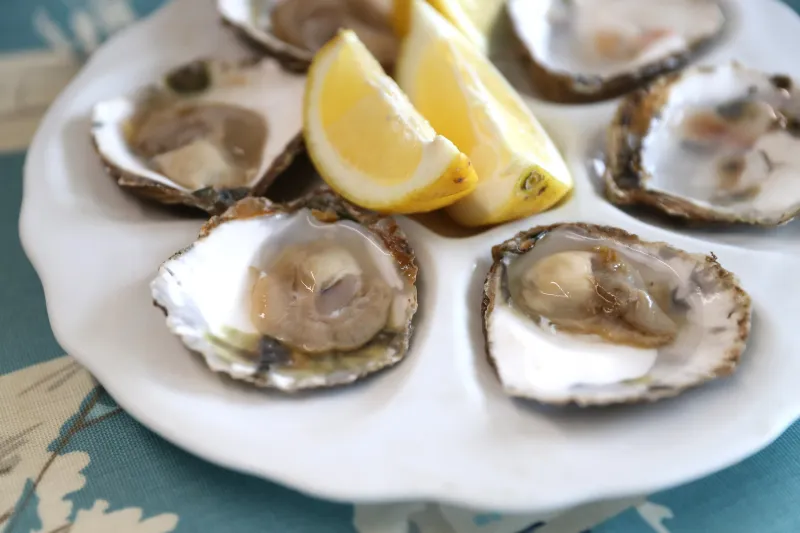
Raw oysters are basically the ultimate texture test. You tip the shell back and swallow something cold, slippery, and almost gelatinous in one smooth motion, and that experience is either thrilling or completely horrifying.
Fans say the briny, ocean-fresh flavor is worth it. Critics say no food should feel that alive going down.
Oysters have been eaten for thousands of years and were once considered everyday food for working-class people, not a luxury at all.
4. Natto
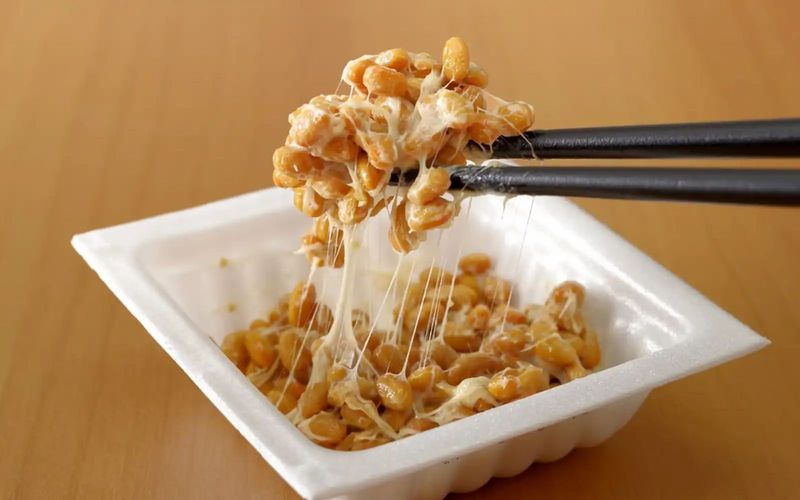
Natto is a Japanese breakfast staple made from fermented soybeans, and it pulls apart in long, sticky, web-like strings that genuinely look like something from a science experiment.
The smell is sharp and pungent, and the texture is simultaneously slimy and slightly gritty. Many Japanese people grow up eating it and love it deeply.
For first-timers outside Japan, even watching someone stir the sticky strands is enough to make them decide they are not ready to try it.
5. Liver
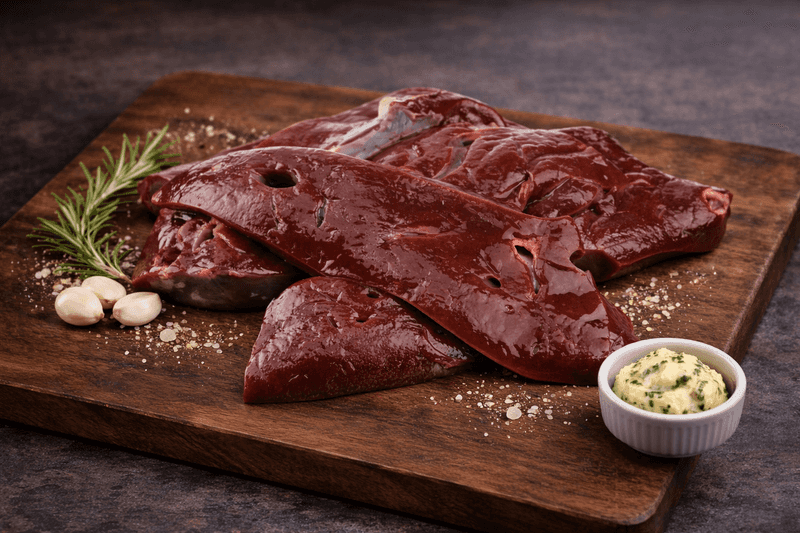
Liver tends to divide families at the dinner table before anyone even picks up a fork. Its dense, slightly grainy texture and the way it can turn rubbery if overcooked puts a lot of people off immediately.
Nutritionally, liver is one of the most packed foods you can eat, loaded with iron and vitamins. Cooking it quickly in a hot pan keeps it tender.
Still, many people say the mushy-yet-firm feel is just too strange to enjoy, no matter what.
6. Chia Seed Pudding
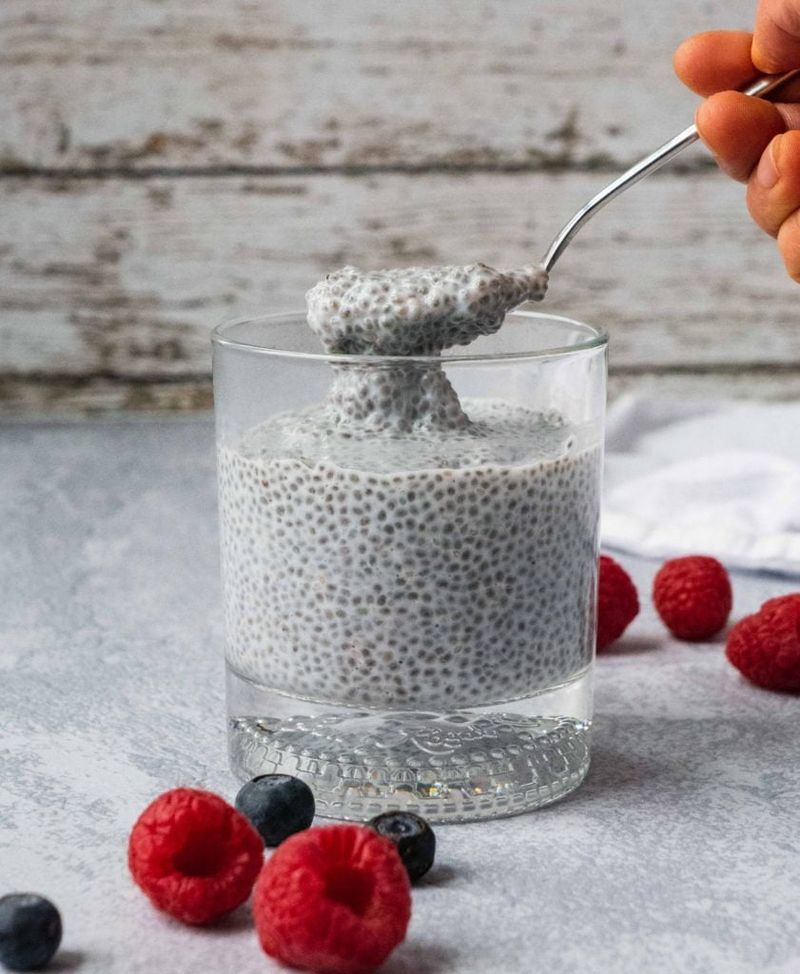
Chia seed pudding looks innocent enough in photos, but the first spoonful surprises almost everyone. Each tiny seed swells up into a soft gel bubble, creating a pudding that feels like dozens of little squishy spheres against your tongue.
Health-conscious eaters love it for the fiber and omega-3 content. But for people who dislike foods with multiple textures at once, it can feel genuinely unsettling.
Blending it smooth is a popular workaround that converts quite a few skeptics.
7. Tofu
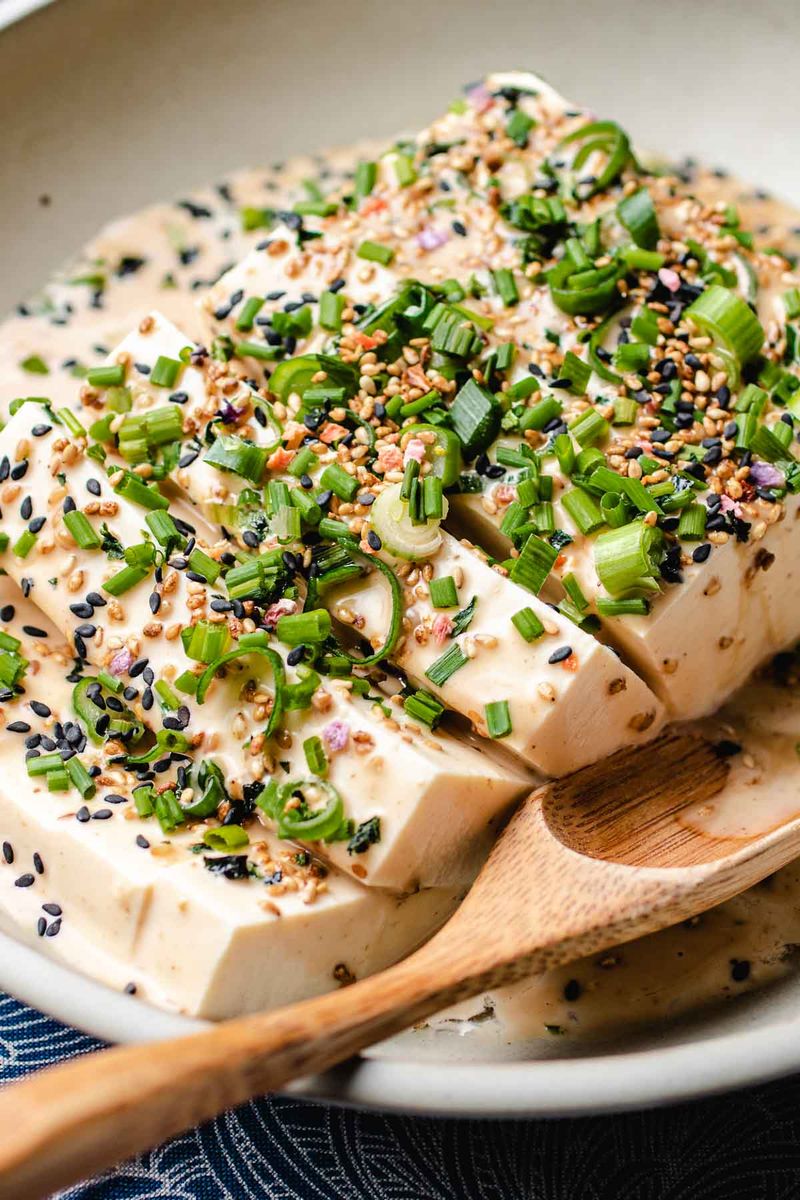
Silken tofu wobbles like a soft custard and practically melts on your tongue, which sounds pleasant until you realize some people find that borderline unsettling. It has almost no resistance when you bite into it.
Firm tofu offers a chewier experience, but silken tofu is the one that really splits the crowd. In many Asian cuisines it is a beloved comfort food ingredient.
For newcomers, the jiggly, almost formless quality can take several tries to actually appreciate.
8. Avocado
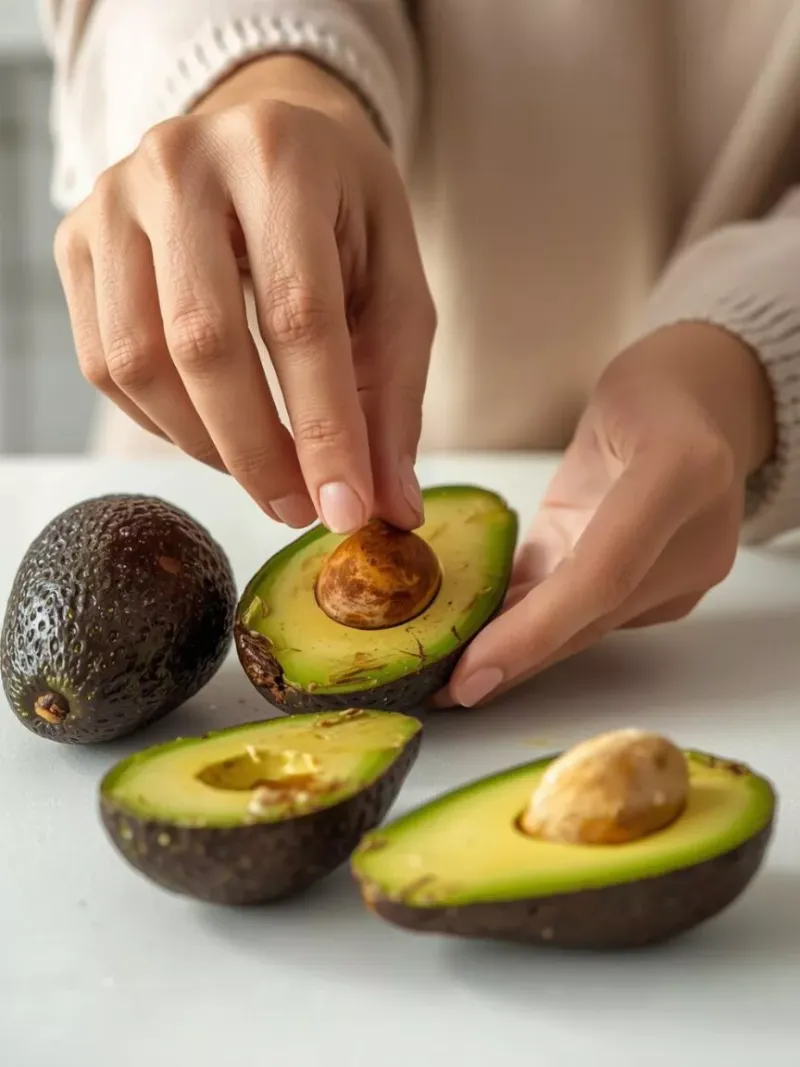
Avocado splits people right down the middle, and texture is often the real reason. When perfectly ripe, the flesh is buttery and smooth, almost like a savory cream.
That richness is exactly what fans crave.
But people who dislike it often describe the texture as mushy or fatty-feeling in a way that makes their stomach turn. The same quality that makes guacamole spreadable is the thing that drives avocado haters completely away.
Ripeness really does make or break the experience.
9. Stewed Prunes
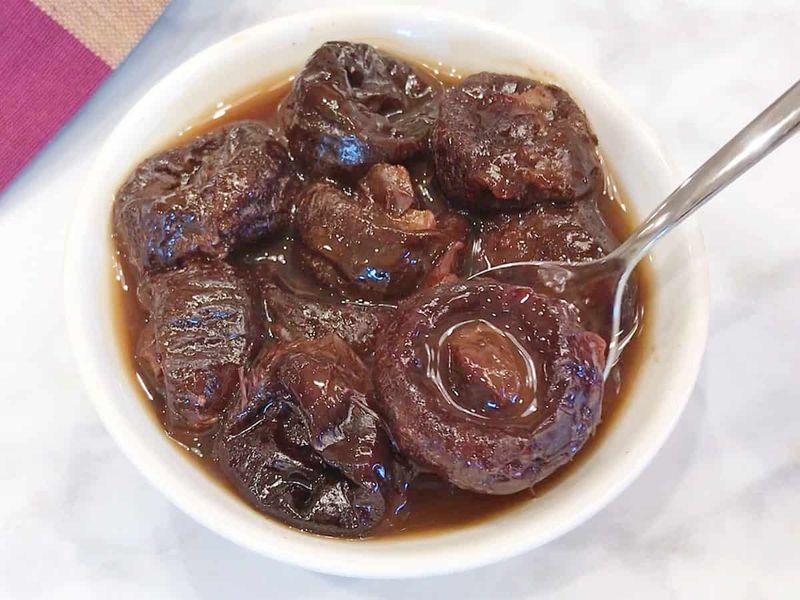
Stewed prunes have a reputation that arrives long before the bowl does. They are soft to the point of falling apart, deeply sweet, and have a slightly sticky, almost jammy consistency that some find comforting and others find unpleasant.
Many people associate them with hospital food or old age, which does not help their image. Nutritionally, they are excellent for digestion.
The wrinkled, mushy exterior is the biggest hurdle for new eaters, even if the flavor itself is genuinely rich and sweet.
10. Sea Urchin (Uni)
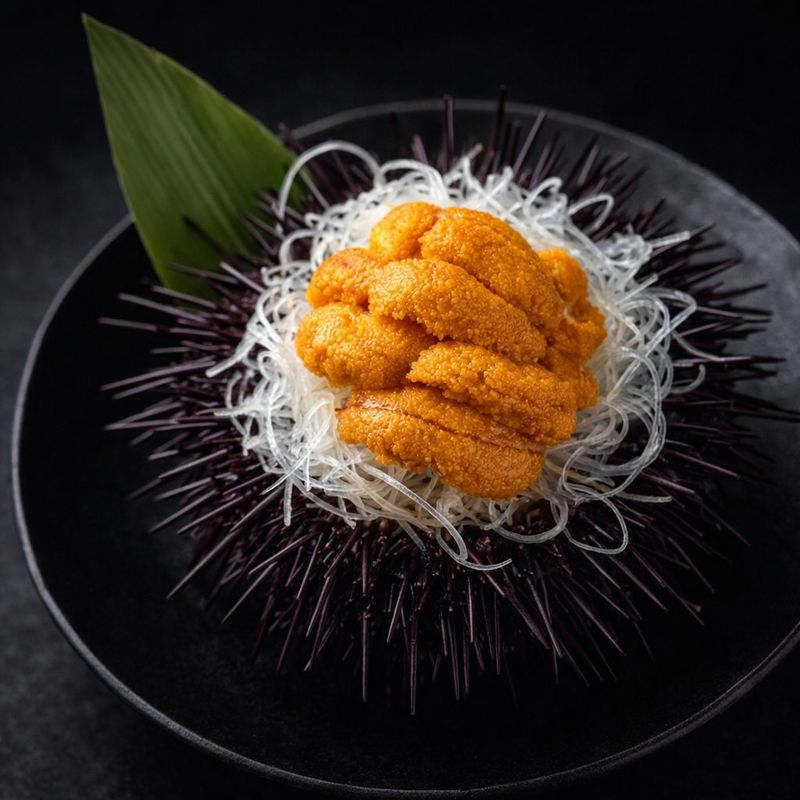
Sea urchin, known as uni in Japanese cuisine, is one of the most polarizing textures in the food world. It is soft, almost custardy, with a faintly grainy quality and a rich ocean flavor that coats your mouth completely.
Sushi lovers often call it the ultimate umami experience. First-timers frequently struggle with the texture before they even process the taste.
The color alone, a vivid golden orange, is enough to make some people hesitant before the fork ever reaches their lips.
11. Figs
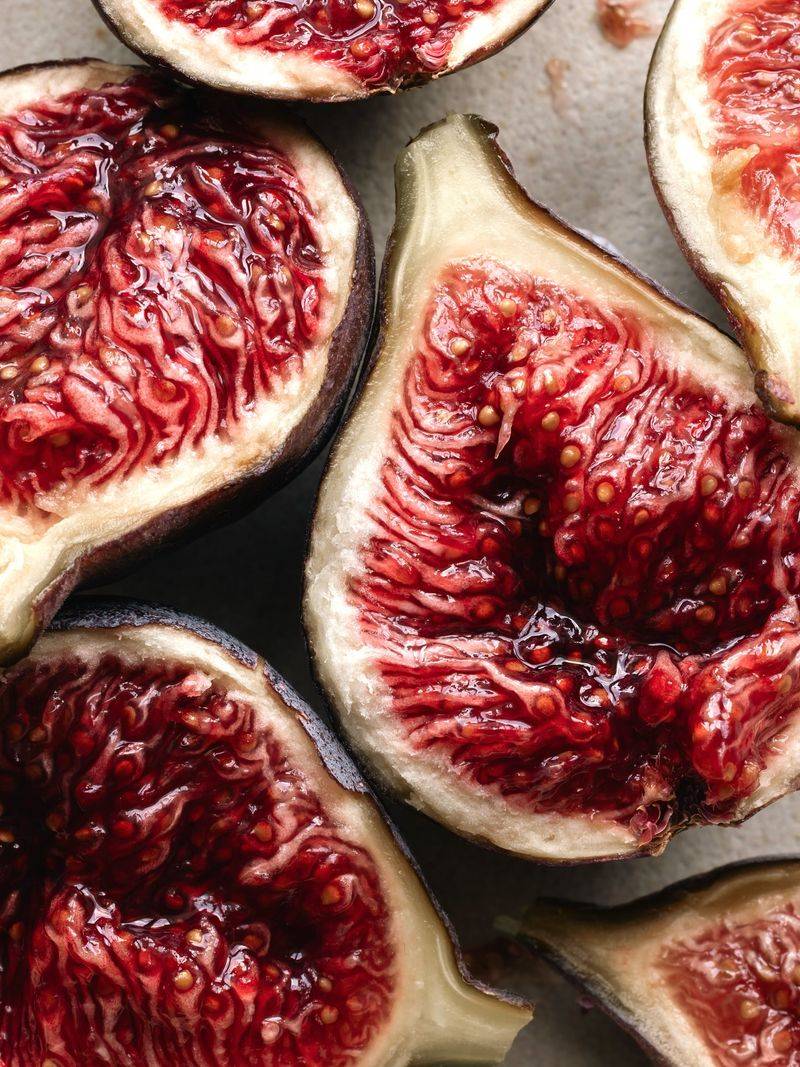
Fresh figs are a textural adventure packed into a small package. The outside is soft and yielding, but the inside is a mix of jammy pulp and dozens of tiny, slightly crunchy seeds that create a unique combination with every bite.
Some people find that contrast absolutely wonderful. Others feel overwhelmed by the seedy interior and the way the whole thing seems to collapse when bitten.
Figs have been eaten since ancient times, yet they still manage to surprise modern eaters every single time.
12. Bone Marrow
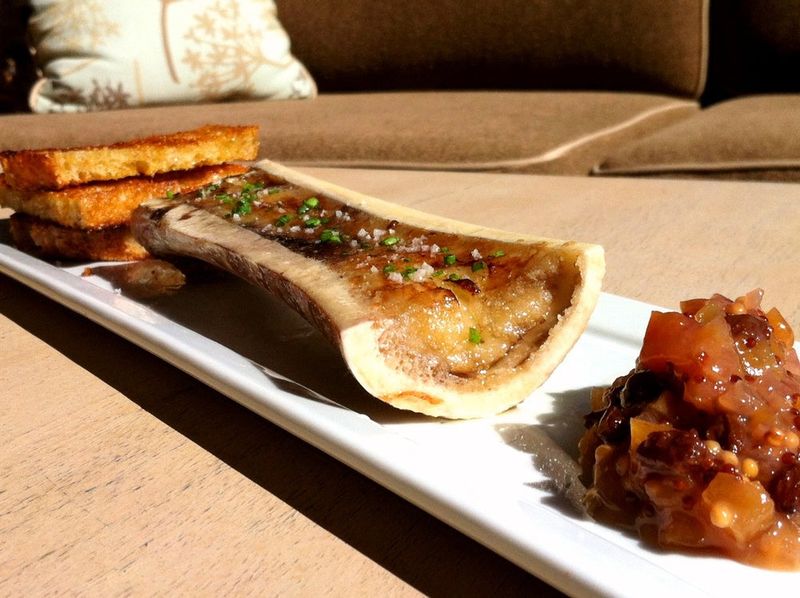
Bone marrow is rich, fatty, and gelatinous in a way that feels almost indulgent to some and deeply off-putting to others. You scoop it out of the bone like a savory butter, and it practically dissolves the moment it hits your tongue.
Chefs love it for that intense, beefy richness. Many diners hesitate the second they see the hollow bone on the plate.
The combination of its appearance and its slippery, melting consistency makes it one of the most texturally debated dishes in any restaurant.
13. Congee
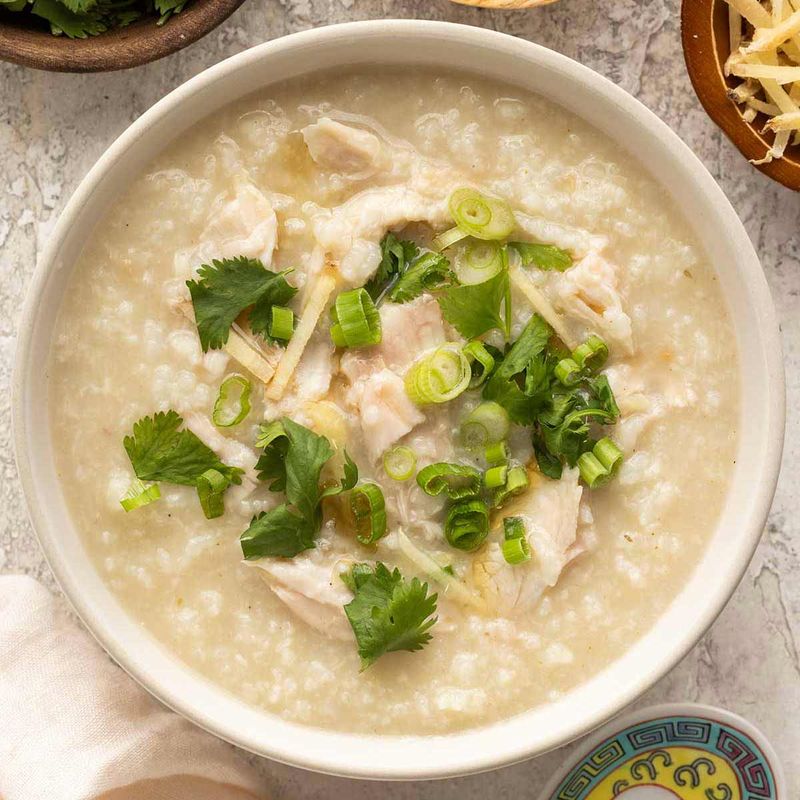
Congee is rice cooked so long that it completely breaks down into a thick, gluey porridge with a silky, almost paste-like consistency. For millions of people across Asia, it is the ultimate comfort food, especially when feeling sick.
Western eaters encountering it for the first time often struggle with how far it is from regular rice. The smooth, heavy texture with no individual grains left is the sticking point.
Once you accept it on its own terms, though, congee becomes remarkably satisfying.
14. Tripe
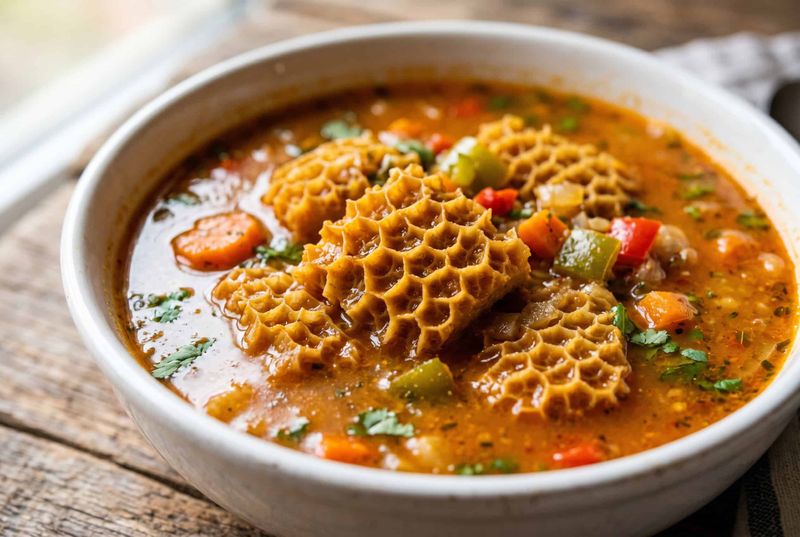
Tripe is the stomach lining of a cow, and its texture is something most people have a strong reaction to before they even taste it. The honeycomb pattern looks interesting until you realize it is chewy, slightly rubbery, and requires real effort to eat.
In many cultures, tripe is a celebrated ingredient in hearty, flavorful stews. The key is long, slow cooking to soften it properly.
For newcomers, the springy resistance and unusual surface pattern are hard to get past, even with great seasoning around it.
15. Durian
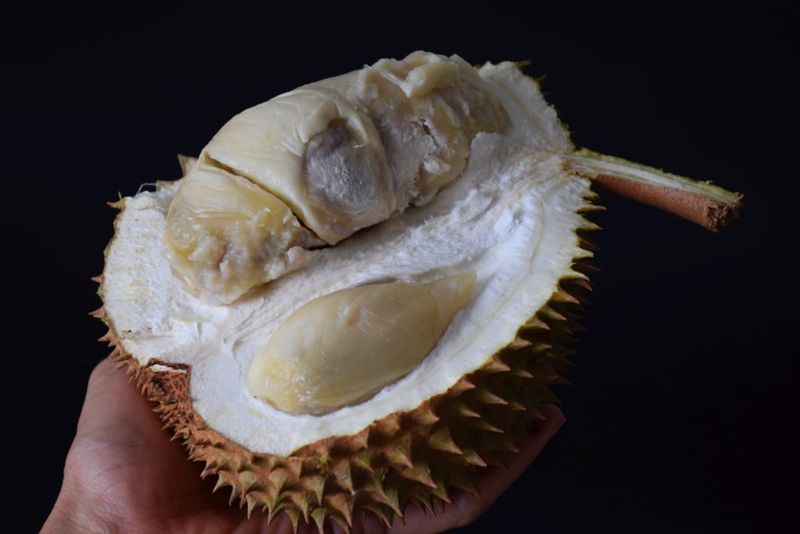
Durian is famous for its smell, but the texture is its own separate conversation. The flesh is thick, creamy, and custardy, somewhere between a very ripe banana and a soft custard pudding, with a slightly fibrous quality running through it.
Fans in Southeast Asia call it the king of fruits and eat it enthusiastically. Many first-timers are put off by the combination of the smell and the heavy, almost paste-like richness of the flesh.
It is a full sensory commitment from the very first look.
16. Soft-Boiled Eggs
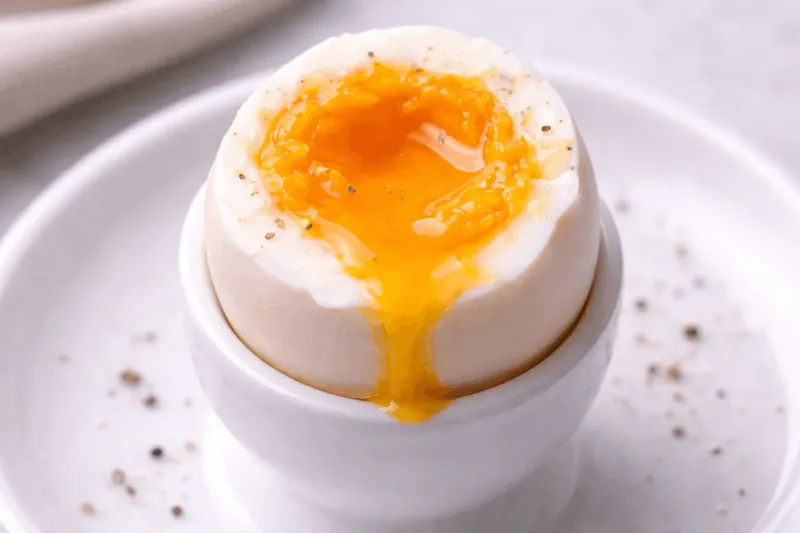
A perfectly soft-boiled egg has a firm white and a yolk that runs like warm, golden liquid the moment you break it open. That contrast is exactly why people either rush toward them or politely decline.
Runny yolk fans say the silky, rich flow of the center is the best part of any breakfast. People who prefer fully cooked eggs find the wobbly, liquid interior genuinely uncomfortable to eat.
It is one of those textures where there is almost no middle ground at all.