
Some foods are so tied to a specific day that skipping them almost feels wrong. Taco Tuesday, Fish Friday, Sunday roast – these food traditions are woven into our weekly routines.
How did certain meals end up owning a day on the calendar? The answers are a fun mix of history, religion, marketing, and good old habit.
1. Taco Tuesday
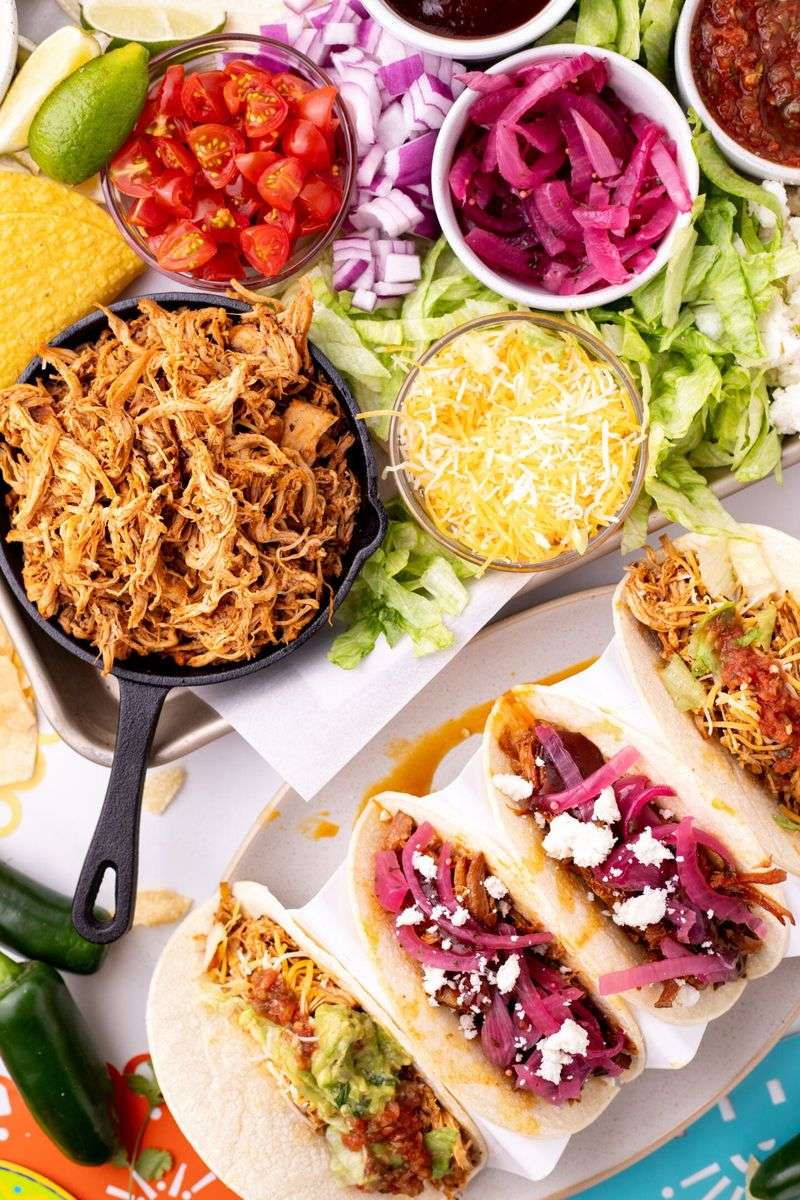
Few food traditions feel as festive as Taco Tuesday. The phrase became so popular that Taco Bell actually fought a legal battle over trademarking it.
The connection between tacos and Tuesday is largely a marketing success story from the 1980s, when restaurants used alliteration to draw in weekday crowds.
Today, millions of families plan their entire Tuesday around taco night. It is a rare case where a fast food promotion became a genuine cultural ritual.
2. Fish Friday
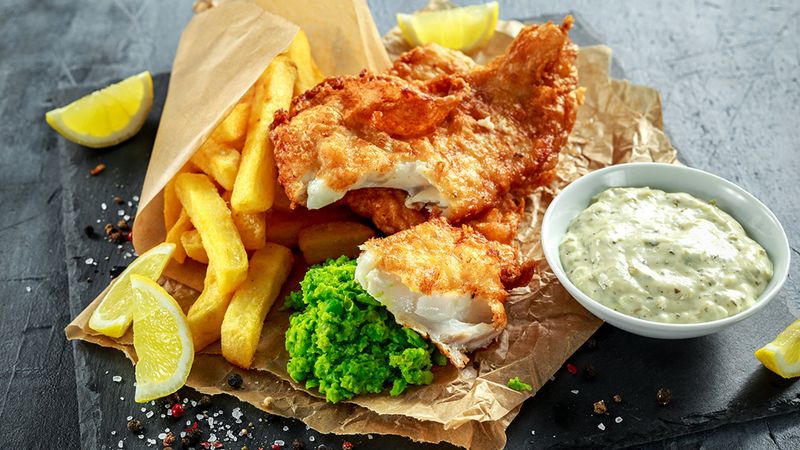
For centuries, Catholics were forbidden from eating meat on Fridays as an act of penance. Fish, which was not considered meat under Church rules, became the default Friday meal across Europe and beyond.
Even today, long after many of those rules relaxed, fish on Friday remains a habit for millions of people worldwide. Fast food chains still run fish sandwich promotions every Friday, keeping the tradition alive in a very modern way.
3. Sunday Roast
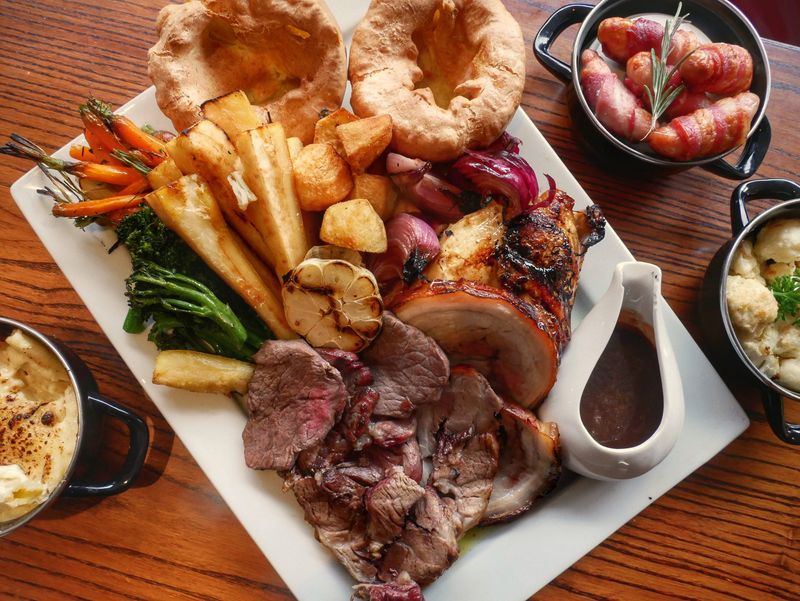
Sunday roast is basically sacred in British culture. The tradition dates back to medieval England, when families would slow-roast meat in ovens after attending Sunday church services.
The long cooking time matched perfectly with the length of the service.
A proper Sunday roast includes roasted meat, vegetables, and Yorkshire pudding. It is a meal built around togetherness, and that feeling of comfort is exactly why it has lasted for hundreds of years.
4. Monday Meatloaf
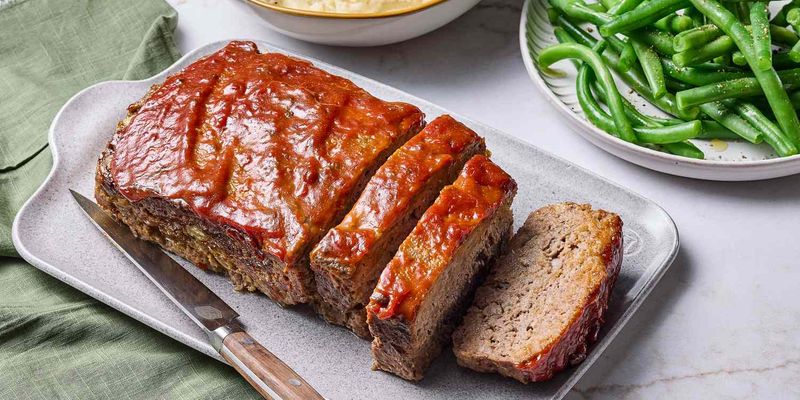
Meatloaf earned its Monday reputation as the ultimate leftover-friendly comfort food. After weekend shopping, home cooks would use up ground meat and pantry staples at the start of the new week.
It was practical, filling, and cheap.
The Monday meatloaf tradition stuck because it sets a reliable tone for the week ahead. There is something oddly reassuring about knowing exactly what dinner will be, especially on a Monday when most people need a win.
5. Pancake Tuesday (Shrove Tuesday)
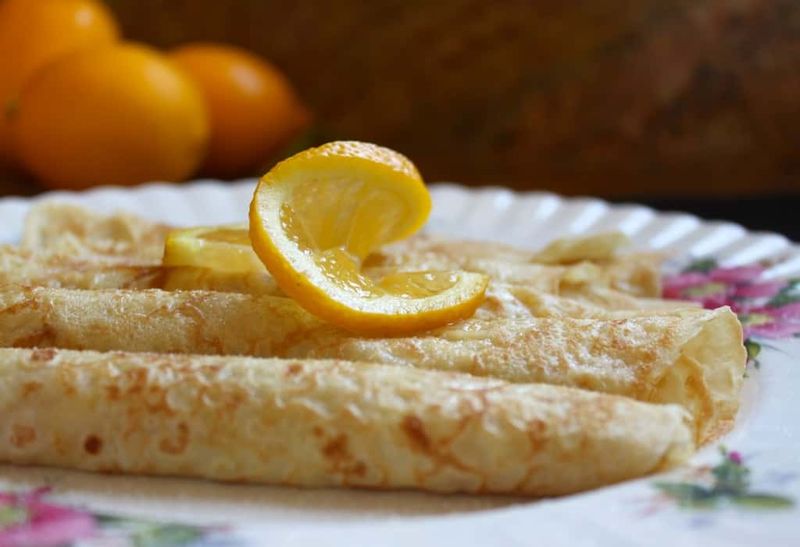
Shrove Tuesday, also called Pancake Tuesday, falls the day before Ash Wednesday. Historically, Christians used up rich ingredients like eggs, butter, and milk before the fasting season of Lent began.
Pancakes were the perfect way to burn through those supplies quickly.
Pancake races are still held in English towns every year on this day. What started as a religious housekeeping task turned into one of the most delicious food holidays on the calendar.
6. Wing Wednesday
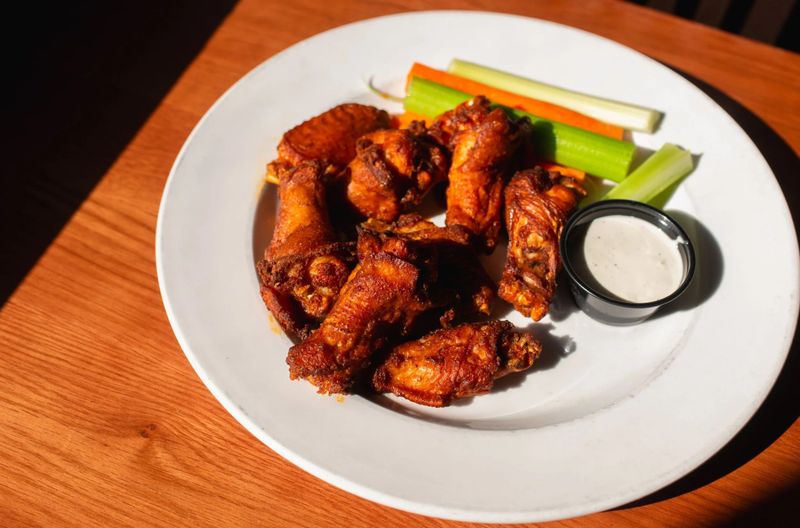
Walk into almost any sports bar on a Wednesday and you will find a wing special on the chalkboard. Wing Wednesday became a bar industry staple because midweek needed a reason to pull people in during slower business hours.
Chicken wings were once considered scraps and sold for almost nothing. Restaurants discovered that cheap wings plus a catchy promotion equals a packed house.
Now Wing Wednesday is a weekly tradition for sports fans and casual diners alike.
7. Soup Saturday
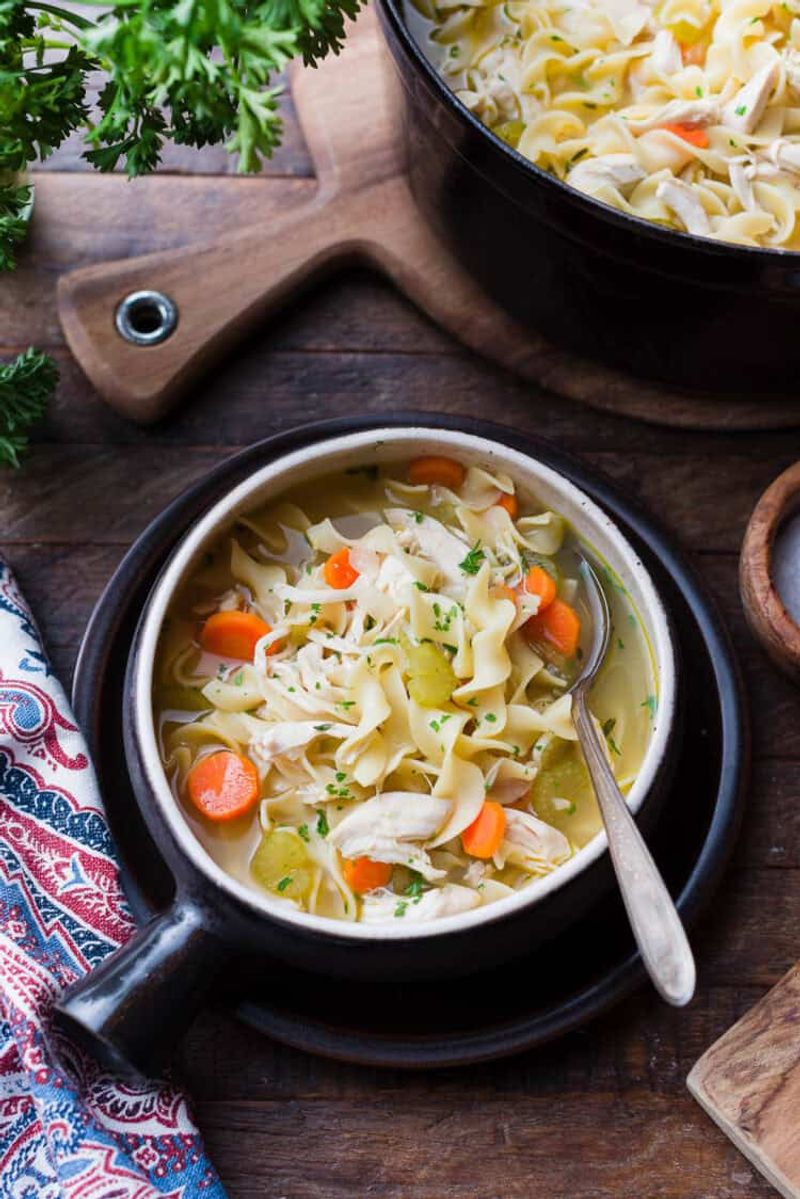
Saturday has long been associated with slow cooking and staying home, making it the perfect day for a big pot of soup. In many cultures, Saturday soup is a weekly ritual tied to cleaning out the refrigerator before Sunday shopping.
Grandmothers worldwide seem to have an unspoken agreement that Saturday means soup. The beauty of it is that every pot is different, built from whatever is left in the fridge.
It is resourceful cooking dressed up as comfort food.
8. Pasta Wednesday (Italy)
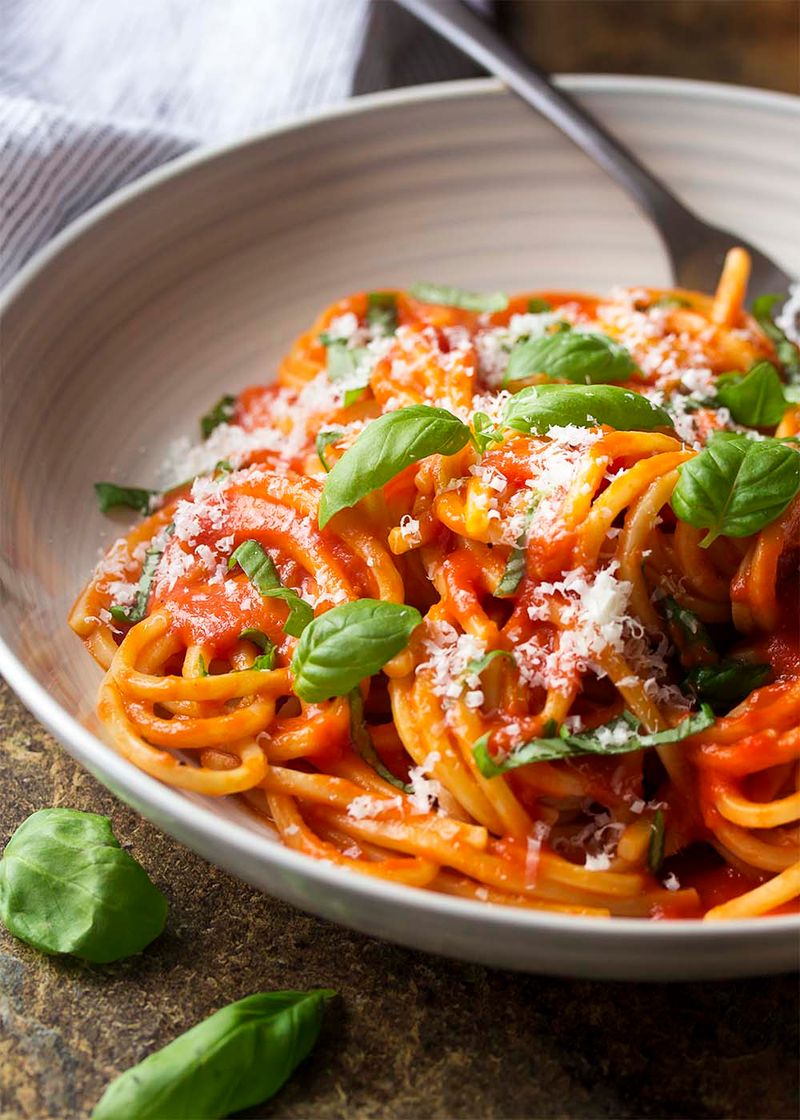
In traditional Italian households, Wednesday has historically been pasta day. The mid-week meal gave families a hearty, affordable dish that could feed many people without much cost.
Pasta was always in the pantry and quick enough to prepare after a long workday.
Some regions in Italy still follow this rhythm almost religiously. It is a reminder that not all food traditions come from marketing campaigns.
Sometimes a habit forms simply because it makes practical, delicious sense.
9. Meatless Monday
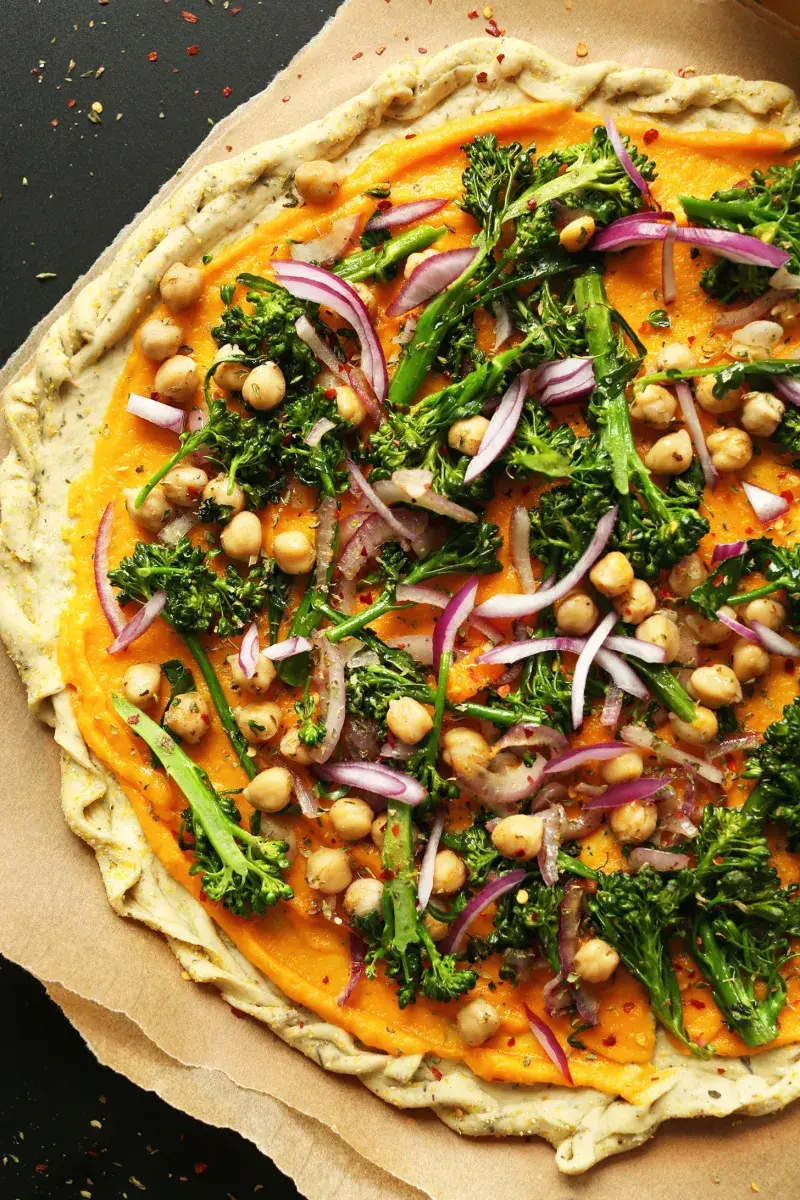
Meatless Monday began as a World War I campaign encouraging Americans to reduce meat consumption to support the war effort. It was revived in 2003 as a public health initiative tied to the Johns Hopkins Bloomberg School of Public Health.
Today, millions of people skip meat every Monday for health or environmental reasons. The campaign spread to over 40 countries and inspired restaurant menus worldwide.
A simple idea from wartime America turned into a global weekly movement.
10. Thursday Curry (UK)
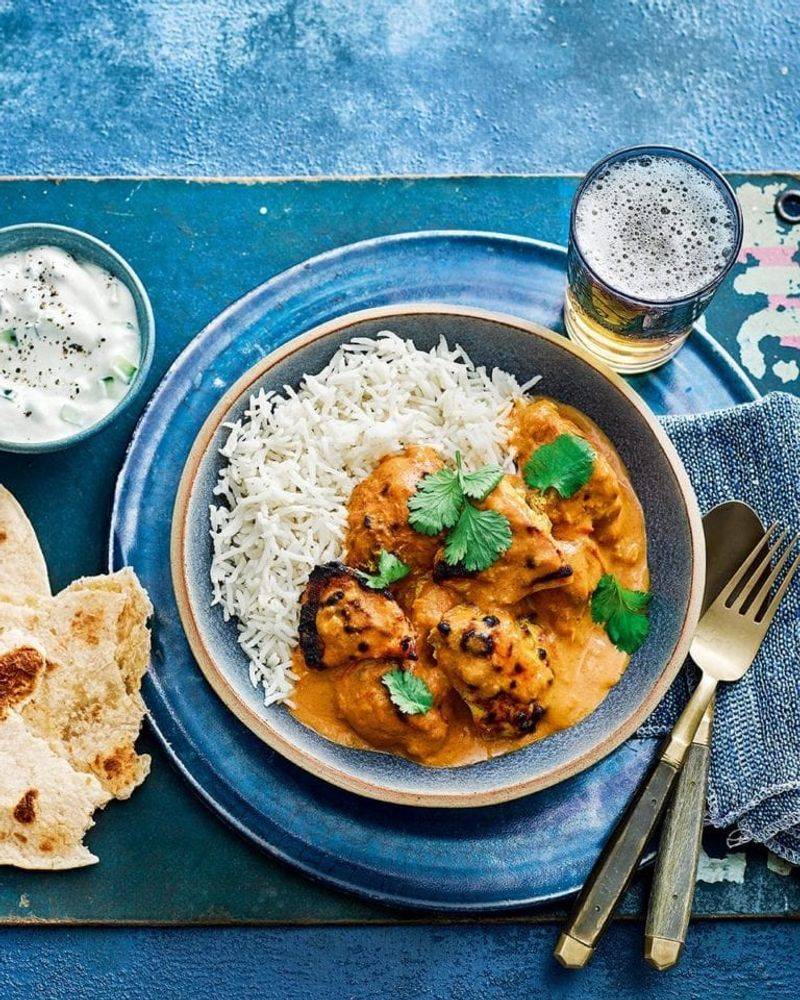
In the United Kingdom, Thursday night has quietly become curry night for millions of households. The connection grew partly from the popularity of Indian restaurants offering Thursday specials and partly from the working-class tradition of treating yourself before the weekend.
Chicken tikka masala is often called Britain’s unofficial national dish. The Thursday curry habit reflects how deeply South Asian food culture has woven itself into British life.
It is a tradition born from immigration, adaptation, and a whole lot of flavor.
11. Sunday Brunch
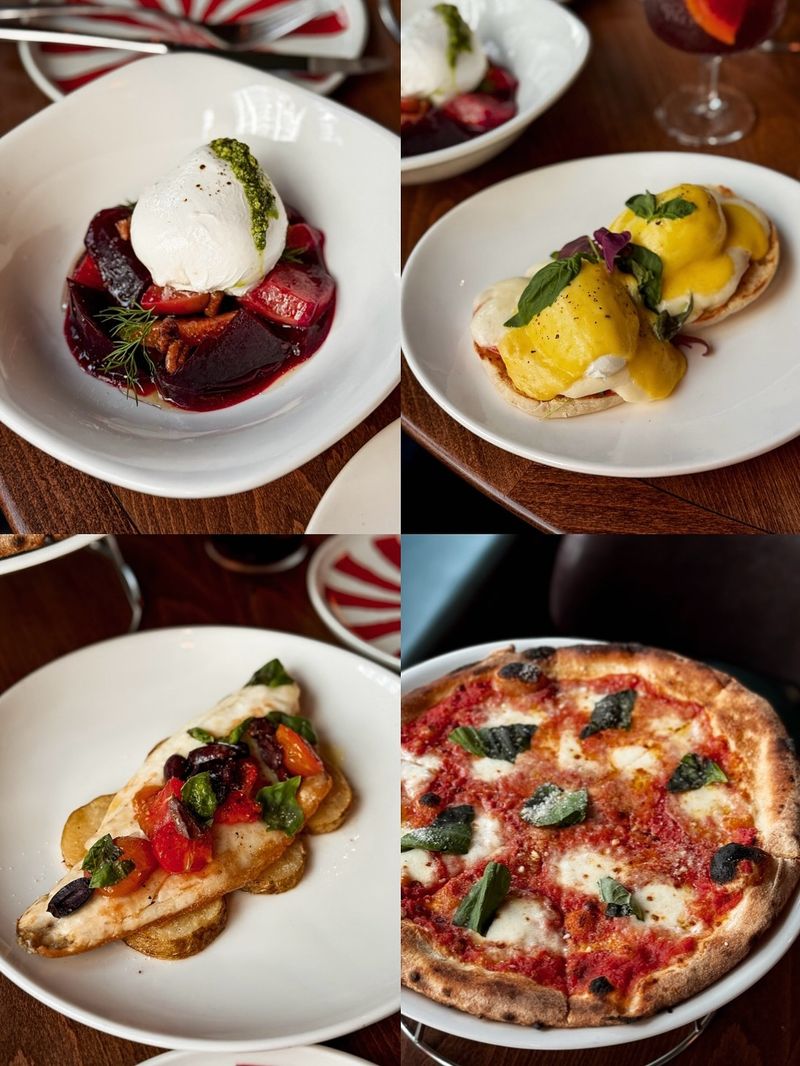
Brunch is practically a Sunday institution at this point. The word itself was coined in 1895 in a British magazine, described as a post-hunt meal that combined breakfast and lunch.
Over time, Sunday became its permanent home because it is the one morning most people can sleep in.
Bottomless mimosas, eggs Benedict, and avocado toast are now Sunday brunch staples. The meal is as much about the social experience as the food itself, making Sunday mornings feel genuinely special.
12. Friday Night Pizza
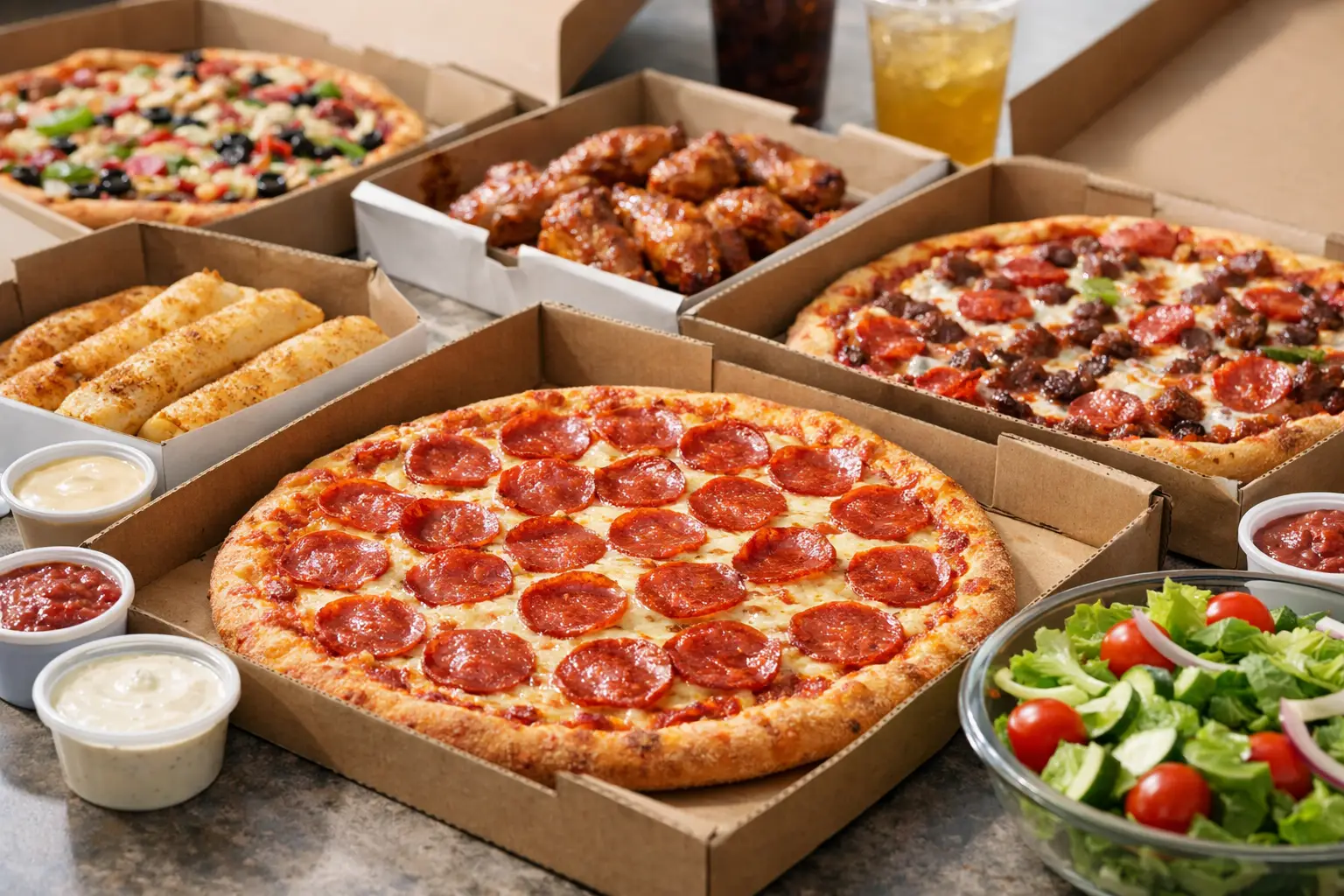
Friday night pizza has become a near-universal end-of-week tradition. After five days of work or school, nobody wants to cook a complicated meal.
Pizza delivery became the default Friday reward for surviving the week.
Pizza chains noticed the Friday spike in orders decades ago and built their entire marketing strategies around it. The combination of convenience, crowd-pleasing flavors, and the celebratory feeling of the weekend starting made Friday and pizza an unbeatable pair.
13. Wednesday Hump Day Donuts
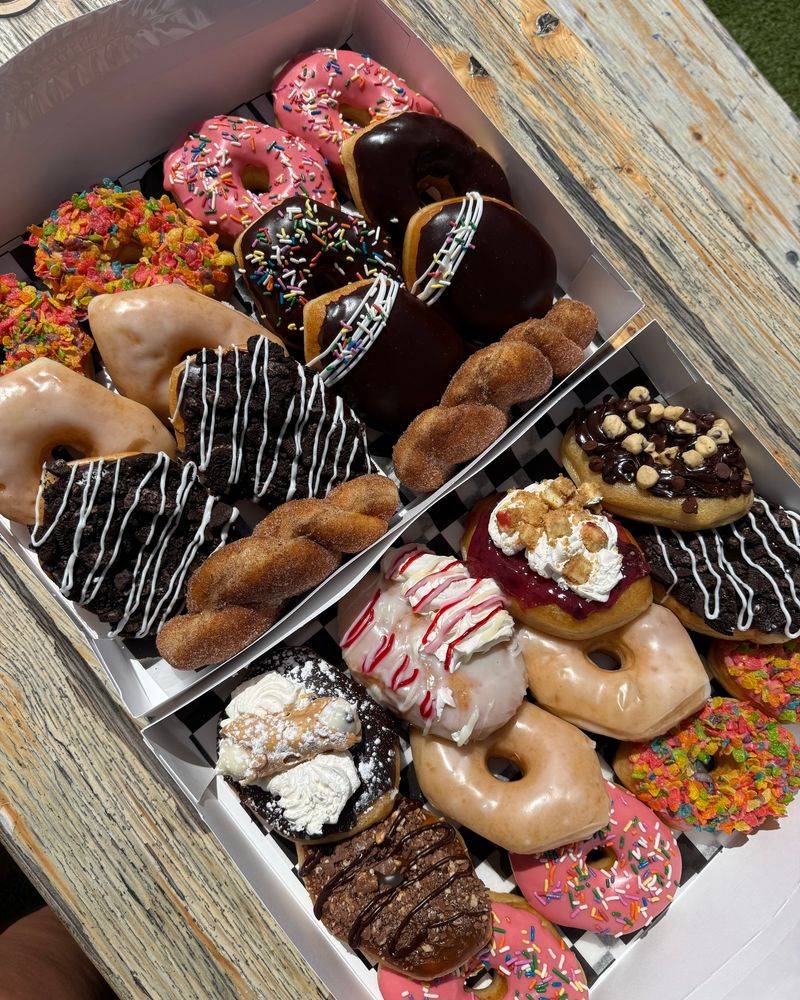
Wednesday earned the nickname Hump Day because it sits right in the middle of the workweek. To push through the slump, office workers across the country started the tradition of bringing donuts on Wednesday morning to boost morale.
Donut shops report a consistent midweek sales bump every Wednesday. It is a small, sugary act of solidarity that says, “We are halfway there, and we deserve something sweet.” Few workplace traditions are as universally loved as a box of donuts at 9 a.m.
14. Saturday Morning Cereal
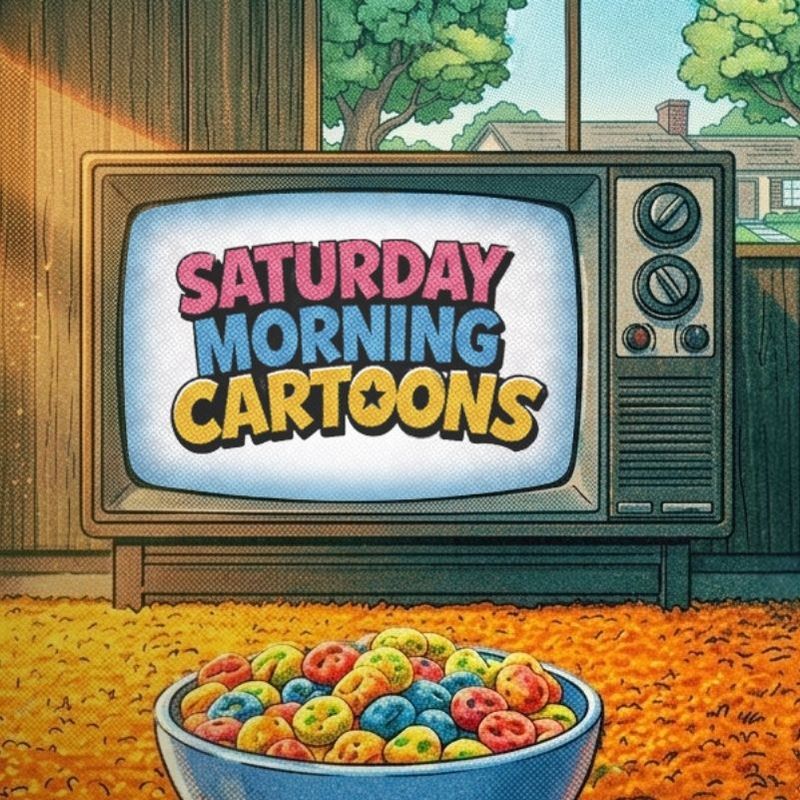
Ask almost any adult who grew up watching cartoons and they will tell you Saturday morning meant one thing: a giant bowl of sugary cereal eaten in front of the TV. This tradition was carefully engineered by cereal brands that advertised heavily during Saturday morning cartoon blocks throughout the 1970s and 80s.
The combination of no school, cartoons, and sweet cereal created a sensory memory that stuck for generations. It is nostalgia in a bowl, and it still hits differently on a Saturday.
15. Tuesday Chili
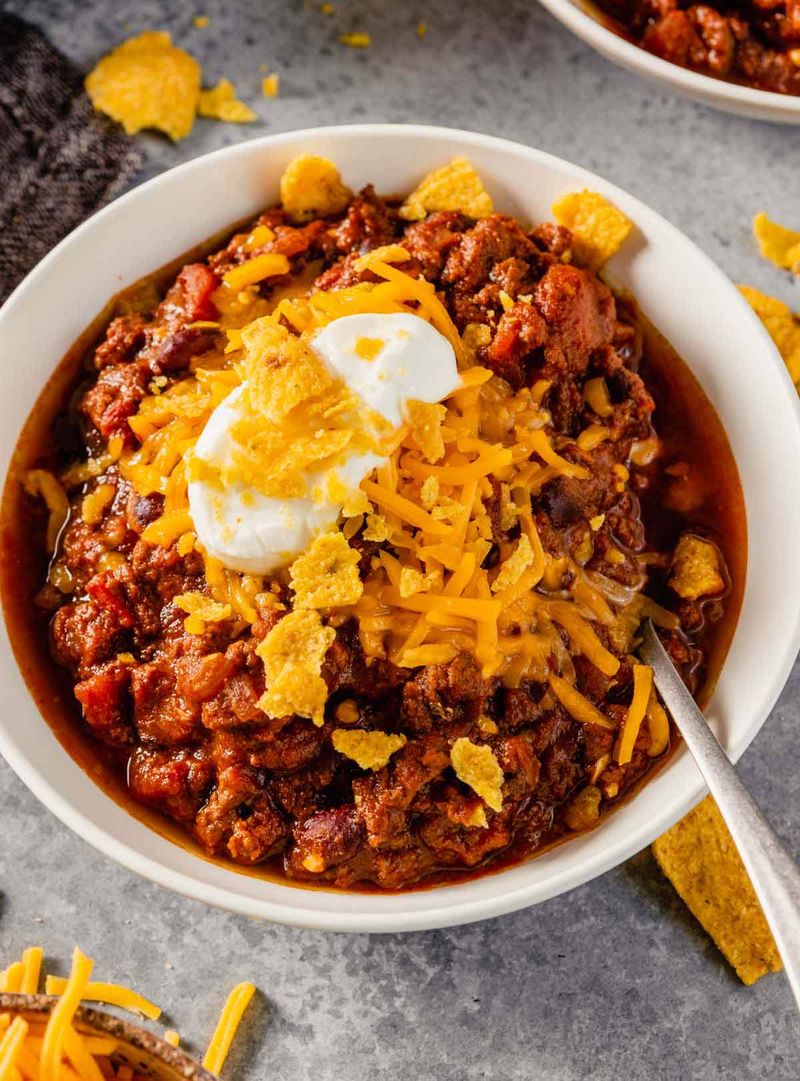
Chili has a quiet but loyal Tuesday following, especially in American households and diners. Some food historians link it to the slow-cooker habit of starting a pot of chili in the morning before work, letting it simmer all day, and coming home to a ready meal.
Chili cook-offs and diner specials have also reinforced the Tuesday connection over the years. It is hearty, warming, and gets better the longer it sits, which makes it a genius choice for a busy weekday dinner.
16. Monday Morning Coffee and Pastry
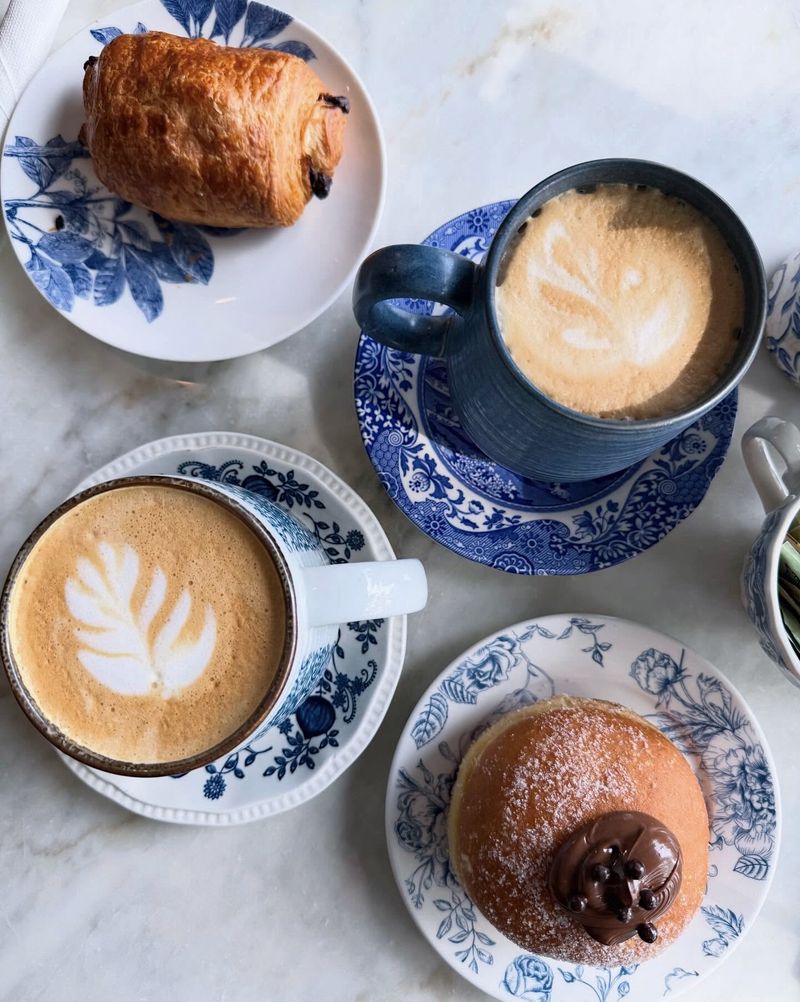
Monday mornings and a good coffee-and-pastry combo go together like clockwork. Bakeries and coffee shops consistently report their highest foot traffic of the week on Monday mornings, as people seek comfort before facing the week ahead.
The ritual of grabbing something warm and indulgent on a Monday is a small but powerful act of self-care. Whether it is a croissant, a muffin, or a cinnamon roll, that first Monday treat has become a weekly reset button for millions of people.