
Some foods that seem perfectly healthy to eat raw can actually be hard on your stomach. Cooking breaks down tough fibers, destroys harmful compounds, and makes nutrients easier for your body to absorb.
Whether you have a sensitive stomach or just want to feel your best after meals, knowing which foods work better cooked can make a big difference. Read on to discover 16 foods your gut will thank you for cooking before eating.
1. Spinach
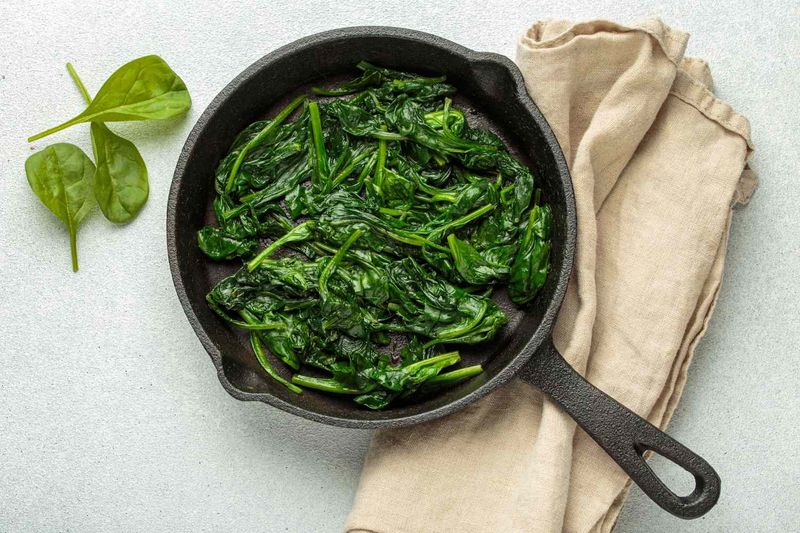
Raw spinach might look like the ultimate health food, but your body struggles to pull out its nutrients without a little heat. Spinach contains oxalic acid, which blocks calcium and iron absorption when eaten raw.
Cooking breaks down this compound, freeing up those minerals for your body to use.
Steaming or lightly sauteing spinach for just a few minutes is all it takes. Your digestive system will handle it much more comfortably too.
2. Broccoli

Broccoli is packed with vitamins and fiber, but eating it raw can leave you feeling bloated and gassy. That uncomfortable feeling comes from tough cell walls and compounds called glucosinolates that are hard to break down without heat.
Lightly steaming broccoli softens those walls and makes it far gentler on your gut. You still get plenty of nutrients, and your stomach gets a much easier job processing everything you eat.
3. Mushrooms

Here is a fun fact: raw mushrooms have tough cell walls made of a fiber called chitin, which the human digestive system simply cannot break down. Eating them raw means you are missing out on most of their nutritional value.
Cooking mushrooms breaks down chitin and releases antioxidants like ergothioneine that your body can actually use. Even a quick pan-fry or roast makes a huge difference for both flavor and digestion.
4. Potatoes

Raw potatoes are starchy, stiff, and genuinely difficult for your stomach to process. They contain a compound called solanine, which can cause nausea and digestive upset when consumed without cooking.
Once cooked, that starch transforms into a form your body can absorb and use for energy. Boiled, baked, or steamed potatoes are among the most gut-friendly carbohydrates you can eat, making them a smart choice for anyone with a sensitive digestive system.
5. Carrots

Carrots are crunchy and sweet raw, but cooking them actually multiplies the amount of beta-carotene your body can absorb. Beta-carotene is what your body converts into vitamin A, which supports eye health and immunity.
Raw carrots have thick cell walls that trap these nutrients inside. Heating carrots breaks those walls open, releasing far more goodness with every bite.
Roasting or steaming carrots is a simple upgrade your body will genuinely appreciate every single time.
6. Tomatoes

Cooking tomatoes does something remarkable: it actually increases the amount of lycopene available to your body. Lycopene is a powerful antioxidant linked to heart health and lower cancer risk.
Raw tomatoes can also irritate the stomach lining in people who are sensitive to acidic foods. Simmering tomatoes into a sauce or roasting them concentrates their flavor and makes them far gentler on digestion, turning a sometimes-problematic food into a nutritional powerhouse.
7. Legumes (Beans and Lentils)
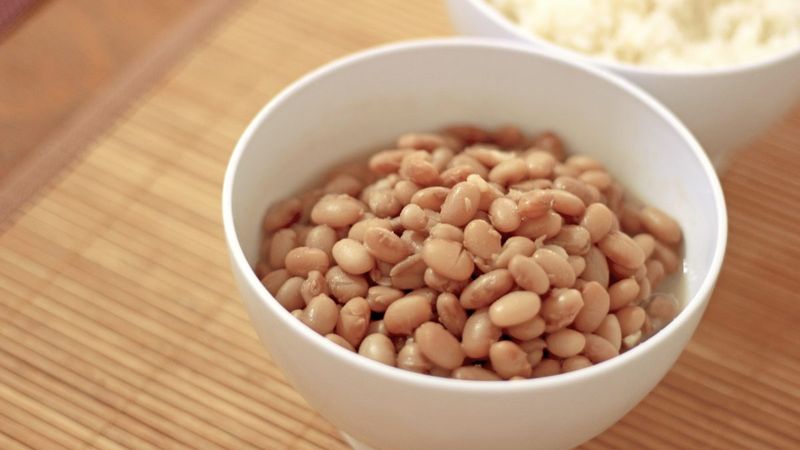
Almost no one eats raw beans, and for good reason. Raw legumes contain lectins and phytic acid, compounds that can cause serious stomach pain, nausea, and even vomiting.
Soaking and then cooking beans and lentils neutralizes these compounds entirely, turning them into a protein-rich, fiber-packed food your gut can handle. Well-cooked legumes are a staple in some of the healthiest diets around the world, and your digestive system benefits enormously from that extra cooking time.
8. Eggs

Scrambled, poached, or boiled, cooked eggs are dramatically easier to digest than raw ones. Studies show that your body absorbs about 91 percent of the protein in cooked eggs, compared to only around 51 percent from raw eggs.
Raw egg whites also contain a protein called avidin, which blocks biotin absorption. Cooking deactivates avidin and makes all that protein and healthy fat much more accessible.
Your muscles and metabolism will notice the difference.
9. Asparagus

Asparagus has a tough, fibrous texture that can be genuinely hard on your digestive tract when eaten raw. Its cell walls lock away folate, vitamins A, C, and E, keeping your body from absorbing them efficiently.
A quick steam or roast softens those fibers and releases the nutrients trapped inside. Cooked asparagus is also much easier on people who experience bloating, making it a smarter choice for a comfortable and nourishing meal.
10. Kale
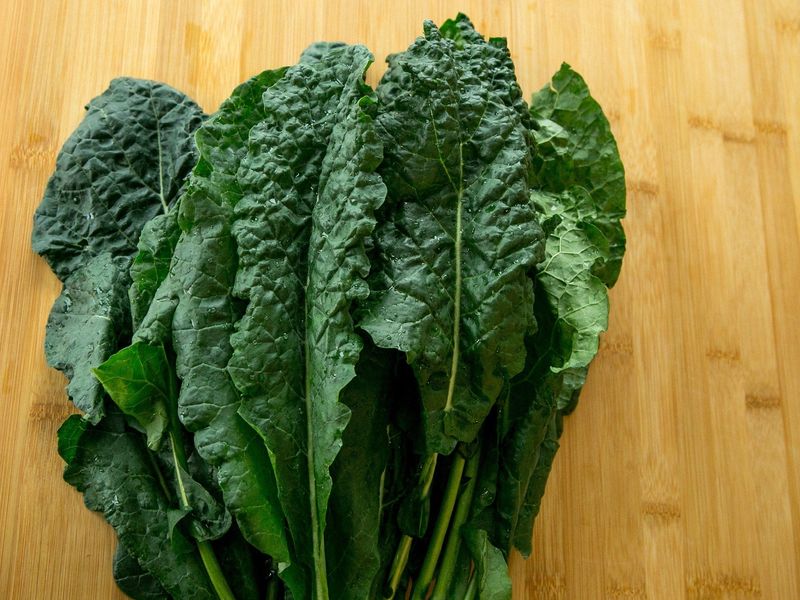
Kale has earned its reputation as a superfood, but eating it raw in large amounts can put stress on your thyroid and your digestive system. It contains goitrogens, compounds that interfere with thyroid function when consumed raw in big quantities.
Cooking kale reduces goitrogens significantly and breaks down its tough, chewy texture. Sauteing it with a little garlic and olive oil makes it far more digestible while keeping most of its impressive nutrient profile fully intact.
11. Oats

You might have seen recipes for overnight oats or raw oat smoothies, but cooked oats are genuinely much easier on your stomach. Raw oats contain phytic acid, which reduces your body’s ability to absorb iron and zinc.
Cooking oats breaks down phytic acid and softens the grain, making digestion smoother and faster. A warm bowl of oatmeal is soothing, filling, and one of the most gut-friendly breakfast options available for people of all ages.
12. Cauliflower

Like its cousin broccoli, raw cauliflower is loaded with raffinose, a complex sugar that humans lack the enzyme to digest properly. The result is often bloating, cramping, and uncomfortable gas.
Roasting or steaming cauliflower breaks down raffinose and softens its dense florets, making it far friendlier to your gut. The heat also brings out a natural sweetness that raw cauliflower simply does not have, turning a sometimes-tricky vegetable into something genuinely delicious.
13. Sweet Potatoes

Sweet potatoes are naturally sweet and filling, but their raw form is starchy, dense, and difficult for your body to process. The resistant starch in raw sweet potatoes passes through your digestive system largely undigested, which can cause discomfort.
Baking or boiling converts that resistant starch into simple sugars your body can absorb with ease. Cooked sweet potatoes are also rich in fiber that feeds beneficial gut bacteria, supporting a healthier digestive system overall.
14. Corn

Corn has an outer hull made of cellulose, a fiber humans cannot digest at all. You have probably noticed that corn passes through your system looking almost exactly as it went in, which is a clear sign your gut is struggling with it raw.
Cooking softens the hull slightly and makes the starchy interior far more accessible. Boiled or roasted corn is easier on your digestive tract and helps your body pull more energy and nutrients from each kernel.
15. Beets

Raw beets are earthy and crunchy, but they are also packed with oxalates, compounds that can irritate the kidneys and digestive tract when eaten in large amounts. Their tough texture also makes them hard to chew and break down fully.
Roasting or boiling beets softens their texture dramatically and reduces oxalate levels. Cooked beets are much gentler on your gut, and their natural sweetness intensifies beautifully with heat, making them a crowd-pleasing addition to any meal.
16. Meat and Fish
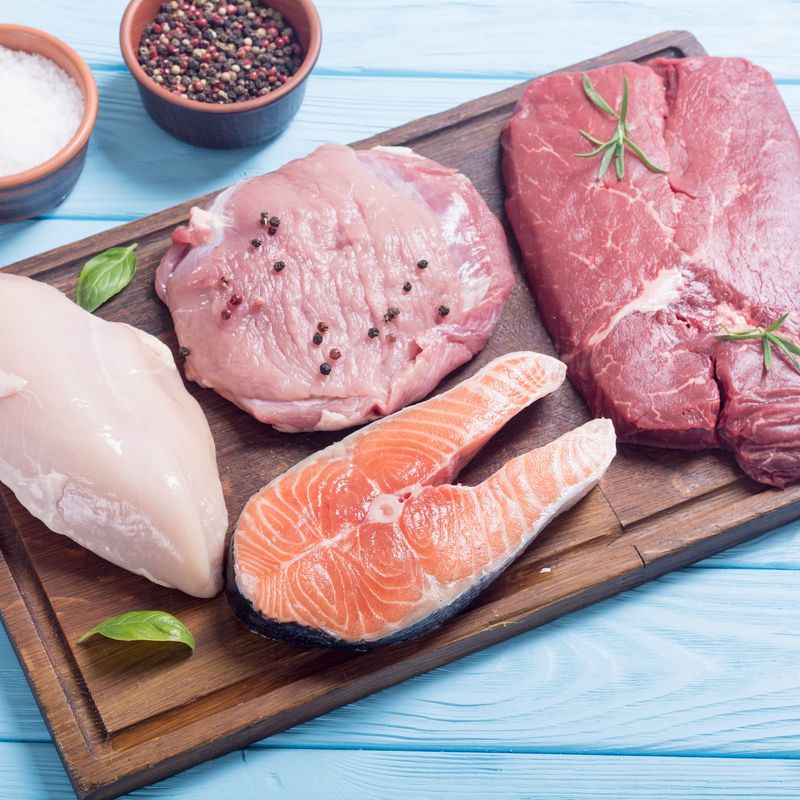
Raw meat and fish carry bacteria like Salmonella and E. coli that can cause serious illness, but beyond safety, cooking also makes protein far easier to digest. Heat unravels tightly coiled protein structures, allowing your digestive enzymes to break them down efficiently.
Cooked meat and fish are absorbed more completely, giving your muscles and cells the amino acids they need. Proper cooking is one of the single most important steps you can take for both digestive health and overall food safety.