
Sometimes a relationship feels hard for a week, and sometimes the distance keeps growing. Knowing the difference can help you decide what needs to change and whether both people are willing to try.
The signs below do not mean a breakup is certain, but they can show that your relationship needs honest attention. You deserve a connection where you feel safe, heard, and respected.
1. Emotional Distance Replaces Connection

Sitting beside someone can feel lonely when the connection between you has faded. You might stop sharing small joys, noticing each other’s moods, or caring about how the day went.
Stress can cause temporary distance, so look for a pattern rather than one quiet evening. Try naming what you miss without blame.
If your partner shows little interest in understanding or reconnecting, that ongoing distance may point to a deeper problem that needs honest attention now.
2. Conversations Shrink to Chores and Bills

The grocery list gets discussed, but your feelings never make the agenda. When conversations cover only chores, schedules, and bills, a relationship can start feeling like a business deal.
Choose a calm moment and ask for ten minutes without phones or distractions. Share one concern and listen to the response.
Healthy communication does not require perfect words. It does require both people to stay curious, speak respectfully, and make room for feelings beyond everyday household tasks.
3. Affection Feels Missing or Forced

A hug that once felt natural may now feel awkward or unwanted. Less affection can be painful, especially when emotional closeness fades along with physical touch.
Changes in desire can also come from illness, stress, medication, or personal needs, so avoid jumping to conclusions. Ask what feels comfortable and discuss the distance without pressure.
Nobody owes physical contact or sex. The warning sign is an ongoing loss of connection that neither person feels willing to address.
4. Small Habits Trigger Big Irritation

Suddenly, even the way your partner loads the dishwasher gets under your skin. Constant irritation often points to hurt or disappointment that has been sitting beneath the surface.
Before snapping, ask yourself what the small annoyance represents. Perhaps you feel ignored, overworked, or taken for granted.
Bring up that larger concern instead of attacking a habit. If criticism keeps replacing kindness despite honest efforts, the relationship may be carrying more resentment than either person can manage.
5. Future Plans Leave Someone Out

Next year’s plans sound different when your partner no longer appears in them. You may discuss moves, holidays, or major goals as if each person is heading somewhere alone.
Separate interests are healthy, and not every plan needs to be shared. Still, avoiding any talk about a joint future deserves attention.
Ask whether your long term hopes still fit together. Clear answers help more than guessing, especially when one person wants commitment and the other keeps hesitating.
6. Trust Gives Way to Suspicion

A late reply becomes a mystery when trust has already been damaged. Lies, cheating, or repeated unreliable behavior can leave you checking stories instead of feeling secure.
Rebuilding trust takes more than an apology. It requires honesty, clear agreements, and steady actions over time.
Avoid treating phone searches or constant monitoring as a lasting solution. If deception continues, or your concerns are repeatedly dismissed, consider whether staying is costing you your peace and sense of personal safety.
7. Life Alone Starts Looking Better

Imagining your own apartment brings a sense of peace you rarely feel at home. Occasional daydreams are normal, but frequent thoughts about leaving may reveal needs that remain unmet.
Notice what feels appealing in those imagined scenes. Is it freedom, quiet, respect, or relief from conflict?
Use that answer to understand what needs to change. A fantasy alone does not decide your future, but a steady wish to escape deserves thoughtful attention rather than endless quiet dismissal.
8. Together Time Brings Dread

Your shoulders drop when you hear the front door close behind your partner. Relief during time apart can be telling when being together regularly brings tension or dread.
Everyone needs personal space, so enjoying solitude is not automatically a warning. Pay attention to why you avoid shared time.
Are you expecting criticism, arguments, or emotional demands? If ordinary evenings feel like something to survive, talk with a trusted person and consider what would make your home safer.
9. Arguments Go in Circles

Another argument ends, yet the same issue waits for next weekend. Repeated fights become especially damaging when insults, blame, or silence replace any real attempt to solve the problem.
Pause heated talks and agree on a time to return when both people are calmer. Focus on one issue and one possible change.
If conflict includes threats, intimidation, or violence, prioritize safety and individual support instead of trying to handle it through a private conversation with your partner.
10. Support Feels Like a One Way Street

You remember their big meeting, but your difficult day barely gets a response. Feeling unseen can grow when your effort, worries, and achievements receive little care in return.
Explain the support you need in clear terms, such as help with dinner or a few minutes of listening. Your partner cannot always guess correctly.
However, repeatedly ignoring reasonable requests is different from missing a hint. A healthy bond leaves room for both people’s needs, not just one person’s.
11. Important News Goes to Everyone Else
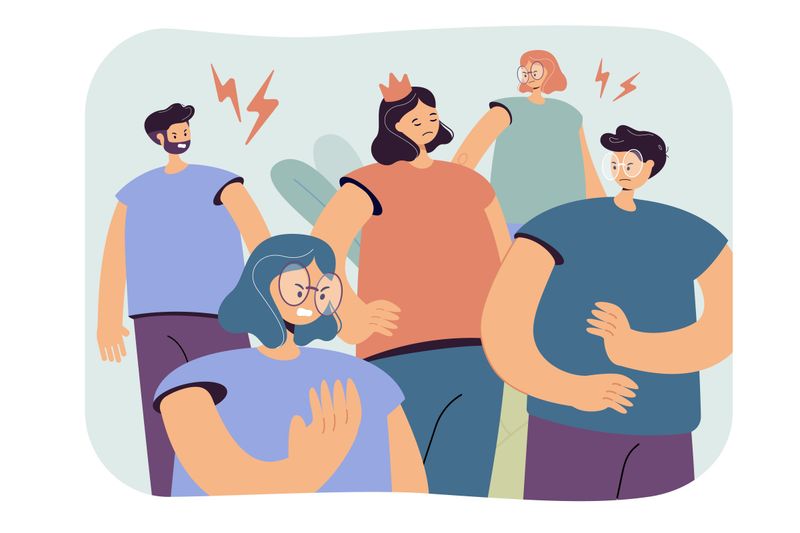
Your best friend hears the big news first because telling your partner feels harder. Outside support is valuable, but avoiding your partner with every important feeling can signal lost emotional safety.
Ask yourself whether you expect dismissal, judgment, or a fight. If sharing feels safe, try a small honest conversation and notice the response.
You do not need to give up friendships or privacy. The concern is feeling unable to bring your real self into the relationship.
12. Daily Life Runs on Separate Tracks

Two people share an address, yet their days hardly touch. Separate meals, separate routines, and little interest in each other’s experiences can make partners feel more like roommates.
Busy schedules do not automatically mean trouble. Try building one small point of connection, such as breakfast together or an evening walk.
Notice whether both people welcome that effort. When shared moments disappear and neither person misses them, the distance may be more than a simple scheduling problem for you.
13. Repair Attempts Keep Getting Rejected

An apology means little when nothing changes after it. Relationships need repair, whether that means keeping an agreement, making time to talk, or getting help with a stubborn problem.
Suggest one clear step that both people can realistically take. A counselor may help if the relationship is safe and both partners participate freely.
Watch actions rather than promises alone. When every attempt gets ignored or dismissed, you cannot rebuild the connection by doing all the work yourself forever.
14. Indifference Replaces Investment

Sometimes the loudest warning is a shrug. A partner who once cared about disagreements, celebrations, or shared goals may now seem unmoved by anything involving the relationship.
Emotional withdrawal can also reflect depression, grief, or exhaustion, so do not assume you know the cause. Ask how they are feeling and whether they still want to work on your bond.
Compassion matters, but so does honesty about whether there is enough interest left to move forward together with care.
15. Doubts Become Your Daily Background Noise
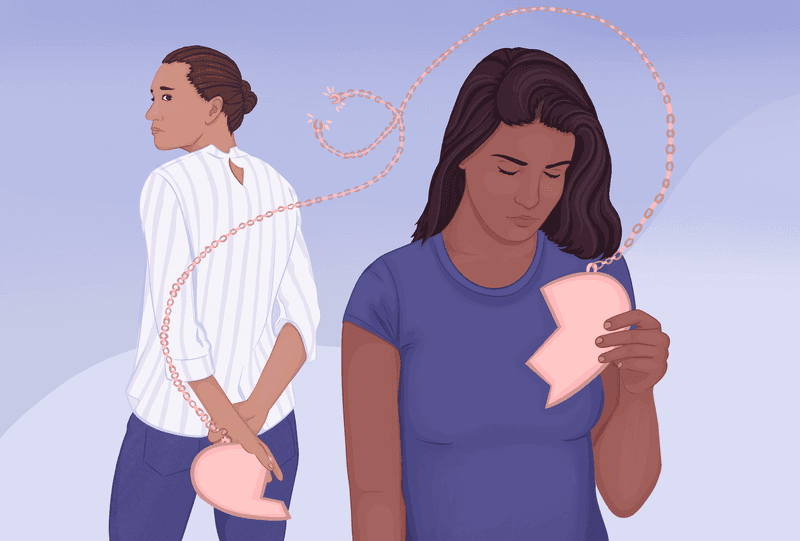
The same thought follows you through work, dinner, and bedtime: can this really last? Occasional doubts happen, but constant questioning can suggest that your concerns are not getting resolved.
Write down the problems behind the doubt instead of judging yourself for having it. Separate fixable habits from major differences in values or needs.
A trusted counselor can help you think clearly. Give yourself space to decide based on patterns and choices, not only fear of change or loneliness.
16. Promises and Boundaries Stop Mattering

Being told things will change can feel hollow after the same hurt happens again. Broken promises, ignored boundaries, and regular disrespect can wear down your confidence and sense of worth.
State what behavior you will not accept and what action you can safely take. Judge progress by consistent behavior, not a speech.
If you face control, threats, or abuse, seek confidential help from a trusted person or local service. Safety matters more than keeping the relationship together now.