
More celebrities than ever are opening up about their autism diagnoses, and it is changing how the world sees this condition. Hearing familiar names share their personal stories helps break down old stereotypes and shows that autism looks different in every person.
These honest conversations remind us that being autistic does not limit what someone can achieve. From award-winning actors to world-famous activists, here are 16 public figures who have proudly spoken about being autistic.
1. Anthony Hopkins
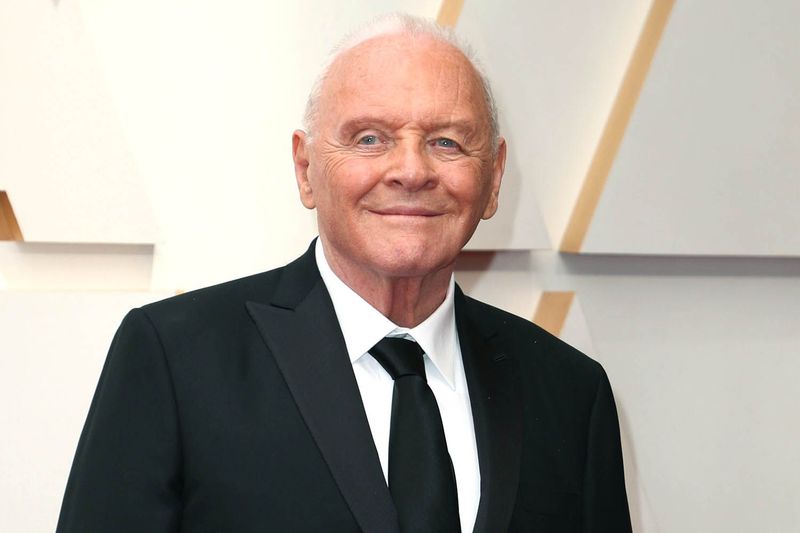
Academy Award winner Anthony Hopkins found out he had Asperger’s syndrome in his 70s, and his reaction was refreshingly positive. He has called autism a “great gift,” saying it gives him laser-sharp focus and a deep ability to connect with the characters he plays.
Hopkins believes his autistic traits helped shape his legendary career. His story is a powerful reminder that a diagnosis at any age can bring understanding rather than limitation.
2. Greta Thunberg
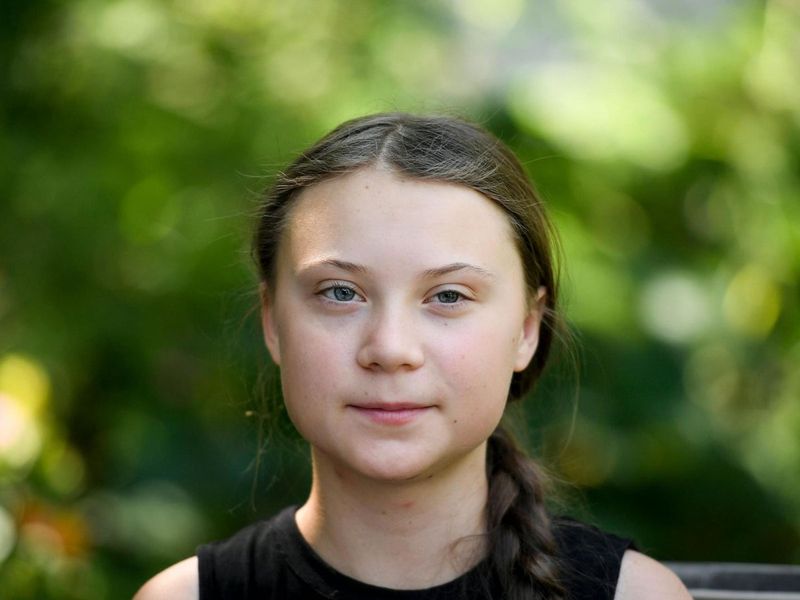
Greta Thunberg once called her autism diagnosis her “superpower,” and watching her in action, it is easy to see why. The Swedish climate activist channels an extraordinary level of focus and determination into her environmental work, refusing to back down from world leaders.
She uses her platform not just for climate issues but also to challenge myths about autism. Greta shows that neurodiversity can be a genuine force for global change.
3. Dan Aykroyd
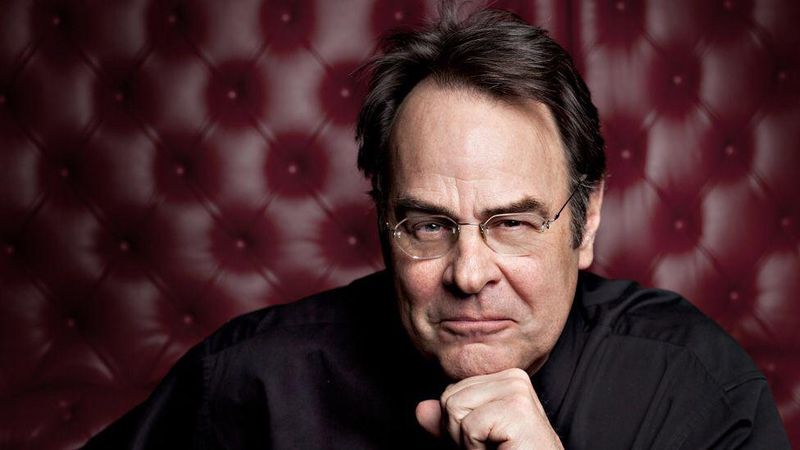
Long before “Ghostbusters” became a cultural phenomenon, Dan Aykroyd was channeling his intense obsessions into creative gold. Diagnosed with Asperger’s syndrome in the 1980s, Aykroyd credits his deep fascination with ghosts and law enforcement as the fuel behind one of Hollywood’s most beloved films.
His story is a fun example of how autistic hyperfocus can lead to brilliant ideas. Sometimes the quirks others find unusual are exactly what make a person extraordinary.
4. Elon Musk
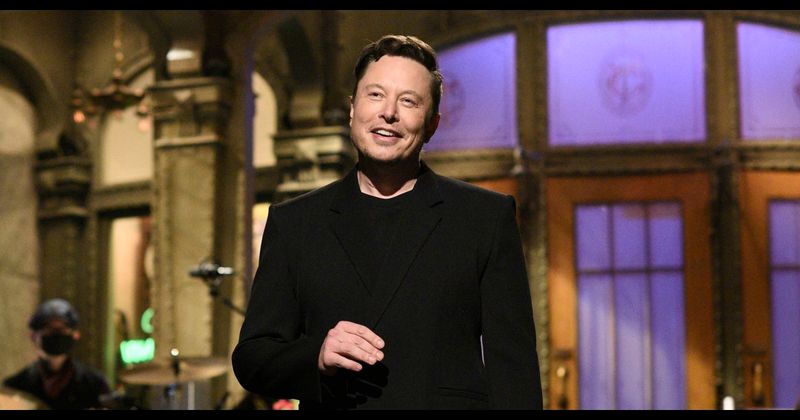
In May 2021, Elon Musk made headlines when he announced live on “Saturday Night Live” that he has Asperger’s syndrome. He joked that he was probably the first SNL host to admit it, turning a personal disclosure into a moment of humor and honesty watched by millions.
As CEO of Tesla and SpaceX, Musk proves that thinking differently can literally change the world. His openness sparked widespread conversation about autism in the workplace.
5. Daryl Hannah
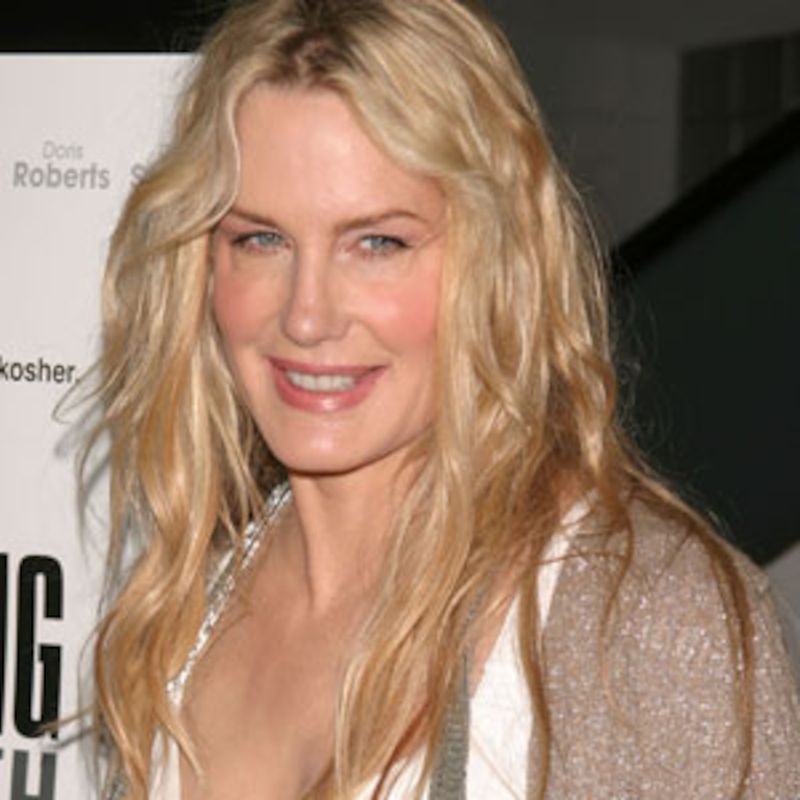
Daryl Hannah was diagnosed with autism as a child, long before Hollywood knew what to make of it. Known for her iconic roles in films like “Splash,” she has spoken honestly about the shyness and social anxiety that shaped her life both on and off the screen.
Rather than hiding her struggles, Hannah chose a quieter, more private path through fame. Her courage in sharing her story helped many fans feel less alone in their own experiences.
6. Wentworth Miller
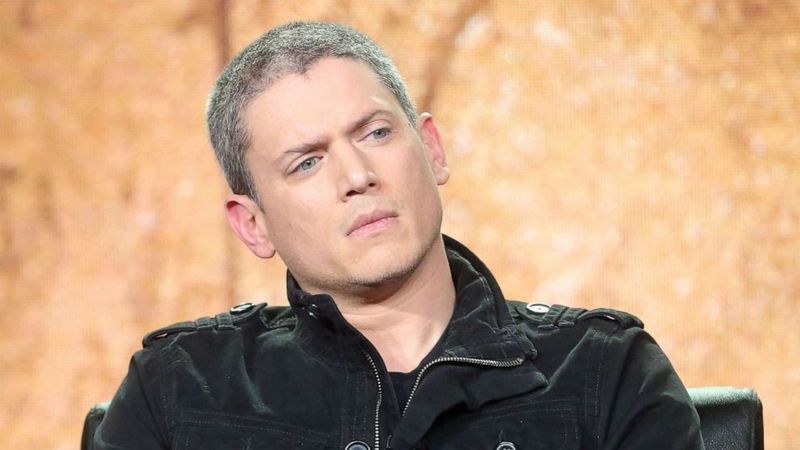
“Prison Break” star Wentworth Miller announced his adult autism diagnosis on Instagram in July 2021 with striking honesty. He wrote that autism is central to who he is and that he would not change it, adding a thoughtful note that access to a diagnosis is a privilege not everyone has.
His post resonated deeply with fans around the world. Miller turned a personal revelation into an important conversation about equity and access in mental health care.
7. Sia
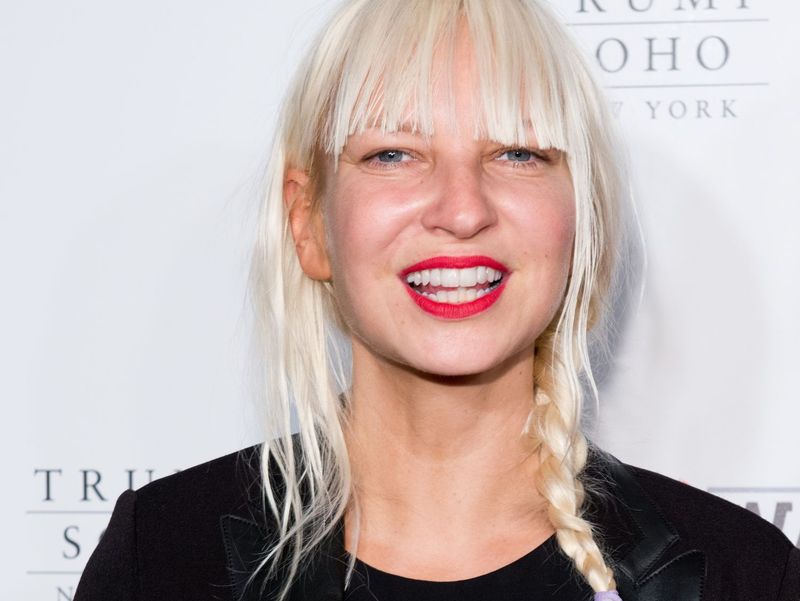
Singer Sia shared her autism diagnosis during a podcast in a refreshingly candid way, saying she felt like she had to “put my human suit on” for 45 years. Since learning she is on the spectrum, she says she has finally become fully herself, which is a deeply relatable feeling for many late-diagnosed adults.
Her openness came with some controversy, but her personal journey remains meaningful. Sia’s story highlights how a late diagnosis can feel like finally finding a missing puzzle piece.
8. Hannah Gadsby
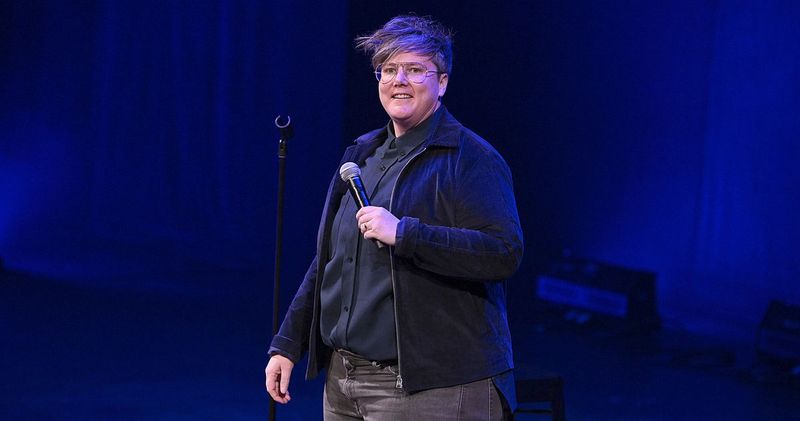
Australian comedian Hannah Gadsby received her autism diagnosis as an adult, and she tackled it the way she tackles everything: with sharp wit and honesty. Her Netflix special “Douglas” addresses her experience as a late-diagnosed autistic woman, using humor to tear apart tired myths about what autism looks like.
Gadsby’s storytelling style is unlike anyone else in comedy. She proves that autistic voices deserve to be heard loudly, confidently, and with plenty of laughter along the way.
9. Susan Boyle
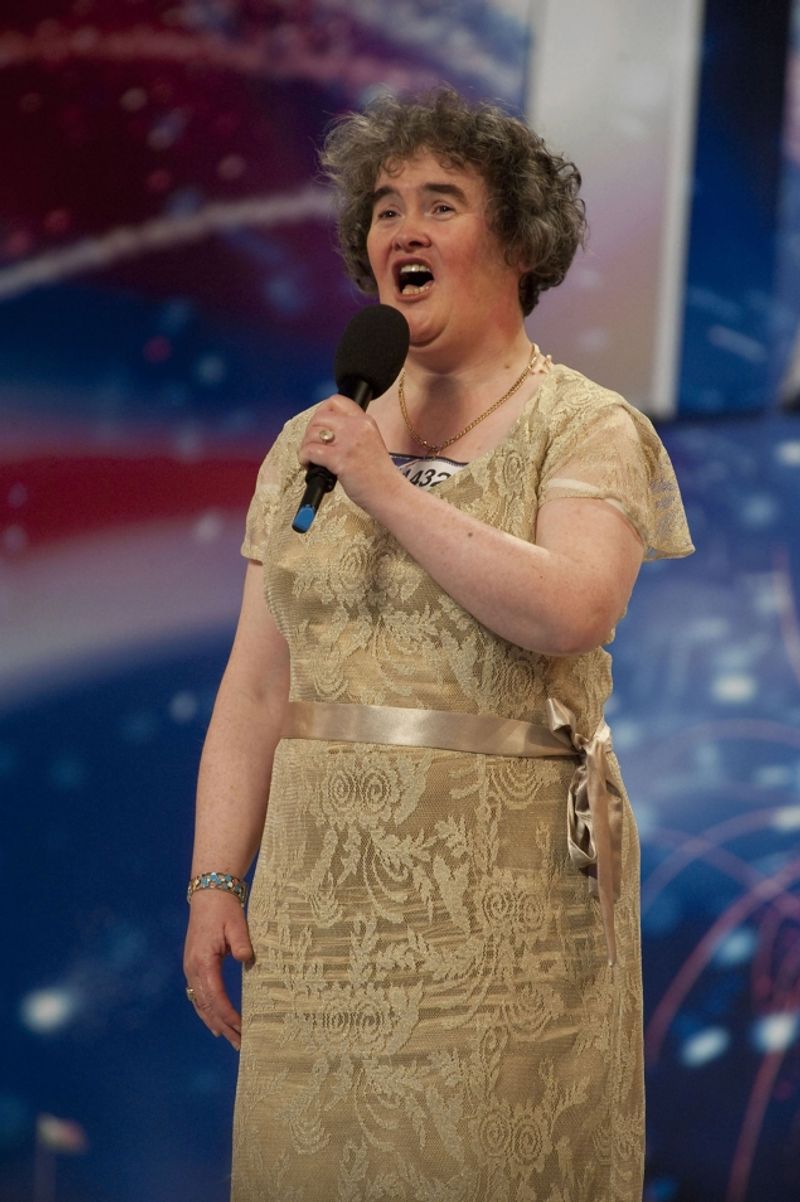
When Susan Boyle first stepped onto the “Britain’s Got Talent” stage in 2009, nobody expected what came next. Years later, at age 51, she received an autism diagnosis that she described as a moment of total clarity, finally explaining a lifetime of social anxiety and sensory sensitivities she had never fully understood.
Her diagnosis came in 2022, bringing relief rather than worry. Boyle’s experience shows how a late autism diagnosis can reframe your entire life story in a positive way.
10. Chris Packham
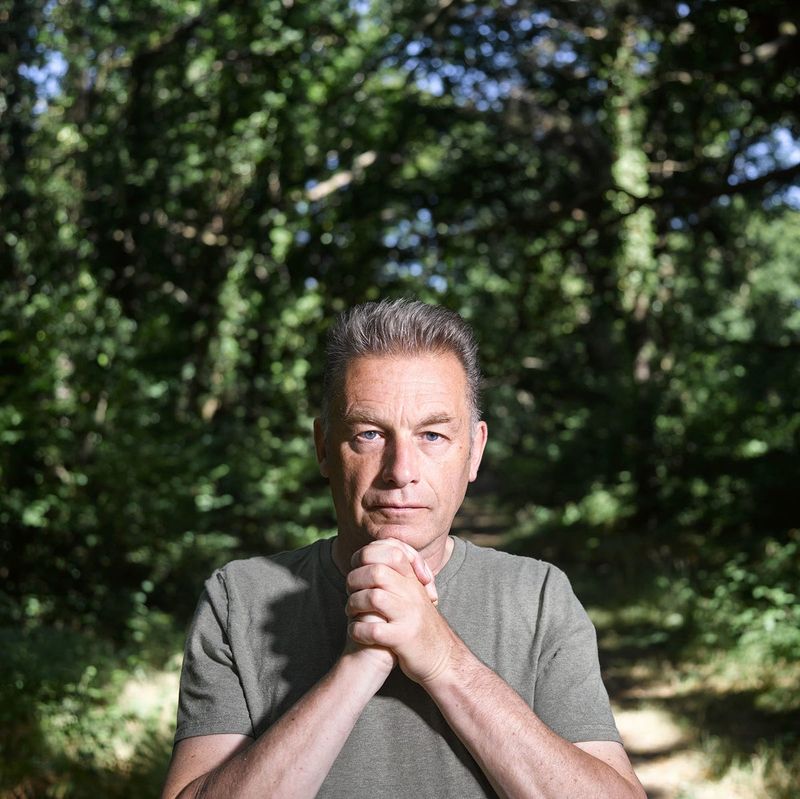
British naturalist Chris Packham has never shied away from talking about autism, becoming one of the UK’s most outspoken advocates for neurodiversity. His BBC documentary “Asperger’s and Me” gave viewers an intimate look at how his autistic mind shapes his passionate connection to the natural world.
Packham’s enthusiasm for wildlife is almost contagious, and he credits his autism for much of that intensity. His work reminds us that the traits others might misunderstand can be the very things that make someone remarkable.
11. Temple Grandin
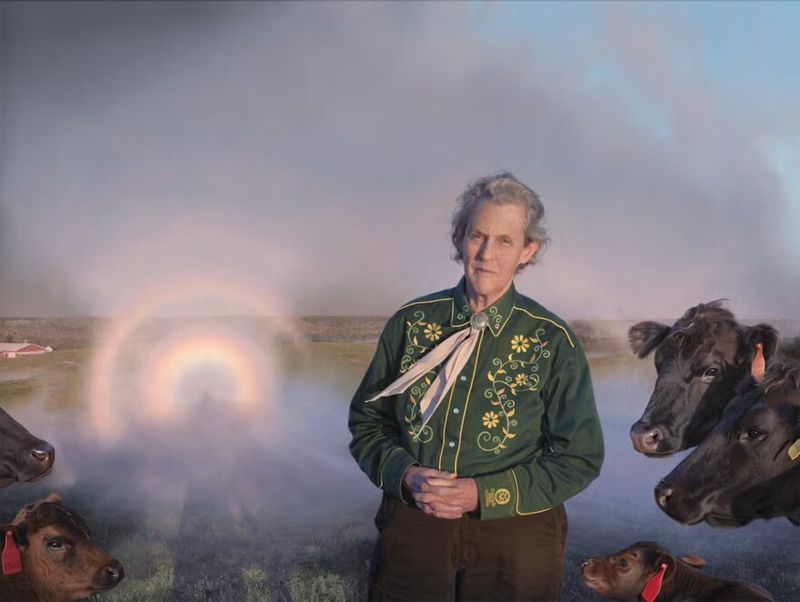
Few names are more recognized in the autism community than Temple Grandin. A professor of animal science at Colorado State University, she has spent decades being one of the most outspoken and celebrated autistic advocates in the world, long before celebrity disclosures became common.
Her work revolutionized livestock handling practices and inspired a generation of autistic individuals to embrace their unique ways of thinking. Grandin shows that seeing the world differently can lead to solutions nobody else would ever imagine.
12. Bella Ramsey
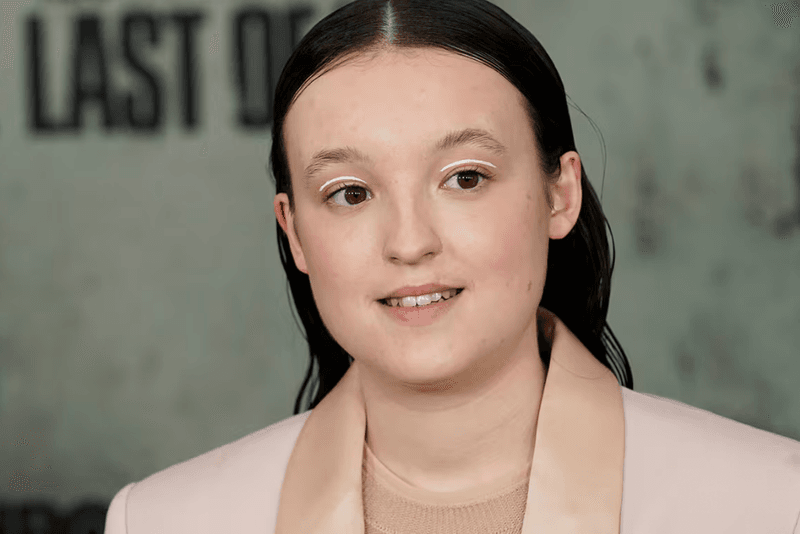
Bella Ramsey, beloved for their role in HBO’s “The Last of Us,” revealed in a 2025 British Vogue interview that they were diagnosed with autism while filming the show. Far from being a setback, Ramsey described the diagnosis as “liberating,” giving them more self-compassion for the everyday challenges they had always faced.
Their openness resonated especially with young fans navigating their own identities. Ramsey’s story is a fresh, honest example of how understanding yourself better can actually free you.
13. Armani Williams
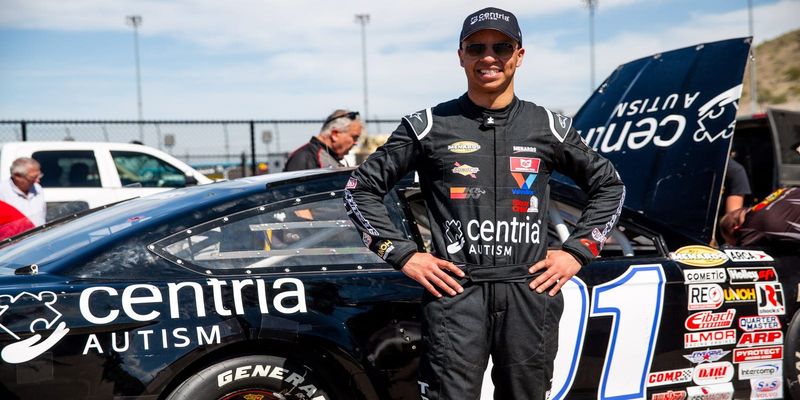
Armani Williams made history as the first NASCAR driver to publicly share his autism diagnosis, which he received at just two years old. Rather than keeping it private, he turned his racing career into a platform for awareness, often featuring the word “autism” on his car and racing suit.
Watching him speed around the track is exciting enough, but knowing the message he carries makes it even more powerful. Williams proves that a diagnosis in early childhood is no barrier to chasing incredible dreams.
14. Chloe Hayden
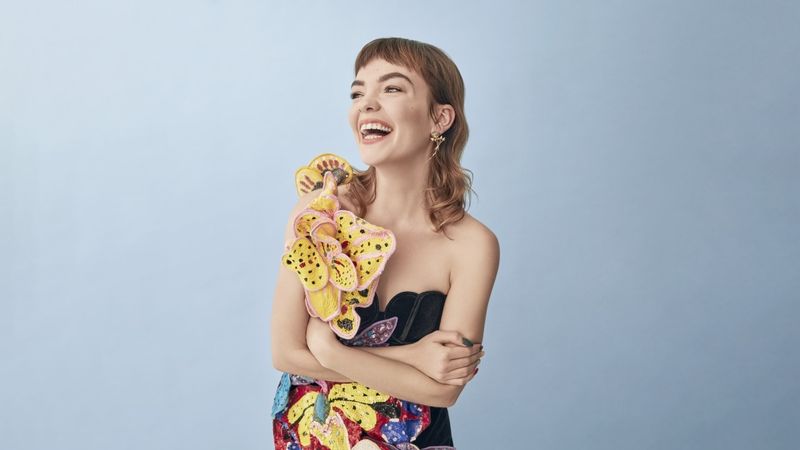
Chloe Hayden wears her neurodivergence like a badge of honor. The Australian actress, who is both autistic and has ADHD, plays an autistic character in Netflix’s “Heartbreak High” and has written a book called “Different, Not Less” that celebrates neurodivergent people everywhere.
Her advocacy goes beyond the screen, pushing for real accessibility and acceptance in everyday life. Hayden’s energy and authenticity make her one of the most exciting young voices in the autism community today.
15. Christine McGuinness
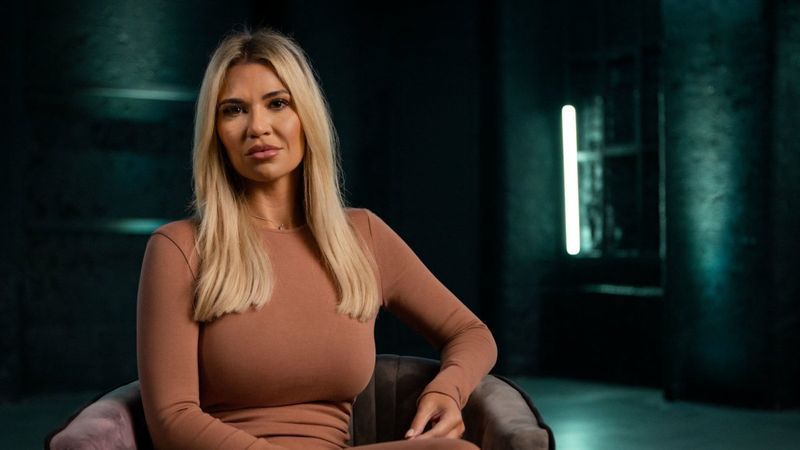
Christine McGuinness received her autism diagnosis after her three children were all diagnosed, which prompted her to look more closely at her own experiences. Once she got her own diagnosis, years of confusing memories suddenly made a lot more sense, from social struggles to sensory sensitivities she had never had words for before.
She has spoken publicly about how the diagnosis changed her self-understanding in a positive way. McGuinness now uses her visibility to encourage other women who may have been overlooked for an autism diagnosis.
16. Courtney Love
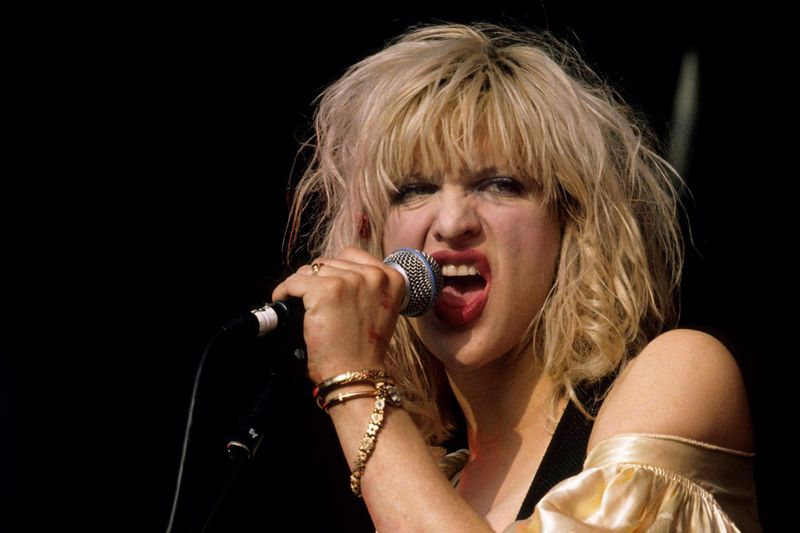
Courtney Love, the fierce frontwoman of the rock band Hole, has been candid about the social struggles she attributes to Autism Spectrum Disorder. Known for her raw, unfiltered personality, Love’s openness about ASD adds another layer of context to a life lived very publicly and often misunderstood by the media.
Her willingness to name ASD as part of her story is significant in a genre where vulnerability is not always welcomed. Love’s honesty challenges rock culture to make more room for neurodivergent voices.