
A talk show visit can turn tense faster than a host can cut to commercials. Some stars lost invitations after backstage clashes, risky jokes, or public feuds.
Others became part of ban stories that were disputed or never clearly confirmed. These cases, including several from the sketch show Saturday Night Live, show why a reported ban and a proven one are not always the same.
1. Hugh Grant: Charm Could Not Save This Booking

Romantic comedy charm did not win over Jon Stewart behind the scenes. In 2012, Stewart said Hugh Grant had been his least favorite Daily Show guest, describing complaints and rude behavior during a 2009 visit.
Stewart said Grant would not be welcomed back, and Grant later acknowledged behaving badly. The useful lesson is simple: treating the crew well matters just as much as making the audience laugh during a short interview on a busy set.
2. Vivica A. Fox: A Joke That Landed Badly
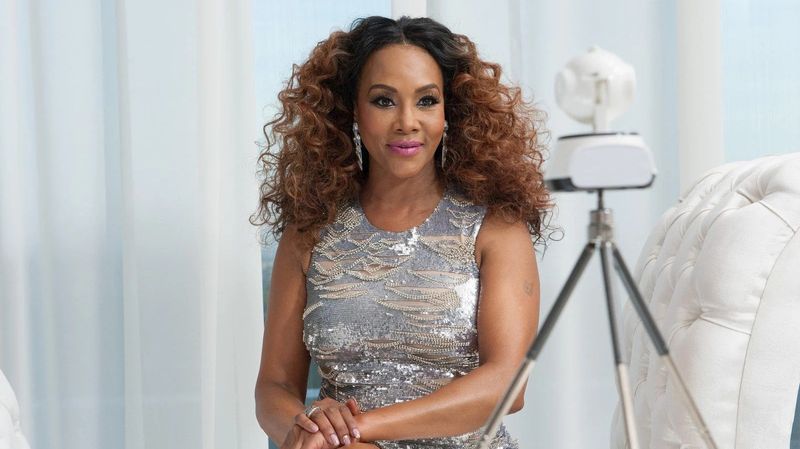
A friendly chat grew uncomfortable when Jimmy Kimmel joked about Vivica A. Fox’s friend Star Jones during a 2005 appearance.
Fox pushed back, and the exchange became part of later reports about guests who were not invited back.
Still, a tense interview does not automatically prove a permanent ban. Her case is best described as a reported booking fallout, reminding viewers that jokes about friends can feel personal even on a comedy show at night.
3. Bobcat Goldthwait: The Chair Really Caught Fire
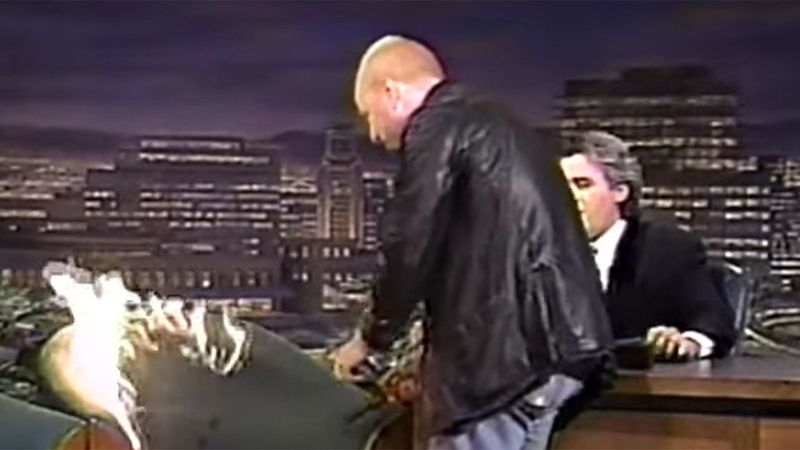
Setting furniture on fire is a quick way to end a guest invitation. During a 1994 Tonight Show appearance, Bobcat Goldthwait ignited his chair while Jay Leno was hosting, turning a comedy bit into a real safety problem.
The stunt led to legal consequences and a widely reported ban. Unlike an awkward joke, fire puts staff and guests at risk.
His story draws a clear line between wild comedy and behavior that endangers a workplace.
4. Kelsey Grammer: An Interview Ended Before It Began
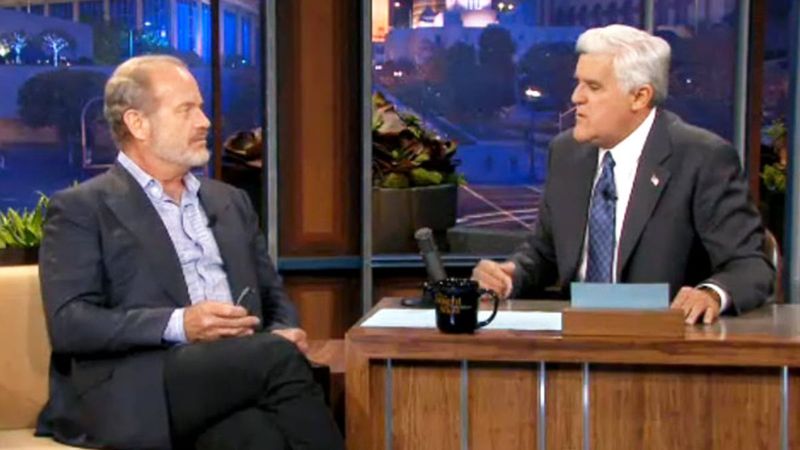
Before viewers heard a single answer, the planned interview was already over. Kelsey Grammer left Piers Morgan Live in 2012 after a picture of his former wife, Camille, appeared in the show’s opening.
Morgan publicly criticized the departure and said Grammer was banned. Reports differed over what had been agreed about showing the image.
The dispute highlights why guests and producers should settle sensitive topics clearly before cameras roll, rather than rely on loose backstage understandings.
5. Madonna: Piers Morgan Drew a Public Line
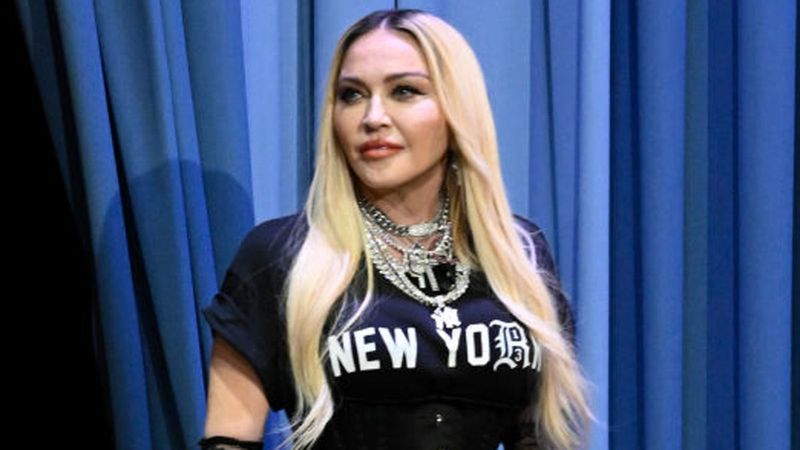
Some booking disputes begin without a disastrous interview ever happening. Piers Morgan publicly said Madonna was banned from his CNN program, making their long-running dislike part of the show’s publicity.
Her representatives pushed back, including questioning whether an invitation had existed. That makes this different from a guest being removed after misconduct.
It was largely a public feud about access, personality, and attention, rather than a clearly documented breach of rules during a television appearance itself.
6. Harmony Korine: Letterman’s Backstage Account
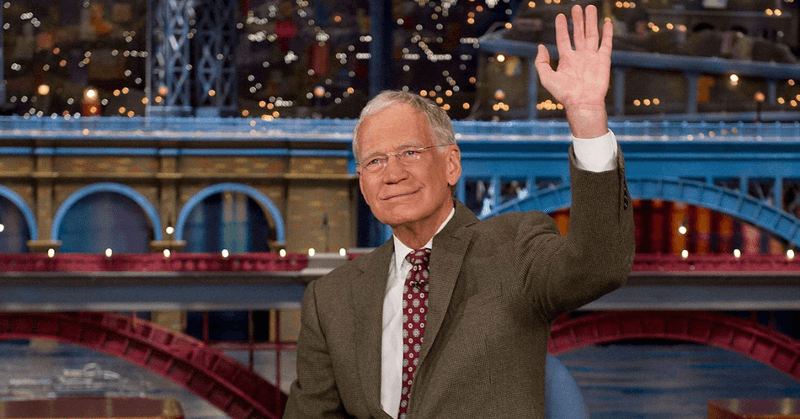
Strange, unpredictable interviews made the filmmaker a memorable Letterman guest. Years later, during a 2013 conversation with James Franco, David Letterman said he had caught Harmony Korine going through Meryl Streep’s purse backstage.
Letterman linked that alleged incident to Korine’s exclusion from the show. The account should remain attributed to Letterman, not treated as independently proven.
Also, the explanation came during Franco’s visit, despite some retellings incorrectly crediting Bill Murray with revealing the backstage story publicly.
7. Jay Leno: Conan Closed the Guest Door
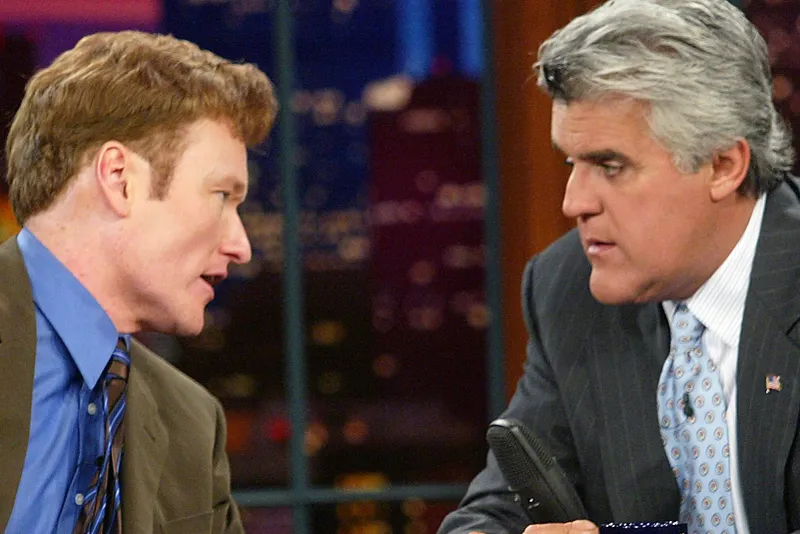
Late-night television became a public tug of war when NBC’s schedule changes ended Conan O’Brien’s Tonight Show run in 2010. Jay Leno returned to that hosting chair, leaving lasting tension between the two comedians.
O’Brien later said Leno would not be a guest on Conan. This was a host ruling out a booking, not a network banning Leno everywhere.
Keeping that distinction clear helps explain how personal trust can shape a show’s guest list for years.
8. Joan Rivers: A Long Absence Finally Ended
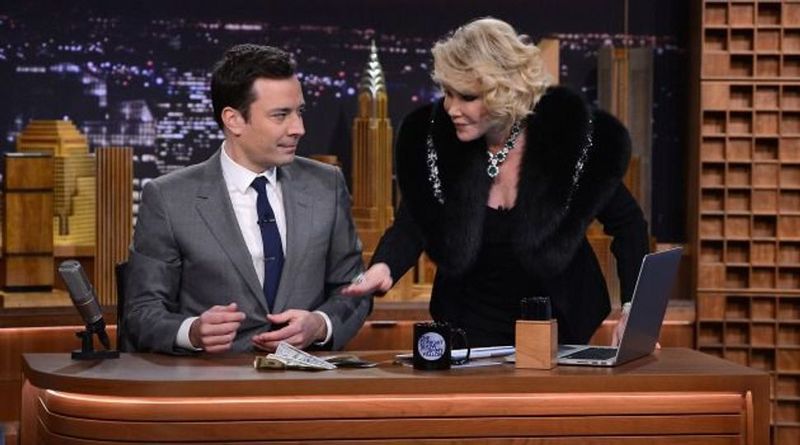
For years, she had been a familiar Tonight Show guest and substitute host. That relationship broke down after Joan Rivers accepted her own competing late-night show on Fox in 1986, angering Johnny Carson.
Her exclusion continued through later hosting eras, making it one of television’s best-known booking freezes. Yet it was not permanent across the show’s entire history: Rivers returned when Jimmy Fallon took over in 2014.
Even a decades-long closed door can eventually open again.
9. Sinéad O’Connor: A Protest Often Called a Ban
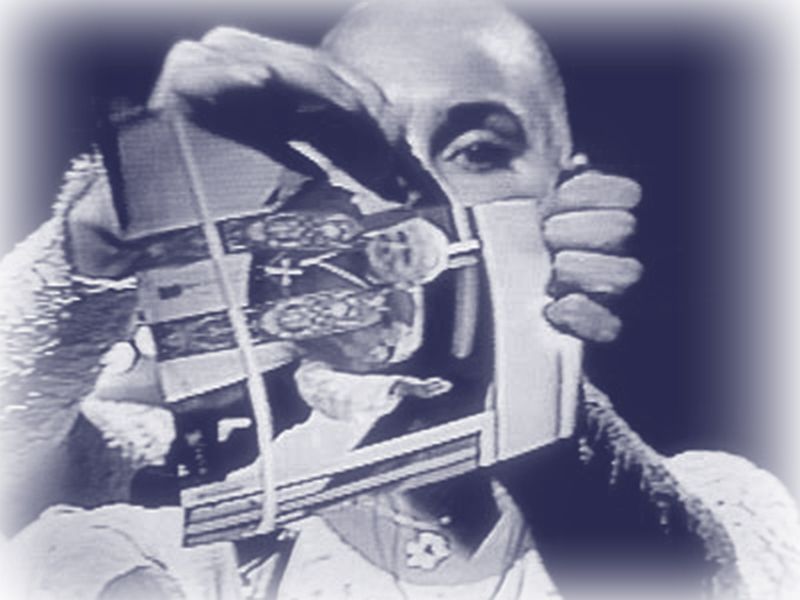
A torn photograph became one of live television’s most debated moments. In 1992, Sinéad O’Connor ripped up a picture of Pope John Paul II on Saturday Night Live while protesting abuse within the Catholic Church.
The backlash was fierce, and many accounts describe her as banned. However, a formal lifetime ban is less clearly established than popular retellings suggest.
SNL is also a sketch comedy program, not a talk show, a useful distinction within this list.
10. Steven Seagal: A Hosting Job Remembered Poorly
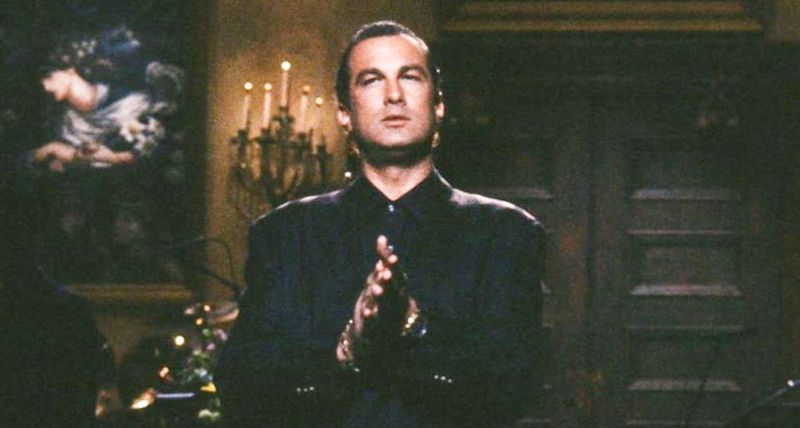
Action skills did not translate smoothly to live sketch comedy. Steven Seagal hosted Saturday Night Live in 1991, and cast members later described a difficult week marked by poor cooperation and weak comic instincts.
He is widely listed among performers barred from returning, although public accounts often lean on staff recollections rather than a formal notice. His troubled visit shows how much a live ensemble needs flexibility.
Being the biggest star cannot replace listening to fellow performers.
11. Martin Lawrence: A Monologue Crossed the Line
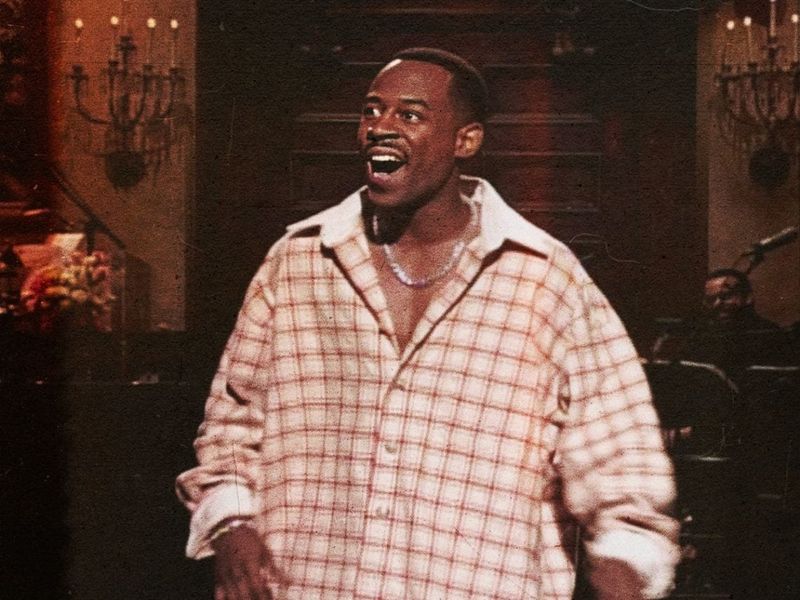
Stand-up energy can be hard to contain on live television. Martin Lawrence’s 1994 Saturday Night Live opening included graphic comments about women’s hygiene, drawing complaints and leading to edits in later versions of the episode.
The appearance is widely associated with a ban, though Lawrence later disputed being banned from SNL itself. That disagreement matters.
Viewers can recognize that the monologue caused trouble without assuming every later version of the punishment tells exactly the same story.
12. Adrien Brody: The Ban Story He Disputed
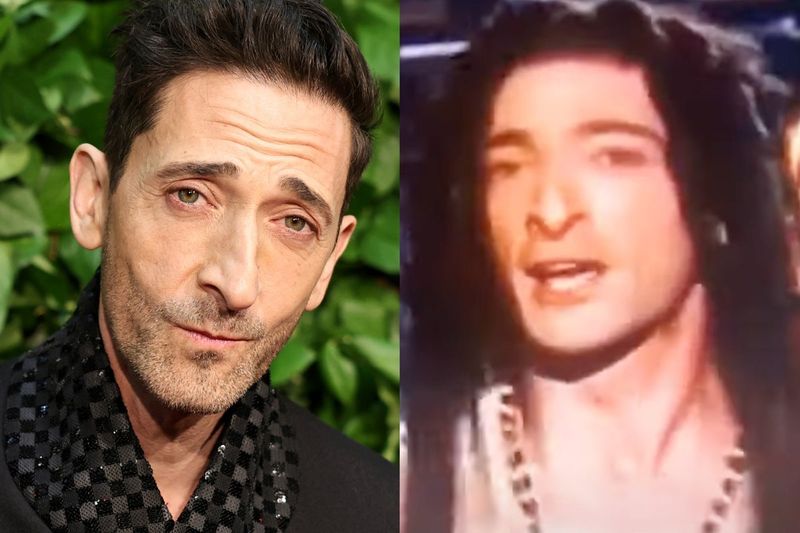
An improvised musical introduction followed the actor for years. While hosting Saturday Night Live in 2003, Adrien Brody wore fake dreadlocks and used a Jamaican accent to introduce Sean Paul, a choice widely criticized as offensive.
Many entertainment lists claimed the moment earned him a permanent ban. Brody later said he did not believe he had been banned.
His inclusion therefore belongs under disputed booking stories, not confirmed lifetime exclusions, even though the controversial introduction itself happened.
13. Dax Shepard: Sobriety Helped Change the Story
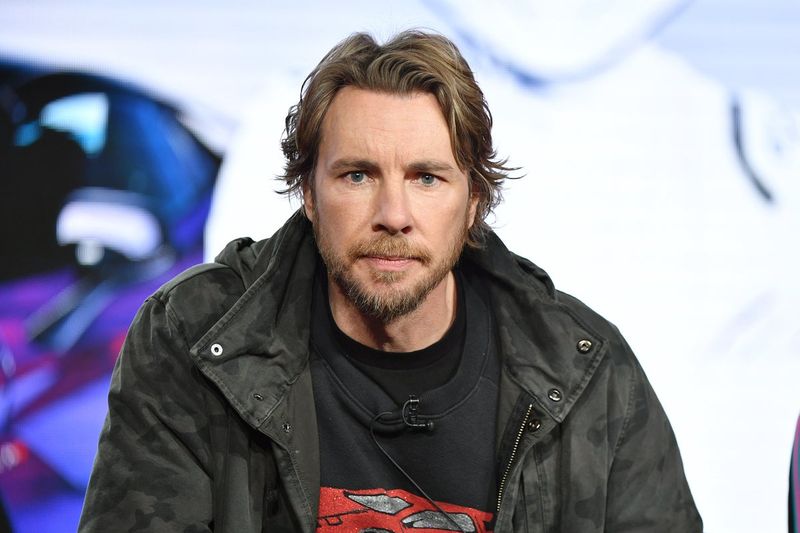
A chaotic early appearance became a turning point he could discuss honestly. Dax Shepard has described being intoxicated during a 2004 visit to Late Night with Conan O’Brien, where he also broke a coffee table.
He said the behavior resulted in a ban, but the restriction was later lifted after he became sober. Rather than ending with embarrassment, this account includes recovery and another chance.
Taking responsibility can help repair professional trust damaged by a bad night.
14. Oprah Winfrey: Distance Was Not a Proven Ban
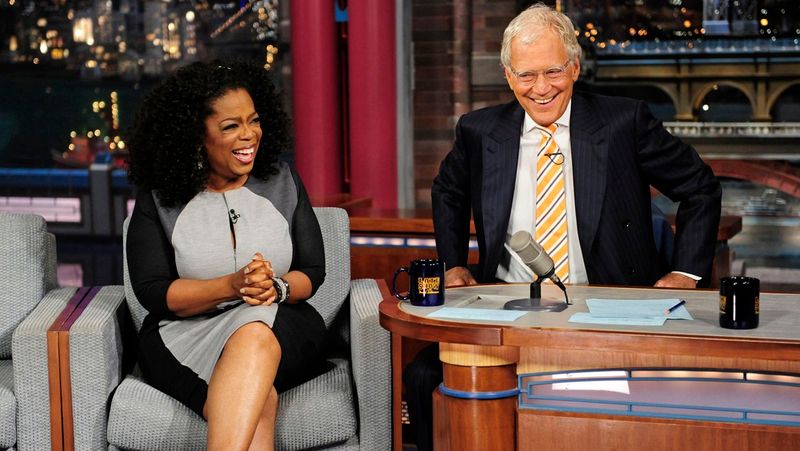
Two television giants spent years seeming unlikely to share a stage. Oprah Winfrey’s strained relationship with David Letterman fueled talk of a feud and stories about blocked bookings, but a formal ban is not clearly established.
Winfrey appeared on his CBS Late Show in 2005, creating a major television event. She later discussed feeling uncomfortable during an earlier interview.
Their history is better understood as personal distance and eventual reconciliation than a simple, officially announced guest ban.
15. Kathy Griffin: Conflicting Accounts of a Closed Door
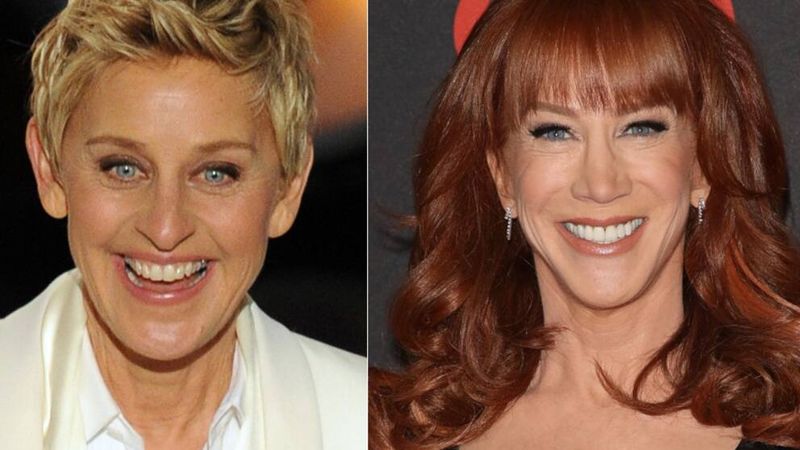
Celebrity jokes are central to her act, but they can complicate invitations. Kathy Griffin has said she was banned from The Ellen DeGeneres Show and has described being unwelcome on other programs as well.
DeGeneres disputed the framing, making this a claim rather than a settled booking record. Without public guest policies or matching accounts from both sides, certainty is hard to justify.
Griffin’s experience illustrates how comedy, personal hurt, and television access can become closely tangled.
16. Vince Vaughn: A Reported Freeze Was Not Forever
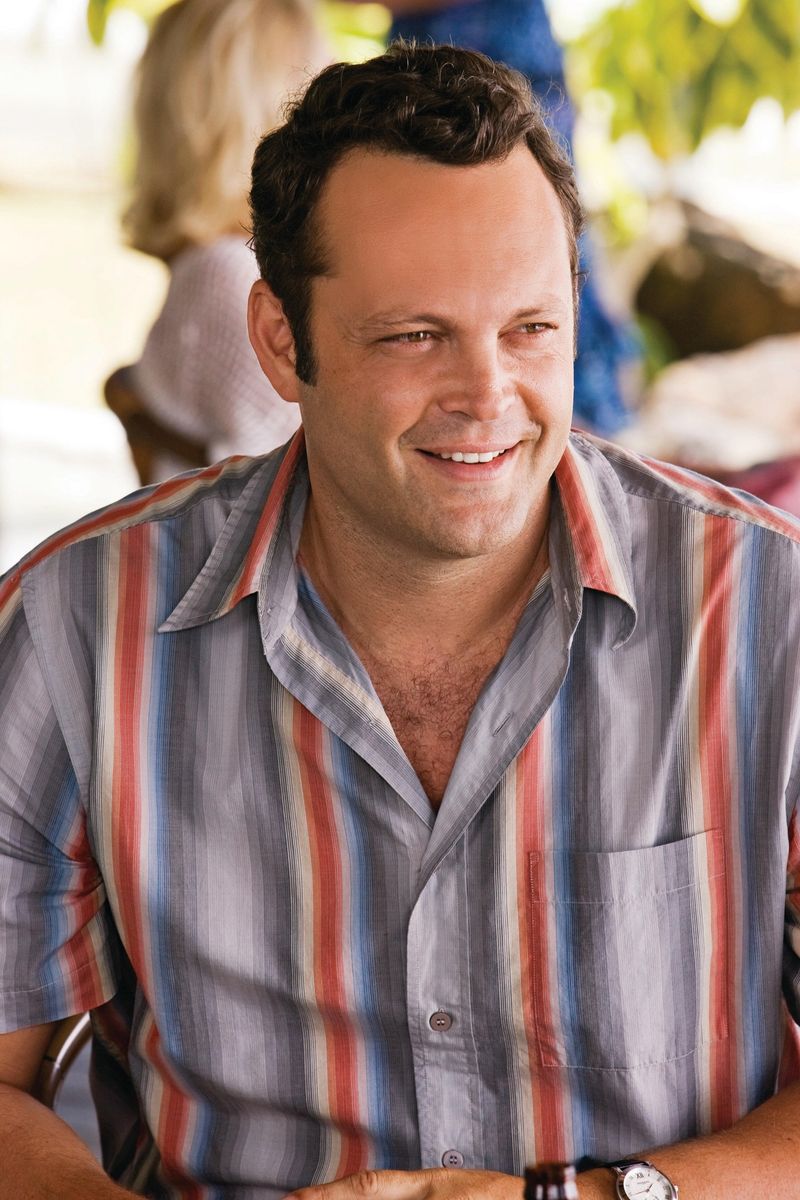
A movie trailer, rather than an on-air clash, sits behind this story. The Dilemma drew criticism for a joke using gay as an insult, and Ellen DeGeneres publicly objected to that language before the film’s 2011 release.
Reports later linked the controversy to a booking ban for Vince Vaughn. However, a permanent restriction was never clearly established, and he subsequently appeared on her show.
Those later visits make any claim of a lasting exclusion misleading to readers.