
Elvis Presley may have been the King of Rock and Roll, but even kings have their rivalries. Behind the glittering jumpsuits and sold-out concerts, Elvis had some surprisingly tense relationships with fellow celebrities.
From shooting televisions to confronting presidents, his clashes were anything but ordinary. Get ready to discover the surprising stories behind some of rock history’s most fascinating feuds.
1. Frank Sinatra
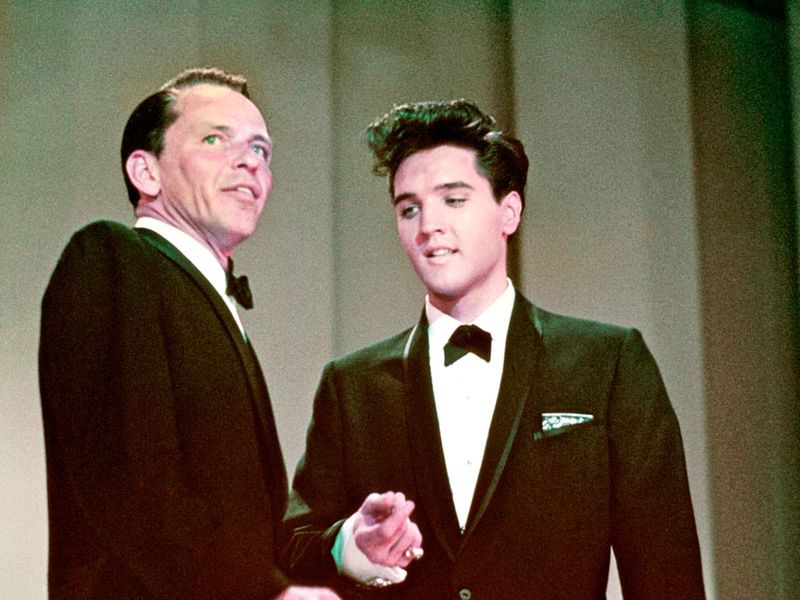
Before they ever shared a stage, Frank Sinatra publicly trashed rock and roll in 1957, calling it “the most brutal, ugly, degenerate, vicious form of expression” he had ever heard. Everyone knew he meant Elvis.
The comment stung deeply, and rumors of tension grew further when Elvis was allegedly involved with Juliet Prowse, Sinatra’s girlfriend at the time.
Ironically, the two did perform together in 1960, even joking about their rivalry. Sometimes the biggest enemies make the most memorable moments.
2. Robert Goulet
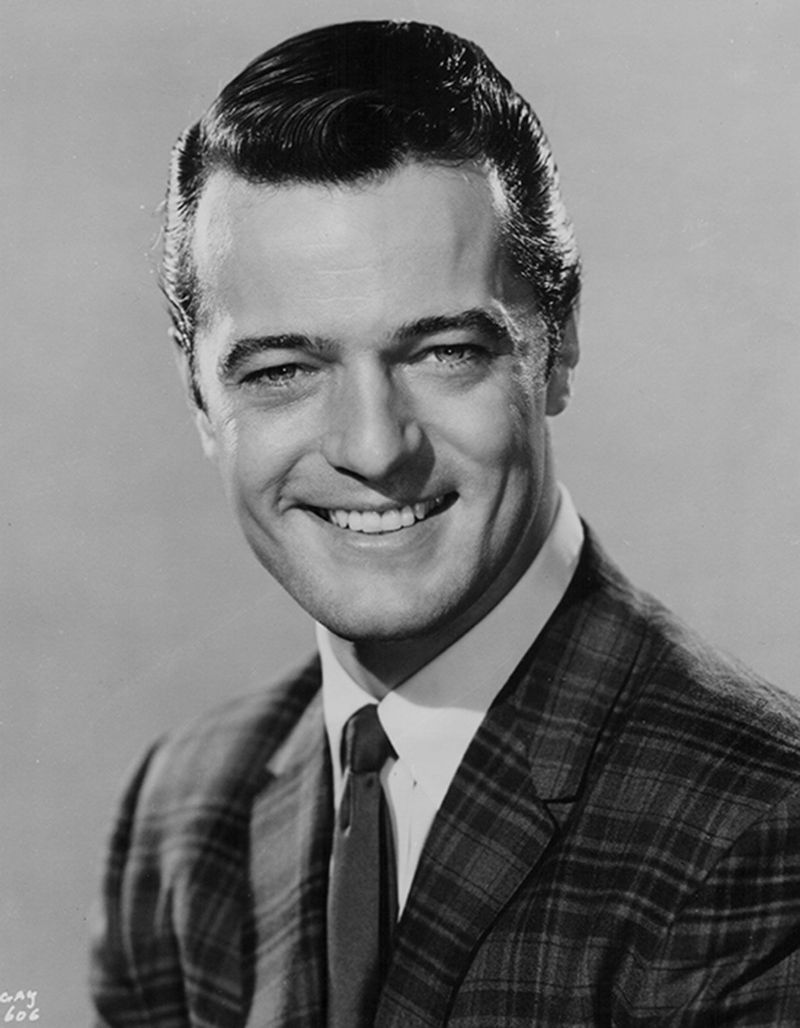
Few things made Elvis reach for his .357 Magnum faster than seeing Robert Goulet pop up on the television screen. According to Priscilla Presley, Elvis would literally shoot the TV when Goulet appeared, unable to stand what he called singing that was “all technique and no emotional feeling.”
It was a wild and extreme reaction, but it perfectly captured how seriously Elvis took authentic emotion in music. For him, polished performance without soul was simply unforgivable.
3. John Lennon and The Beatles
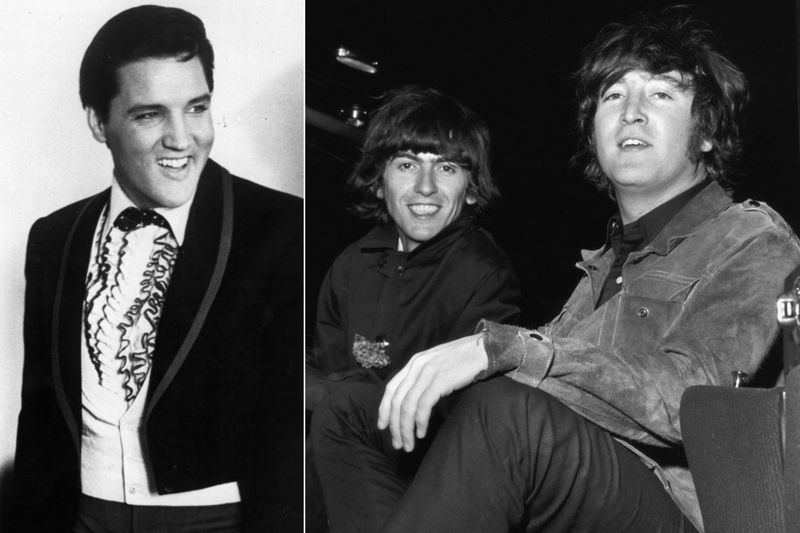
When Elvis met The Beatles in 1965, the encounter did not go smoothly. John Lennon reportedly made anti-war remarks that clashed hard with Elvis’s deeply patriotic values.
Elvis grew so frustrated with the band’s influence that he actually visited President Nixon in 1970, asking that The Beatles be removed from the U.S. for promoting an “anti-American spirit.”
He also resented how quickly they had knocked him off his throne as rock and roll’s biggest star. That kind of rivalry runs deep.
4. Mel Torme
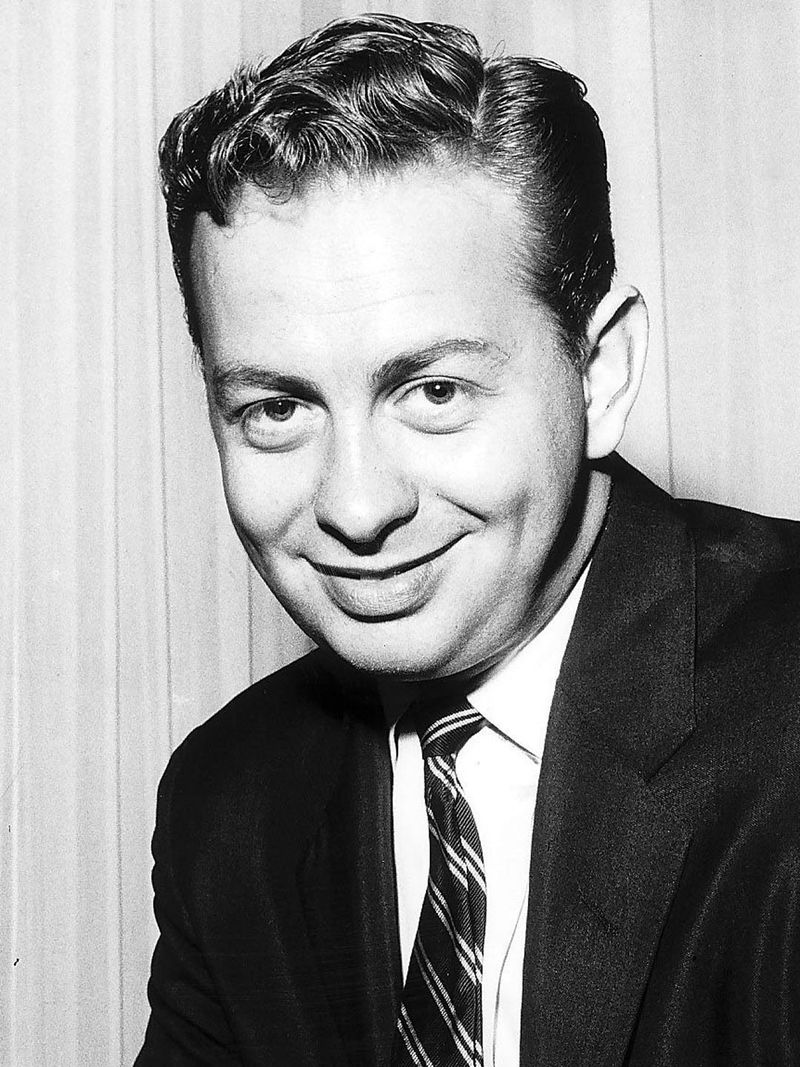
Mel Torme shared a spot on Elvis’s personal list of singers he simply could not tolerate. Just like Robert Goulet, Torme was labeled as “all technique and no emotional feeling” by the King himself.
Priscilla Presley recalled more than one occasion when Elvis grabbed his gun and blasted the television the moment Torme’s face appeared on screen.
It was an extreme habit, no doubt, but it revealed just how passionate Elvis was about raw, heartfelt musical expression over polished vocal showmanship.
5. Charles Bronson
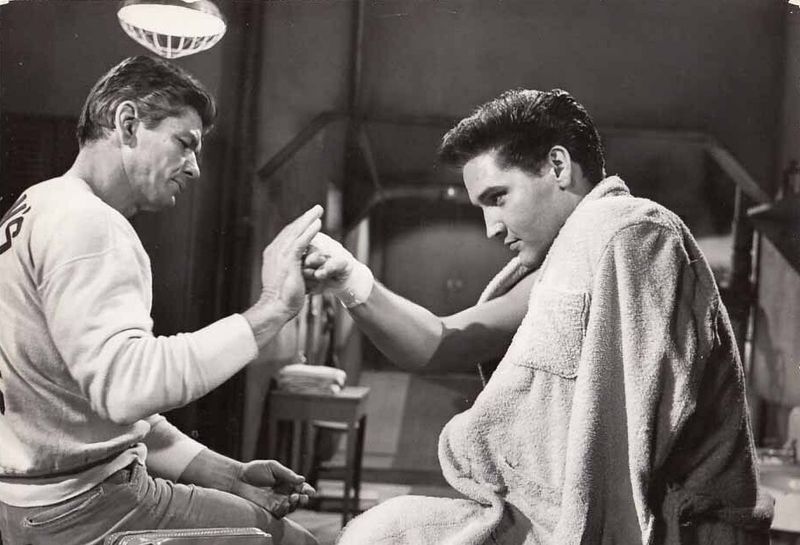
On the set of the 1962 film Kid Galahad, something did not click between Elvis and Charles Bronson. Bronson was known as a quiet, no-nonsense loner, and he simply did not treat Elvis like the superstar everyone else did.
That indifference reportedly drove Elvis absolutely crazy.
According to bodyguard Sonny West, Elvis would put Bronson down behind his back regularly. There is nothing quite as frustrating as someone who just does not seem impressed by you.
6. Jerry Lee Lewis
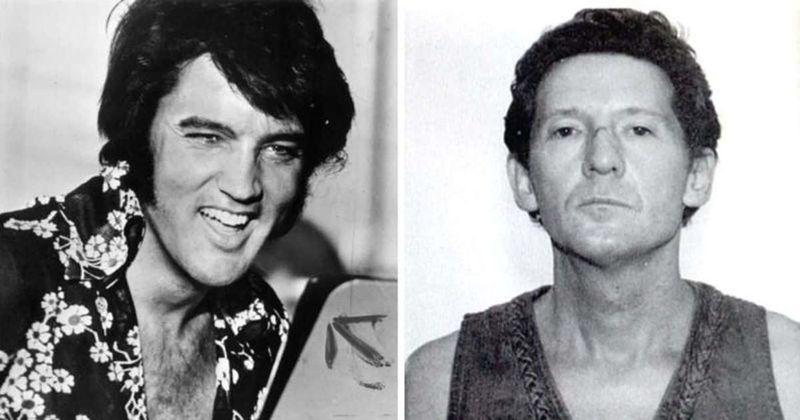
Both rising from the same Sun Records stable, Elvis and Jerry Lee Lewis were bound to bump heads. Lewis simmered with resentment, feeling that Elvis soaked up all the glory while he was left in the shadows.
The rivalry eventually boiled over in November 1976, when a drunk and armed Lewis showed up at Graceland’s gates demanding to see Elvis.
Police arrested him on the spot. It was a dramatic ending to years of jealousy that had been building since their earliest days in Memphis.
7. Dolly Parton
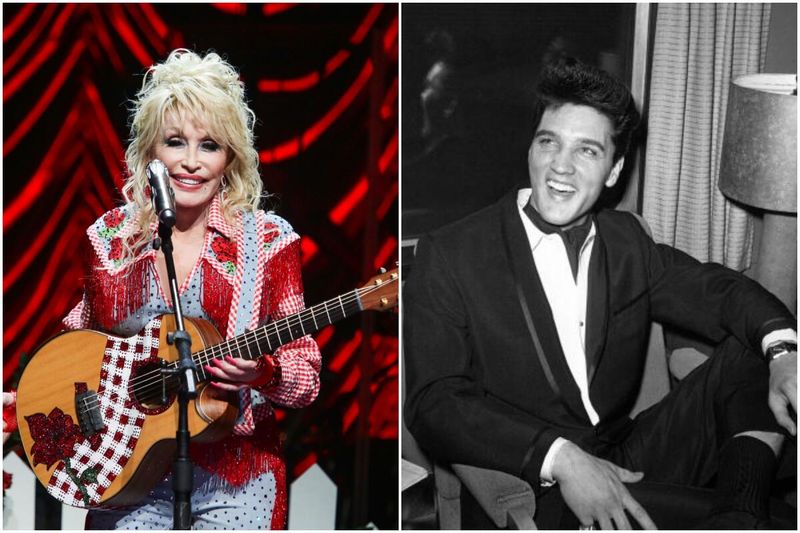
Dolly Parton wrote “I Will Always Love You” as a tender farewell to her mentor, and Elvis absolutely loved it. He wanted to record his own version, but his manager Colonel Tom Parker insisted on receiving at least half the publishing rights as part of the deal.
Parton, knowing the song’s true value, firmly said no.
Elvis never got to record it, and Parton’s decision proved wise. The song went on to become one of the most iconic recordings in music history.
8. Steve Allen
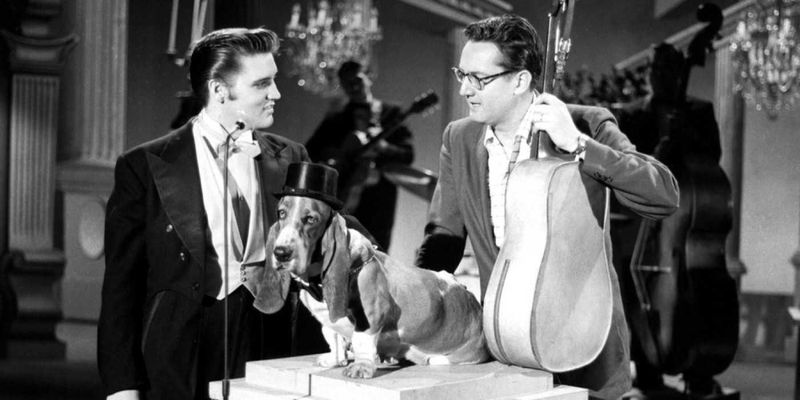
Back in 1956, Elvis appeared on The Steve Allen Show, and the experience left a bitter taste in his mouth. Allen dressed him in a tuxedo and had him sing “Hound Dog” to a real basset hound, a stunt that Elvis felt was designed to humiliate and mock him.
He considered it one of the most degrading moments of his early career.
Elvis was not someone who easily forgot disrespect, and that night on live television stayed with him for a long time.
9. Pat Boone
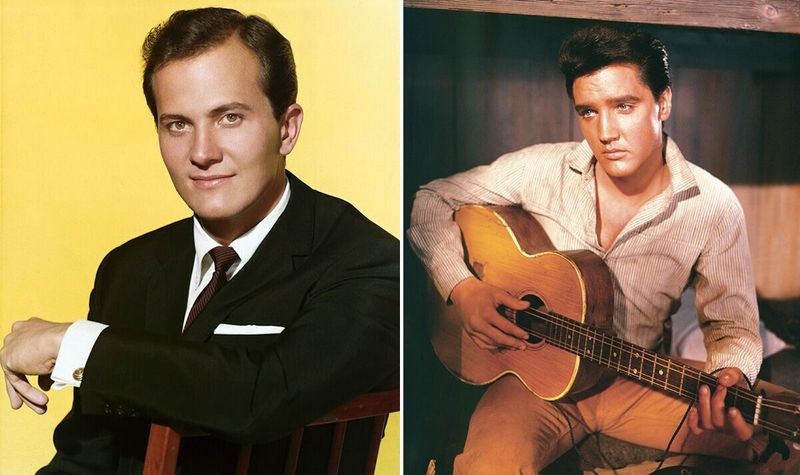
Pat Boone built his career largely by recording smoother, more radio-friendly versions of songs originally performed by Black artists. To Elvis, who deeply respected the roots of rock and roll and rhythm and blues, that felt like a betrayal of the music’s soul.
He reportedly could not stand Boone because of how he “sanitized Black music” for mainstream white audiences.
Elvis himself drew heavily from Black musical traditions and at least acknowledged the debt, even if imperfectly. That distinction mattered enormously to him.
10. Tom Jones
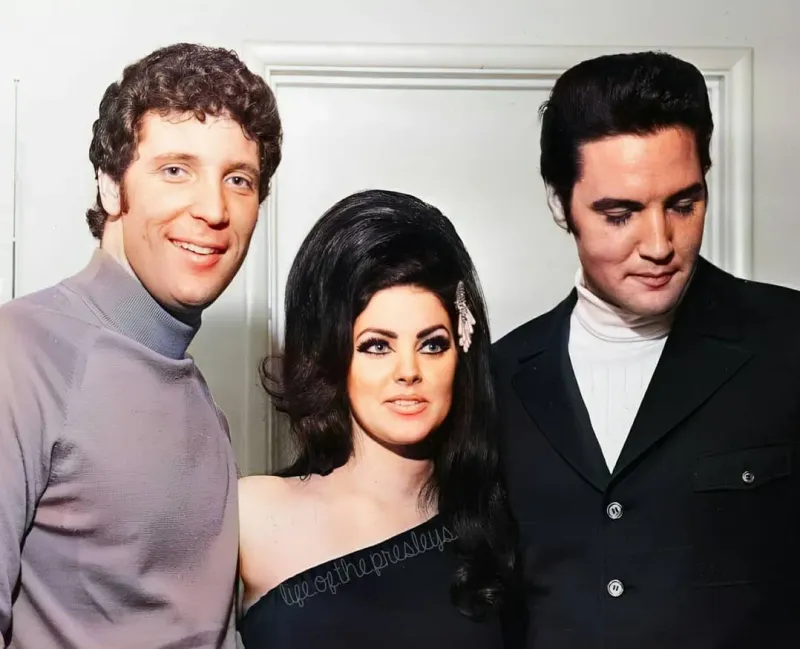
Las Vegas in the late 1960s and early 1970s was a battleground of big personalities, and Elvis and Tom Jones were right at the center of it. Both men were massive draws in Vegas, and a quiet but very real competition simmered between them over who held the top spot.
Small things, like the size of dressing rooms, became symbols of the bigger status war playing out behind the scenes.
Their rivalry was more professional than personal, but in showbiz, professional slights can feel just as sharp.
11. Little Richard
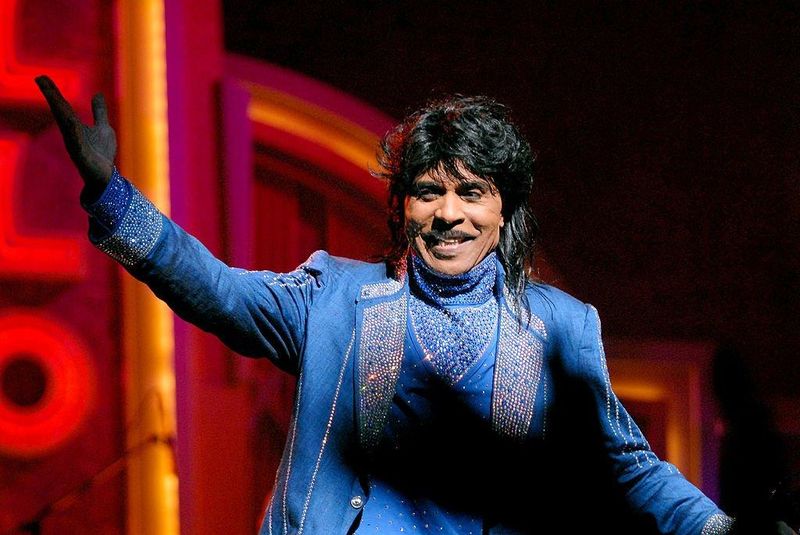
Little Richard never held back when it came to speaking his mind about credit in rock and roll. He openly confronted Elvis about the fact that Black artists created the music and energy that Elvis became famous for performing.
Elvis reportedly wrestled internally with this, privately acknowledging that Richard had pioneered many of the moves and the raw excitement that audiences associated with Elvis himself.
It was an uncomfortable truth wrapped in a complicated relationship, one that reflected the deeper racial tensions of the era.
12. Colonel Tom Parker
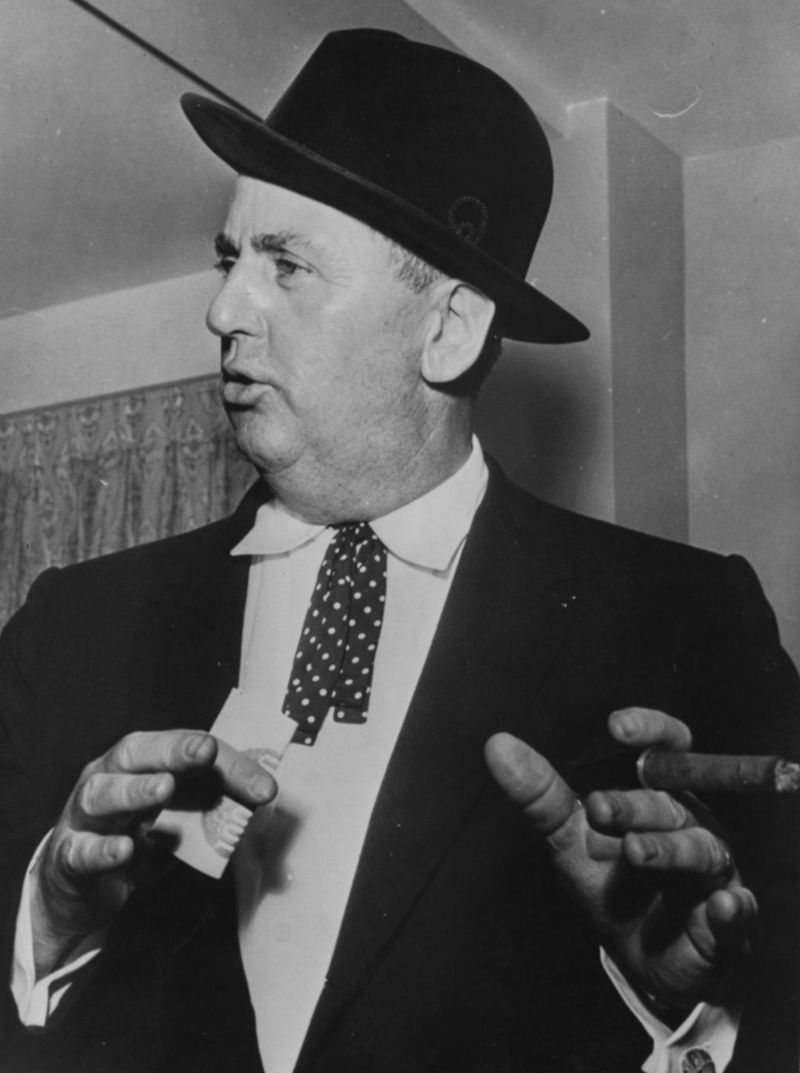
Colonel Tom Parker was Elvis’s manager for most of his career, but calling their relationship simply professional would be a massive understatement. Parker controlled nearly every aspect of Elvis’s life, taking a reported 50 percent of his earnings and steering him away from opportunities, including international tours, that could have expanded his legacy.
Elvis reportedly felt trapped and manipulated for years but struggled to break free. Parker’s psychological grip on him was one of the most tragic and defining tensions of Elvis’s entire life.
13. Ed Sullivan
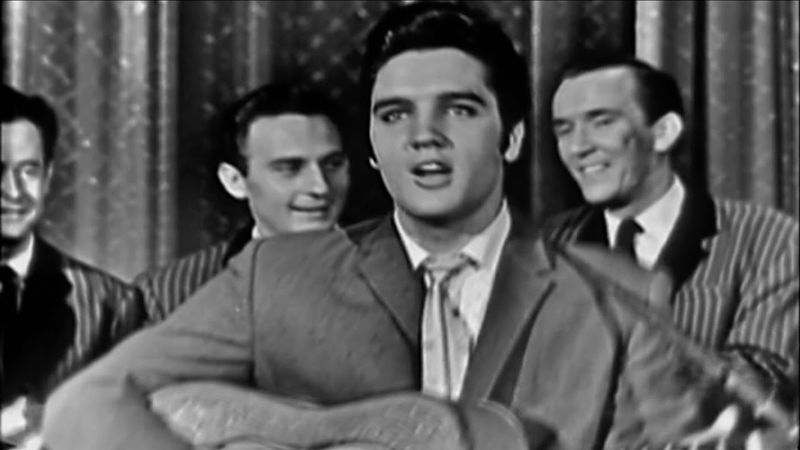
Ed Sullivan initially refused to book Elvis, publicly calling him unfit for family television. The irony is that Sullivan eventually caved to public pressure and had Elvis perform on his show three times.
Still, the relationship was tense, famously resulting in the producer’s order to film Elvis only from the waist up during his third appearance to avoid his hip movements.
That censorship moment became one of the most talked-about decisions in early television history, and Elvis never forgot the condescension behind it.
14. Marlon Brando
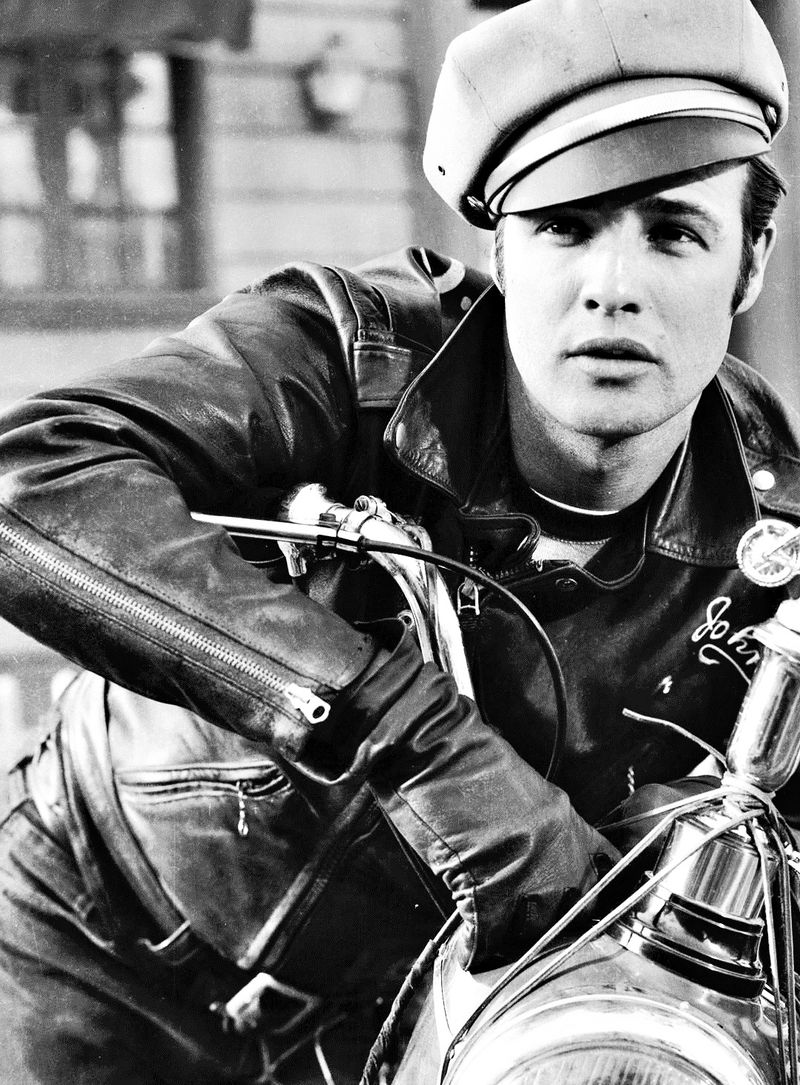
Marlon Brando and Elvis occupied similar cultural spaces as rebellious icons of the 1950s, but their relationship behind the scenes was reportedly cool and competitive. Elvis modeled some of his early image after Brando’s brooding rebel look, yet Brando reportedly dismissed Elvis as more of a pop phenomenon than a serious artist.
That kind of dismissal from someone he had admired stung. Elvis wanted badly to be taken seriously as an actor, and Brando’s attitude made that ambition feel even harder to reach.
15. Sammy Davis Jr.
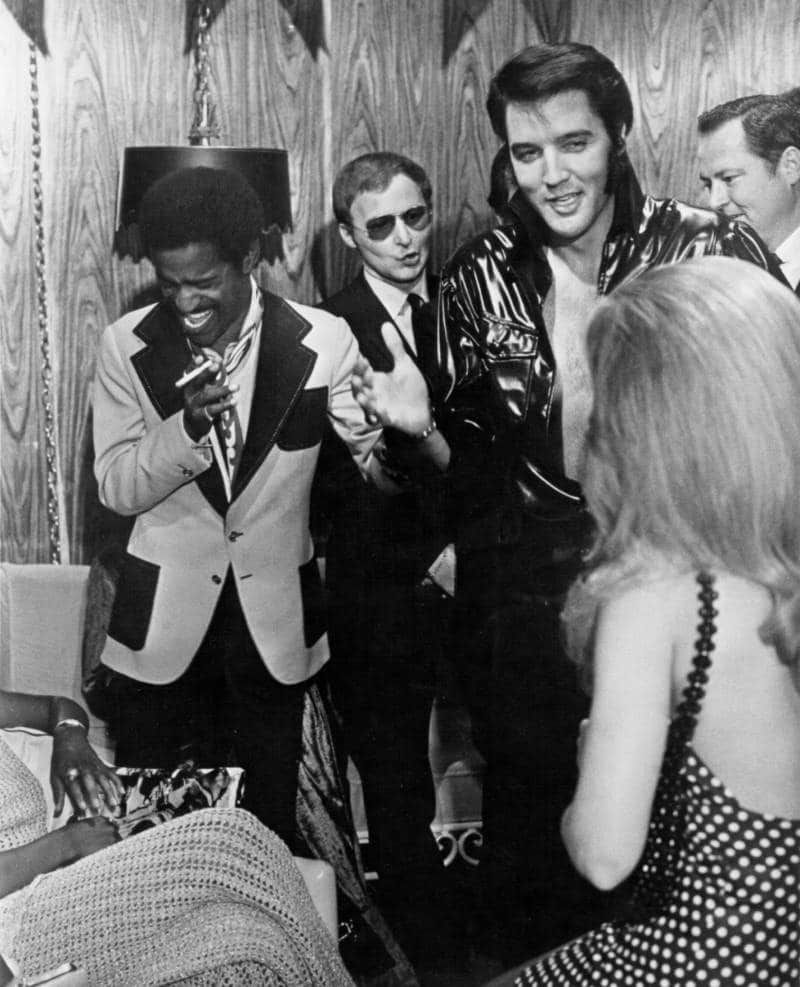
Sammy Davis Jr. was one of the biggest entertainers of his era, and his presence in Las Vegas created an interesting friction with Elvis’s dominance there. Reports suggest the two had a complicated relationship marked by professional jealousy and occasional personal tension, even though they moved in overlapping social circles.
Both men commanded enormous audiences and craved being recognized as the ultimate showman. When two performers that hungry for the spotlight share the same stage town, sparks are almost guaranteed to fly.
16. Jim Morrison
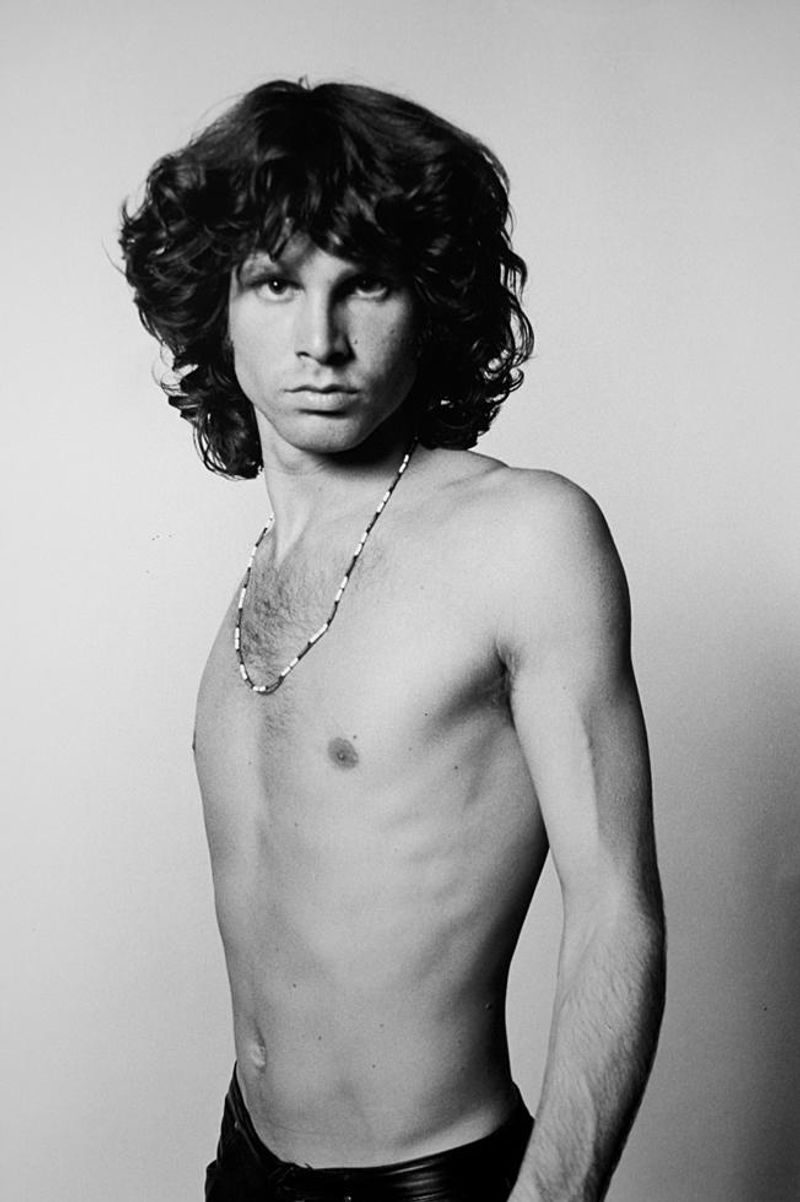
Jim Morrison represented everything Elvis found threatening about the changing music scene of the late 1960s. Morrison’s provocative performances, anti-establishment attitude, and open drug use stood in stark contrast to Elvis’s patriotic, law-and-order values.
Elvis reportedly had little respect for what he saw as Morrison’s deliberate attempts to shock and offend rather than genuinely entertain.
To Elvis, performance was about connecting with people, not provoking them. Morrison’s approach felt like an attack on everything Elvis believed music should be.