
Queen could turn a simple beat, a bold chorus, or a quiet ballad into something a whole crowd could share. Their songs still bring people together at games, parties, and concerts.
From joyful singalongs to moving songs about love and loss, these tracks show why Queen’s music keeps finding new fans.
1. Bohemian Rhapsody: A Rock Adventure
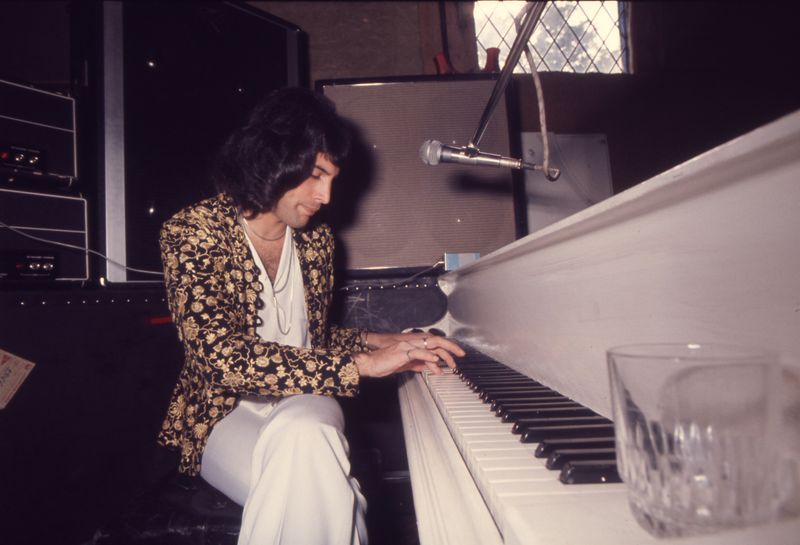
A quiet piano opening gives little warning of the wild ride ahead. Released in 1975, Freddie Mercury’s creation moves through ballad, opera, and hard rock without a standard chorus.
Somehow, every turn feels connected.
Listen for the stacked voices in the opera section, then notice how Brian May’s guitar changes the mood. For a shared listening session, few songs offer so many chances to sing, laugh, and play air guitar together with friends at home.
2. We Will Rock You: Two Stomps and a Clap
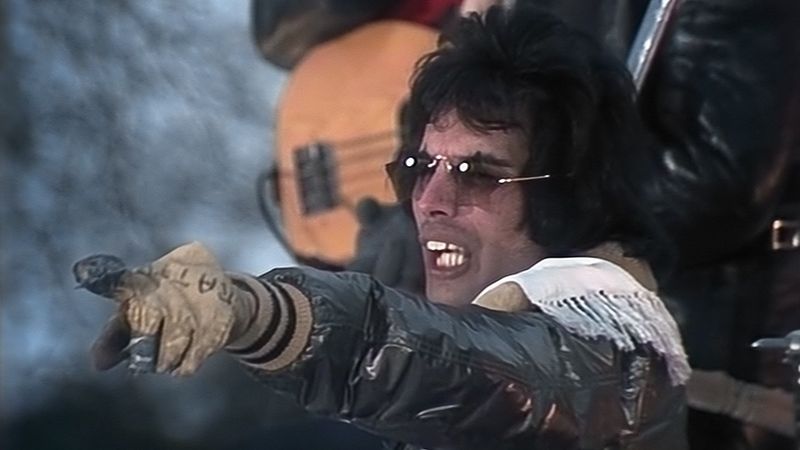
Two stomps and one clap are all it takes to get involved. Brian May wrote this 1977 track with audience participation in mind, giving fans a rhythm they could make themselves.
Its spare sound leaves plenty of room for a crowd.
Try tapping the pattern before the guitar arrives near the end. That long wait makes May’s final burst feel even bigger, showing how a simple musical idea can carry enormous power without fancy equipment.
3. We Are the Champions: Victory With Scars
Winning feels sweeter when the road has been rough. Freddie Mercury’s 1977 anthem makes room for mistakes and struggle before reaching its famous celebration.
That mix helps explain why it belongs at sporting events and personal milestones alike.
Pay attention to the gentle verses rather than skipping straight to the chorus. They give the big finish its meaning.
Play it after completing something difficult, whether that means a school project, a race, or a challenge.
4. Don’t Stop Me Now: Joy at Full Speed
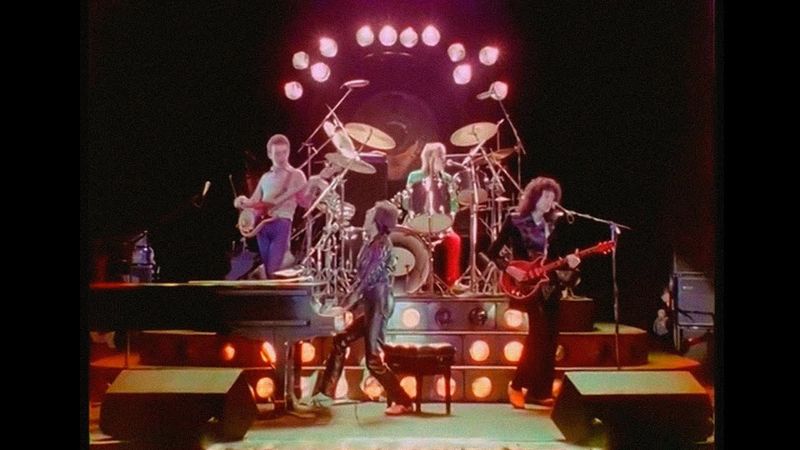
Need a quick lift? The rushing piano and bright vocals here make an ordinary afternoon feel like a celebration.
Written by Freddie Mercury, the song appeared on Queen’s 1978 album Jazz before becoming a single in 1979.
Its cheerful surface hides some grownup lyrics, so consider your audience when choosing it for events. For everyday listening, follow the piano’s steady drive and the sudden guitar break.
Both help keep the excitement moving at top speed.
5. Somebody to Love: A Choir Full of Longing
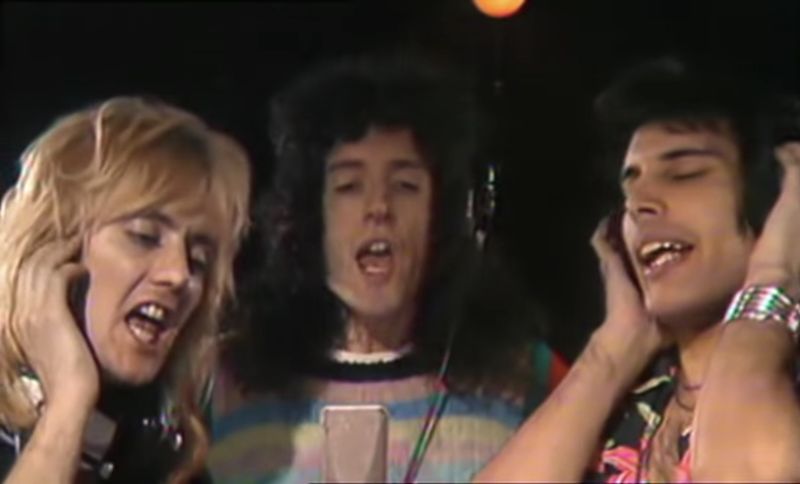
Loneliness rarely sounds this huge. Inspired by gospel music and his admiration for Aretha Franklin, Freddie Mercury built this 1976 song around a deeply human wish for connection.
Layered vocals make a few band members sound like a choir.
Headphones help reveal how the voices answer and support one another. Beneath all that musical force sits a vulnerable question about belonging.
That balance makes the song work as both a private comfort and a singalong.
6. Under Pressure: Two Voices, One Plea

That bass introduction announces itself within seconds. Queen teamed with David Bowie for this 1981 single, later included on Hot Space in 1982.
Their contrasting voices turn everyday stress into something urgent and deeply shared.
Rather than offering a simple victory chant, the song asks listeners to care for people under strain. Notice how its nervous opening grows into a broader appeal for love.
It fits a thoughtful playlist as naturally as a stadium sound system.
7. Radio Ga Ga: Hands Across the Stadium
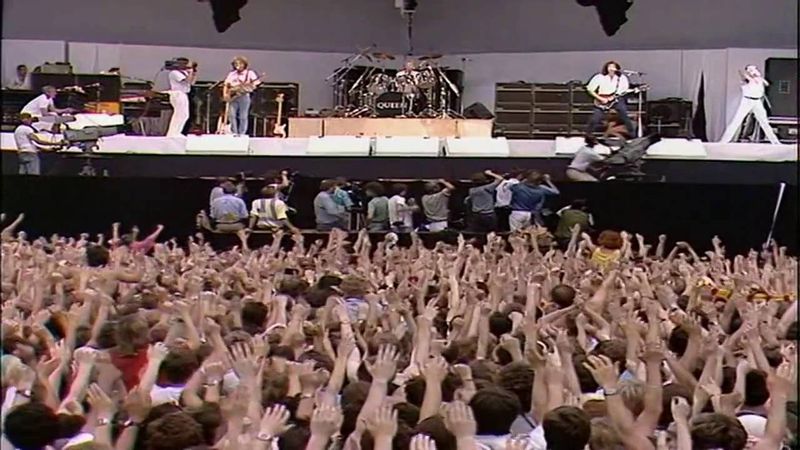
Picture thousands of hands clapping overhead in perfect time. Roger Taylor’s 1984 song became a striking crowd moment, especially during Queen’s Live Aid performance in 1985.
Its steady electronic pulse gives everyone a clear place to join.
The lyrics reflect on radio’s place in a changing media world. Watch a live performance after hearing the studio recording.
Seeing the audience respond shows how Queen could turn a song about listening into a powerful shared experience.
8. The Show Must Go On: Courage Under Strain
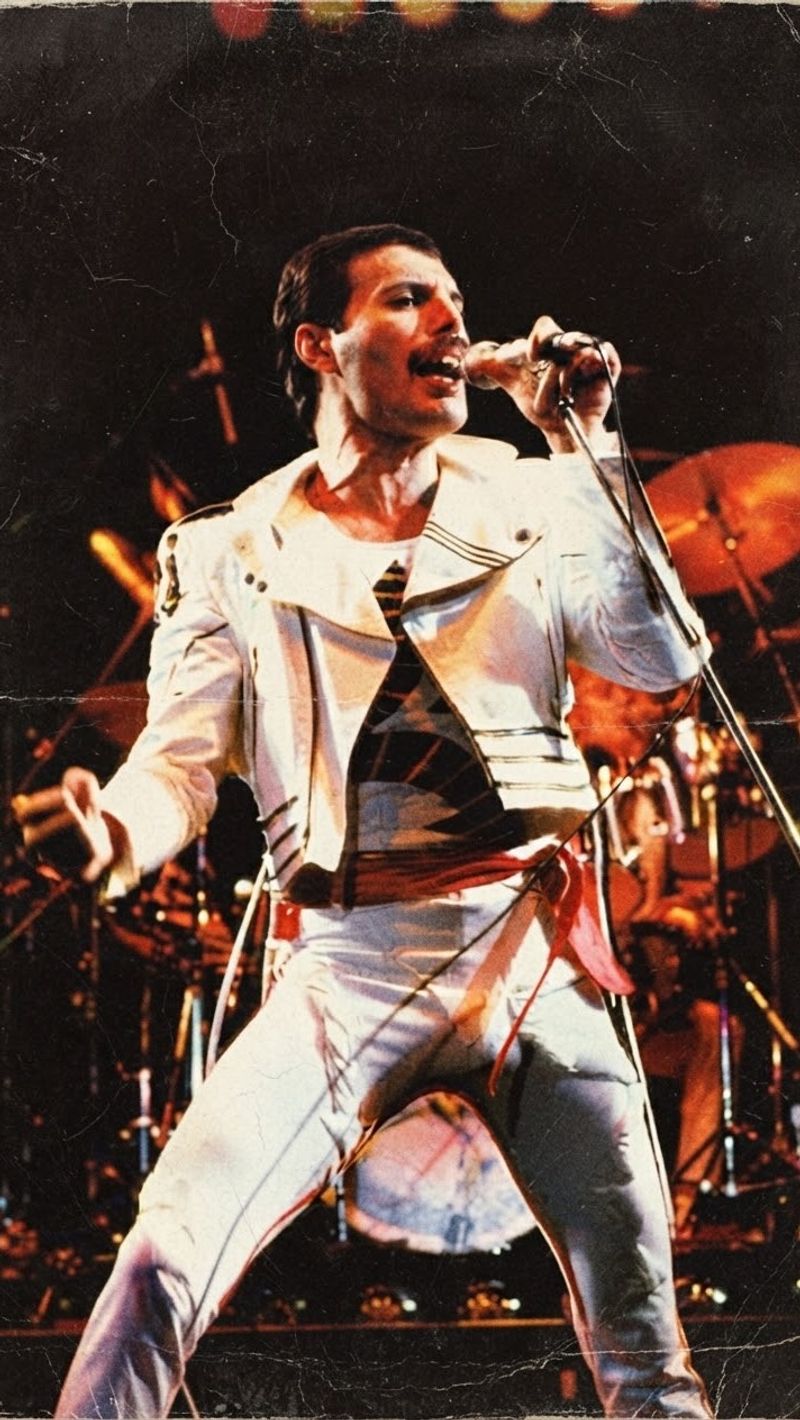
Some anthems celebrate strength; others reveal what strength costs. Released on Innuendo in 1991, this song pairs Brian May’s writing with a remarkable Freddie Mercury vocal.
Its determined sound carries extra weight because Mercury was seriously ill during that period.
Give the opening space to build instead of treating it as background music. The rising arrangement turns pain into resolve without pretending everything is easy.
For difficult days, its power comes from facing hardship rather than ignoring it.
9. I Want It All: Ambition Turned Up
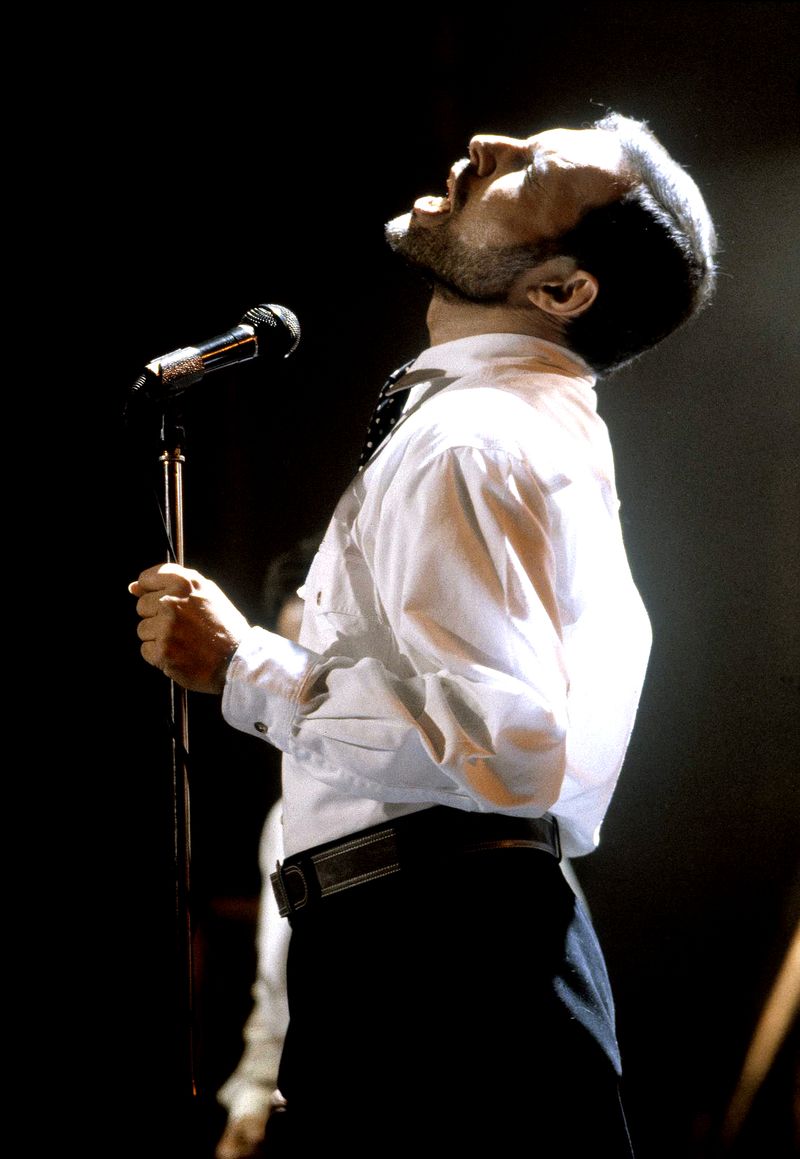
A bold guitar riff kicks the door open before the message arrives. Released in 1989 on The Miracle, this Brian May composition turns ambition into a chant built for raised fists.
The heavy sound gives its demands extra bite.
Use it when a playlist needs a burst of confidence, not quiet reflection. Compare the shorter single version with the album recording to hear how the opening changes.
Both deliver drive, but their entrances create different kinds of excitement.
10. Killer Queen: Glamour With a Wink
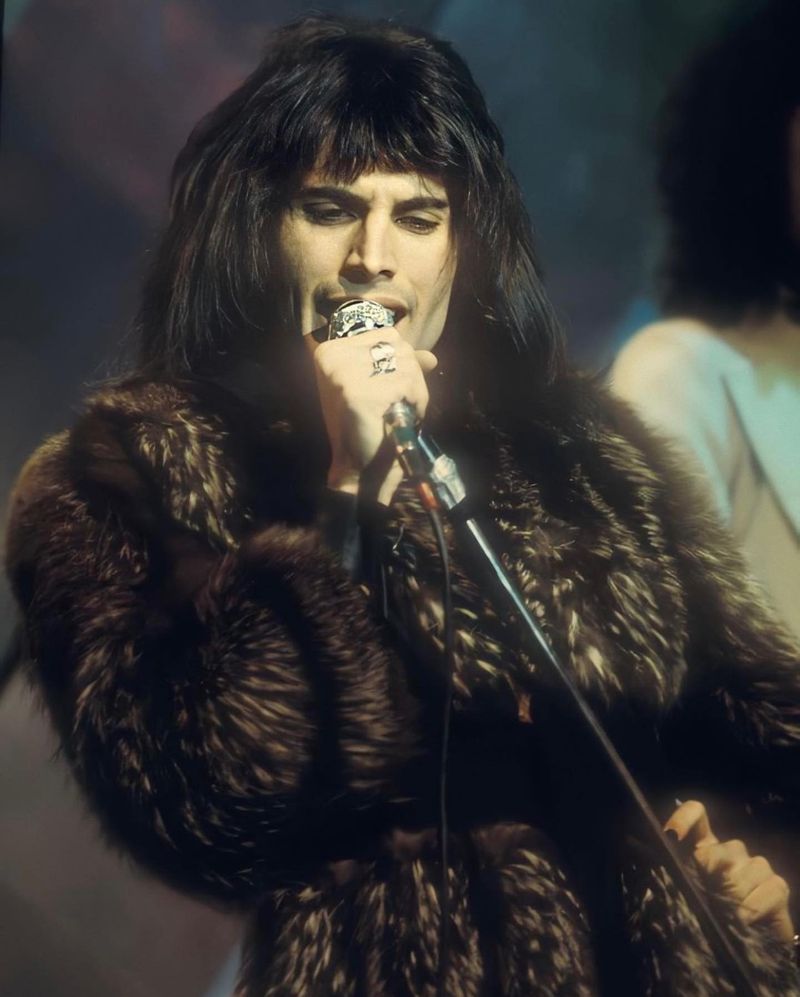
Not every anthem needs to sound like a battle cry. Freddie Mercury’s 1974 hit wins attention through sharp details, playful delivery, and a chorus that sticks.
Its polished style helped bring Queen to a wider audience.
Listen closely to the small shifts between piano, guitar, and layered voices. Nothing feels wasted, even when the arrangement gets busy.
If you enjoy songs with character and a little mischief, this track offers a different doorway into Queen’s sound.
11. Another One Bites the Dust: Bass Takes Charge
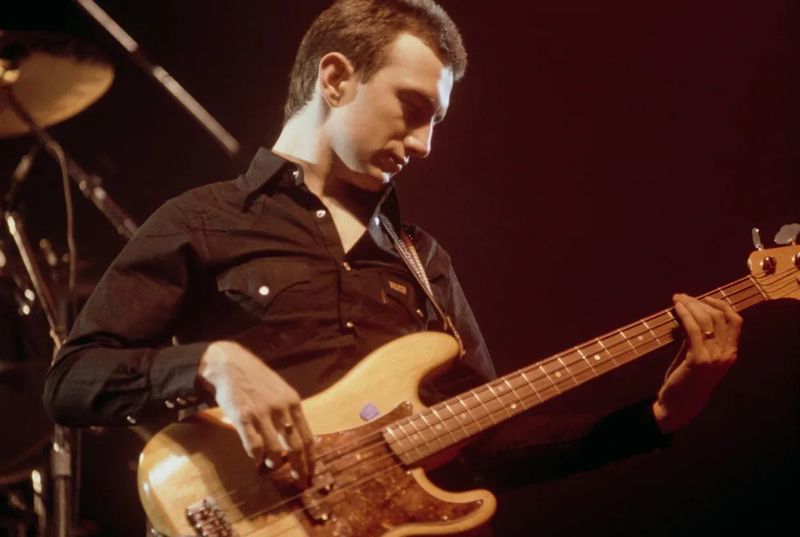
The bass does the talking before anyone sings. John Deacon wrote this 1980 hit, giving Queen a lean groove that pulled rock and dance listeners together.
Its steady rhythm makes the hook easy to recognize almost anywhere.
Follow the bass throughout the recording and hear how little it needs to change to stay effective. The spaces between sounds matter as much as the notes.
Add it when your playlist needs swagger rather than another huge guitar chorus.
12. Crazy Little Thing Called Love: A Rockabilly Grin
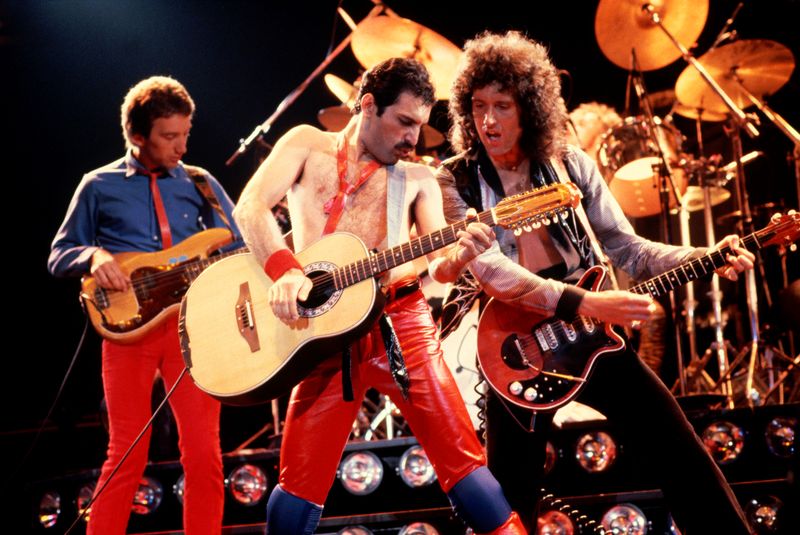
A little hip swing replaces the usual grand entrance. Freddie Mercury wrote this playful 1979 single, which later appeared on The Game in 1980.
Its rockabilly flavor reaches back to early rock and roll without losing Queen’s personality.
Try it between heavier songs to give your ears a lighter moment. Mercury’s relaxed delivery and the bouncing rhythm make it easy to enjoy without studying every detail.
Sometimes an anthem works best by inviting everyone to loosen up together.
13. Tie Your Mother Down: Let the Guitars Loose
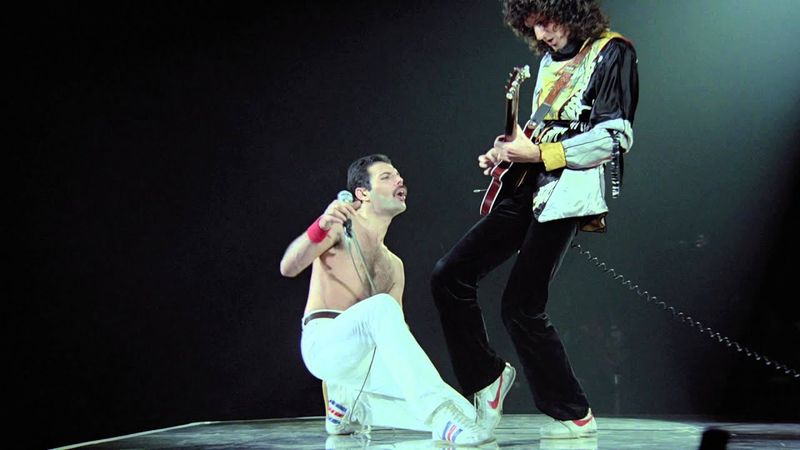
Forget a slow warmup: the main riff means business. Written by Brian May, this hard rock favorite appeared on A Day at the Races in 1976.
Its pounding beat and cheeky attitude made it well suited to the stage.
The title is exaggerated rock humor, not advice to take literally. Focus instead on how the guitar and drums lock together.
For anyone who mainly knows Queen’s piano hits, this is a lively reminder of their heavier musical side.
14. Love of My Life: The Crowd Becomes the Choir
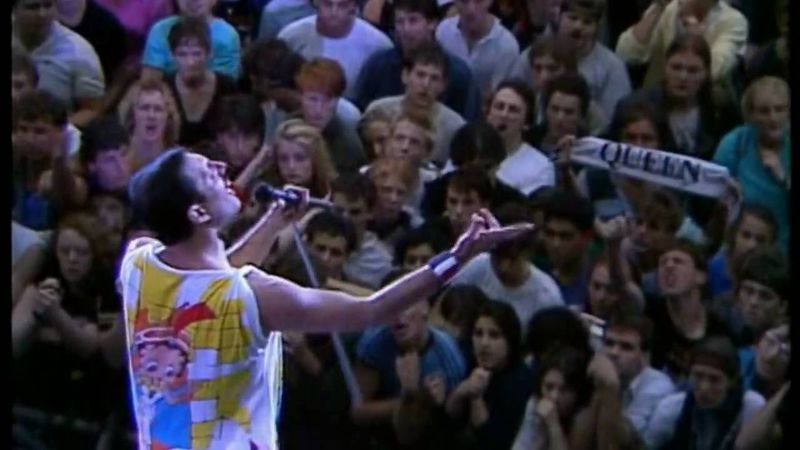
A stadium can become surprisingly quiet when a tender melody begins. First released on A Night at the Opera in 1975, Freddie Mercury’s ballad later became a shared concert ritual.
Fans often carried entire lines back to the stage.
Hear the studio version, with its delicate harp, then seek an acoustic live performance. The contrast reveals how a song can grow by becoming simpler.
Here, the anthem comes from trust between performers and listeners, not sheer volume.
15. A Kind of Magic: A Spark on the Dance Floor
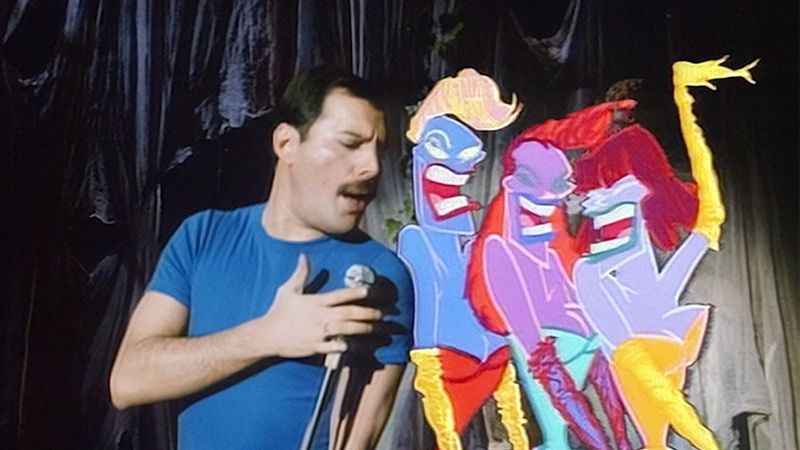
Bright rhythm and a playful hook give this song its sparkle. Roger Taylor wrote the track, which became the title song of Queen’s 1986 album.
Its connection to Highlander adds a fantasy thread beneath the polished pop sound.
Listen for the guitar phrases weaving around the vocal rather than simply following it. They add character without crowding the groove.
Pick this one when you want Queen’s grand style served with a lighter touch and room to dance.
16. Who Wants to Live Forever: Grandeur Meets Heartbreak
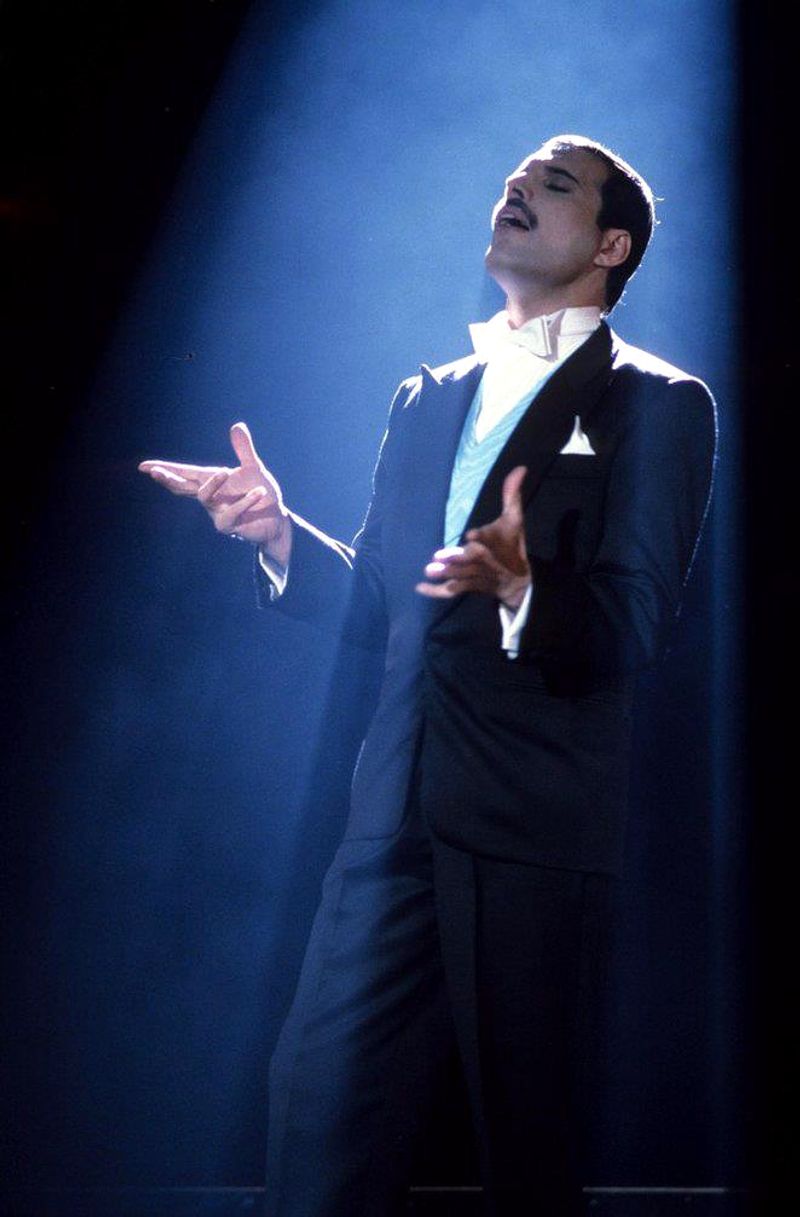
Immortality sounds less appealing when love cannot last alongside it. Brian May wrote this sweeping ballad for Highlander, and Queen released it in 1986.
Orchestral backing helps give its questions about time and loss a vast emotional setting.
Choose a quiet moment to hear the softer passages before the music swells. May and Mercury bring different shades to the lead vocals.
Rather than urging a crowd to celebrate, this anthem invites people to share sadness and wonder.