
The 1960s gave us some of the most memorable television detectives ever to grace the small screen. From sharp-suited federal agents to quirky, rumpled investigators, these characters kept audiences glued to their sets week after week.
Whether they were chasing criminals through the streets of Los Angeles or outsmarting killers in a Hawaiian paradise, each detective had a unique style that made crime-solving look almost too easy. Here are 16 unforgettable sleuths who defined an era.
1. Lt. Columbo (Columbo)
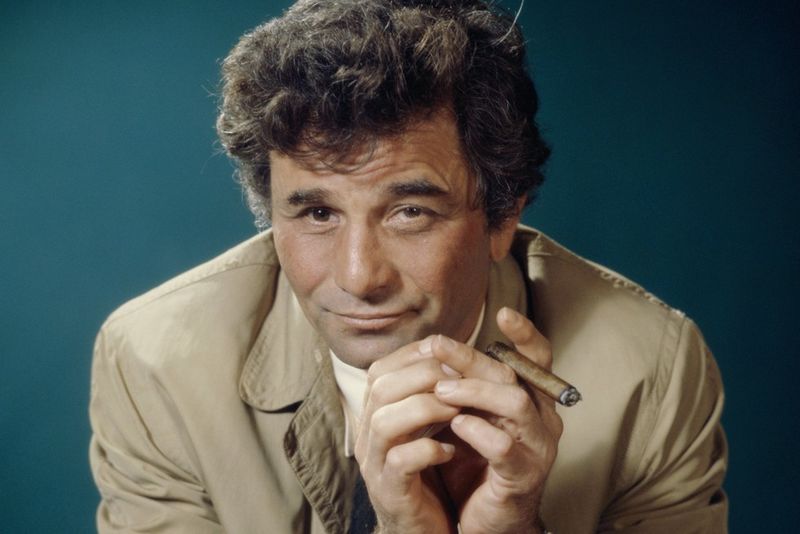
That crumpled raincoat and half-smoked cigar were all the disguise he needed. Peter Falk’s Lt.
Columbo debuted in 1968 and flipped the classic whodunit on its head by revealing the killer right at the start.
Instead of guessing who did it, viewers watched Columbo patiently chip away at the criminal’s confidence with his signature phrase, “Just one more thing.” His bumbling act was pure genius, making him one of TV’s most beloved and cunning detectives ever.
2. Inspector Lewis Erskine (The F.B.I.)
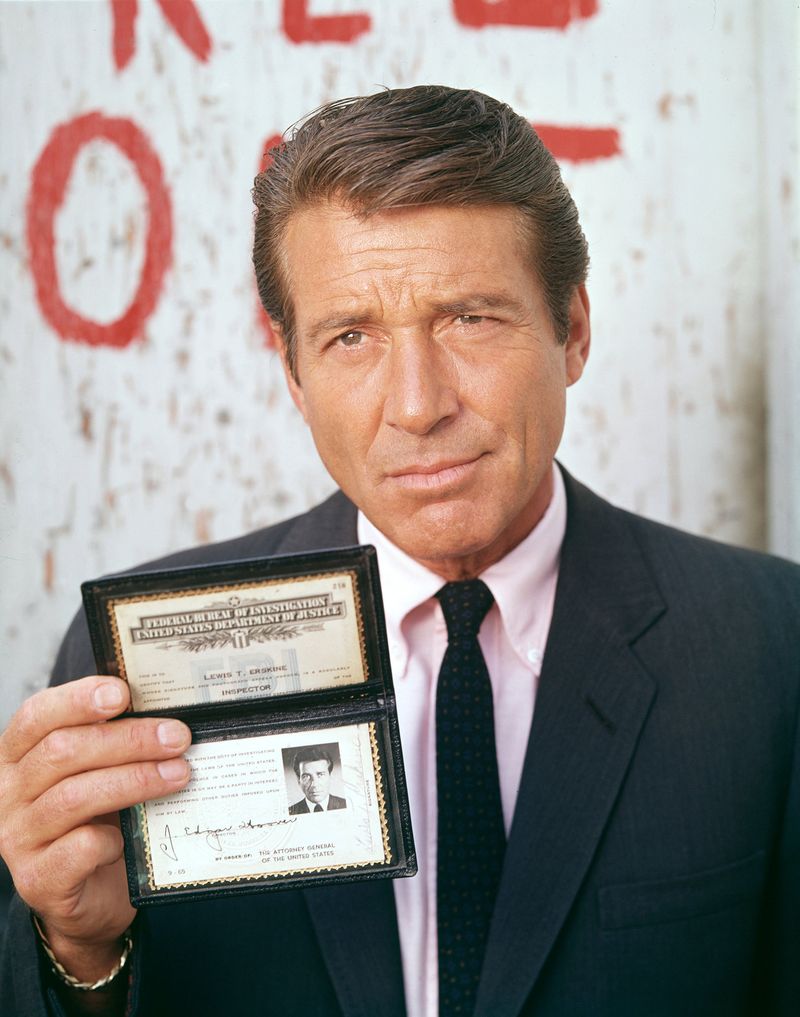
Efrem Zimbalist Jr. brought a calm, no-nonsense authority to Inspector Lewis Erskine that made every case feel like official government business. Operating under J.
Edgar Hoover’s watchful eye, Erskine handled kidnappings and espionage with quiet confidence.
He was the kind of agent who never lost his cool, even when the stakes were sky-high. His by-the-book approach was refreshing, proving that steady professionalism could be just as exciting as flashy heroics on 1960s prime-time television.
3. Robert T. Ironside (Ironside)
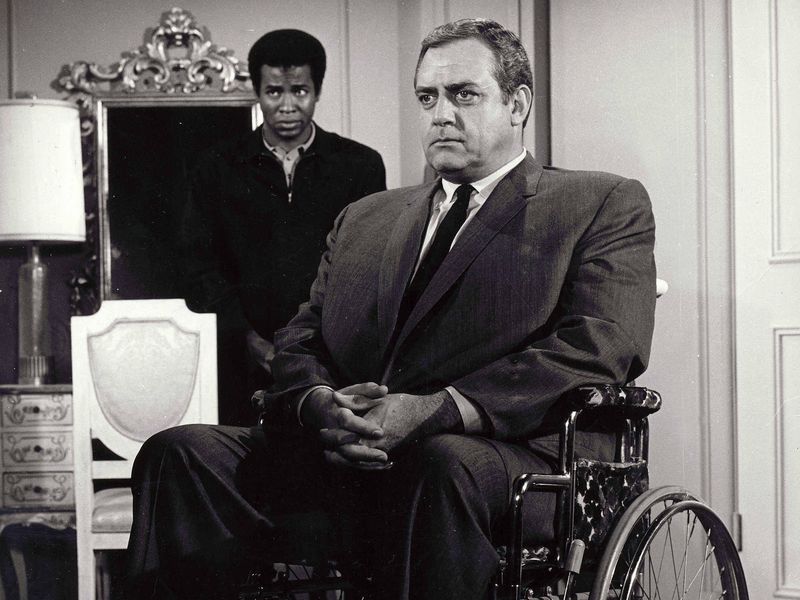
Getting shot and paralyzed would stop most people, but not Robert T. Ironside.
Raymond Burr played this tough San Francisco police official who refused to let a wheelchair slow down his crime-fighting career when the series premiered in 1967.
Ironside relied on sharp intellect, a loyal team, and sheer determination to crack every case. His character broke barriers on television, showing audiences that a disability was never a limitation when paired with an unstoppable mind and iron will.
4. Joe Mannix (Mannix)
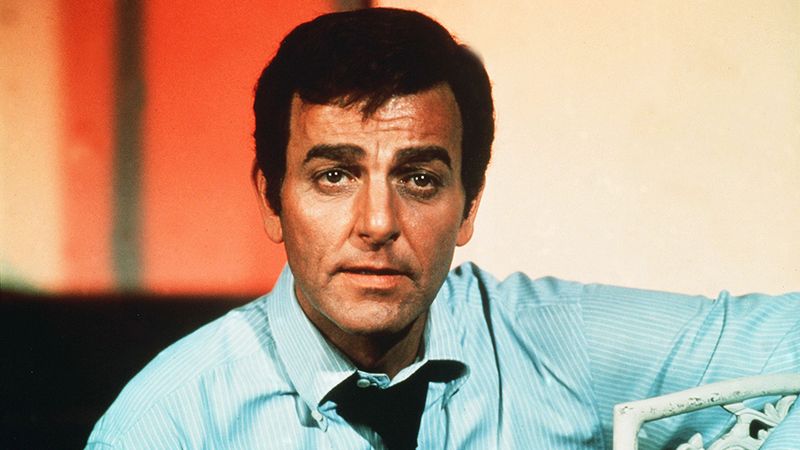
Joe Mannix was the kind of detective who could talk his way into a room and punch his way out of it. Mike Connors played this Armenian-American private eye in Los Angeles with a swagger that audiences absolutely loved.
His Dodge Dart became nearly as iconic as his countless fistfights. Mannix mixed street smarts with real muscle, and that combination kept viewers tuning in week after week.
Few TV detectives have ever managed to look that effortlessly tough while still being charming.
5. Sgt. Joe Friday (Dragnet)
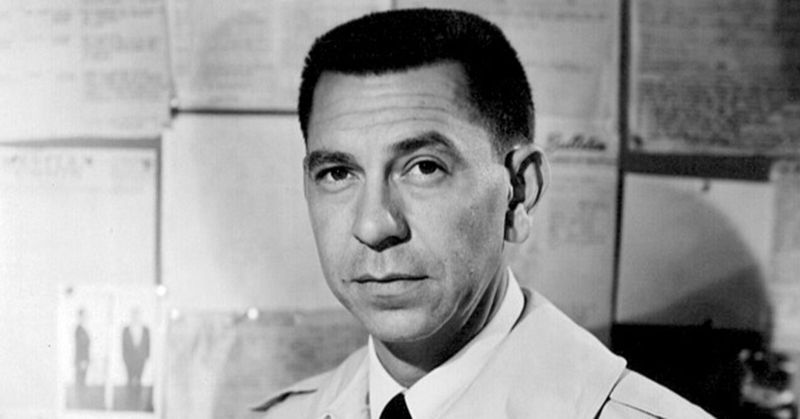
“Just the facts, ma’am” became one of the most quoted lines in TV history, and Sgt. Joe Friday delivered it with a deadpan seriousness that was almost hypnotic.
Jack Webb’s portrayal of this no-nonsense LAPD detective felt less like acting and more like a real police documentary.
Dragnet drew directly from actual LAPD cases, giving the show a gritty authenticity that set it apart. Friday’s badge number, 714, was even retired as a tribute to the legendary character’s lasting cultural impact.
6. Det. Capt. Steve McGarrett (Hawaii Five-O)
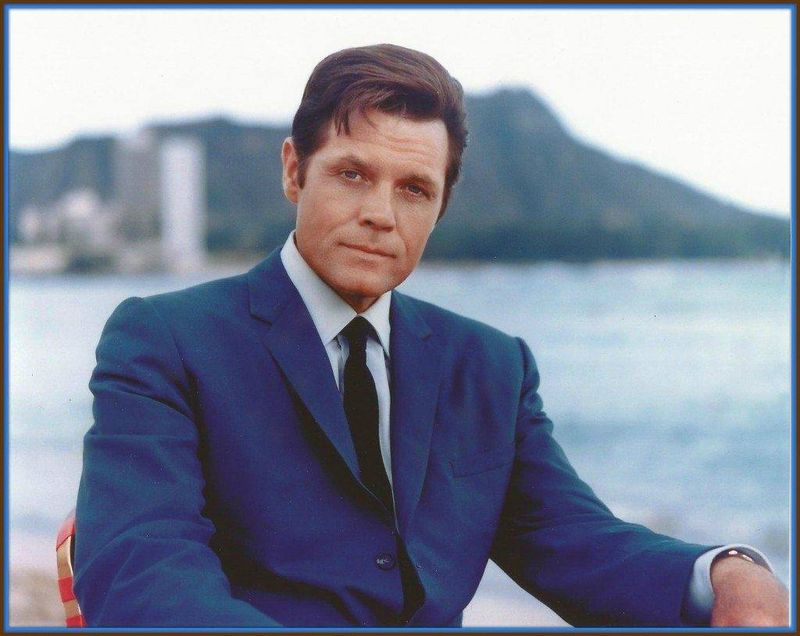
“Book ’em, Danno” echoed across living rooms from the moment Hawaii Five-O premiered in 1968. Jack Lord played Steve McGarrett with a military precision that made leading an elite state police unit look completely natural against Hawaii’s stunning tropical scenery.
McGarrett was relentless against organized crime, never letting the gorgeous surroundings distract him from the mission. His commanding presence and sharp suits made him the gold standard for TV authority figures, proving that great detective work looks even better with a beautiful ocean backdrop.
7. Frank Marker (Public Eye)
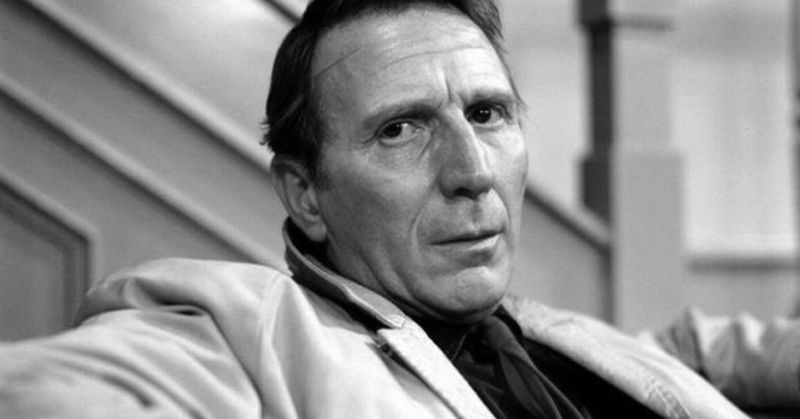
Frank Marker was refreshingly unglamorous in a decade full of slick TV detectives. Alfred Burke portrayed this divorced, struggling British private investigator with an honesty that felt miles away from Hollywood fantasy.
His shabby office and modest lifestyle reflected real working-class Britain in a way that audiences genuinely appreciated. Marker took on unglamorous cases with quiet dignity, making him oddly compelling.
Sometimes the most realistic portrayal of a profession is the one that shows all the difficult, unglamorous parts nobody else wants to acknowledge.
8. Stu Bailey (77 Sunset Strip)
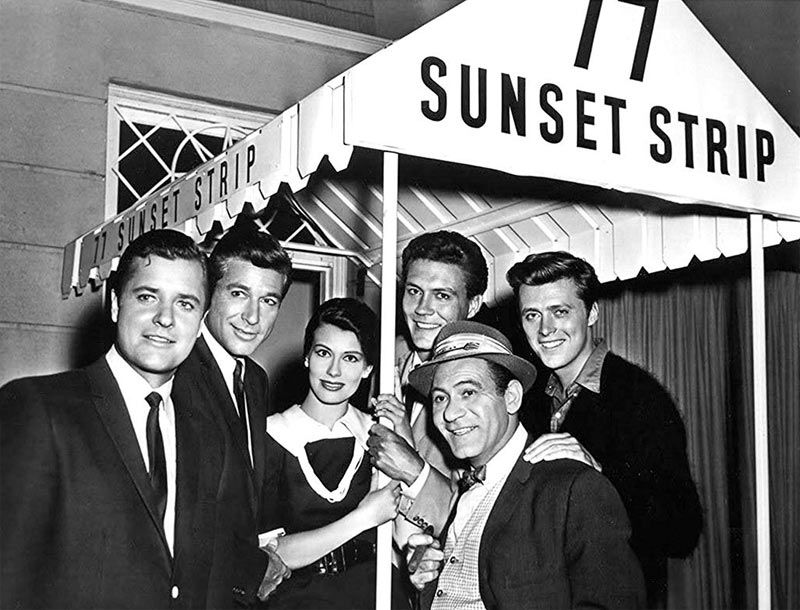
A former OSS agent turned Hollywood private detective who spoke multiple languages fluently? Stu Bailey was basically the coolest person on television during the late 1950s and early 1960s.
Efrem Zimbalist Jr. played him with effortless sophistication on 77 Sunset Strip, which ran until 1964.
Bailey combined intelligence with genuine charm, making every case feel like an adventure worth following. His Sunset Strip address added a glamorous backdrop that perfectly matched his polished personality, cementing the show as a defining piece of early detective television history.
9. Honey West (Honey West)
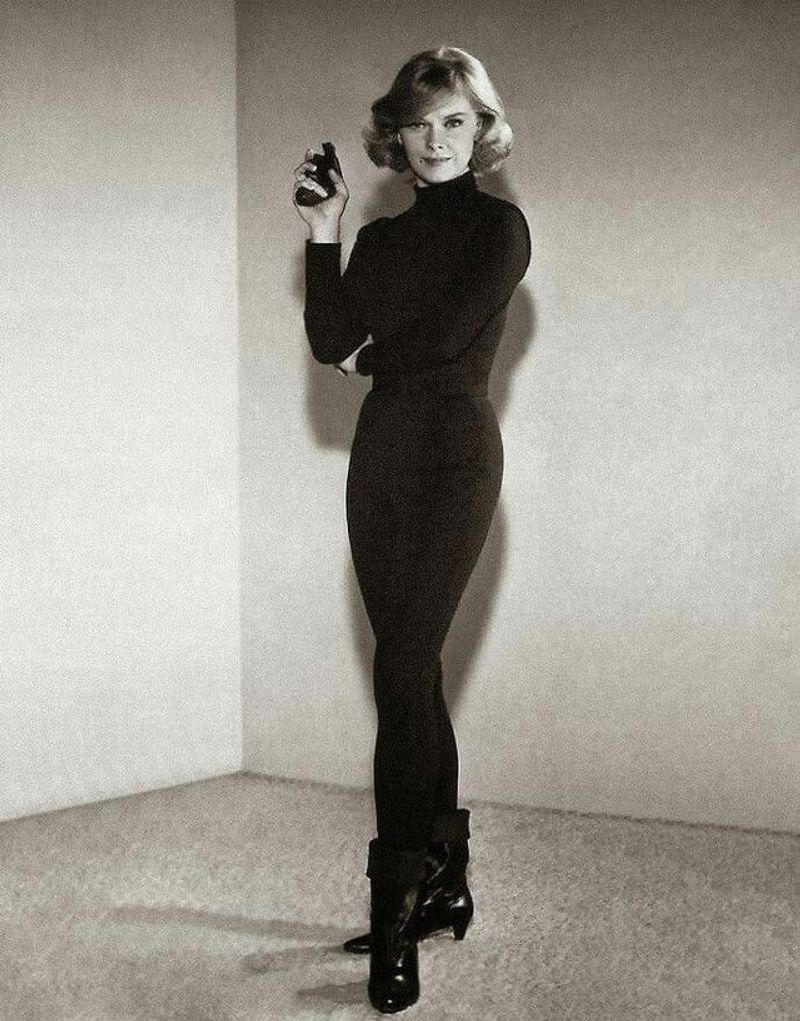
Before there were many female action heroes on television, Honey West was already kicking down doors. Anne Francis played TV’s very first female private investigator, bringing martial arts skills, sharp wit, and undeniable style to every episode from 1965 to 1966.
Her pet ocelot named Bruce added a wonderfully quirky touch that nobody else on television could match. Driving a Shelby Cobra while solving crimes made her an instant icon, proving that female detectives could absolutely carry their own show with flair and confidence.
10. Dave Thorne (Surfside 6)
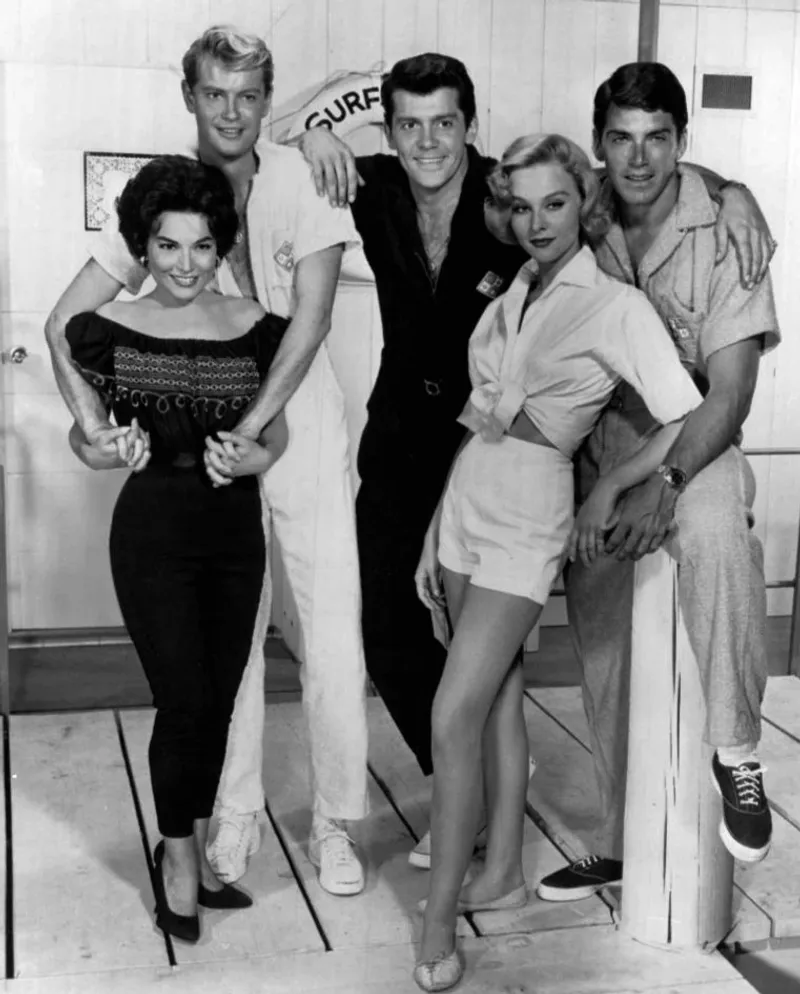
Not many detectives could claim a houseboat in Miami Beach as their home base, but Dave Thorne made it work beautifully. Troy Donahue played this sun-soaked private eye with an easy charm that fit the glamorous Florida setting perfectly.
Working alongside partners Ken Madison and Daphne Dutton, Thorne tackled cases against a backdrop of turquoise water and swaying palms. Surfside 6 had a breezy, vacation-like atmosphere that made crime-solving feel almost like a tropical holiday rather than dangerous detective work.
11. Pete Cochran (The Mod Squad)
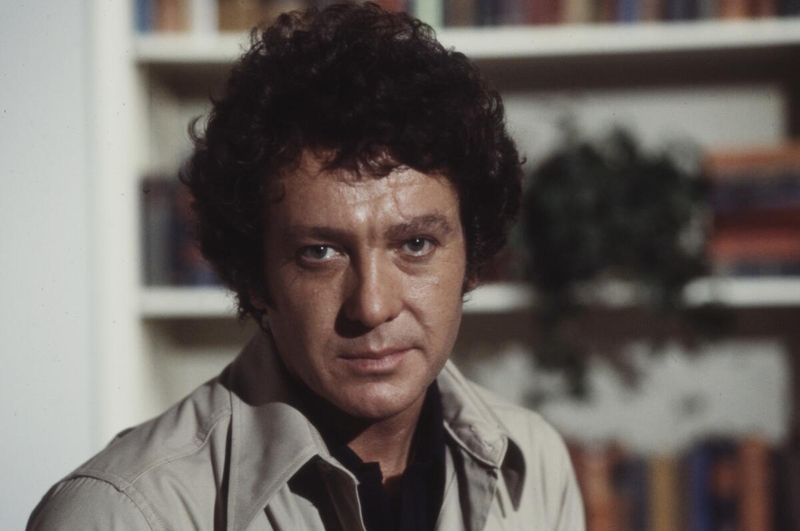
The Mod Squad took a completely fresh approach to detective television when it debuted in 1968. Michael Cole played Pete Cochran, a troubled young man recruited by Captain Adam Greer to work undercover alongside two equally unconventional partners.
Pete’s ability to blend into counterculture scenes made him invaluable for cases that traditional detectives simply could not crack. The show felt genuinely of its time, capturing the energy and tension of late 1960s youth culture in a way that older detective shows never quite managed to accomplish.
12. Tracy Steele (Hawaiian Eye)
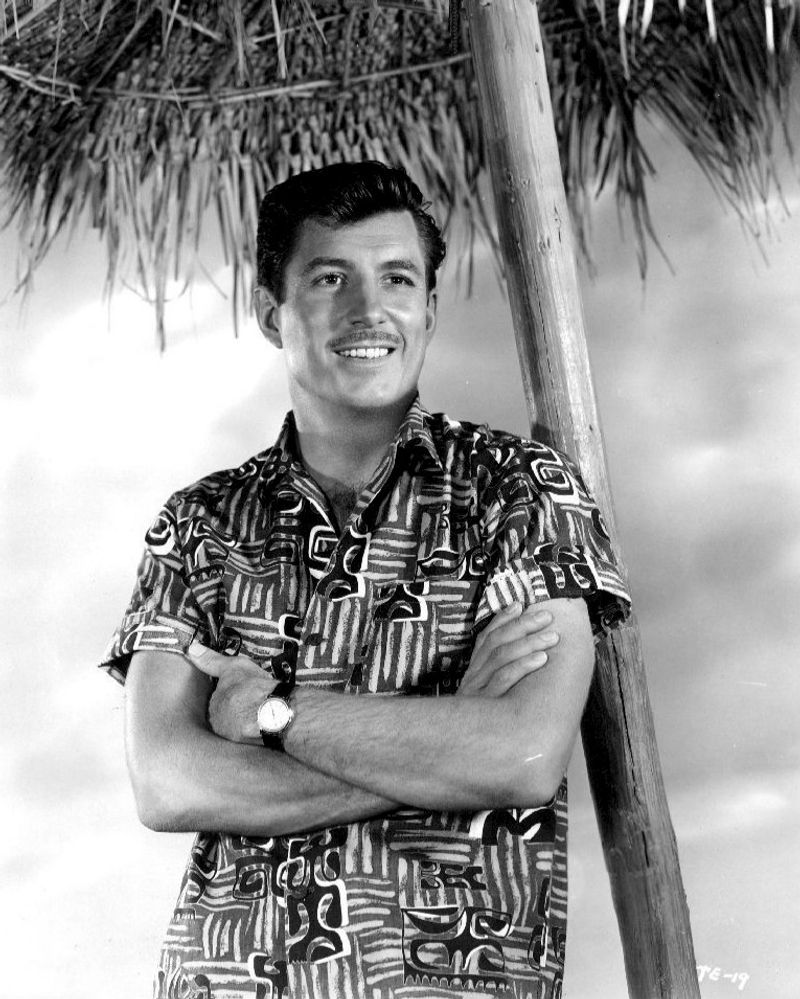
Hawaii was clearly a popular setting for 1960s TV detectives, and Tracy Steele worked his cases from arguably the most luxurious address of them all. Anthony Eisley played this smooth investigator who operated right out of a gorgeous Honolulu hotel.
Partnered with Tom Lopaka, Steele handled mysteries involving tourists, locals, and plenty of international intrigue that kept things exciting. Hawaiian Eye had a sophisticated, jet-set appeal that matched the era perfectly, when Hawaii had just become a state and Americans were completely fascinated by its exotic beauty.
13. Peter Gunn (Peter Gunn)
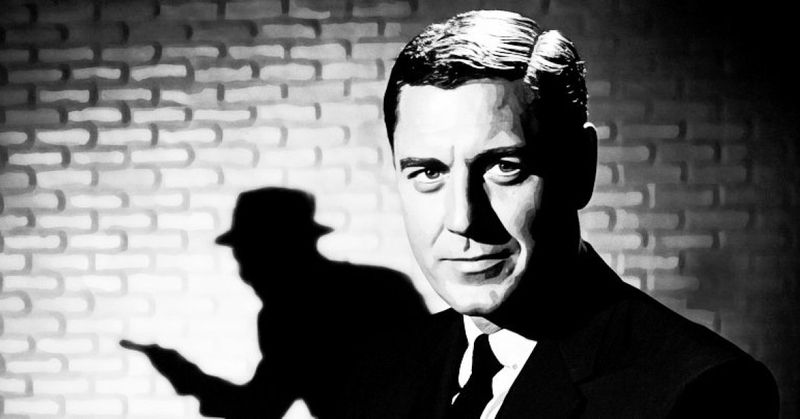
Cool has a sound, and for Peter Gunn, that sound was jazz. Craig Stevens played this exceptionally stylish private detective whose investigations were set to one of the most iconic TV theme songs ever composed by Henry Mancini.
Gunn moved through the criminal underworld with a relaxed confidence that made danger look fashionable. His combination of sharp suits, smooth talk, and a jazz club hangout created an atmosphere unlike anything else on 1960s television.
Peter Gunn essentially invented the template for the hip, unflappable TV detective.
14. Eliot Ness (The Untouchables)
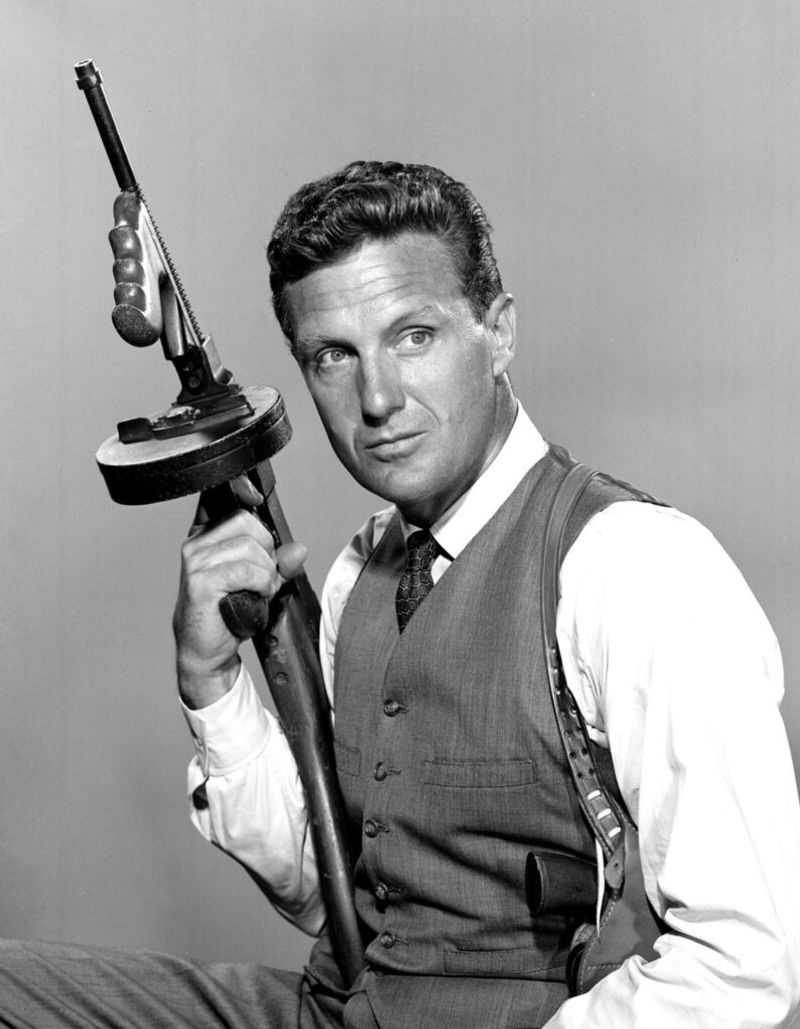
Based on a real American hero, Eliot Ness was already legendary before Robert Stack ever stepped in front of a camera. Stack’s portrayal of the incorruptible Prohibition agent who took on Al Capone and Chicago’s organized crime gave The Untouchables an almost mythic quality.
His team earned their name by refusing every bribe thrown at them, which made them uniquely dangerous to the mob. Stack delivered every line with granite-faced authority, making Ness feel genuinely heroic in a morally complicated world full of corruption and violence.
15. Simon Templar (The Saint)
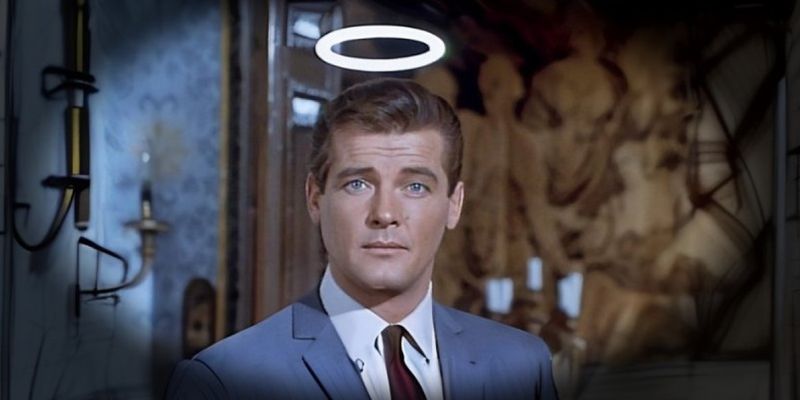
Roger Moore was practically born to play Simon Templar, the charming rogue who operated in a moral gray zone while somehow always ending up on the right side of justice. Known simply as “The Saint,” Templar helped the vulnerable and outmaneuvered corrupt officials across glamorous European locations.
Moore’s natural wit and elegance made every episode feel like a stylish adventure. The role essentially prepared him perfectly for a certain famous British spy role that came later in his career, which fans of both shows quickly recognized.
16. Sgt. George Dixon (Dixon of Dock Green)
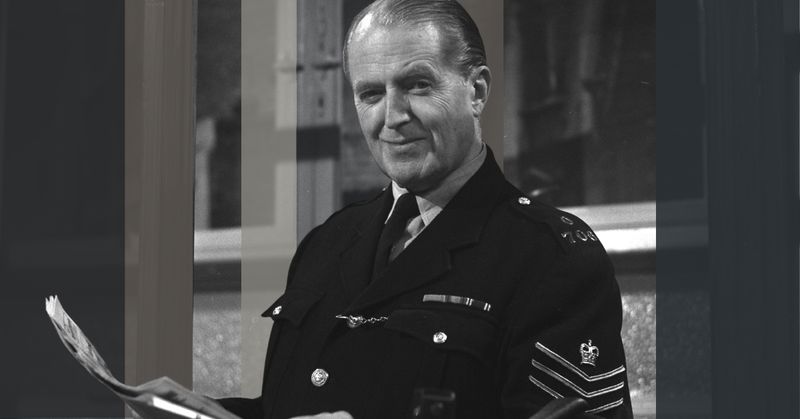
“Evening all” was the warm greeting that welcomed British viewers into the world of Dock Green for decades. Jack Warner played Sgt.
George Dixon with a fatherly warmth that made him feel less like a TV character and more like a trusted neighbor in uniform.
The series began in 1955 and stretched well into the 1970s, emphasizing community policing and traditional values. Dixon represented an idealized version of British law enforcement, one built on trust, patience, and genuine care for the people he served every single day.