
The 1950s and 1960s were decades bursting with creativity, rebellion, and pure fun. From wild dance crazes to quirky fashion trends, people found all sorts of ways to express themselves and have a good time.
Many of these fads felt like they would last forever, but most quietly faded away as the world kept changing. Looking back at these beloved trends is like opening a time capsule full of charm, nostalgia, and more than a few surprises.
1. Poodle Skirts
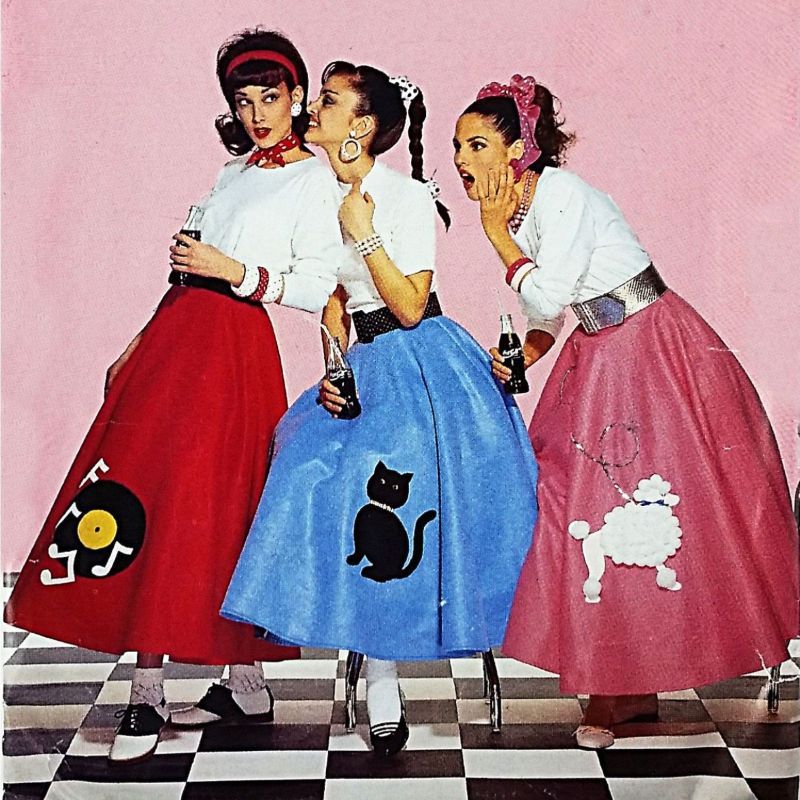
Few fashion items scream “1950s” quite as loudly as the poodle skirt. These wide, swinging skirts came in bold colors and featured cute appliques, most famously a poodle on a leash.
Teenage girls wore them to sock hops and school dances, twirling across gymnasium floors.
The style faded as the 1960s brought slimmer, more streamlined silhouettes into fashion. Today, poodle skirts mostly appear at costume parties and retro-themed events, keeping a playful slice of the decade alive.
2. Sock Hops
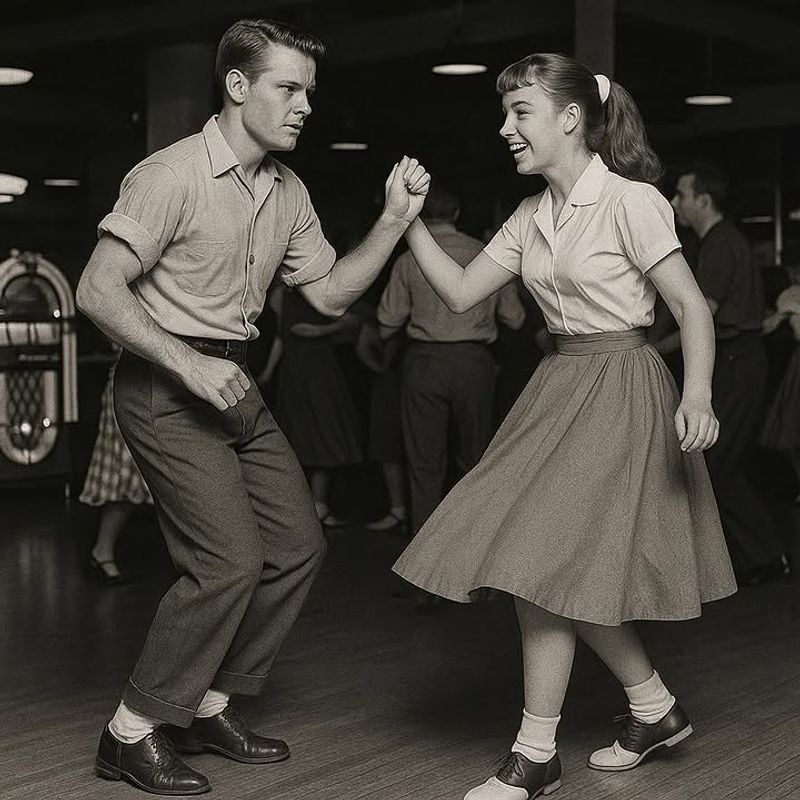
Before anyone could hit a nightclub, teenagers in the 1950s had sock hops, and they were absolutely electric. Students slipped off their shoes to protect the gym floor, then danced the night away in their socks to rock ‘n’ roll hits blasting from a jukebox.
Sock hops were the social heartbeat of high school life. They gave teens a safe, fun space to connect and cut loose.
That magic combination of music, movement, and community made them unforgettable chapters in American teenage history.
3. Hula Hoops
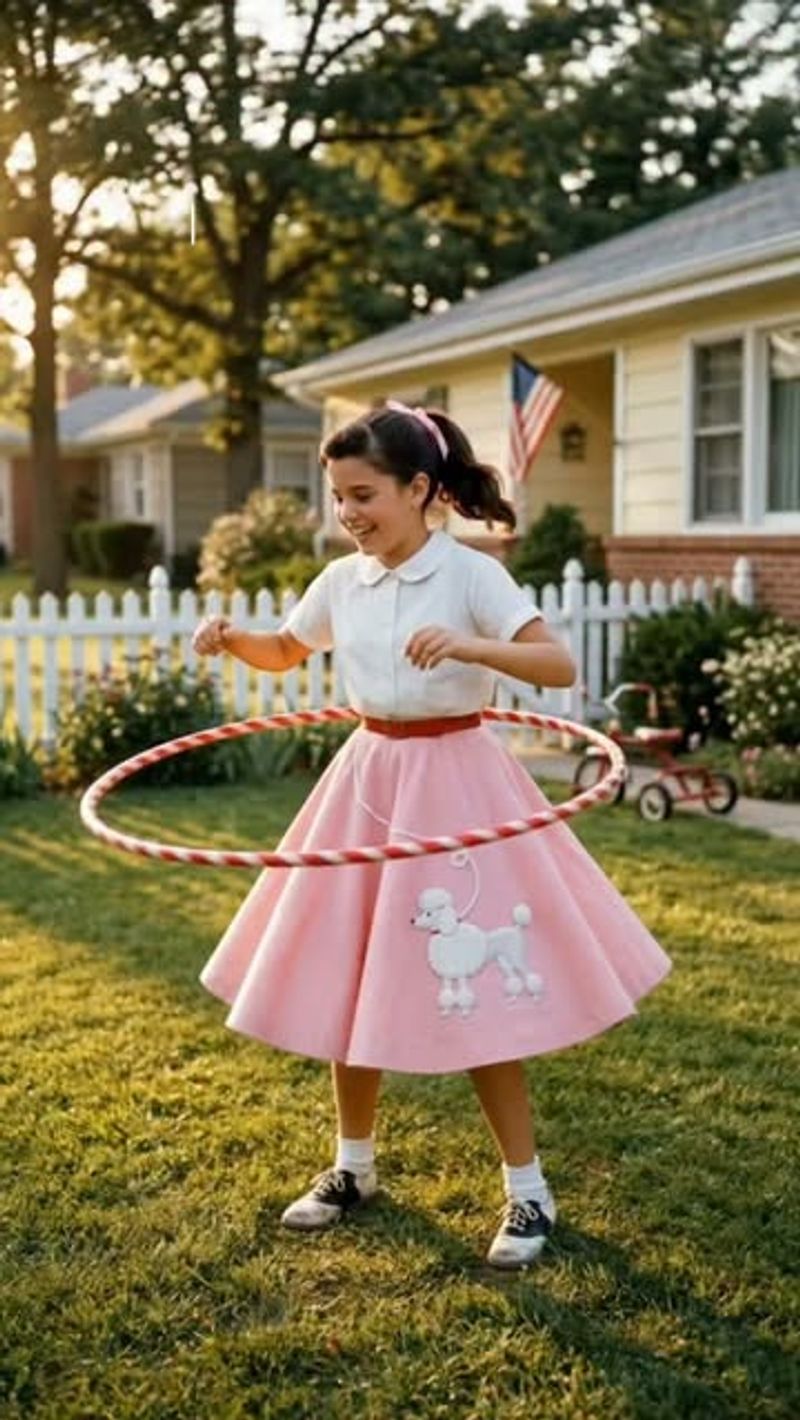
When Wham-O introduced the plastic hula hoop in 1958, nobody could have predicted what would happen next. An estimated 25 million hoops sold in just the first four months, making it one of the fastest-selling toys in history.
Neighborhoods everywhere turned into spinning, laughing competitions.
Kids and adults alike gave it a try, though keeping the hoop spinning proved trickier than it looked. The craze cooled off quickly, but hula hoops never fully disappeared, showing up at playgrounds and fitness classes for decades afterward.
4. Drive-In Theaters
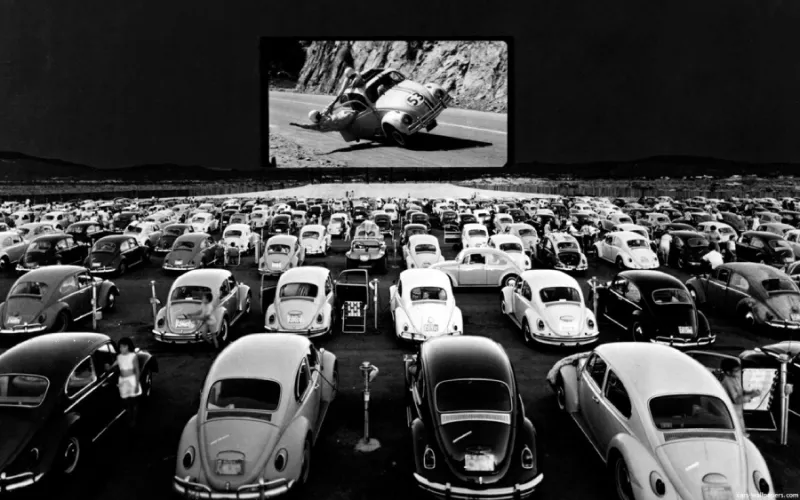
Pulling into a drive-in theater on a warm summer night was one of the great pleasures of mid-century American life. Families loaded into station wagons, couples snuggled in sedans, and everyone watched movies under the open sky with tinny sound boxes clipped to their windows.
Drive-ins peaked in the late 1950s and early 1960s before television, home video, and rising land costs slowly chipped away at their popularity. A small number still operate today, attracting nostalgia-seekers who love the old-fashioned outdoor experience.
5. Coonskin Caps
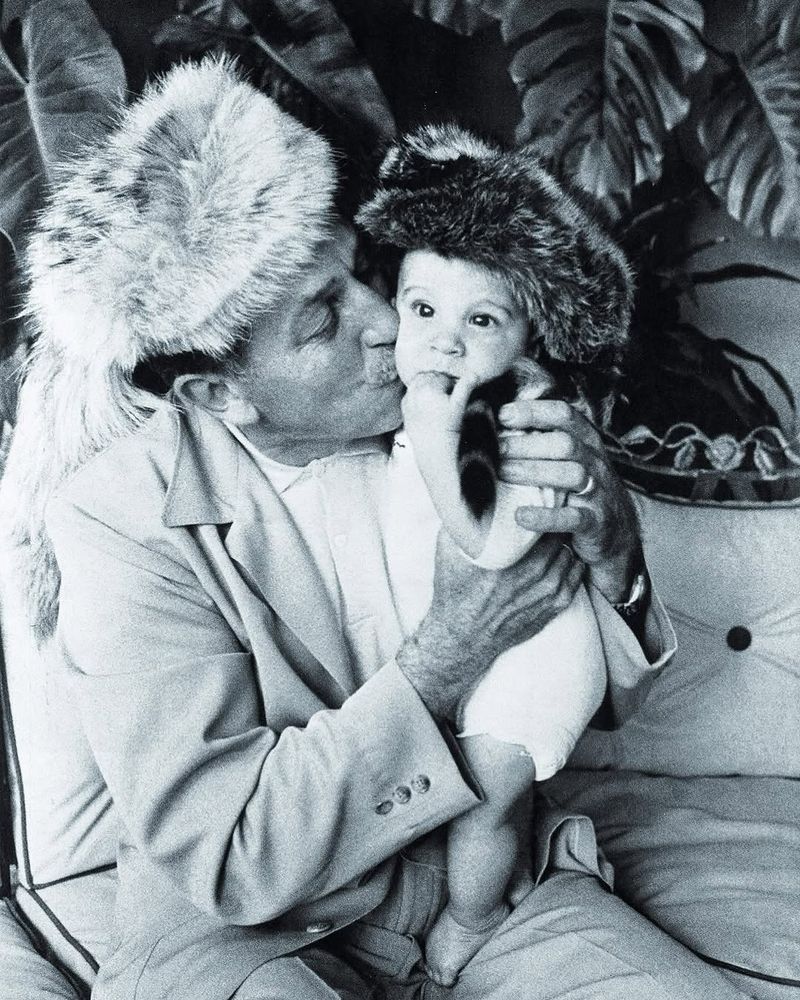
“Born on a mountaintop in Tennessee” — the Davy Crockett TV show turned a historical frontiersman into the biggest children’s craze of 1955. Every kid suddenly needed a coonskin cap, those furry raccoon-tail hats that made them feel like wilderness explorers.
Manufacturers scrambled to keep up with demand as parents hunted down the hats in every toy store. The fad burned bright and fast, cooling off within a year or two.
Still, for one glorious season, Davy Crockett ruled the playgrounds of America.
6. Soda Fountains
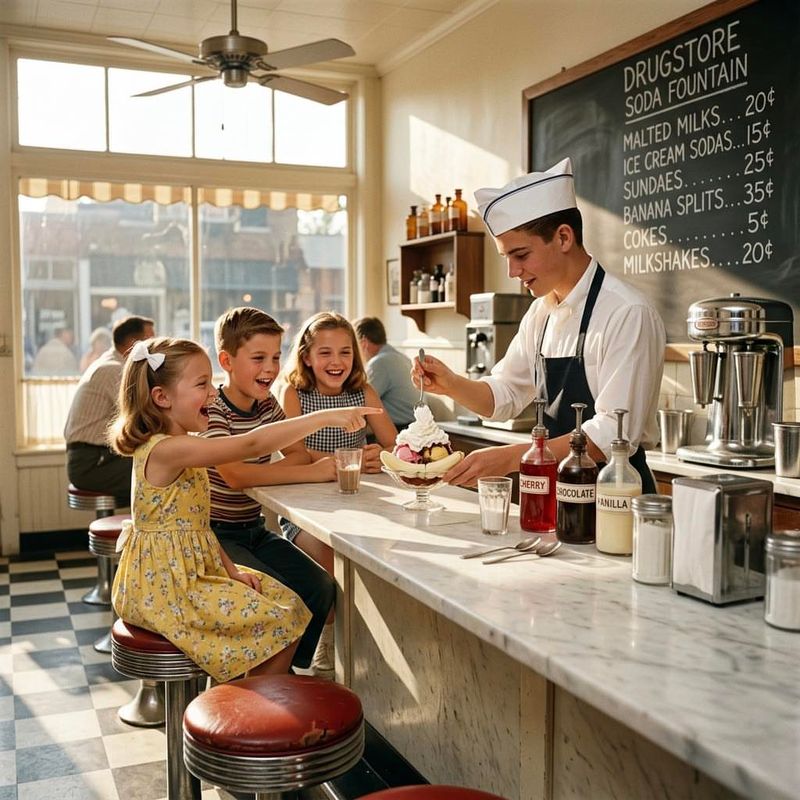
Long before fast food chains took over every corner, the neighborhood soda fountain was the place to be. Tucked inside drugstores, these counters served up ice cream floats, milkshakes, and fizzy sodas made fresh by a “soda jerk” who spun behind the counter with practiced flair.
Teenagers gathered here after school to gossip, flirt, and sip cherry colas. The rise of home refrigerators, supermarkets, and fast food restaurants gradually made soda fountains obsolete, replacing a personal, community-centered experience with convenience.
7. Telephone Booth Stuffing
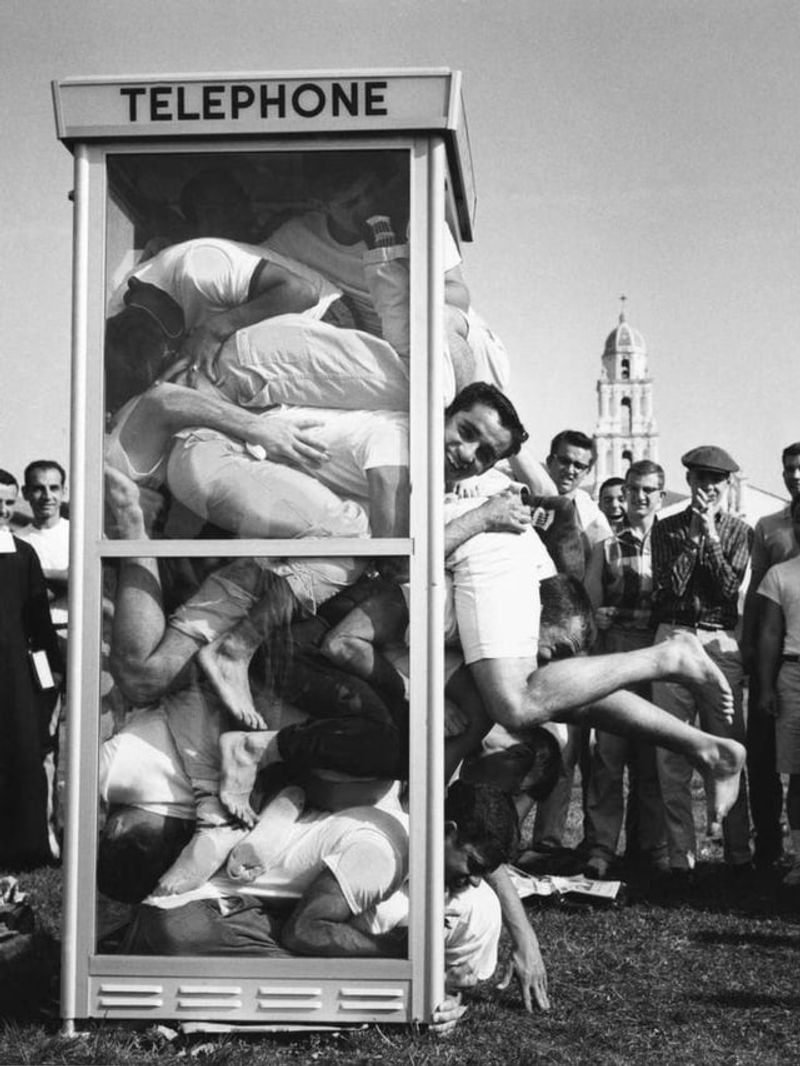
College campuses in the late 1950s were laboratories for the world’s silliest experiments, and telephone booth stuffing was one of the most gloriously pointless. Students competed to see just how many bodies could be crammed into a single public phone booth at once.
The record attempts got pretty creative, with students stacking, folding, and squeezing themselves in every imaginable position. Nobody really won anything except bragging rights and a good story.
It faded as quickly as it started, leaving behind only blurry newspaper photos and wide grins.
8. Transistor Radios
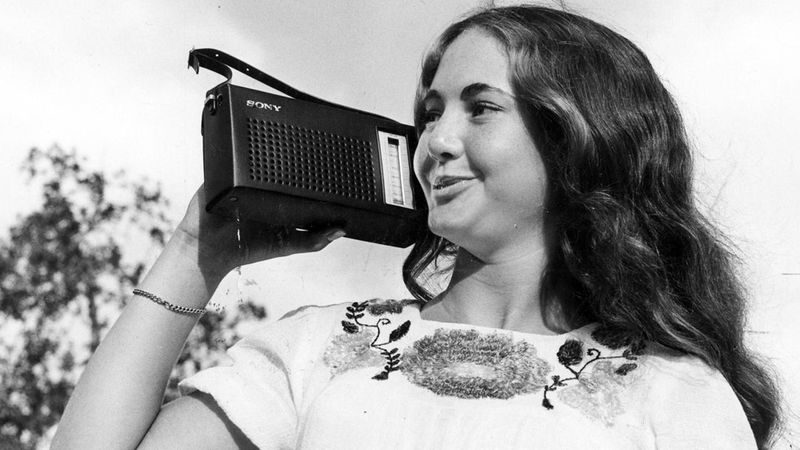
Before earbuds and smartphones, the transistor radio was the ultimate symbol of freedom for teenagers. Small enough to slip into a shirt pocket, these little devices let you carry your favorite music and radio shows absolutely anywhere, which felt nothing short of revolutionary in the late 1950s.
Teens carried them to the beach, the park, and on long car rides. The transistor radio quietly paved the road for every personal listening device that followed, making it one of the most genuinely transformative fads of the era.
9. The Twist
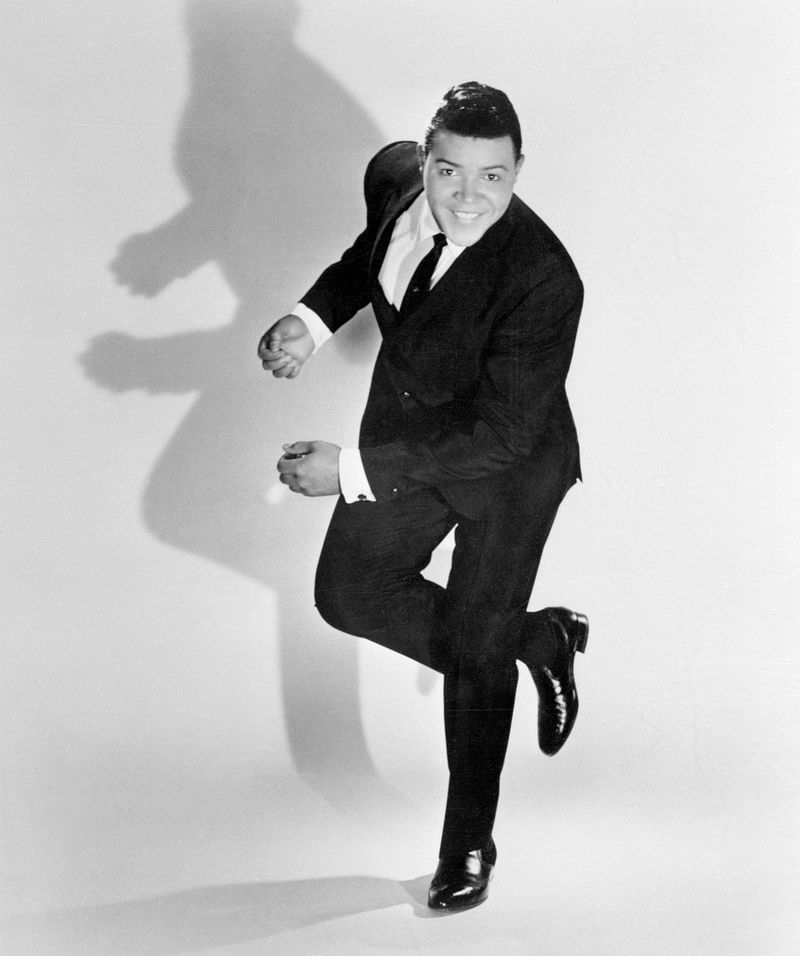
Chubby Checker made history in 1960 when his recording of “The Twist” turned a simple hip-swiveling move into a full-blown national obsession. The beauty of the dance was its total accessibility — no partner needed, no complicated footwork required, just twist like you were drying off with a towel.
Even adults who had never danced before joined in, making it one of the most inclusive crazes of the decade. The Twist cracked open a new era of freestyle dancing that permanently changed how people moved on dance floors.
10. Minidresses and Go-Go Boots
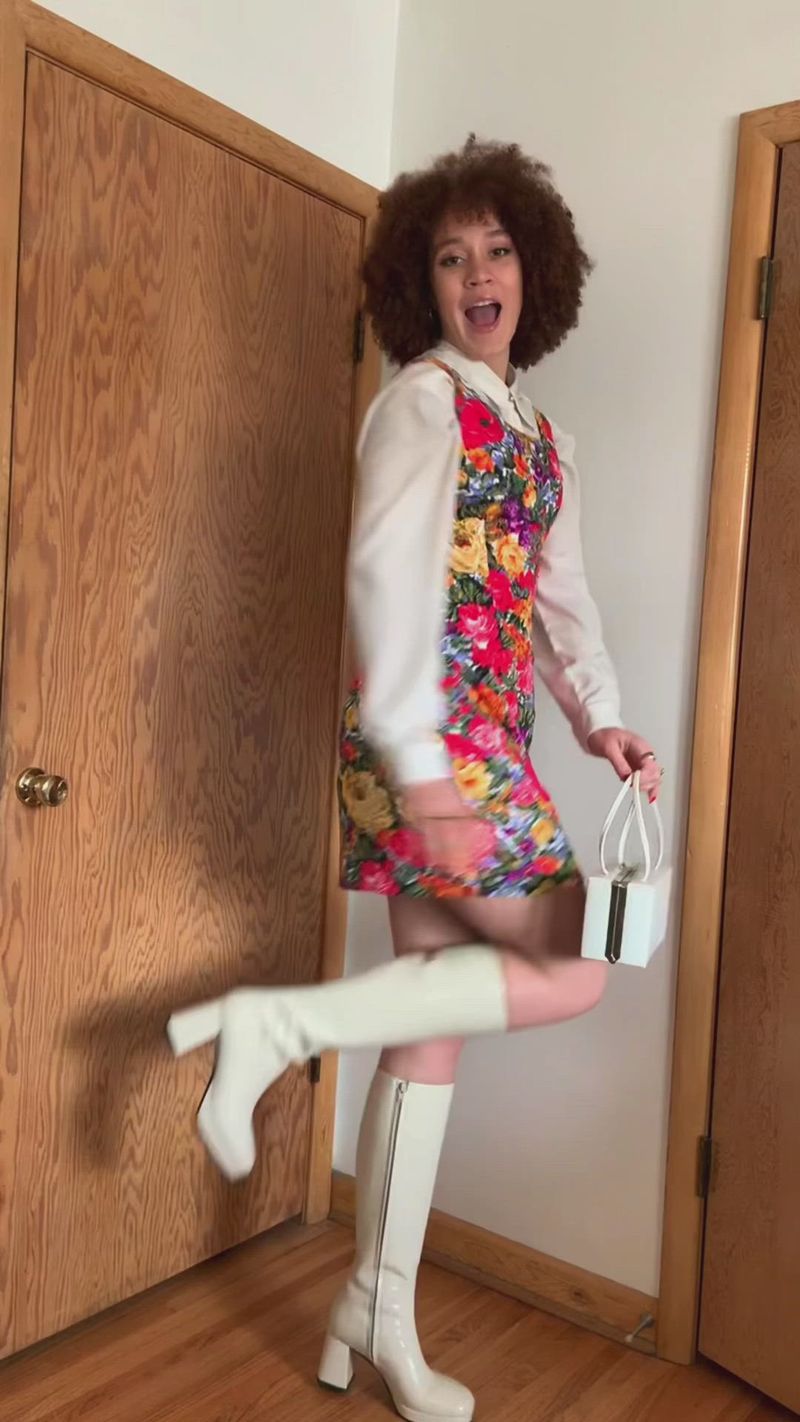
Fashion took a dramatic leap skyward in the 1960s when hemlines shot up and go-go boots stomped onto the scene. Minidresses, often in bold geometric prints, paired with shiny white knee-high boots became the uniform of youthful rebellion and modern confidence.
The look said everything without words: young, free, and completely done with the buttoned-up styles of the previous decade. While miniskirts survived and evolved, the specific pairing of mod minidress and go-go boots belongs firmly and wonderfully to the swinging sixties.
11. Fallout Shelters
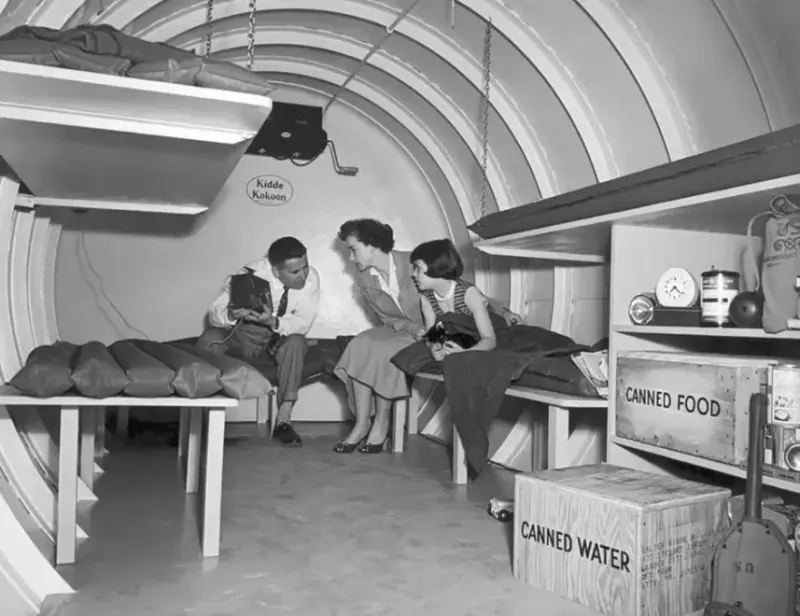
Cold War anxiety seeped into everyday life during the early 1960s, and nothing captured that fear more vividly than the fallout shelter craze. Families across America dug bunkers in their backyards or converted basements into shelters stocked with canned food, water, and radiation detection kits.
Government pamphlets cheerfully explained how to survive a nuclear blast, and some neighborhoods even competed over who had the best-prepared shelter. As Cold War tensions eventually eased, most shelters were quietly repurposed as storage rooms, wine cellars, or forgotten curiosities.
12. Lava Lamps
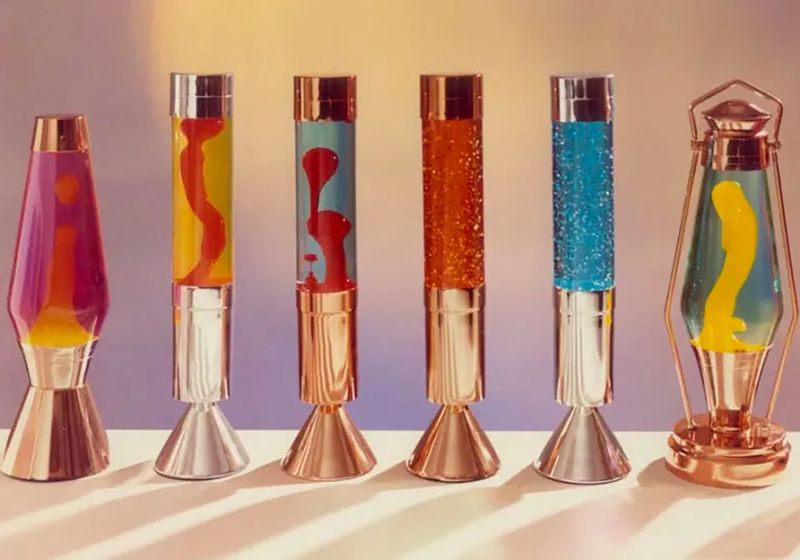
Invented in 1963 by British accountant Edward Craven Walker, the lava lamp was proof that the 1960s had a very specific idea of what “cool” looked like. Colorful wax blobs slowly rose and fell inside a glowing glass cylinder, creating a hypnotic, almost meditative effect.
They became instant symbols of psychedelic culture and groovy bedroom decor. Lava lamps never truly vanished, finding loyal fans in every following decade, but their peak moment as a must-have cultural symbol belongs unmistakably to the late 1960s.
13. Troll Dolls
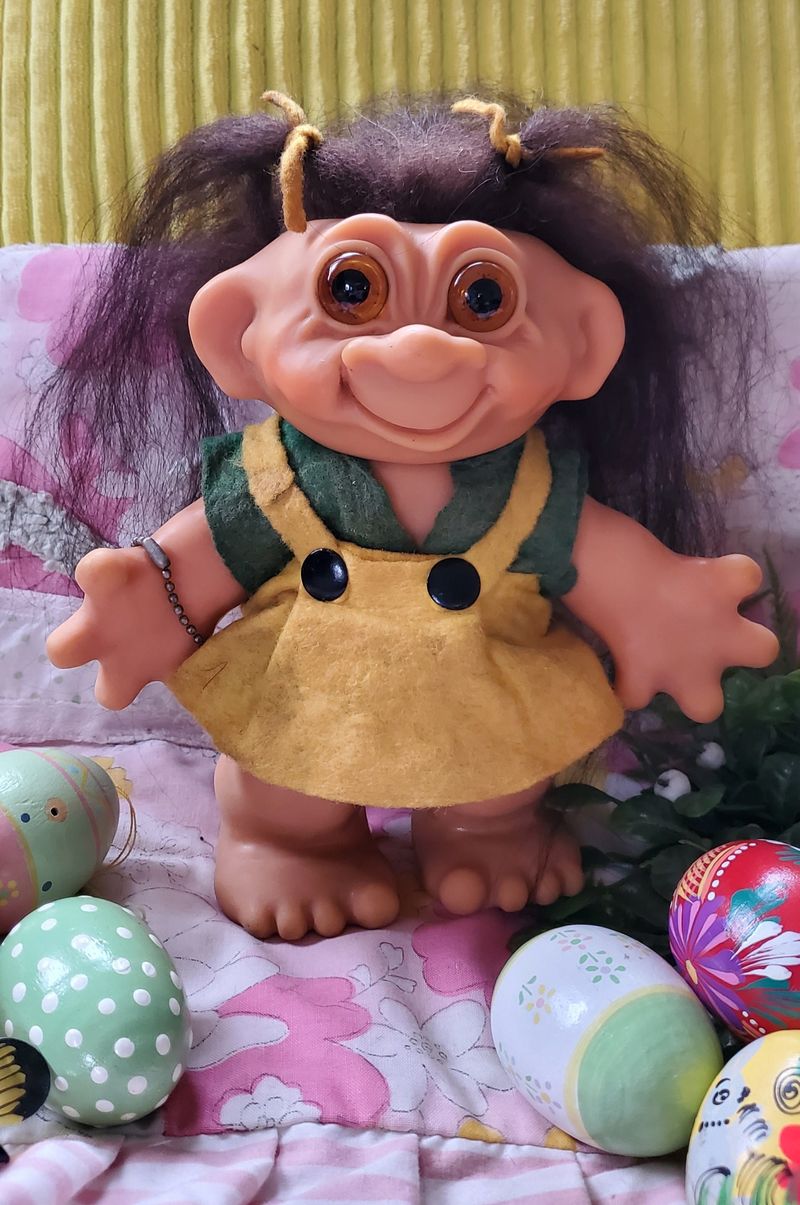
With their wild shock of neon hair and goofy grinning faces, troll dolls were originally marketed in the early 1960s as good luck charms. Danish woodcutter Thomas Dam carved the first one from wood in 1959, and within a few years, millions of the little creatures had invaded toy stores worldwide.
Kids collected them obsessively, styling their crazy hair and giving each one a name. Troll dolls have experienced multiple comeback waves since, but nothing matched the pure, baffling enthusiasm of their very first craze.
14. Tie-Dye
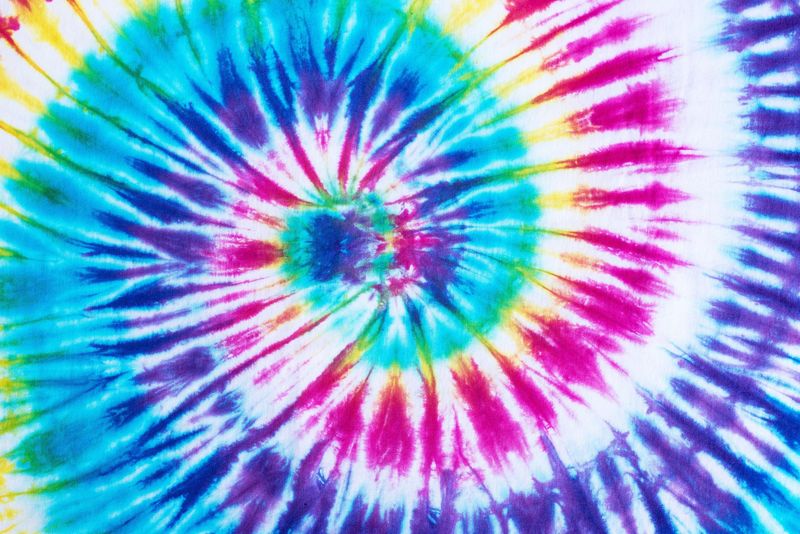
Tie-dye was the 1960s in wearable form — bright, unpredictable, and impossible to ignore. While the technique of twisting and dyeing fabric had existed for centuries across Asia and Africa, American hippies turned it into a full-blown countercultural statement in the late 1960s.
Wearing a swirling tie-dye shirt meant something: you valued individuality over conformity, creativity over convention. The trend faded from the cultural forefront by the mid-1970s, though it has stubbornly refused to die completely, resurfacing every decade or so with fresh energy.
15. Beatlemania
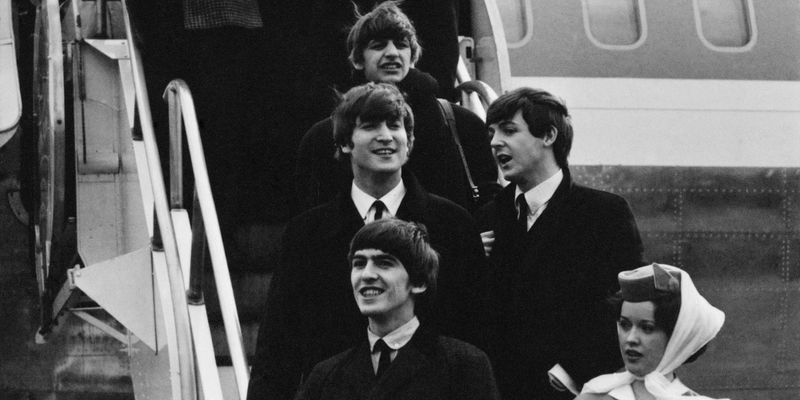
When The Beatles stepped off a plane at New York’s JFK Airport in February 1964, the screaming was so loud it reportedly drowned out jet engines. Beatlemania was unlike anything popular music had ever seen — thousands of sobbing, fainting, absolutely devoted fans following every move of four young men from Liverpool.
Girls plastered their bedroom walls with photos, bought every magazine, and memorized every lyric. The frenzy gradually cooled as the band evolved artistically, but the cultural earthquake they triggered never fully settled down.
16. Candy Cigarettes
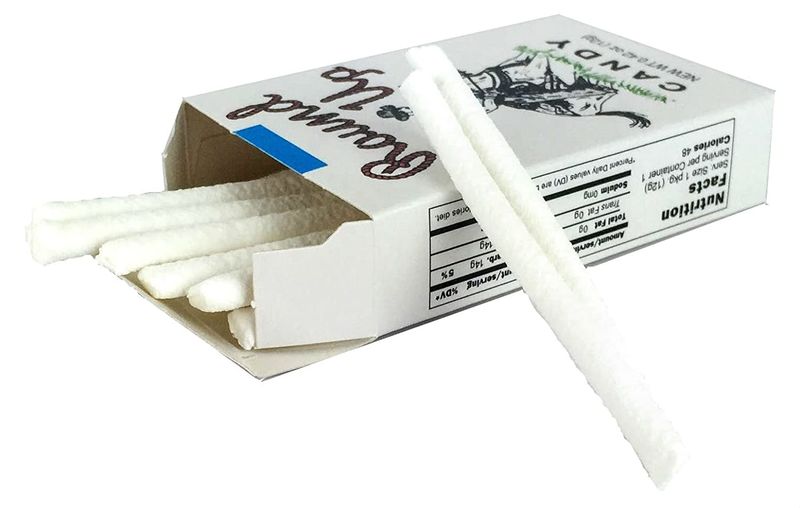
Candy cigarettes were a genuinely strange product that somehow nobody questioned for decades. These sugar sticks, packaged in miniature cigarette boxes designed to mimic real brands, let children pretend to smoke while enjoying a sugary treat.
They were sold at corner stores everywhere throughout the 1950s and 1960s.
As awareness of tobacco’s health dangers grew, critics pointed out the obvious problem with marketing fake cigarettes to kids. Most manufacturers quietly reformulated or rebranded them as “candy sticks,” but the original novelty lost its cultural moment permanently.
17. Hi-Fi Stereo Systems
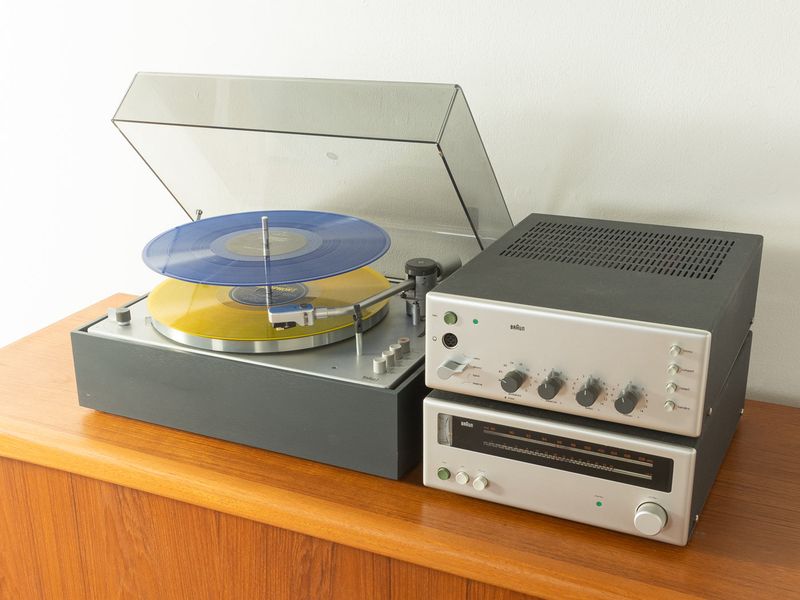
Owning a hi-fi stereo system in the 1960s was a serious statement of sophistication. These elaborate setups filled living rooms with towering speakers, turntables, amplifiers, and reel-to-reel tape decks, and audiophiles spent hours positioning every component for perfect sound.
Playing a record was practically a ritual.
Hi-fi culture celebrated the act of listening as an event in itself, not just background noise. Digital streaming and compact devices have since replaced the careful ceremony of the hi-fi era, though vinyl enthusiasts still keep that spirit warmly alive today.
18. Party Lines
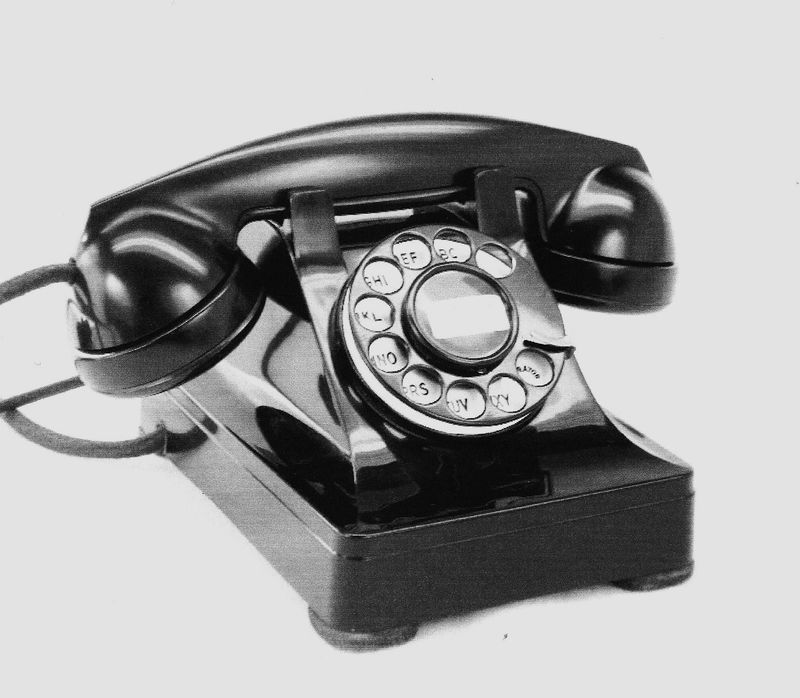
Sharing a telephone line with your neighbors sounds unthinkable today, but party lines were completely normal for millions of American households in the 1960s. Multiple families connected to the same line meant you had to wait your turn to make a call, and privacy was basically nonexistent.
Nosy neighbors could pick up and listen in whenever they felt curious, leading to plenty of small-town drama. Advances in telephone infrastructure gradually replaced party lines with private connections, and the whole concept vanished so completely that younger generations often can’t believe it ever existed.