
Growing up in the 1960s was a completely different experience from childhood today. Kids had far more freedom, but many of the habits and routines from that era would raise serious eyebrows now.
From riding around without seatbelts to drinking from garden hoses, these practices were totally normal back then. Looking back, it’s wild to see just how much has changed in terms of safety, health, and parenting.
1. Roaming the Neighborhood Unsupervised
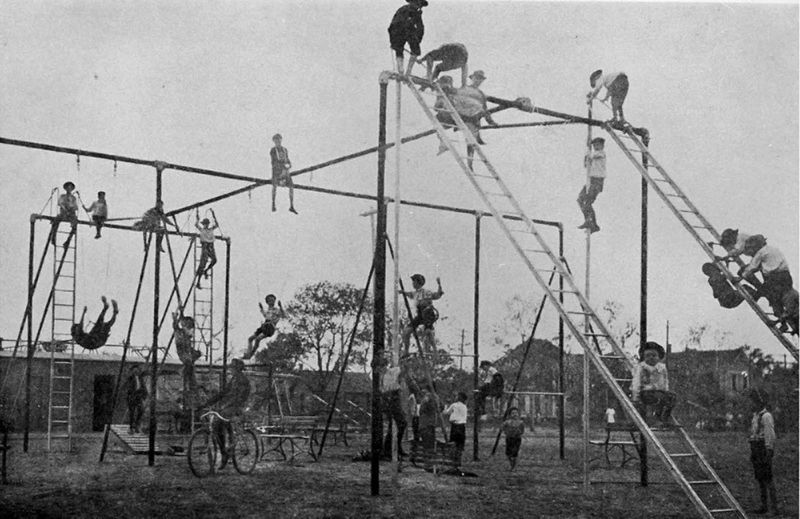
Back in the ’60s, kids had one golden rule: be home when the streetlights came on. That was it.
No check-ins, no cell phones, no adults hovering nearby. Children spent entire afternoons exploring, building forts, and making up games with neighborhood friends.
While this kind of freedom built real independence and creativity, it also left kids vulnerable to accidents and strangers. Today, letting a child roam alone for hours would likely spark a call to child protective services.
2. Secondhand Smoke Everywhere
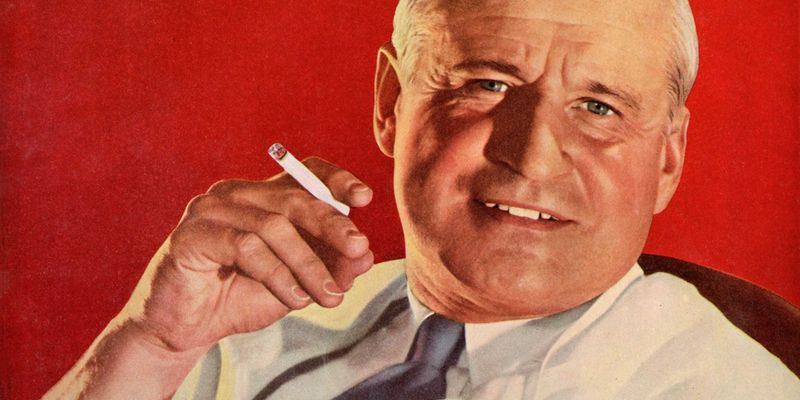
Cigarette smoke was practically part of the air in many 1960s homes. Parents lit up at the dinner table, in the car with the windows barely cracked, and even around newborns without a second thought.
The dangers of secondhand smoke simply weren’t on most people’s radar.
We now know that secondhand smoke causes serious health problems, including lung disease and cancer. It’s hard to imagine today’s parents casually puffing away in a closed minivan full of kids.
3. No Seatbelts or Car Seats
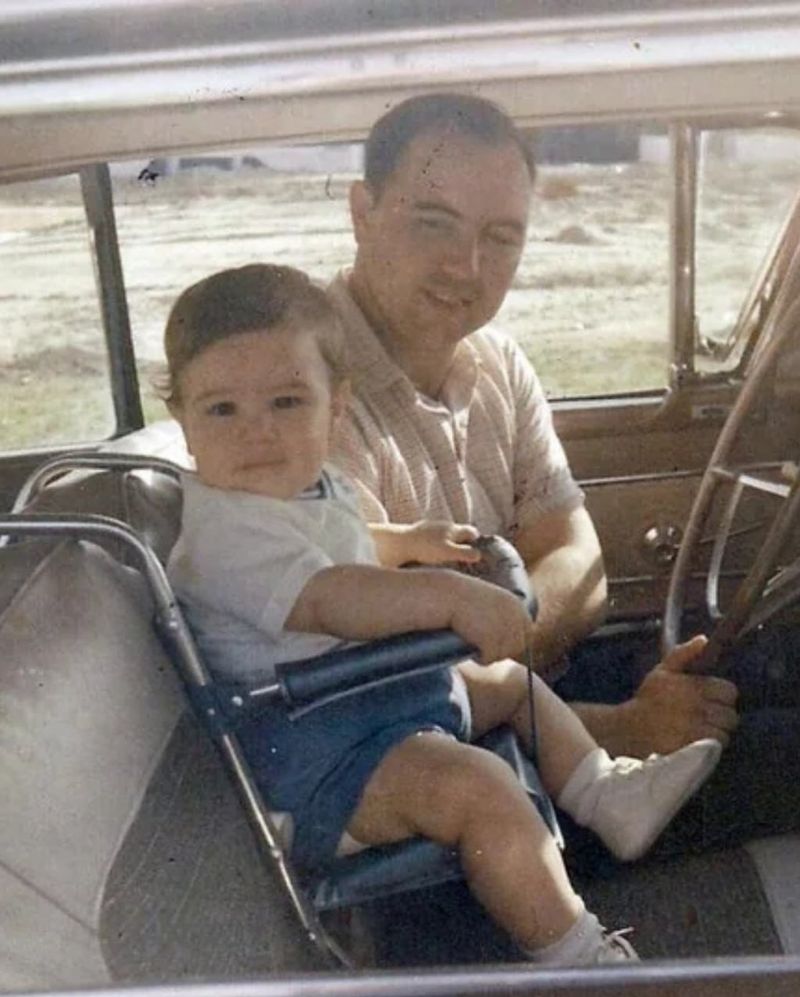
Seatbelts existed in the ’60s, but almost nobody used them. Kids bounced around in backseats, stood on front seats, and even slept in the rear window ledge during long road trips.
Car seats for babies? Mostly decorative plastic buckets that clipped onto nothing real.
Car crashes are still the leading cause of death for children in the U.S. The contrast between then and now is staggering.
Modern parents buckle up before the engine even starts.
4. Toys Built with Hazardous Materials
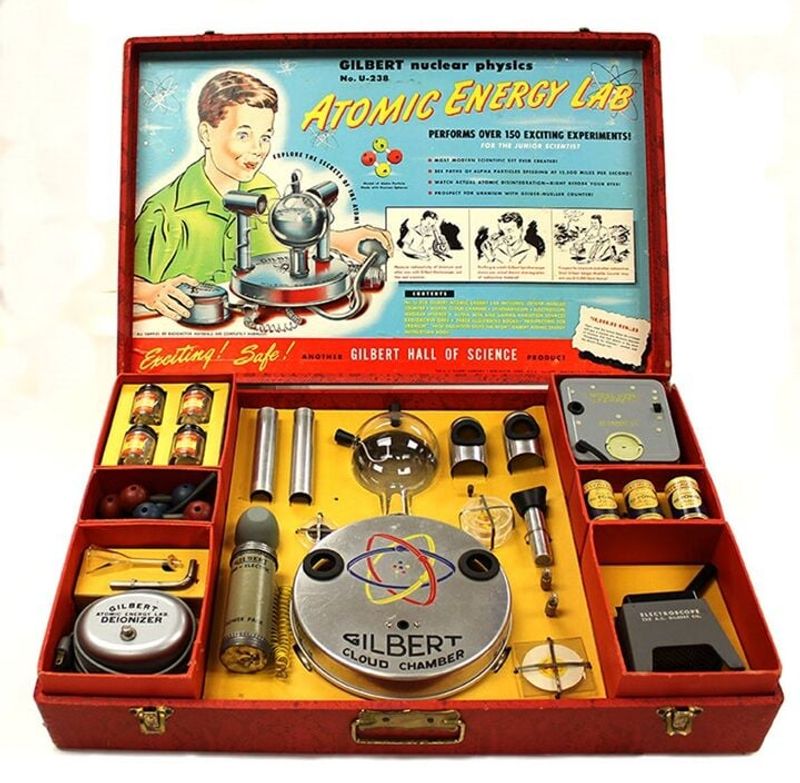
Some of the most beloved toys of the ’60s would never pass today’s safety inspections. Chemistry sets came loaded with genuinely reactive chemicals.
Metal toys had razor-sharp edges. Tiny detachable parts were everywhere, just waiting to be swallowed by a curious toddler.
The attitude back then was basically “kids will figure it out.” Consumer product safety laws were weak or nonexistent. Today’s toy aisles look almost sterile by comparison, wrapped in warnings and rounded edges.
5. Lead Paint on Every Wall

Most homes built before 1978 were painted with lead-based paint, and the ’60s were prime lead-paint years. Kids chewed on painted windowsills, played near peeling walls, and breathed in dust that was quietly poisoning them.
Nobody knew how serious the damage was.
Lead exposure in children causes brain damage, learning disabilities, and behavioral problems. The fact that millions of kids grew up surrounded by it, completely unaware, is one of the most disturbing public health oversights of the 20th century.
6. Hours in the Sun with Zero Sunscreen
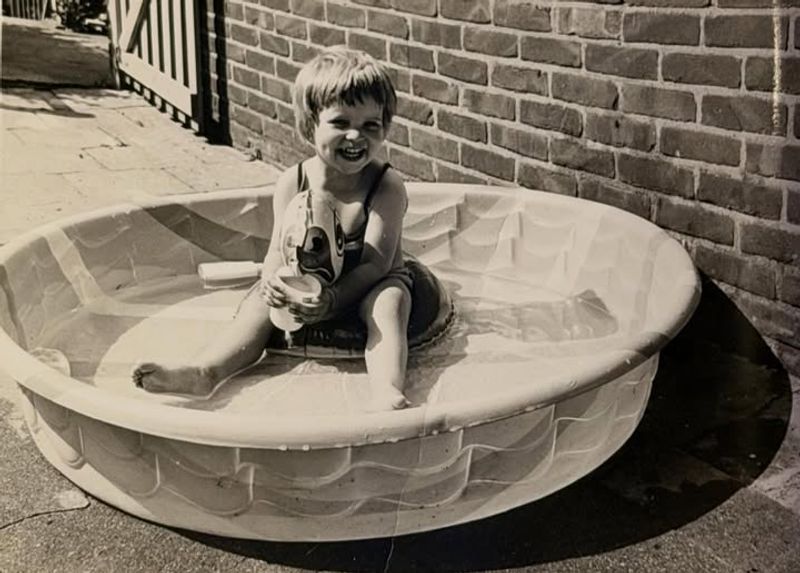
Getting a sunburn in the ’60s was practically a summer rite of passage. Kids spent all day at the pool, the beach, or the backyard without a drop of SPF protection.
Parents sometimes even rubbed baby oil on their kids to help them tan faster.
Skin cancer rates have climbed steadily since then, and dermatologists now link much of the damage to childhood sun exposure. What once seemed like harmless summer fun was actually doing long-term harm to developing skin.
7. Terrifyingly Unsafe Playground Equipment
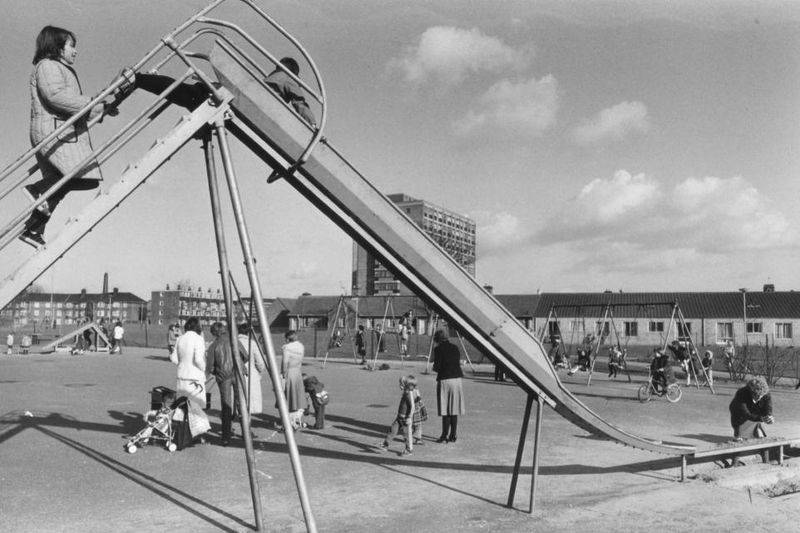
Old-school playgrounds were basically obstacle courses designed by someone with no concept of liability. Metal slides got scorching hot in summer sun.
Merry-go-rounds spun fast enough to fling a kid across the yard. Jungle gyms towered over concrete with nothing soft underneath.
Broken bones and split chins were just part of growing up. Today, modern playgrounds use rubber surfaces, rounded equipment, and strict height limits.
Kids of the ’60s would probably find today’s playgrounds laughably boring.
8. Riding Loose in the Back of Pickup Trucks
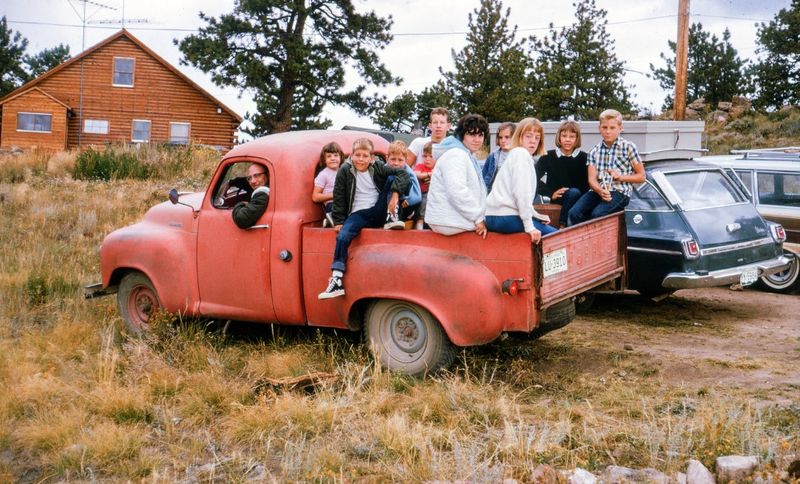
Few things screamed summer freedom in the ’60s like riding in the back of a pickup truck. Wind in your hair, legs hanging over the tailgate, maybe a dog beside you.
It felt like the ultimate adventure, and adults thought nothing of it.
In reality, it was incredibly dangerous. A sudden stop or sharp turn could send a child flying.
Today, riding unrestrained in a truck bed is illegal in most U.S. states, and for very good reason.
9. Homes Without Any Childproofing

Cabinet locks, outlet covers, and baby gates were not standard features of 1960s homes. Cleaning supplies sat under the sink within easy toddler reach.
Medications lived in unlocked bathroom cabinets. Sharp corners on coffee tables were just furniture, not hazards to address.
Accidental poisoning and household injuries were tragically common among young children during this era. Modern parents spend hours childproofing before a baby even starts crawling, a concept that would have seemed completely unnecessary to most ’60s families.
10. Giving Kids Aspirin for Everything
Got a fever? Here’s an aspirin.
Sore throat? Aspirin.
Headache after a long day of unsupervised adventures? You guessed it.
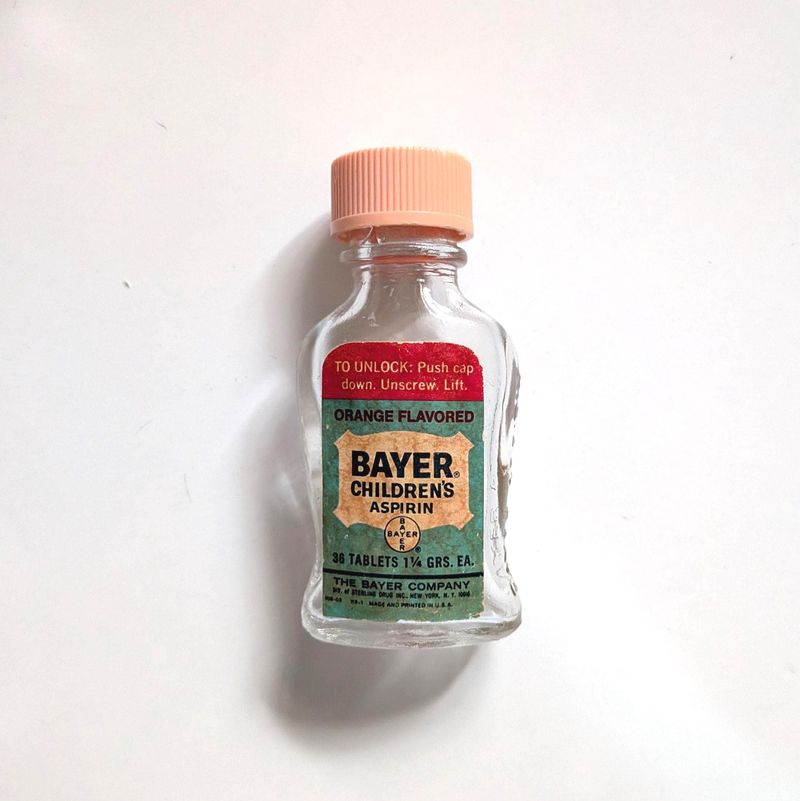
Aspirin was the universal fix-all of 1960s medicine cabinets, and kids got it just like adults did.
The problem? Aspirin in children can trigger Reye’s syndrome, a rare but potentially fatal condition affecting the brain and liver.
This link wasn’t discovered until the 1980s. Today, pediatricians firmly advise against giving aspirin to anyone under 18 with a viral illness.
11. Drinking Straight from the Garden Hose
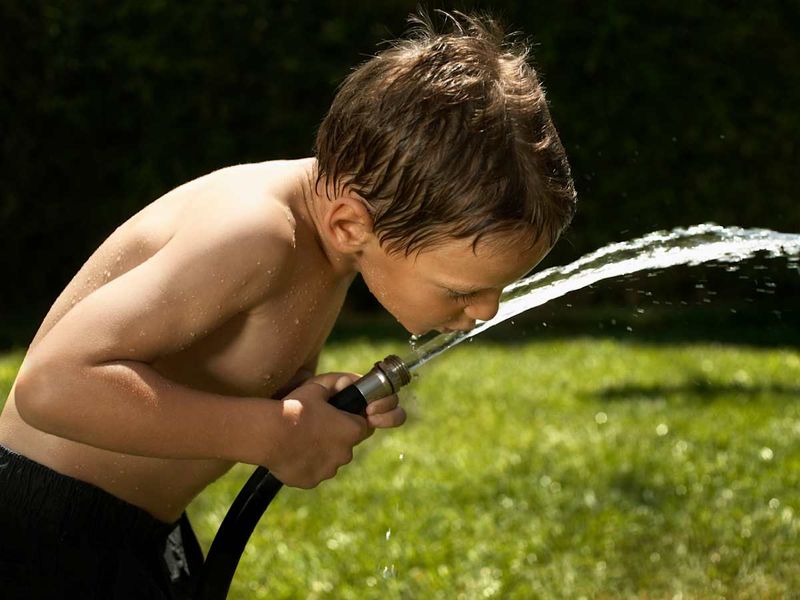
On a scorching summer day, no kid in the ’60s ran inside for a glass of filtered water. You grabbed the garden hose, let it run for a second to blast out the warm water, and drank deeply.
It tasted like rubber and summer, and nobody questioned it.
Garden hoses are made from plastics and materials never meant for drinking water. They can leach lead, BPA, and other chemicals directly into the stream.
It was a beloved childhood ritual that was quietly not great for anyone.
12. Kids Babysitting at Age 10 or 11
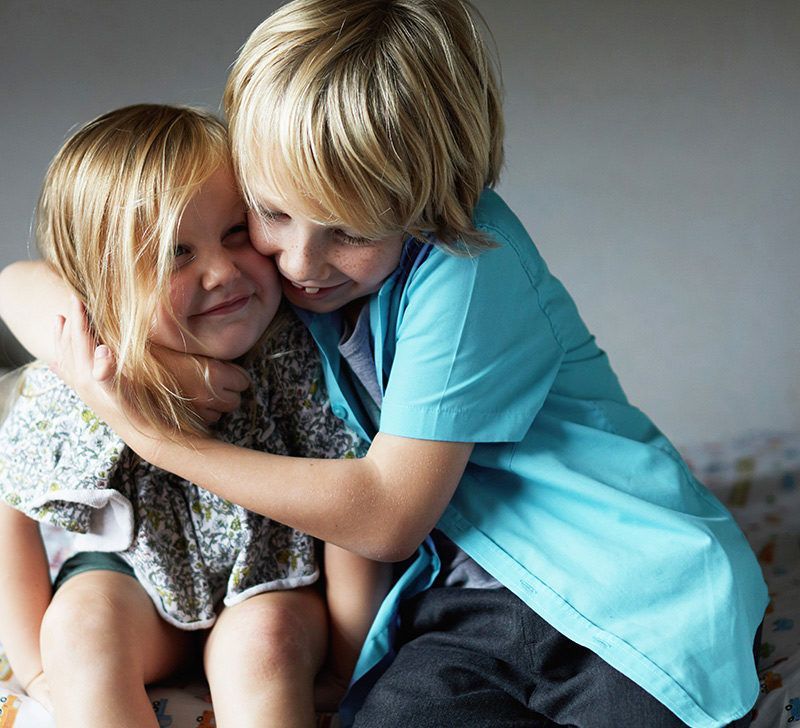
In the ’60s, being old enough to babysit basically meant being old enough to reach the phone in an emergency. Girls especially were handed responsibility for infants and toddlers at remarkably young ages, sometimes as young as 10 or 11 years old.
Child development experts today generally recommend that kids be at least 12 to 14 before babysitting, and even then with proper training. Leaving a baby in the care of a fifth-grader now seems more like a plot twist than a Tuesday afternoon plan.
13. Children Cooking Full Meals Alone
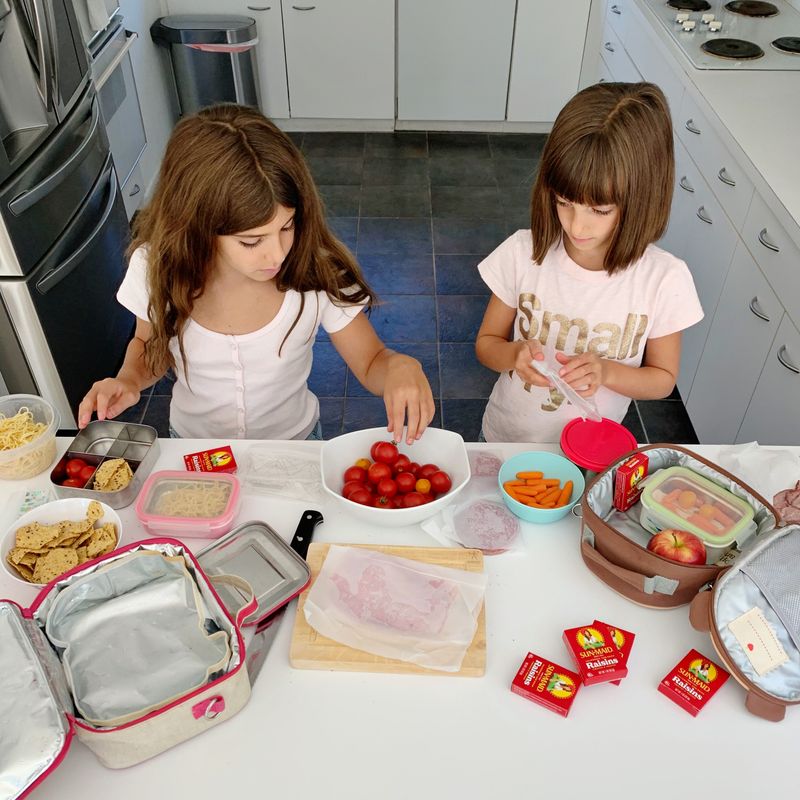
With more moms entering the workforce during the ’60s, plenty of kids came home to an empty house and were expected to cook dinner. Not just mac and cheese, either.
Some kids were managing full stovetop meals by age eight or nine, knives and open flames included.
Kitchen accidents, including burns and cuts, are among the most common childhood injuries. While teaching kids to cook is genuinely valuable, leaving young children alone with gas stoves and sharp utensils is a very different situation from a supervised cooking lesson.
14. Walking Miles to School Alone
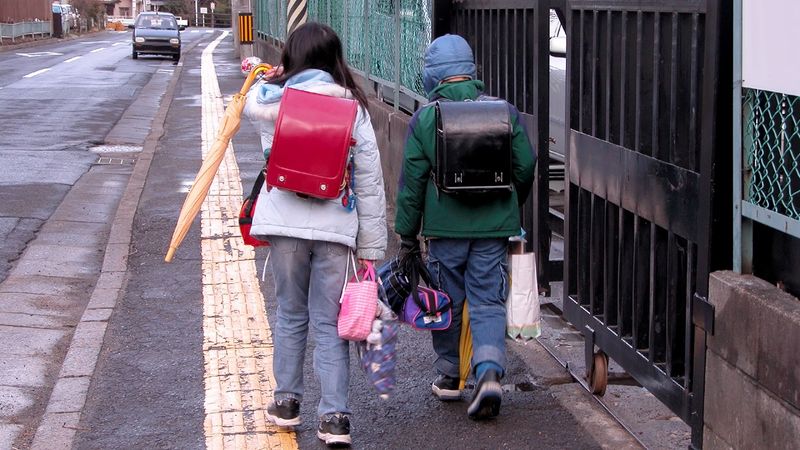
A mile-long solo walk to school was completely ordinary for a six-year-old in 1960. Kids navigated busy intersections, cut through parks, and found their own way without GPS or a parent escort.
It built confidence and a real sense of direction.
Today, many parents get nervous letting elementary schoolers walk even a few blocks alone. While some argue modern “free-range” parenting is making a comeback, a first-grader crossing a four-lane road solo would absolutely make headlines in 2024.
15. Toy Guns and BB Guns as Normal Gifts
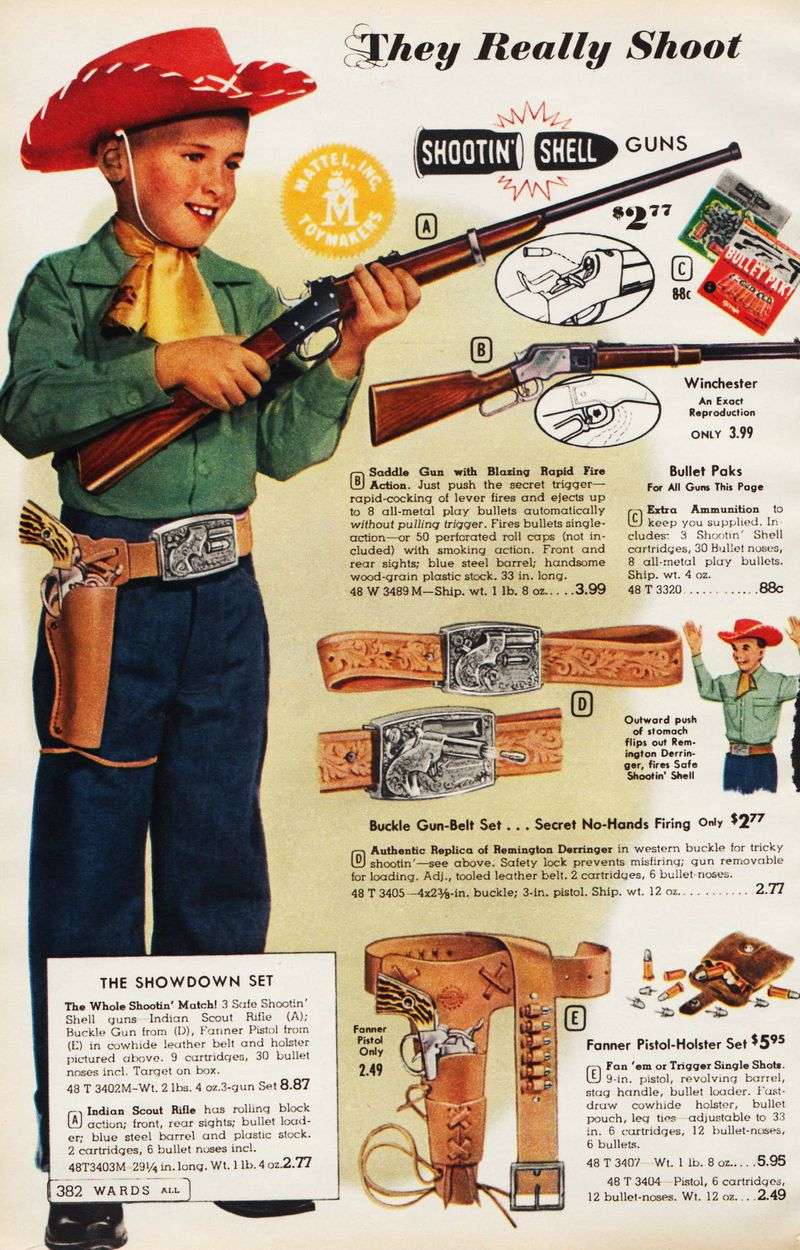
Ask any boy who grew up in the ’60s what he wanted for Christmas, and there’s a good chance a BB gun or cap pistol was on the list. Toy guns were everywhere, from the toy store to the Sears catalog, and games like Cowboys and Indians were playground staples.
BB guns can cause serious eye injuries and worse. Attitudes toward gun-themed toys have shifted dramatically, with many schools now banning even finger guns.
The cultural conversation around children and weapons has changed in ways the ’60s never anticipated.
16. Candy Cigarettes as a Kids’ Treat
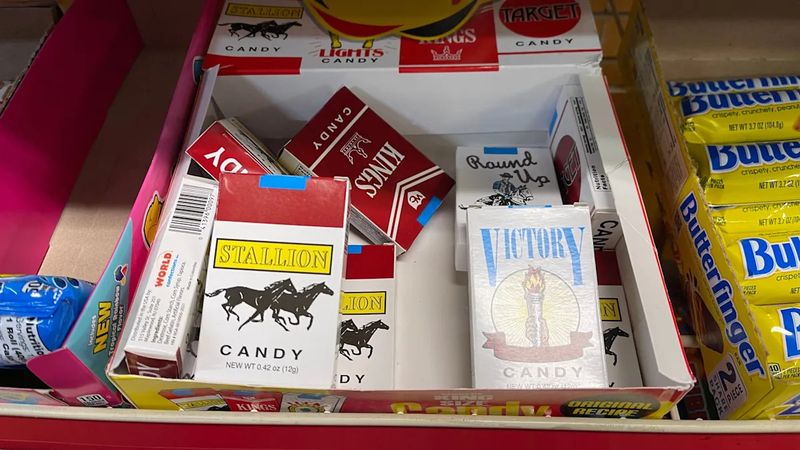
Candy cigarettes were sold right next to gummy bears and lollipops, and kids loved them. The whole point was to pretend you were smoking, blowing the powdered sugar out like a puff of smoke.
They even came in boxes designed to look exactly like real cigarette packs.
Critics argued for decades that candy cigarettes normalized smoking for young children at a time when tobacco advertising was already everywhere. Some countries eventually banned them.
In the U.S., they still exist, though they are far less common and far more controversial than they once were.