
Few genres have shaped American storytelling quite like the Western, and television miniseries brought that frontier spirit into living rooms in a big way. From dusty cattle drives to legendary feuds, these multi-part productions packed epic tales into unforgettable viewing events.
They introduced audiences to complex heroes, harsh landscapes, and stories rooted in real history. Whether you grew up watching them or are discovering them now, these Western miniseries deserve a spot on your must-watch list.
1. Lonesome Dove (1989)
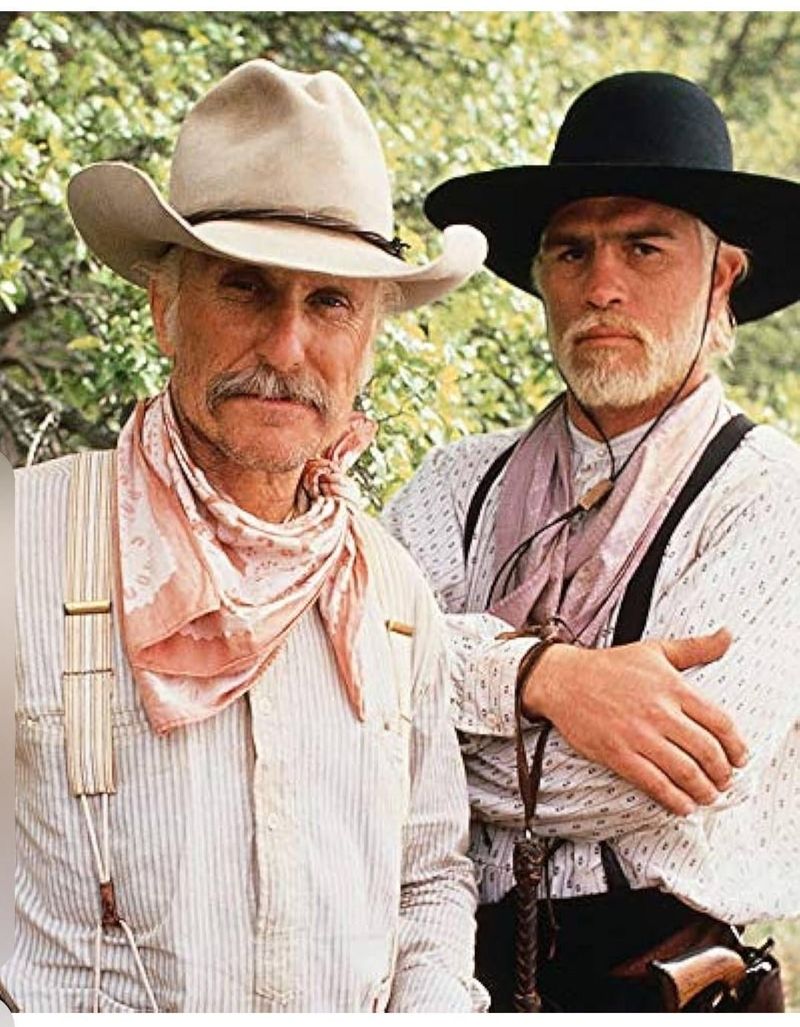
Robert Duvall and Tommy Lee Jones made television history in 1989 with this adaptation of Larry McMurtry’s Pulitzer Prize-winning novel. Their chemistry as retired Texas Rangers Gus McCrae and Woodrow Call felt so real, viewers forgot they were watching actors.
The cattle drive from Texas to Montana became one of TV’s most memorable journeys.
Critics and fans alike called it a game-changer that almost single-handedly brought the Western genre back to life. Its unflinching look at friendship, loss, and aging set a new standard for frontier storytelling on television.
2. Centennial (1978-1979)
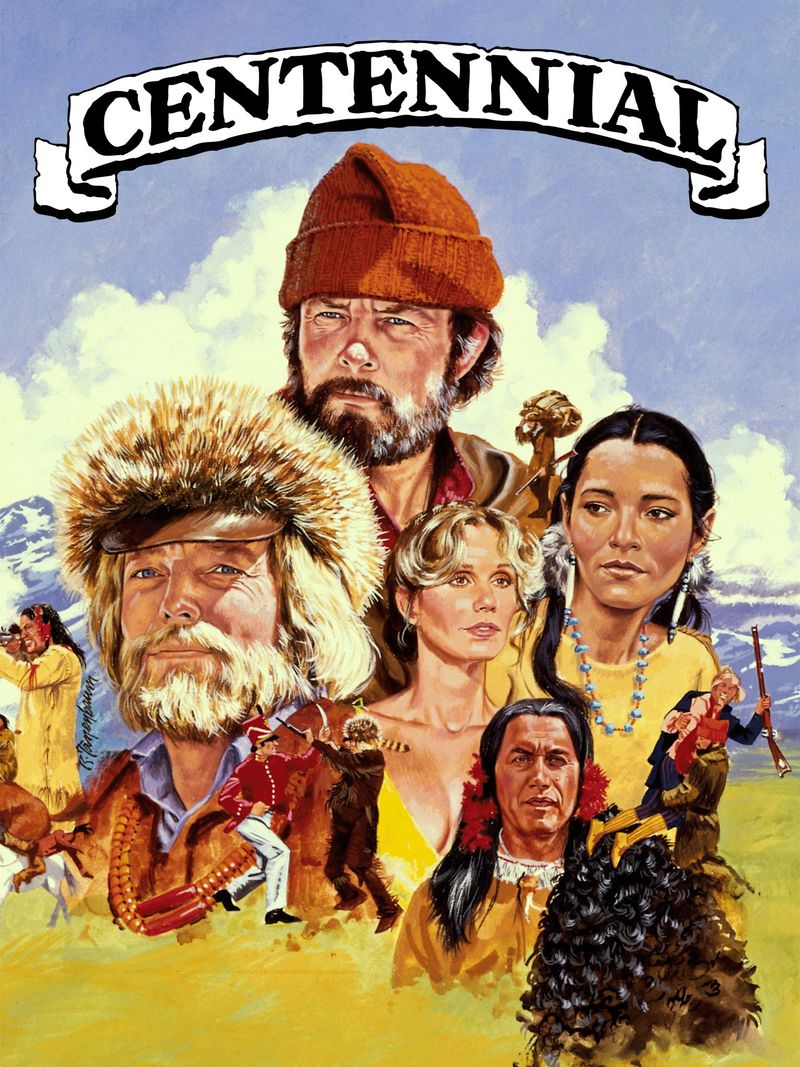
Spanning over 200 years of American history, this ambitious 12-episode adaptation of James Michener’s novel was unlike anything TV had attempted before. With a $25 million budget and a 21-hour runtime, it followed the fictional town of Centennial, Colorado from 1795 all the way into modern times.
A massive ensemble cast including Richard Chamberlain, Timothy Dalton, and Andy Griffith brought each era to vivid life.
Historians and costume designers worked closely with producers to ensure every detail felt authentic. The result was a rich, layered portrait of westward expansion that still holds up decades later.
3. The Sacketts (1979)
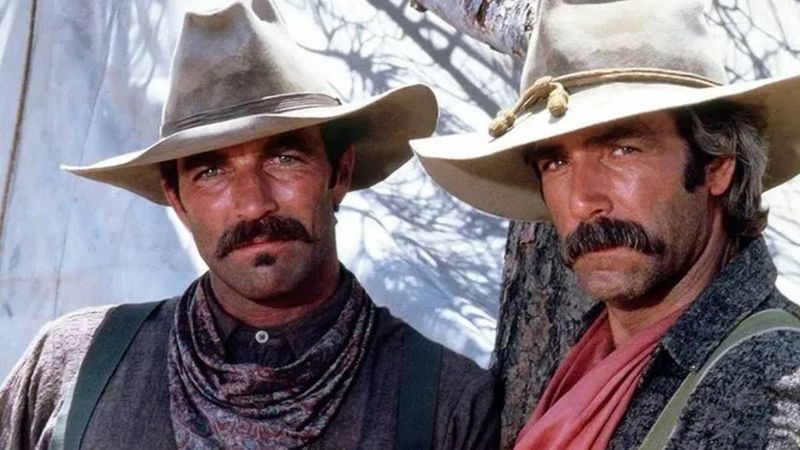
Before Sam Elliott became the face of the classic American cowboy, he was Tell Sackett, and this two-part miniseries helped prove just how convincing he could be in the saddle. Alongside Tom Selleck as Orrin and Jeff Osterhage as Tyrel, the trio made the Sackett brothers feel like real flesh-and-blood men navigating a rough post-Civil War frontier.
Based on Louis L’Amour’s beloved novels, the story blends gold prospecting, cattle herding, and racial tension in Santa Fe. Many fans credit it as a forerunner to bigger Western epics like Lonesome Dove.
4. Hatfields and McCoys (2012)
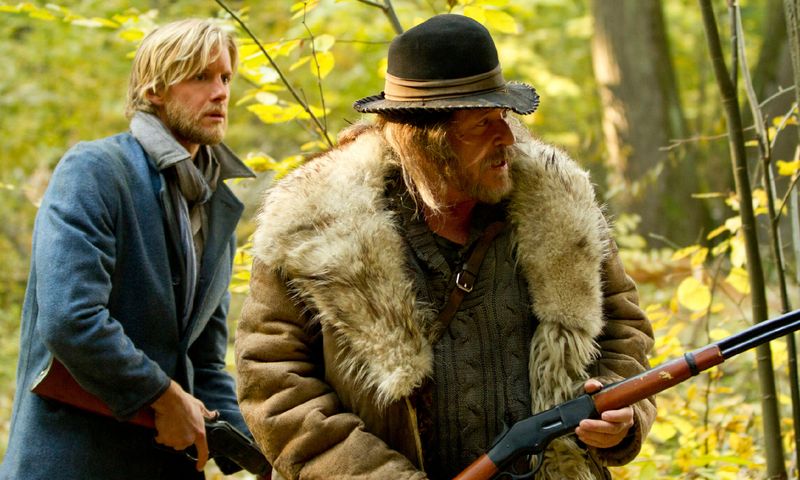
Kevin Costner and Bill Paxton squared off in one of the most-watched cable miniseries events in television history. The History Channel’s three-part dramatization of the legendary Hatfield-McCoy feud drew millions of viewers and sparked a nationwide conversation about family loyalty, grudges, and the cost of pride.
Costner played Devil Anse Hatfield with a quiet, menacing authority that earned widespread praise.
Starting during the Civil War and stretching into Reconstruction, the story felt both personal and historically grounded. It reminded audiences that the most dangerous battles are often fought between neighbors.
5. Broken Trail (2006)
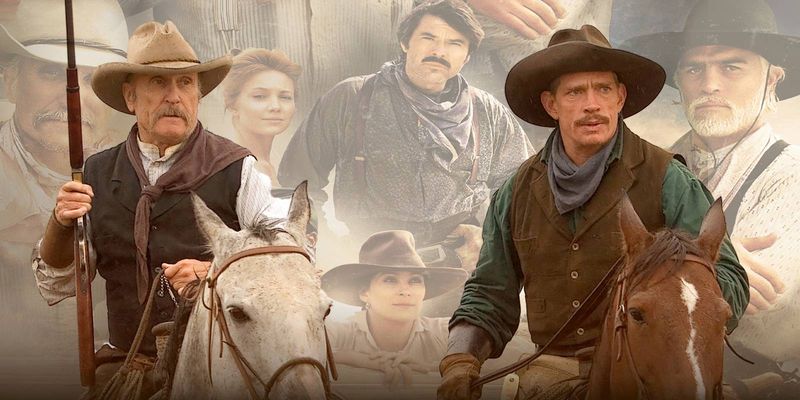
Robert Duvall returned to the Western saddle for this AMC miniseries and delivered what many consider his finest small-screen performance. Set in the late 1880s, Print Ritter and his estranged nephew Tom Harte set out on a horse drive from Oregon to Wyoming, only to find themselves protecting five Chinese girls being trafficked into prostitution.
The story was quiet, thoughtful, and deeply human.
Broken Trail won four Emmy Awards, including Outstanding Miniseries and Outstanding Lead Actor for Duvall. Its blend of classic frontier adventure with social conscience made it stand out from every other Western of its era.
6. Dead Man’s Walk (1996)
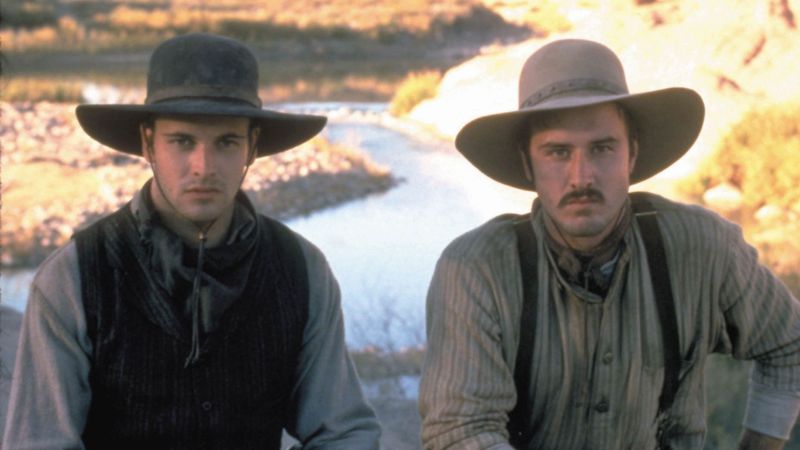
Long before audiences met the legendary Gus McCrae and Woodrow Call in Lonesome Dove, this prequel showed us who they were as reckless young men full of fire and foolish courage. Set in 1842, Jonny Lee Miller and David Arquette portrayed the two Rangers on their very first dangerous expedition into Comanche territory.
The journey was brutal, and the desert itself felt like an enemy.
Featuring Keith Carradine, F. Murray Abraham, and Edward James Olmos, the cast gave the story real weight.
For fans of the Lonesome Dove universe, watching these characters at the start of their legend is genuinely thrilling.
7. Streets of Laredo (1995)
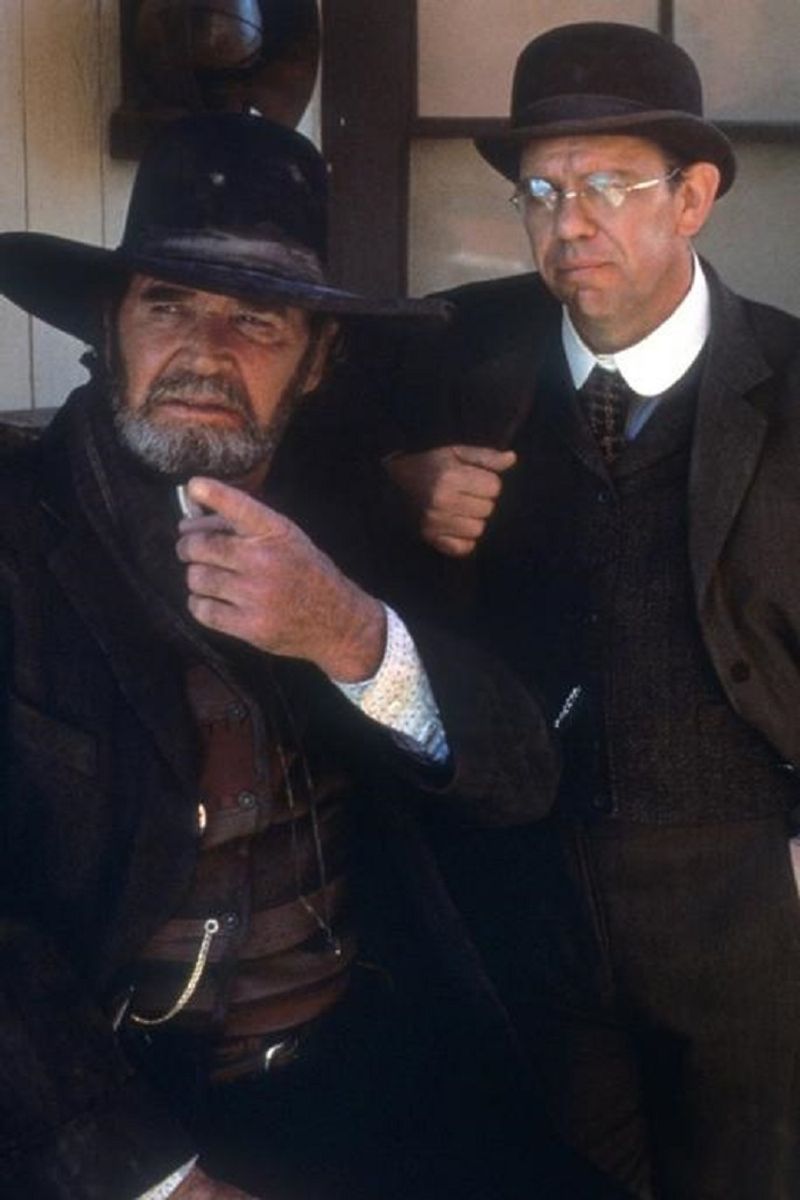
James Garner stepped into the boots of an older, wearier Woodrow Call in this dark sequel to Lonesome Dove, and the result was quietly devastating. Based on Larry McMurtry’s 1993 novel, the story follows Call as he is hired to track down a ruthless young Mexican bandit across a West that is slowly fading away.
Sissy Spacek brought warmth to the story as Lorena Parker.
The tone here is noticeably bleaker than the original, reflecting how the frontier era was drawing to a close. McMurtry seemed to be saying goodbye to the Old West through every frame of this story.
8. Comanche Moon (2008)
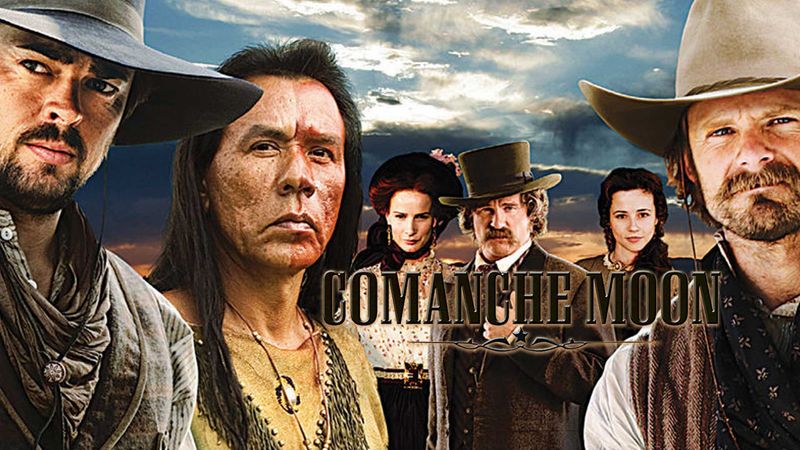
Sandwiched between Dead Man’s Walk and Lonesome Dove in the timeline, this 2008 CBS miniseries filled in the middle chapter of Gus and Call’s legendary story. Steve Zahn brought unexpected depth to Augustus McCrae, and Karl Urban gave Woodrow Call a brooding intensity that felt fresh.
Elizabeth Banks added emotional complexity as Clara Forsythe, the woman caught between two worlds.
The Comanche conflict at the heart of the story gave the miniseries a sense of danger and moral weight. For anyone who loves the Lonesome Dove saga, this chapter adds real texture to characters you already care about.
9. Into the West (2005)
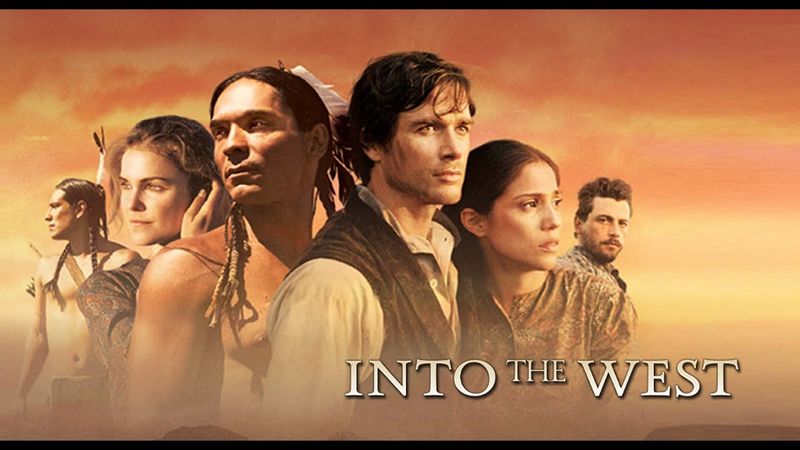
Steven Spielberg produced this six-episode TNT miniseries with the goal of telling the story of westward expansion from two sides at once. Following both a white American family and a Lakota Sioux family from 1825 to 1890, the series refused to paint any single group as purely heroic or purely villainous.
That balanced approach made it feel unusually honest for a Western production.
The scope was enormous, covering decades of history with care and ambition. At its best, Into the West felt like a living history lesson that never talked down to its audience.
10. Return to Lonesome Dove (1993)
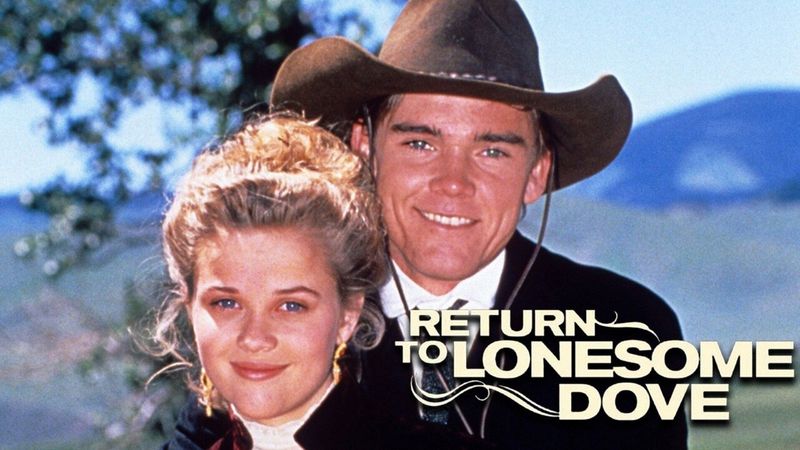
Jon Voight took on the iconic role of Captain Woodrow F. Call in this CBS sequel to the beloved original, and audiences tuned in by the millions hoping for more of that frontier magic.
Written by John Wilder rather than Larry McMurtry, the story picks up where the first miniseries left off and follows Call on another grueling cattle drive. Barbara Hershey and Ricky Schroder added strong supporting performances.
While purists debated whether it matched the original’s quality, there was no denying its emotional pull for fans of the saga. Sometimes returning to a beloved world, even imperfectly, is exactly what viewers need.
11. Buffalo Girls (1995)
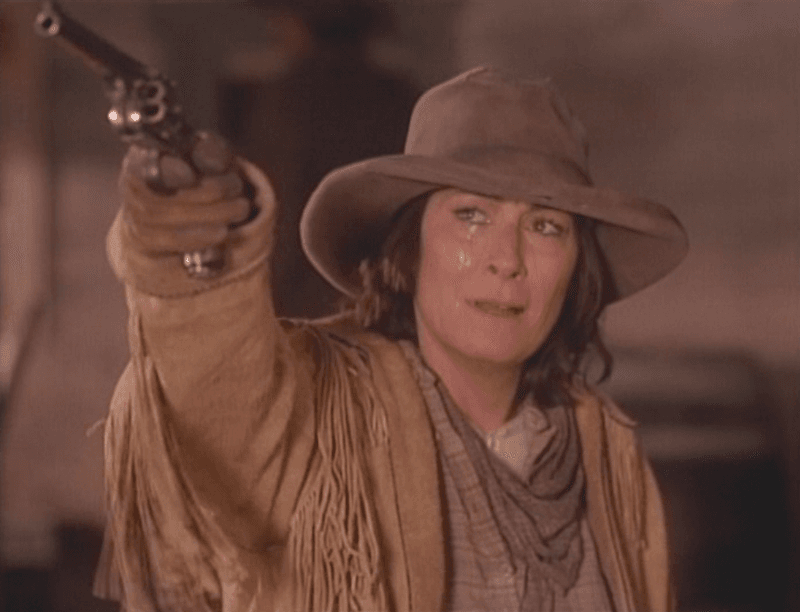
Anjelica Huston played Calamity Jane with a raw, unsentimental energy in this CBS miniseries based on Larry McMurtry’s 1990 novel. Set in the dying days of the Wild West, the story follows Jane and her circle of aging frontier legends, including Buffalo Bill Cody and Wild Bill Hickok, as their world quietly disappears around them.
Melanie Griffith co-starred as a saloon singer with her own complicated past.
What made Buffalo Girls special was its tenderness beneath the toughness. McMurtry wrote women of the frontier with rare respect, and this miniseries honored that vision beautifully.
12. Johnson County War (2002)
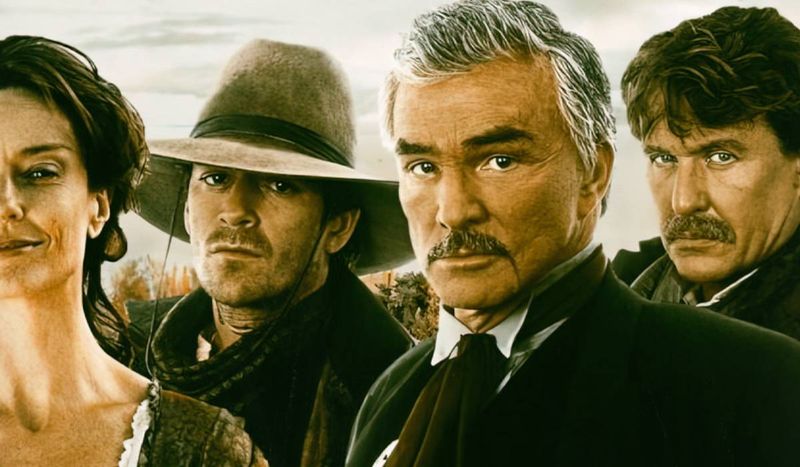
Tom Berenger and Luke Perry starred in this Hallmark Channel production that dramatized the real-life conflict between wealthy cattle barons and small ranchers in 1890s Wyoming. The Johnson County War was one of the most brutal chapters in frontier history, and this miniseries brought it to life with grit and moral clarity.
The story centered on two brothers caught between loyalty to their land and the overwhelming power of money.
Perry’s performance surprised many viewers who knew him mainly from Beverly Hills 90210. The miniseries proved that Hallmark could deliver serious, historically grounded Western drama when given the right material.
13. Rough Riders (1997)
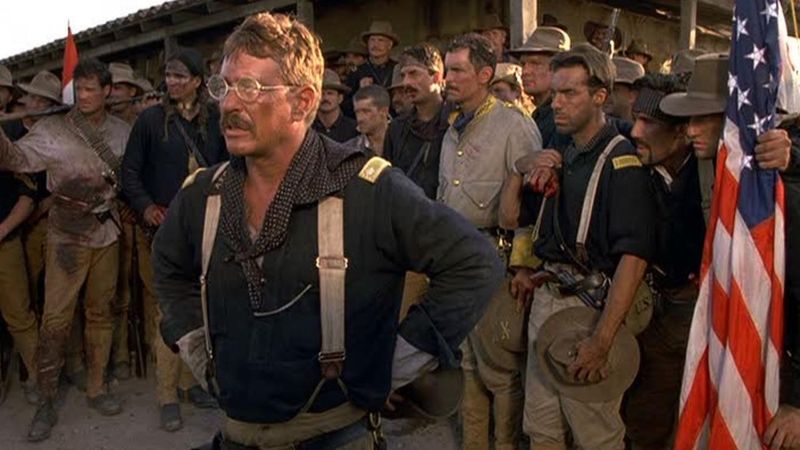
Tom Berenger portrayed a young, energetic Theodore Roosevelt charging up San Juan Hill in this TNT miniseries about the legendary Rough Riders regiment. The story captured the wild spirit of a group of volunteers who came from all walks of life, from Ivy League athletes to rugged cowboys, united by a shared sense of adventure and patriotism.
Director John Milius brought a muscular, old-fashioned energy to every scene.
The miniseries felt like a love letter to American frontier courage. It reminded viewers that the Western spirit was not just about wide-open prairies but also about the people willing to ride into danger together.
14. Ponderosa (2001)
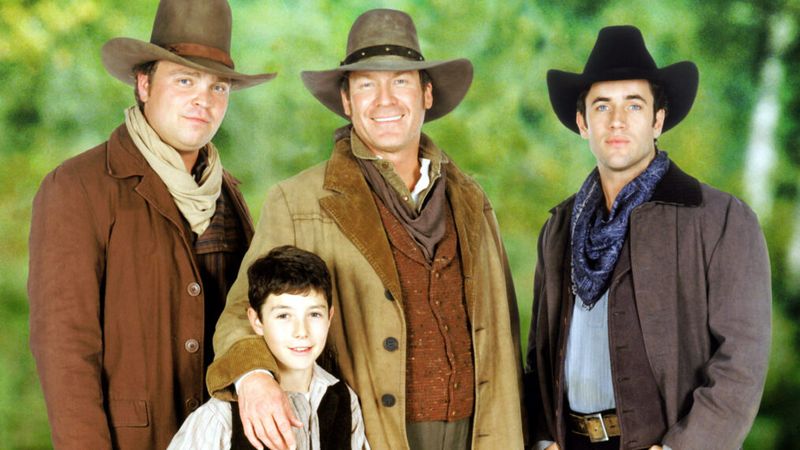
Long before the Cartwright family became legends on Bonanza, this PAX TV prequel series explored how Ben Cartwright and his sons first built their empire on the Ponderosa ranch. The show leaned into the family drama that made the original series so beloved, giving younger viewers a fresh entry point into one of television’s most iconic Western families.
It had a warmth and sincerity that felt genuinely old-fashioned in the best way.
While it never matched the cultural reach of Bonanza, Ponderosa carried on the tradition of family-centered Western storytelling with affection. It showed that some stories are worth revisiting from the very beginning.
15. The Young Riders (1989-1992)
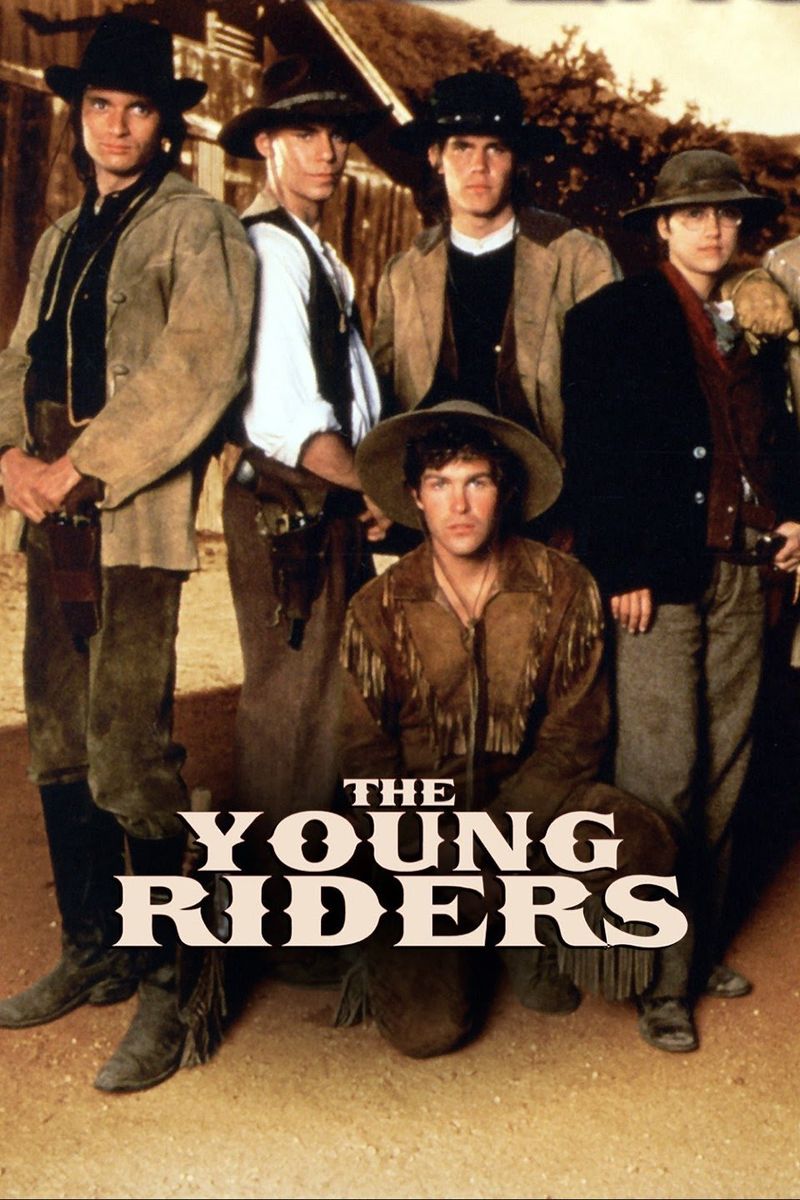
Before Josh Brolin and Stephen Baldwin became Hollywood names, they were riding hard as Pony Express couriers in this ABC series that ran for three seasons starting in 1989. The show took real historical figures like Wild Bill Hickok and mixed them with fictional characters to create a Young Guns-style adventure aimed squarely at younger audiences.
It worked, drawing a loyal fanbase that still remembers it fondly today.
The series proved that Westerns could attract teen viewers without losing their frontier authenticity. Its cast of rising stars gave the genre a shot of youthful energy it badly needed at the time.