
Yellowstone gets all the glory, but it also gets all the crowds. If you love jaw-dropping scenery, incredible wildlife, and that feeling of standing somewhere truly wild, you don’t have to fight for a parking spot to find it.
Across the country, there are parks just as breathtaking and far less packed. Here are 15 national parks worth putting on your radar.
1. Grand Teton National Park, Wyoming
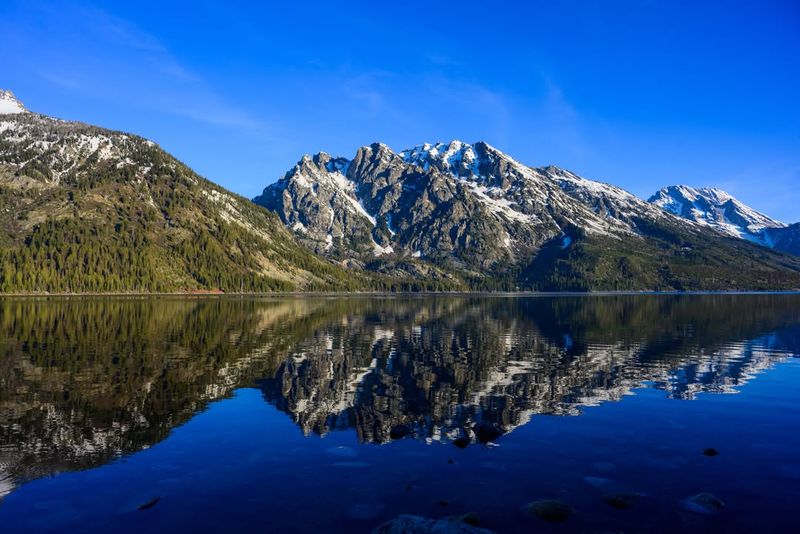
Right next door to Yellowstone but with a noticeably quieter vibe, Grand Teton punches way above its weight. The Teton Range rises so sharply from the valley floor it almost looks painted.
Add the Snake River winding through golden meadows and you have one of the most photogenic spots in North America.
Wildlife lovers will spot moose, bears, and bald eagles without the bumper-to-bumper traffic jams common farther north.
2. Glacier National Park, Montana
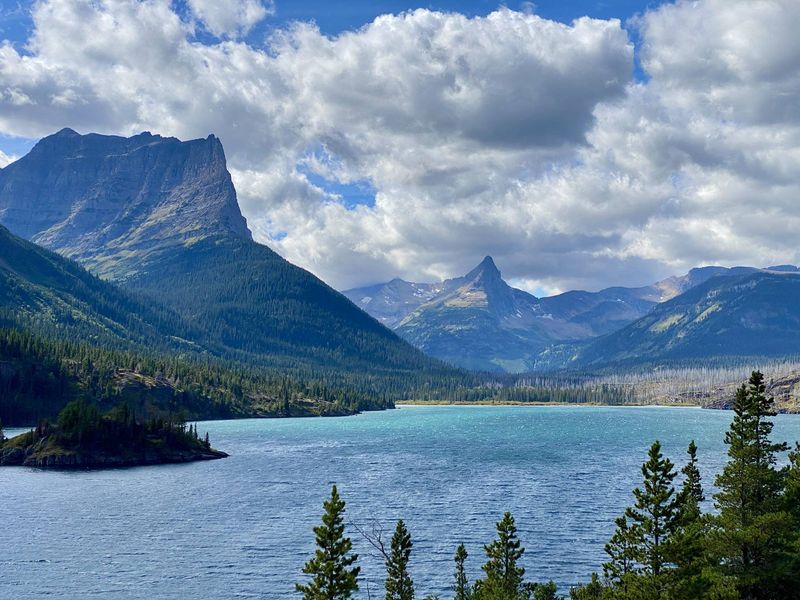
Called the Crown of the Continent for good reason, Glacier is the kind of place that makes you stop mid-sentence and just stare. Over 700 miles of trails cut through ancient glacier-carved valleys, past waterfalls and turquoise lakes that look almost unreal.
Going-to-the-Sun Road is one of the most scenic drives on the planet. Book early though — timed entry permits fill up fast, but the wilderness beyond the road remains wide open.
3. North Cascades National Park, Washington
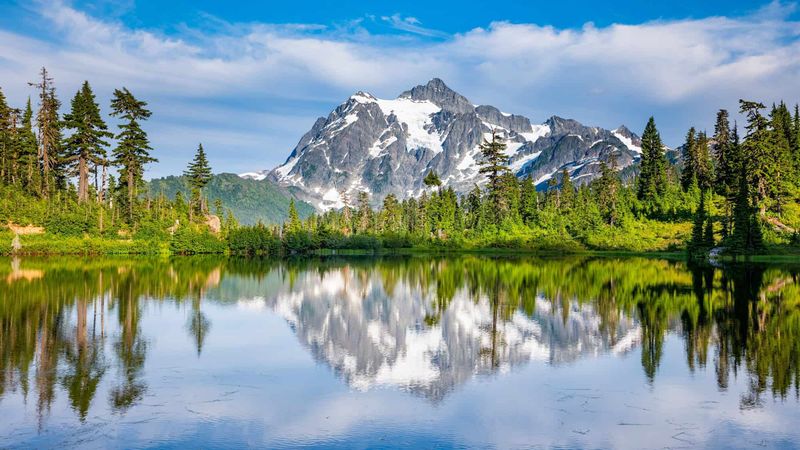
Nicknamed the American Alps, North Cascades is one of the most underrated parks in the entire system. Fewer than 30,000 people visit each year — compare that to Yellowstone’s four million — making true solitude almost guaranteed here.
More than 300 glaciers cling to its steep peaks, and hidden alpine lakes dot the backcountry. Rugged trails reward hikers with sweeping views that feel earned, not handed out at a gift shop.
4. Lassen Volcanic National Park, California
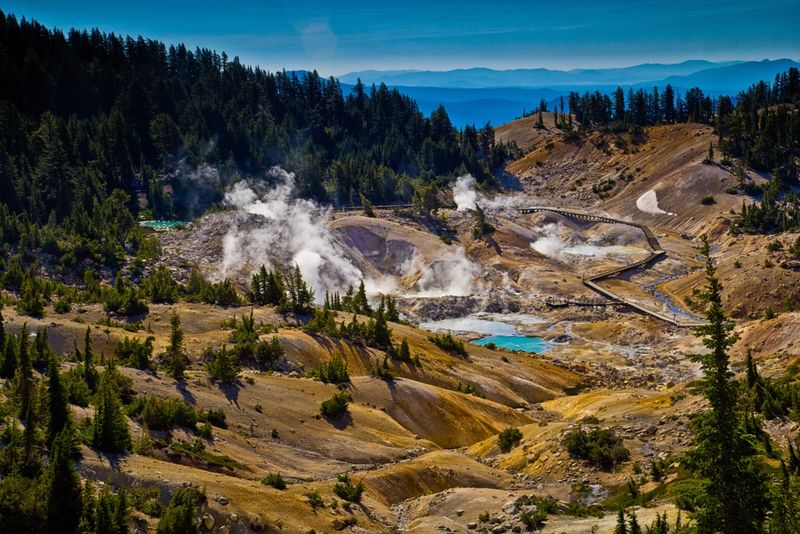
Imagine Yellowstone’s geothermal wonders but without the long lines — that’s Lassen in a nutshell. Boiling mudpots gurgle, steam vents hiss, and hot springs bubble across a landscape shaped by volcanic forces that are still very much alive.
Beyond the geothermal drama, alpine meadows burst with wildflowers each summer, and the park’s backcountry offers peaceful overnight trips through volcanic terrain most hikers never see.
5. Great Basin National Park, Nevada
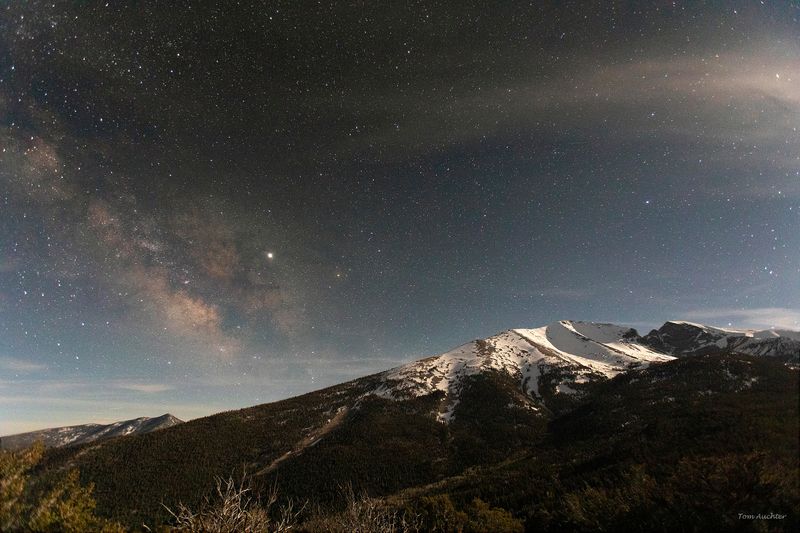
Tucked into a remote corner of Nevada, Great Basin is one of America’s best-kept secrets. Wheeler Peak towers above ancient bristlecone pine forests — some trees here are over 4,000 years old, making them among the oldest living things on Earth.
When the sun goes down, the real show begins. Great Basin has some of the darkest skies in the lower 48, turning stargazing into an experience that feels genuinely otherworldly.
6. Isle Royale National Park, Michigan
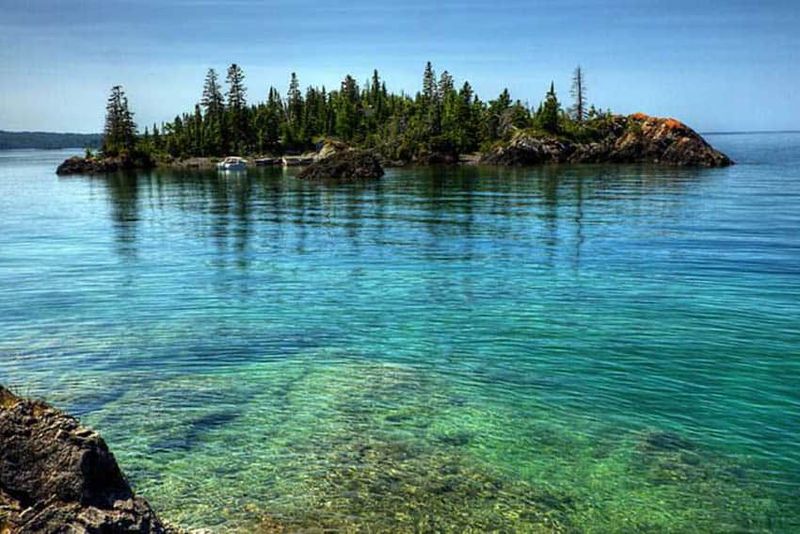
Getting to Isle Royale requires a ferry or seaplane, and that barrier is exactly what keeps it magical. No cars, no roads, no casual day-trippers — just wolf tracks in the mud and loons calling across mirror-still coves.
This island wilderness in Lake Superior sees fewer visitors than almost any other national park. Backpackers who make the effort find a raw, quiet world of spruce forests, hidden harbors, and genuinely wild encounters with moose and wolves.
7. Wrangell-St. Elias National Park, Alaska
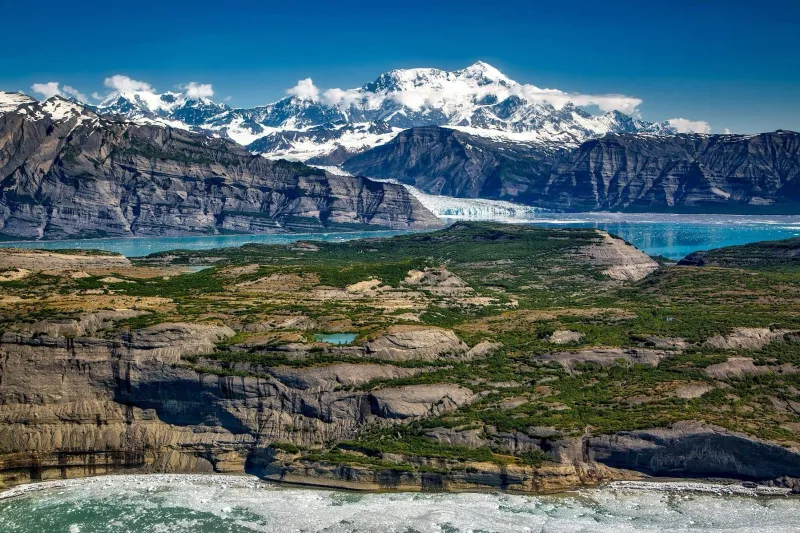
Six times the size of Yellowstone, Wrangell-St. Elias is so enormous it contains entire mountain ranges within its borders. It is the largest national park in the United States, yet fewer visitors come here annually than to many city museums.
Massive glaciers creep through valleys, and peaks over 18,000 feet pierce the clouds. For anyone craving genuine wilderness with zero crowds, this Alaskan giant delivers something almost impossible to find anywhere else on the continent.
8. Canyonlands National Park, Utah
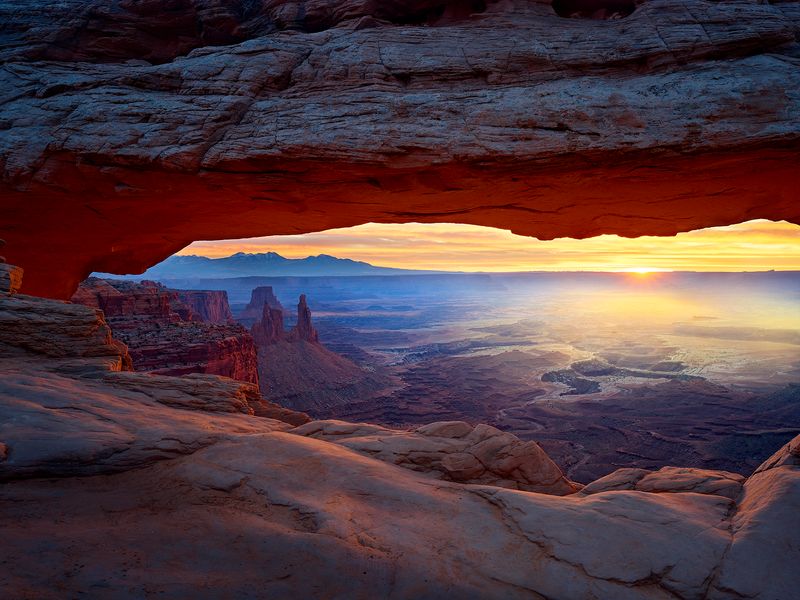
While Arches and Zion grab Utah’s spotlight, Canyonlands quietly offers something rarer — space. Vast red rock mesas drop into canyon systems carved by the Colorado and Green rivers over millions of years, creating a landscape that feels ancient and endless.
Head to the Needles or Maze districts and you may not see another soul for hours. Off-road trails and remote campsites make this the go-to destination for adventurers who prefer elbow room over easy access.
9. Black Canyon of the Gunnison National Park, Colorado
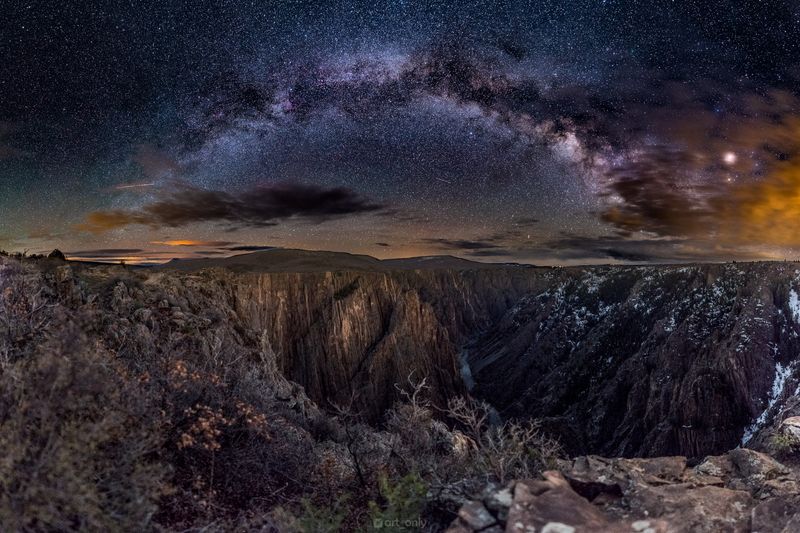
Some canyons are wide and gradual. Black Canyon is neither.
The Gunnison River carved walls so steep and dark that parts of the canyon floor receive less than an hour of sunlight per day — a fact that sounds almost impossible until you peer over the rim.
Visitor numbers here stay surprisingly low for such a dramatic landscape. That means you can stand at a viewpoint overlooking near-vertical drops of 2,700 feet and actually hear the river roaring below.
10. Badlands National Park, South Dakota
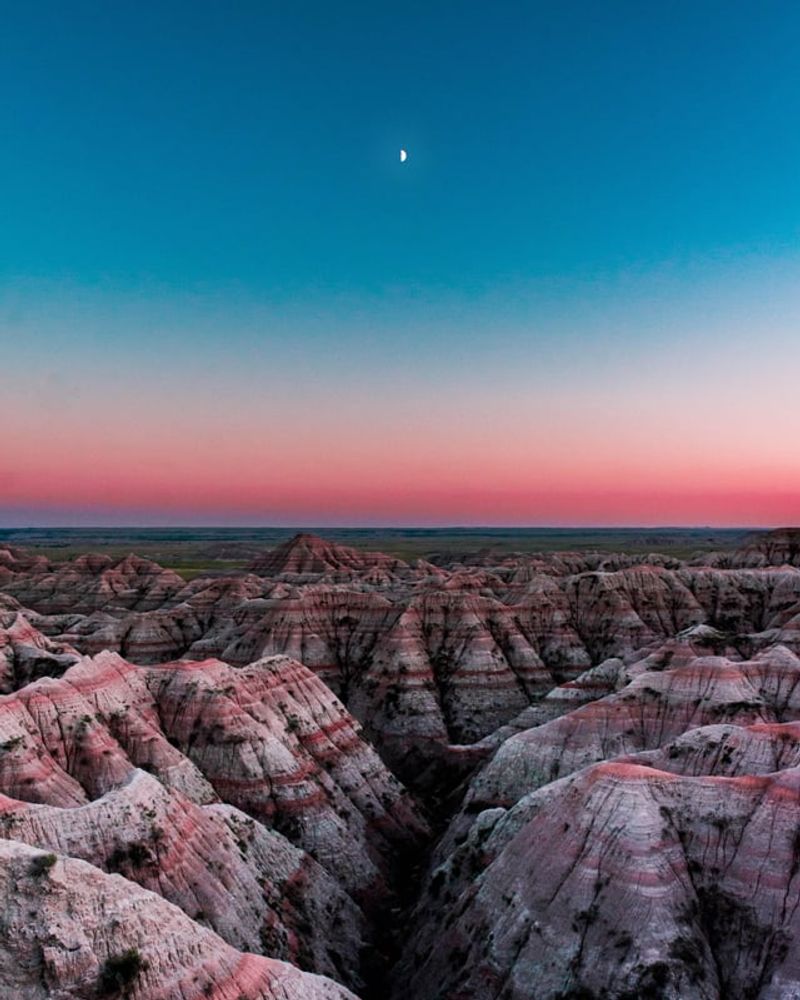
Sharp spires, striped buttes, and ancient fossil beds make Badlands look like another planet stitched onto the South Dakota prairie. Bison herds roam freely through the grasslands, and prairie dog towns pop up along the roadsides with almost comedic energy.
One of the coolest perks here is that off-trail hiking is fully allowed. You can scramble across the formations and find your own path through the landscape — no switchbacks required, just a good sense of direction.
11. Guadalupe Mountains National Park, Texas
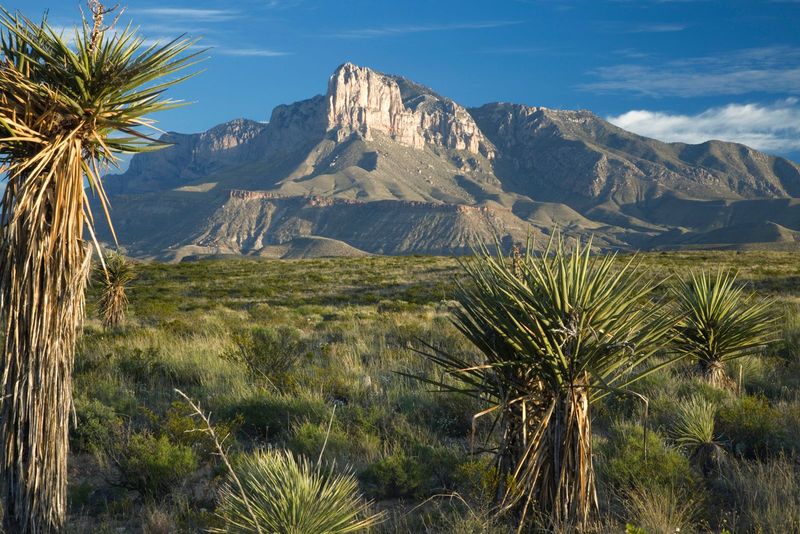
Standing on Guadalupe Peak means standing on the highest point in all of Texas — and chances are, not many people will be standing there with you. This park draws far fewer visitors than its Texas neighbor Big Bend, creating a genuinely peaceful hiking experience.
Beneath the desert surface lies one of the world’s most significant ancient fossilized reefs. Hidden canyons shelter surprising pockets of maple trees that explode with color each fall, offering a scene most Texans don’t even know exists.
12. Big Bend National Park, Texas
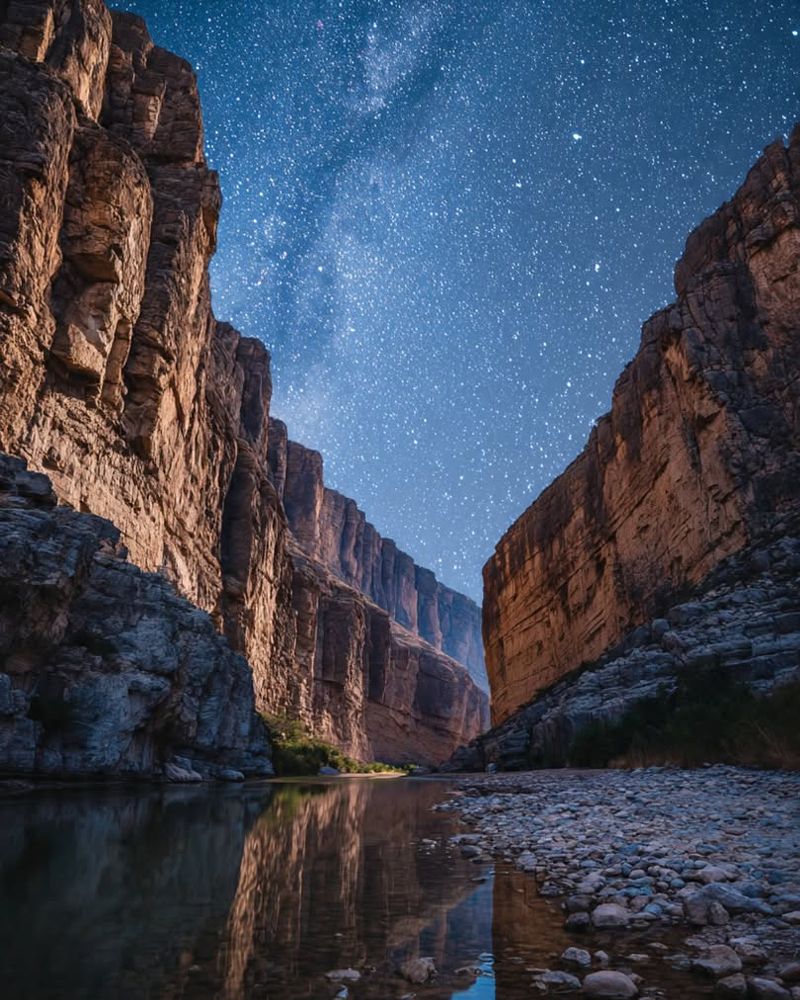
Big Bend sits so far from everything that getting there is half the adventure. The Chihuahuan Desert stretches in every direction, the Rio Grande carves stunning canyons along the Mexican border, and the Chisos Mountains rise unexpectedly from the desert floor.
Certified as an International Dark Sky Park, Big Bend delivers some of the most spectacular stargazing in the country. On a clear night, the Milky Way arches overhead so vividly it almost feels close enough to touch.
13. Olympic National Park, Washington
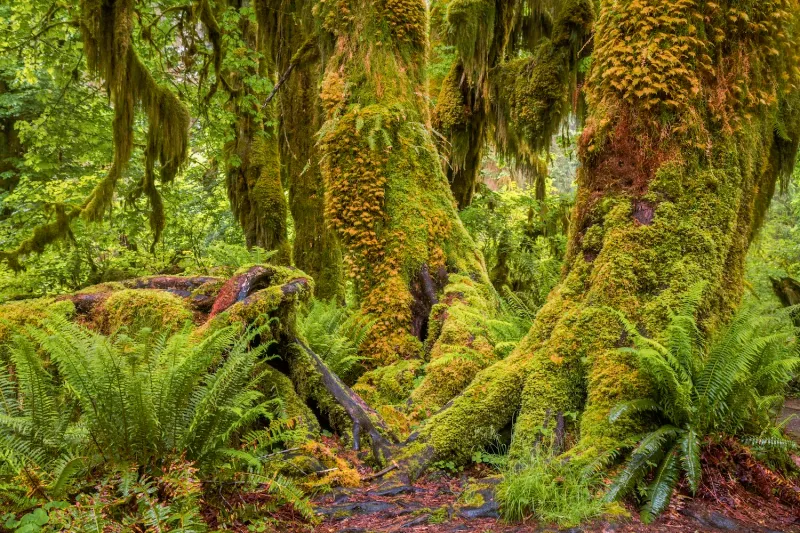
Few parks pack as much variety into one boundary as Olympic. Glacier-capped peaks, wild Pacific coastline, and some of the most lush temperate rainforests in the world all exist within the same park — often just a short drive apart.
The Hoh Rain Forest alone is worth the trip, with trees draped in thick green moss that make the whole place feel prehistoric. Visit during spring or fall and the crowds thin out considerably, leaving the trails feeling like your own private discovery.
14. Acadia National Park, Maine
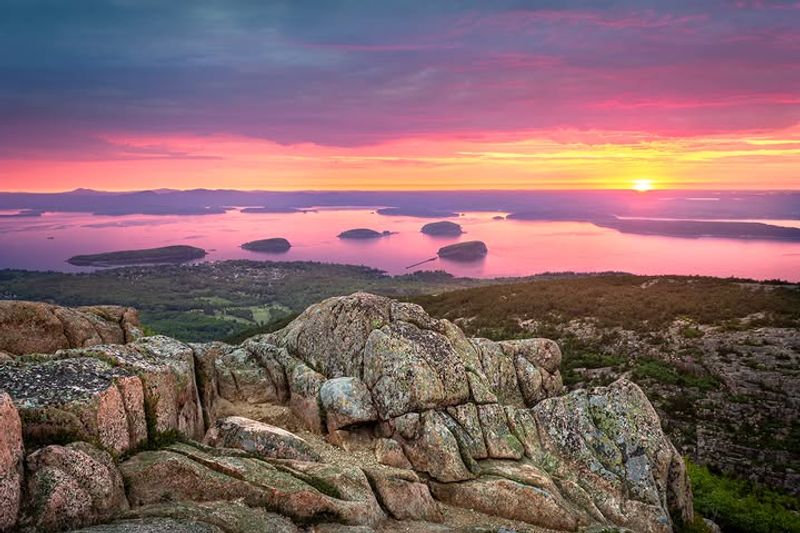
Acadia has a charm that’s hard to pin down — part rugged wilderness, part classic New England character. Granite mountains tumble right into the Atlantic, and lobster boats chug through the harbor below the treeline as you hike the carriage roads above.
Catching sunrise from Cadillac Mountain is legendary for a reason. For part of the year, it’s the first place in the U.S. to see the sun rise.
Arrive early, bring a warm layer, and prepare to be genuinely moved.
15. Congaree National Park, South Carolina
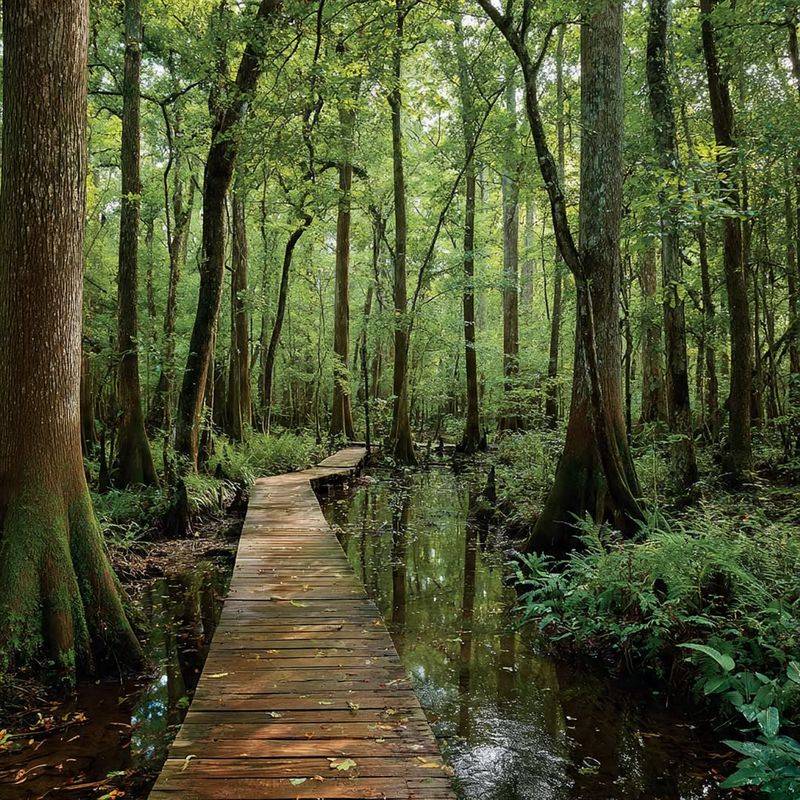
Congaree holds a quiet kind of record — it protects the largest intact old-growth floodplain forest in North America. Ancient bald cypress and tupelo trees tower overhead, some of the tallest trees in the eastern United States, creating a cathedral-like atmosphere along every trail.
Paddling through the flooded lowlands by canoe is an experience unlike anything else on this list. With visitor numbers staying low year-round, Congaree offers genuine stillness that feels almost radical in today’s world.