
Some women find themselves stuck in relationships where they are not treated with the respect and kindness they deserve. Understanding why this happens is the first step toward making healthier choices.
Many factors, from childhood experiences to fear of being alone, can play a role. Recognizing these traits can help women break free from unhealthy patterns and build the loving relationships they truly deserve.
1. Low Self-Worth and Damaged Self-Esteem

When a woman does not believe she is worthy of love and respect, she may accept treatment that others would never tolerate. Low self-esteem can quietly convince her that she deserves nothing better.
Rebuilding self-worth starts with recognizing that no one deserves mistreatment. Therapy, journaling, and surrounding yourself with supportive people can slowly restore the confidence that poor relationships chip away at over time.
2. Holding Onto Hope That He Will Change

Remembering the good times can make it incredibly hard to accept the reality of how things are now. Many women hold tightly to the version of their partner they first fell in love with.
Believing you can “fix” someone or love the bad out of them is a painful trap. Real change only happens when a person chooses it for themselves, not because someone loves them hard enough to force it.
3. Fear of Being Alone or Starting Over
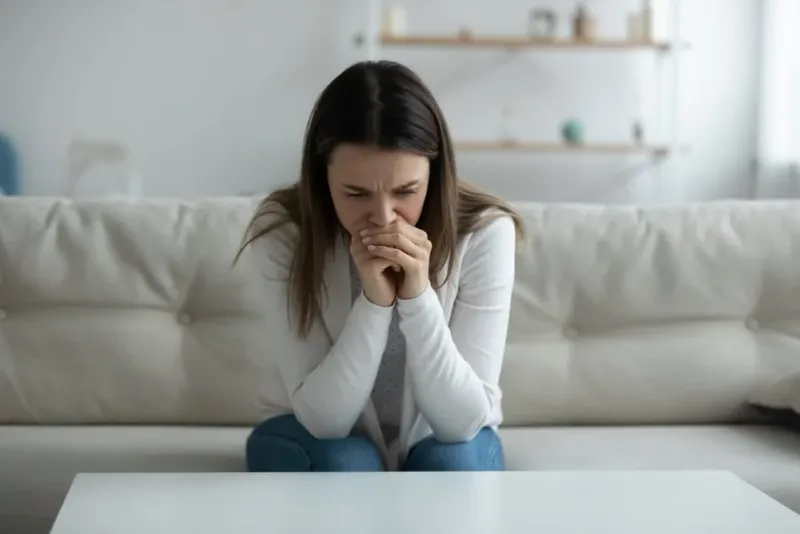
The thought of starting over can feel absolutely terrifying, especially after years invested in a relationship. Fear of loneliness is one of the most powerful reasons women stay in situations that hurt them.
Being alone is not the same as being lonely. Many women who finally leave unhealthy relationships discover a sense of peace and freedom they had forgotten was possible, proving that solitude can actually be healing.
4. Financial Dependence on a Partner

Money problems can trap even the strongest woman in a relationship that is hurting her. When a partner controls the finances, leaving can feel financially impossible, especially with children involved.
Building financial independence, even in small steps, is one of the most empowering things a woman can do. Opening a personal bank account, seeking job training, or reaching out to local support organizations can open doors that once felt permanently closed.
5. Isolation from Friends and Family
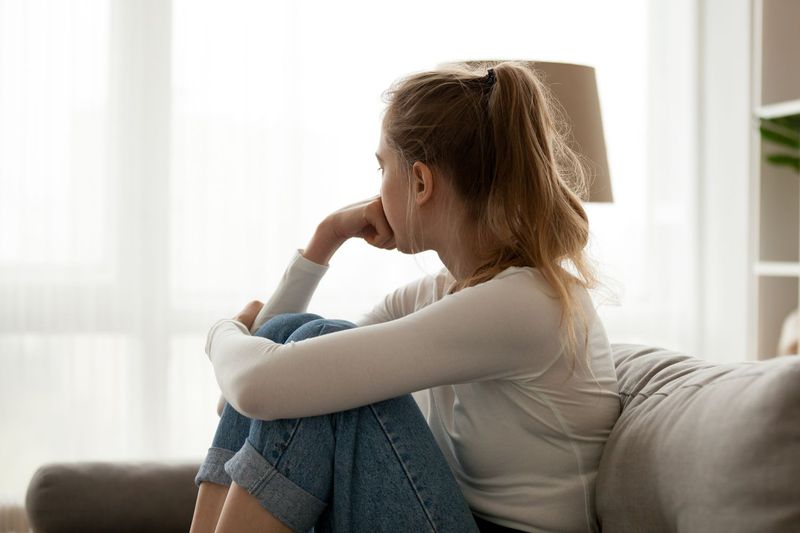
Abusive partners often slowly cut women off from the people who love them most. Over time, a woman may find herself with no one left to turn to, which is exactly what a controlling partner wants.
Isolation is a deliberate tactic used to increase dependency and reduce outside perspective. Reconnecting with even one trusted friend or family member can serve as a powerful lifeline when a woman is ready to seek help.
6. Minimizing or Denying the Abuse

“It wasn’t that bad” and “He didn’t mean it” are phrases that echo in the minds of many women who downplay what they are experiencing. Denial is the mind’s way of protecting itself from a painful truth.
Emotional and financial abuse can be just as damaging as physical harm, even without visible bruises. Acknowledging that mistreatment is real, no matter what form it takes, is the courageous first step toward changing the situation.
7. Taking the Blame for a Partner’s Behavior
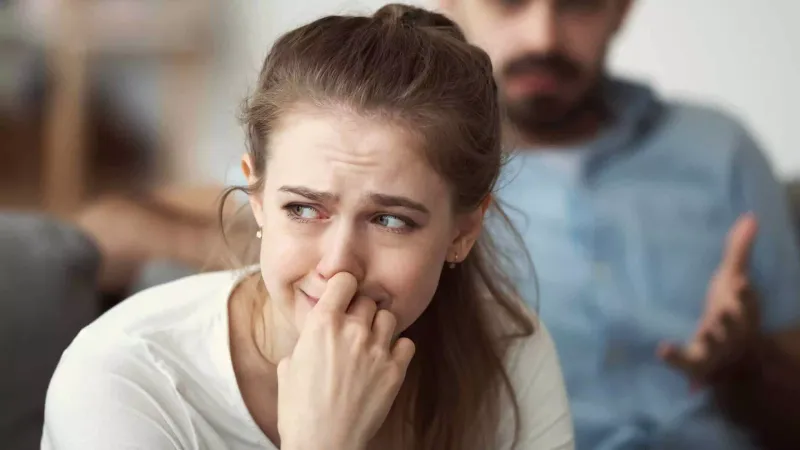
Guilt can be a sneaky thing. Some women absorb blame for their partner’s anger, mistakes, and even abusive behavior, believing that if they just tried harder, things would be different.
No one causes another person to behave badly. A healthy partner takes responsibility for their own actions.
Recognizing that you are not responsible for someone else’s choices is a crucial shift that can completely change how a woman sees her situation.
8. Staying for the Sake of the Children

Keeping a family together is a deeply admirable goal, but staying in an unhealthy relationship for the kids can sometimes do more harm than good. Children absorb more than parents realize.
Research consistently shows that children benefit most from being raised in calm, respectful environments, even if that means their parents are not together. A happy, healthy parent is far more valuable to a child than a two-parent home filled with tension and conflict.
9. Social, Cultural, or Religious Pressure

Sometimes the pressure to stay in a relationship does not come from inside the home but from outside it. Family expectations, cultural traditions, and religious beliefs can all make leaving feel like a betrayal of identity.
Community support matters, but so does personal safety and well-being. Many faith communities and cultural organizations now openly support survivors of unhealthy relationships, offering compassionate guidance that honors both values and the right to be treated with dignity.
10. Strong Emotional Attachment to the Partner

Love is complicated, and feelings do not switch off just because a relationship becomes harmful. A deep emotional bond can exist even when a partner is consistently unkind or disrespectful.
Trauma bonding is a real psychological phenomenon where cycles of pain and affection create powerful attachments. Understanding that these bonds are not proof of a healthy relationship, but rather a response to emotional highs and lows, can help women begin to detach with clarity.
11. Weak Personal Boundaries and People-Pleasing

Always saying yes, never speaking up, and apologizing even when you did nothing wrong are warning signs of poor boundary-setting. People-pleasers often attract partners who take advantage of their accommodating nature.
Setting boundaries is not selfish, it is self-respect in action. Learning to say no, express needs clearly, and walk away from situations that feel wrong are skills that can be developed at any age and dramatically improve relationship quality.
12. Familiarity with Unhealthy Relationship Patterns
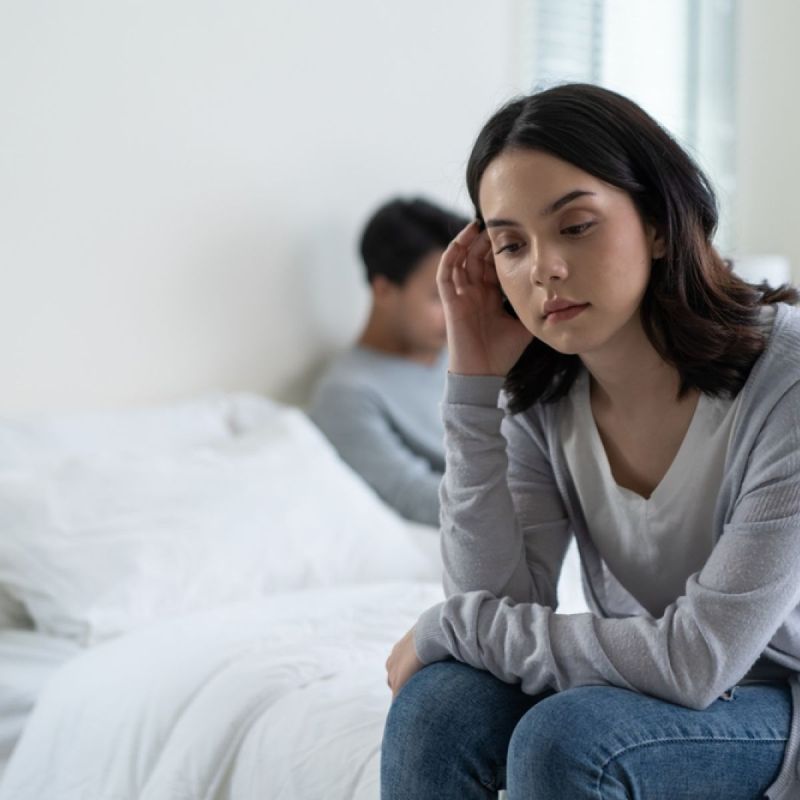
What feels familiar often feels normal, even when it is far from healthy. Women who grew up witnessing or experiencing unstable relationships may unconsciously gravitate toward similar dynamics as adults.
Childhood experiences shape our expectations of love in powerful ways. The good news is that awareness breaks the cycle.
Therapy, self-reflection, and healthy relationship role models can help rewire deeply ingrained beliefs about what love is supposed to look and feel like.
13. High Tolerance for Mistreatment

Some women are incredibly strong and hardworking, which means they push through pain that would cause others to walk away much sooner. That strength, when misdirected, can turn into a dangerously high tolerance for being treated badly.
Strength should never mean enduring what you should not have to endure. Recognizing the difference between perseverance and self-sacrifice is vital.
No relationship is worth the cost of your mental health, physical safety, or overall happiness.
14. Cognitive Dissonance About the Relationship

Loving someone and knowing they are not good for you at the same time creates a mental tug-of-war that is genuinely exhausting. This internal conflict, known as cognitive dissonance, keeps many women stuck in a painful in-between space.
Journaling thoughts and feelings honestly can help make sense of that inner confusion. When a woman can clearly see the gap between who her partner is and who she needs them to be, making a decision becomes a little less overwhelming.
15. Fear of Losing Identity or Social Reputation

For many women, a relationship becomes deeply tied to who they are and how others see them. Leaving can feel like losing a part of their identity or admitting to the world that something failed.
A relationship ending is not a personal failure. Choosing yourself takes enormous courage.
Rebuilding an identity outside of a partnership can actually be one of the most exciting and empowering chapters a woman ever experiences in her life.