
Running gags are a staple of sitcoms, giving shows their signature flavor and keeping audiences laughing episode after episode. But even the funniest recurring jokes can wear out their welcome when writers lean on them too hard.
What starts as a clever bit can slowly turn into an eye-roll moment that viewers dread rather than enjoy. Here are 15 sitcom running gags that started strong but eventually lost their spark.
1. “We Were on a Break!” (Friends)
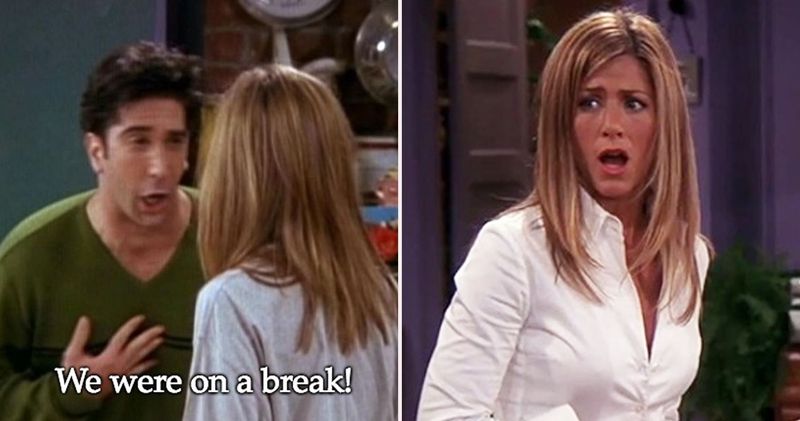
Few phrases in sitcom history have sparked as much debate as Ross Geller’s desperate defense of his actions. At first, the argument felt like a believable conflict between two people who truly loved each other.
But season after season, the line kept resurfacing like a bad penny.
Even characters inside the show started groaning when Ross brought it up again. Rather than landing as comedy, it became a constant reminder of a painful moment.
Viewers quickly went from laughing to sighing whenever those five words appeared.
2. Teddy’s Endless Proposals to Amy (Brooklyn Nine-Nine)
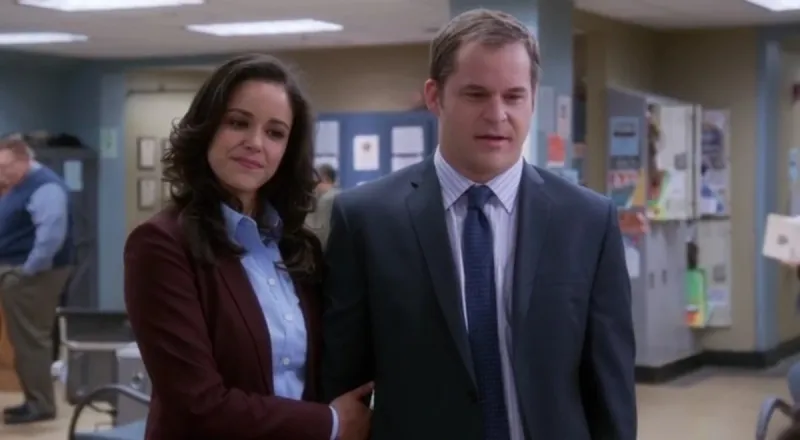
Teddy Wells had one defining trait on Brooklyn Nine-Nine, and that was his stubborn, repetitive habit of proposing to Amy Santiago. The first time it happened, it got a chuckle.
But writers kept returning to the well, and the joke curdled fast.
What made it worse was how it boxed Teddy into a single-note character with nothing else to offer. Viewers started feeling uncomfortable rather than amused.
A recurring gag should add to a character, not replace their entire personality.
3. Sheldon’s “Bazinga!” (The Big Bang Theory)
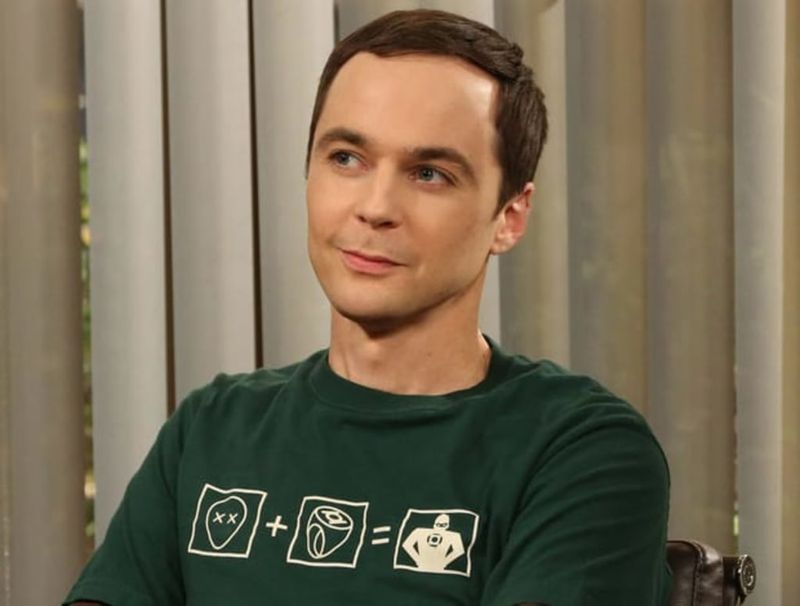
“Bazinga!” was Sheldon Cooper’s way of announcing he had just pulled off a prank, and early on it felt perfectly in character for the socially awkward genius. The word had a quirky charm that matched Sheldon’s oddball personality in the show’s earlier seasons.
Over time, though, the catchphrase spread far beyond the screen, showing up on mugs, t-shirts, and bumper stickers until it felt completely hollow. Even fans who once loved it admitted it had become grating.
Overexposure killed what was once a genuinely funny bit.
4. Lily’s Unexplained Catchphrase (How I Met Your Mother)
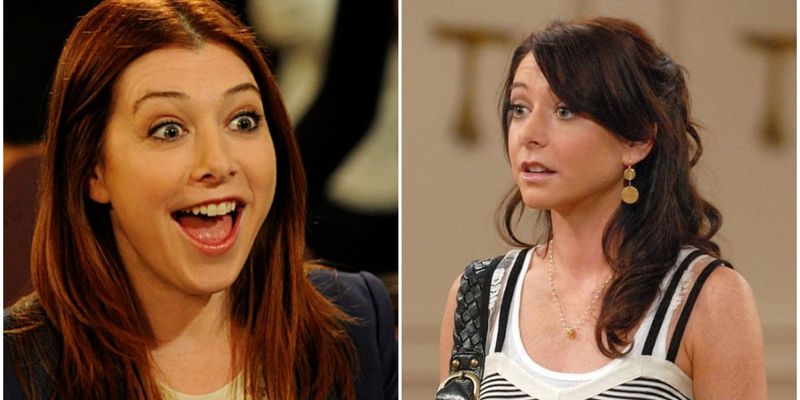
How I Met Your Mother loved its running bits, but Lily Aldrin’s recurring catchphrase stood out for all the wrong reasons. Unlike other gags on the show, this one arrived without any setup, backstory, or payoff that made it feel earned.
Viewers found themselves waiting for context that never came. The phrase started feeling forced rather than funny, like a joke that forgot to include the punchline.
Sometimes a gag needs roots to grow, and this one never found solid ground.
5. Misnaming Jerry Gergich (Parks and Recreation)
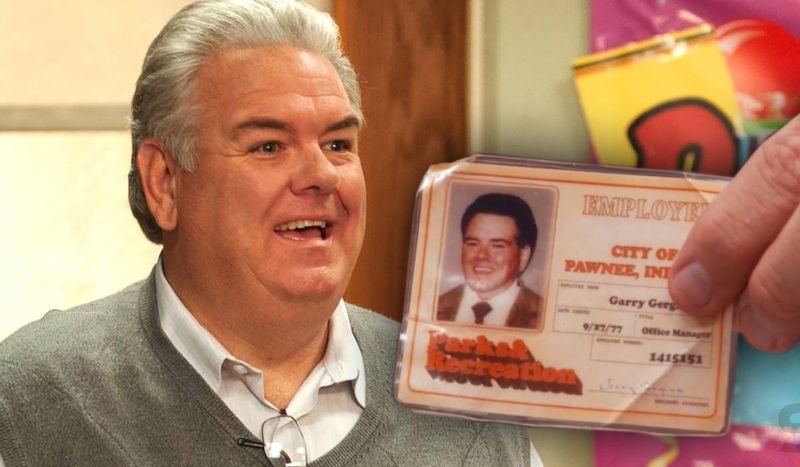
Poor Jerry. Or was it Gary?
Larry? The joke of Parks and Recreation’s entire office getting Jerry Gergich’s name wrong was a clever bit of workplace humor when it first appeared.
It said something funny about how invisible he felt among his colleagues.
But the joke stretched across too many seasons, and it stopped feeling like satire and started feeling mean-spirited. Even fan-favorite Leslie Knope joined in, which stung.
When a gag makes you feel bad for the target instead of laughing with them, it has clearly run its course.
6. Jonathan as Jack’s One-Note Assistant (30 Rock)
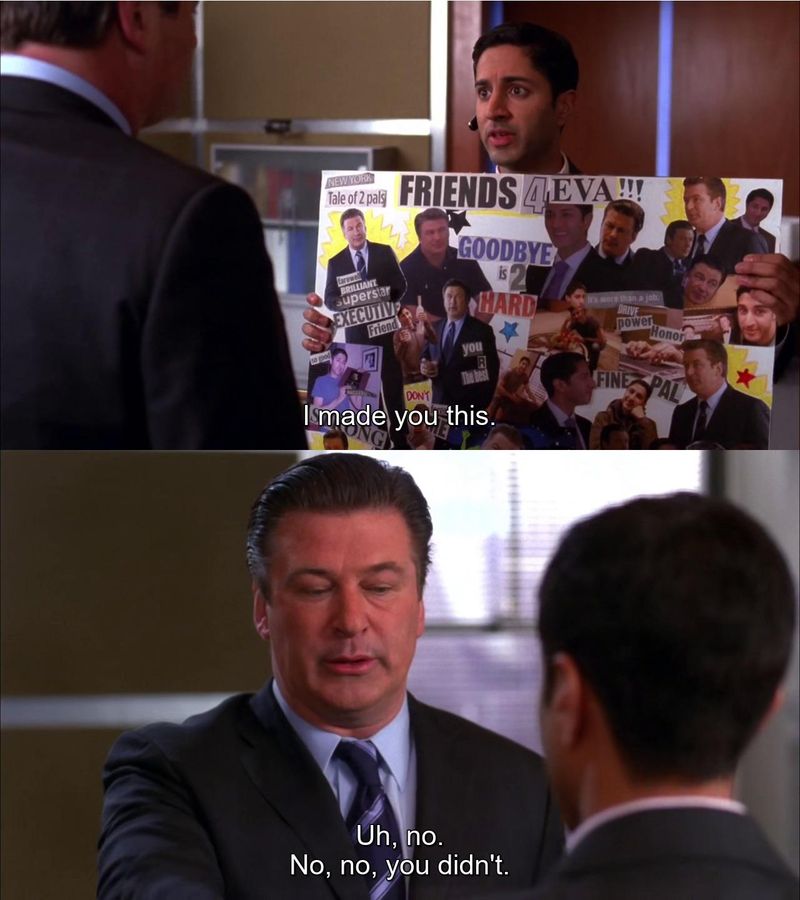
30 Rock was brilliant at layering jokes and building complex comedic characters, which made Jonathan’s role as Jack Donaghy’s assistant feel like a missed opportunity. His entire character existed as a punchline about excessive loyalty and subservience.
The gag had a ceiling, and the show hit it quickly. Every appearance reinforced the same joke without adding anything new.
When a supporting character becomes a one-trick pony, even the best trick gets old fast. Jonathan deserved more depth, and viewers noticed he never got it.
7. The Pineapple Incident (How I Met Your Mother)
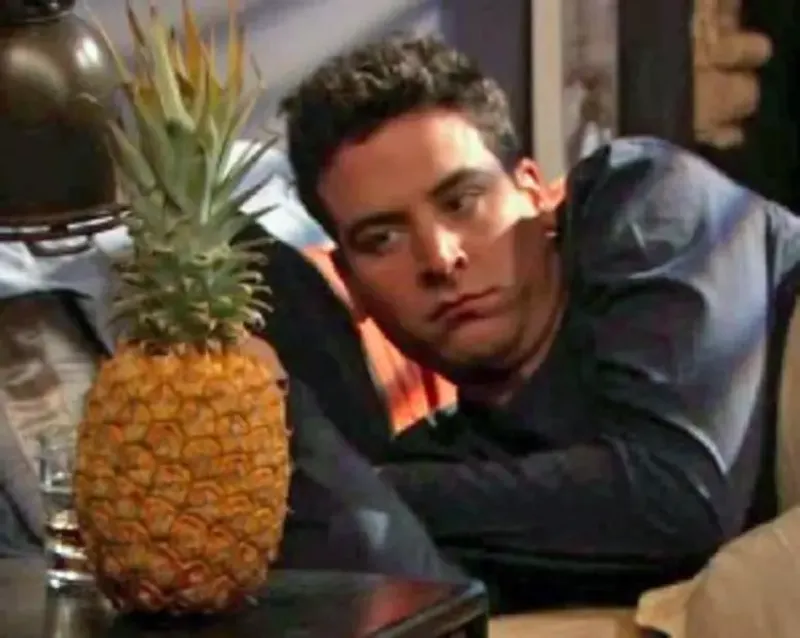
For years, How I Met Your Mother fans obsessed over the mysterious pineapple that appeared in Ted’s apartment after a wild night out. It became one of the show’s most beloved unsolved mysteries, the kind of long-running joke that keeps fans theorizing between seasons.
Then came the explanation, buried in a spin-off series most viewers never watched, and it landed with a thud. The anticlimactic reveal reminded fans that some mysteries are better left unsolved.
Building up a gag for years only to fumble the payoff is its own kind of disappointment.
8. The Broken Step in the Dunphy House (Modern Family)
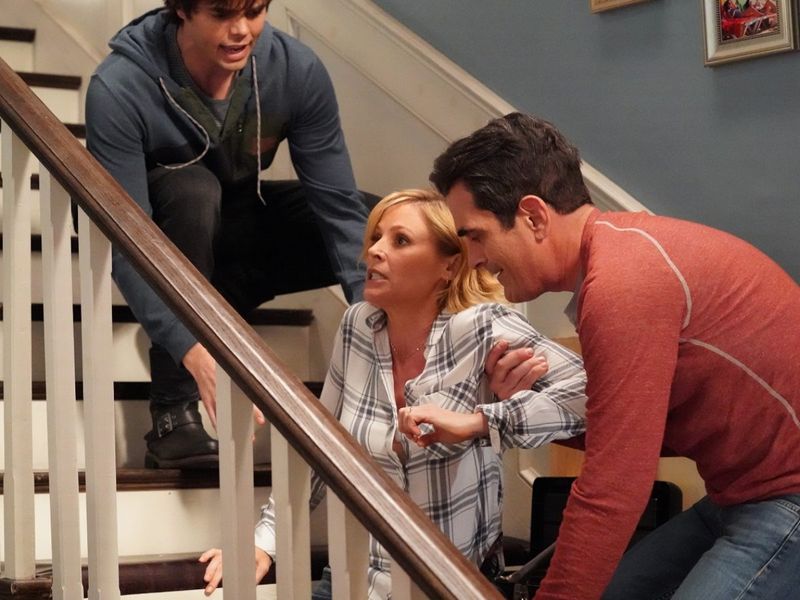
Modern Family built its humor around the chaotic warmth of a blended family, so a broken step that nobody ever fixed seemed like a relatable slice of domestic life. The first few times a Dunphy stumbled on it, it got laughs.
But the gag never evolved. It just repeated the same visual joke without any new spin or payoff.
Fans started wondering why a family with two working parents could never find twenty minutes to fix one step. Repetition without creativity is just noise.
9. Dorothy Hitting Rose with a Newspaper (The Golden Girls)
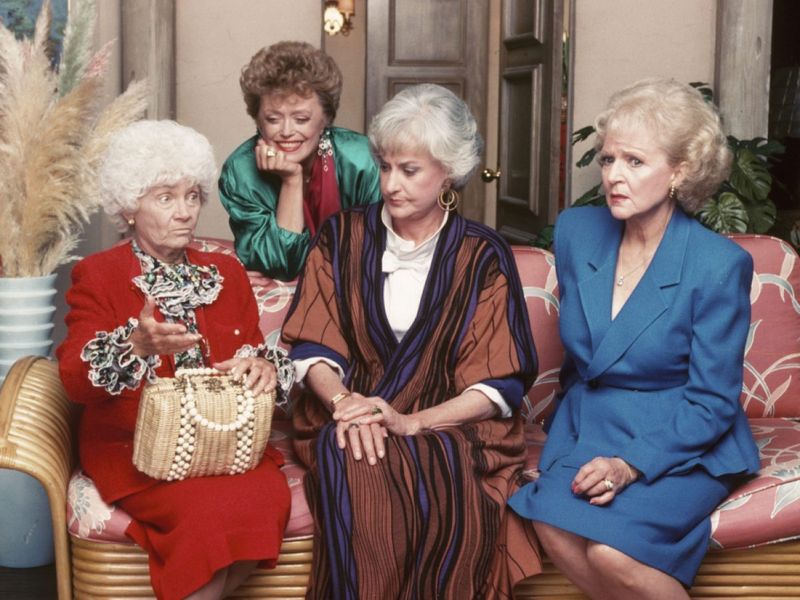
The Golden Girls was sharp, witty, and ahead of its time in many ways. Dorothy Zbornak’s razor tongue was one of the show’s greatest assets, capable of cutting through any situation with perfectly timed sarcasm and intelligence.
So it was puzzling when writers kept returning to the bit of Dorothy physically swatting Rose with a rolled-up newspaper. What was meant to be playful started feeling demeaning, as if Rose were being treated like a misbehaving puppy rather than a grown woman.
The show’s best moments relied on words, not props.
10. Peter Griffin’s Scraped Knee Bit (Family Guy)
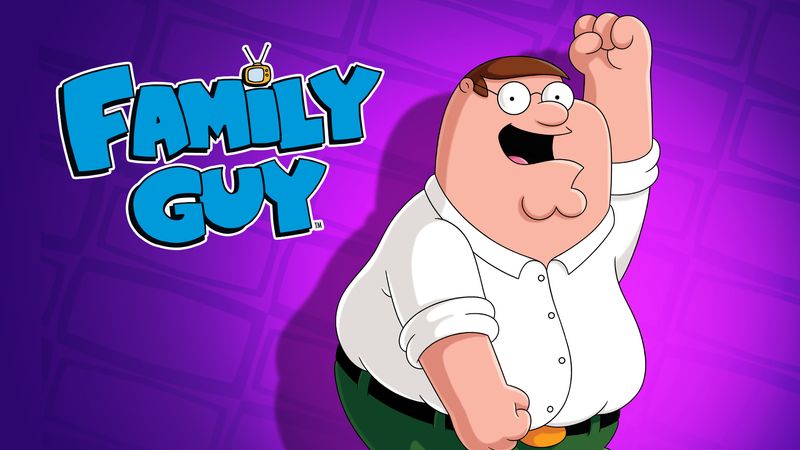
Family Guy has always pushed the limits of how long a joke can run before it stops being funny, and Peter Griffin’s scraped knee routine became the show’s own experiment in audience patience. What began as a random, absurdist Easter egg had a certain charm to it.
Then it kept going. And going.
The extended hissing and knee-clutching wore out its welcome faster than almost any other bit on the show. Fans online openly begged for it to stop.
Absurdist humor works best with a sharp exit, not an overstayed welcome.
11. Alan’s Never-Ending Money Problems (Two and a Half Men)
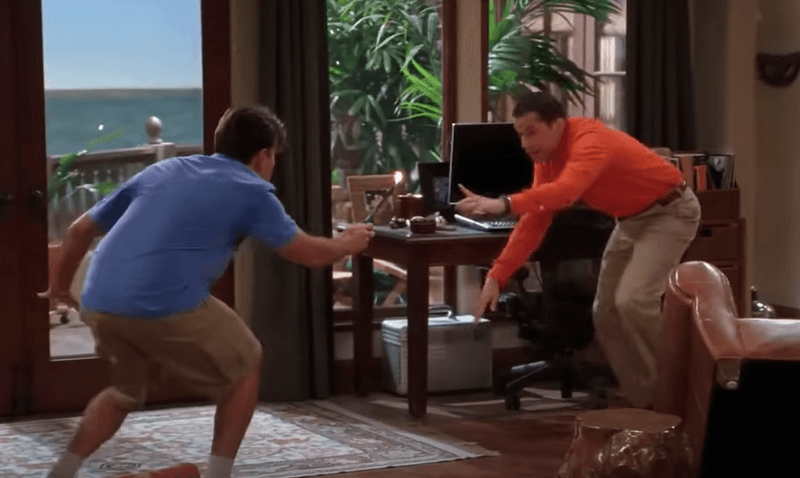
After his divorce, Alan Harper’s financial helplessness made sense as a character starting point. Moving in with your brother after a messy split is something plenty of people can relate to, and early on his money troubles added a grounded, comedic tension to the show.
Seasons later, nothing had changed. Alan was still borrowing money, still mooching, still complaining, with zero sign of growth.
What started as a relatable struggle became an exhausting pity loop. Viewers stopped sympathizing and started wondering why the writers refused to let the character evolve at all.
12. Full House’s Overused Catchphrases
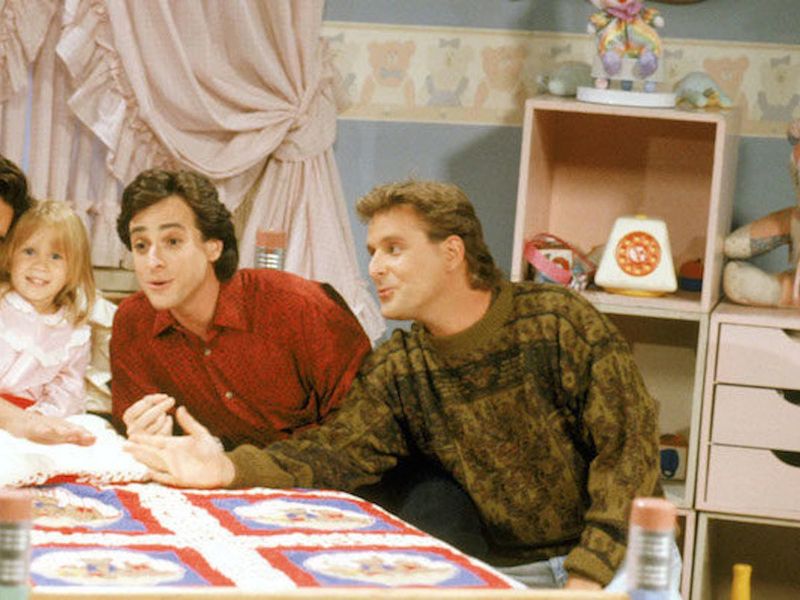
“How rude!” “Have mercy!” “Cut it out!” Full House built a catchphrase empire that became synonymous with the show’s wholesome brand of family comedy. For a while, those lines felt like fun little signatures for each character’s personality.
Eight seasons is a long time to keep repeating the same phrases, though, and even the cast reportedly grew tired of delivering them. What once felt charming started feeling like a performance on autopilot.
Catchphrases work best when they surprise you, not when they arrive right on schedule every single episode.
13. Chandler’s Mystery Job (Friends)
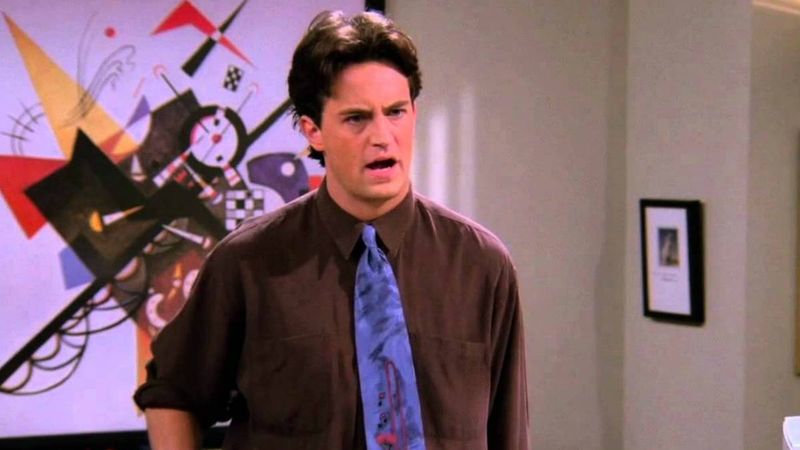
For most of Friends’ run, none of Chandler Bing’s closest friends could name what he actually did for a living. The joke played on how little people pay attention to their friends’ careers, and there was something genuinely funny about it at first.
The problem was that Chandler already struggled with self-worth and confidence throughout the series. Reminding audiences that even his best friends tuned him out felt less like a joke and more like a jab at an already vulnerable character.
Some running gags punch in the wrong direction.
14. Jerry and Newman’s Unexplained Grudge (Seinfeld)
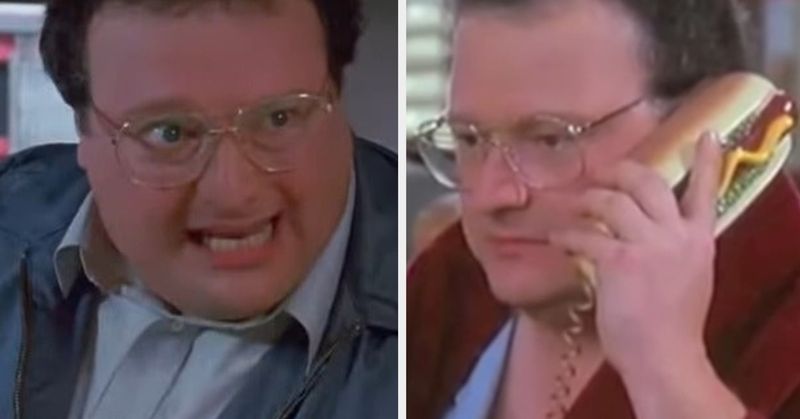
Seinfeld thrived on petty grievances and small-scale social warfare, so the mutual hatred between Jerry Seinfeld and his neighbor Newman fit perfectly into the show’s DNA. Their dramatic exchanges were often hilarious, loaded with theatrical contempt for something neither of them would explain.
That mystery was fun at first, but as the seasons piled up, the lack of any backstory started feeling like a loose thread the writers had simply forgotten. Fans wanted a payoff that never came.
A rivalry needs at least a hint of origin to feel satisfying.
15. Barney’s “Wait for It” (How I Met Your Mother)
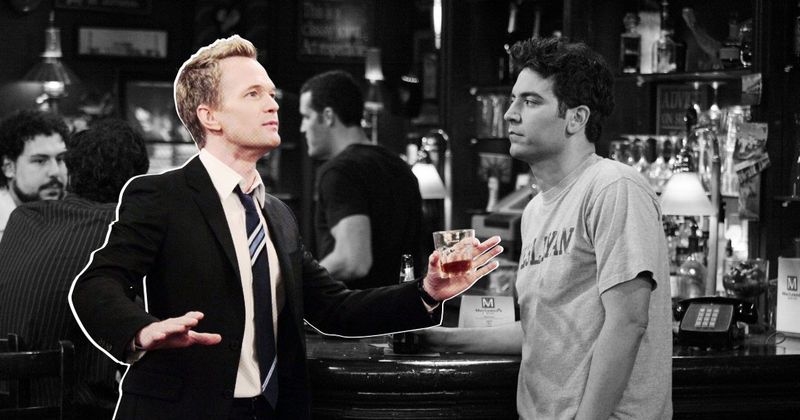
Barney Stinson was one of How I Met Your Mother’s most entertaining characters, full of elaborate schemes and a wardrobe of perfectly fitted suits. His verbal tics and dramatic pauses were part of his charm, and “wait for it” started as a fun extension of that energy.
Repeated enough times, though, the pause stopped feeling suspenseful and started feeling predictable. Viewers knew exactly when it was coming, which drained every last drop of surprise from the punchline.
Comedy lives and dies on timing, and a joke you can set your watch to has already lost the battle.