
Books have the power to open our eyes to experiences we might never live ourselves. African American authors have created some of the most moving, eye-opening, and unforgettable stories in all of literature.
From personal memoirs to sweeping historical novels, these books tackle race, identity, love, and resilience in ways that stay with you long after you finish the last page. Whether you are a lifelong reader or just getting started, these 15 books deserve a spot on your reading list.
1. I Know Why the Caged Bird Sings by Maya Angelou
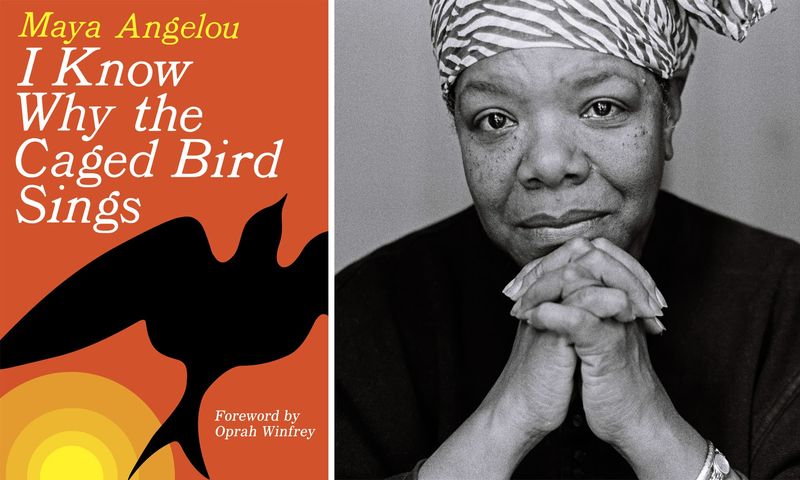
Maya Angelou wrote this autobiography in 1969, and it hit the world like a thunderclap. She shares her childhood growing up in the segregated South, facing hardship, trauma, and racism with quiet courage.
Her writing is so vivid and honest that readers feel every emotion alongside her.
Young Maya’s story is about more than survival. It is about finding your voice when the world tries to silence you.
Few books have ever captured that struggle so beautifully.
2. The Color Purple by Alice Walker
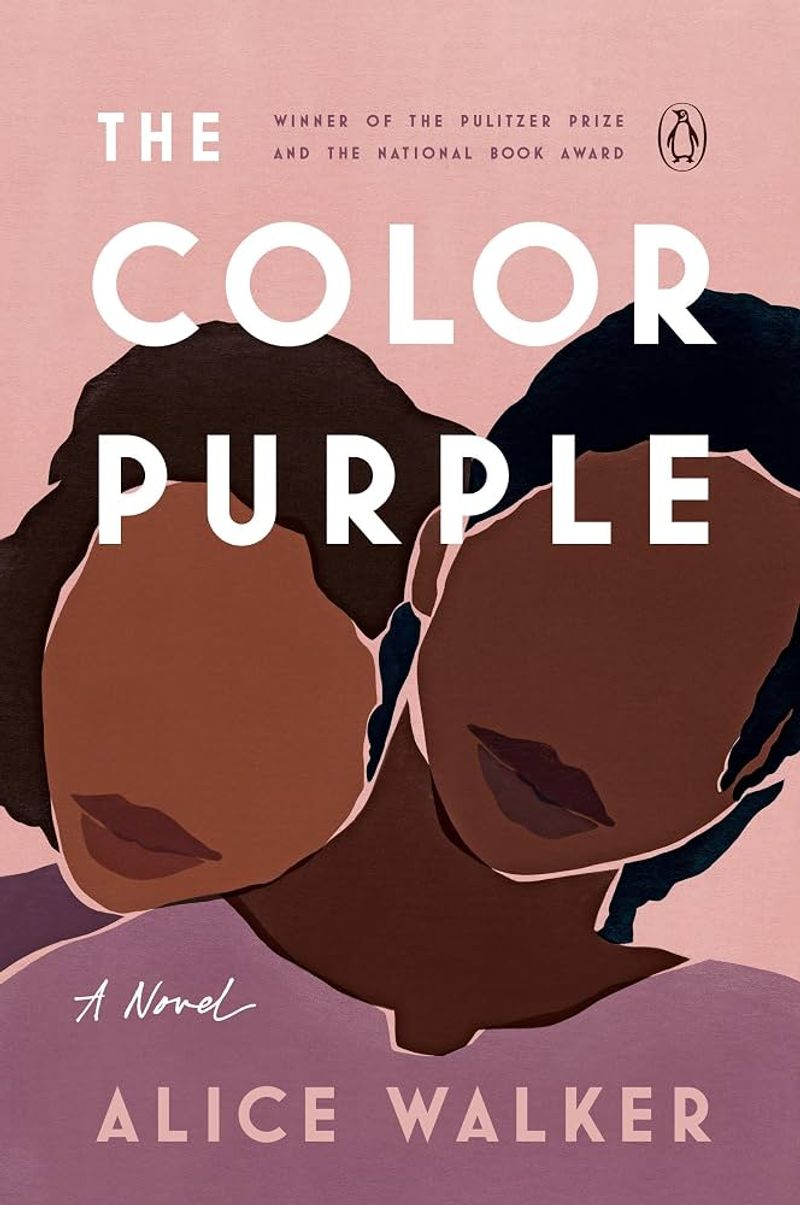
Alice Walker published this unforgettable novel in 1982, and it went on to win both the Pulitzer Prize and the National Book Award. Told through letters written by Celie, a young Black woman in the rural American South, the story explores pain, sisterhood, and the slow road to self-worth.
What makes this book remarkable is how much warmth and hope Walker tucks inside such a difficult story. Celie’s transformation from silence to strength is genuinely inspiring to read.
3. Homegoing by Yaa Gyasi
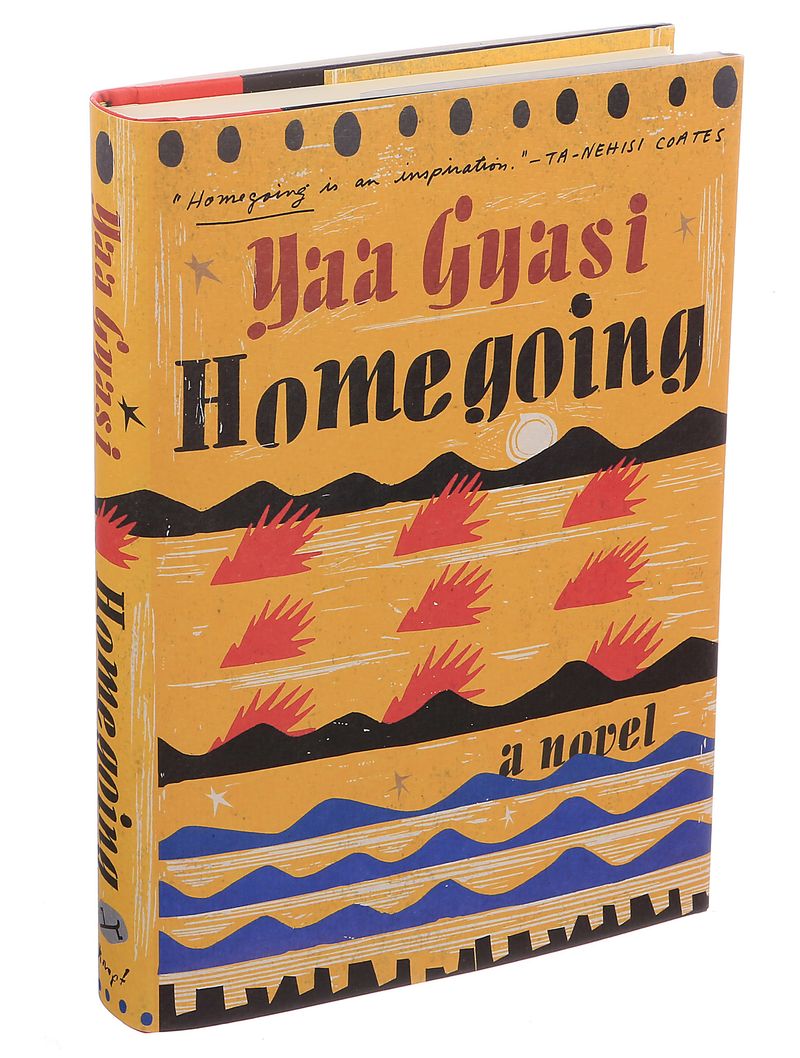
Yaa Gyasi’s debut novel, published in 2016, spans over 300 years and two continents. Starting with two half-sisters in 18th-century Ghana, the story follows their descendants through slavery, colonialism, and modern life.
Each chapter focuses on a new generation, making the book feel like a whole library of stories in one.
Readers often say they finished this book feeling both heartbroken and grateful. It is a stunning reminder of how the past shapes the present in ways we rarely see.
4. Giovanni’s Room by James Baldwin
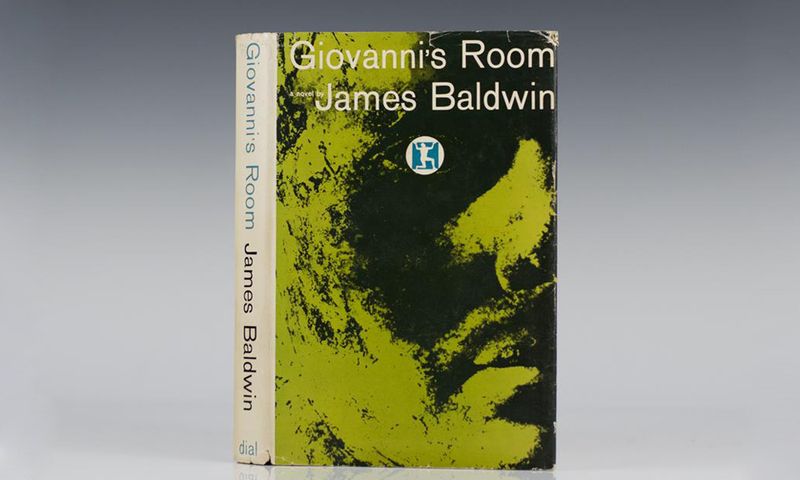
James Baldwin published this bold and quietly devastating novel in 1956, at a time when its themes were considered deeply controversial. Set in Paris, the story follows David, an American man torn between his engagement to a woman and his love for an Italian bartender named Giovanni.
Baldwin’s prose reads like poetry. He captures guilt, desire, and self-deception with a precision that is almost uncomfortable.
This book asks hard questions about honesty and what it costs to deny who you really are.
5. Americanah by Chimamanda Ngozi Adichie
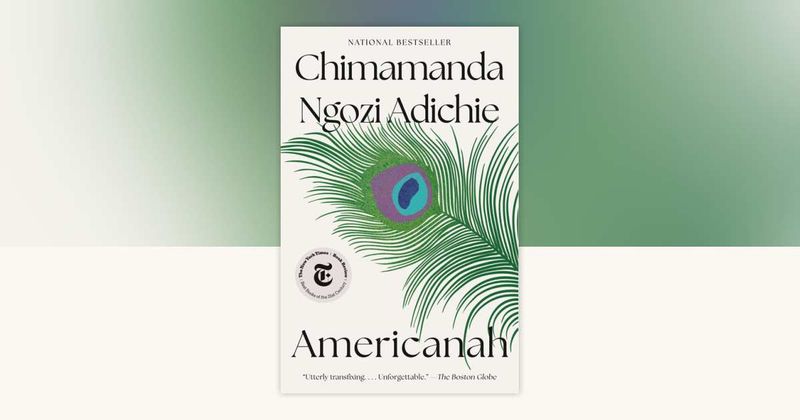
Published in 2013, Chimamanda Ngozi Adichie’s Americanah follows Ifemelu, a young Nigerian woman who moves to the United States for college. Once there, she discovers that race means something very different in America than it did back home.
Her sharp blog posts about being a non-American Black woman become a central part of the story.
Funny, honest, and sometimes painfully real, this novel makes you rethink how race and identity are constructed by the world around us. It is a book that sparks great conversations.
6. The Autobiography of Malcolm X by Malcolm X and Alex Haley
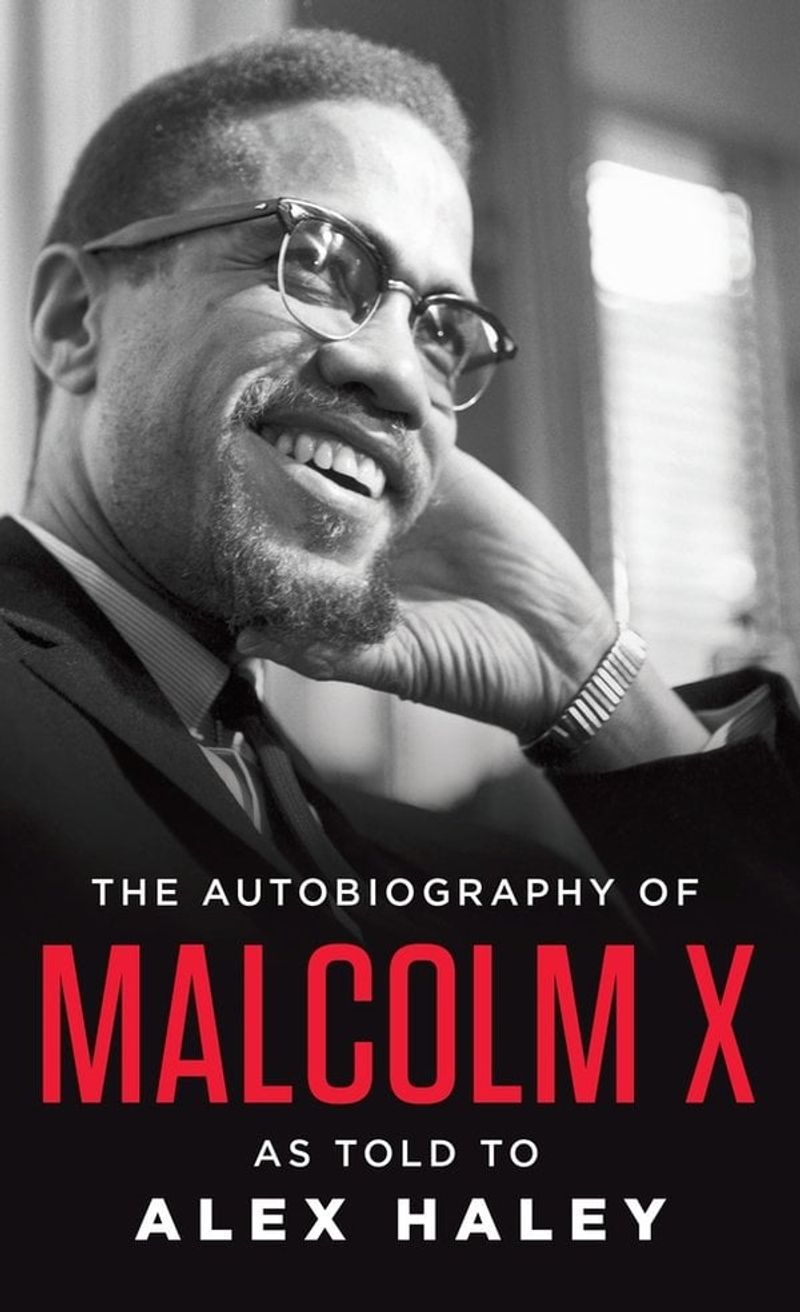
Few memoirs in American history carry as much weight as this one. Published in 1965, just after Malcolm X was assassinated, the book traces his journey from a troubled youth to one of the most influential voices in the Black liberation movement.
Alex Haley helped record and shape his story.
Reading this book feels like sitting across from a man who refused to stop growing. His willingness to challenge his own beliefs, even publicly, makes this autobiography one of the most honest ever written.
7. Between the World and Me by Ta-Nehisi Coates
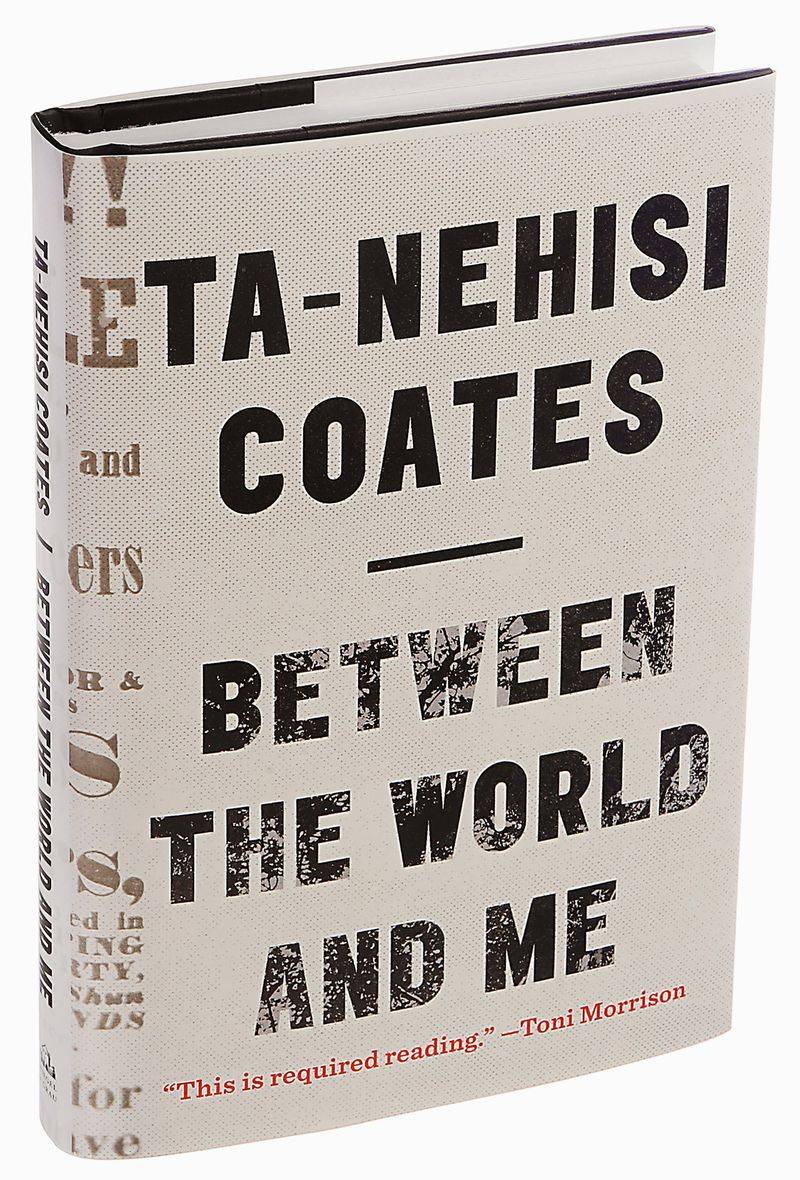
Ta-Nehisi Coates wrote this book as a letter to his teenage son, published in 2015. He reflects on what it means to grow up Black in America, the constant vulnerability of living in a Black body, and the history of violence that has shaped the country.
It is raw, urgent, and deeply personal.
Toni Morrison called it required reading, and it is easy to see why. Coates writes with the kind of clarity that makes you stop and reread whole paragraphs just to let them sink in.
8. Black Boy by Richard Wright
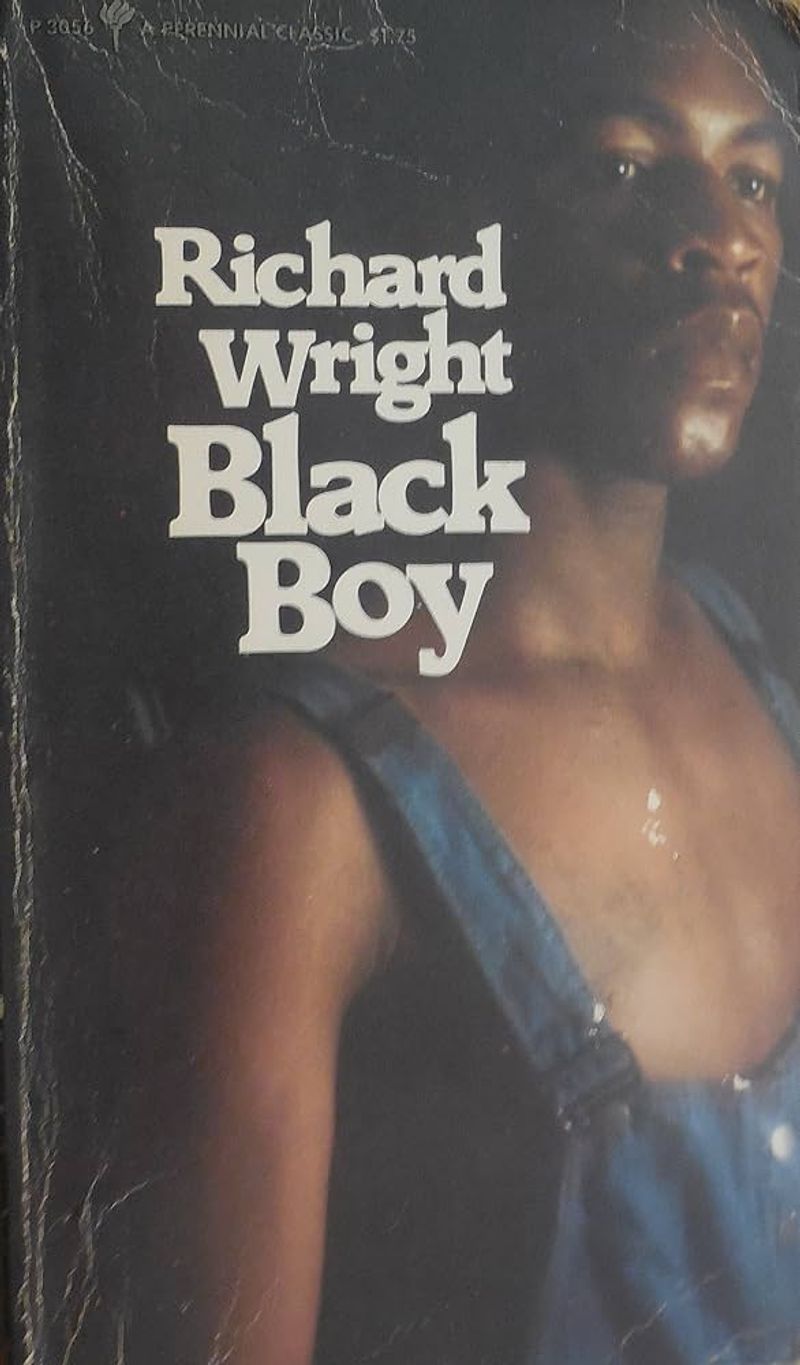
Richard Wright published this autobiography in 1945, and it remains one of the most searing accounts of growing up Black in the Jim Crow South. From hunger and violence to the crushing weight of racial discrimination, Wright holds nothing back.
His writing is blunt and unsparing in the best possible way.
What sets this book apart is Wright’s refusal to soften his anger. He channels it into words that still feel urgent today, nearly 80 years later.
A genuinely essential American story.
9. The Book of Delights by Ross Gay
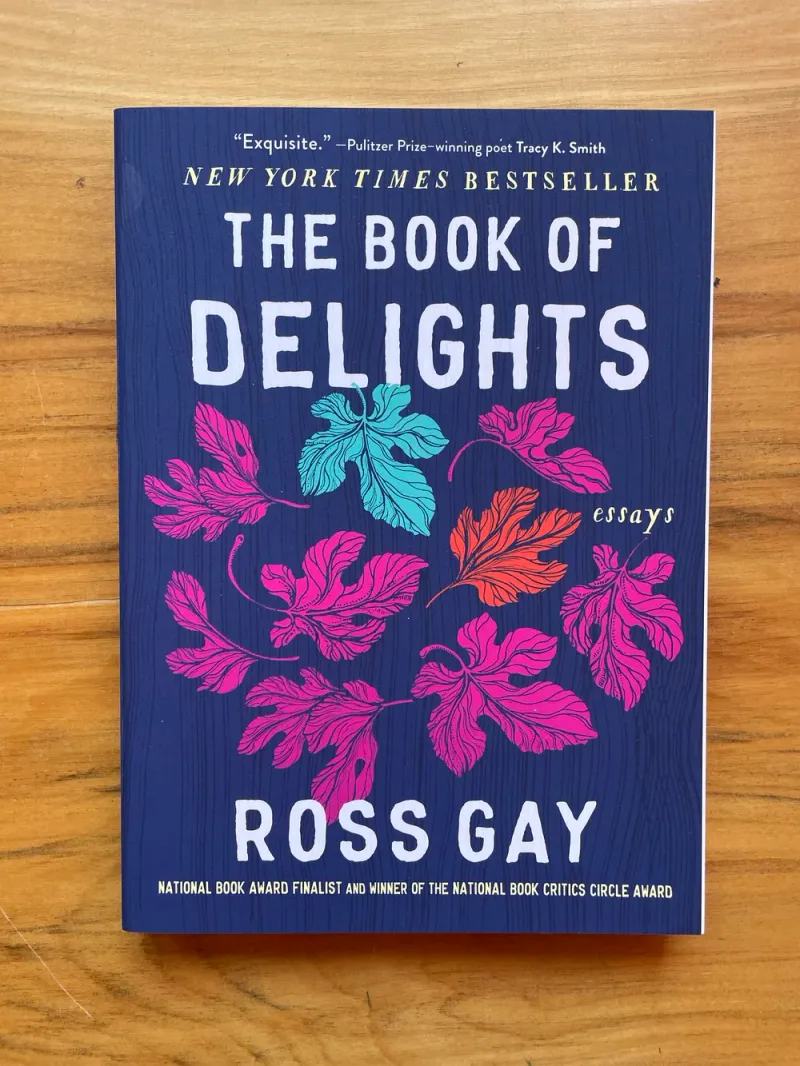
Ross Gay set himself a delightful challenge: write one short essay every day for a year about something that brought him joy. Published in 2019, the result is a collection full of warmth, humor, and surprising depth.
From garden tomatoes to strangers sharing food on airplanes, Gay finds wonder in the smallest moments.
Reading this book feels like a gentle reminder to slow down and notice your life. Gay’s voice is so warm and curious that you finish each essay wishing it were longer.
10. On Beauty by Zadie Smith
Zadie Smith published this campus novel in 2005, inspired loosely by E.M. Forster’s ‘Howards End.’ The story follows two rival academic families, the Belseys and the Kipps, as their lives become entangled through marriage, friendship, and conflict.
Race, class, and politics simmer underneath every interaction.
Smith writes with a wit that keeps the pages turning even as she tackles seriously big ideas. Her characters feel wonderfully messy and human, which makes their mistakes all the more recognizable and worth thinking about.
11. The Prophets by Robert Jones Jr.
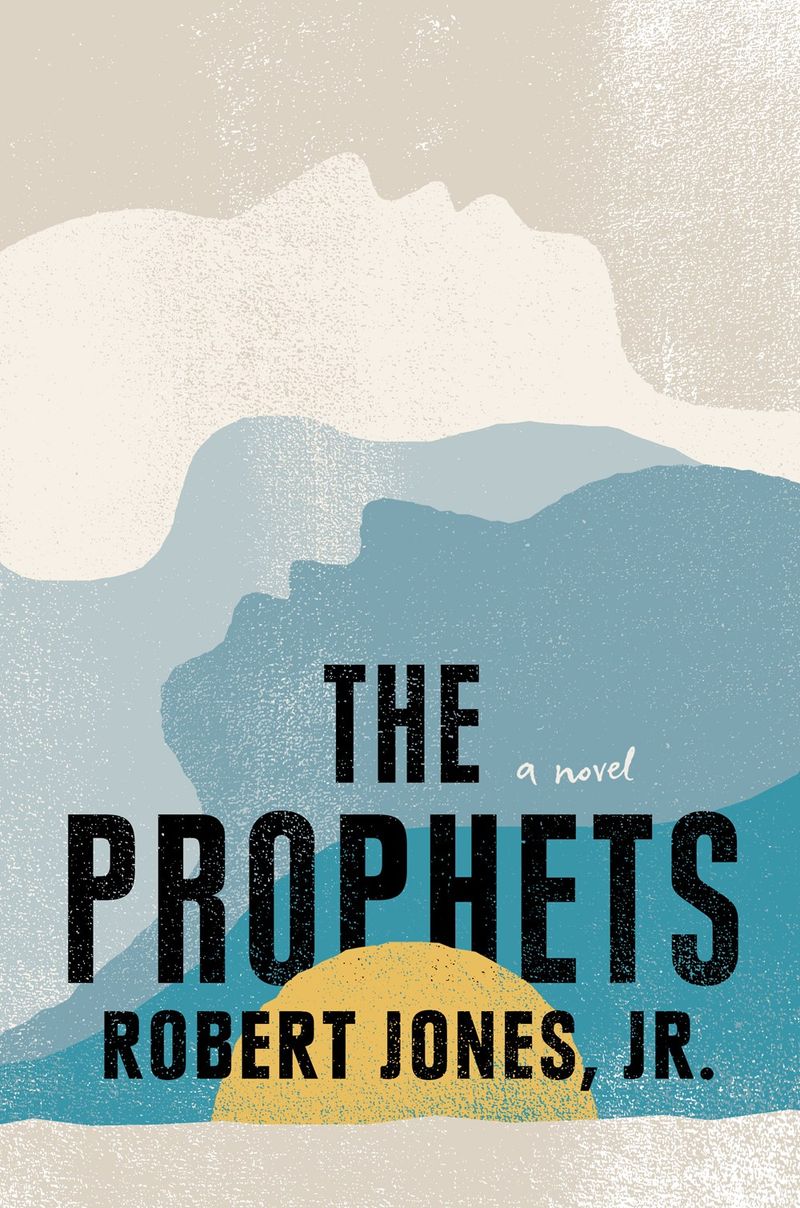
Robert Jones Jr.’s debut novel, published in 2021, is unlike anything else on this list. Set on a Mississippi plantation before the Civil War, it tells the story of Samuel and Isaiah, two enslaved men who find love and refuge with each other.
The writing is lyrical, almost biblical, and deeply moving.
Jones explores how love can survive even in the most brutal conditions. The novel also examines how oppression turns people against each other, making it both heartbreaking and thought-provoking from beginning to end.
12. Emergent Strategy by Adrienne Maree Brown
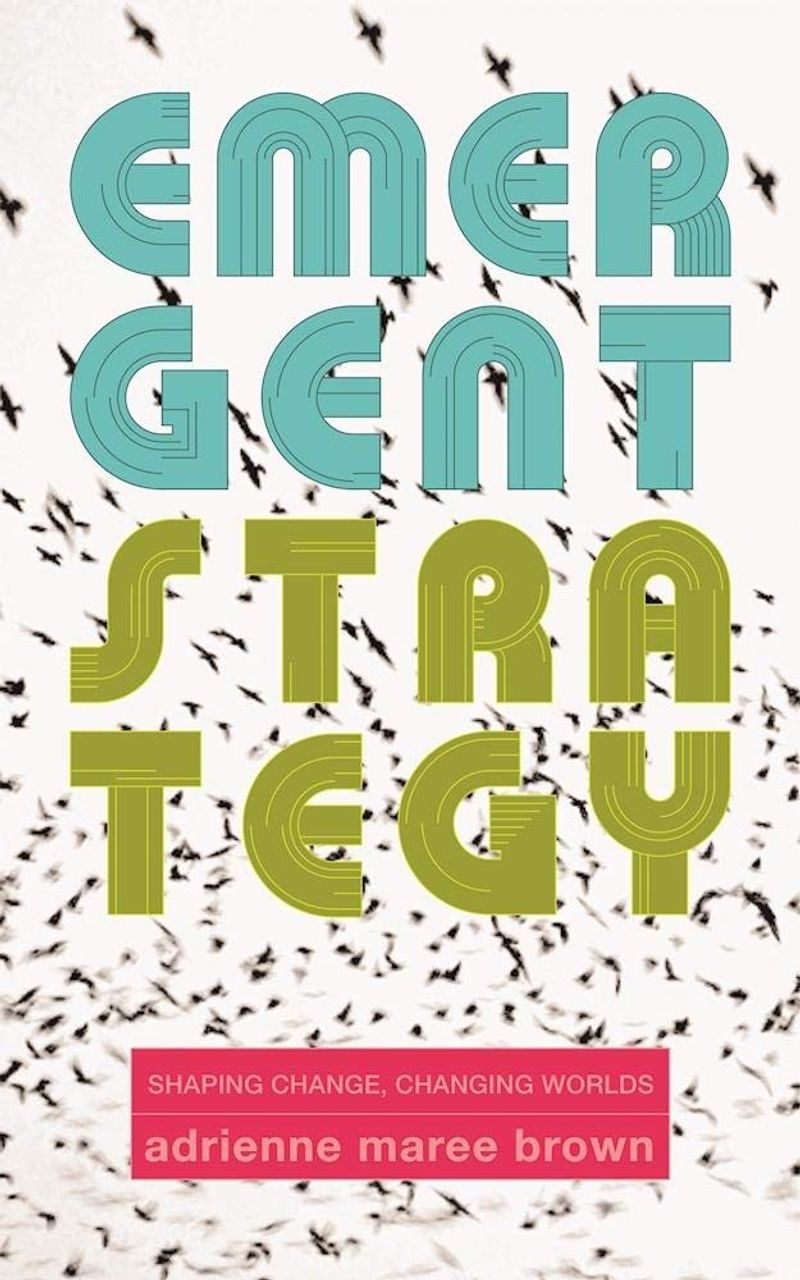
Adrienne Maree Brown wrote this creative and unconventional guide in 2017, drawing inspiration from science fiction writer Octavia Butler. The book argues that nature already holds the blueprint for building better communities and movements.
Starlings flocking together, mycelium networks underground, even ant colonies all become lessons in collective change.
Part self-help, part political theory, and part love letter to possibility, this book challenges readers to think differently about leadership and community. It is genuinely refreshing and unlike any other guide to social change.
13. Black Liturgies by Cole Arthur Riley
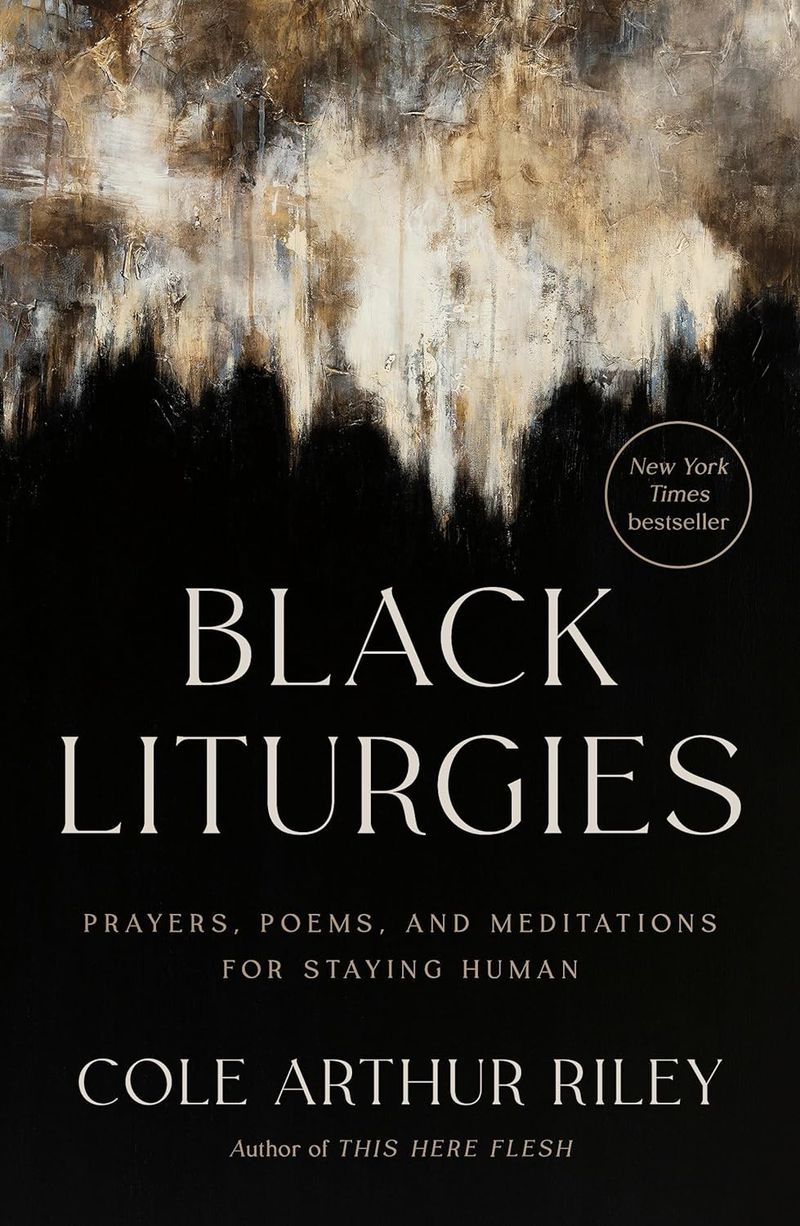
Cole Arthur Riley created something rare and tender with this collection. Published as a companion to her earlier work, ‘Black Liturgies’ brings together prayers, poems, and meditations centered on the Black experience and the search for spiritual wholeness.
Each page feels like a moment of quiet in a noisy world.
Riley writes with both gentleness and courage, addressing pain, grief, and beauty without flinching. For readers looking for something that feeds both the mind and the spirit, this book offers genuine comfort and reflection.
14. Half of a Yellow Sun by Chimamanda Ngozi Adichie
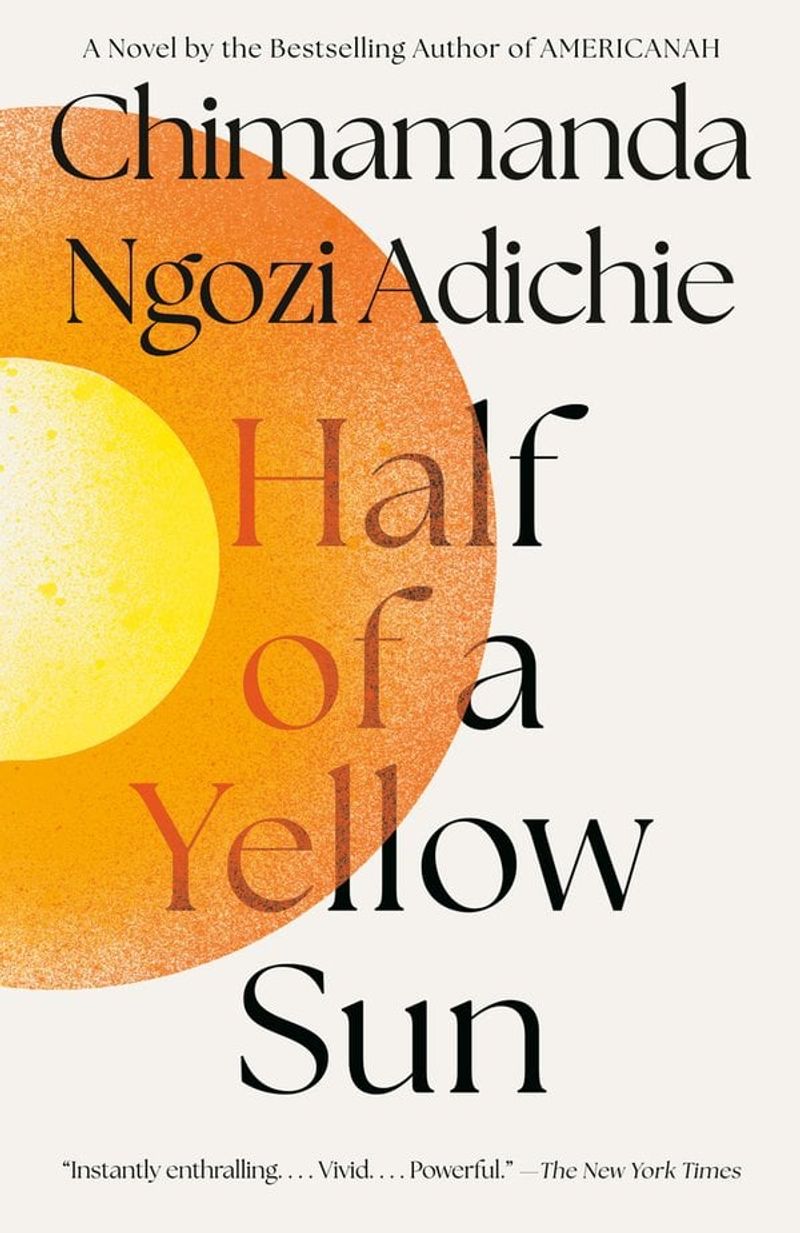
Set during the devastating Nigerian Civil War of the late 1960s, this 2006 novel follows several characters whose lives are forever changed by conflict. Adichie weaves together their stories with incredible precision, making the politics feel personal and the personal feel historic.
A young houseboy, twin sisters, and a British writer all share the stage.
Adichie spent years researching this period to get every detail right. The result is a novel that honors the memory of the Biafran War while telling a story full of love, loss, and resilience.
15. The Black Jacobins by C.L.R. James
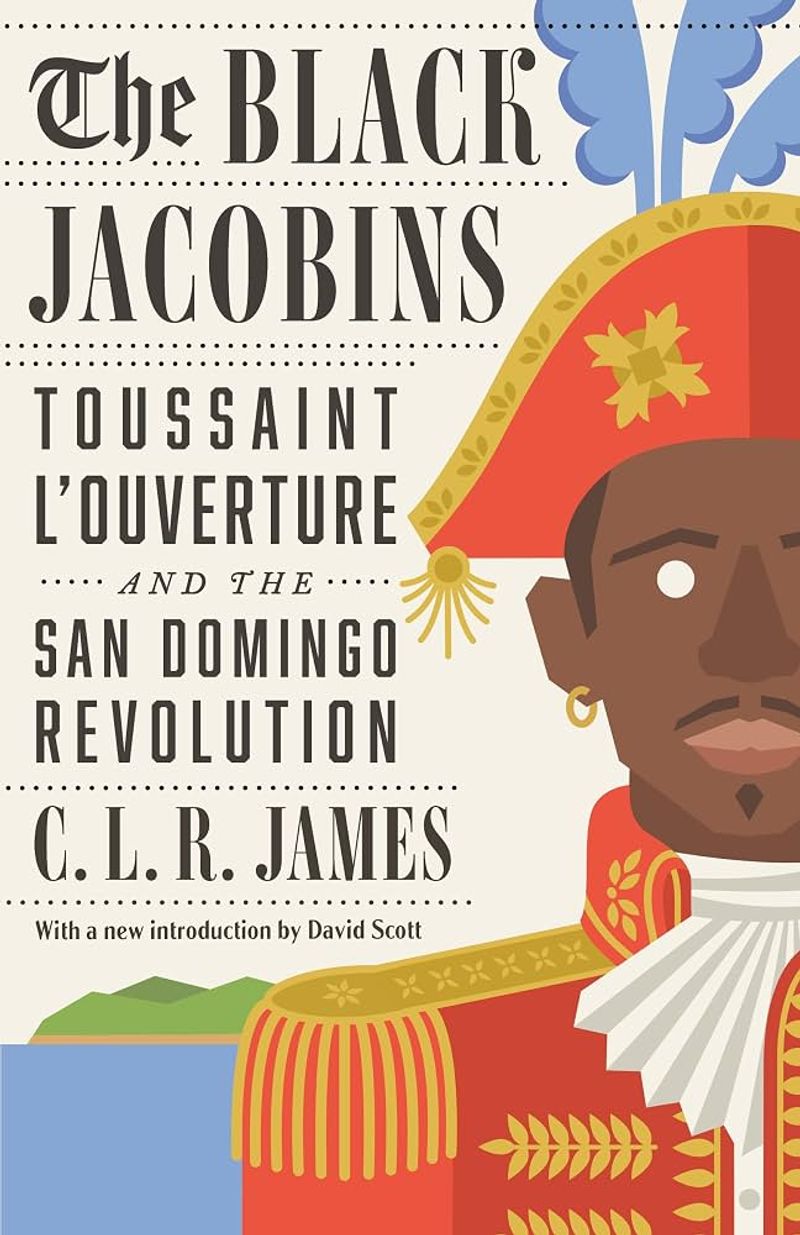
Originally published in 1938, this book remains the definitive account of the Haitian Revolution, the only successful slave revolt in history that led to the founding of a nation. C.L.R.
James writes with the precision of a historian and the passion of a storyteller, centering the brilliance of Toussaint L’Ouverture throughout.
What makes this book extraordinary is how James connects the Haitian Revolution to broader struggles for freedom around the world. Nearly 90 years after publication, its arguments about power and liberation still resonate loudly.