
The 1970s were a wild, colorful, and fascinating decade filled with habits and products that felt completely normal at the time. From dialing a rotary phone to melting cheese in a fondue pot, everyday life looked very different back then.
Many of these things have quietly disappeared from our daily routines, replaced by newer technology and changing tastes. Take a look back at 15 once-common 1970s habits and products that are rarely seen anymore.
1. Rotary Phones
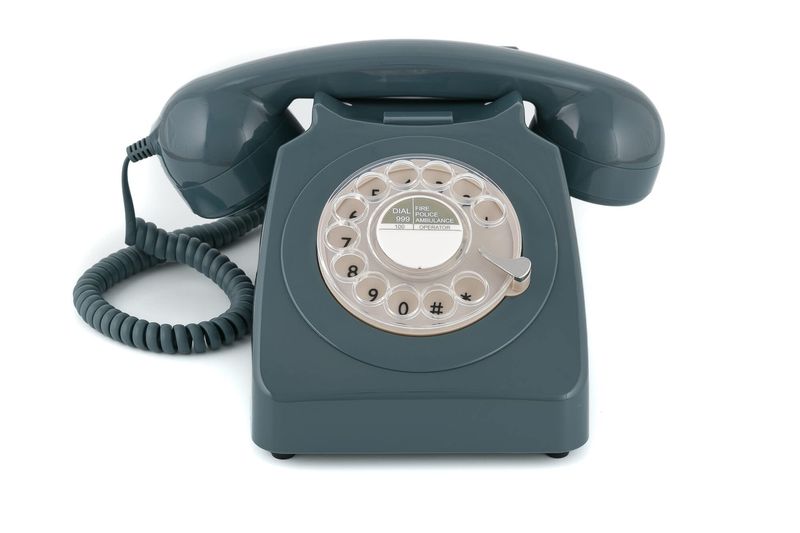
Pick up a rotary phone today and you might not even know what to do with it. Back in the 1970s, though, every household had one.
You dialed each number by sticking your finger in a hole and spinning the dial around, then waited for it to return before dialing the next digit.
Rotary phones stuck around well into the 1990s because they were cheaper than touch-tone models. Today, modern phone systems do not fully support them, and most people only see them as quirky vintage decorations.
2. 8-Track Players
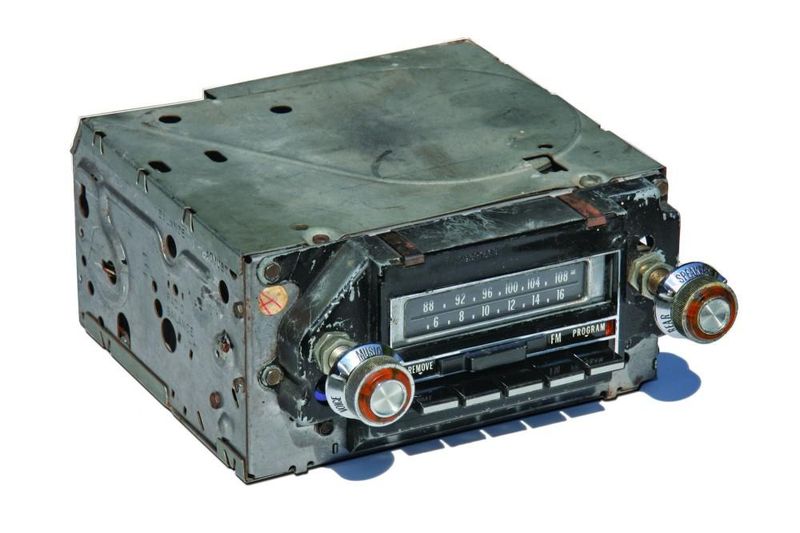
Imagine your music suddenly cutting out mid-song and jumping to the next track with a loud clunk. That was life with an 8-track player, and somehow people loved it anyway.
From the mid-1960s through the early 1980s, these bulky cartridges were the go-to way to listen to music in cars and living rooms.
The tapes were known for breaking, stretching, and tangling at the worst moments. By 1982, stores stopped selling them, and cassette tapes took over completely.
3. Typewriters as the Primary Writing Tool
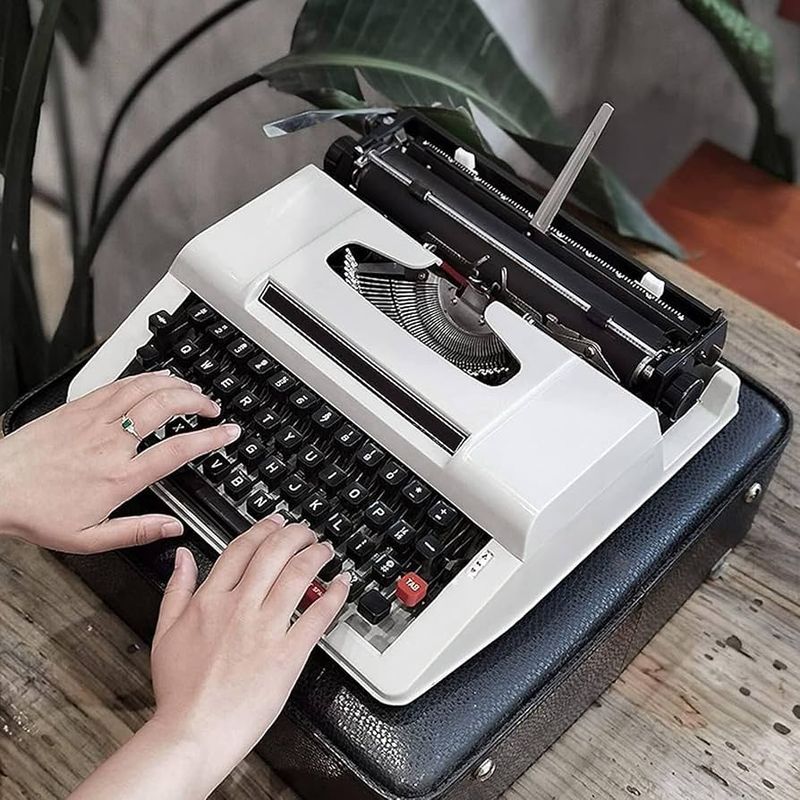
There was something satisfying about the loud clack of typewriter keys filling a quiet room. Schools, offices, and homes all relied on typewriters as their main writing tool for decades.
Every mistake meant reaching for correction fluid or retyping an entire page from scratch.
Personal computers began replacing typewriters in the 1980s and 1990s, making them nearly obsolete by the early 2000s. Interestingly, typewriters are making a small comeback among writers who love their distraction-free, tactile experience.
4. Smoking Indoors in Public Places
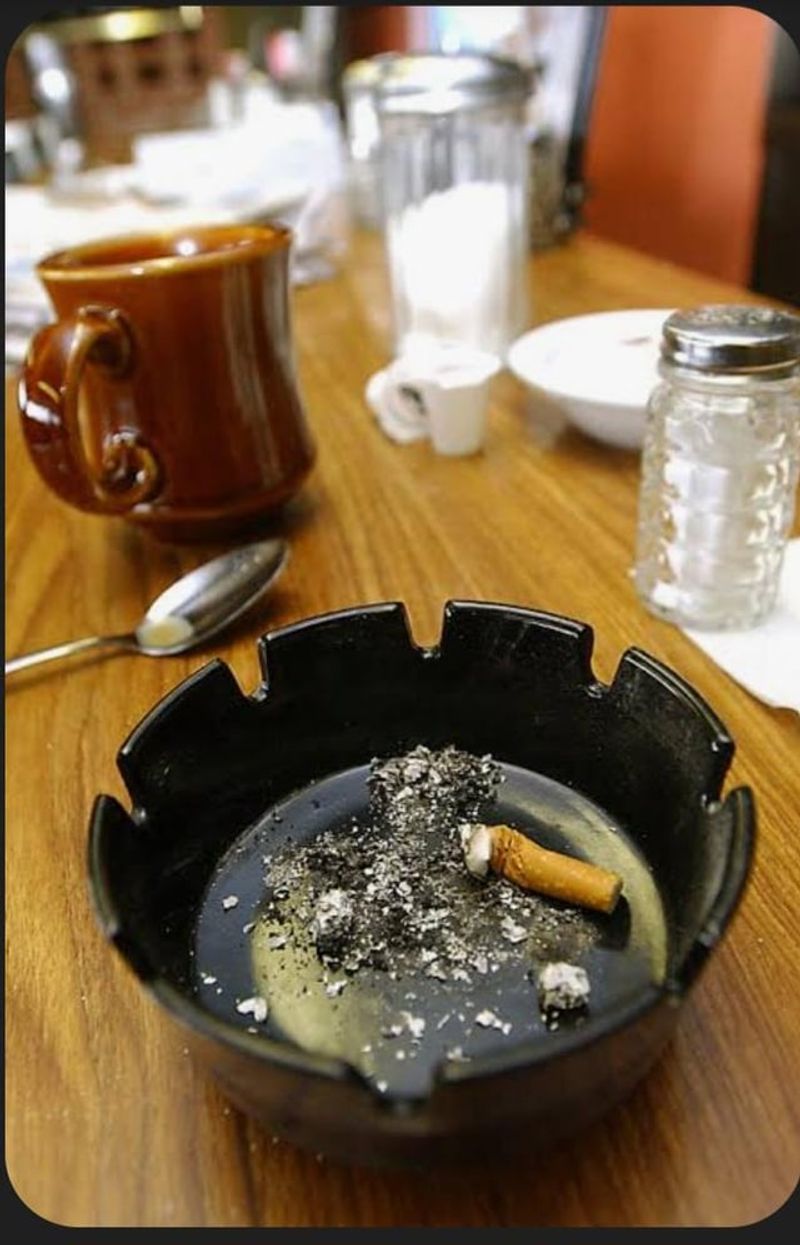
Hard to believe now, but in the 1970s you could light up a cigarette almost anywhere indoors without a second thought. Restaurants, airplanes, doctor offices, and even schools had ashtrays sitting right out in the open.
Nonsmokers simply had to breathe it in and deal with it.
The nonsmokers rights movement began pushing back in the mid-1970s, with Arizona and Minnesota passing early restrictions in 1973 and 1975. Comprehensive indoor smoking bans became widespread by the late 1990s and early 2000s.
5. Fondue Sets
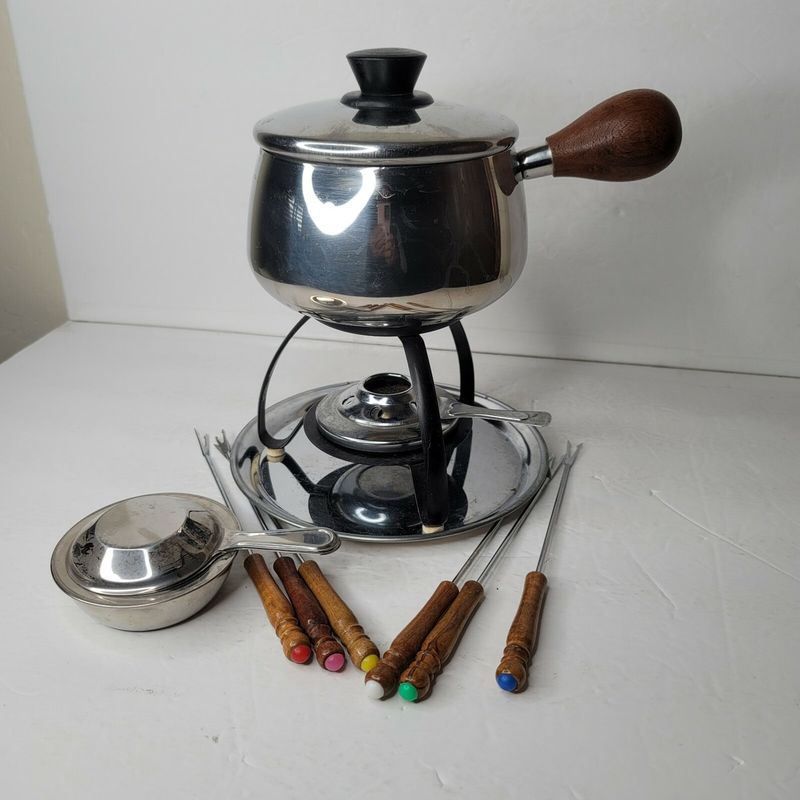
Nothing said “fancy dinner party” in the 1970s quite like pulling out the fondue set. Couples received them as wedding gifts so often that they became a household staple across America.
Guests would gather around a bubbling pot of melted cheese or chocolate, dipping bread and fruit on long forks.
Fondue eventually fell out of fashion as tastes changed, but it never fully disappeared. Fondue sets are still sold today, and plenty of families still bring them out for special celebrations.
6. Harvest Gold and Avocado Green Appliances
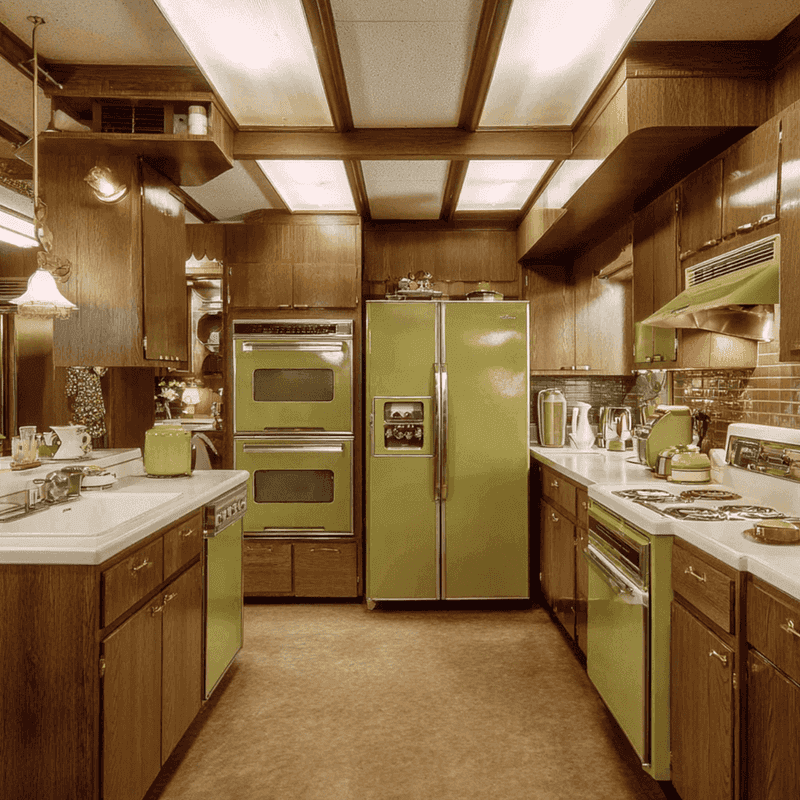
Walk into any American kitchen in the 1970s and you were likely greeted by the sight of earthy avocado green or harvest gold appliances. Manufacturers like GE introduced these bold earthy colors in the late 1960s, and they quickly took over kitchens everywhere.
Refrigerators, ovens, and even toasters came in these shades.
By the 1990s, homeowners grew tired of the look and switched to stainless steel. Surprisingly, retro-inspired colorful appliances are now trending again, with deep greens and mustard yellows making a stylish return.
7. TV Dinner Trays
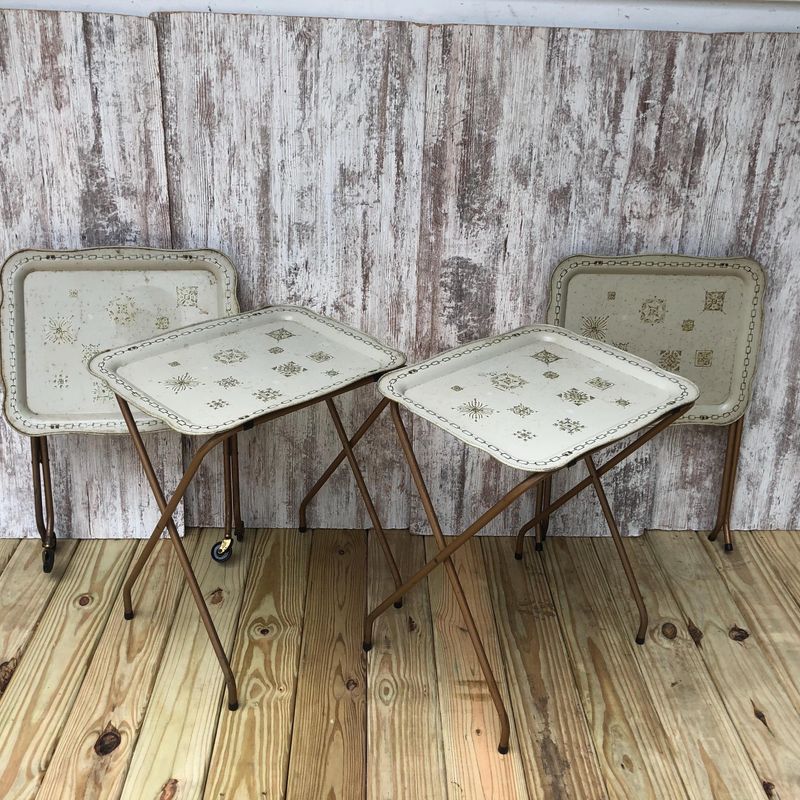
Eating dinner in front of the television used to require one essential piece of furniture: the TV dinner tray. These folding metal tables popped up in living rooms across America starting in the 1950s and were everywhere by the 1970s.
They were the perfect companion for frozen TV dinners and Saturday night movies.
Modern versions are now made from wood and plastic, and people use them for laptops and crafts too. Some brands even market them as nostalgic retro pieces for collectors.
8. Tupperware Parties
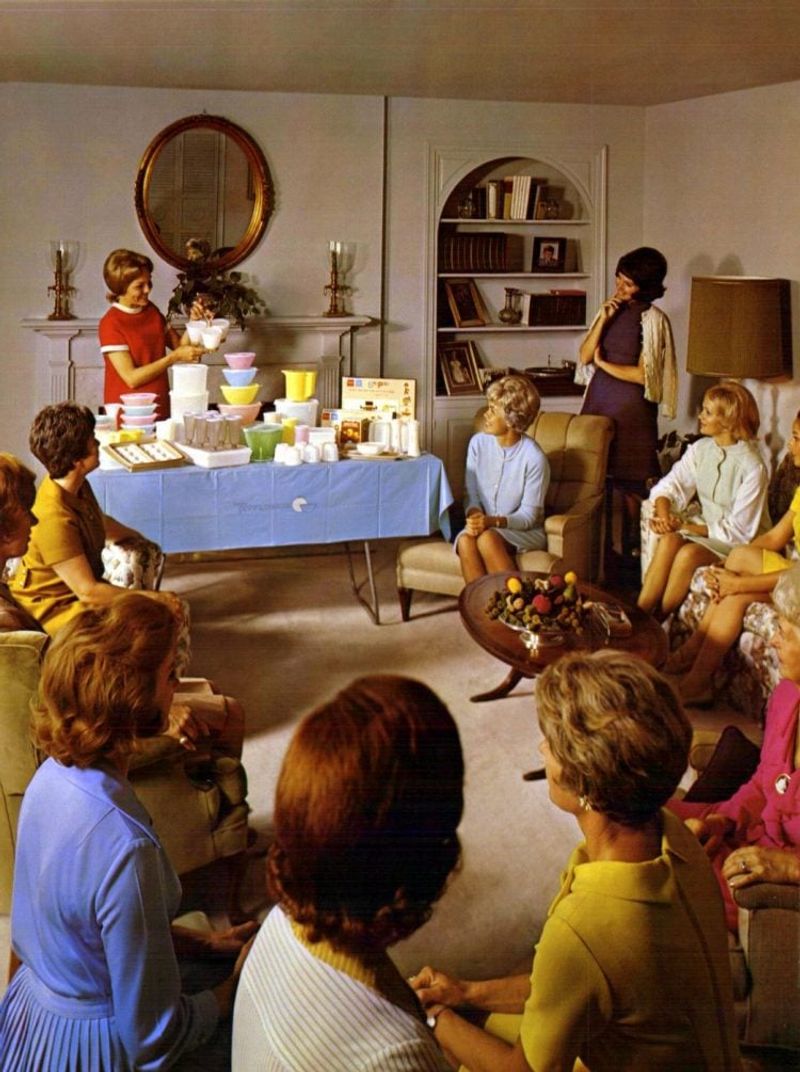
Long before online shopping existed, Tupperware parties were how millions of American women shopped for plastic storage containers. A neighbor would host a gathering, a consultant would demonstrate the products, and everyone would place orders over coffee and snacks.
It was part shopping trip, part social event.
The model gave many women a real entrepreneurial opportunity during an era when options were limited. Today, big-box stores and online retail have largely replaced the home party format, though virtual Tupperware events still happen.
9. Physical TV Guides
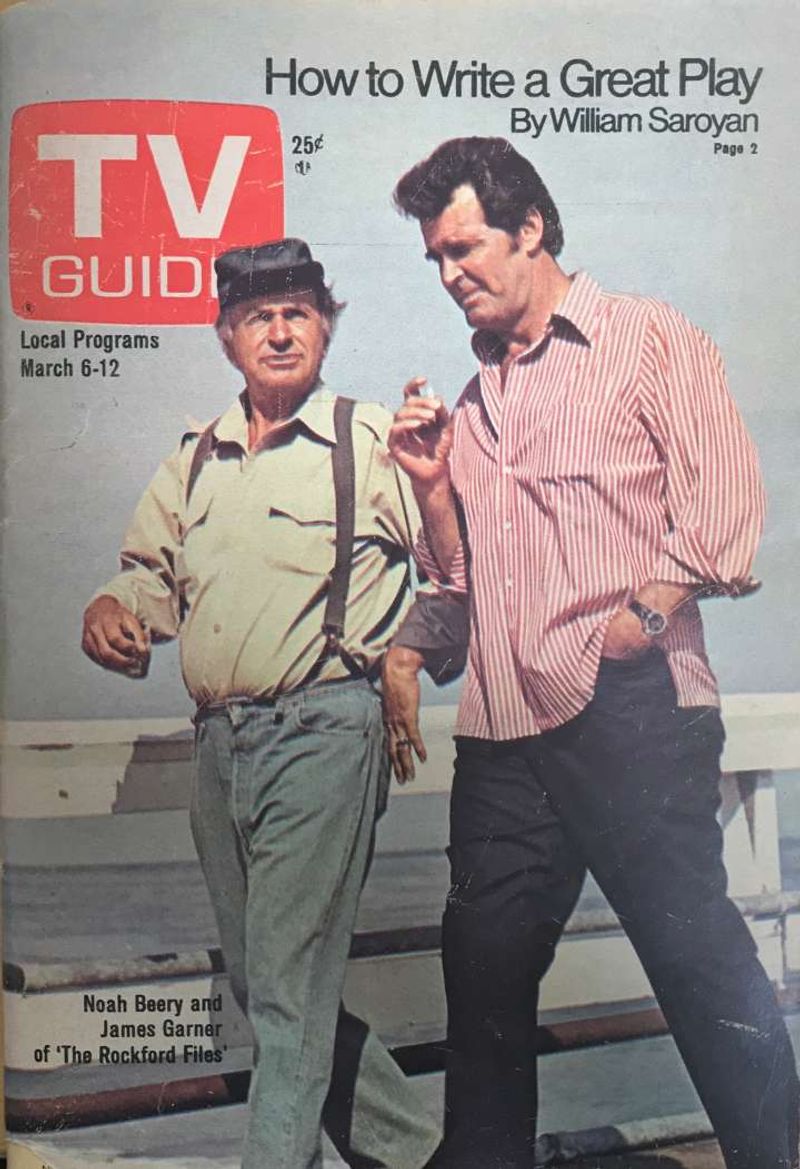
Before on-screen menus existed, flipping through a TV Guide was how you figured out what was on television. The small magazine, founded in 1953, was a weekly ritual in millions of households.
Families would circle their favorite shows and plan their evenings around the printed schedule.
Today, a print version of TV Guide Magazine still technically exists as a biweekly publication. However, on-screen program guides, streaming apps, and digital cable menus have completely taken over as the go-to way to find what is playing.
10. Drive-In Movie Theaters
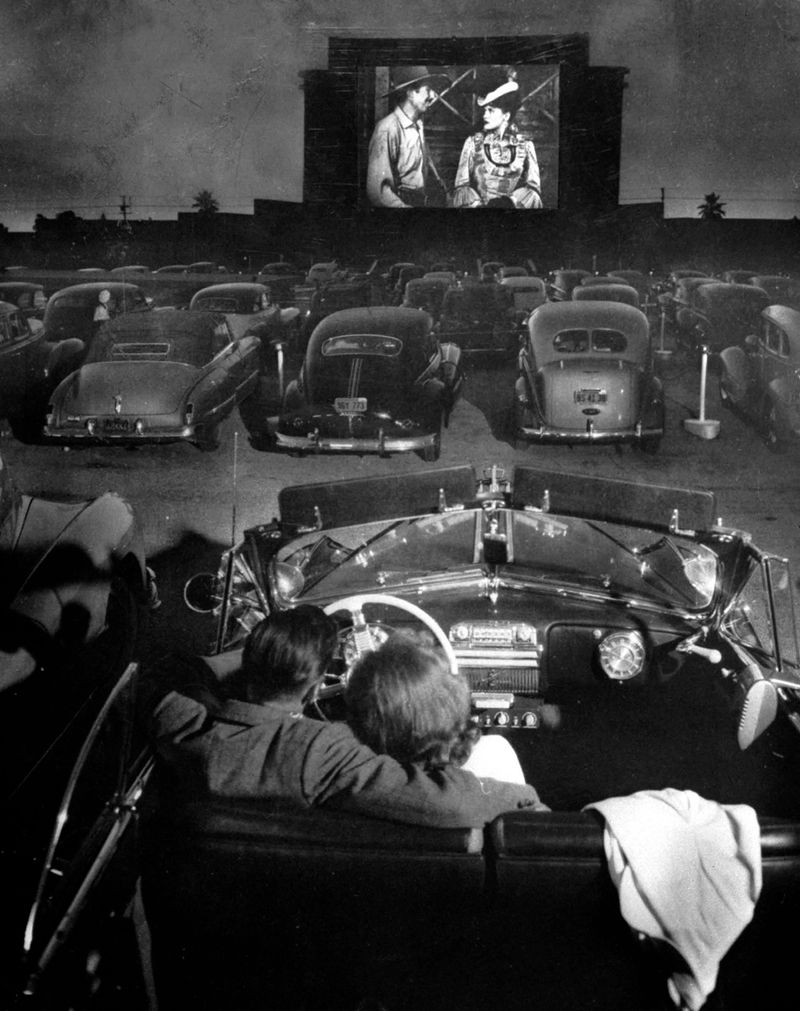
At their peak, more than 4,000 drive-in movie theaters were operating across the United States, making them one of the most popular forms of family entertainment. The 1970s began to chip away at their dominance, thanks to the oil crisis making long car trips less appealing and the rise of the VCR bringing movies home.
Today, only around 300 drive-ins remain open in the U.S. They got a surprising boost during the COVID-19 pandemic, when people rediscovered them as a safe, socially distanced night out.
11. Waterbeds
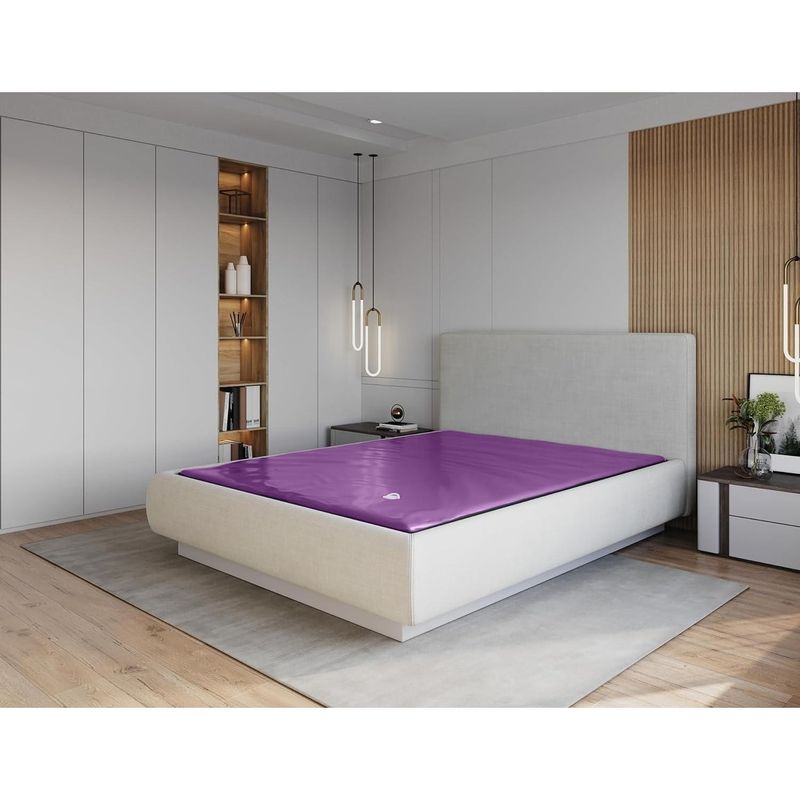
Waterbeds were the ultimate symbol of cool in the 1970s and 1980s. Originally tied to counterculture and a sense of luxury, they eventually went mainstream and by 1987 made up nearly 20 to 22 percent of all mattress sales in the United States.
Sleeping on a gently sloshing mattress felt futuristic and fun.
Maintenance problems like leaks, weight, and heater failures eventually turned people away. Memory foam mattresses offered a more practical alternative, though modern softside waterbeds with waveless technology are still sold today.
12. Macrame Home Decor
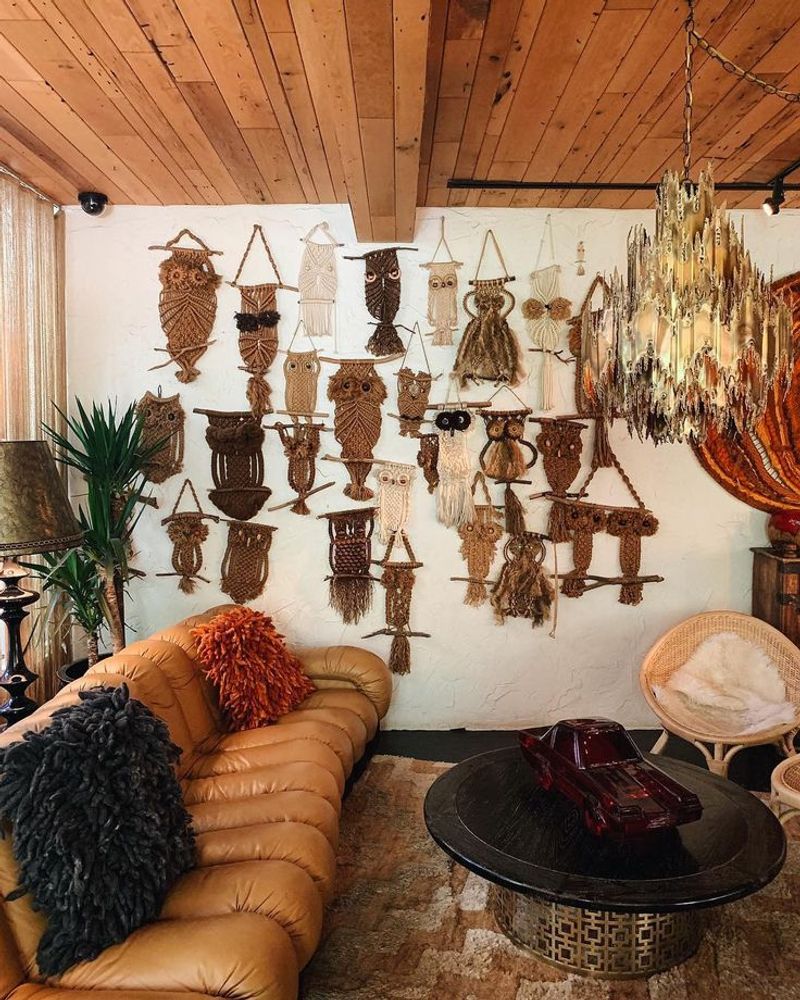
Knotted rope wall hangings, plant holders, and fringed curtains were everywhere in 1970s homes, and macrame was the craft behind all of them. This textile art form became a defining feature of the decade’s hippie and bohemian aesthetic.
Owl-shaped wall art made from knotted fibers was practically required decor in every cool apartment.
By the 1980s, macrame felt dated and a bit kitschy. But over the last decade it has made a powerful comeback, now celebrated in boho-chic interiors for its texture and handmade warmth.
13. Landline Phones as the Only Household Phone
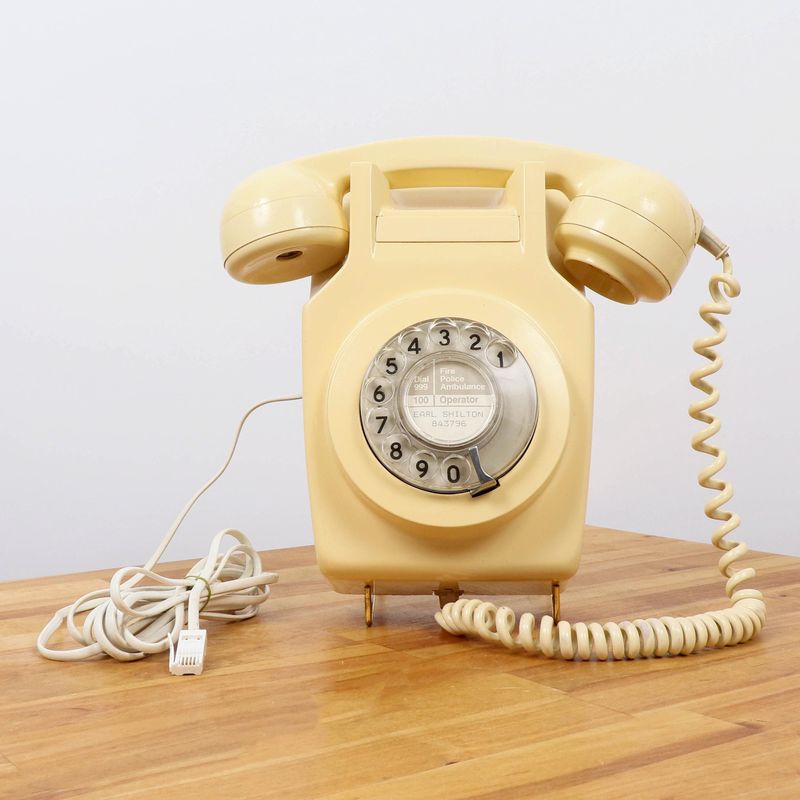
Back in the 1970s, the landline phone was not just your primary communication tool, it was your only one. Over 90 percent of American households had a landline by the late 1970s, and missing a call meant missing it entirely since answering machines were not yet widespread.
There was no texting, no voicemail, no second chances.
Mobile phones arrived in 1973 but were enormous and expensive. Today, about 78 percent of U.S. households are wireless-only, and barely over one percent of adults rely solely on a landline.
14. Sears Catalog as a Major Shopping Source
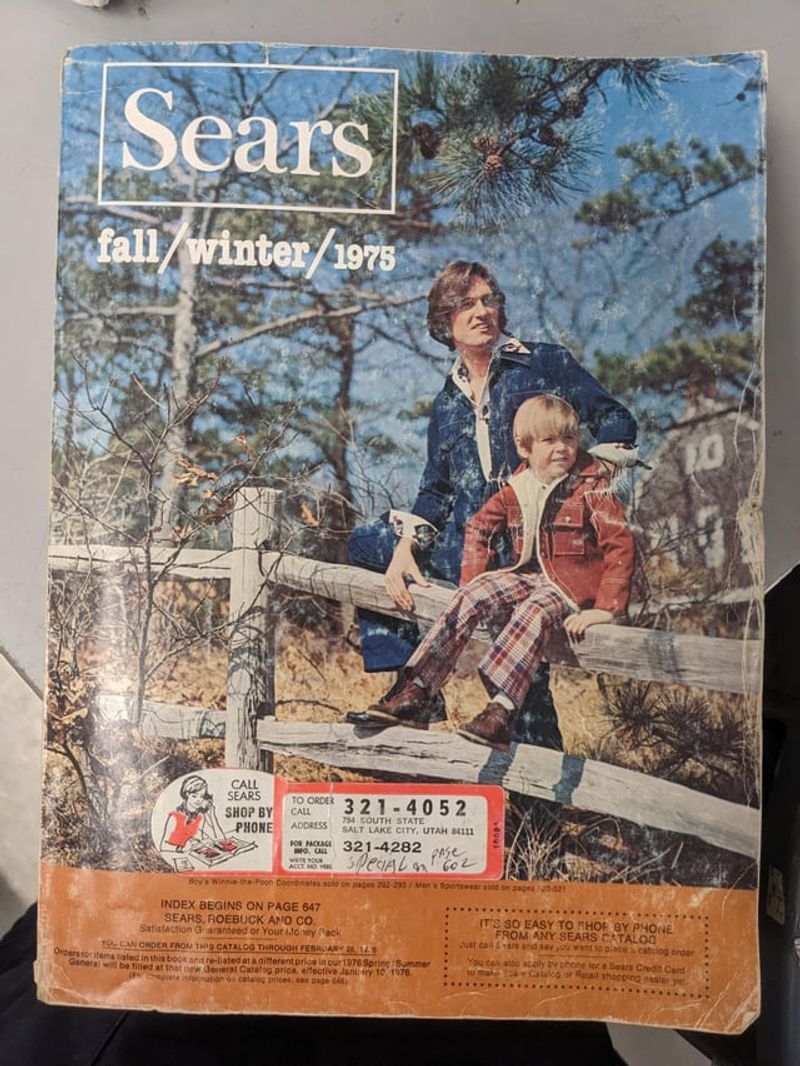
For families across America, especially those in rural areas, the Sears catalog was basically Amazon before the internet existed. By the 1970s, Sears was the largest retailer in the world, and its massive catalog offered everything from clothing and furniture to appliances and toys.
Kids would dog-ear the toy pages for weeks before the holidays.
The internet and e-commerce gradually made the catalog irrelevant. Sears eventually filed for bankruptcy, and those old thick catalogs are now sought-after collectible pieces of American retail history.
15. Encyclopedia Sets in Homes
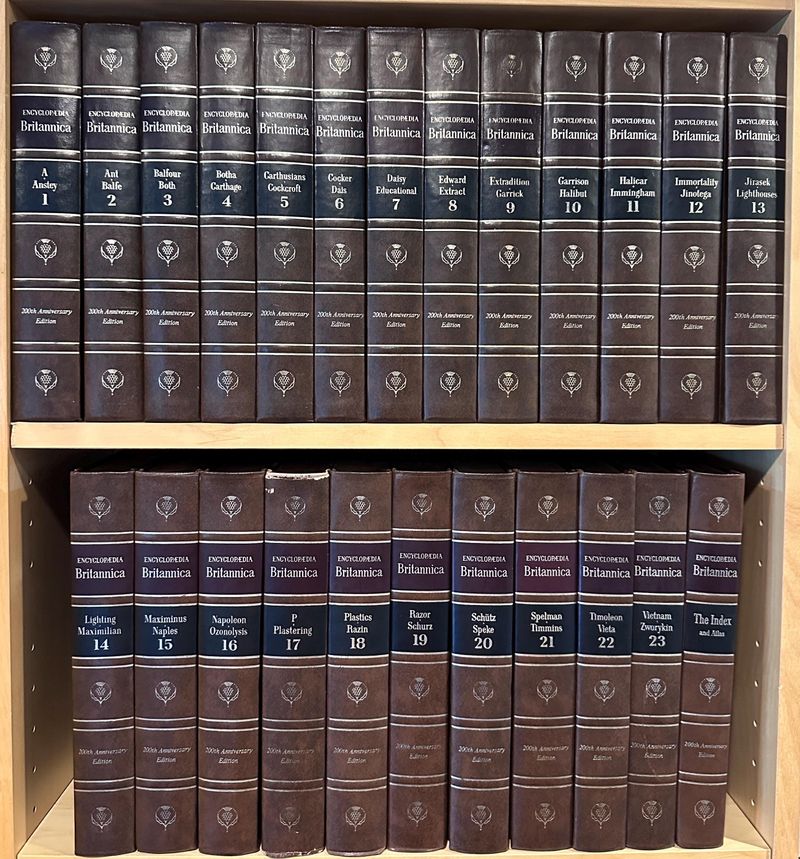
Before Wikipedia existed, a shelf full of encyclopedia volumes was considered a serious investment in your family’s education. Sets like Encyclopedia Britannica and World Book were proudly displayed in middle-class homes throughout the 1970s, and parents paid good money for them.
Doing a school report meant pulling out the right volume and reading carefully.
CD-ROMs and eventually the internet made printed encyclopedias obsolete almost overnight. Encyclopedia Britannica ended its 244-year print run in 2012, and physical sets are now mostly found at thrift stores and estate sales.