
Some of the best cooking advice was figured out long before the internet existed. Grandmothers, home cooks, and old-fashioned cookbooks passed down clever tricks that made food taste better with less fuss.
Many of these tips have been forgotten as modern gadgets took over the kitchen. The good news is that these timeless methods are just as useful today as they ever were.
1. Salt Your Pasta Water Like the Ocean
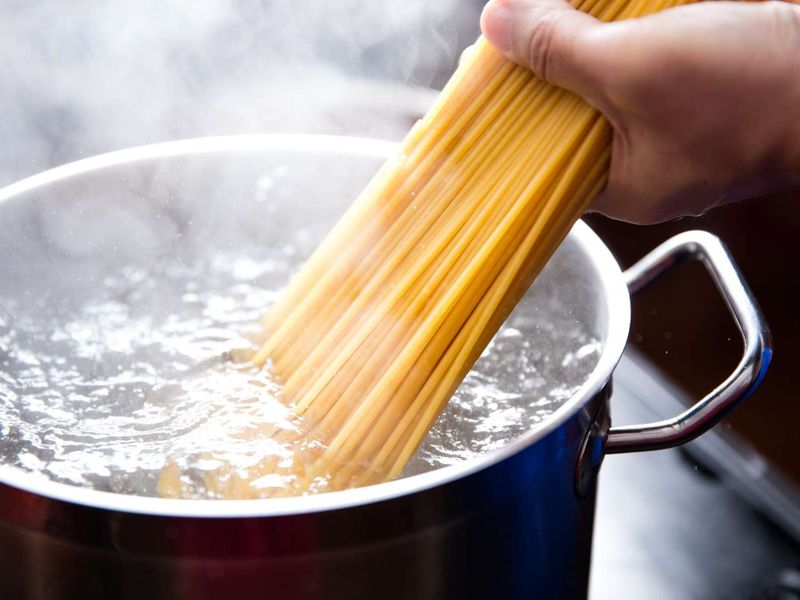
Before fancy seasoning blends and gourmet sauces, cooks knew one simple secret: pasta water should taste salty. Adding a generous handful of salt to boiling water seasons the pasta from the inside out, giving it flavor that no sauce can replicate later.
Many home cooks today skip this step and wonder why their pasta tastes bland. Try it once and you will immediately notice the difference.
It is one of the easiest upgrades you can make.
2. Rest Your Meat Before Cutting
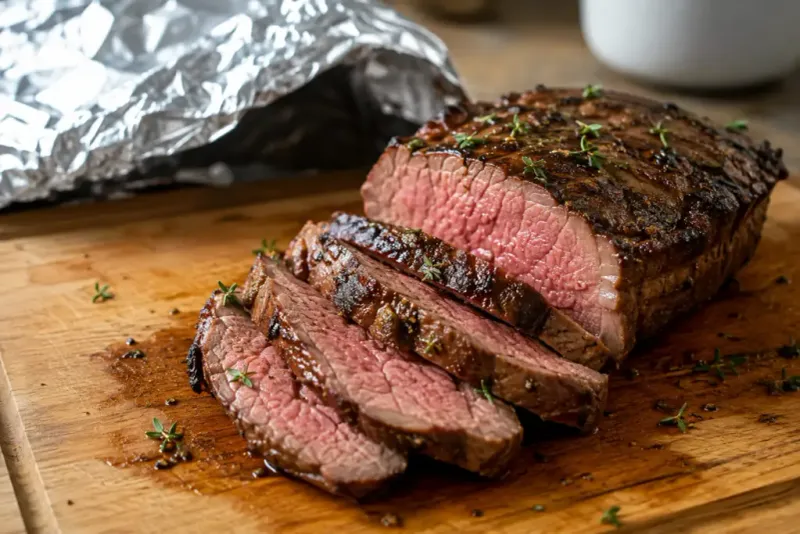
Cutting into a steak the moment it leaves the pan is a mistake old-school cooks never made. Letting meat rest for five to ten minutes allows the juices to redistribute throughout the cut, keeping every bite moist and flavorful.
When you slice too soon, those delicious juices pour right out onto the cutting board instead of staying in the meat. Your plate ends up dry and disappointing.
A little patience makes a genuinely noticeable difference in texture and taste.
3. Use a Wooden Spoon to Keep Pots from Boiling Over
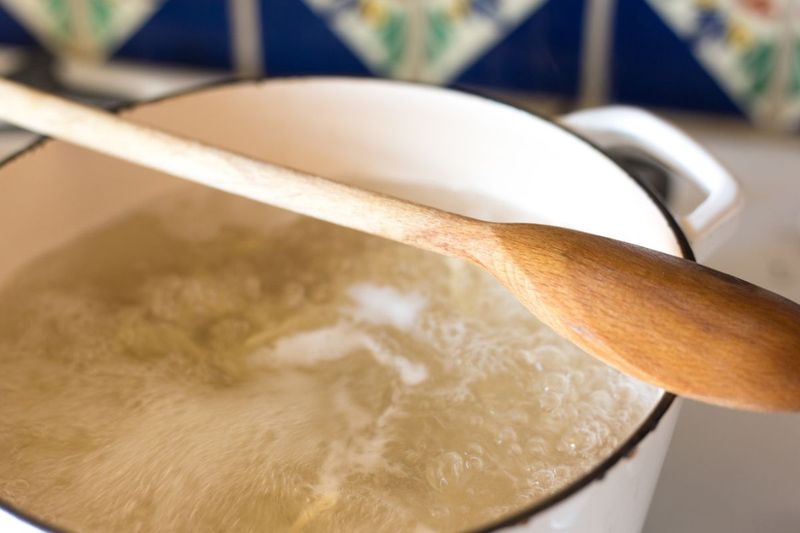
Here is a trick that sounds too simple to be true: place a dry wooden spoon across the top of a boiling pot and it will stop the water from bubbling over. The wood disrupts the surface tension of the foam, causing it to collapse before spilling.
Old-school cooks relied on this method all the time, especially when making pasta or potatoes. No fancy gadgets required.
Just grab a wooden spoon and let science do the work for you.
4. Dry Your Ingredients Before Cooking
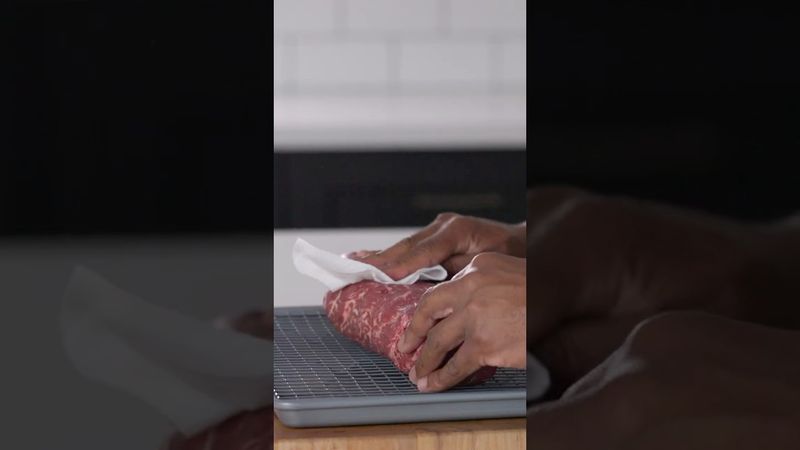
Moisture is the enemy of a good sear. Old-fashioned cooks always patted their meat, fish, and even vegetables dry before they hit a hot pan.
Excess water creates steam, which prevents browning and leads to soggy, unappetizing results.
A quick pat with a paper towel takes only seconds but makes a huge difference. You get that beautiful golden crust that locks in flavor and adds satisfying texture.
Professional chefs still swear by this simple habit every single day.
5. Sharpen Your Knife Regularly
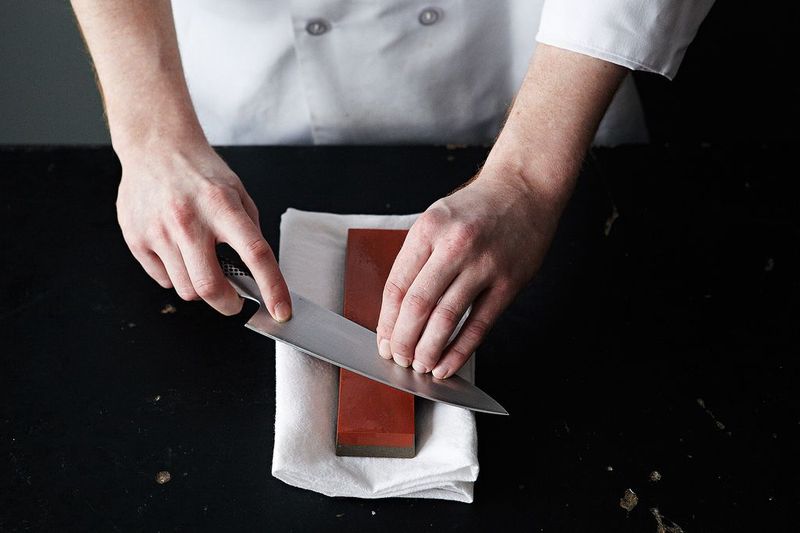
A dull knife is actually more dangerous than a sharp one because it requires more force and slips more easily. Generations of home cooks kept a sharpening stone or honing steel on the counter and used it constantly.
Sharp knives cut cleanly, safely, and quickly.
Beyond safety, a sharp blade preserves the texture of food. Tomatoes crush instead of slice when the knife is dull.
Taking just a minute to sharpen your knife before cooking transforms the entire experience in a surprisingly satisfying way.
6. Cook Low and Slow for Tough Cuts
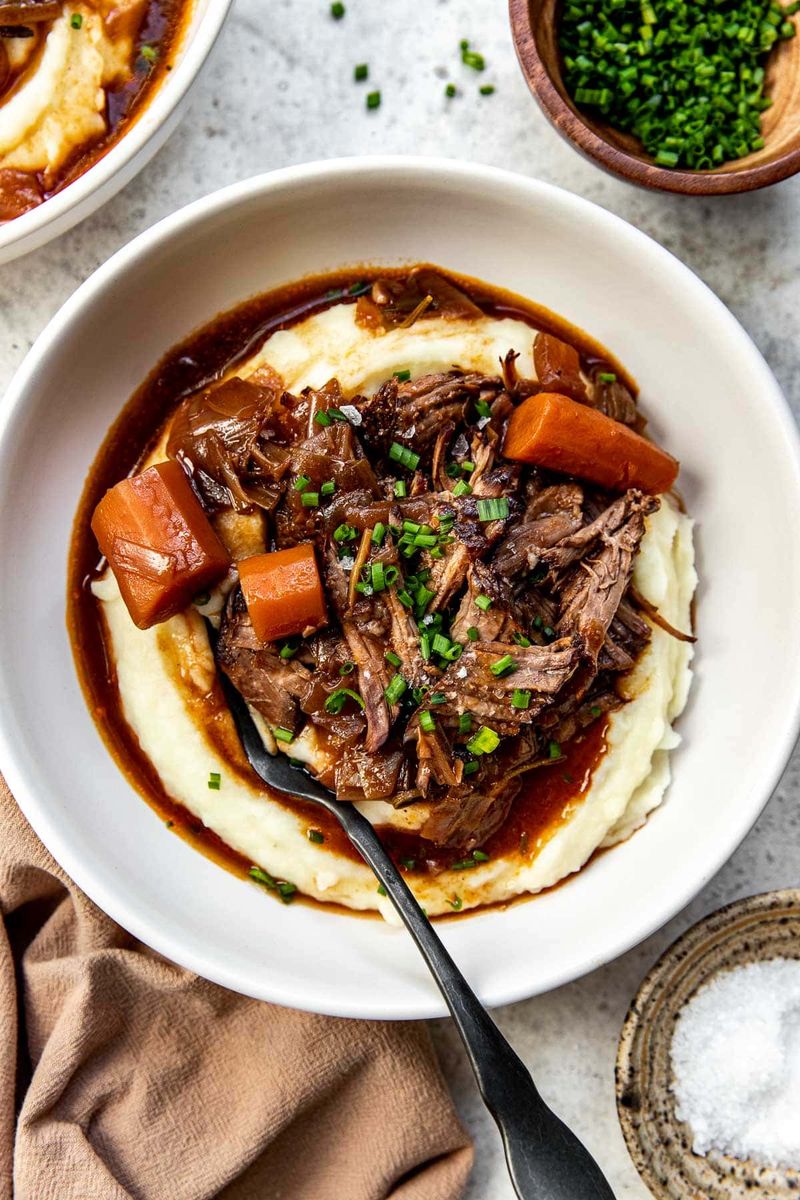
Tough, budget-friendly cuts of meat become fork-tender and deeply flavorful when cooked slowly at low temperatures. This was the backbone of old-school cooking, turning cheap ingredients into extraordinary meals that fed whole families.
Braising, stewing, and slow roasting break down the tough connective tissue in cuts like chuck roast or pork shoulder, releasing rich gelatin that makes the sauce silky. Modern slow cookers make this even easier.
The secret has always been time, not expensive ingredients.
7. Save Your Cooking Liquid
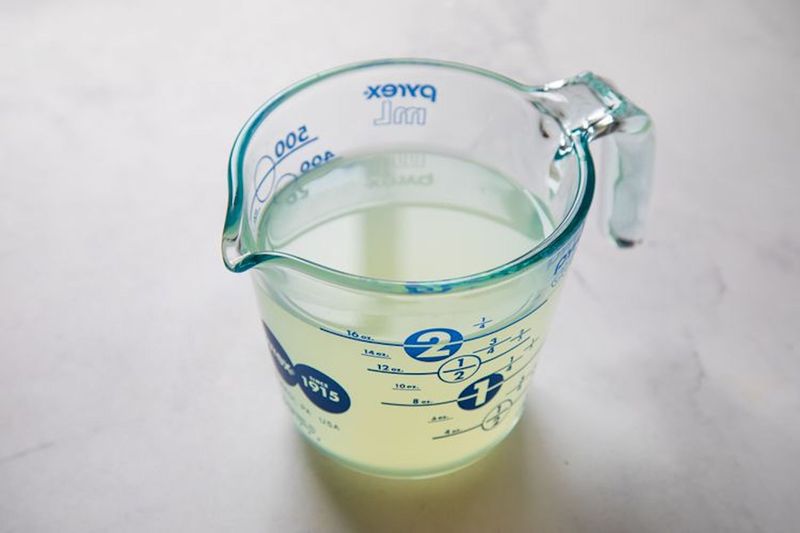
Pouring pasta water, vegetable broth, or bean liquid down the drain was something thrifty old-school cooks simply never did. That starchy, seasoned liquid is liquid gold for finishing sauces, loosening thick soups, or adding depth to risotto.
Pasta water, for example, contains dissolved starch that helps sauce cling beautifully to noodles. Bean liquid can replace eggs in some recipes.
Keeping a jar nearby while cooking is a small habit that adds big, layered flavor to almost everything you make.
8. Season in Layers, Not Just at the End
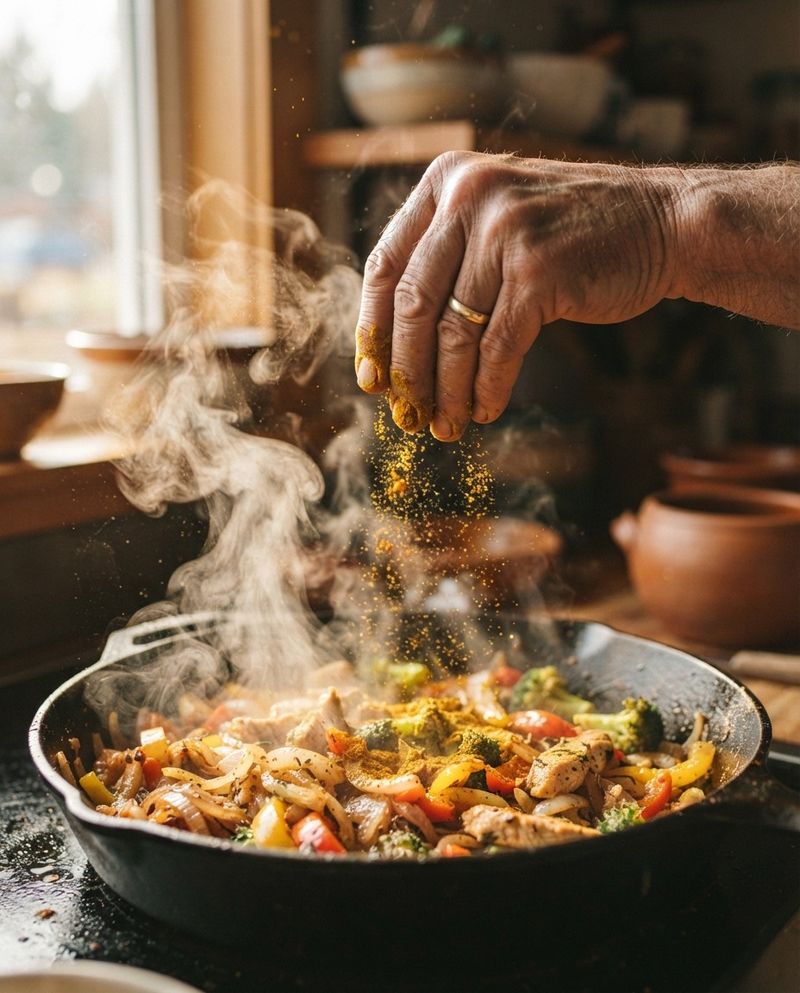
Grandma never waited until the dish was plated to add salt. She seasoned every layer as it cooked, building flavor at each stage.
Onions get a pinch of salt when they hit the pan. Broth gets tasted and adjusted as it simmers.
Final seasoning is just a small touch-up.
This layered approach creates a depth of flavor that single-stage seasoning simply cannot match. Food tastes more complete and balanced rather than just salty on top.
It is a foundational habit of every great cook, old or new.
9. Let Your Pan Get Hot First
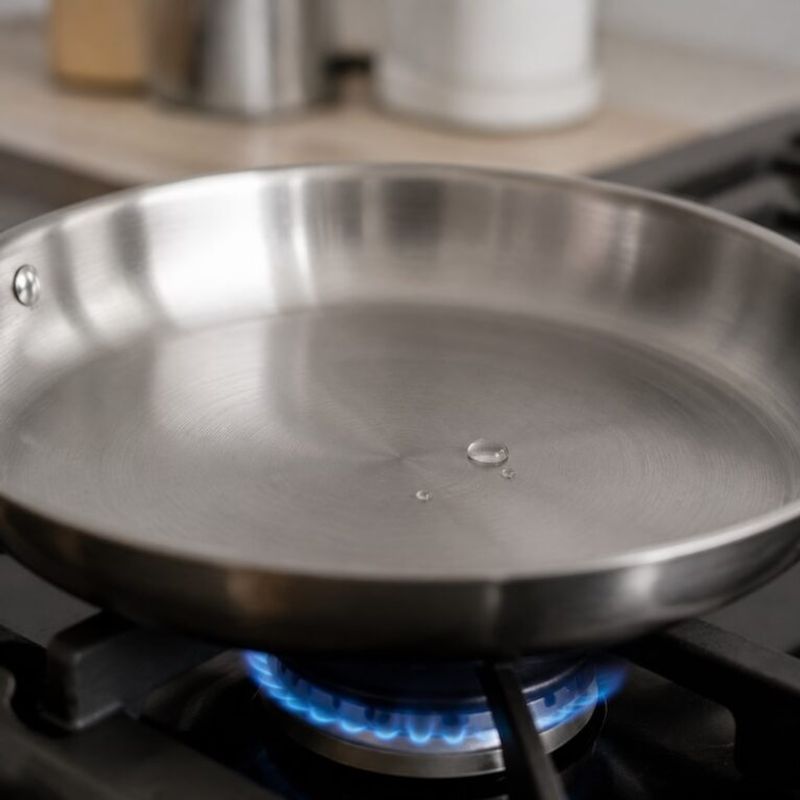
Cold pan, cold oil, cold food is a recipe for sticking and steaming instead of searing. Old-school cooks always preheated their pans before adding anything.
A properly hot pan creates an instant sear that seals in juices and prevents sticking.
You can test your pan by flicking a drop of water onto it. If it dances and evaporates quickly, the pan is ready.
This habit alone can dramatically improve the texture and appearance of your cooked proteins and vegetables every time.
10. Use Butter to Finish Sauces
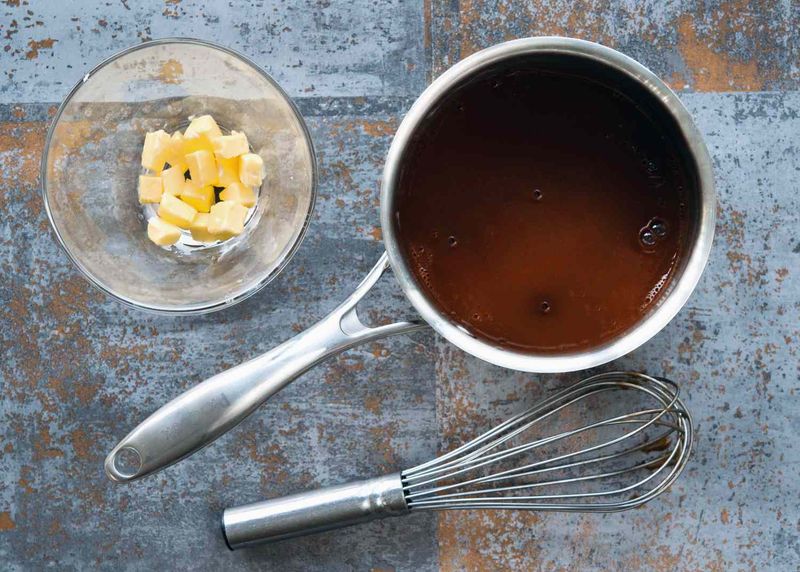
French and Italian grandmothers have known this trick for centuries: swirling a cold pat of butter into a sauce right before serving makes it silky, glossy, and incredibly rich. Called “mounting” in professional kitchens, this technique adds body without making the sauce heavy.
The cold butter emulsifies into the warm liquid, creating a restaurant-quality finish at home. Remove the pan from heat first so the butter does not break.
Just a tablespoon transforms a simple pan sauce into something genuinely impressive and craveable.
11. Taste as You Cook
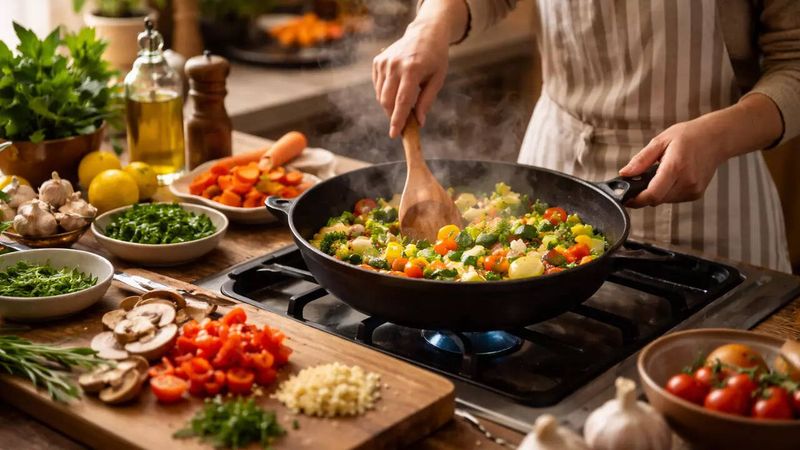
No recipe can perfectly account for every ingredient variation, stove difference, or personal preference. Old-school cooks tasted constantly throughout the cooking process, adjusting seasoning, acidity, and sweetness as they went.
A recipe is a guide, not a rulebook.
Regular tasting helps you catch problems early before they ruin the whole dish. Too salty?
Add a potato or a splash of acid. Too bland?
A pinch of salt or a squeeze of lemon can wake everything up. Your taste buds are your most reliable kitchen tool.
12. Use Cast Iron for Even, Reliable Heat
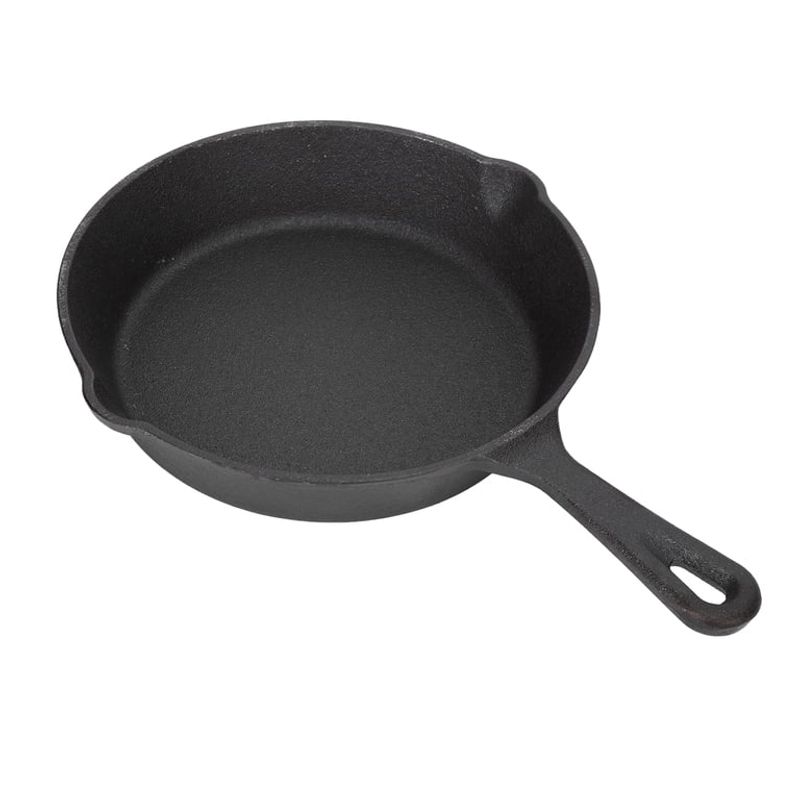
Cast iron skillets have been around for centuries, and there is a very good reason they never went out of style. They hold heat exceptionally well, distribute it evenly, and can go from stovetop to oven without any fuss.
A properly seasoned cast iron pan is naturally non-stick too.
Unlike flimsy modern pans, cast iron only gets better with age and use. Many families pass them down through generations.
Once you cook a perfect steak or cornbread in cast iron, you will understand why cooks have treasured them for so long.
13. Add Acid to Brighten Any Dish
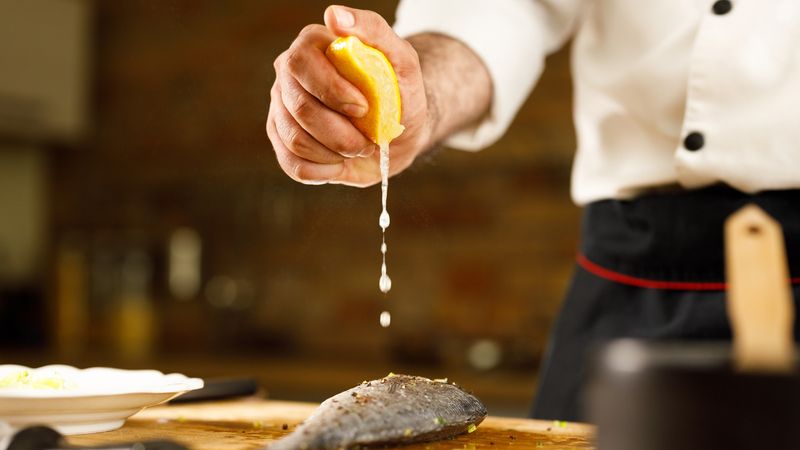
Old-time cooks had a secret weapon that had nothing to do with salt or butter: a splash of acid. A squeeze of lemon, a dash of vinegar, or a spoonful of tomato can completely transform a dish that tastes flat or dull into something lively and vibrant.
Acid balances richness, enhances savory flavors, and makes everything taste more alive. Try squeezing lemon over roasted vegetables or adding a tiny splash of apple cider vinegar to soup.
You will be amazed at how such a small addition wakes up the whole bowl.
14. Keep a Clean Workspace as You Cook
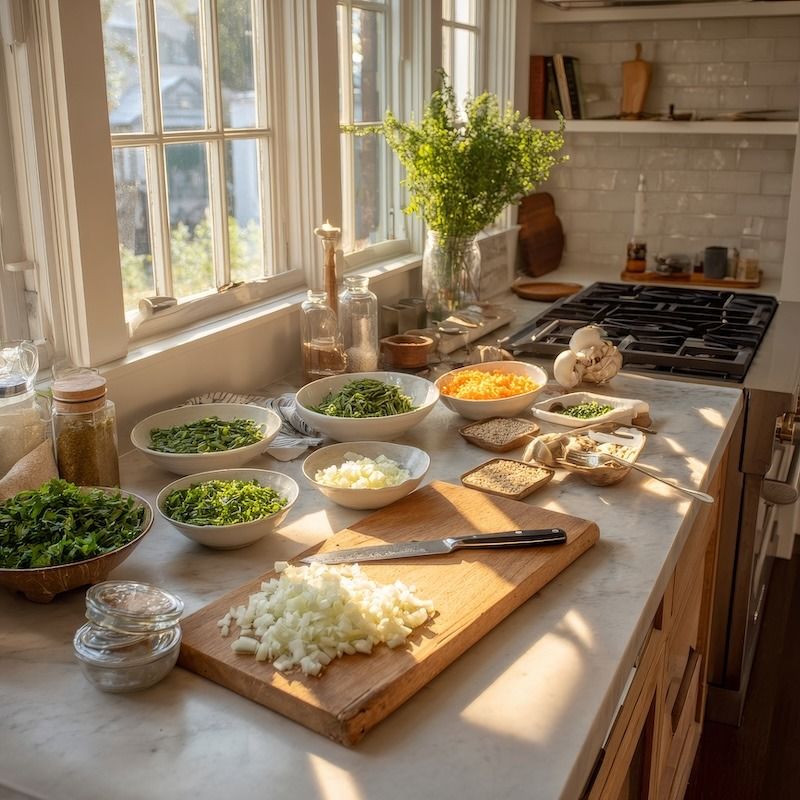
Professional cooks call it “mise en place,” which means everything in its place. Old-school home cooks practiced the same idea without the fancy French term.
Prepping and organizing ingredients before cooking starts, and cleaning up as you go, keeps the process smooth and stress-free.
A cluttered counter leads to missed steps, spills, and forgotten ingredients. When your workspace stays tidy, cooking feels calm and enjoyable rather than chaotic.
This habit also makes it easier to spot when you are running low on something before it becomes a problem mid-recipe.
15. Trust Your Nose and Eyes, Not Just the Timer
Ovens vary, ingredients differ by season, and altitude changes baking times. Old-school cooks knew that a timer was just a starting point, not the final word.
They relied on color, smell, texture, and sound to know when food was truly done.
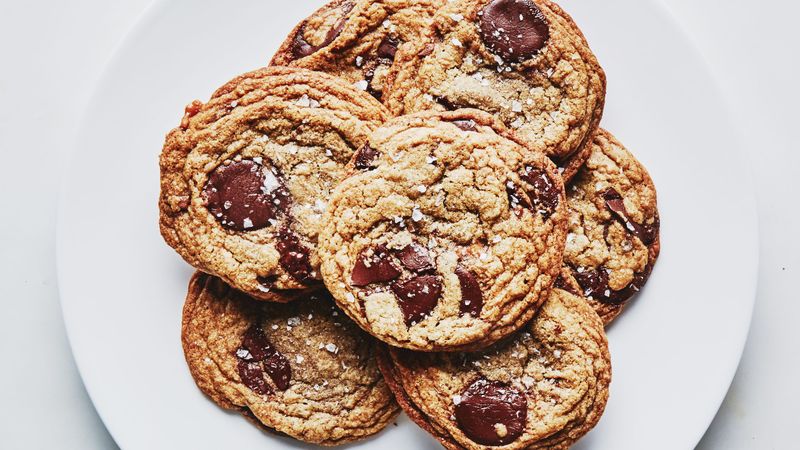
Bread sounds hollow when tapped on the bottom. Cookies are done when the edges turn golden, even if the center looks soft.
Onions are caramelized when they smell sweet and nutty. Training your senses makes you a more confident and adaptable cook than any timer ever could.