
Not every dish is a crowd-pleaser. Around the world, there are foods that make people scrunch their noses, back away from the table, or politely decline seconds.
Whether it’s a strange smell, an unusual texture, or a flavor that’s hard to describe, these foods have earned a reputation for being tough to love. Get ready to explore 15 of the most poorly rated foods on the planet.
1. Surströmming (Fermented Herring)
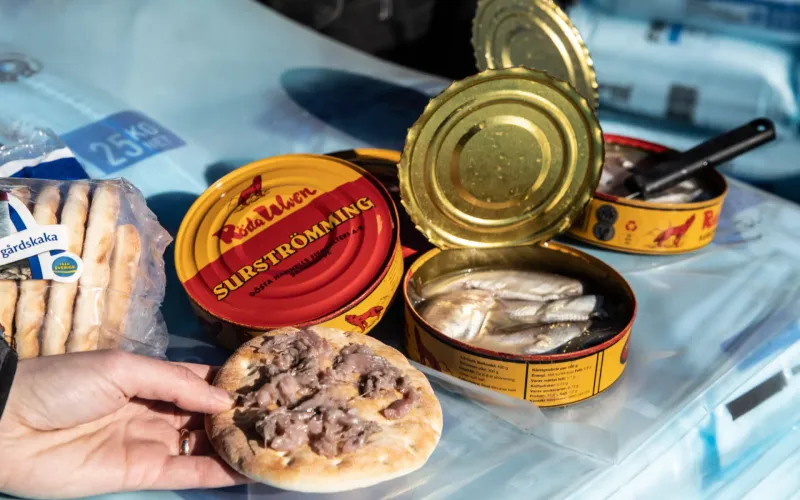
Banned from apartments in several countries, surströmming is a Swedish fermented herring that smells so bad people open the can outdoors. The fermentation process creates gases inside the can, making it bulge before it even reaches your table.
Many people describe the odor as rotting fish mixed with sulfur. Despite the horrifying smell, some Swedes consider it a cultural treasure.
It is typically served on flatbread with onions and potatoes, which helps balance the overwhelming flavor.
2. Hákarl (Fermented Shark)
Gordon Ramsay gagged when he tried it. Anthony Bourdain called it the single worst thing he had ever eaten.
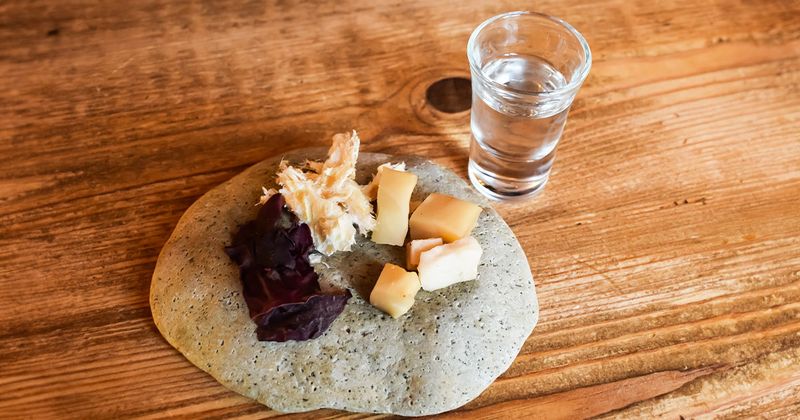
Hákarl is an Icelandic dish made from Greenlandic shark that has been buried underground and fermented for several months.
The shark’s flesh is naturally toxic when fresh, so the fermentation process removes the poison. What’s left behind is a rubbery, ammonia-soaked cube of meat that hits your nose like a cleaning product.
Brave tasters usually wash it down with a shot of Icelandic schnapps.
3. Durian Fruit
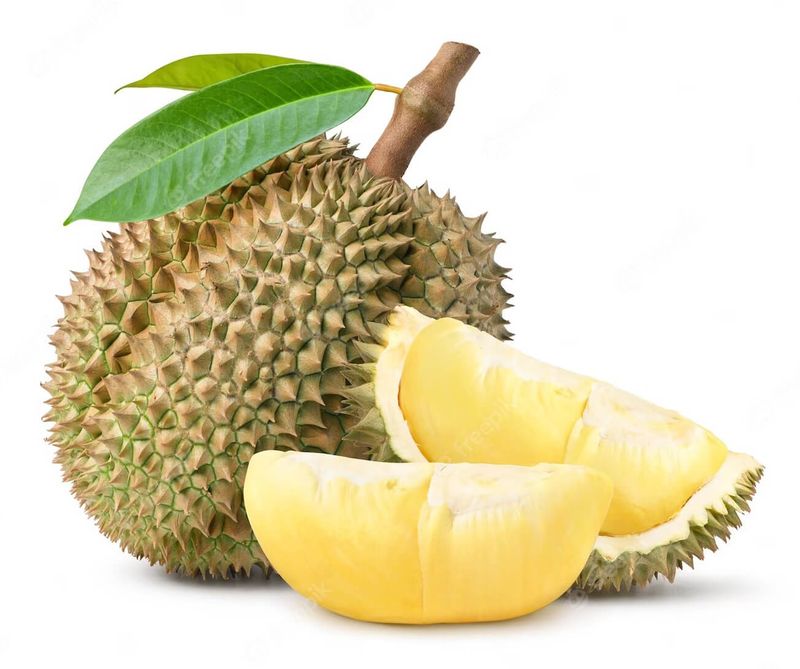
Durian has been banned from hotels, airports, and public transit across Southeast Asia, all because of its smell. People compare the odor to everything from old gym socks to sewage, which makes its nickname – the King of Fruits – feel a little ironic.
Underneath that spiky shell is a creamy, custard-like flesh that fans absolutely adore. The taste is rich and sweet, almost like a dessert.
But getting past that powerful aroma is a challenge most first-timers struggle to overcome.
4. Balut (Fertilized Duck Egg)
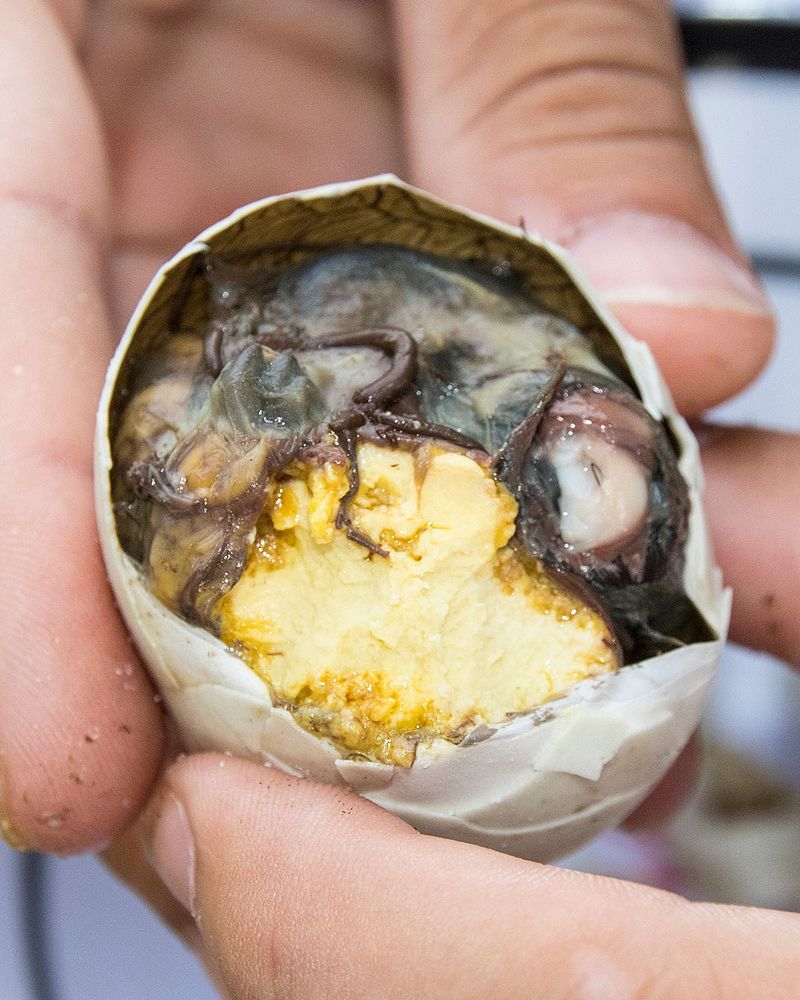
Street vendors across the Philippines sell balut late at night, and locals crack them open the way others eat hard-boiled eggs. Inside the shell is a partially developed duck embryo, complete with tiny bones and feathers.
The broth inside is sipped first, then the embryo is eaten whole. First-timers often freeze up when they see what’s inside.
Surprisingly, the flavor is often described as rich and savory, similar to a very flavorful egg. The texture is what usually stops people cold.
5. Casu Marzu (Maggot Cheese)
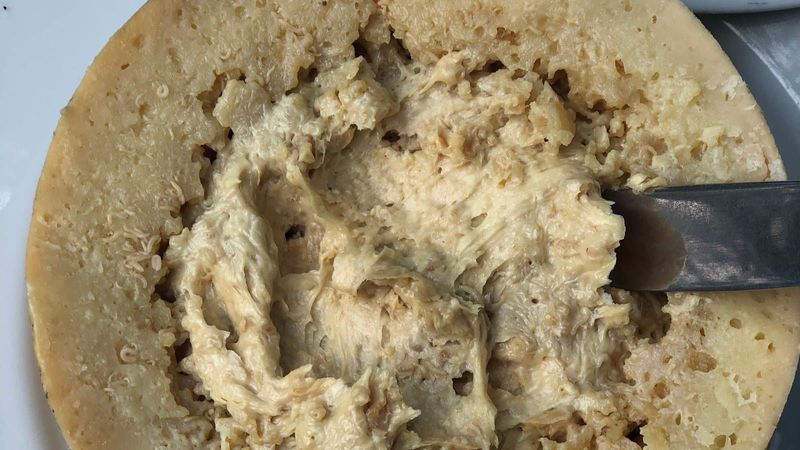
Casu marzu is technically illegal to sell in Italy, yet it remains a beloved tradition in Sardinia. This sheep’s milk cheese is intentionally left out for flies to lay eggs in, and the larvae that hatch break down the fat inside the cheese.
By the time it reaches your plate, the cheese is soft, almost liquid, and full of live wriggling maggots. Some people remove the maggots before eating.
Others do not. Either way, this is one dish that earns its spot on any list of the world’s most challenging foods.
6. Natto (Fermented Soybeans)
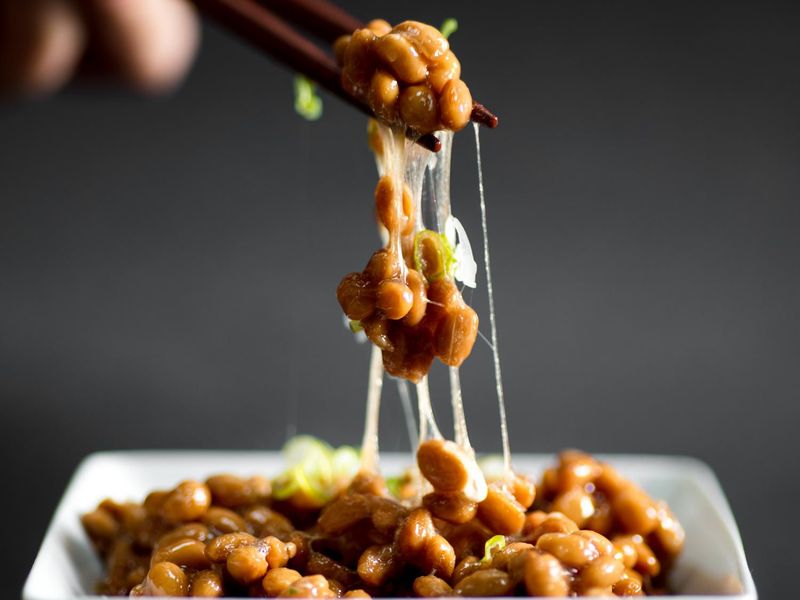
Even many Japanese people admit they have a complicated relationship with natto. The fermented soybeans are sticky, stringy, and produce long gooey threads when stirred, which looks as unappetizing as it sounds.
The smell is sharp and earthy, similar to very aged cheese. The flavor is strong and bitter, which is why it’s usually mixed with soy sauce and mustard to tone it down.
Natto is packed with nutrients and is considered a health food in Japan, but that doesn’t make it any easier to love on first taste.
7. Vegemite
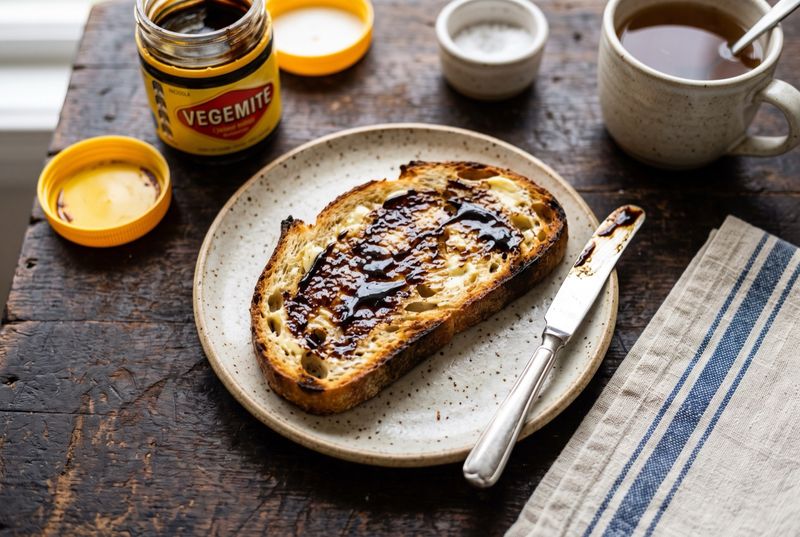
Australians grow up eating Vegemite on toast, but tourists who spread it on thick like peanut butter quickly regret the decision. This dark brown paste is made from leftover brewer’s yeast and has an intensely salty, bitter flavor that punches you in the taste buds.
A thin scrape is the key to enjoying it, though most visitors never figure that out in time. It’s a cultural icon in Australia, but it consistently ranks as one of the most disliked foods among international travelers trying it for the first time.
8. Stinky Tofu
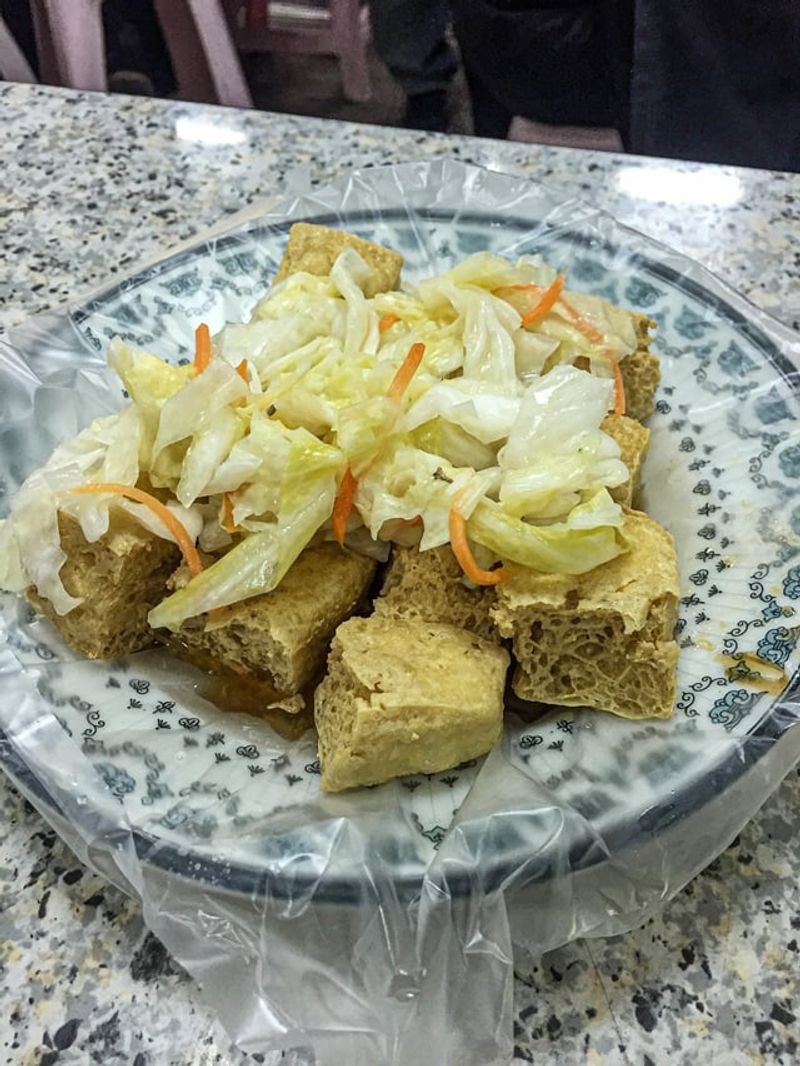
You can smell a stinky tofu stall from two streets away. This popular Taiwanese street food is made by fermenting tofu in a brine of vegetables, meat, and shrimp for days or even weeks, creating a smell that many compare to a clogged drain.
Despite the odor, stinky tofu has a devoted fan base across Taiwan, Hong Kong, and mainland China. The outside gets crispy when deep-fried, and the inside stays soft.
Fans say the smell is far worse than the taste, which is surprisingly mild and savory.
9. Lutefisk
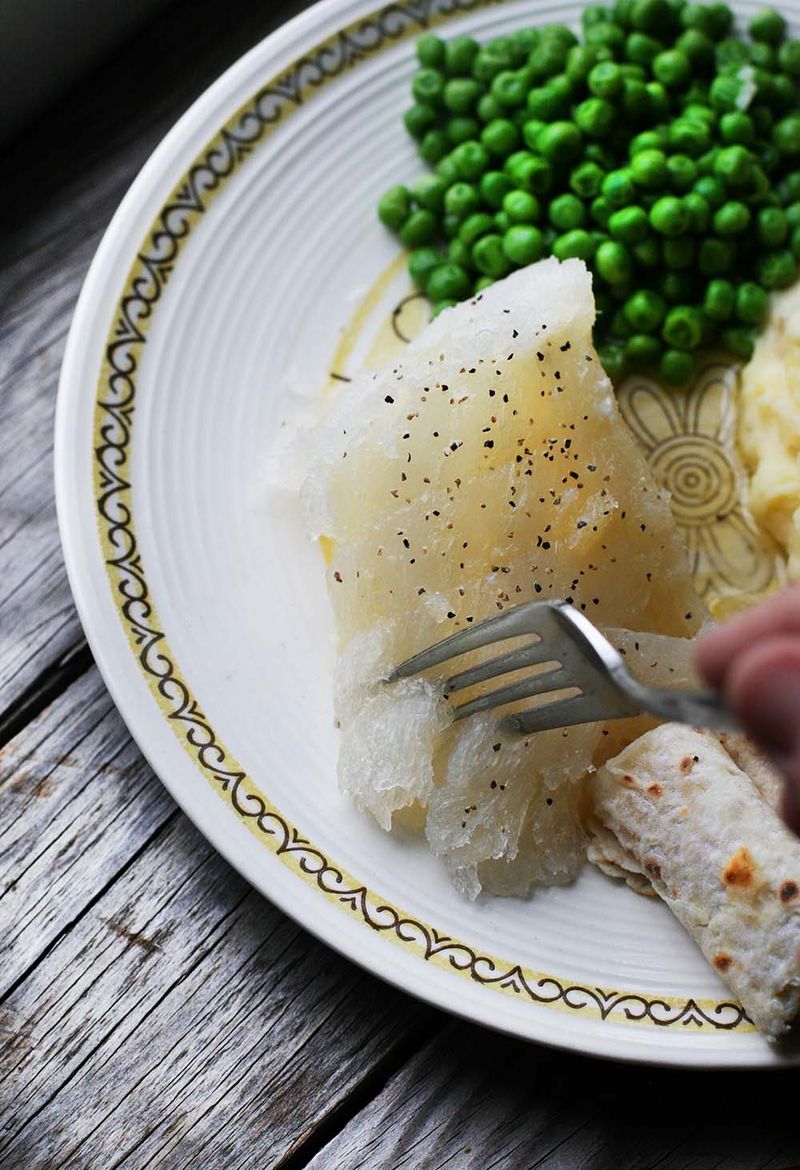
Lutefisk has been a Scandinavian holiday tradition for centuries, which makes it hard to criticize without offending someone’s grandmother. The dish is made from dried whitefish that has been soaked in lye, a chemical used in soap-making, for several days.
The lye transforms the fish into a jelly-like substance with a slippery texture that many people find deeply unappealing. After soaking, it’s rinsed and cooked, but the gelatinous quality remains.
Even in Norway and Sweden, younger generations are increasingly skipping this particular holiday dish.
10. Century Egg
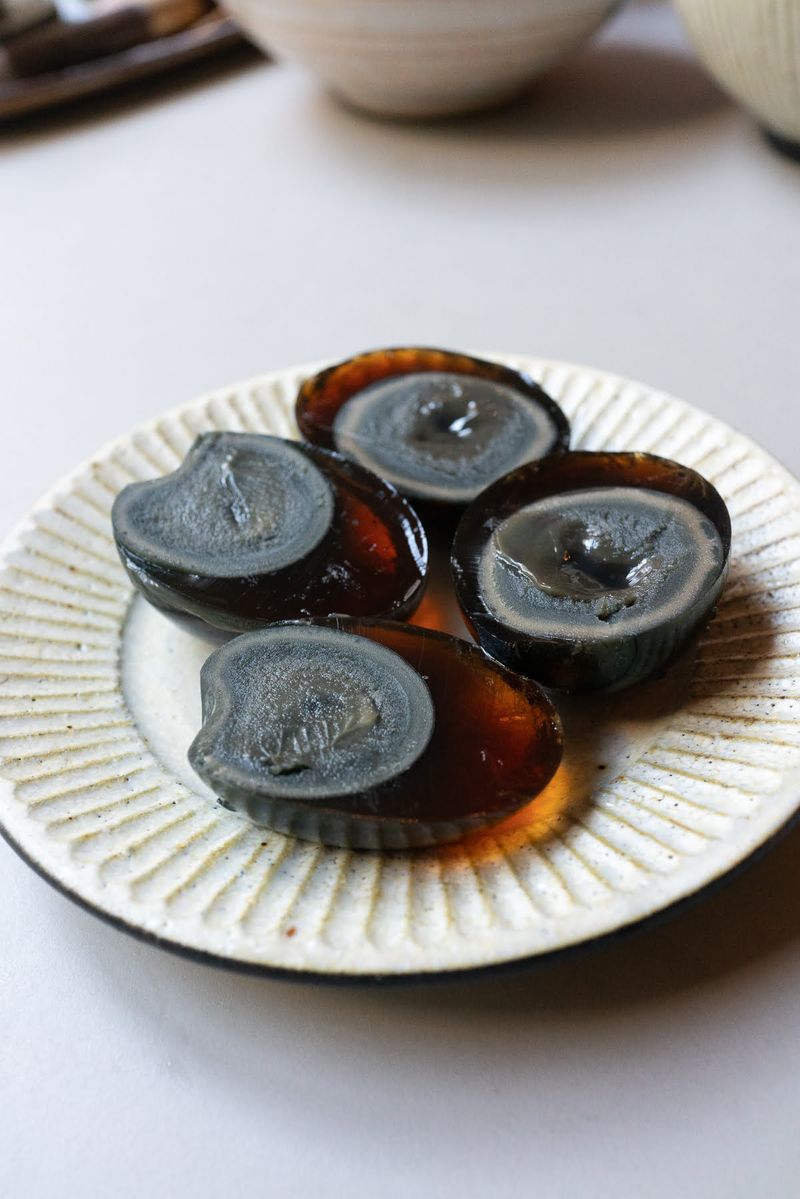
Century eggs look like something out of a science fiction movie. The yolk turns a dark grey-green color and the white becomes a translucent, dark jelly after being preserved in a mixture of clay, ash, salt, and quicklime for weeks or months.
The smell is strong and ammonia-like, similar to hákarl. Despite appearances, century eggs are a beloved ingredient in Chinese cuisine and are often served with congee or pickled ginger.
The creamy, complex flavor surprises many first-timers who manage to get past the look.
11. Kiviak (Fermented Seabird)
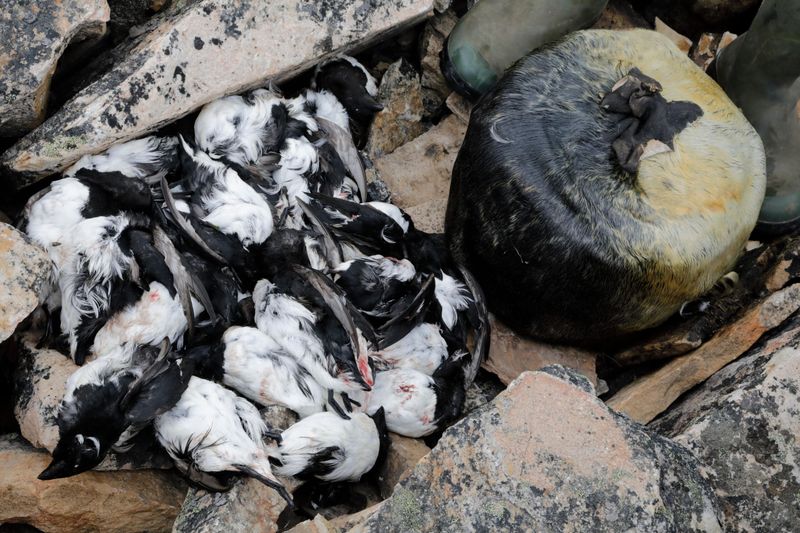
Kiviak is a traditional Greenlandic Inuit dish that involves stuffing hundreds of small seabirds called little auks into a hollowed-out seal carcass, then leaving it under rocks to ferment for up to 18 months. Yes, really.
The birds ferment inside the sealed skin, developing a pungent, intensely gamey flavor. It is traditionally eaten at celebrations like birthdays and weddings.
Outsiders who have tried it often describe the taste as overwhelmingly sharp and fishy, with a consistency that is difficult to put into polite words.
12. Jellied Eels
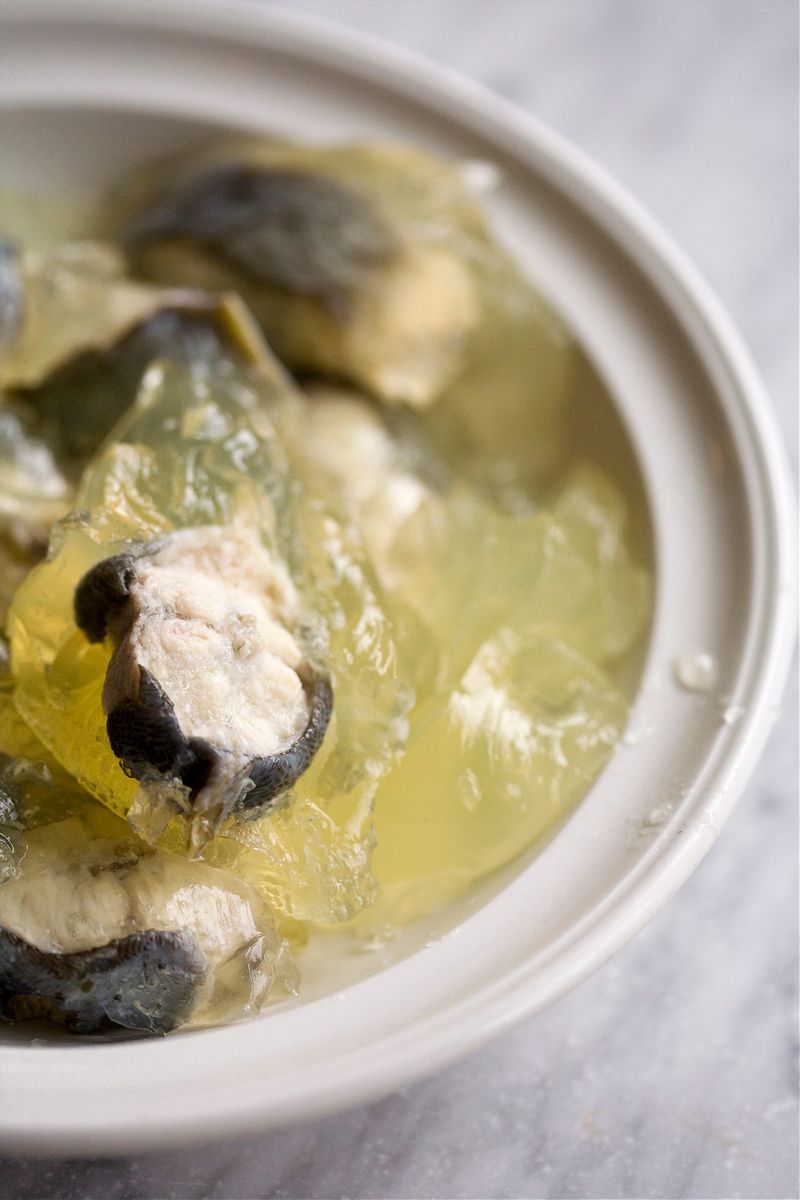
Once a working-class staple in London’s East End, jellied eels have fallen far from favor with younger generations. Chunks of eel are boiled in a spiced stock, and as the liquid cools, it sets into a wobbly, cloudy jelly that coats each piece.
The flavor is mild and fishy, but the texture is what turns most people off. Cold, gelatinous eel chunks are not exactly an easy sell in the modern food world.
Traditional pie and mash shops still serve them, though mostly to nostalgic older customers keeping the tradition alive.
13. Shirako (Fish Sperm Sacs)
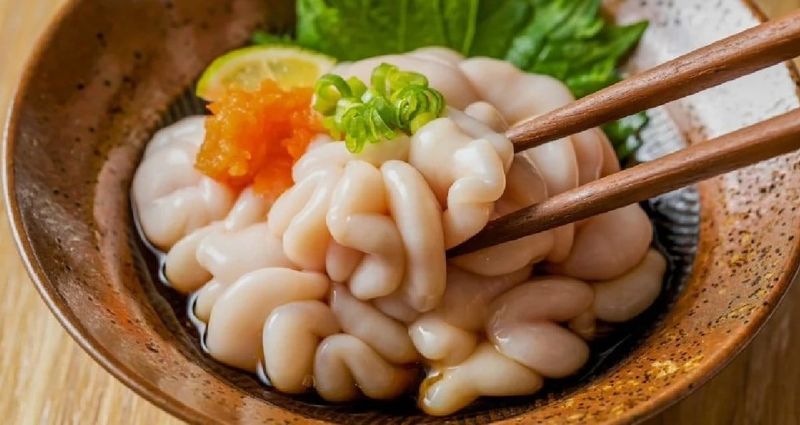
Shirako translates to “white children” in Japanese, which is a delicate way of saying it is the sperm sacs of fish, usually cod, puffer fish, or salmon. The texture is soft and creamy, almost like a very delicate custard or brain matter.
The mild, slightly briny flavor is actually pleasant to many who try it without knowing what it is first. Reactions change dramatically once the truth is revealed.
Shirako is considered a delicacy in Japan and is served both raw and lightly cooked, often with a citrus-based ponzu sauce.
14. Mopane Worms
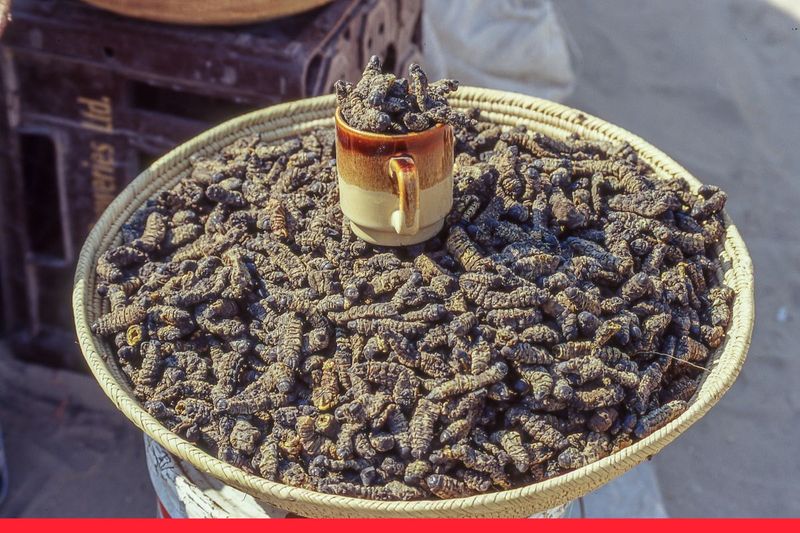
Mopane worms are caterpillars of the emperor moth, harvested and eaten across southern Africa in countries like Zimbabwe, Botswana, and South Africa. They are dried or smoked to preserve them, giving them a crunchy texture and a deep, earthy flavor.
Rich in protein, they are a nutritious food source for millions of people. Western visitors tend to recoil at the idea of eating caterpillars, but food scientists and environmentalists point out that insects are one of the most sustainable protein sources on Earth.
Taste aside, mopane worms are genuinely good for you.
15. Poi (Fermented Taro Paste)
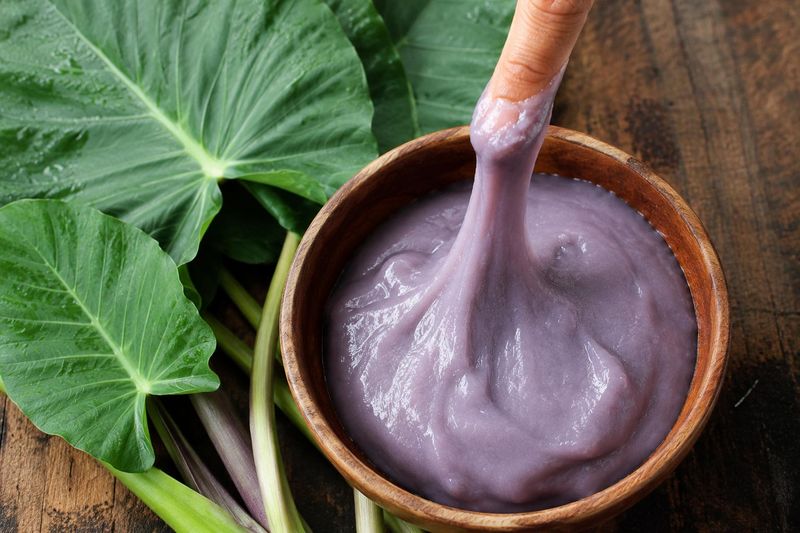
Poi is a Hawaiian staple made by pounding cooked taro root into a smooth, sticky paste. When fresh, it has a mild, slightly sweet flavor.
But when left to ferment for a few days, it develops a sour, tangy taste that many visitors find unpleasant.
The texture is thick and gluey, sticking to everything it touches. Locals often eat it with their fingers, scooping it alongside fish or pork.
Hawaiian culture holds poi in high regard, but it regularly appears on lists of foods tourists wish they had skipped.