
Most of us love saving leftovers to enjoy later, but not every food handles storage and reheating the same way. Some dishes can quietly grow harmful bacteria or change in ways that make them unsafe to eat.
Knowing which foods need extra care can protect you and your family from getting sick. Read on to find out which common leftovers deserve a second look before they go back in the microwave.
1. Cooked Rice
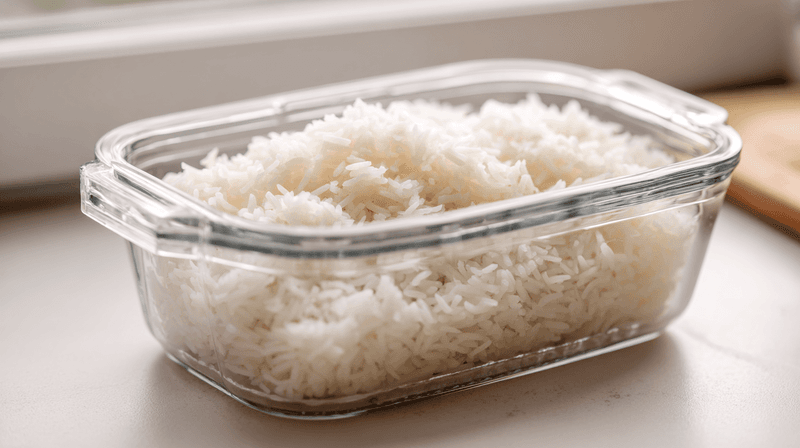
Cooked rice might seem totally harmless sitting in your fridge, but it hides a sneaky secret. A bacteria called Bacillus cereus can survive cooking and multiply fast when rice is left at room temperature.
Once it grows, reheating won’t always kill the toxins it leaves behind.
Always refrigerate rice within one hour of cooking. Store it in a sealed container and eat it within one day.
Reheat it thoroughly until it’s steaming hot all the way through.
2. Cooked Chicken
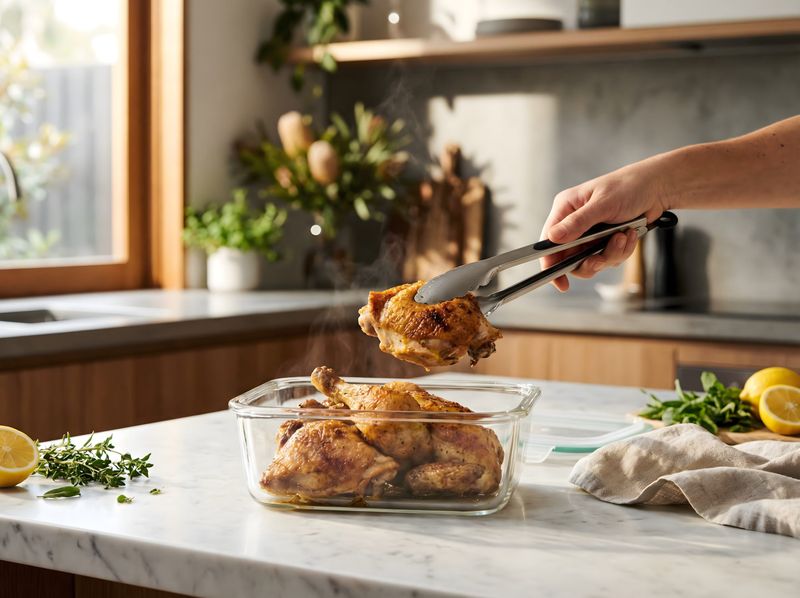
Chicken is one of the most popular proteins around, but it’s also one of the trickiest leftovers to handle safely. Bacteria like Salmonella and Campylobacter love poultry, and improper storage gives them the perfect chance to multiply.
Even fully cooked chicken can become a health risk if it sits out too long.
Refrigerate leftover chicken within two hours of cooking. Reheat it to an internal temperature of 165 degrees Fahrenheit to make sure it’s safe to eat again.
3. Seafood and Fish
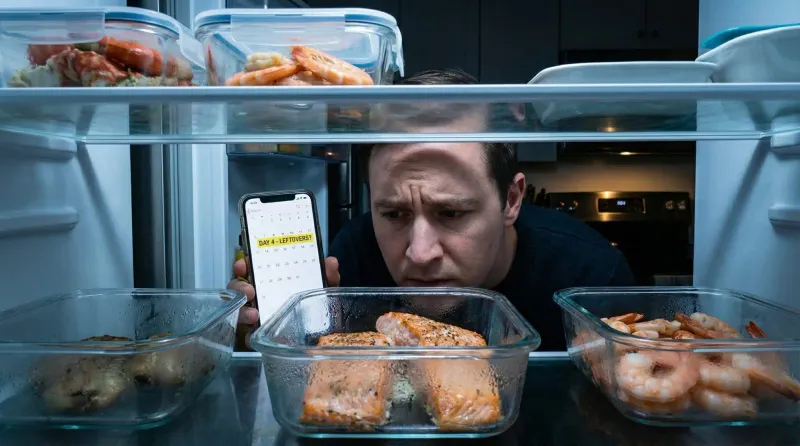
Few things smell as unpleasant as fish that has gone bad, and that odor is your body’s way of sending a warning. Seafood spoils faster than almost any other protein, making it one of the riskiest leftovers to store incorrectly.
Harmful bacteria can grow quickly, even in the fridge, if the fish isn’t sealed properly.
Store cooked fish in an airtight container and eat it within two days. Reheat gently and thoroughly, reaching an internal temperature of 145 degrees Fahrenheit for safety.
4. Eggs and Egg Dishes
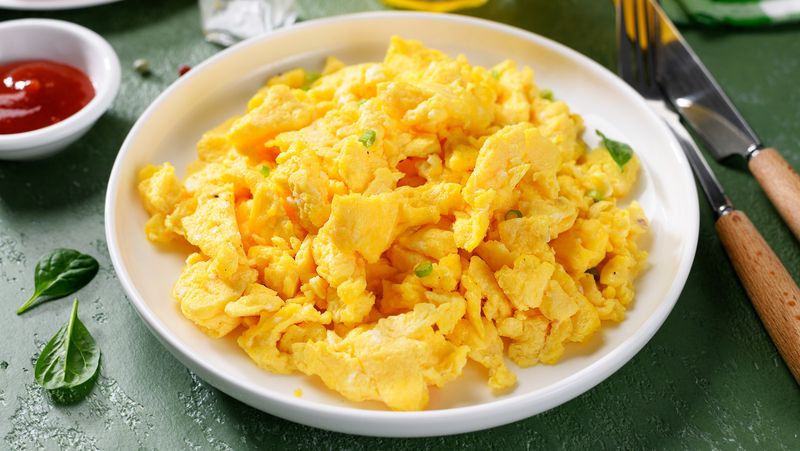
Scrambled eggs, omelets, and egg casseroles are breakfast favorites, but they can turn risky fast if not stored correctly. Eggs provide the perfect environment for bacteria like Salmonella to thrive when left at unsafe temperatures.
Reheating egg dishes unevenly can leave cold spots where bacteria survive.
Always refrigerate egg dishes within two hours of cooking. Use a food thermometer when reheating to make sure every part reaches 165 degrees Fahrenheit.
Never leave egg dishes sitting out overnight, no matter how tempting it seems.
5. Cooked Potatoes
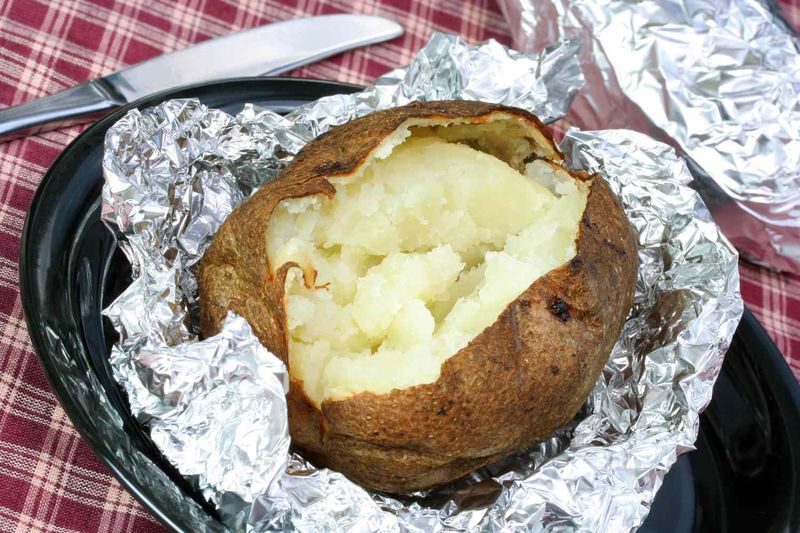
Potatoes seem like one of the safest, most straightforward foods out there, but they carry a surprising risk when stored incorrectly. Cooked potatoes left at room temperature can develop Clostridium botulinum, the bacteria responsible for botulism, especially when wrapped in foil.
This is particularly dangerous because you often can’t smell or see the problem.
Cool potatoes quickly after cooking and refrigerate them promptly. Skip leaving foil-wrapped baked potatoes out for hours, and always reheat leftovers completely before eating.
6. Cooked Mushrooms
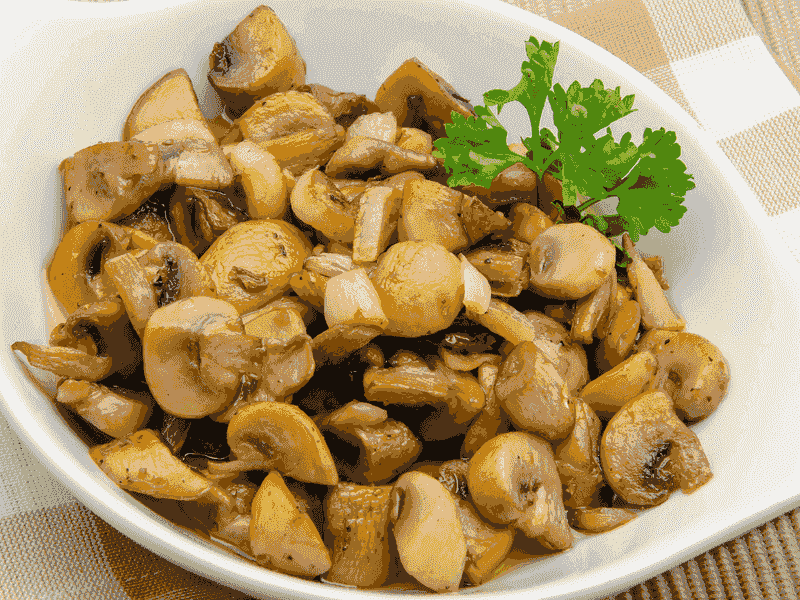
Mushrooms are earthy, delicious, and loaded with nutrients, but they have a shorter leftover life than most people realize. Their high water content and protein makeup make them a favorite target for bacteria when stored at the wrong temperature.
Reheating mushrooms on low heat can also leave them partially cold, which is risky.
Refrigerate cooked mushrooms within two hours and eat them within three days. Always reheat them on high heat until they are piping hot throughout.
Avoid reheating mushroom dishes more than once for the best safety.
7. Spinach and Leafy Green Dishes
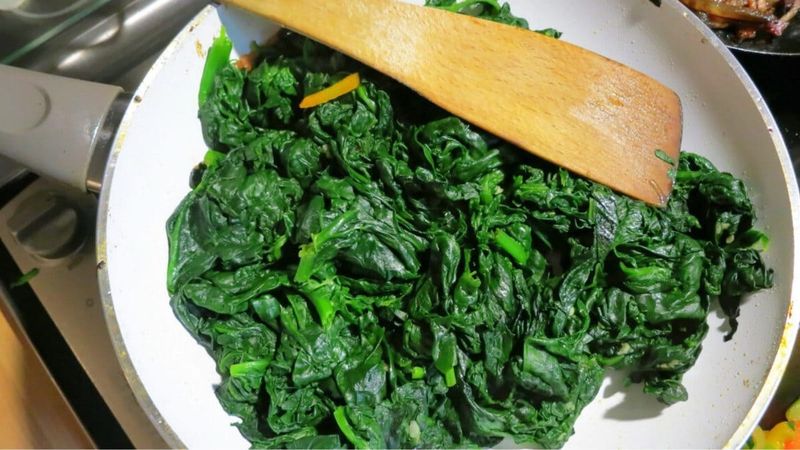
Cooked spinach and other leafy greens might look harmless in the fridge, but they carry a chemical risk most people don’t know about. When stored too long or reheated multiple times, nitrates in the greens can convert into nitrites, which can be harmful, especially for young children.
The longer they sit, the greater the concern.
Eat cooked leafy greens within one to two days. Reheat them only once, making sure they reach a safe temperature throughout.
Never leave cooked greens sitting at room temperature for more than two hours.
8. Soup and Stew
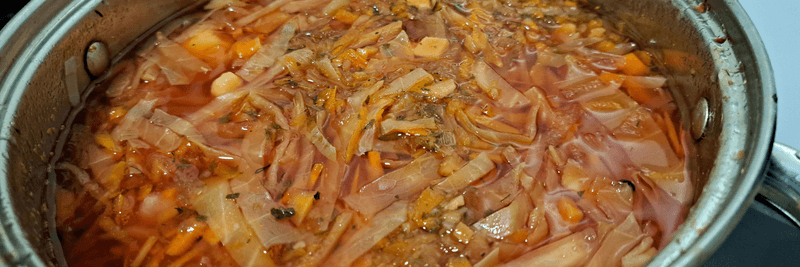
A hearty bowl of soup or stew is one of life’s great comforts, and leftovers make it even better, as long as you store them right. Large pots cool slowly, which means the center can stay warm long enough for bacteria to multiply before the whole pot chills down.
That warm middle zone is exactly where trouble starts.
Divide large batches into smaller containers to cool them faster. Refrigerate within two hours and reheat on the stovetop until the soup reaches a rolling boil throughout before serving.
9. Cooked Beans and Lentils
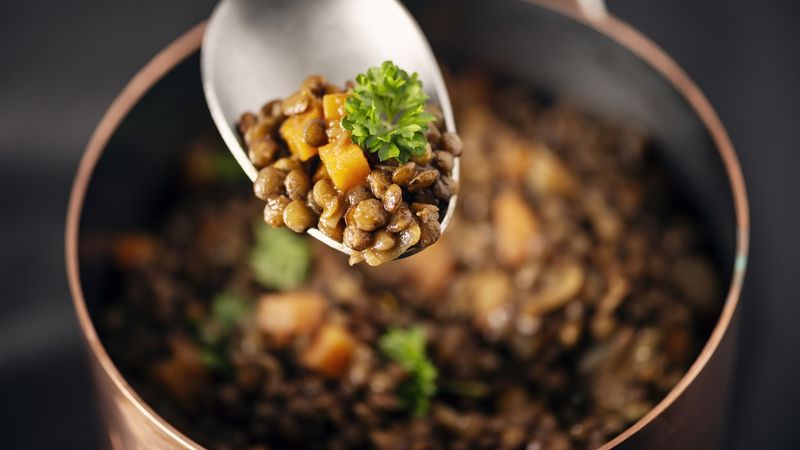
Beans and lentils are budget-friendly, filling, and packed with protein, but they spoil faster than you might expect. Cooked legumes can develop bacterial growth quickly, particularly when stored in large containers that cool unevenly.
Some types of beans also contain natural compounds that become more problematic when handled incorrectly.
Store cooked beans and lentils in shallow containers so they cool evenly in the fridge. Eat them within three to four days and always reheat them until steaming hot.
Toss any leftovers that smell off or look slimy.
10. Cooked Pasta
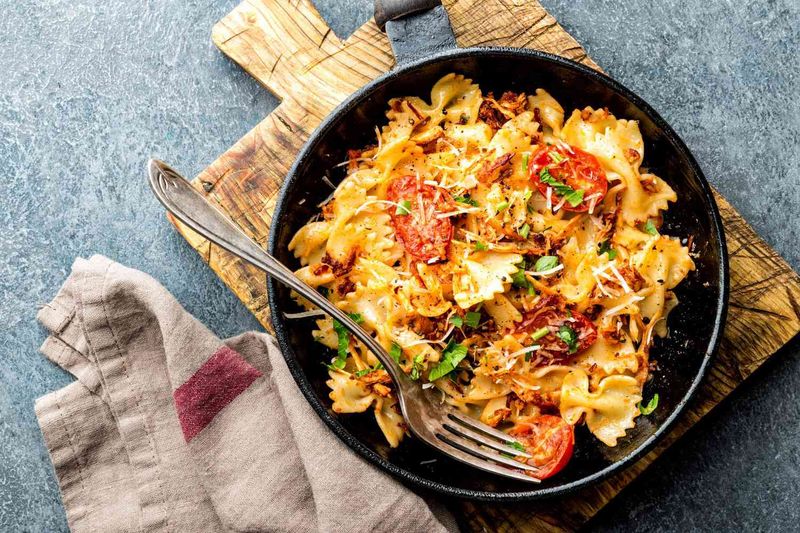
Pasta is a weeknight staple in millions of homes, and leftovers are almost always part of the plan. But pasta left sitting out too long before refrigerating becomes a breeding ground for bacteria, especially when it’s mixed with sauces containing meat or dairy.
Reheating unevenly can also leave cold pockets where bacteria linger.
Refrigerate pasta within two hours and store it in a sealed container. Reheat it thoroughly, stirring halfway through if using a microwave to ensure even heating.
Plain pasta lasts up to five days, but sauced pasta should be eaten within three.
11. Stuffing
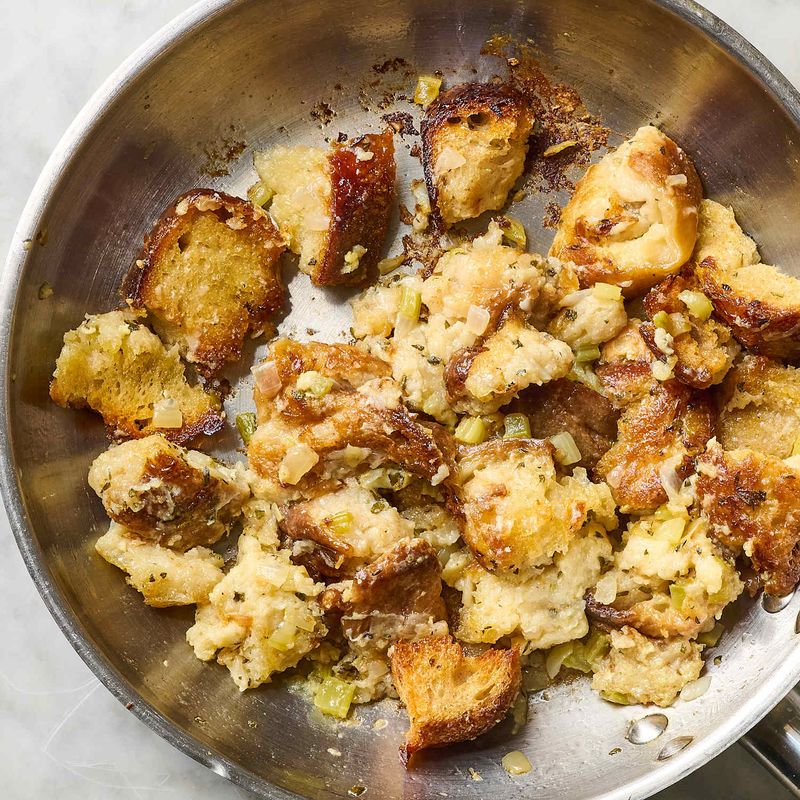
Holiday stuffing is beloved by almost everyone at the table, but it’s also one of the most bacteria-prone leftovers of the season. Stuffing cooked inside a bird absorbs juices that can carry bacteria, and its dense texture makes it slow to cool down and slow to reheat evenly.
That combination is a recipe for trouble.
Always store stuffing separately from the turkey after the meal. Refrigerate it in shallow containers within two hours and reheat it to 165 degrees Fahrenheit.
Eat stuffing leftovers within three to four days for the safest results.
12. Fried Foods
Fried foods are crispy and irresistible fresh out of the fryer, but they become genuinely tricky as leftovers. The outer coating tends to trap moisture during storage, creating conditions where bacteria can grow, especially if the food wasn’t cooled quickly enough.
Reheating in a microwave often makes the texture worse and heats unevenly.
Refrigerate fried foods within two hours of cooking. For the safest and most satisfying results, reheat them in an oven or air fryer to ensure even, thorough heating.
Avoid eating fried leftovers that have been sitting out for more than two hours.
13. Dairy-Based Dishes
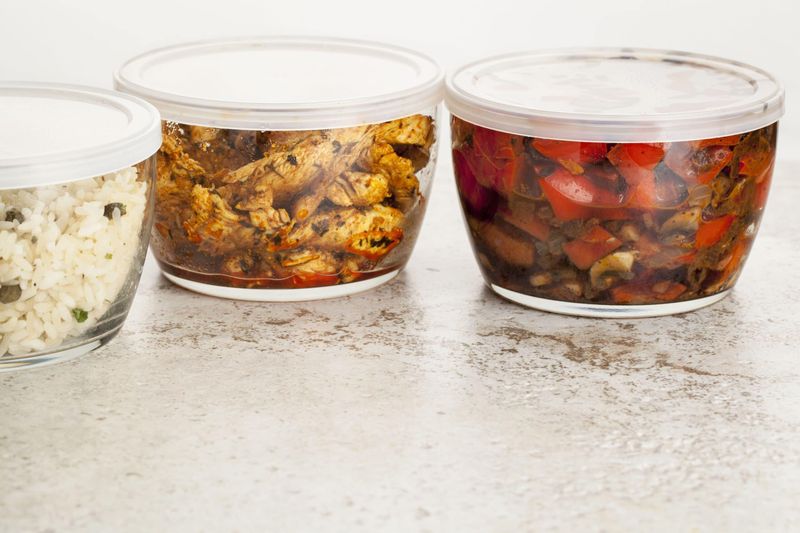
Creamy casseroles, cheese sauces, and dishes loaded with milk or cream are crowd favorites, but dairy spoils faster than most ingredients. Harmful bacteria multiply quickly in dairy-rich leftovers that are left at room temperature for too long or not reheated to the right temperature.
Separation and curdling are signs that something has gone wrong.
Refrigerate dairy-based dishes promptly and eat them within two to three days. Reheat slowly and stir often to distribute heat evenly.
If a dish smells sour or looks curdled, it’s safer to discard it rather than risk getting sick.
14. Cooked Pork
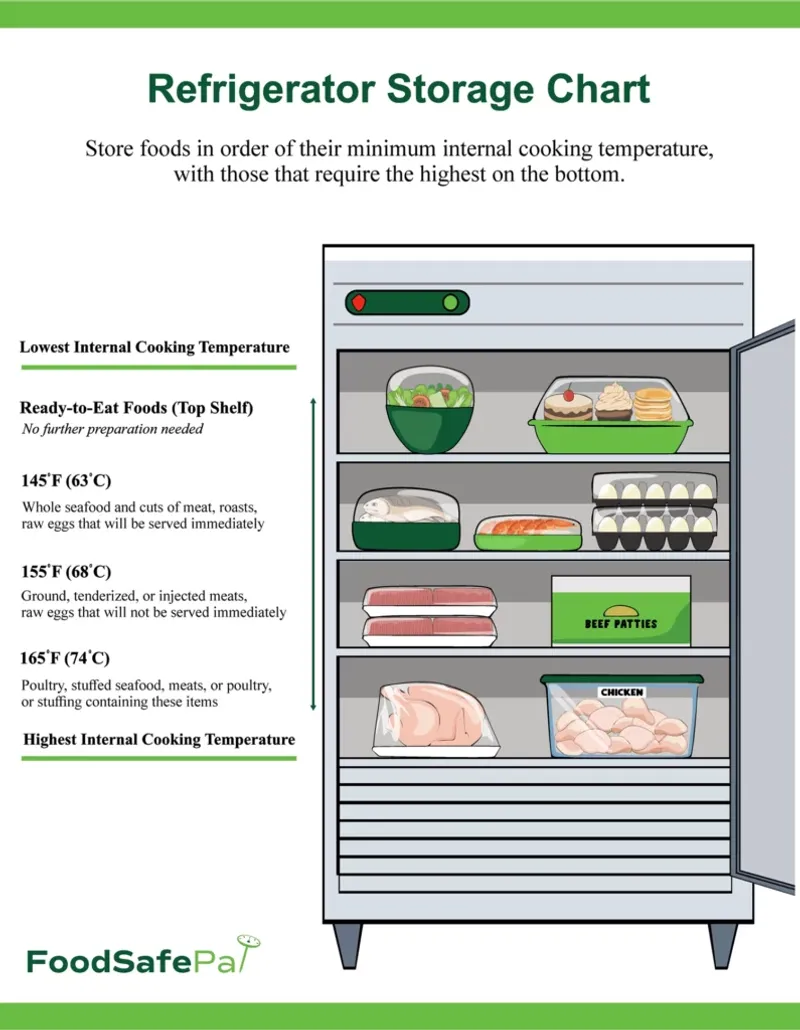
Pork is a versatile and satisfying protein, but leftover pork needs careful handling to stay safe. Like other meats, cooked pork can harbor bacteria that grow rapidly between 40 and 140 degrees Fahrenheit, a range food safety experts call the danger zone.
The risk goes up fast when leftovers sit out too long after a meal.
Refrigerate cooked pork within two hours and store it for no more than three to four days. Reheat it thoroughly to 165 degrees Fahrenheit.
Use a meat thermometer to double-check, especially for thick cuts like roasts or chops.
15. Cooked Vegetables with Oil
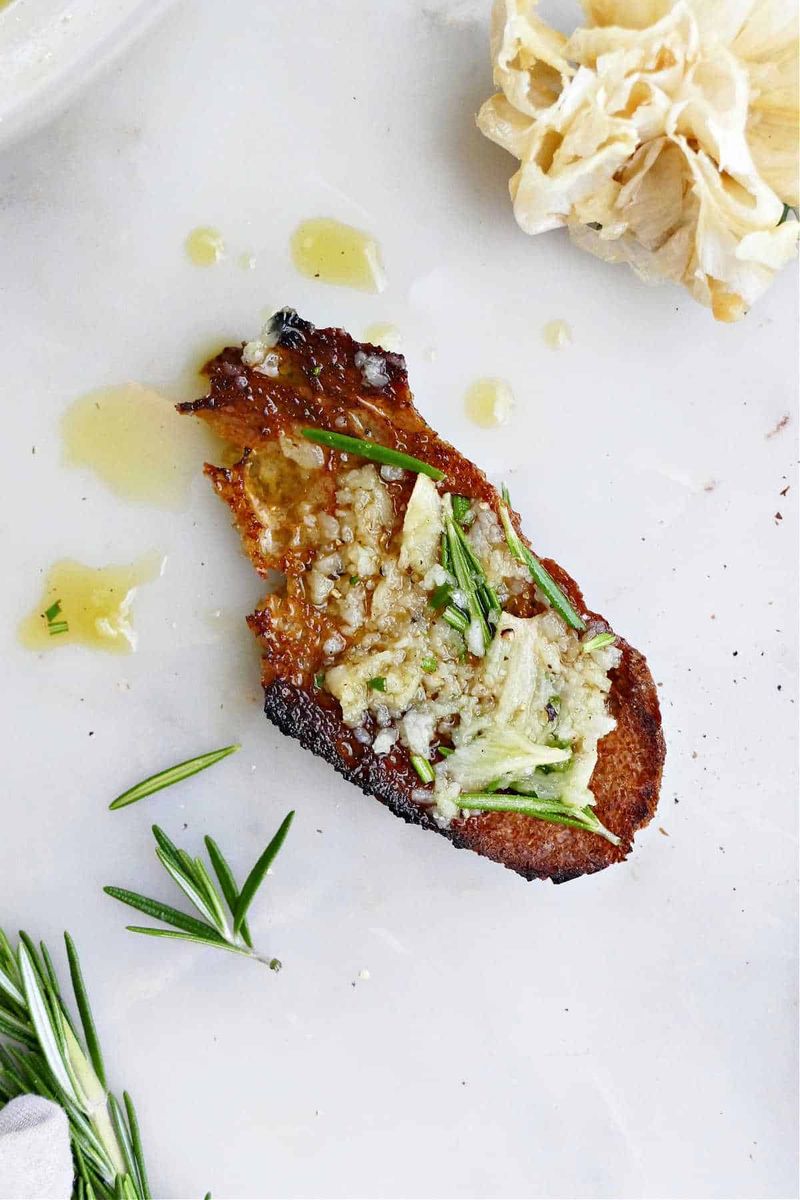
Roasted vegetables tossed in olive oil or butter are a healthy and tasty side dish, but adding oil changes how they need to be stored. Oil can create an oxygen-free environment around food, which is exactly where Clostridium botulinum thrives.
Garlic stored in oil is a well-known example of this risk.
Refrigerate oiled vegetables promptly and eat them within three to four days. Never store garlic or herbs submerged in oil at room temperature.
Reheat cooked vegetables thoroughly before serving and discard any that smell unusual or have been stored for too long.