
Some questions feel less like friendly conversation and more like an invasion of privacy. Whether they come from a nosy relative, a coworker, or even a stranger, certain questions cross a line that most people don’t realize exists.
You always have the right to keep parts of your life to yourself. Knowing which questions you can politely decline to answer is a powerful tool for protecting your peace.
1. Questions About Marital or Relationship Status

Nobody owes anyone a timeline for their love life. Questions like “When are you getting married?” or “Why are you still single?” carry hidden judgments that can sting more than people realize.
Relationship choices are deeply personal, shaped by circumstances, emotions, and priorities that outsiders simply cannot see. Feeling pressured to justify your relationship status is unfair.
A polite “I prefer to keep that private” is a perfectly acceptable answer.
2. Questions About Having Children

Few questions land as heavily as “When are you having kids?” For someone quietly battling infertility, recovering from a loss, or simply choosing a child-free life, this question can feel like a punch to the chest.
People rarely ask out of malice, but the damage is real regardless of intent. Your reproductive choices belong entirely to you.
No explanation, justification, or apology is required from anyone.
3. Questions About Salary or Financial Status

Money talk makes most people uncomfortable for good reason. Asking someone how much they earn or what they paid for their home puts people in an impossible position where any answer invites comparison or judgment.
Financial situations are complicated, private, and often tied to deeply personal stories. Salary questions can also reinforce workplace inequality.
Redirect with confidence by saying, “That’s something I keep between myself and my accountant.”
4. Questions About Weight or Pregnancy

Commenting on someone’s body is almost never as harmless as it seems. Asking “How much do you weigh?” or assuming someone is pregnant based on their appearance can trigger serious emotional harm.
Body image struggles are incredibly common, and a throwaway question can spiral into days of self-doubt for the person on the receiving end. The golden rule here is simple: never comment on someone’s body unless they bring it up first.
5. Questions About Sexual History
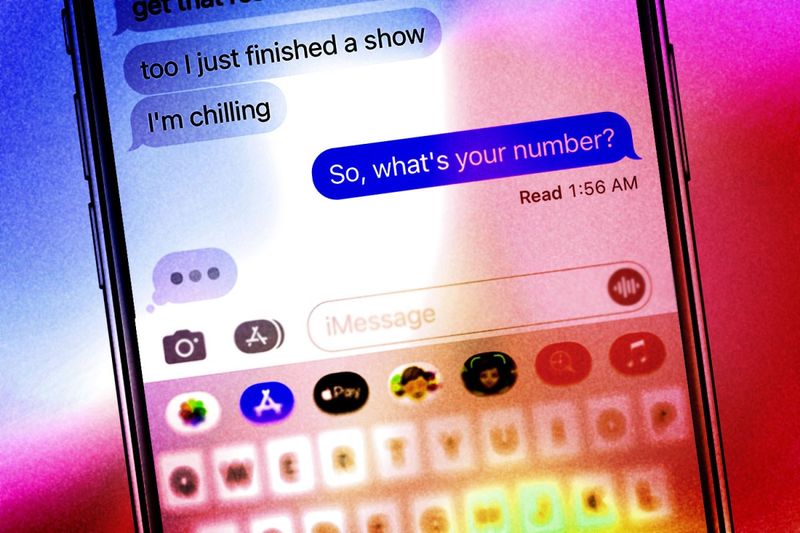
“How many people have you slept with?” is one of those questions that rarely comes from a place of genuine curiosity. More often, it stems from jealousy, insecurity, or a desire to judge.
A person’s past does not define their present character, loyalty, or values. Sexual history is among the most private categories of personal information.
Answering is entirely optional, and feeling pressured to share is a red flag worth paying attention to.
6. Questions About Past Relationships or Divorce

Breakups and divorces carry emotional weight that doesn’t simply disappear with time. Being asked to explain why a relationship ended forces someone to relive hurt they may have worked hard to move past.
Old wounds deserve protection, not public examination. Whether the split was messy, mutual, or somewhere in between, the details belong to the people involved.
Saying “It was a difficult time I’d rather not revisit” is a complete and dignified response.
7. Questions About Career Choices or Regrets

“Don’t you want a real job?” hits differently when it comes from someone you respect. Career paths today look nothing like they did a generation ago, yet the judgment around unconventional choices remains stubbornly alive.
Freelancers, artists, entrepreneurs, and career changers all deserve respect without having to defend their decisions at every gathering. Your professional journey is yours to navigate.
Confidence in your choices is the best response to unsolicited career opinions.
8. Questions About Age
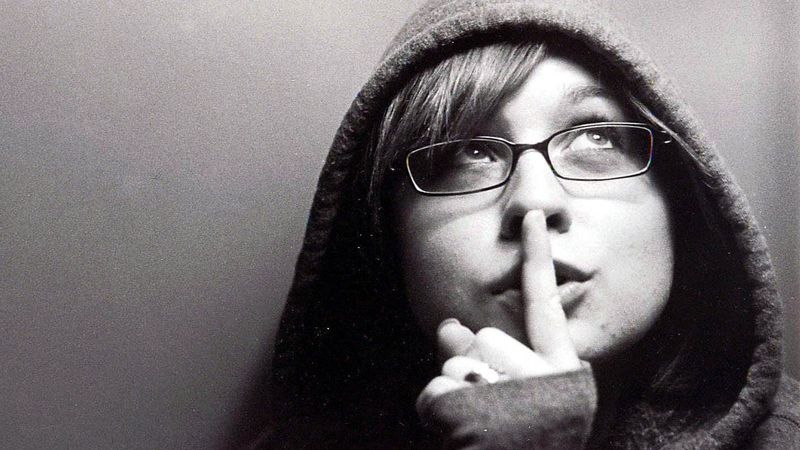
Age is just a number, but for many people it carries layers of social pressure tied to achievement, appearance, and expectation. Being asked your exact age can feel like being measured against an invisible checklist.
Some people keep their age private for professional reasons, others for personal comfort. Either way, it is completely valid.
A breezy “I stopped counting after 21” works just fine, or simply saying you prefer not to share is equally acceptable.
9. Questions About Political Views
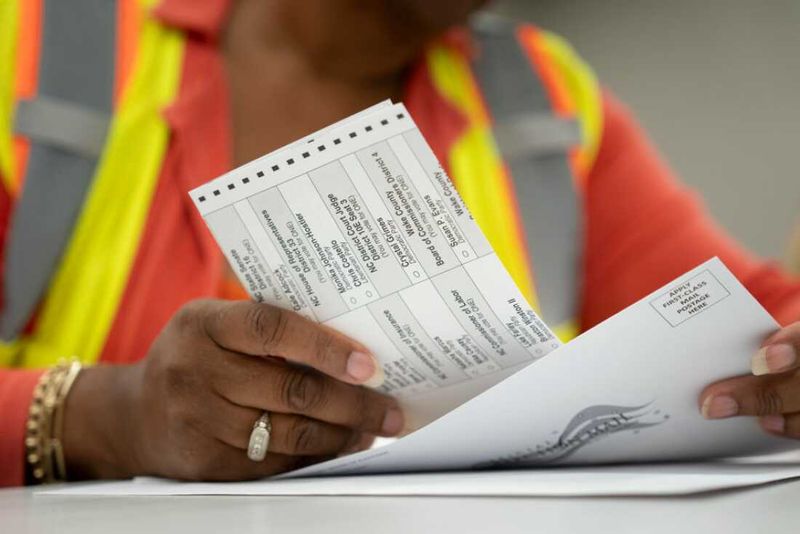
Politics has become one of the most divisive topics in modern conversation, and for good reason. Asking “Who did you vote for?” at a casual gathering can instantly turn warm company into a tense debate.
Voting is a private act by design. Your political beliefs are yours alone, and sharing them should always be a choice, never an obligation.
Responding with “I keep my ballot to myself” is both honest and completely reasonable.
10. Questions About Religious Beliefs
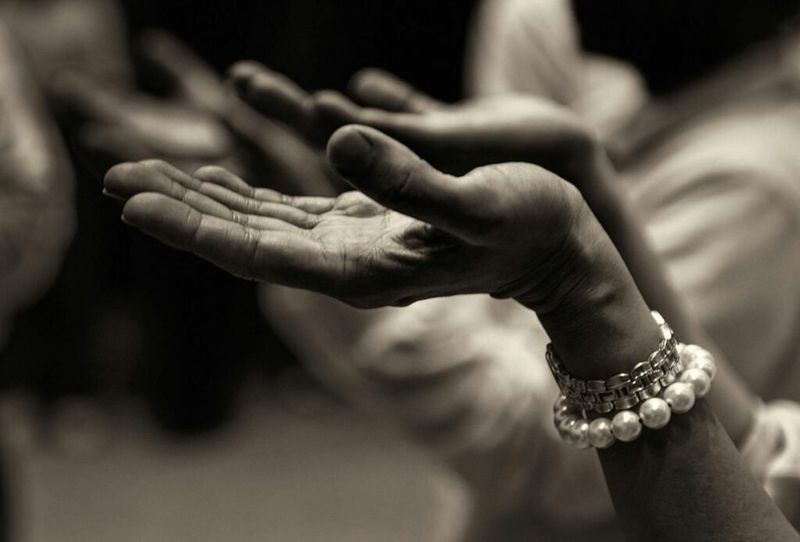
Faith, spirituality, and religion are among the most intimate parts of a person’s identity. Whether someone is deeply devout, quietly agnostic, or somewhere entirely outside traditional labels, their beliefs are theirs to share on their own terms.
Being interrogated about religious devotion or challenged on personal beliefs can feel violating. Curiosity is fine, but pressure is not.
Saying “My spiritual life is personal” closes the conversation with grace and zero apology needed.
11. Questions About Racial or Ethnic Background

“What are you?” is a question that reduces a full human being to a category. People of mixed heritage or ambiguous appearance often face this question repeatedly throughout their lives, and it rarely gets less exhausting.
Curiosity about someone’s background does not entitle you to an answer. Ethnicity and heritage are deeply personal, sometimes complicated, and sometimes painful to discuss.
Nobody owes a stranger a breakdown of their ancestry to satisfy casual curiosity.
12. Questions About Personality Traits

“Why are you so quiet?” sounds harmless but lands like a criticism. Introverts, people processing grief, and those simply having a hard day all hear the same unspoken message: something is wrong with you.
Personality is not a performance that needs explaining. Some people recharge in silence, and that deserves the same respect as any other trait.
A simple “I’m just a listener” deflects the question without inviting further interrogation into your inner world.
13. Questions About Health or Appearance

“You look tired” is rarely a compliment, no matter how it’s framed. Comments on someone’s appearance that hint at illness, stress, or decline can feel humiliating, especially when the person is already struggling.
Health is one of the most private topics there is, and unsolicited observations about how someone looks can touch on invisible battles. Chronic illness, mental health challenges, and sleepless nights are not public property.
A calm “I’m fine, thanks” ends it cleanly.
14. Questions About Personal Consumption Choices

Skipping alcohol at a party should require zero explanation, yet somehow it always seems to trigger a round of questions. “Why don’t you drink?” puts people in the uncomfortable position of defending choices that are entirely their own.
Sobriety, pregnancy, medication, religion, or personal preference are all valid reasons that nobody is obligated to share. Saying “It’s just not for me” is more than enough.
Your glass is your business, full stop.
15. Questions About Childhood or Past Regrets

Not everyone had a storybook childhood, and not everyone has made peace with their past. Being pushed to revisit old wounds or confess regrets in casual conversation can be genuinely destabilizing.
The past belongs to the person who lived it, and sharing it is a privilege, not a right. Trauma, mistakes, and hard memories are processed on personal timelines.
Answering with “That’s not something I talk about” is not rude. It is self-preservation, plain and simple.