
Some TV characters make us laugh, while others make us want to shout at the screen. Their lies, jealousy, and need for control can turn every relationship into a mess.
Watching them can help us spot harmful behavior, even when it hides behind charm or a good excuse. From dangerous villains to familiar sitcom favorites, these characters show very different shades of toxic behavior.
1. Ramsay Bolton: Cruelty Without Limits

A smile rarely means anything good when Ramsay enters the room. In Game of Thrones, he uses torture, threats, and sudden violence to keep people frightened and obedient.
His treatment of Theon and Sansa shows how deeply he enjoys having power over others.
Unlike villains chasing a clear goal, he often hurts people for pleasure. His story makes one lesson painfully clear: cruelty is not strength, and fear should never be mistaken for genuine respect.
2. Cersei Lannister: Power Comes Before People

Every conversation can become a chess match around the queen of King’s Landing. Cersei turns family ties, secrets, and promises into tools for protecting her position.
Her love for her children is real, but it often becomes an excuse for terrible choices.
She treats disagreement like betrayal and revenge like justice. Watching her rise reveals how dangerous leadership becomes when pride blocks honest advice and everyone nearby is treated as either useful or disposable.
3. Joe Goldberg: Obsession Wearing a Friendly Face

He remembers your favorite book, but that does not make him safe. On You, Joe wraps stalking and control in the language of romance.
His calm narration invites viewers to hear excuses that his victims never agreed to accept.
The gap between his thoughts and actions is the point. Caring about someone does not give you ownership of their time, privacy, or choices.
His charm makes that warning more unsettling, not any less urgent.
4. Walter White: Pride Behind the Provider Story

At first, a desperate father seems easy to understand. Breaking Bad slowly pulls that excuse apart as Walter chooses power, secrecy, and status over his family’s safety.
His skill at chemistry grows into confidence that he deserves to control everyone.
He lies to loved ones and pulls Jesse into terrible situations. The useful takeaway is uncomfortable: a good reason at the beginning cannot excuse every harmful choice that follows, especially when pride takes charge.
5. Chuck Bass: Wealth Cannot Buy Accountability

Expensive suits can distract from some very ugly behavior. Throughout Gossip Girl, Chuck uses money, influence, and emotional pressure to get his way.
His early actions include sexual assault, making his appeal far more troubling than ordinary bad boy drama.
Later growth matters, but it does not erase earlier harm. His relationships offer a reminder to judge people by consistent conduct rather than grand gifts, painful backstories, or promises that love will somehow fix everything.
6. Eric Cartman: A Tantrum With an Audience

Give a spoiled kid endless schemes, and you get chaos. South Park pushes Cartman’s selfishness to outrageous extremes, mixing prejudice, bullying, and revenge into its darkest jokes.
He expects special treatment while showing little concern for anyone else’s pain.
The comedy works through exaggeration, not because his behavior deserves praise. Beneath the wild plots sits a familiar pattern: someone causes trouble, blames everybody else, and demands sympathy.
Recognizing that cycle helps explain why accountability matters.
7. Joffrey Baratheon: A Crown Without Restraint
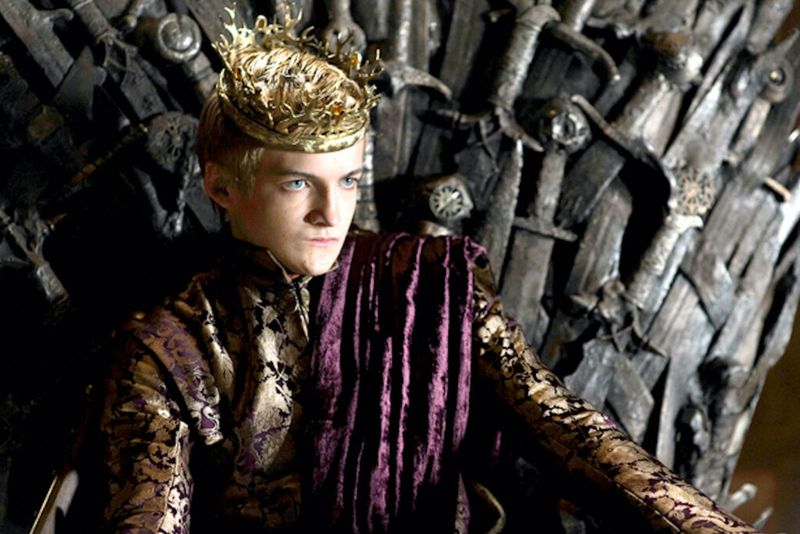
Imagine the school bully suddenly gaining an entire kingdom. That is part of what makes Joffrey so frightening in Game of Thrones.
He confuses royal authority with permission to humiliate, threaten, and kill anyone who displeases him.
His cruelty toward Sansa exposes how much he enjoys another person’s fear. Surrounded by people who enable him, he faces few meaningful limits.
The character shows why power needs checks, especially when its owner cannot handle being challenged.
8. Skyler White: Compromise Under Pressure

Not everyone on this list belongs in the same moral category. Skyler faces Walter’s lies, danger, and abuse in Breaking Bad, which gives essential context to her choices.
Still, helping hide his money draws her into deception with serious consequences.
Her story is less about simple villainy than compromised judgment under pressure. Viewers can question her actions without pretending she caused Walter’s crimes.
Understanding someone’s difficult situation and holding them responsible can both happen together.
9. Jeremy Jamm: Public Service as a Personal Game
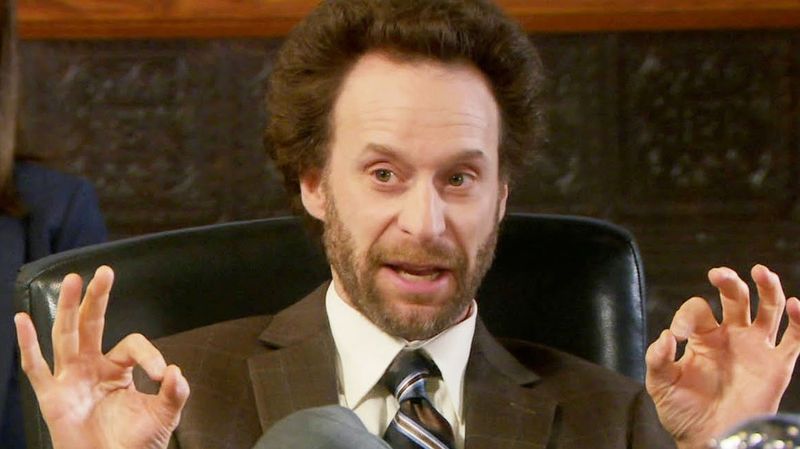
A routine council meeting becomes exhausting when petty revenge takes priority. In Parks and Recreation, Jeremy Jamm blocks Leslie Knope’s work, talks down to others, and uses his office for personal advantage.
His smug attitude makes every small obstacle feel bigger.
Unlike a fantasy tyrant, he resembles someone you might meet at work. That familiarity supplies the joke and the warning: people who value winning over solving problems can drain an entire group’s time and energy.
10. Benjamin Linus: Lies That Keep Everyone Guessing

You can hear an answer from Ben and still know nothing. Lost builds much of his menace around secrets, careful lies, and his talent for finding emotional weak spots.
As leader of the Others, he makes control look like necessary protection.
He can appear helpless one moment and hold the advantage the next. His shifting stories highlight a useful warning sign: when someone constantly controls the information, making a truly informed choice becomes almost impossible.
11. Kilgrave: Control Is Not Consent

One spoken command can steal another person’s freedom. In Jessica Jones, Kilgrave’s mind control turns ordinary conversations into threats.
He forces people to obey and then acts as though their actions prove affection, loyalty, or agreement.
His treatment of Jessica exposes the horror behind that logic. Compliance under force is never consent.
Although his ability is fictional, the excuses feel familiar: blaming victims, denying harm, and insisting that wanting someone matters more than respecting their choices.
12. Ross Geller: Jealousy Spoils the Romance

Being insecure is human; making it someone else’s burden gets messy. Friends often plays Ross’s jealousy for laughs, especially when Rachel builds a career outside their relationship.
His suspicion and need for reassurance sometimes become pressure rather than honest communication.
He also has caring moments, so calling him purely evil misses the point. The relatable lesson lies in the contrast: affection does not cancel controlling habits, and a partner’s independence should not feel like a threat.
13. Jim Halpert: When the Joke Stops Being Funny

The camera catches a smirk, and viewers are invited to laugh. On The Office, Jim’s pranks against Dwight can be clever, but repeated embarrassment sometimes crosses into bullying.
His easy charm can make that imbalance harder to notice.
Dwight also behaves badly, and their friendship eventually deepens. Even so, their rivalry raises a fair workplace question: is everyone enjoying the joke?
Humor works better when it builds connection instead of making one colleague the permanent target.
14. Dawson Leery: The Nice Guy With Conditions

Life is not a movie with one guaranteed leading man. Dawson’s Creek often finds Dawson struggling when friends make choices that do not fit his imagined story.
His hurt feelings can turn into guilt, judgment, and pressure on Joey.
Teenage confusion explains some of his behavior without making it harmless. His most frustrating moments reveal the problem with conditional kindness: treating someone well does not earn romance, and disappointment does not grant control over their future.
15. Pete Campbell: Ambition With an Entitled Edge

Some people want a promotion; Pete wants proof he matters. In Mad Men, his hunger for status often comes wrapped in snobbery, resentment, and selfish choices.
He expects recognition while struggling to offer others basic respect.
His insecurity adds depth, but it cannot excuse infidelity or exploiting power over vulnerable people. Across his uneven growth, the clearest insight remains practical: ambition becomes destructive when getting ahead matters more than the dignity of anyone standing nearby.