
Looking back on love and relationships can bring up feelings that are hard to ignore. Many older women carry quiet regrets about choices they made, patterns they accepted, or voices they silenced along the way.
These honest reflections are not about shame but about wisdom worth sharing. Understanding these common regrets can help younger women make more thoughtful choices in their own relationships.
1. Ignoring Early Red Flags
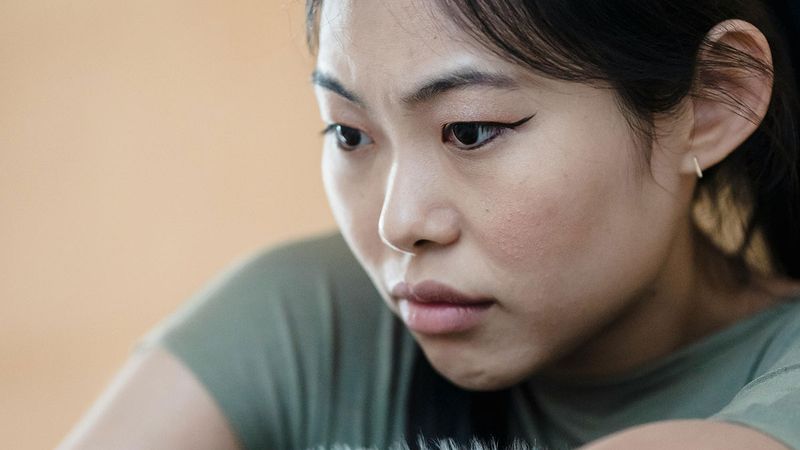
That uneasy feeling you brush off early in a relationship? It rarely goes away on its own.
Many older women say they knew something was wrong from the start but talked themselves out of trusting that instinct. They hoped things would improve, but the warning signs they ignored only grew bigger over time.
Trusting your gut is one of the most powerful tools you have. When something feels off, it usually is.
2. Staying Too Long in the Wrong Relationship
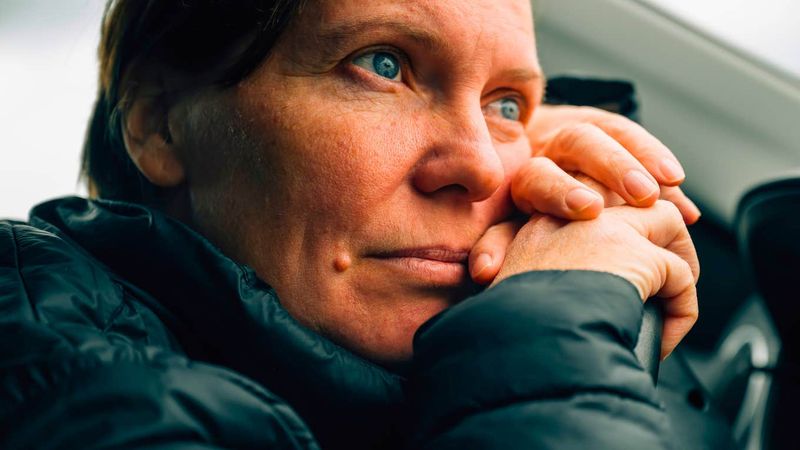
Years can slip by when you are holding onto hope that a relationship will turn around. Countless older women admit they stayed far too long in partnerships that made them unhappy, mostly out of fear of being alone or starting over.
The comfort of the familiar kept them rooted in places that no longer helped them grow.
Leaving is not failure. Sometimes walking away is the bravest, most self-loving decision a person can make.
3. Losing Yourself in a Partner’s Life

When love feels all-consuming, it is easy to let your own identity quietly fade. Many older women regret setting aside their hobbies, friendships, and career goals to fully merge with a partner’s world.
Over time, they woke up one day not recognizing who they had become outside of that relationship.
A healthy partnership should lift both people up, not swallow one whole. Keeping your sense of self is not selfish; it is essential.
4. Not Speaking Up About Needs and Boundaries

Swallowing your feelings to avoid conflict might seem like keeping the peace, but it often builds invisible walls. Many older women wish they had spoken up sooner about what they needed and where their limits were.
Staying quiet for the sake of harmony left them feeling unseen and eventually resentful.
Saying what you need is not causing trouble. Clear communication is the foundation that keeps a relationship honest and balanced for both people involved.
5. Marrying for the Wrong Reasons
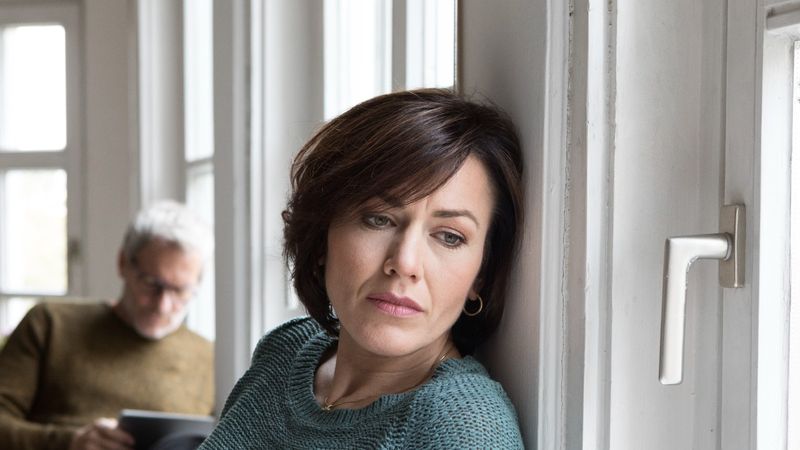
Societal pressure, family expectations, and fear of being left behind pushed many women into marriages that were not built on real compatibility or love. Looking back, older women often admit they said yes because it felt like the right time or the right thing to do, not because it was truly the right person.
A marriage grounded in genuine connection and shared values gives both partners a far better chance at lasting happiness and mutual respect.
6. Tolerating Disrespect for Too Long

Disrespect rarely announces itself loudly at first. It often starts small, a dismissive comment here, a broken promise there, until the pattern becomes the relationship’s normal.
Many older women deeply regret not calling out hurtful behavior the moment it appeared, because allowing it to continue chipped away at their self-worth piece by piece.
You teach people how to treat you by what you accept. Addressing disrespect early protects your dignity and sets a healthier standard for the whole relationship.
7. Giving Too Many Second Chances

Hope is a beautiful thing, but it can also keep you tied to someone who keeps repeating the same harmful patterns. Many older women look back and wish they had recognized the cycle sooner instead of offering chance after chance to a partner who was not truly willing to change.
Loving someone does not mean enduring the same hurt on repeat. Recognizing a pattern and choosing yourself is not giving up; it is growing up.
8. Not Pursuing Personal Dreams Before Settling Down

Before the responsibilities of a serious relationship took over, there were dreams waiting to be chased. Travel, creative projects, career adventures, personal milestones left unexplored because settling down came first.
Many older women carry a quiet ache for the version of themselves that never got the chance to fully bloom on her own terms.
A strong relationship can absolutely coexist with personal ambition. Pursuing your own passions first actually makes you a more grounded and fulfilled partner in the long run.
9. Overlooking Financial Incompatibility
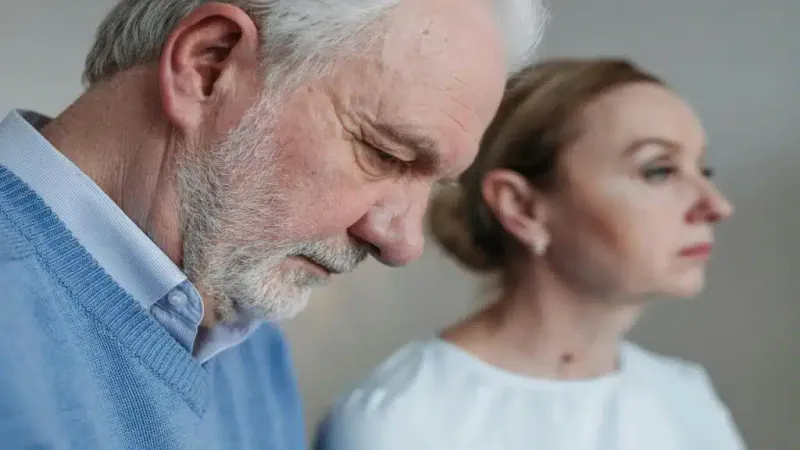
Money conversations feel uncomfortable early in a relationship, so many couples avoid them entirely. But financial habits, spending styles, and attitudes toward saving can make or break a partnership over time.
Older women frequently mention that ignoring money red flags early on led to serious stress, arguments, and even the unraveling of their relationship later.
Talking openly about finances is not unromantic. Knowing you and your partner are financially compatible is one of the most practical forms of love and planning.
10. Caring Too Much About What Others Thought

For years, many women shaped their relationship choices around what their family, friends, or community would think. They stayed in relationships that looked good from the outside even when they felt hollow on the inside.
The opinions of others carried more weight than their own honest feelings, and that trade-off cost them dearly.
Your relationship is not a performance for anyone else’s approval. Living authentically, even when it is messy, will always bring more peace than living for someone else’s applause.
11. Silencing Needs to Keep the Peace

Keeping the peace sounds kind, but consistently silencing your own needs creates a slow-building emotional distance that is hard to undo. Many older women regret how often they swallowed frustration, agreed when they disagreed, or pretended to be okay when they were not.
Over time, that unspoken tension turned into resentment and loneliness.
A relationship where one person always keeps quiet is not peaceful, it is lopsided. Both voices deserve to be heard and respected equally.
12. Believing Love Alone Would Fix Everything

Love is powerful, but it cannot fix incompatibility, heal unaddressed wounds, or change someone who is not willing to do the work. Many older women spent years holding onto the idea that if they just loved their partner enough, things would eventually fall into place.
That belief kept them waiting for a change that never arrived.
Love is a starting point, not a solution to every problem. Real relationships also need effort, honesty, and two people genuinely committed to growing together.
13. Accepting Emotional Distance as Normal
When emotional closeness slowly fades, it can happen so gradually that you barely notice until you feel completely alone inside the relationship. Many older women accepted that emotional distance was just how long-term partnerships worked, telling themselves it was normal.
But deep down, they craved connection and quietly grieved its absence for years.
Emotional intimacy is not a luxury; it is a need. Naming that loneliness and asking for closeness takes courage, but it is always worth the conversation.
14. Staying Because of Time Already Invested

“We have been together so long” is one of the most common reasons women stay in relationships that no longer bring them joy. The years already spent feel like a reason to keep going, even when the connection is gone.
Older women often call this the sunk cost trap, and many wish they had let go sooner rather than later.
Time already spent cannot be recovered by spending more of it unhappily. Choosing yourself now is always better than waiting for a better moment that may never come.
15. Not Forgiving Themselves for Past Mistakes

Every person makes mistakes in relationships, and older women are no exception. What sets many of them apart in hindsight is how long they carried guilt and self-blame for choices made during painful or confusing seasons of life.
That inner criticism became its own kind of weight, heavier in some ways than the regret itself.
Self-forgiveness is not excusing the past; it is freeing yourself from it. You deserved compassion then, and you still deserve it now.