
Cartoon Network brought countless anime series to American audiences through Toonami and other programming blocks. While shows like Dragon Ball Z and Cowboy Bebop became household names, many other quality anime quietly came and went.
Some of these forgotten gems offered unique stories and characters that deserved more recognition than they received.
1. Robotech
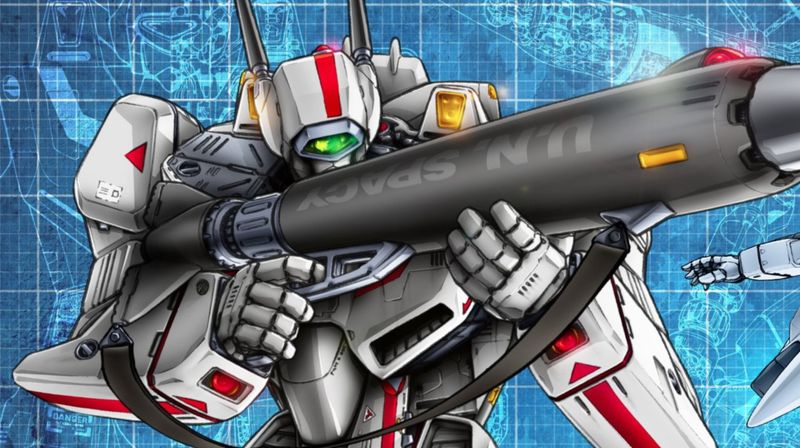
Back in January 1998, Toonami brought this sprawling mecha saga to viewers. The series combined humans, aliens, and transforming technology into an ambitious narrative that somehow didn’t stick with audiences.
Toonami specifically aired only the Macross and Robotech Masters story arcs. The complex plot involving multiple generations and intergalactic warfare proved too intricate for casual viewers.
Despite being a formative series in the mecha genre, its legacy on American television remains surprisingly minimal compared to later robot shows.
2. Ronin Warriors
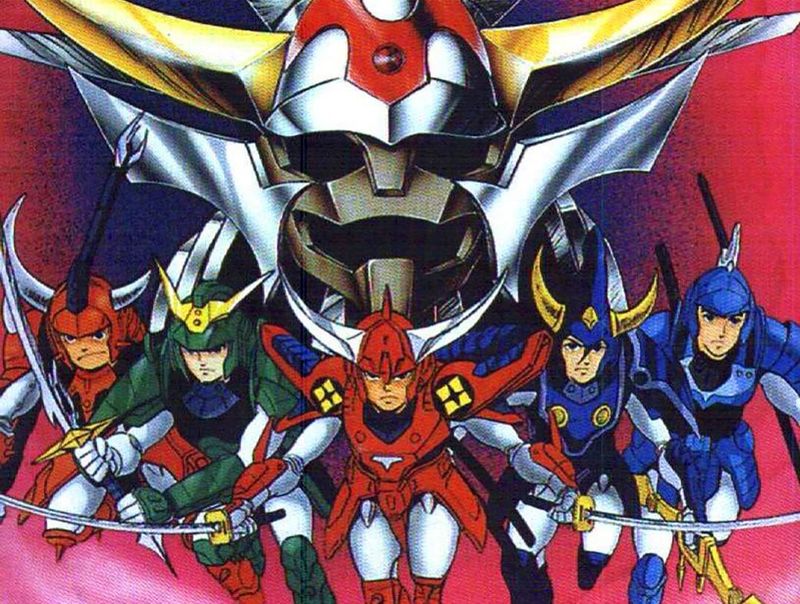
Before it landed on Toonami in fall 1999, this shonen adventure had already made rounds on USA Network and Sci-Fi Channel since 1995. Five warriors donning mystical armor fought against evil forces in classic good-versus-evil fashion.
The series featured stunning armor designs and intense battle sequences that should have left a lasting impression. Yet somehow, it faded from collective memory despite its early syndication success.
The show’s combination of ancient Japanese mythology and modern storytelling deserved better recognition than it ultimately received.
3. The Big O
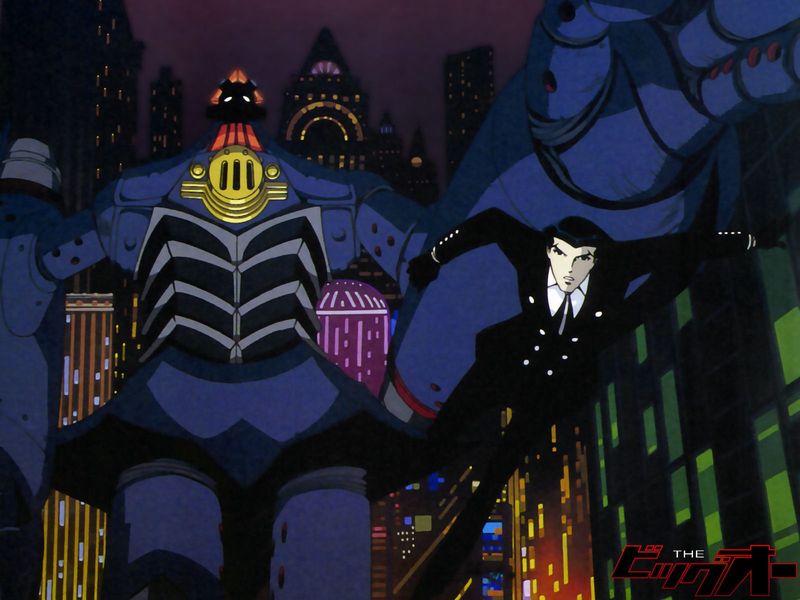
Often labeled a Toonami classic, this noir-inspired mecha series gets overshadowed by its more famous contemporaries. The show blended film noir aesthetics with giant robot action in ways rarely seen before or since.
Set in a city where memories have been erased, protagonist Roger Smith piloted the massive Big O robot. The series offered philosophical questions wrapped in stylish action sequences and jazz music.
While Cowboy Bebop grabbed most of the spotlight, The Big O quietly built its own dedicated following with unique storytelling.
4. Tenchi Universe
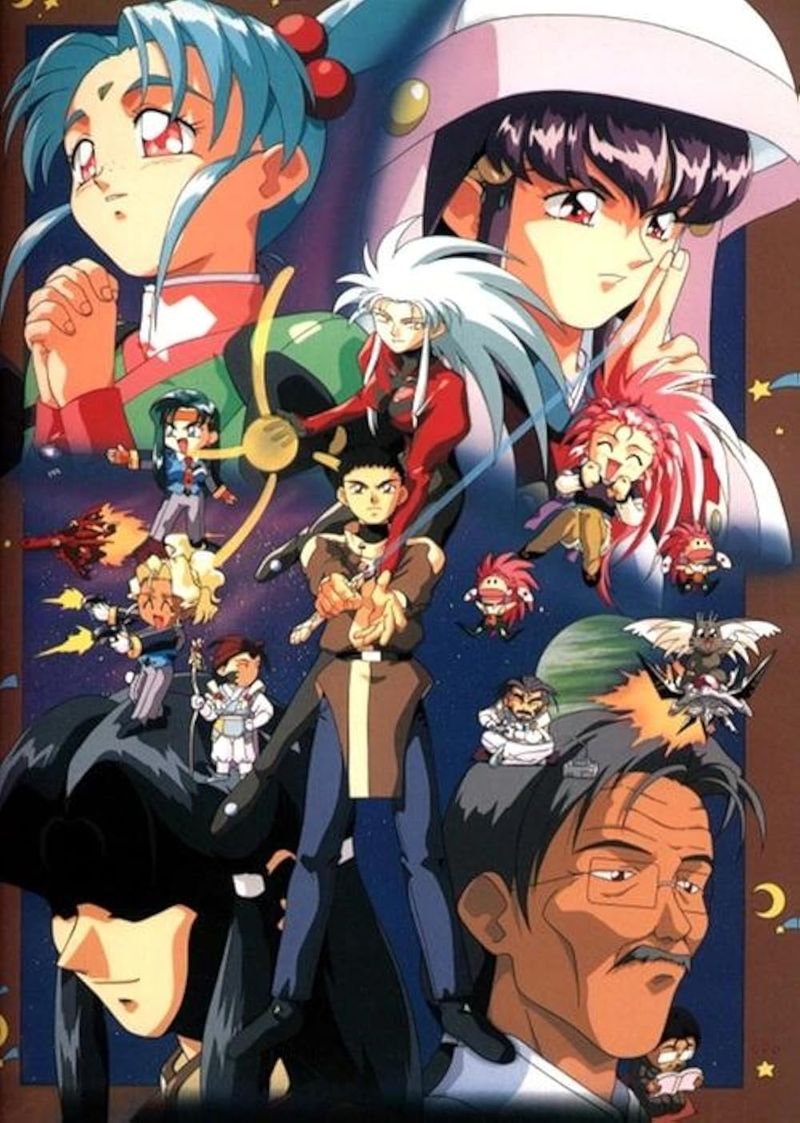
The Tenchi Muyo franchise enjoyed massive popularity in Japan, but Tenchi Universe struggled to connect with Toonami’s action-hungry audience. Its laid-back comedy and romantic elements felt out of place among high-octane battle shows.
Multiple Tenchi series aired on the block, including Tenchi in Tokyo and Tenchi Muyo GXP. The later GXP installment particularly disappointed fans by replacing beloved Tenchi with Seina Yamada.
The franchise’s gentle humor and slower pacing simply couldn’t compete with explosive shonen adventures dominating the lineup.
5. Cyborg 009
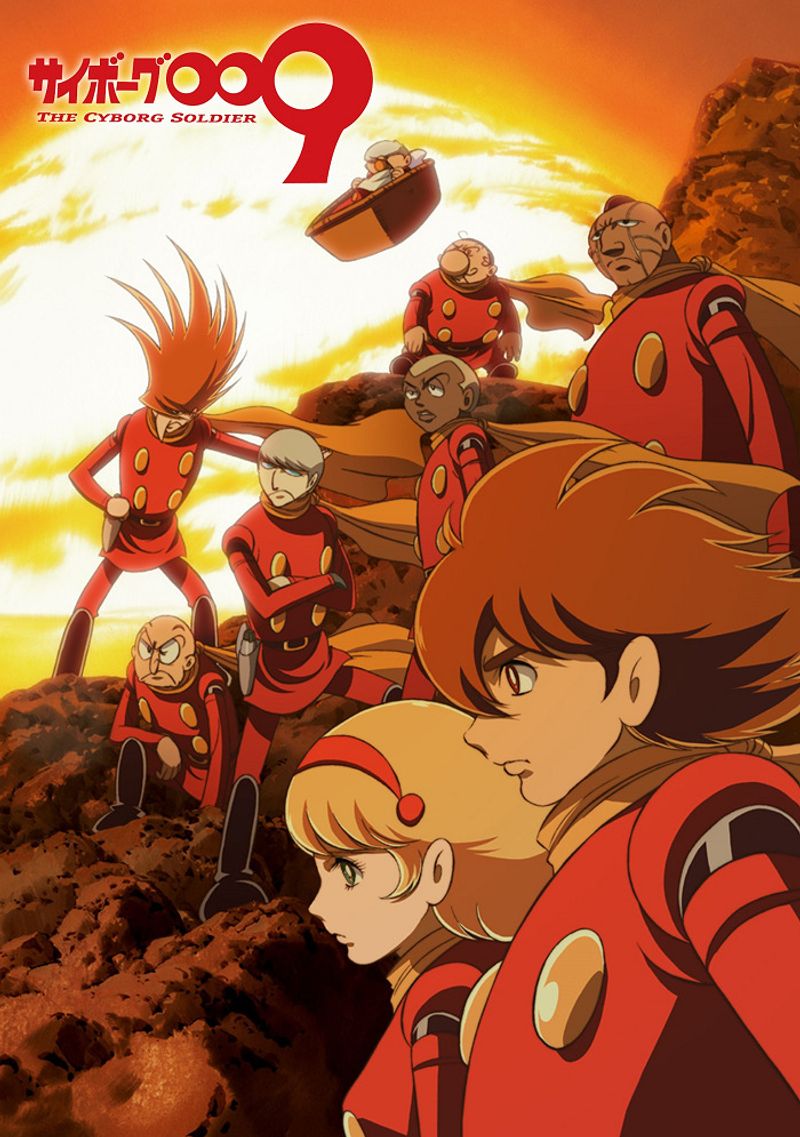
Among the more obscure offerings from Cartoon Network’s 2000s anime lineup, this superhero team series never gained mainstream traction. Nine individuals transformed into cyborgs fought against evil organizations threatening world peace.
The show featured creative powers for each numbered cyborg and explored themes of humanity versus technology. Despite being based on an influential manga by Shotaro Ishinomori, it remained largely unknown to American viewers.
The series deserved recognition for its thoughtful approach to the superhero genre and compelling character dynamics.
6. Hamtaro
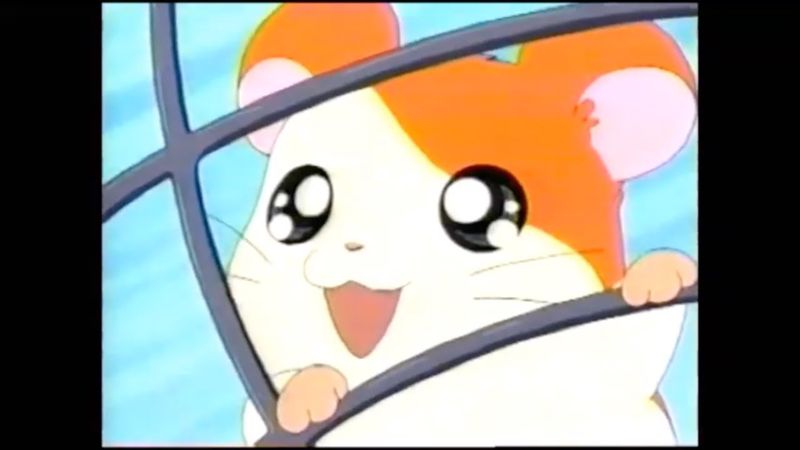
Featuring adventures of cute hamsters, this wholesome series became something viewers watched but mysteriously forgot about entirely. Hamtaro and his Ham-Ham friends explored their neighborhood and solved problems with friendship and teamwork.
The show’s gentle nature and younger target demographic made it stand out oddly among Toonami’s typical action-heavy programming. Kids genuinely enjoyed watching these tiny rodents on their daily adventures.
Yet somehow, despite its charm and positive messages, Hamtaro vanished from cultural memory faster than most anime from that era.
7. Outlaw Star
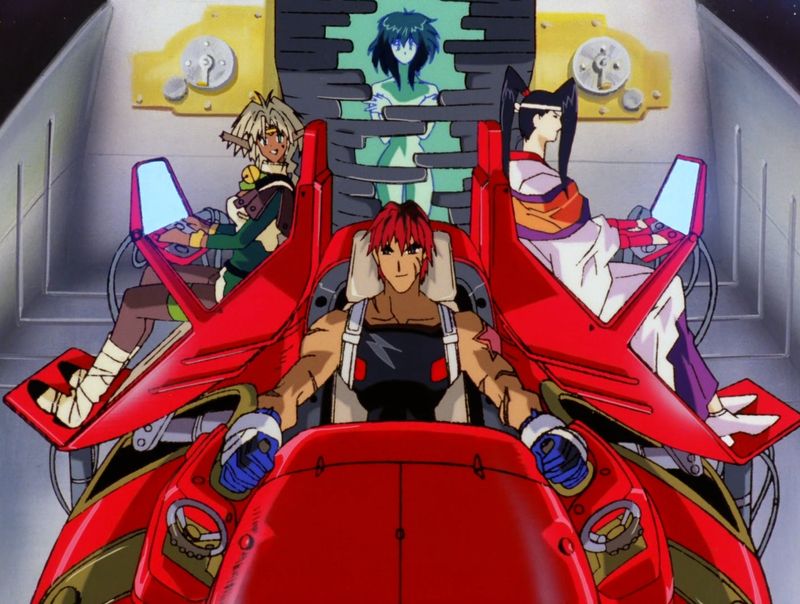
Premiering in January 2001 as one of Toonami’s earliest anime, this space western combined frontier adventure with science fiction spectacle. Gene Starwind and his crew searched for the legendary Galactic Leyline aboard their advanced spacecraft.
The series offered everything fans could want: space pirates, ancient technology, gun-slinging action, and compelling mysteries. Unfortunately, Cowboy Bebop’s overwhelming popularity completely eclipsed this equally worthy space adventure.
Outlaw Star deserved to be remembered alongside its more famous contemporary rather than lost in its shadow.
8. Blue Submarine No. 6
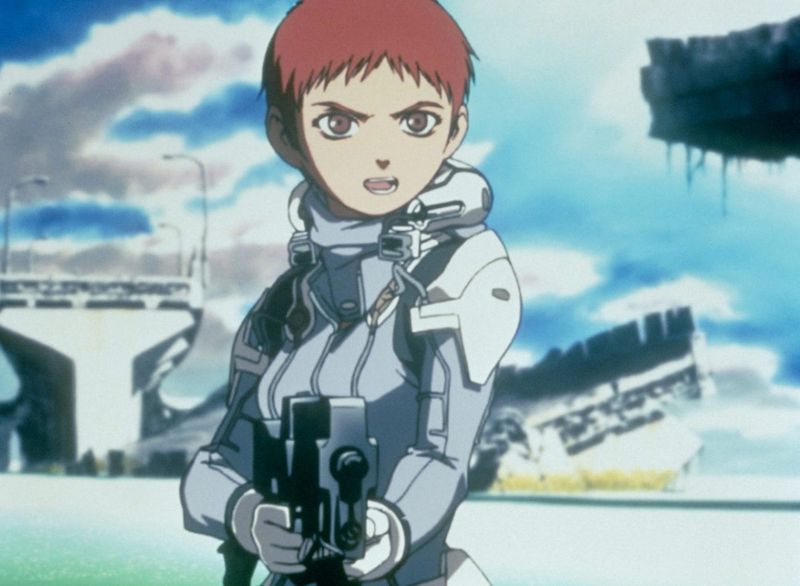
This four-episode OVA represented Toonami’s willingness to experiment with unconventional programming choices. Set in a flooded future Earth, humanity battled genetically engineered sea creatures from advanced submarines.
The series featured stunning computer-generated animation mixed with traditional techniques, creating a unique visual experience. Its serious tone and abbreviated format made it a strange choice for the block.
After this experiment, Toonami quickly abandoned airing OVA series, making Blue Submarine No. 6 a fascinating anomaly in the programming history.
9. Rave Master
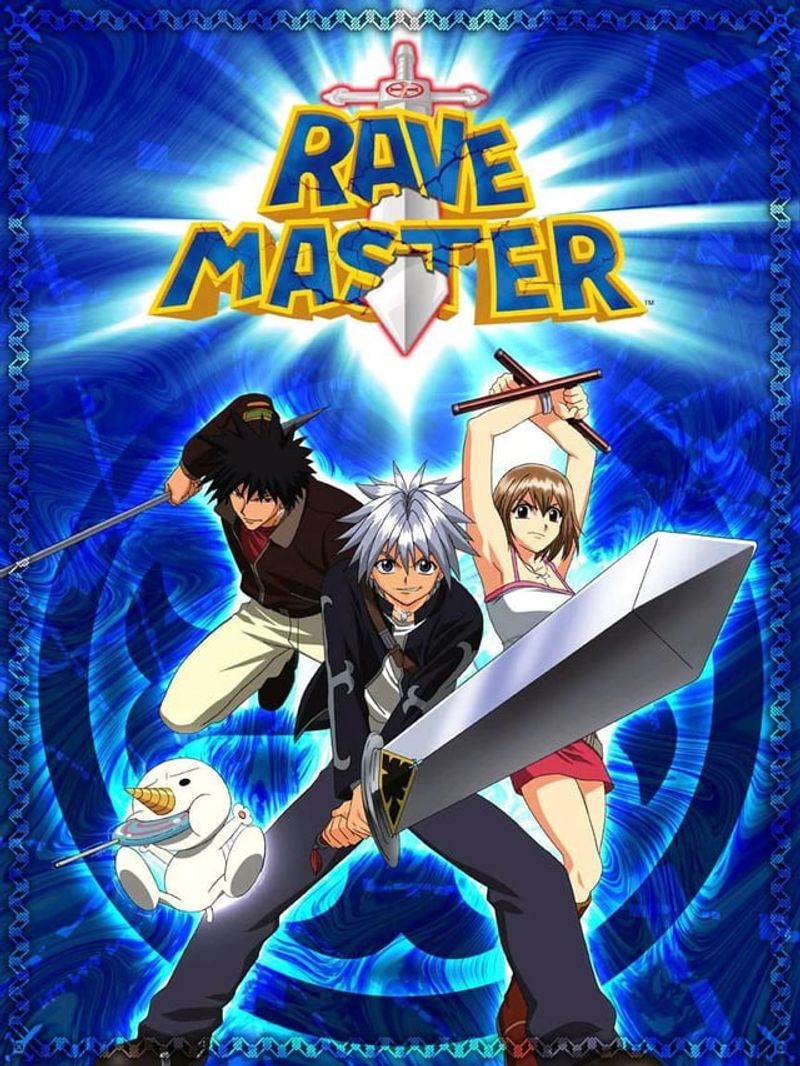
Created by Hiro Mashima before his Fairy Tail fame, this forgotten gem presented engaging shonen adventure with clearly defined quests. Haru Glory sought the scattered Rave stones to save the world from darkness using his shape-shifting sword.
The series combined humor, action, and heartfelt moments in ways that should have resonated with Toonami audiences. Its creative magic system and likable characters deserved more attention than they received.
Rave Master remains an underappreciated standout from the 2000s that showcased Mashima’s storytelling talents before he became widely recognized.
10. IGPX: Immortal Grand Prix
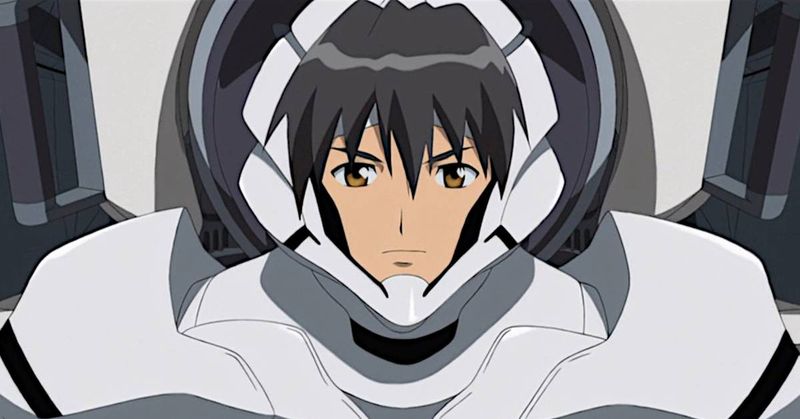
Cartoon Network’s first original anime co-production with Production I.G started as five micro-episodes before expanding into a full series. Set in 2049, teams piloted mechs in a hybrid sport combining high-speed racing with intense combat.
The show featured impressive animation and creative world-building that pushed boundaries for Western anime production. Despite its innovative premise and quality execution, IGPX became an obscure relic from the 2000s.
The series proved that original anime productions could work, even if mainstream audiences didn’t fully embrace this particular experiment.