
Harry Potter has been around for decades, yet fans are still arguing about some of the biggest mysteries in the wizarding world. From Snape’s true loyalties to the strange rules of Time-Turners, these questions never seem to get old.
Some mysteries have been answered by J.K. Rowling over the years, but others remain wide open for debate.
Get ready to revisit the moments that have kept Potterheads talking for years.
1. What Really Happened to Voldemort’s Soul After His Defeat?
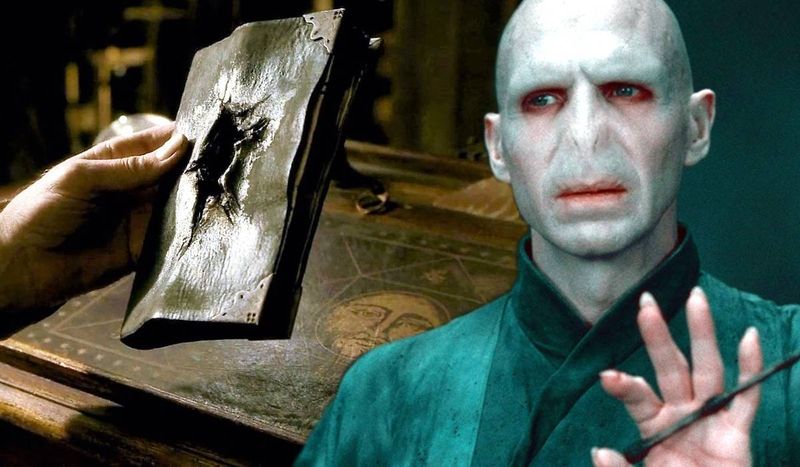
Every single one of Voldemort’s Horcruxes was destroyed before he finally fell. Tom Riddle’s diary, Marvolo Gaunt’s ring, Slytherin’s locket, Hufflepuff’s cup, Ravenclaw’s diadem, and Nagini were all eliminated one by one.
Even the fragment inside Harry was wiped out when Voldemort hit him with Avada Kedavra.
Fans still debate whether any piece of his soul survived somewhere. The books suggest those soul fragments simply ceased to exist, leaving Voldemort with no path back and no afterlife to speak of.
2. Time-Turner Logic: Do They Create Alternate Timelines?
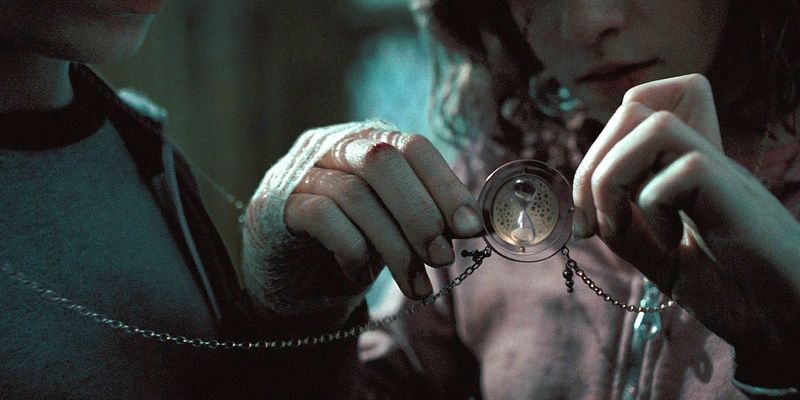
Time-Turners are one of the most hotly argued topics in the fandom. According to how Rowling wrote them, they operate on closed loops, meaning the past was always going to happen exactly as it did.
Harry and Hermione didn’t change history; they fulfilled it.
Still, fans love imagining what-if scenarios. Rowling deliberately destroyed all remaining Time-Turners during the Battle of the Department of Mysteries, probably to avoid these exact headaches from spiraling out of control.
3. How Did the Ministry Miss Underage Magic at the Burrow?
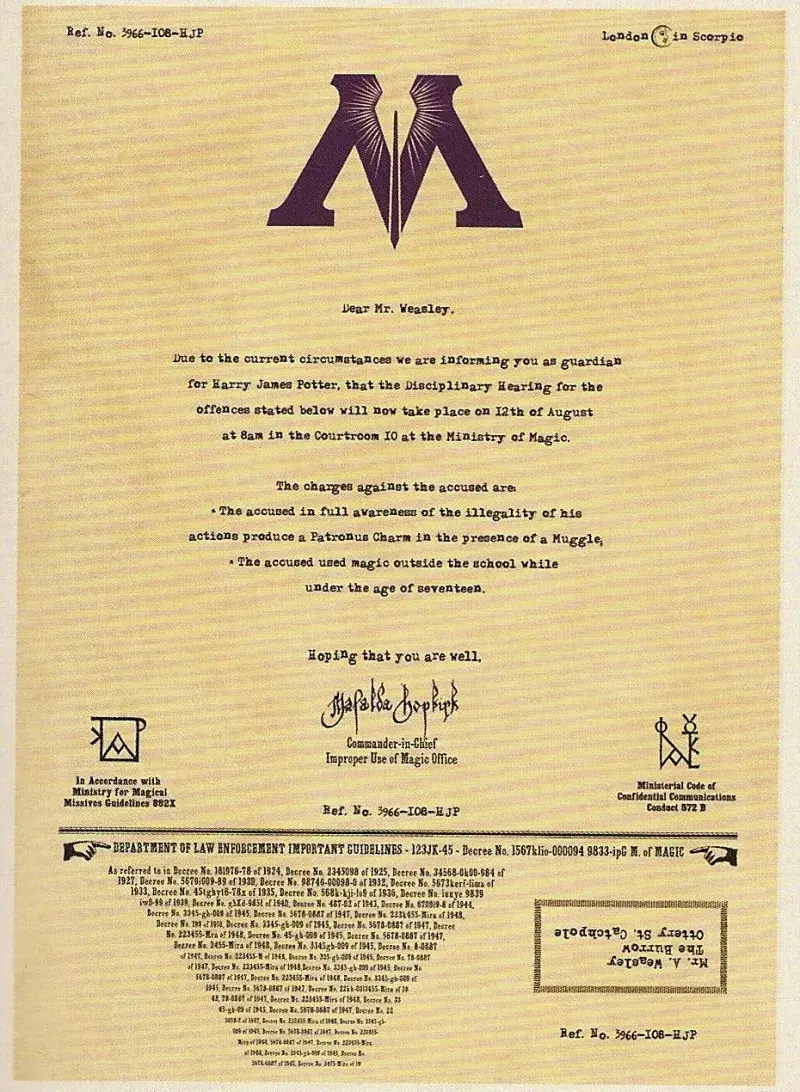
Here is one of those plot holes fans bring up constantly. Harry got a warning for magic performed by Dobby in his own home, yet the Weasley kids cast spells at the Burrow all the time without any Ministry interference.
Seems unfair, right?
The answer is actually logical once you know it. The Ministry can only detect that magic was used near an underage wizard, not who cast it.
In wizarding homes, parents are trusted to keep their kids in line.
4. Was Ariana Dumbledore an Obscurial All Along?
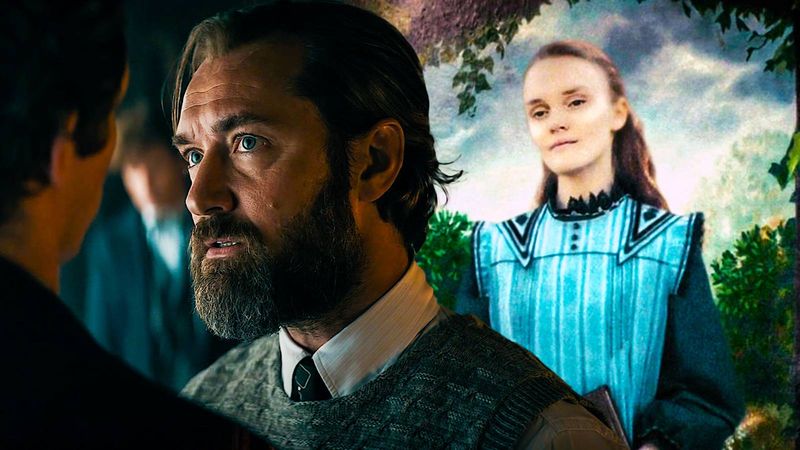
Ariana Dumbledore’s tragic story took on a whole new meaning after the Fantastic Beasts films introduced Obscurials. Fans quickly connected the dots, and J.K.
Rowling confirmed it: Ariana was indeed an Obscurial. After Muggle boys attacked her for performing magic, she repressed her abilities so deeply that a dark, destructive force called an Obscurus formed inside her.
Her uncontrolled magical outbursts eventually killed her mother, Kendra. It reframes Albus Dumbledore’s entire backstory in a heartbreaking way.
5. What Became of Teddy Lupin After the Battle of Hogwarts?

Losing both parents in the Battle of Hogwarts made Teddy Lupin one of the most heartbreaking figures in the series. Born to Remus Lupin and Tonks, he never got to know either of them.
His grandmother Andromeda Tonks raised him, with Harry Potter serving as his godfather.
Teddy attended Hogwarts, got sorted into Hufflepuff, and even became Head Boy. By the time of the Deathly Hallows epilogue, he was romantically linked with Victoire Weasley, which is honestly adorable.
6. Snape: Hero, Villain, or Something Far More Complicated?
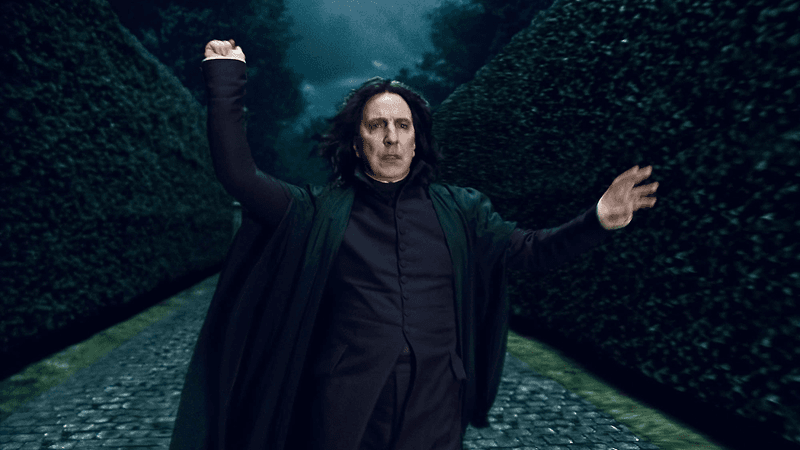
Few characters in fiction have sparked as much disagreement as Severus Snape. His love for Lily Potter drove nearly every major decision he made, from defecting from Voldemort to protecting Harry throughout his years at Hogwarts.
His remorse over Lily’s death was genuine and consuming.
But fans are split on whether that redeems his cruelty toward students, especially Neville and Harry. Some argue his bullying was a cover to protect his spy role.
Others feel no love story justifies how badly he treated children.
7. Was Dumbledore Actually a Good Person?
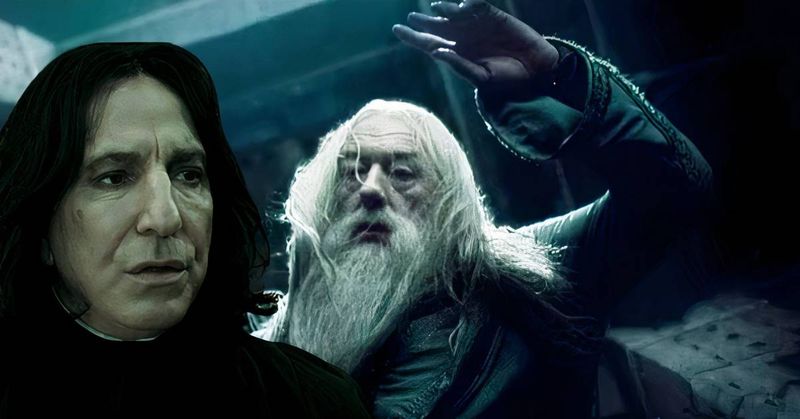
Dumbledore is beloved by millions, but a closer look at his choices raises some uncomfortable questions. He left baby Harry with the Dursleys knowing they would treat him poorly.
He guided Harry toward a death he never fully explained until the very last moment.
Dumbledore admitted his past flaws freely, including his youthful obsession with the phrase “for the greater good,” which he shared with Grindelwald. Most fans agree his intentions were ultimately noble, but the road he chose was paved with painful sacrifices made by others.
8. The Mysterious Journey of Slytherin’s Locket
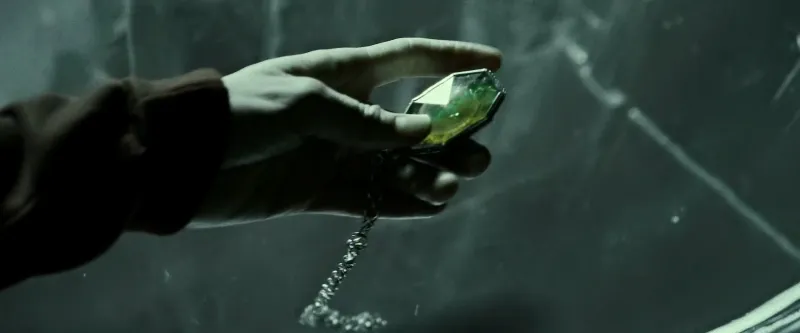
Slytherin’s locket has one of the most dramatic travel histories of any object in the series. Regulus Black and his house-elf Kreacher retrieved it from Voldemort’s cave, swapping it for a fake.
Kreacher couldn’t destroy it, so it sat hidden at Grimmauld Place for years.
Mundungus Fletcher eventually stole it, Dolores Umbridge confiscated it from him, and Harry’s trio finally swiped it from the Ministry. Ron ultimately destroyed it with the Sword of Gryffindor.
Quite the road trip for one piece of jewelry.
9. Did Harry Potter Actually Become Immortal After Defeating Voldemort?
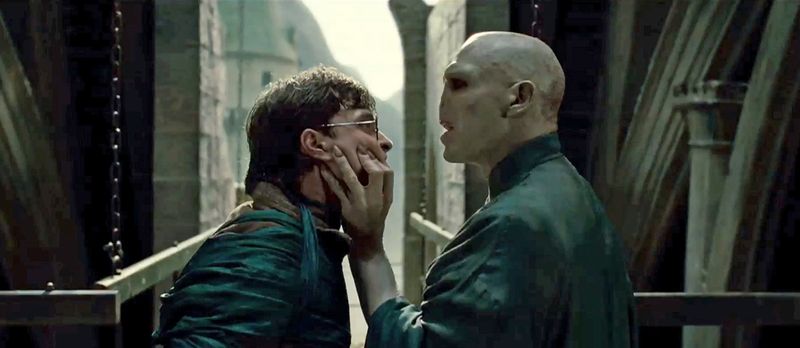
One of the most creative fan theories floating around suggests Harry became immortal after Voldemort’s defeat. The prophecy stated that “neither can live while the other survives.” With Voldemort permanently gone, some fans believe Harry is now free to live forever.
It is a clever reading of the text, but Rowling has never confirmed it. Most literary analysts point out that the prophecy simply meant neither could fully live while the other existed as a threat, not that Harry gained eternal life.
10. Did the Horcrux Inside Harry Make the Dursleys Worse?
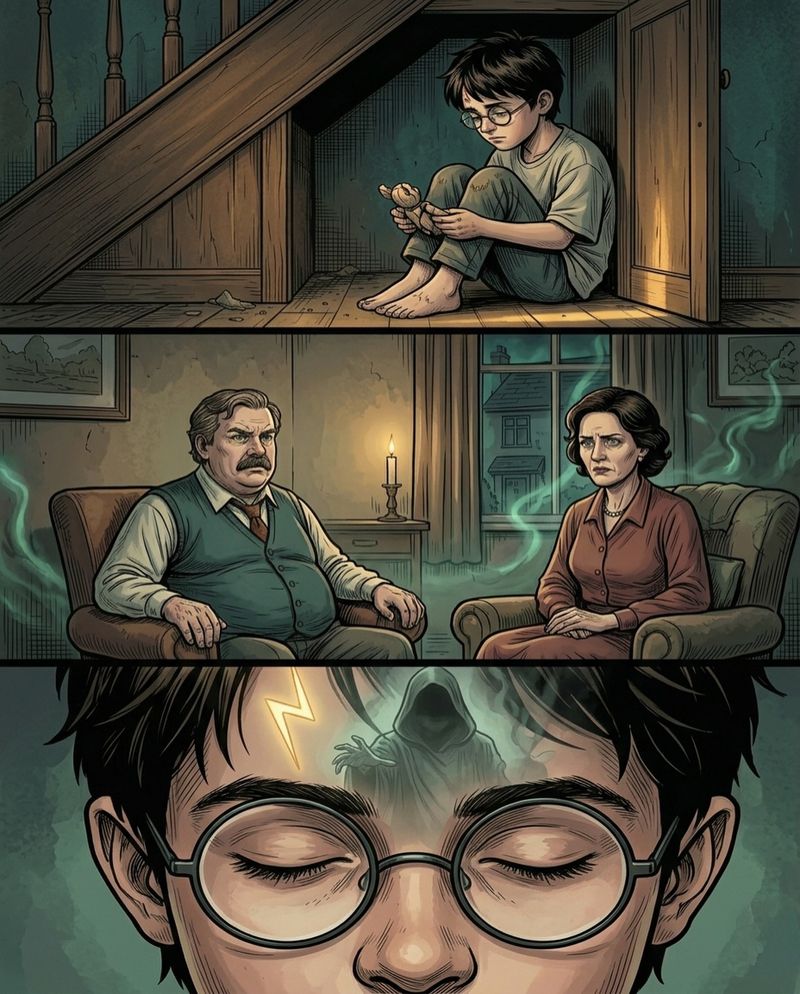
Carrying a piece of Voldemort’s soul had a noticeable effect on Ron and Hermione when they wore the locket Horcrux. Ron became moody and aggressive almost immediately.
So fans started wondering: did the Horcrux inside Harry affect the people around him too?
The theory goes that the Dursleys’ cruelty was amplified by years of living near a fragment of Voldemort’s soul. Rowling never addressed this directly, but it is one of those ideas that makes the Dursleys feel slightly less like cartoon villains and a little more understandable.
11. Did Ginny Use a Love Potion on Harry?
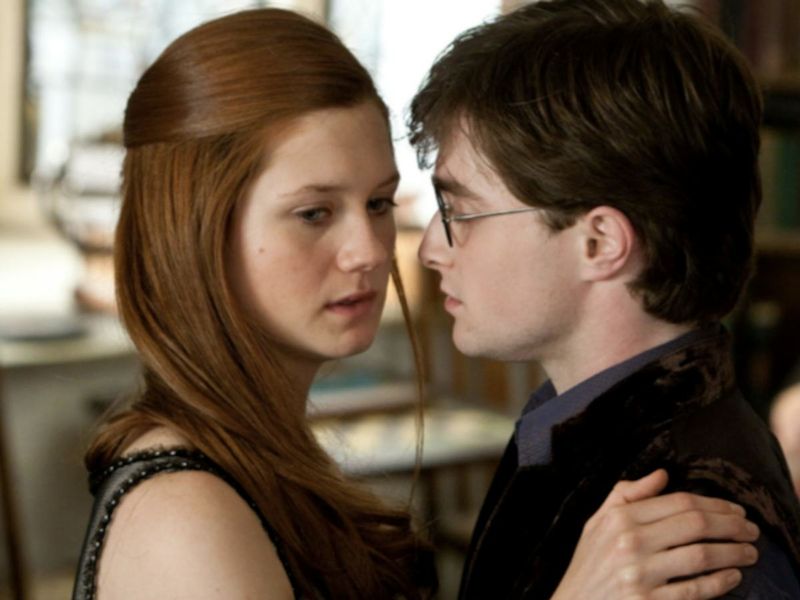
Some fans have never quite bought Harry and Ginny’s romance. It seemed to appear almost out of nowhere in Half-Blood Prince, which led to a persistent theory that Ginny slipped Harry a love potion, possibly using skills she picked up from her brothers’ joke shop products.
There is zero canon evidence to support this idea, and Rowling has not endorsed it. Harry’s feelings for Ginny are presented as genuine in the books.
Still, the theory refuses to disappear, mostly because some readers found their relationship underdeveloped compared to other storylines.
12. Was Neville’s Wand Holding Him Back the Whole Time?
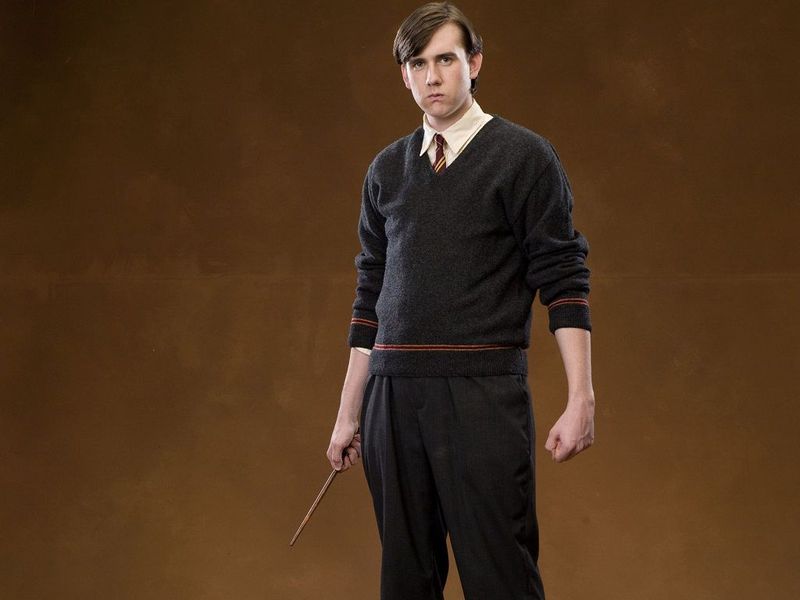
Neville Longbottom spent years being written off as the worst student in his year. Clumsy, forgetful, and seemingly incapable of performing basic spells, he was easy to underestimate.
But fans noticed something important: Neville was using his father Frank’s old wand for most of his early Hogwarts years.
Wandlore in the series is very clear that a wand chooses its wizard. Using someone else’s wand severely limits a witch or wizard’s performance.
After Neville got his own wand, his magical ability improved dramatically, which supports this theory beautifully.
13. Was Hogwarts Just a Hallucination in Harry’s Mind?
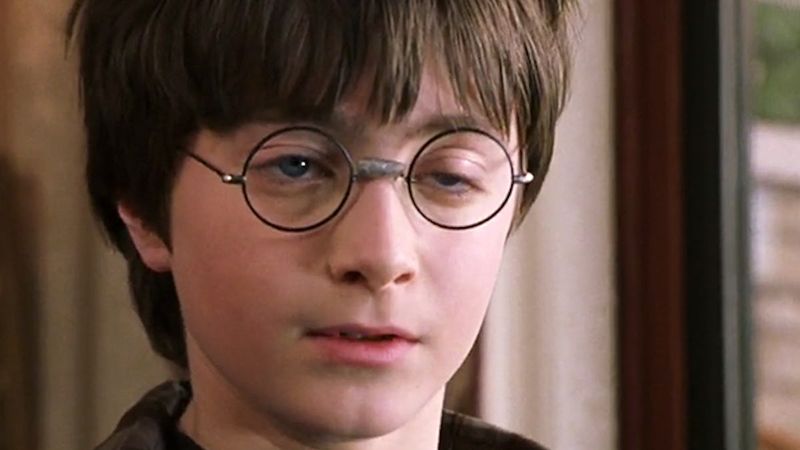
Dark fan theories don’t get much darker than this one. Some fans proposed that Harry, abused and isolated in his cupboard under the stairs, invented the entire wizarding world as a coping mechanism.
Every spell, every friend, every adventure was supposedly a hallucination born from trauma.
Rowling actually addressed this one and pushed back firmly. She clarified that a spider Harry interacted with in early film scenes was meant to show his loneliness, not hint that Hogwarts was imagined.
The wizarding world is very much real within canon.
14. Why Was the Defense Against the Dark Arts Position Cursed?
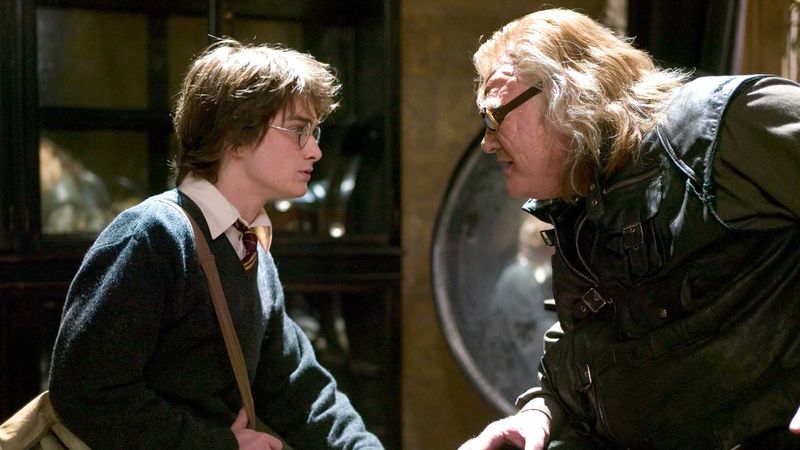
No teacher ever lasted more than one year in the Defense Against the Dark Arts position during Harry’s time at Hogwarts. Quirrell, Lockhart, Lupin, Moody (actually Crouch Jr.), Umbridge, and Snape all held the role for exactly one year before leaving under dramatic circumstances.
The widely accepted explanation is that Voldemort cursed the position after Dumbledore refused to give it to him. Dumbledore himself hinted at this.
It is one of those mysteries the books strongly imply but never spell out in plain text, which keeps fans theorizing endlessly.
15. Where Does Magic Actually Come From in the Wizarding World?
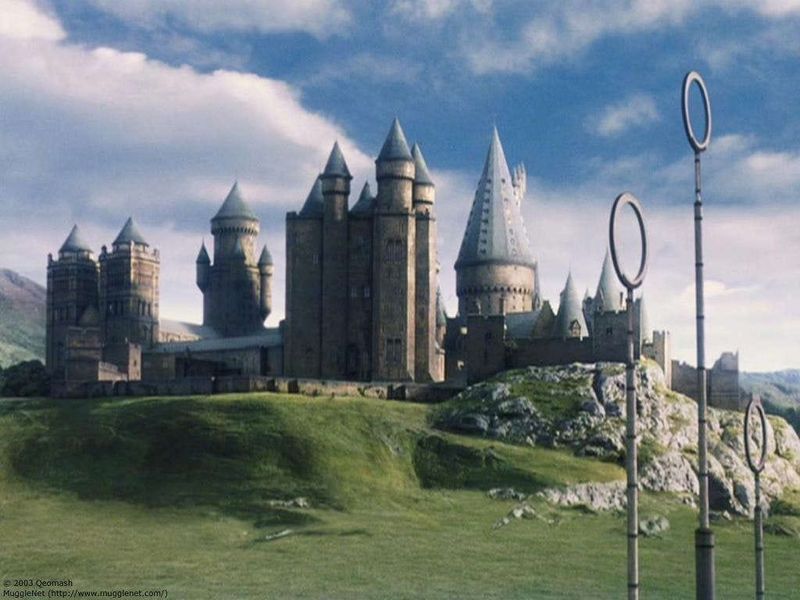
After all seven books, countless interviews, and an entire expanded universe, nobody has ever fully explained where magic comes from. Why are some people born with it and others not?
What determines whether a Muggle-born child develops magical ability while their parents have none?
Rowling has described magic as something innate, almost like a genetic trait, but the exact mechanics remain a mystery. Fans have proposed everything from ancient bloodlines to cosmic forces.
It may be one mystery Rowling intentionally left open, letting readers fill in the blanks themselves.