
Putting someone you love first can feel caring and natural. But when your needs always come last, the cost may grow slowly and quietly.
Many women only notice the changes after years have passed. Naming those changes can be the first step toward a fairer, healthier life together.
1. Your Own Interests Can Fade

Remember the hobby that once made Saturday fly by? When every plan bends around a husband’s needs, old interests can slowly disappear.
A woman may even struggle to say what she enjoys when she has time to herself.
That loss does not mean her former self is gone. Pick one small activity to try again, whether it is drawing, dancing, or reading.
Protect a little time for it each week, without asking permission to enjoy it.
2. Resentment Grows in Silence

One more favor may seem harmless until it becomes one favor too many. When a wife keeps giving without feeling supported, small disappointments can pile up.
She may snap over dishes when the deeper hurt is years of unequal effort.
Resentment is a signal, not a personal failure. Name the specific tasks or habits that feel unfair, then ask for a clear change.
Talking early is often easier than waiting until every request feels like a burden.
3. Being Everyone’s Support Is Tiring

The calendar is full, and somehow she is expected to remember every detail. Planning meals, tracking appointments, and soothing hurt feelings all take energy, even when nobody sees the work.
Doing it alone for years can leave little room to rest.
Try writing down the jobs that live in your head, not just those on a chore chart. Share full responsibility for some of them.
A partner can learn to plan, remember, and follow through without being reminded.
4. Your Mood May Need Attention

Some mornings, getting out of bed feels harder than it used to. Constant worry or sadness may have many causes, but ongoing stress at home can add to the weight.
You do not have to prove that your marriage caused every feeling before seeking help.
Notice changes in sleep, joy, or daily energy, and talk with a health professional if they persist. Tell someone you trust what has been happening.
Support can help you understand your feelings and consider changes.
5. Stress Can Show Up in Your Body
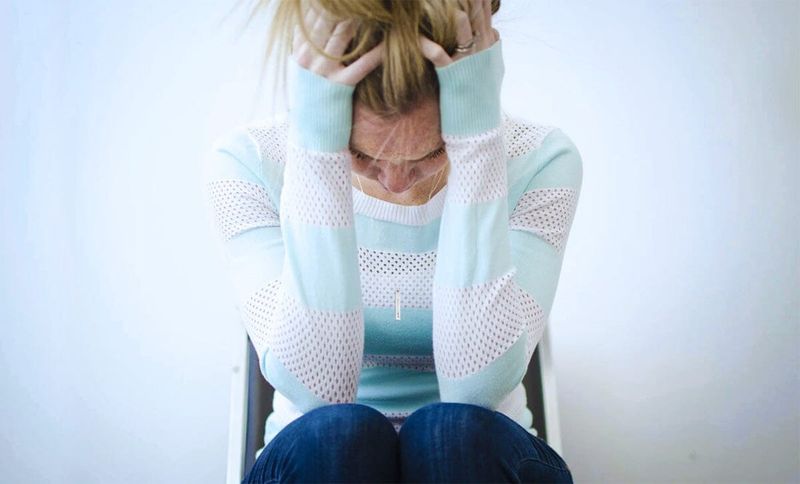
A headache after another restless night is easy to brush aside. Yet long periods of stress can affect sleep, energy, and how the body feels.
Pain, stomach trouble, or tiredness deserves attention rather than another promise to push through.
Consider a medical checkup, especially when symptoms are new or lasting. Rest and movement may help, but they cannot replace needed care.
Reducing an unfair workload matters too. Your health should have a place on the family calendar.
6. A Marriage Can Start Feeling Like Parenting

Finding his lost keys again may feel like a tiny act of love. But if one person manages every problem while the other waits for help, the relationship can lose its sense of teamwork.
Care starts to feel more like parenting than partnership.
Choose one area your husband can manage from start to finish, such as his appointments or a household bill. Leave room for him to learn.
Shared responsibility gives both people a better chance to feel respected.
7. Doing It All Can Hold Both People Back

Always smoothing over a hard talk might keep the peace tonight. Over time, though, it can stop both partners from learning how to handle conflict.
One becomes the fixer, while the other gets fewer chances to listen, apologize, or solve a problem.
Let some uncomfortable talks happen without rushing to repair everything yourself. State what you need and give your husband space to respond.
Growth takes practice from both people, not endless patience from one.
8. Career Sacrifices Have a Cost

A missed class or turned-down job can seem like a sensible family choice at the time. Years later, repeated sacrifices may mean lower pay, fewer options, or a harder path back to work.
That cost is real even if the choices were made with love.
Review your skills, savings, and goals without shame. Ask how future work and care duties can be shared more fairly.
A class, mentor, or updated resume can open doors again.
9. Being Heard Matters More Than Quick Fixes

She starts telling him about a rough day, and he jumps straight to a solution. His idea might be useful, yet she can still feel alone if he never asks how she feels.
Being listened to is not the same as having a problem fixed.
Try a direct request: ask for a few minutes of listening before advice. Be specific about what felt dismissive.
A caring response may begin with attention and understanding, not an answer.
10. Unseen Work Is Still Work

No one notices a birthday card until it is forgotten. The same goes for meals planned, forms signed, and relatives checked on.
When those efforts receive little notice, a wife may wonder whether anyone sees what she contributes.
Make the work visible with a shared list of household and family tasks. Discuss who owns each job, including the planning behind it.
Appreciation helps, but a fair split matters more than praise alone.
11. Some Sacrifices Bring Regret

An old photo can bring back the trip she never took or the chance she passed up. Regret does not mean every past choice was wrong.
It may mean she gave up too much without receiving the care or support she needed.
Rather than judging your younger self, ask what those feelings reveal about life today. Write down one goal that still matters.
Make a plan for it, even if the first step is small.
12. Friendships Need Room to Breathe

At first, skipping a coffee date may seem like no big deal. Do it often enough, and friends may stop calling.
A social life centered only on a husband can leave a woman lonely, even in a loving marriage.
Reach out to someone you miss without waiting for a perfect reason. Suggest a short walk or a phone call.
Strong friendships offer laughter, support, and a part of life that belongs to you.
13. Small Choices Can Feel Surprisingly Hard
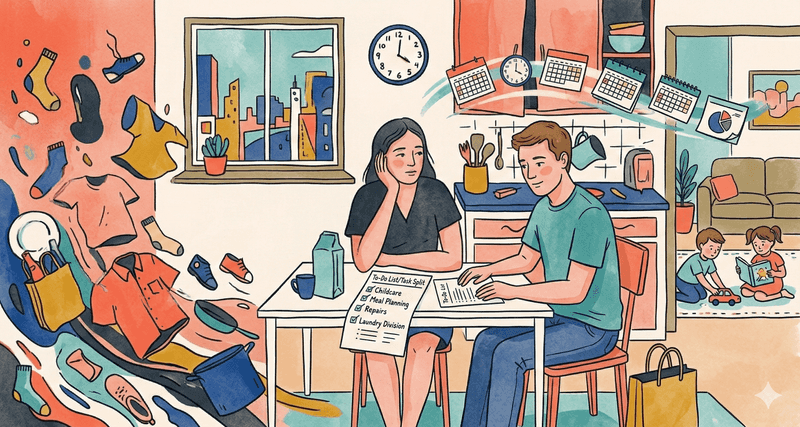
Even choosing dinner can feel strange when someone else has picked for years. Checking a husband’s wishes may become such a habit that a woman stops noticing her own.
The answer is not to make every choice alone, but to remember she has a voice.
Practice with low-pressure decisions: pick a movie, choose a meal, or plan an afternoon. Notice what you like before asking anyone else.
Confidence can return one choice at a time.
14. Life Changes Can Make Imbalance Harder

A familiar problem may suddenly feel much harder during postpartum recovery, perimenopause, or another health change. Hormone shifts do not create every marriage problem, and experiences vary widely.
Still, poor sleep or stronger emotions can make an unfair pattern tougher to bear.
Talk with a health professional about symptoms that trouble you. Tell your partner what support would help right now.
Health care and a fairer division of work can both be part of the answer.
15. Love Alone May Not Fix an Unequal Marriage

A couple can care about each other and still feel far apart. When unmet needs and resentment build for years, staying together may no longer feel simple.
Separation is not certain, but ignoring the strain rarely makes it disappear.
Have an honest talk about what must change, with clear actions rather than vague promises. Counseling may help if both people are willing to take part.
Whatever happens, your safety, dignity, and future deserve careful thought.