
Pickling is one of the oldest food preservation tricks in the book, and it does something truly amazing to certain ingredients. A vegetable or fruit that seems ordinary on its own can transform into something bold, tangy, and totally addictive once it hits a brine.
The process works by soaking food in vinegar or saltwater, which changes the flavor, texture, and even the smell. Get ready to be surprised by how unrecognizable some of your favorite foods become after pickling.
1. Watermelon Rinds
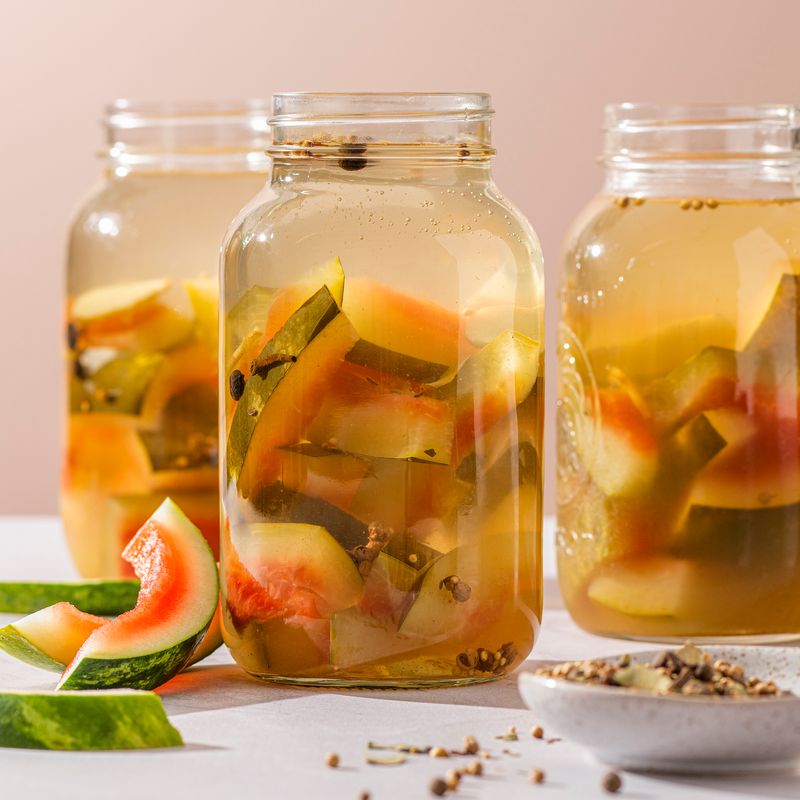
Most people toss watermelon rinds straight into the trash without a second thought. That is a big mistake.
Once pickled, these tough, bland rinds turn into something sweet, tangy, and slightly crunchy that tastes nothing like the original fruit.
Southern kitchens have been making pickled watermelon rind for generations, and the result is almost candy-like with a vinegary kick. Try them alongside grilled meats for a surprisingly refreshing contrast.
2. Hard-Boiled Eggs
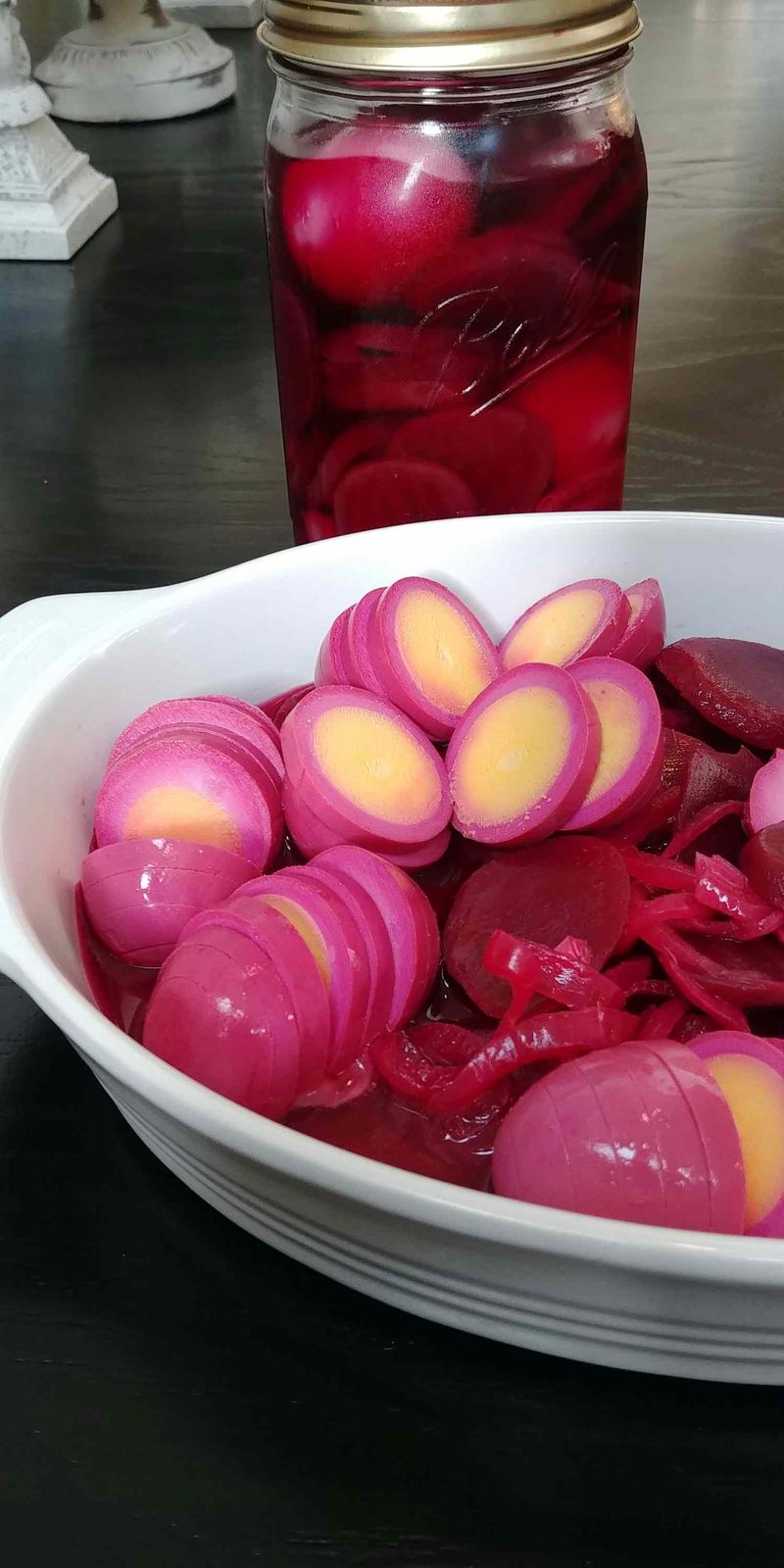
Hard-boiled eggs are fine on their own, but pickling them in beet juice or spiced vinegar turns them into something almost unrecognizable. The whites soak up color and flavor, turning a deep purple-pink while developing a firm, almost bouncy texture.
The flavor goes from mild and creamy to sharp, tangy, and deeply savory. Bar snack culture in Pennsylvania Dutch country made pickled eggs famous, and once you try one, plain hard-boiled eggs feel pretty boring by comparison.
3. Green Tomatoes
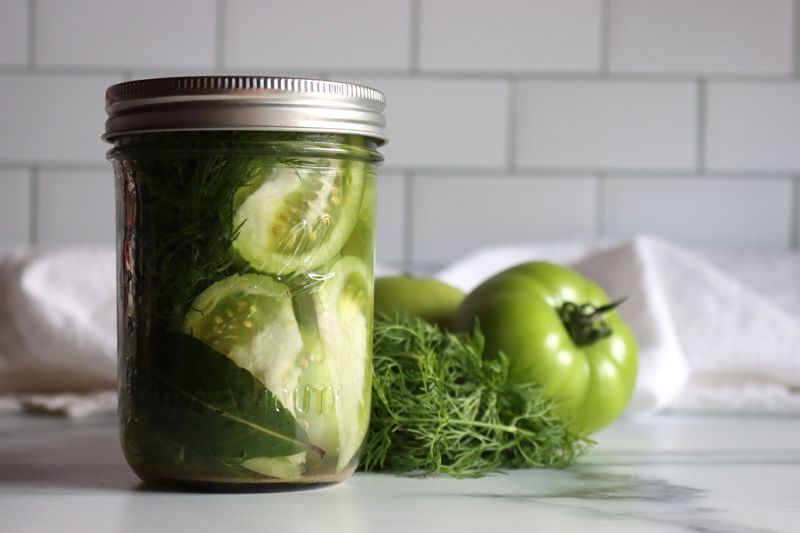
Raw green tomatoes are so sour and astringent that most people avoid eating them straight off the vine. Pickling completely flips the script.
The brine mellows out that harsh bitterness while adding layers of garlicky, dill-forward tang.
Pickled green tomatoes are a staple in Eastern European cuisine and Jewish deli culture. They end up tasting bright, punchy, and almost briny in the best way possible.
Slice them onto sandwiches or serve alongside smoked fish for a real treat.
4. Jalape es
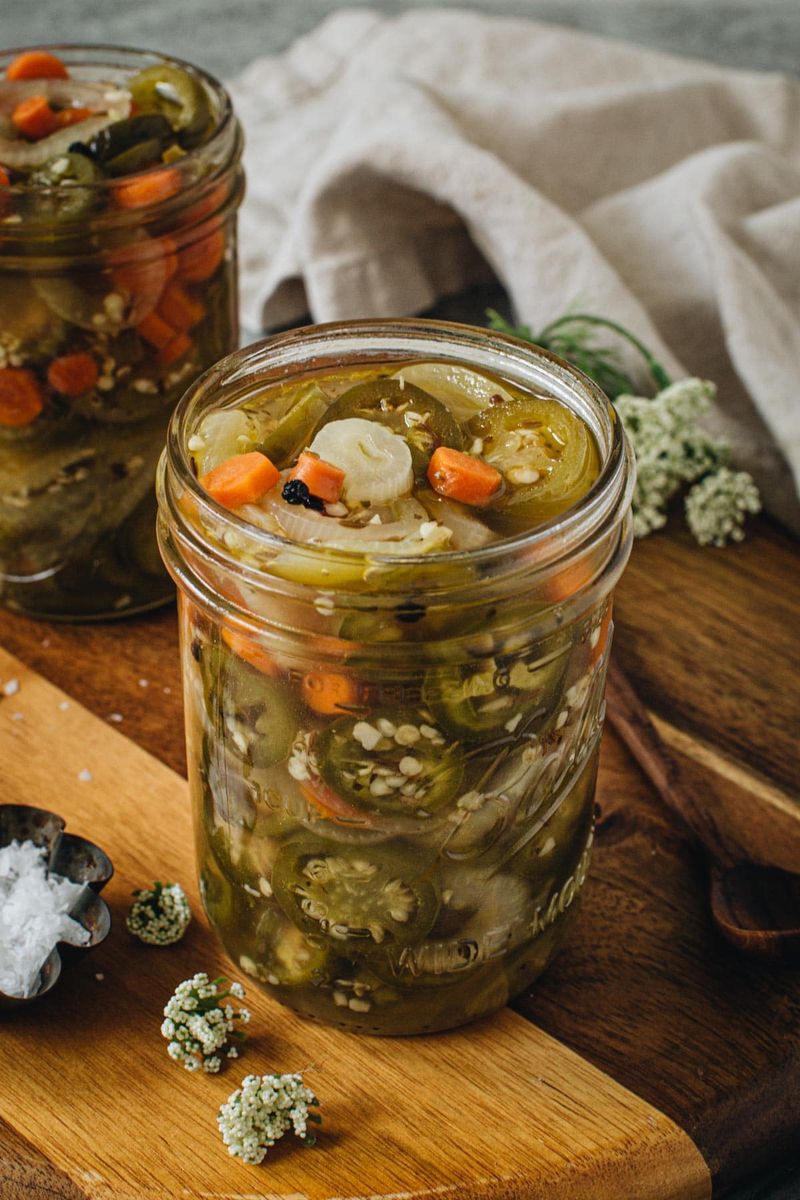
Fresh jalapenos bring serious heat with a grassy, sharp bite. Pickling softens that raw intensity in a way that feels almost magical.
The vinegar brine tames the burn slightly while adding a mouthwatering tanginess that makes the pepper far more complex.
Pickled jalapenos, known as “en escabeche” in Mexican cooking, are a topping staple for tacos, nachos, and sandwiches. The texture becomes slightly softer too, making each slice easier to enjoy without overwhelming your taste buds completely.
5. Red Onions
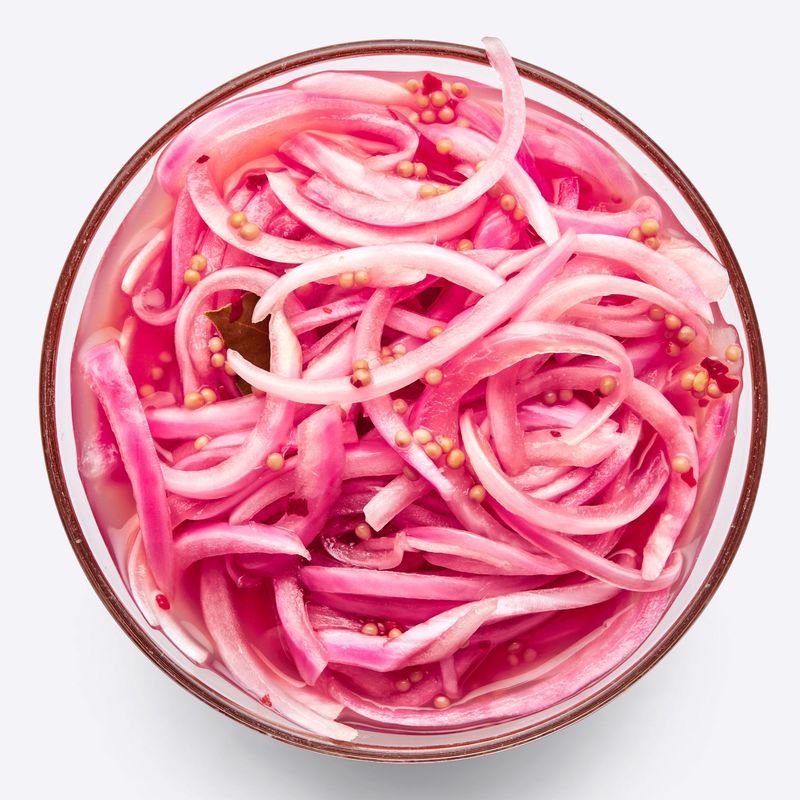
Raw red onions are pungent, sharp, and can overpower almost any dish they touch. After just 30 minutes in a simple vinegar brine, they transform into something entirely different.
The harsh bite disappears, replaced by a sweet, mellow tang that practically melts on your tongue.
The color shifts too, turning a stunning magenta-pink that makes any plate look more vibrant. Pickled red onions have become a go-to topping for tacos, grain bowls, and avocado toast for very good reason.
6. Mustard Seeds
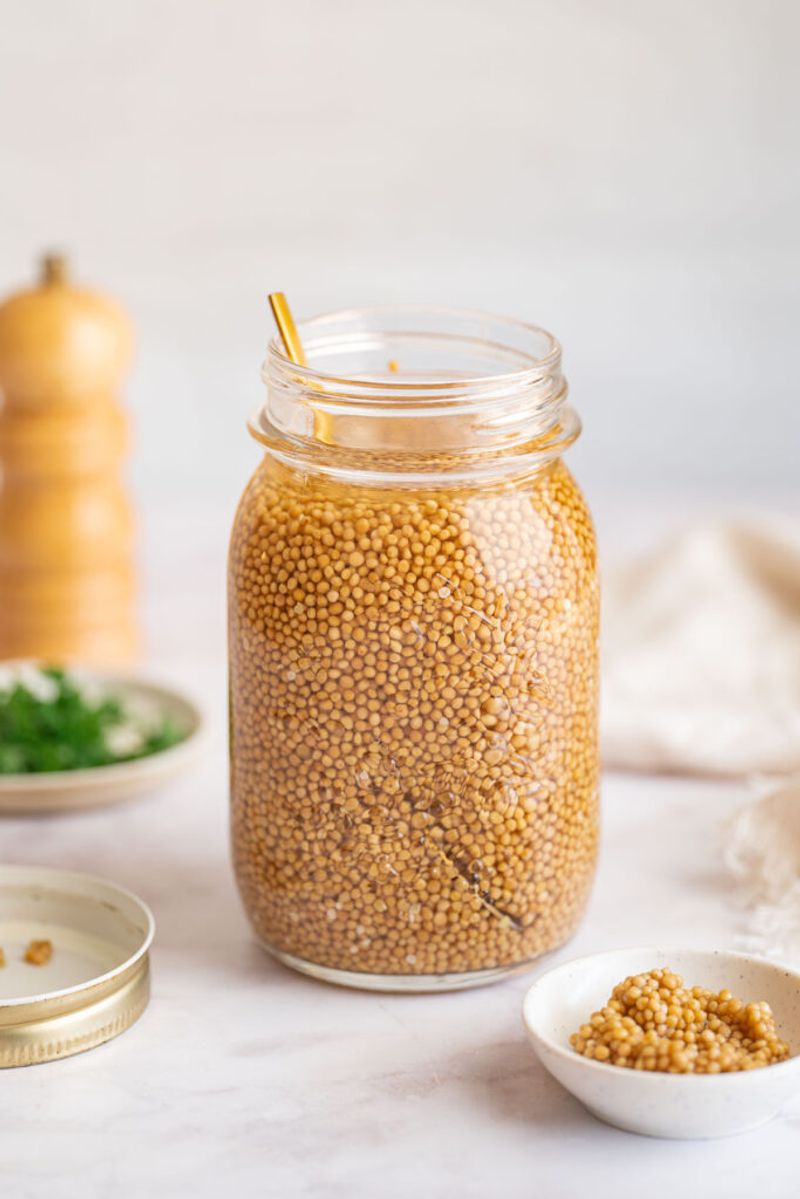
Dry mustard seeds are tiny, rock-hard, and have a bitter, almost unpleasant crunch when eaten raw. Soaking them in vinegar brine for a few days changes everything about them.
They plump up, soften, and develop a creamy, pop-in-your-mouth texture that is genuinely surprising.
The flavor becomes milder and more nuanced, with a gentle heat and a pleasant tang. Chefs love using pickled mustard seeds as a garnish on charcuterie boards and smoked salmon dishes because they look fancy and taste incredible.
7. Grapes
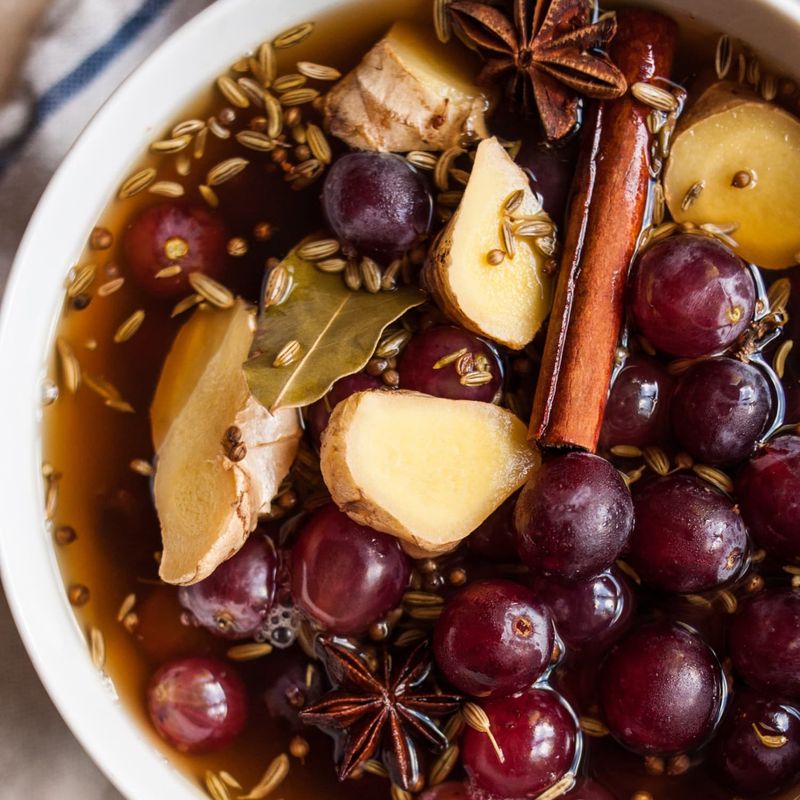
Grapes are sweet, juicy, and simple. Pickling them sounds strange, but the results are genuinely worth the raised eyebrow.
A spiced vinegar brine turns them into something savory, tangy, and deeply complex with notes of warm spice underneath.
The skin stays intact while the inside becomes almost jammy in texture. Pickled grapes pair beautifully with aged cheeses and cured meats on a charcuterie board.
They offer a surprising burst of flavor that guests never expect and always remember long after the meal ends.
8. Avocado
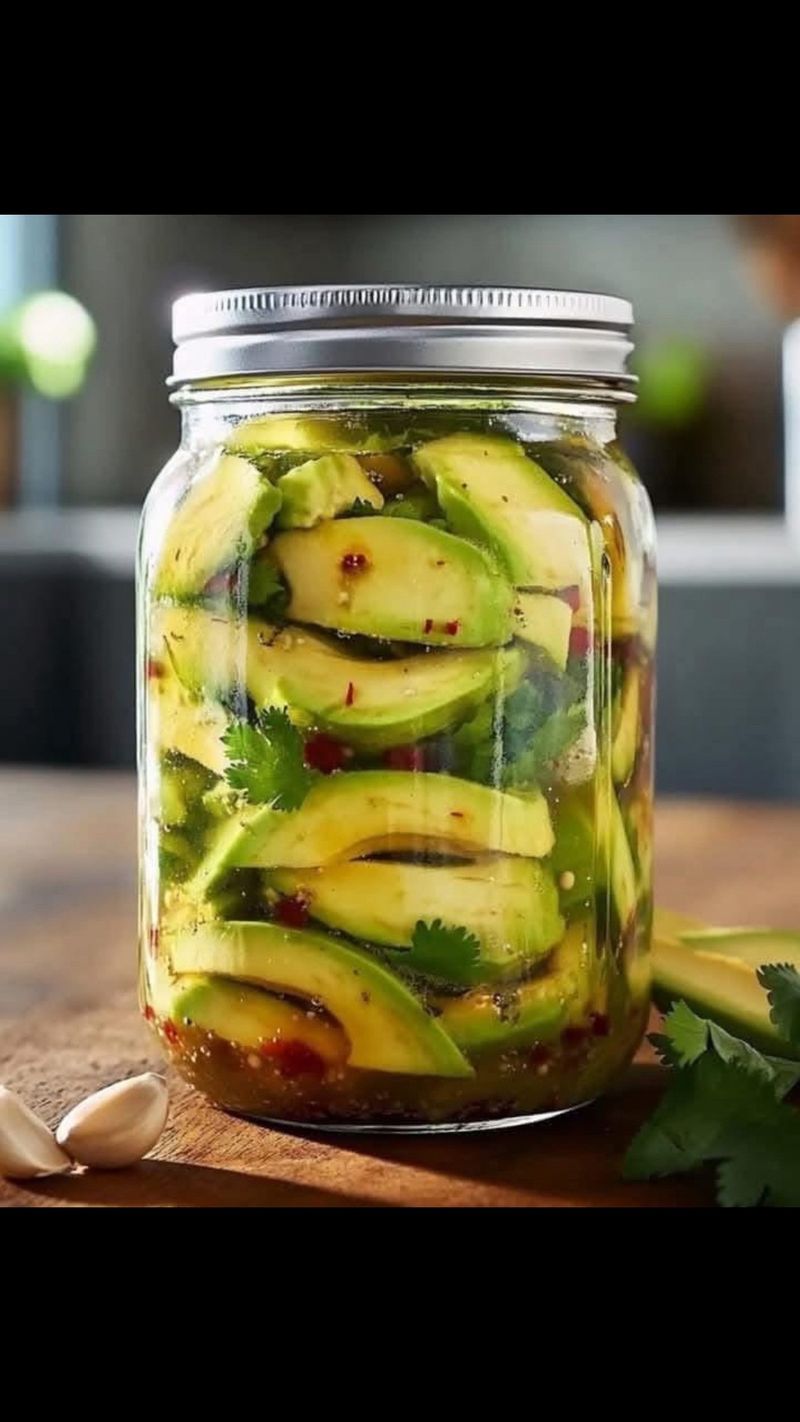
Avocado is known for being buttery, rich, and mild. Pickling it sounds almost wrong, but the transformation is genuinely impressive.
A quick lime-vinegar brine firms up the texture slightly and infuses the flesh with a bright, zesty tang that cuts through the richness beautifully.
Pickled avocado holds its color better than regular cut avocado, which is a bonus. Use it on tacos, grain bowls, or toast for a punchy twist.
The flavor is hard to describe until you try it yourself.
9. Blueberries
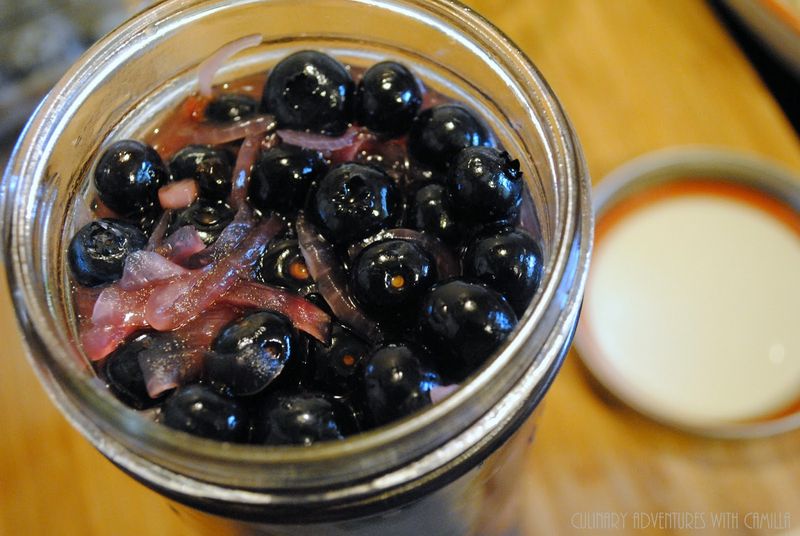
Fresh blueberries are sweet and mild with just a hint of tartness. Pickling them in a spiced brine with black pepper and star anise turns them into something bold and savory that works more like a condiment than a snack.
The skins soften and the flavor deepens into something almost wine-like, with a tangy edge that pairs surprisingly well with roasted pork or duck. Pickled blueberries are a chef favorite for good reason, and they challenge everything you thought you knew about the fruit.
10. Herring
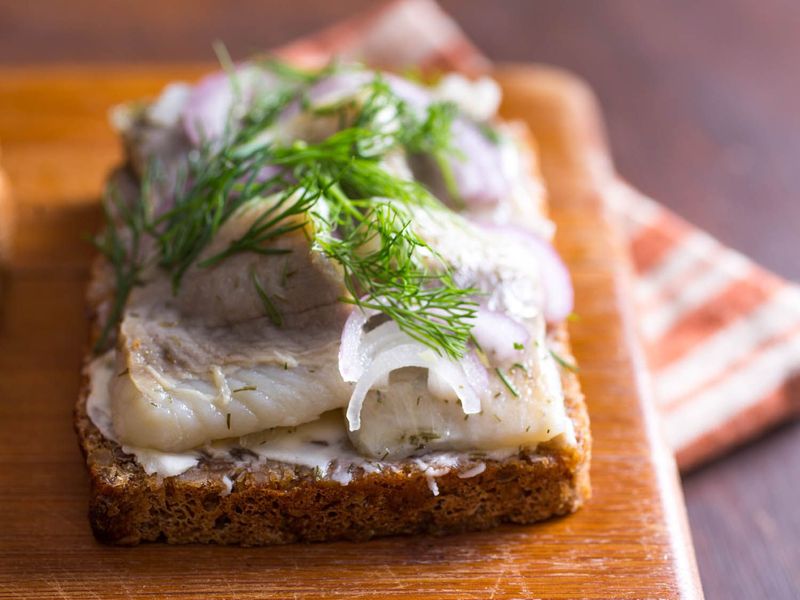
Fresh herring has a strong, oily, and intensely fishy flavor that many people find overpowering. Pickling changes the entire experience in a dramatic way.
The vinegar brine firms up the flesh while mellowing out that aggressive fishiness, replacing it with a tangy, almost sweet flavor.
Pickled herring is a cornerstone of Scandinavian cuisine and is often served with rye bread, sour cream, and fresh dill. The texture becomes silkier and the overall taste far more balanced and enjoyable for first-time eaters.
11. Cauliflower
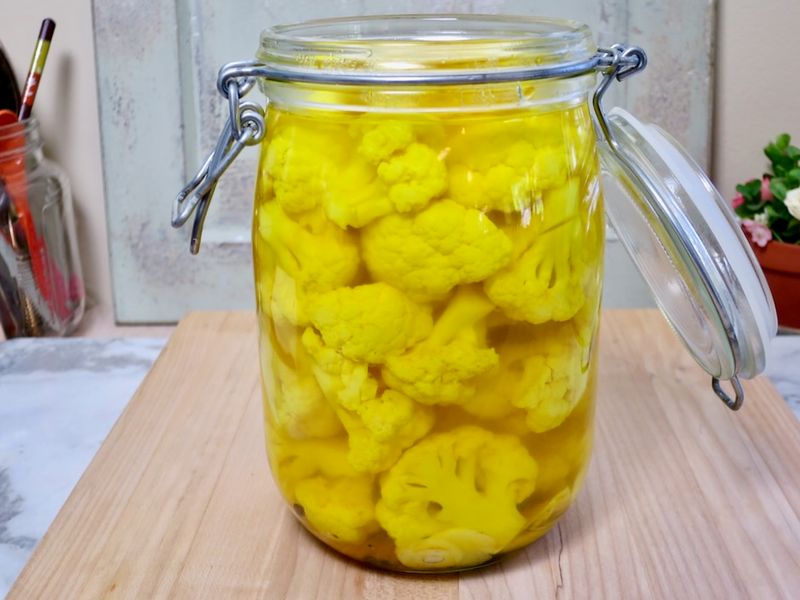
Plain cauliflower is mild, slightly earthy, and honestly a little forgettable on its own. Drop it into a turmeric-spiced brine and everything changes.
The florets absorb that golden color and develop a tangy, spiced, slightly sharp flavor that makes them completely addictive.
Middle Eastern and Italian cuisines both have long traditions of pickling cauliflower, and for good reason. The crunchy texture holds up beautifully in the brine, making every bite satisfying.
Pickled cauliflower is perfect in sandwiches, on mezze platters, or eaten straight from the jar.
12. Peaches
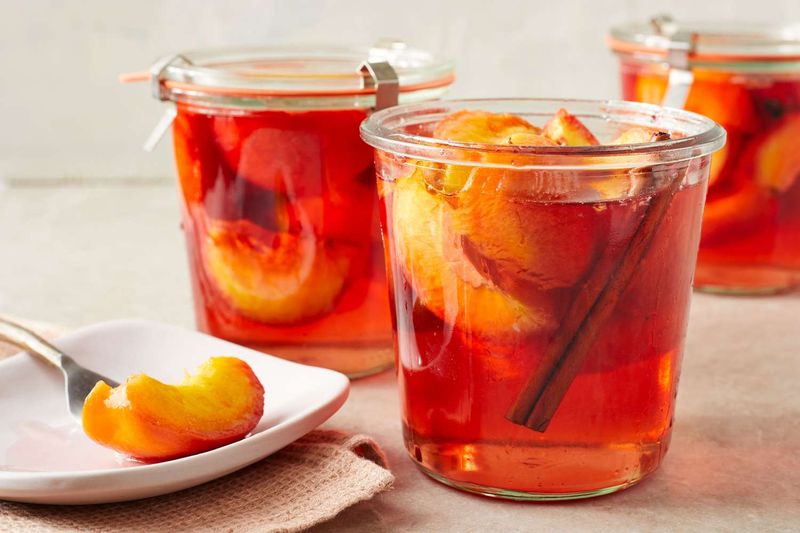
Ripe peaches are all about sweetness, softness, and summer. Pickling them shifts the flavor profile in a way that feels unexpected but totally delicious.
The vinegar brine preserves that natural sweetness while adding a tangy depth and a warming spice note from cloves and cinnamon.
Pickled peaches were a beloved Southern pantry staple long before modern food trends made them cool again. They pair beautifully with smoked meats, sharp cheddar cheese, or even vanilla ice cream for a dessert that no one will see coming.
13. Garlic
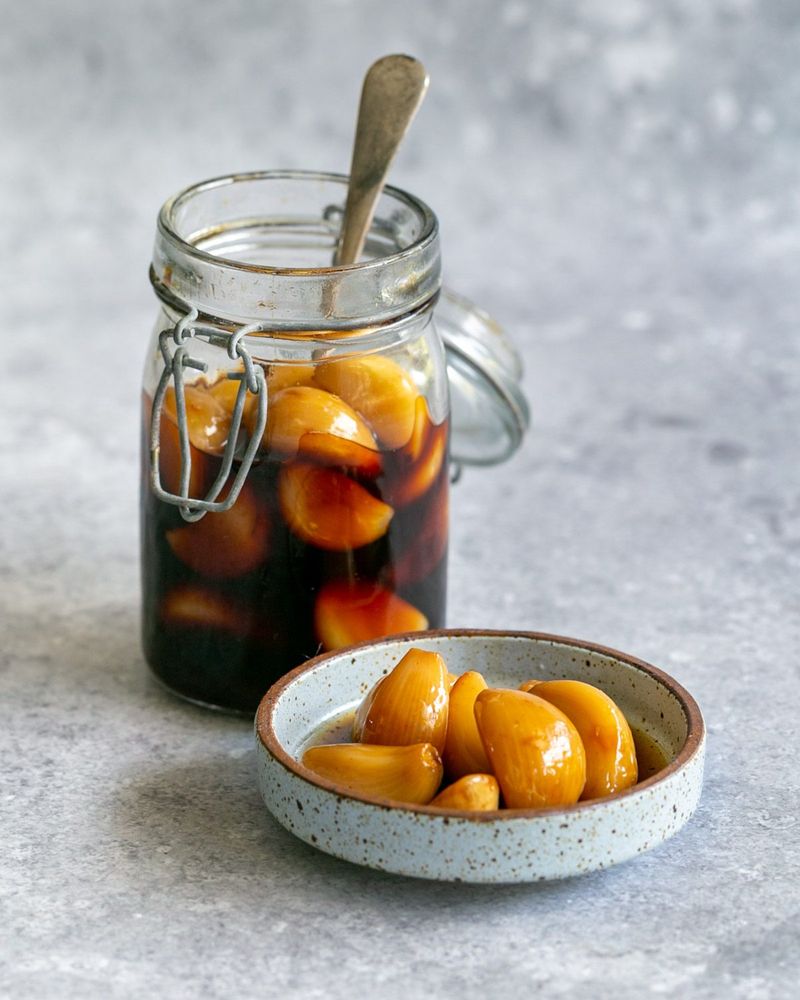
Raw garlic is powerful, pungent, and sharp enough to linger on your breath for hours. Pickling it transforms those cloves into something almost unrecognizable.
The aggressive bite softens dramatically, leaving behind a mellow, slightly sweet, and pleasantly tangy flavor that is much easier to enjoy.
Pickled garlic cloves are common in Korean banchan spreads and Mediterranean antipasto dishes. You can eat them whole, chop them into dressings, or blend them into dips.
The heat is gone, but all of that wonderful garlic character remains intact.
14. Raisins
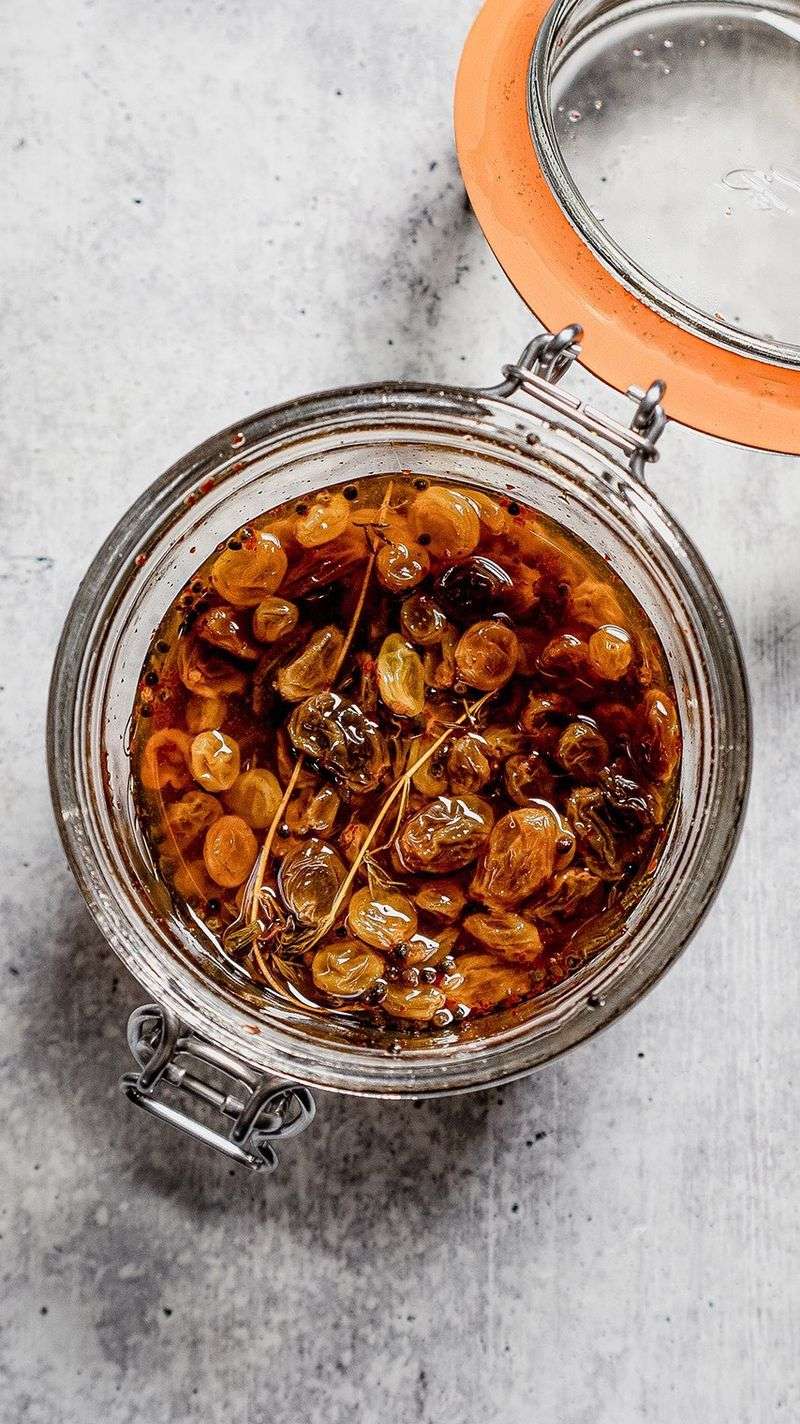
Raisins are chewy, sweet, and mostly used in baked goods or trail mix. Pickling them in a white wine vinegar brine with warm spices turns them into something savory, tangy, and genuinely versatile.
The sweetness stays but gets balanced by a sharp, complex acidity.
Pickled raisins work beautifully as a topping for roasted vegetables, grain salads, or braised chicken dishes. Sicilian cuisine uses a similar technique in its famous agrodolce preparations.
The result is a tiny ingredient that punches way above its weight on the plate.
15. Cucumbers
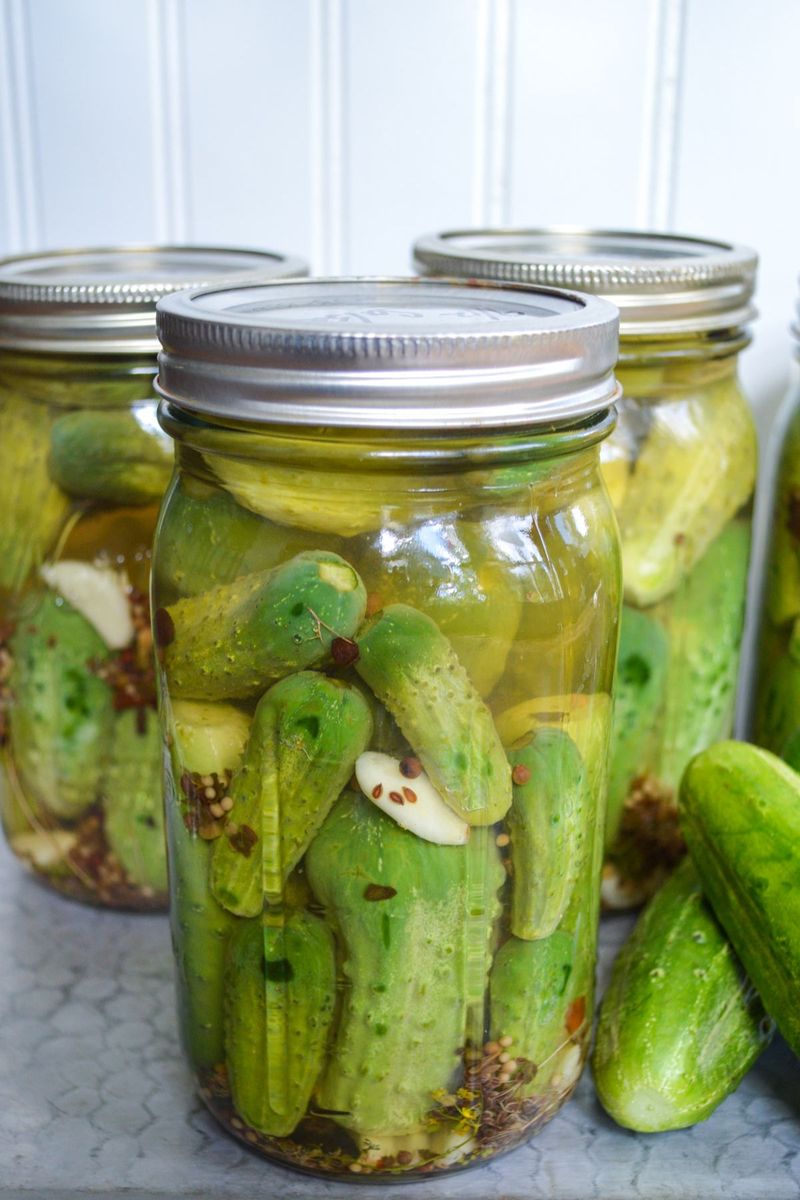
Cucumbers are mild, watery, and refreshing in their raw form. Most people would never guess just how dramatically they change once brined.
The transformation into a classic dill pickle brings out a bold, garlicky, sour punch that the original vegetable does not even hint at.
Fermented cucumber pickles, common in Jewish deli culture, develop a deep umami flavor through natural fermentation rather than vinegar alone. That process creates a completely different food.
The crunch stays satisfying, but the flavor goes from bland to absolutely unforgettable.