
Harry Potter fans are some of the most creative people on the planet, and over the years they have cooked up some truly wild theories about the wizarding world. Some of these ideas spread like wildfire across the internet, picking up thousands of believers along the way.
But not every fan theory holds up when you stack it against the actual books and what J.K. Rowling has said.
Here are 15 of the most popular Harry Potter fan theories that, when you look closely, completely fall apart.
1. Ron Weasley Is a Time-Traveling Albus Dumbledore
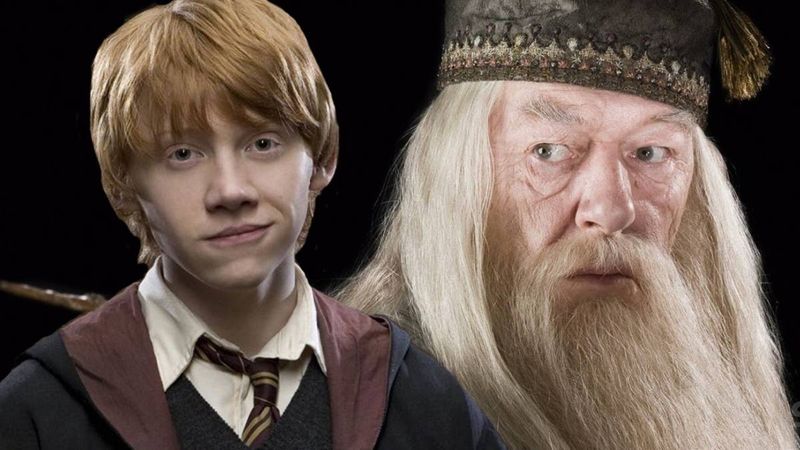
Few fan theories spread as wildly as the idea that Ron Weasley and Albus Dumbledore are actually the same person traveling through time. Fans pointed to their shared wisdom, quirky humor, and a few physical similarities to build the case.
However, J.K. Rowling shut this one down herself.
The books also show Dumbledore alive long before Ron was born, making the timeline completely impossible. Sometimes a brilliant headmaster is just a brilliant headmaster, and a lovable redhead is just a lovable redhead.
2. Crookshanks Is Lily Potter Reincarnated
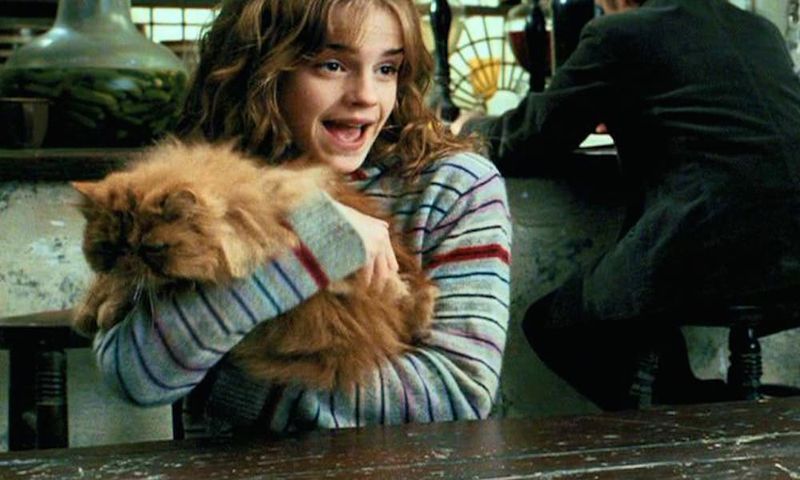
Crookshanks, Hermione’s famously grumpy half-Kneazle cat, sparked one of the sweetest fan theories in the fandom. Believers noticed the cat’s ginger coloring, sharp green eyes, and intense interest in Scabbers, who was secretly Peter Pettigrew, and thought Lily Potter had returned as this clever feline.
J.K. Rowling personally debunked this theory, confirming Crookshanks is simply a very smart cat.
The connection fans felt was real, but the magical explanation behind it was not.
3. Harry Imagined the Entire Wizarding World
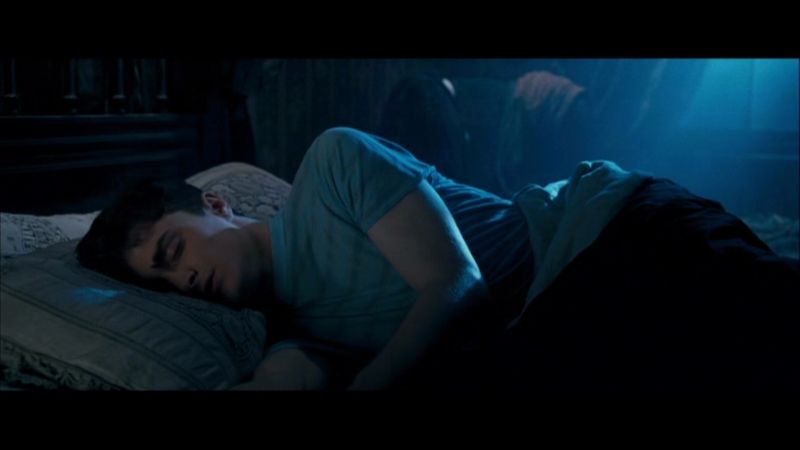
Picture this: Harry Potter never actually went to Hogwarts. The whole magical adventure was just a lonely boy’s imagination running wild while trapped under the stairs at Number Four, Privet Drive.
It sounds like a heartbreaking but clever idea.
J.K. Rowling has firmly rejected this theory, calling it a misread of the story’s heart.
The series was always meant to be a real journey of courage and friendship, not a coping mechanism invented by a neglected child.
4. Neville Longbottom and Luna Lovegood End Up Together
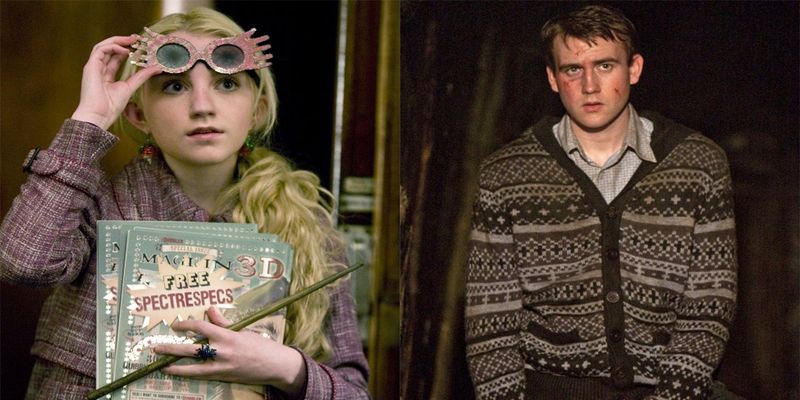
Neville and Luna are both wonderfully quirky characters who share plenty of screen time and genuine warmth, so it felt natural for fans to ship them as a couple. Their chemistry in the films especially made this pairing feel almost inevitable to many viewers.
J.K. Rowling confirmed they do not end up together.
Neville marries Hannah Abbott, and Luna eventually weds Rolf Scamander. Fans were disappointed, but the author made her intentions clear in interviews and on Pottermore.
5. Draco Malfoy Is a Werewolf and Snape Is a Vampire
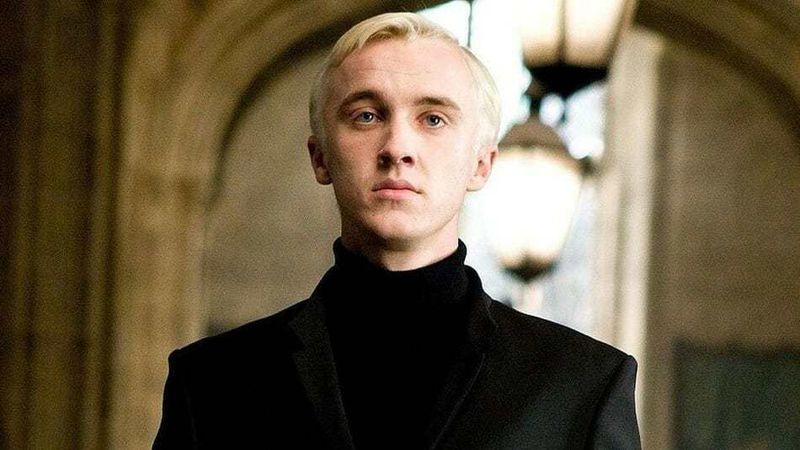
Draco Malfoy’s pale complexion and brooding attitude, combined with Severus Snape’s dark robes and secretive personality, fueled fan speculation that both characters were secretly hiding supernatural afflictions. The theory gained real traction online, especially among readers who loved connecting small details.
J.K. Rowling addressed both theories and rejected them outright.
Draco is simply a stressed, morally conflicted teenager, and Snape is a complicated human wizard. Neither character needed a supernatural label to explain their behavior.
6. The Trio Never Finished Their Studies at Hogwarts
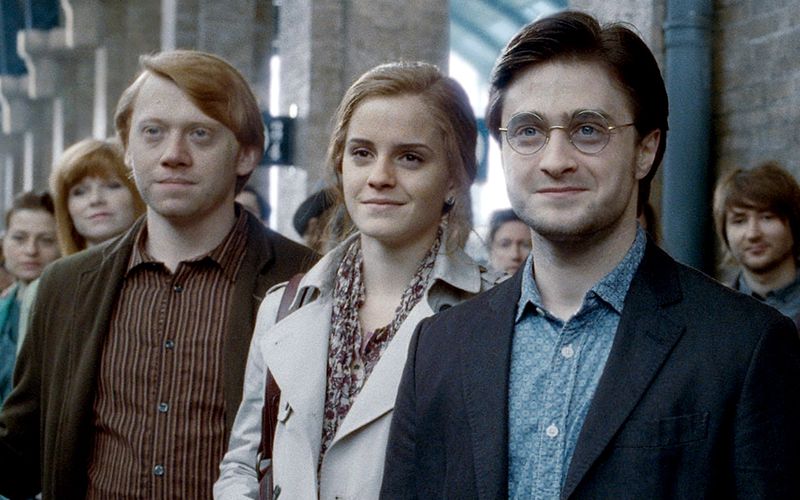
Harry, Ron, and Hermione skipped their seventh year at Hogwarts to hunt Horcruxes, so fans assumed their academic careers ended there. It seemed logical that the chaos of the Second Wizarding War would have left their educations permanently unfinished.
J.K. Rowling clarified that all three went on to impressive careers without completing their N.E.W.T.s.
Harry and Ron joined the Auror Department, and Hermione rose through the Ministry of Magic. Their real-world accomplishments spoke louder than any exam score ever could.
7. Mark Evans Is Related to Harry Potter
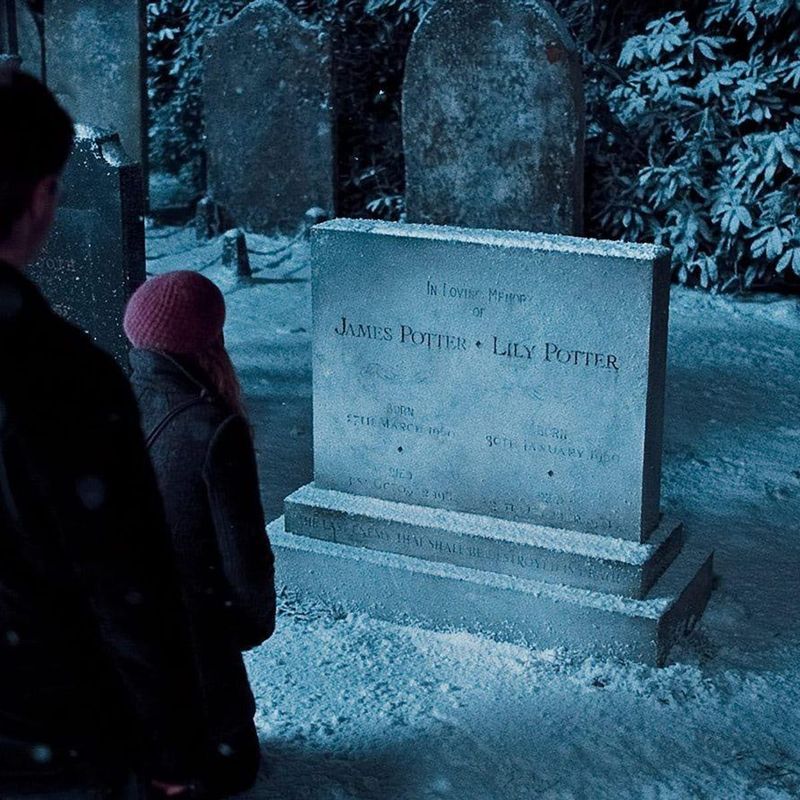
In Harry Potter and the Order of the Phoenix, a boy named Mark Evans is briefly mentioned as someone Dudley Dursley and his gang had bullied. The last name Evans, which is also Lily Potter’s maiden name, sent fans into a frenzy of speculation about a secret connection.
Rowling later admitted Mark Evans was a throwaway character she created without thinking about the surname’s significance. He has no relation to Harry whatsoever.
Sometimes a shared last name really is just a coincidence.
8. Nymphadora Tonks Was Secretly a Death Eater
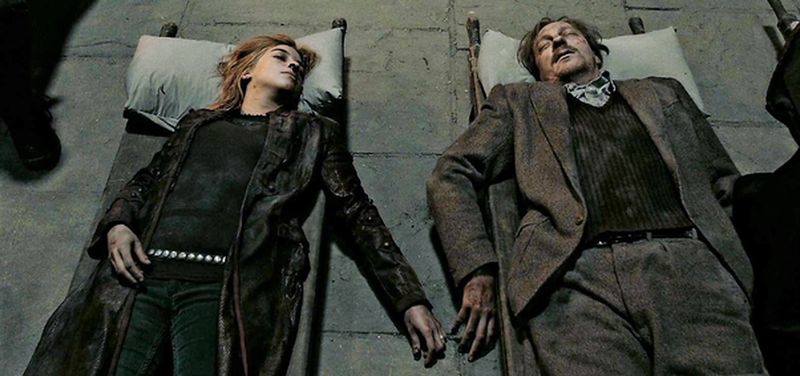
Tonks was clumsy, often distracted, and her Patronus changed dramatically after she fell in love with Lupin. To some fans, these signs pointed to something darker, specifically that she might have been secretly working for Voldemort all along.
Nothing in the books or Rowling’s statements supports this idea. Tonks was a fully devoted member of the Order of the Phoenix who ultimately gave her life fighting in the Battle of Hogwarts.
Her loyalty was never in question within the actual story.
9. Godric Gryffindor Was an Animagus Who Became the Giant Squid
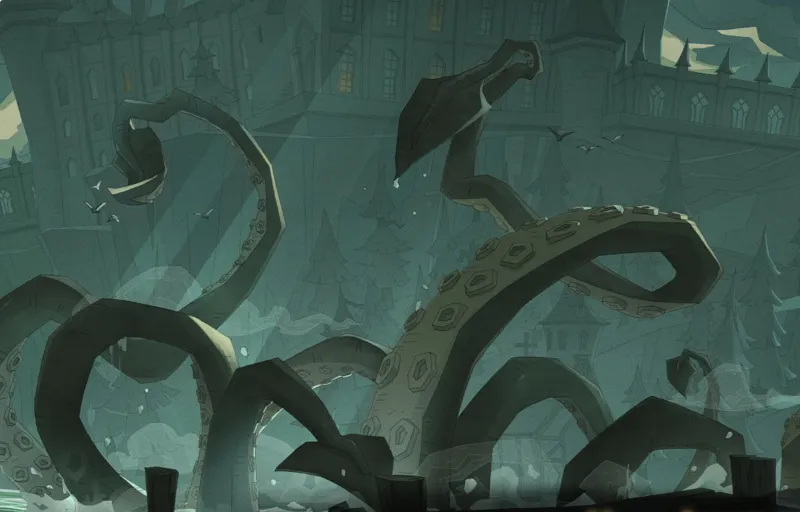
Hogwarts sits beside the Black Lake, home to a famously mysterious giant squid that students occasionally interact with. Someone, somewhere, decided that creature must actually be Godric Gryffindor himself, transformed into an Animagus and watching over the school for centuries.
Entertaining as that image is, the canon offers zero support for it. Rowling never confirmed any connection between the squid and the founders.
The giant squid is simply one of Hogwarts’ many quirky magical residents, nothing more and nothing less.
10. Dumbledore Survived His Fall from the Astronomy Tower
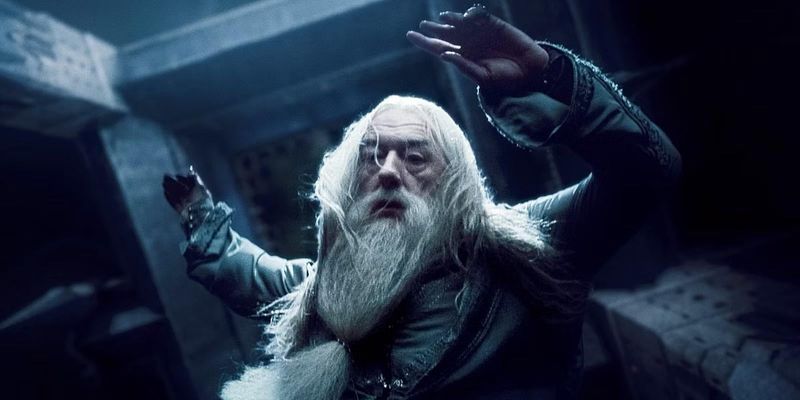
Albus Dumbledore was one of the most powerful wizards who ever lived, so fans refused to accept that his fall from the Astronomy Tower was truly the end. Theories about faked deaths, Horcruxes, and magical loopholes circulated for years after the sixth book was released.
The books are crystal clear. Dumbledore’s body is laid to rest in a white marble tomb on the Hogwarts grounds, and his funeral is a major emotional scene.
No amount of fan creativity can undo a confirmed burial ceremony.
11. Fawkes Would Fight in the Final Battle Against Voldemort
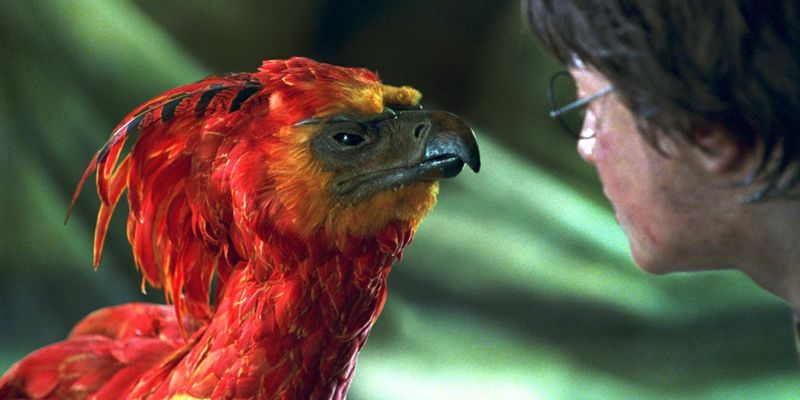
Fawkes the phoenix had already played a heroic role in the Chamber of Secrets, arriving at the perfect moment to save Harry’s life. Naturally, fans expected the loyal bird to swoop back for the ultimate showdown during the Battle of Hogwarts.
Fawkes actually departed Hogwarts after Dumbledore’s death and never returned for the final battle. His absence was a quiet but meaningful symbol of grief.
The story moved forward without him, and Voldemort was defeated through human courage rather than a phoenix’s dramatic rescue.
12. Harry Potter Was the Half-Blood Prince
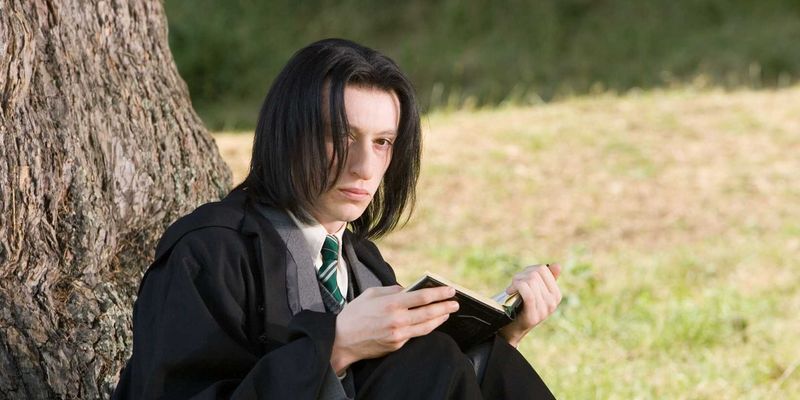
Harry’s mother Lily was a Muggle-born witch, making Harry technically half-blood. When the mysterious title “Half-Blood Prince” was introduced in book six, many readers jumped to the conclusion that the annotated potions textbook belonged to Harry’s father or even Harry himself.
Severus Snape revealed himself as the Half-Blood Prince at the book’s dramatic conclusion, explaining his mixed heritage through his mother Eileen Prince. The reveal reframed Snape’s entire character.
Fans had the right bloodline logic but pointed it at completely the wrong person.
13. The Mirror of Erised Was a Trap That Physically Ensnared Victims
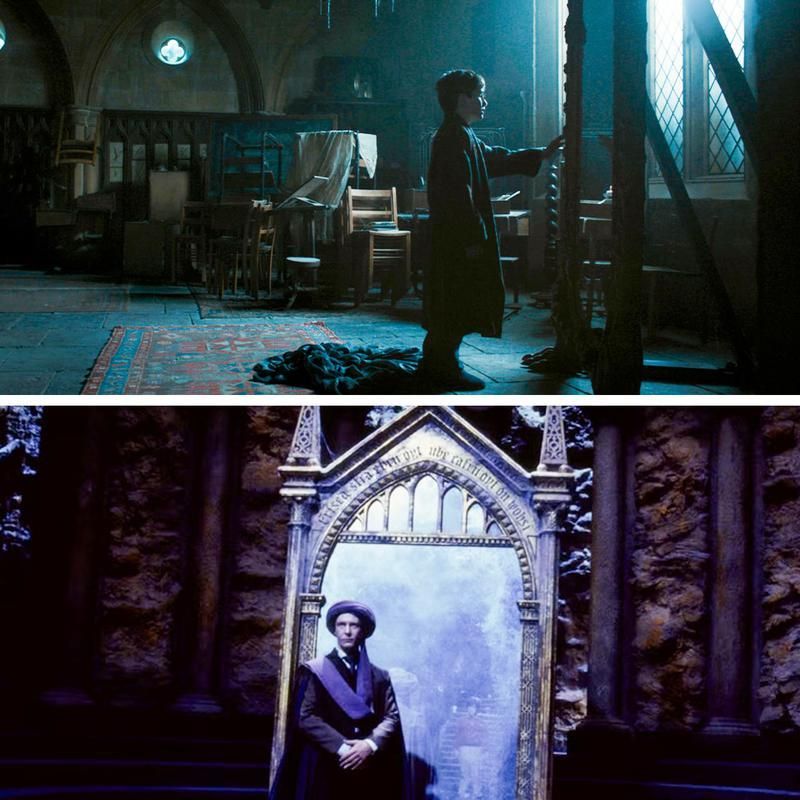
The Mirror of Erised shows whoever looks into it their deepest, most desperate desire. Because Dumbledore warned Harry that people waste away in front of it, some fans concluded the mirror was an actual physical trap designed to imprison those who lingered too long.
Dumbledore’s warning was metaphorical, not literal. The mirror does not lock anyone in place or prevent them from walking away.
Rowling’s text makes clear the danger is emotional obsession, not magical imprisonment. A cautionary tale got turned into a conspiracy theory it was never meant to support.
14. Petunia Dursley Was a Secretly Suppressed Witch
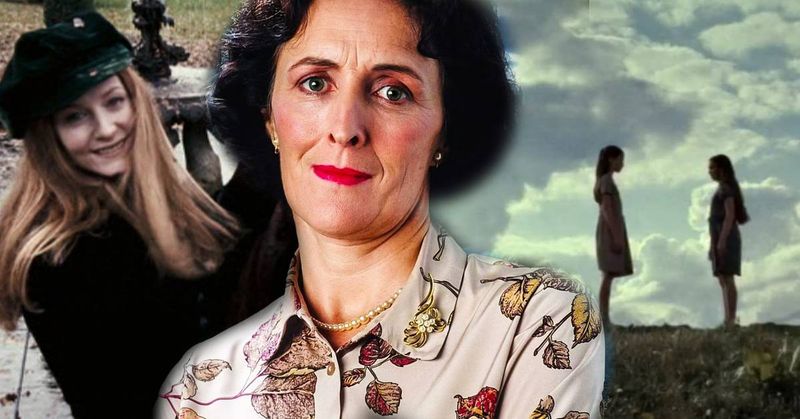
Petunia Dursley’s intense hatred of magic always felt oddly personal, and fans noticed she seemed to know a suspicious amount about the wizarding world. Could her bitterness actually come from jealousy over her own suppressed magical abilities?
The theory was creative and emotionally compelling.
Canonically, Petunia is a Muggle with no magical ability whatsoever. Her knowledge came from growing up with Lily and eavesdropping on conversations.
Rowling confirmed Petunia’s resentment was purely emotional, rooted in feeling left behind by her sister rather than any hidden power of her own.
15. Snape’s Cruelty Toward Harry Was Entirely an Act to Protect Him
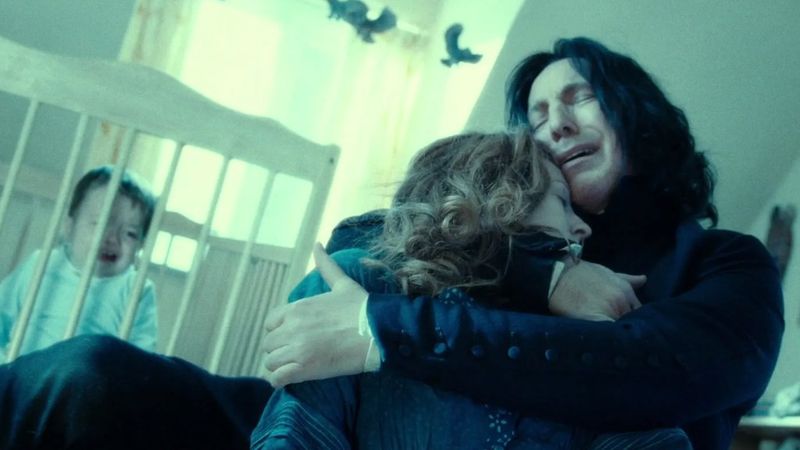
After the heartbreaking revelation of Snape’s love for Lily Potter, many fans reframed every cruel moment as a carefully constructed performance. The idea that Snape was always secretly protecting Harry and never genuinely mean felt like a satisfying redemption arc.
Rowling has clarified that Snape’s bitterness toward Harry was real. His resentment of James Potter was genuine and bled directly into how he treated Harry.
Loving Lily and despising James were not mutually exclusive feelings, and Snape’s behavior reflected both truths at the same time.