
A grave can tell a story long after a person’s life has ended. Around the world, people visit the resting places of leaders, artists, writers, and stars whose work still matters to them.
Some sites have grand monuments, while others are easy to miss. Each visit offers a chance to remember a life and learn a little history.
1. John F. Kennedy’s Eternal Flame
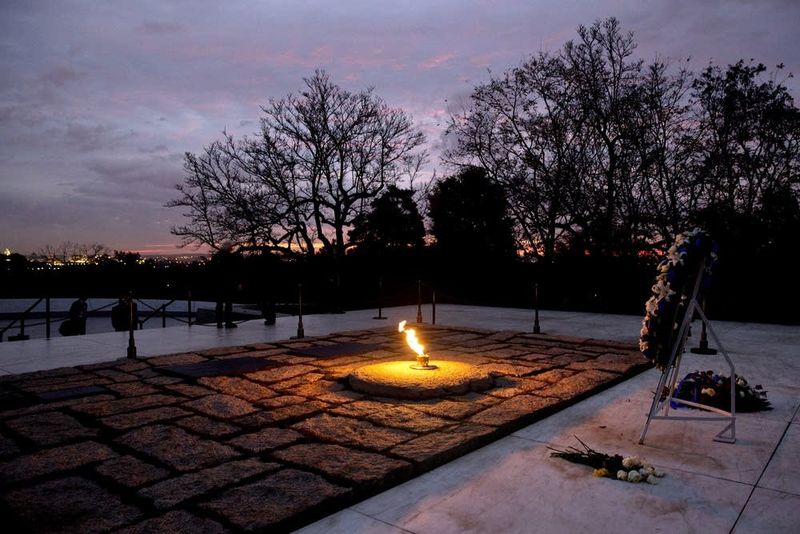
A small flame burns beside the grave of President John F. Kennedy at Arlington National Cemetery in Virginia.
His wife, Jacqueline Kennedy, requested it after his death in 1963. Its steady light has become a powerful sign of remembrance for visitors.
The grave sits near those of other Kennedy family members. Expect a walk through the cemetery, and check its visitor rules before you go.
Speak softly and leave room for families who may be visiting loved ones nearby.
2. Princess Diana’s Island Resting Place
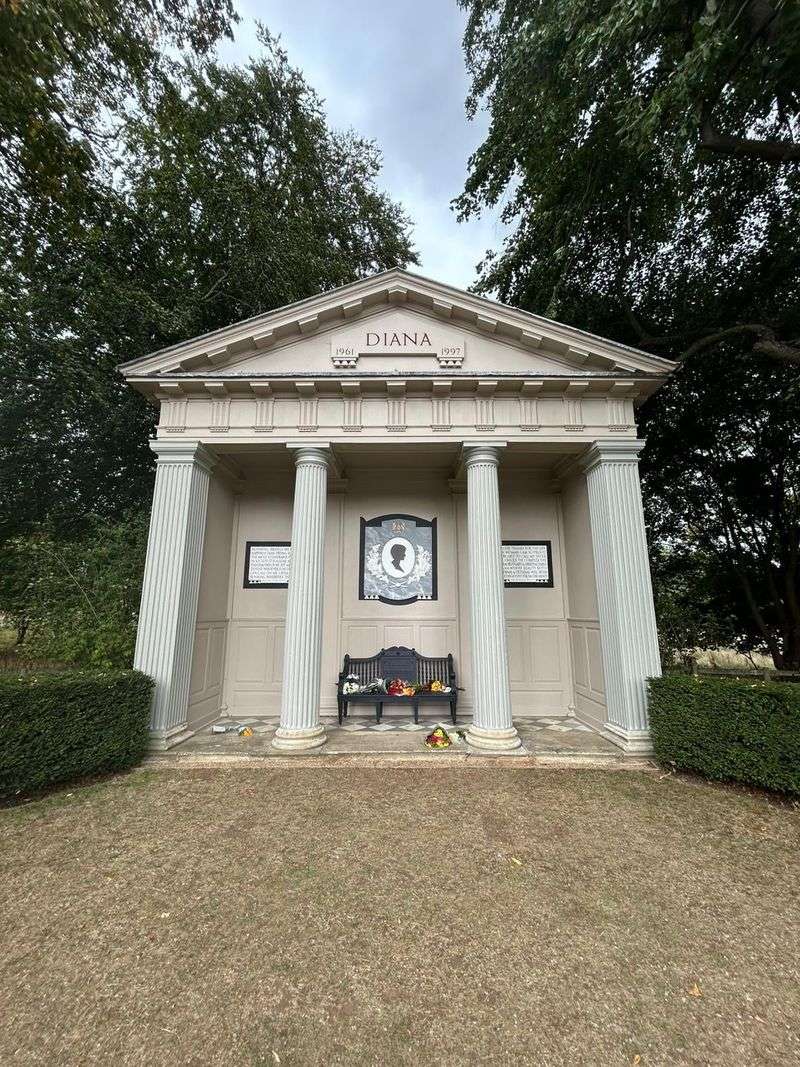
Across a quiet lake at Althorp lies the grave of Princess Diana. The island burial place is not open to visitors, which gives her family privacy.
People can remember her from a memorial area on the estate when it is open to the public.
Althorp was Diana’s childhood home in Northamptonshire, England. If you hope to visit, check the estate’s opening dates and ticket details first.
The lake offers a peaceful place to think about her life and lasting influence.
3. Bruce Lee’s Seattle Grave
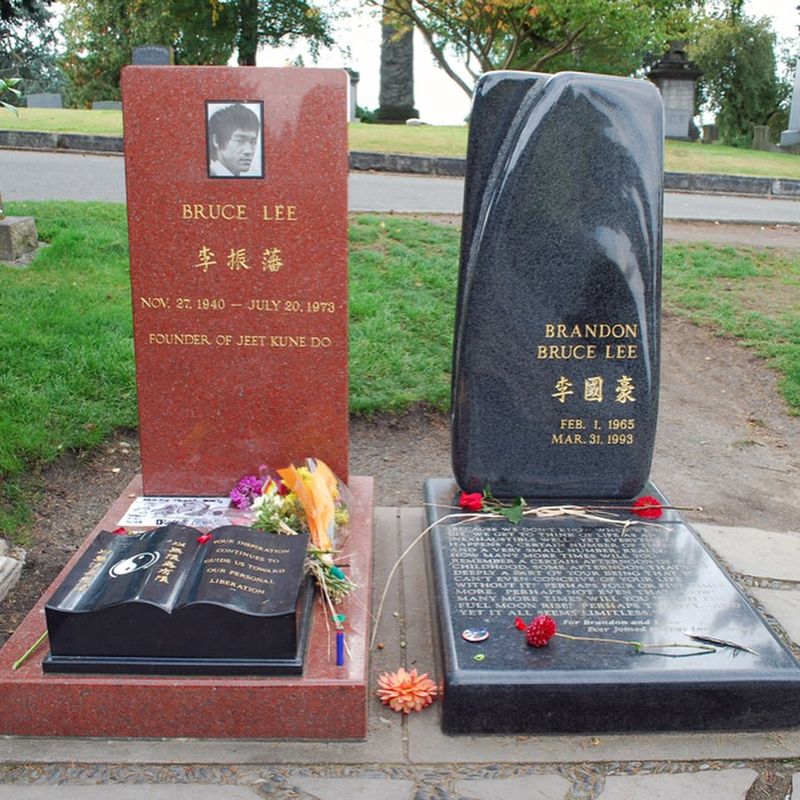
Fans of martial arts often make their way to Lake View Cemetery in Seattle to honor Bruce Lee. The actor and teacher helped bring martial arts to audiences around the world.
His son, actor Brandon Lee, is buried beside him.
The pair’s graves attract visitors, so be patient if others are paying their respects. Read the markers, then take a moment to consider how Bruce Lee challenged ideas about who could be a movie hero.
Keep the site tidy.
4. Leonardo da Vinci at Amboise
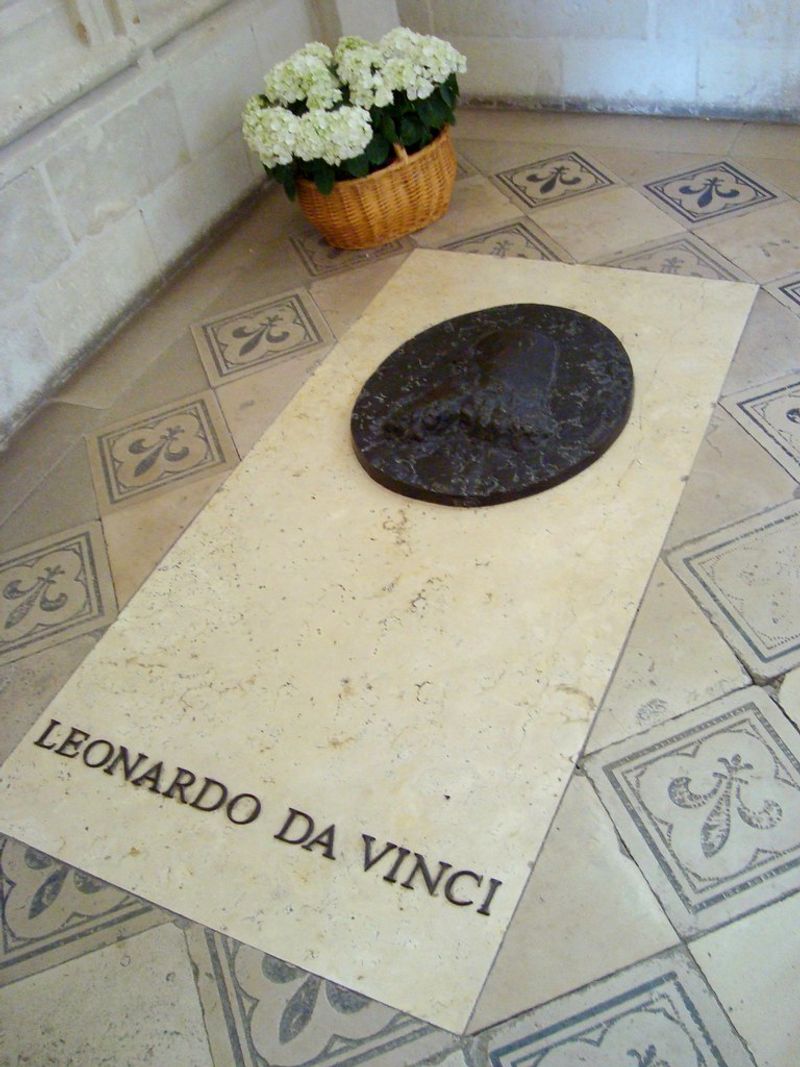
Art and invention meet in the story of Leonardo da Vinci, who spent his final years in France. His tomb is in the Chapel of Saint-Hubert at the Château d’Amboise, above the Loire River.
The chapel itself is part of the visit.
Before arriving, check castle admission and any chapel access notices. Look around the building as well as at the grave.
Its setting helps explain why a famous Italian artist ended his journey far from home.
5. Elvis Presley in the Meditation Garden
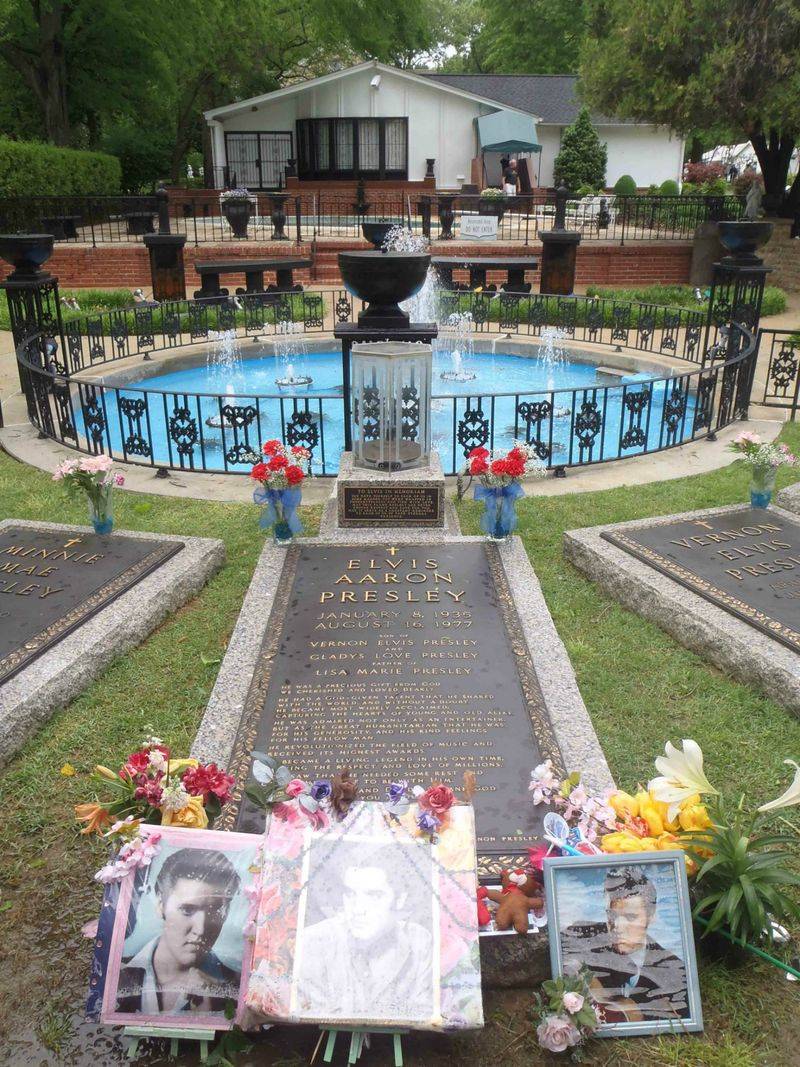
Music fans still bring flowers to Elvis Presley’s grave at Graceland in Memphis. He rests in the Meditation Garden beside members of his family.
For many visitors, the stop feels personal, even though they never met the singer known as the King of Rock and Roll.
Graceland offers different ways to tour the property, so check current access before traveling. Elvis Week can be especially busy.
Give other fans space, and notice how the family garden differs from a large cemetery.
6. Bob Marley’s Homecoming in Nine Mile
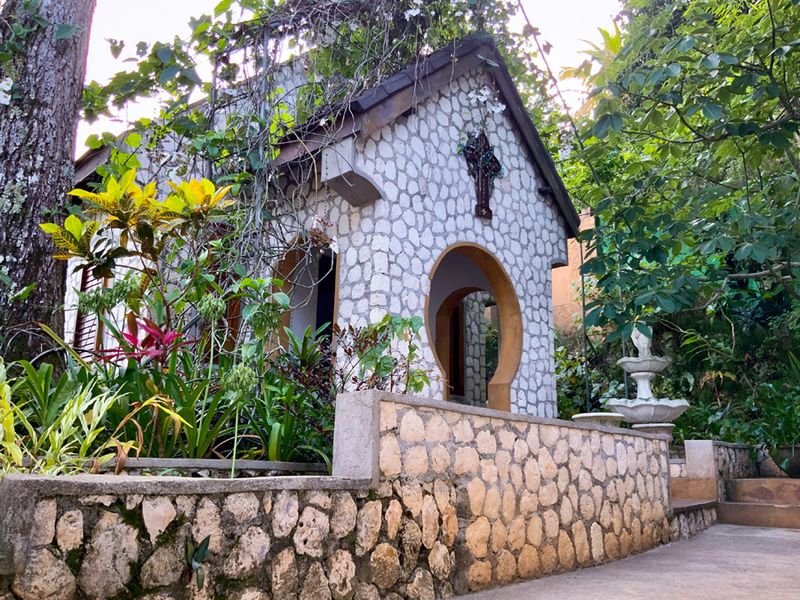
Reggae has a home in the hills of Nine Mile, Jamaica, where Bob Marley was born and later laid to rest. A guided visit can connect his mausoleum with the community that shaped his early life.
Music is part of the story, but so is place.
Tours may have rules about photography and entering sacred spaces, so listen to your guide. Wear comfortable shoes for walking, and ask questions about the village rather than rushing straight to the grave.
7. Marilyn Monroe’s Modest Crypt
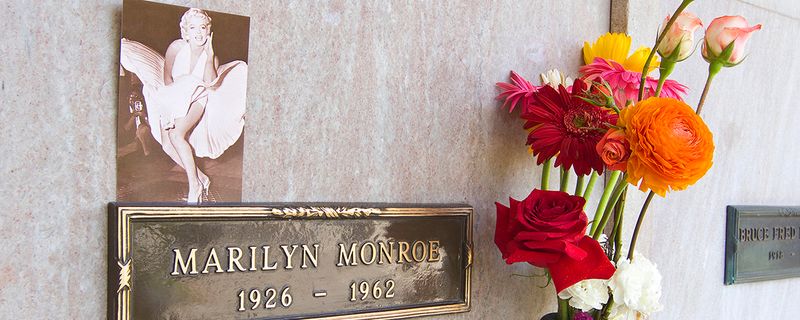
Behind the glamour of movie posters is a quiet resting place for Marilyn Monroe. Her crypt is at Westwood Village Memorial Park Cemetery in Los Angeles, a small cemetery surrounded by a busy city.
Fans continue to leave flowers and messages.
The site is a working cemetery, not a movie set. Check visiting hours, keep your voice low, and avoid blocking a path while taking a photo.
A respectful visit can honor the person behind the famous screen image.
8. William Shakespeare’s Church Grave
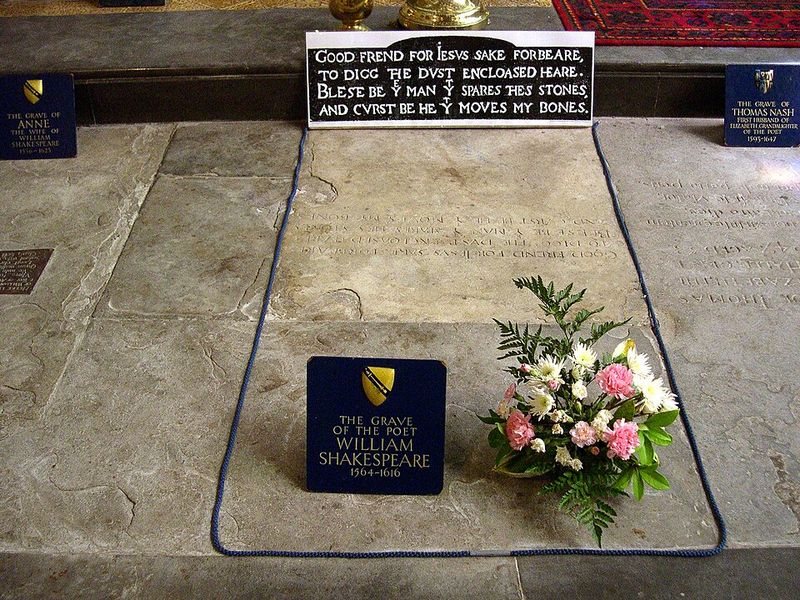
Words from William Shakespeare’s plays fill classrooms and theaters, but his grave is in a church in his hometown. Holy Trinity Church stands in Stratford-upon-Avon, England, where visitors can see his resting place inside the building.
Church services and visiting arrangements can affect access, so check ahead. While there, look at the memorials and remember that the playwright was also a local husband and father.
Reading a short scene before your visit can make the stop more meaningful.
9. Oscar Wilde’s Striking Tomb
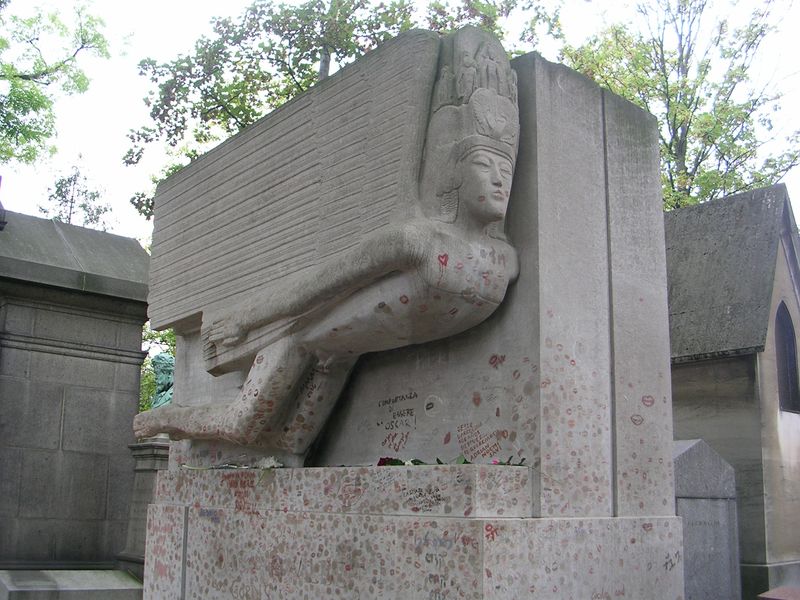
A bold stone sculpture makes Oscar Wilde’s tomb hard to forget. It stands in Père Lachaise Cemetery in Paris and was created by artist Jacob Epstein.
Admirers once covered the monument with lipstick kisses, but a glass screen now helps protect it.
Rather than marking the glass, enjoy the artwork from a short distance. Bring a cemetery map, since the grounds are large and winding.
Wilde’s grave shows how fans can express affection while still caring for a historic site.
10. Jim Morrison at Père Lachaise
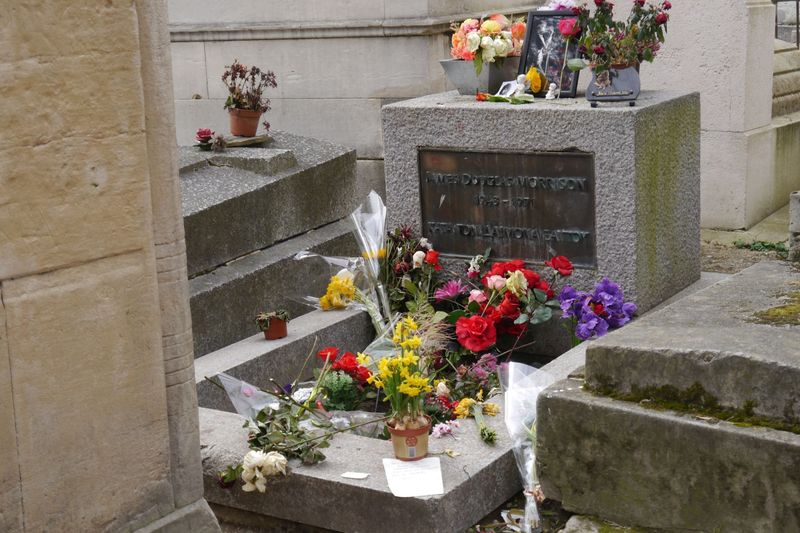
Rock music follows Jim Morrison even into a centuries-old Paris cemetery. The Doors singer is buried at Père Lachaise, where fans seek out his grave among many winding paths.
His short life and mysterious stage presence still spark curiosity.
Use the cemetery’s map to find the section without wandering over other graves. You can also learn about nearby artists and writers during your walk.
Keep music at a low volume, if you play it at all, so the cemetery stays peaceful.
11. Vladimir Lenin’s Red Square Mausoleum
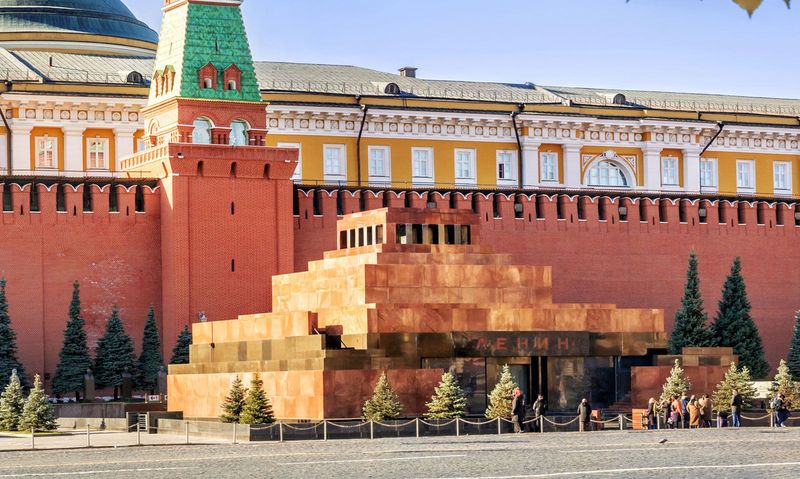
Few resting places are as unusual as Lenin’s Mausoleum in Moscow’s Red Square. The preserved body of Vladimir Lenin, a leader of the Russian Revolution, has been displayed there for generations.
The site also raises questions about history, power, and public memory.
Access and security rules can change, so check official information before planning a visit. Expect a quiet, brief experience and follow all posted instructions.
Reading about the revolution beforehand will help you understand why this place remains so widely discussed.
12. Beethoven Among Vienna’s Composers
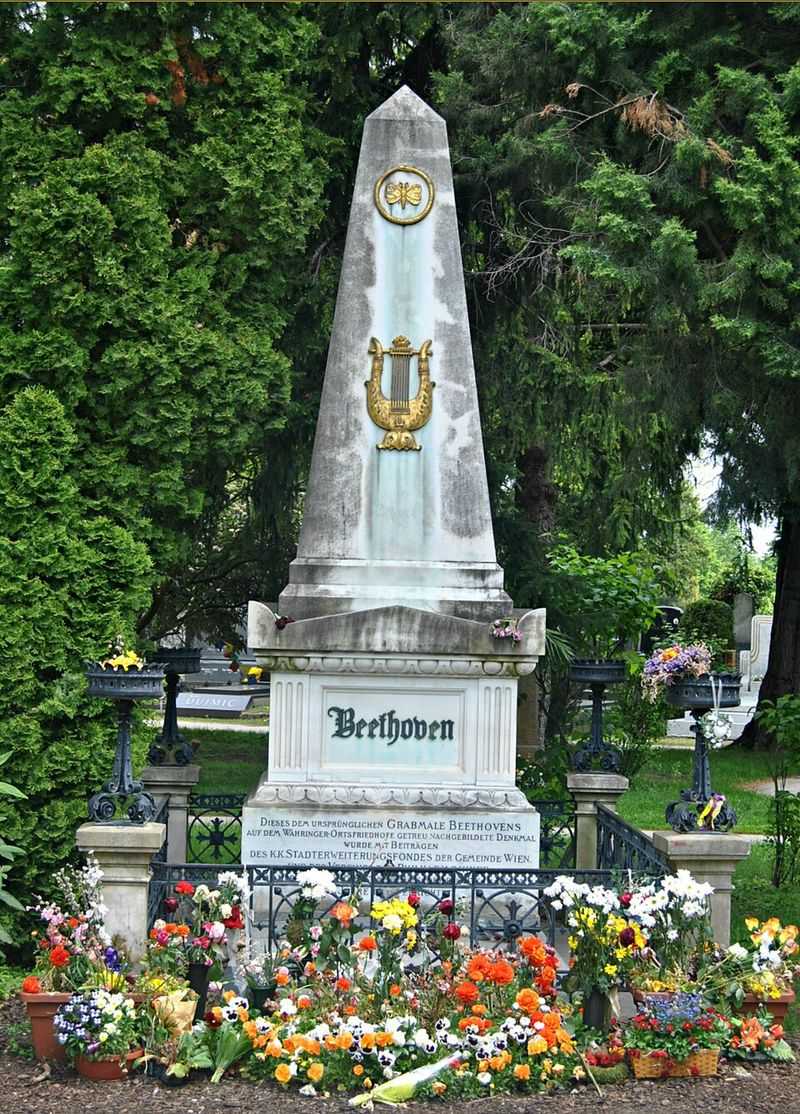
Imagine hearing a famous symphony in your head while standing by Beethoven’s grave. The composer rests at Vienna’s Central Cemetery, where visitors can also find the graves of Franz Schubert and Johannes Brahms.
Their nearby memorials make the area special for music lovers.
The cemetery is large, so use a map or ask for directions at the entrance. Take time to read the names instead of racing between monuments.
A favorite piece of music can give your visit a personal connection.
13. Jane Austen’s Quiet Cathedral Grave
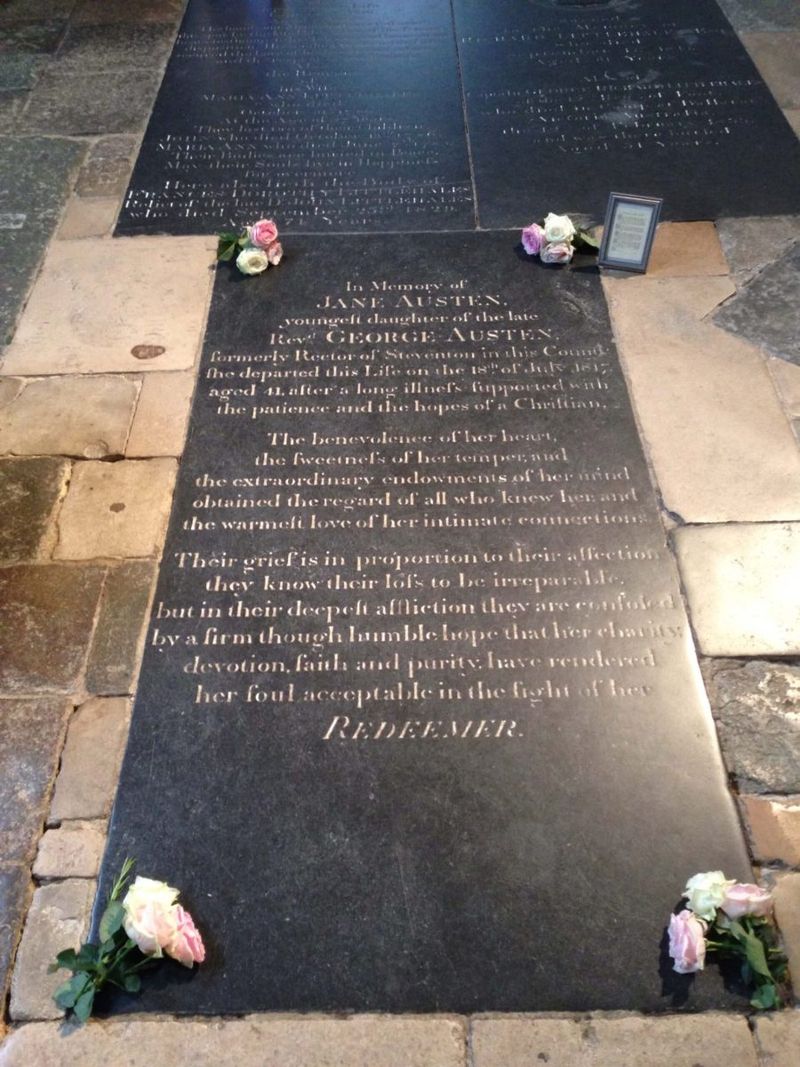
Jane Austen wrote sharp, funny stories about family and society, yet her grave marker is rather plain. She is buried inside Winchester Cathedral in England.
Later memorials there celebrate the books that made her famous around the world.
Look for both the floor stone and the other tributes to see how her reputation grew after her death. The cathedral is a place of worship, so check visiting times and stay mindful of services.
Bringing one favorite Austen line adds a lovely touch.
14. Mark Twain’s Elmira Resting Place
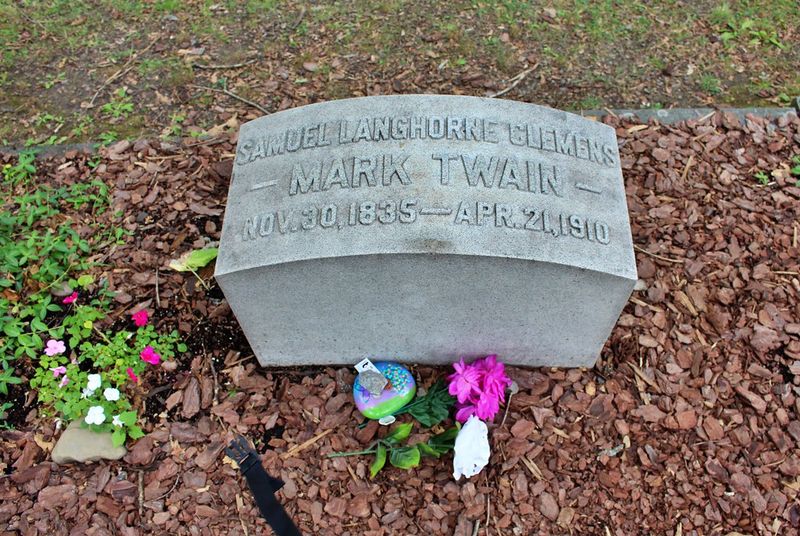
Mark Twain sent Tom Sawyer and Huck Finn down famous rivers, but his own journey ended in Elmira, New York. The writer, whose real name was Samuel Clemens, is buried at Woodlawn Cemetery.
Elmira also played an important part in his family life and writing.
If you visit, check the cemetery’s hours and locate the family plot before you arrive. A trip to other Twain sites in Elmira can add context.
His grave is a reminder that great stories often grow from real places.
15. James Dean’s Fairmount Grave
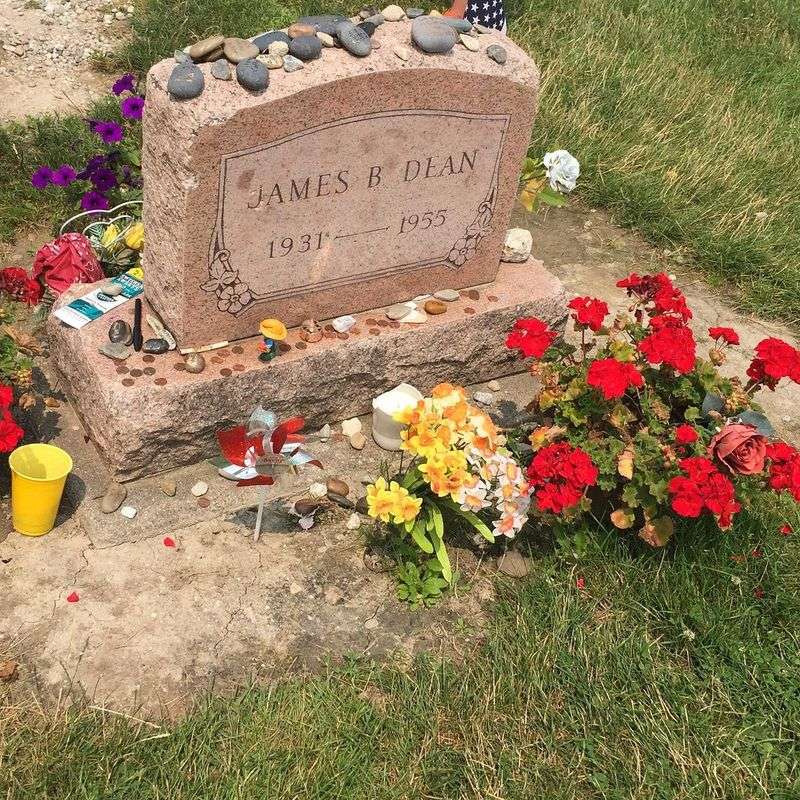
James Dean appeared in only three major films, yet his image still speaks to new movie fans. He is buried at Park Cemetery in Fairmount, Indiana, the town where he grew up.
Visitors often explore local places connected to his early years as well.
Fairmount is a small community, so treat both the cemetery and its neighbors with care. Check local museum information before making the trip, since hours may vary.
Watching one of Dean’s films first can explain why his grave keeps drawing visitors.