
One drummer quietly shaped the sound of an entire decade without most people ever knowing his name. Hal Blaine was a session musician in Los Angeles who played on an incredible number of hit songs during the 1960s, becoming one of the most recorded drummers in history.
As a key member of the studio group known as The Wrecking Crew, he brought energy and precision to recordings by some of the biggest names in music. Get ready to discover 15 legendary songs that all share one incredible drummer behind the kit.
1. “Be My Baby” by The Ronettes (1963)
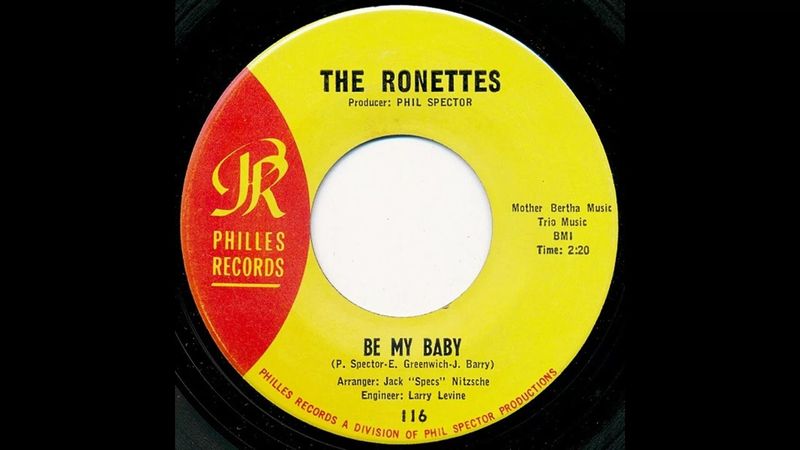
That iconic boom-ba-boom-CRACK drum intro is one of the most recognizable moments in pop music history. Hal Blaine played those thunderous opening beats on this Phil Spector-produced classic, and it hooked listeners immediately.
The Ronettes delivered a dreamy, passionate vocal performance, but it was Blaine’s punchy drumming that gave the track its unforgettable power.
Even today, musicians and producers study this song’s drum pattern as a masterclass in how rhythm can make a song feel larger than life.
2. “Da Doo Ron Ron” by The Crystals (1963)
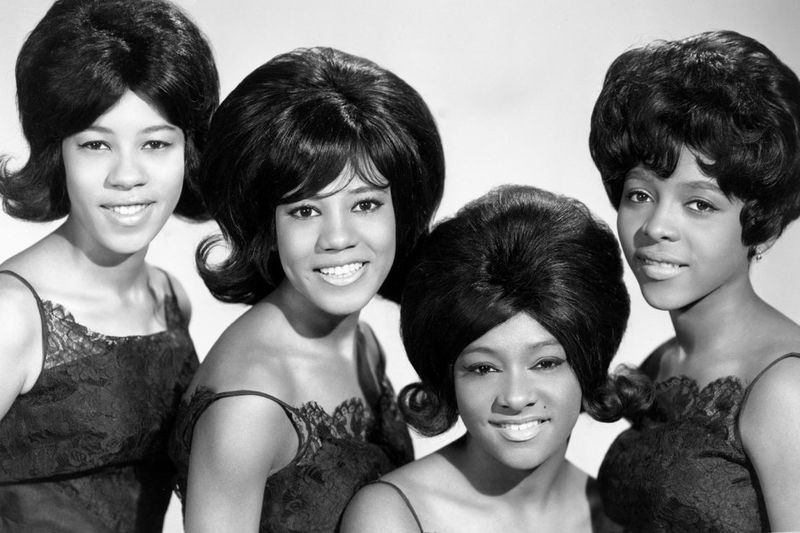
Bright, bouncy, and impossible to sit still to, this Crystals hit had audiences clapping along from the very first beat. Hal Blaine kept the rhythm snappy and driving, giving the song a carefree energy that perfectly matched the bubblegum pop sound of the era.
Phil Spector’s Wall of Sound production surrounded Blaine’s drumming with layers of instruments.
The result was a joyful track that climbed to number three on the Billboard Hot 100 and became a defining song of early 1960s pop.
3. “Can’t Help Falling in Love” by Elvis Presley (1961)
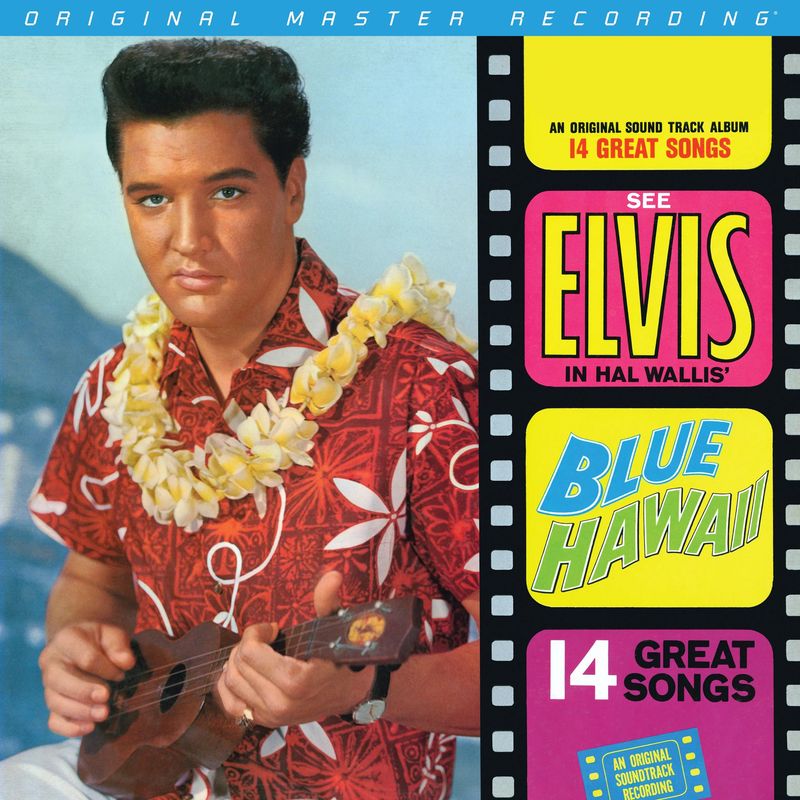
Slow, tender, and wrapped in pure romance, this Elvis ballad has been played at weddings for over six decades. Hal Blaine provided subtle, tasteful percussion that never overpowered the song’s gentle mood, letting Elvis’s warm voice take center stage.
The restraint Blaine showed here proves that great drumming is sometimes about knowing when to hold back.
Originally recorded for the film Blue Hawaii, the song became one of Presley’s most beloved recordings and a timeless symbol of heartfelt devotion.
4. “Surf City” by Jan and Dean (1963)
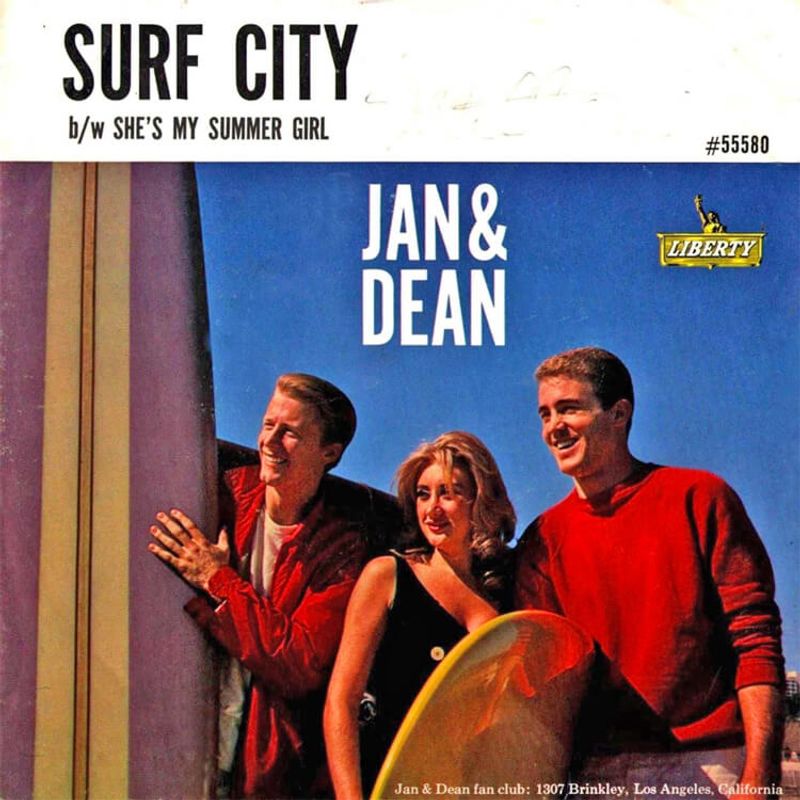
Sun, waves, and two girls for every boy – that was the fantasy Jan and Dean sold with this cheerful number-one hit. Hal Blaine’s drumming gave the track a breezy, rolling momentum that perfectly captured the California beach lifestyle.
Written with help from Brian Wilson of The Beach Boys, the song practically smells like sunscreen.
It became the first surf rock song to top the Billboard Hot 100, and Blaine’s loose, fun drumming was a big reason the groove felt so effortlessly cool.
5. “Dead Man’s Curve” by Jan and Dean (1964)
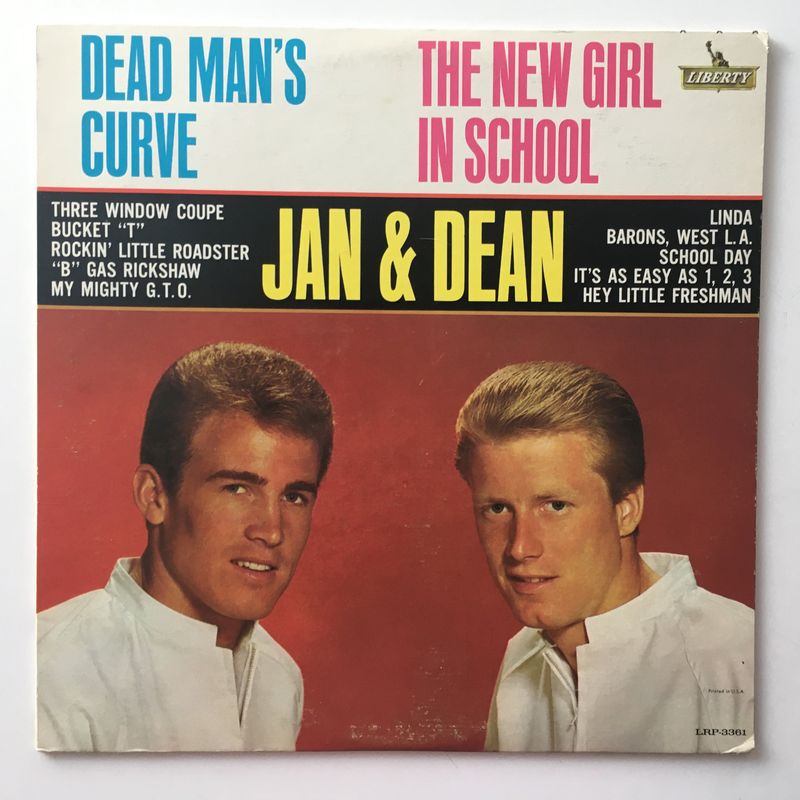
Few songs capture teenage thrill and danger quite like this racing drama from Jan and Dean. Hal Blaine’s drumming builds tension throughout the track, pushing the story forward like a car accelerating toward disaster.
The song tells the tale of a deadly stretch of Sunset Boulevard in Los Angeles, and the production makes you feel every twist.
Chillingly, Jan Berry was seriously injured in a real car accident near the actual Dead Man’s Curve just two years after the song was released.
6. “California Girls” by The Beach Boys (1965)
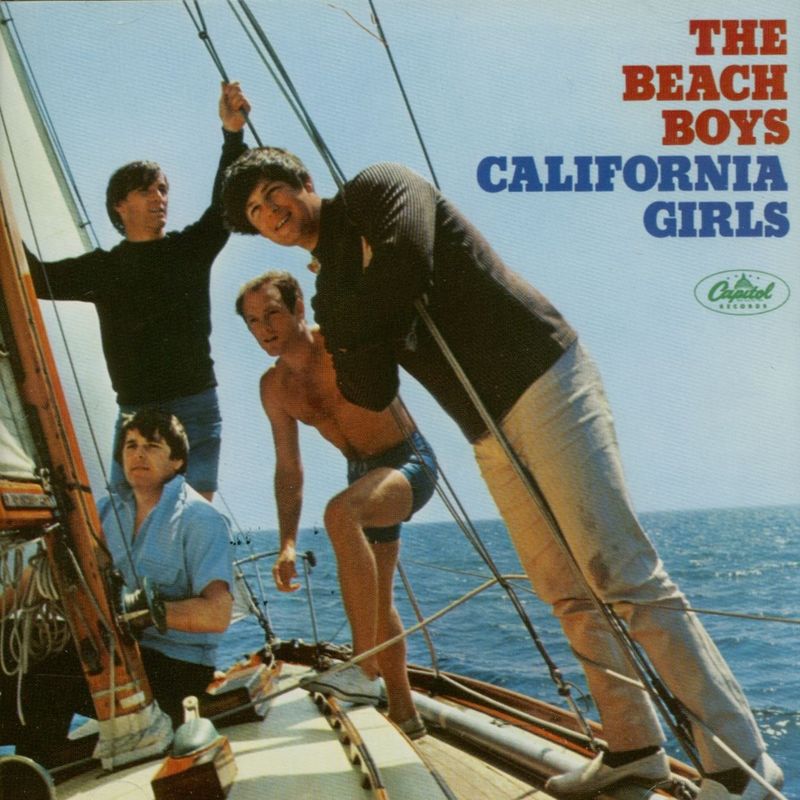
Brian Wilson once said he wrote this song after taking psychedelics and wanting to capture every beautiful thing about America. Hal Blaine’s driving, confident drumming anchors the track while layers of vocals and instruments swirl around it.
The opening brass fanfare is legendary, but Blaine’s steady rhythm is what keeps the whole production grounded.
Rolling Stone magazine ranked it among the greatest songs ever made, and it remains a quintessential snapshot of mid-1960s California optimism and musical ambition.
7. “Mr. Tambourine Man” by The Byrds (1965)
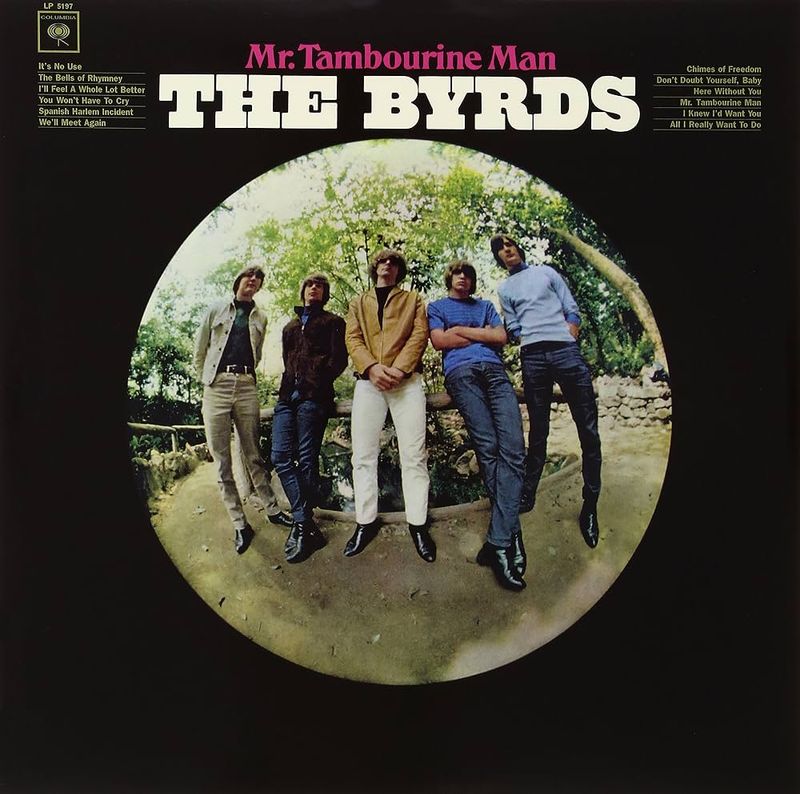
When The Byrds transformed Bob Dylan’s poetic folk song into electric pop gold, Hal Blaine was behind the drum kit making it happen. The Wrecking Crew actually played most of the instruments on the recording, with only Roger McGuinn’s ringing 12-string guitar representing the actual band.
Blaine’s drumming is understated yet perfectly suited to the dreamy, floating quality of the song.
The record hit number one in both the US and UK, launching folk rock as a major genre and changing popular music forever.
8. “Eve of Destruction” by Barry McGuire (1965)
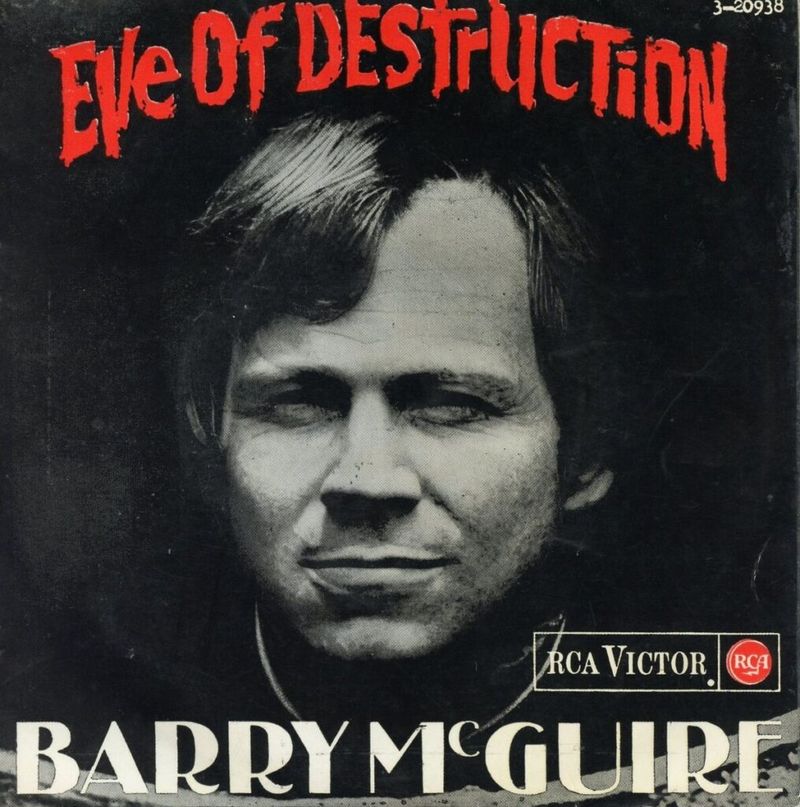
Raw, angry, and dripping with frustration, this protest anthem captured the anxiety of a generation watching the world fall apart. Barry McGuire’s gravelly voice delivered P.F.
Sloan’s scathing lyrics, while Hal Blaine’s urgent drumming added a restless, thumping heartbeat to the message. The song was banned by some radio stations for being too controversial.
Despite the pushback, it shot straight to number one, proving that young Americans were hungry for music that spoke honestly about war, racism, and political tension.
9. “California Dreamin'” by The Mamas and The Papas (1965)
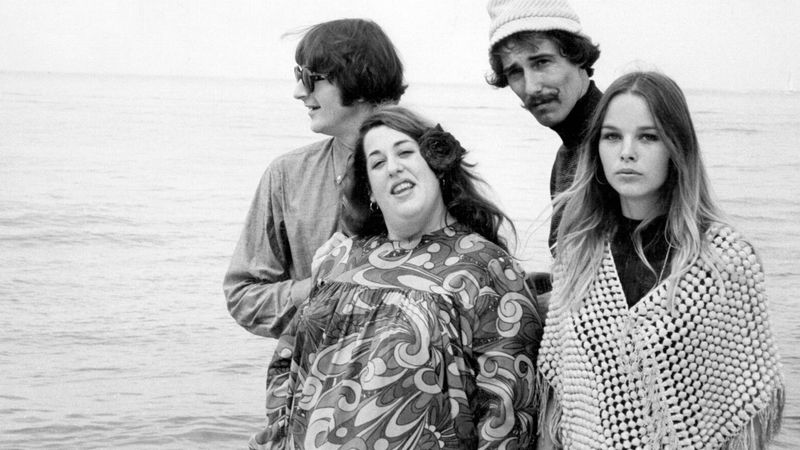
Written on a freezing New York winter night while longing for the warmth of Los Angeles, this song became one of the most emotionally resonant recordings of the decade. Hal Blaine’s drumming is warm and unhurried, perfectly matching the song’s dreamy, wistful tone.
The four-part vocal harmony is stunning, but the production underneath it is equally masterful.
Fun fact: the flute solo was actually played by bossa nova legend Bud Shank, adding an unexpected and beautiful texture to the arrangement.
10. “Good Vibrations” by The Beach Boys (1966)
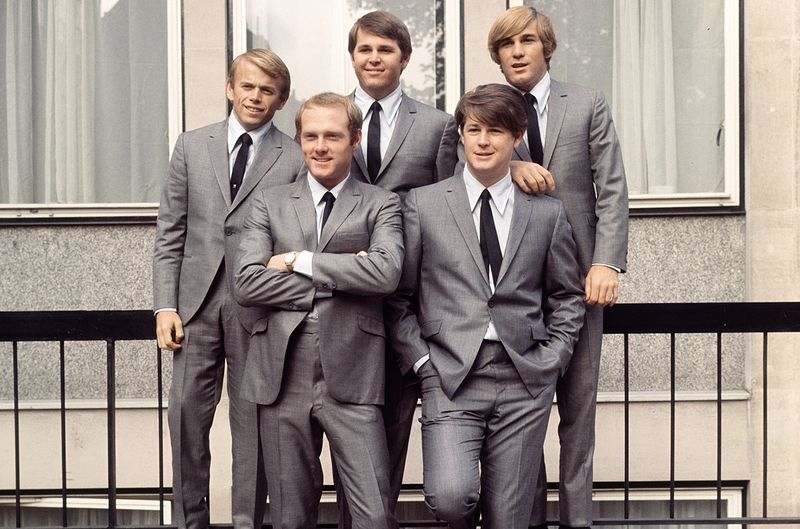
Brian Wilson spent six months and nearly $50,000 recording this song across four different studios, making it one of the most expensive and ambitious pop productions of its time. Hal Blaine’s drumming had to be perfectly precise to hold together the complex, shifting sections of the track.
The result was a song unlike anything radio had heard before.
Rolling Stone ranked it as one of the greatest songs ever recorded, and it remains a jaw-dropping example of what studio creativity can achieve when pushed to its absolute limit.
11. “God Only Knows” by The Beach Boys (1966)
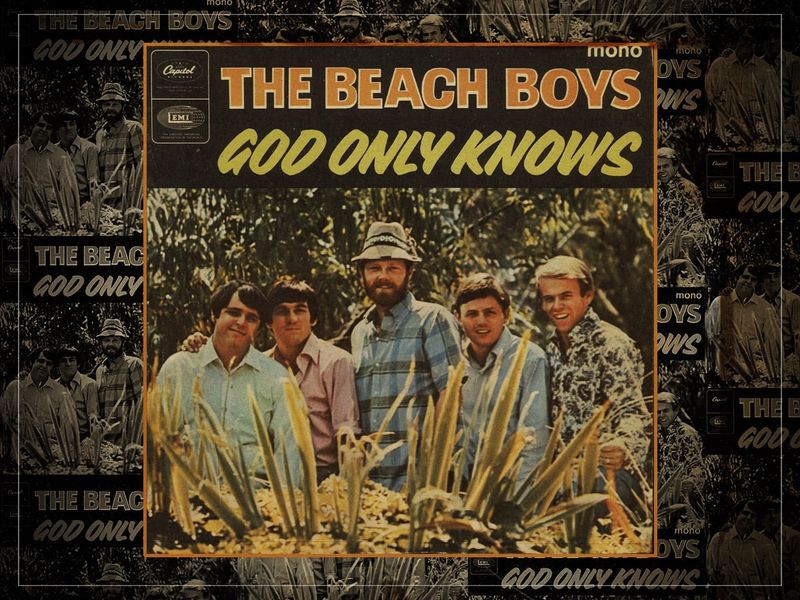
Paul McCartney has called this the greatest song ever written, and it is hard to argue. Hal Blaine’s drumming on this track is delicate and beautifully restrained, allowing Carl Wilson’s angelic lead vocal and the lush orchestral arrangement to shine completely.
The song’s unusual chord structure and sophisticated production were far ahead of their time.
Though it was released as a B-side in the United States, the song became an international sensation and is now considered one of the crown jewels of 1960s pop music.
12. “Strangers in the Night” by Frank Sinatra (1966)
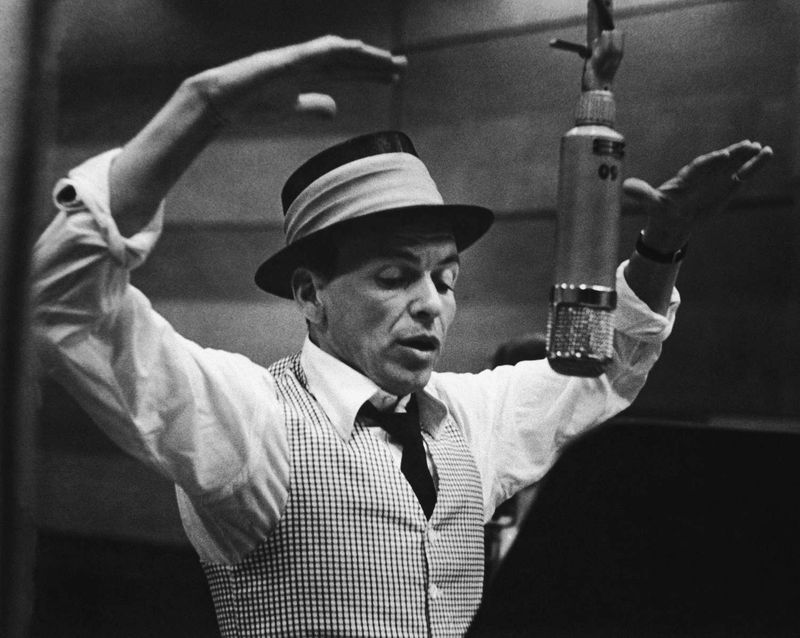
Old Blue Eyes was not typically associated with pop chart-toppers by 1966, but this smooth, sophisticated ballad proved he still had incredible commercial appeal. Hal Blaine provided tasteful brushed drumming that suited the song’s elegant, romantic mood without ever feeling out of place.
Sinatra reportedly disliked the song but recorded it anyway, and it became one of his biggest hits.
It won the Grammy Award for Record of the Year in 1967, the first of six consecutive Grammy winners that featured Hal Blaine on drums.
13. “Wouldn’t It Be Nice” by The Beach Boys (1966)

Opening the legendary Pet Sounds album with pure youthful longing, this song perfectly captures the feeling of wanting more than the world will currently allow. Hal Blaine’s energetic drumming launches the track with enthusiasm, setting up one of the most beloved album openers in rock history.
The layered vocals and lush orchestration made it a production landmark.
Brian Wilson wrote it about wanting to be old enough to live with his girlfriend, giving the song a relatable sweetness that still resonates with young listeners today.
14. “Mrs. Robinson” by Simon and Garfunkel (1968)
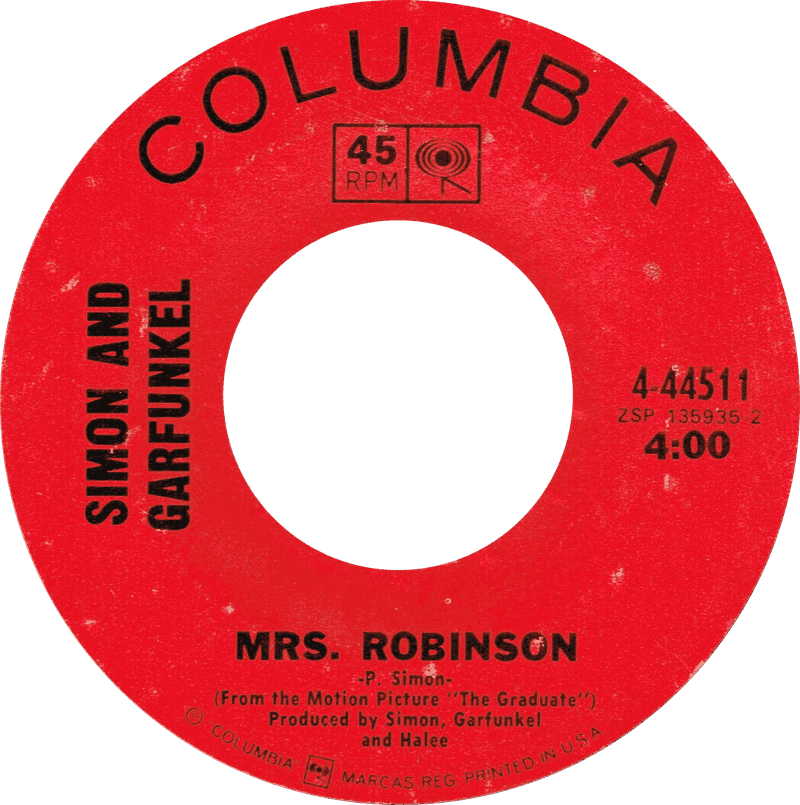
Written for the groundbreaking film The Graduate, this song has a quirky, upbeat energy that feels almost playful despite its satirical lyrics about American society. Hal Blaine’s drumming gives the track a punchy, rhythmic drive that contrasts cleverly with Simon and Garfunkel’s delicate vocal style.
The combination of folk, rock, and pop elements made it genuinely unique.
It won the Grammy for Record of the Year in 1969 and became one of the defining songs of the late 1960s counterculture generation.
15. “Aquarius/Let the Sunshine In” by The 5th Dimension (1969)
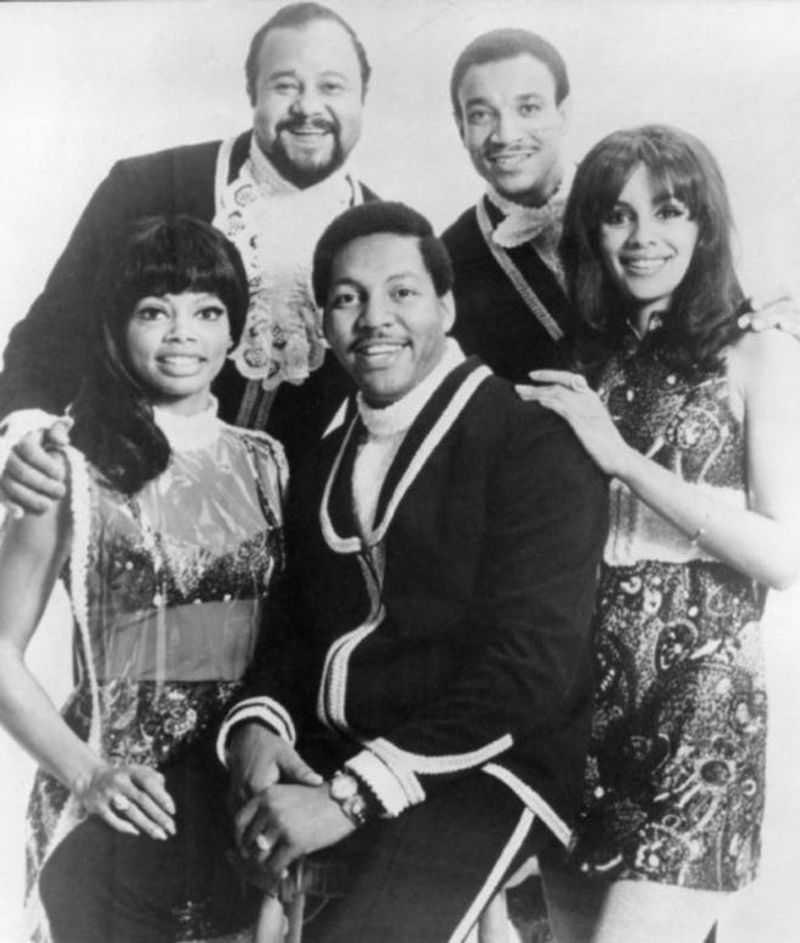
Bursting with optimism and the idealistic spirit of the Age of Aquarius, this medley from the musical Hair became an anthem for an entire generation dreaming of peace. Hal Blaine’s drumming shifts effortlessly between the flowing, mystical opening section and the explosive, gospel-tinged finale.
The energy he brings to the second half is absolutely electric.
The song spent six weeks at number one and won the Grammy for Record of the Year in 1970, adding another milestone to Hal Blaine’s already extraordinary career.